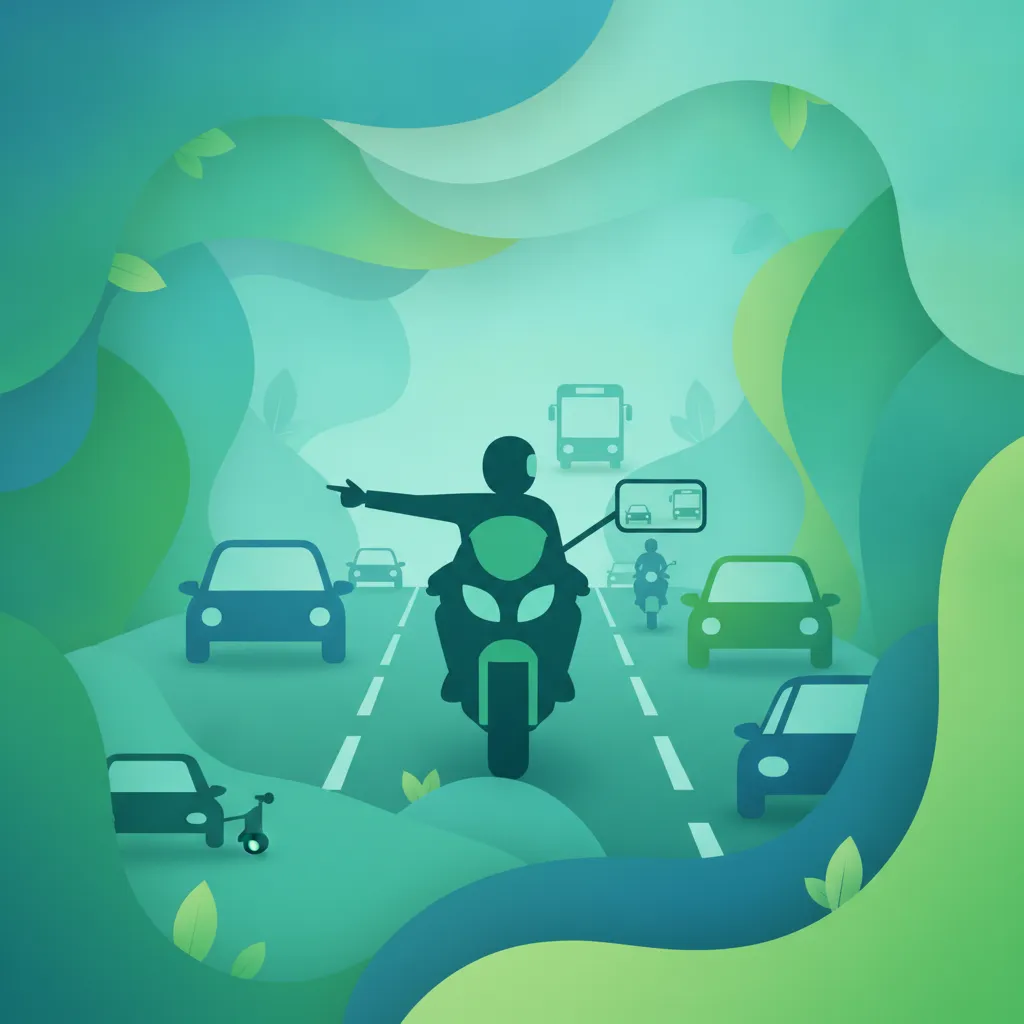
This lesson guides you through the essential rules for signalling your intentions while operating a small motorized vehicle, such as a scooter or cyclomoteur. Mastering these communication techniques is a crucial part of the Category AM curriculum, helping you interact safely and predictably with other road users in the French traffic environment.
Lesson content overview
When riding a small motorized vehicle—such as a scooter, moped, or light quadricycle under the French Category AM licence (formerly known as the Brevet de Sécurité Routière or BSR)—communication is your primary tool for survival. Unlike car drivers, who are protected by a steel passenger cabin, riders are highly vulnerable. On busy French streets, from the historic centers of Paris to rural routes in the departments, safety depends on your ability to make your actions entirely predictable.
Signalling your intentions is not just a polite habit; it is a fundamental legal obligation defined by the French Highway Code (Code de la route). This lesson details how to effectively communicate using both physical hand gestures and vehicle indicators, ensuring you remain safe, legal, and predictable in every riding environment.
Traffic flows smoothly when every road user can anticipate what others will do next. Under the Code de la route, communication is built on three core pillars:
By integrating clear signalling with proper road positioning and constant hazard scanning, you establish a protective bubble of predictability around your vehicle.
Vehicle indicators (les feux clignotants) are the primary means of communication for any motorized two-wheeler. These amber flashing lights are designed to instantly convey a planned lateral movement or turn to traffic both ahead of and behind you.
To use your indicators effectively and legally, you must master their specific operation, timing, and limits.
You must activate your turn signals before any lateral movement. This includes:
A common mistake among new riders is turning off the indicator too early. Under French traffic guidelines, your indicators must remain active throughout the entire duration of the maneuver. This means the light must flash while you are actively turning the handlebars and must only be deactivated once your vehicle has fully straightened into its new lane or direction of travel.
Many AM-class scooters do not have self-cancelling indicators. Get into the habit of manually pressing the indicator cancel button as soon as your maneuver is complete to avoid confusing other drivers behind you with a lingering, incorrect signal.
While most modern Category AM vehicles are equipped with electronic turn signals, there are times when you must rely on manual gestures. This includes riding older moped models that were manufactured without indicators, or dealing with a sudden electrical failure mid-ride.
In France, hand signals (les signaux manuels) are legally recognized alternatives. However, they must be executed precisely to avoid dangerous misunderstandings.
For safety reasons, all hand signals on a two-wheeled vehicle must be performed using your left arm. This is because your right hand must always remain on the handlebar grip to control the throttle and the primary front brake lever. Removing your right hand from the controls severely compromises your stability and braking capacity.
Left Turn: Fully extend your left arm horizontally to the left, parallel to the ground, with your palm facing forward.
Right Turn: Extend your left arm out to the side, then bend it upward at the elbow at a 90-degree angle, forming an "L" shape with your forearm pointing straight up and your palm facing forward.
Stop or Deceleration: Extend your left arm straight out and raise it vertically toward the sky, palm facing forward, to warn traffic behind you that you are slowing down or stopping.
When it comes to signalling, timing is everything. Activating your signal too late leaves other drivers with zero time to react; activating it too early can cause confusion, making others think you are turning before your actual destination.
Under normal driving conditions in urban environments, you must signal your intention at least 30 metres before commencing your maneuver.
[Your Scooter] -------- 30 Metres of Advance Signalling --------> [Intersection / Turn]
This distance provides vehicles behind you with a buffer of several seconds to adjust their speed, and alerts oncoming vehicles or crossing pedestrians of your path.
While 30 metres is the legal baseline, real-world riding requires you to adapt this timing based on environmental factors:
Riding a Category AM vehicle with broken or obscured indicators is a violation of the Code de la route and a major safety hazard. If your vehicle was originally manufactured with indicators, they must remain fully operational at all times.
Turn on the ignition: Activate your left indicator and walk to the front, then the rear of the vehicle to confirm the lights are flashing bright amber.
Check the right side: Repeat the process for the right indicator.
Check the flashing frequency: If an indicator flashes much faster than usual, it typically means one of the bulbs on that side is burned out and needs immediate replacement.
Clean the lenses: Ensure that road grime, mud, or dust does not obscure the indicator casings.
If an indicator fails while you are riding, you must immediately resort to the legal hand signals described above. You should ride directly to a safe location or repair shop to resolve the issue. Riding indefinitely with broken indicators while relying solely on hand signals is illegal and punishable by law enforcement.
Hazard warning lights (les feux de détresse, often referred to simply as "warnings" in France) consist of all four turn signals flashing simultaneously.
Hazard lights must never be used while your vehicle is moving normally. Using them while riding to weave through traffic or to signal general impatience is highly dangerous and illegal.
According to French traffic regulations, you may only activate your hazard warning lights under the following specific conditions:
The French Code de la route takes communication very seriously. Under Article R412-10, any driver or rider who is about to change direction or move laterally without first ensuring they can do so safely, and without signalling their intention to other users, is committing an infraction.
As a defensive rider, you must adjust how and when you signal based on the environment around you.
When riding around cyclists, pedestrians, or kick-scooter (trottinette) riders, your signals must be exceptionally clear. Cyclists do not have rearview mirrors and rely heavily on auditory cues and peripheral vision. Signal early so they can anticipate your path before you attempt to pass them.
French roundabouts have highly specific signalling rules that all AM riders must master:
Explore all units and lessons included in this driving theory course.
Lesson content overview
Explore all units and lessons included in this driving theory course.
Explore search topics learners often look for when studying Predictable Riding: Signalling Intentions. These topics reflect common questions about road rules, driving situations, safety guidance, and lesson level theory preparation for learners in France.
Browse additional driving theory lessons that cover connected traffic rules, road signs, and common driving situations related to this topic. Improve your understanding of how different rules interact across everyday traffic scenarios.
Learn how to choose the correct lane and position your vehicle when approaching various French intersections. This lesson explains how to coordinate your road positioning with legal signalling requirements to navigate crossroads, junctions, and roundabouts safely and predictably according to the French Code de la route.

France features a vast network of roundabouts (carrefours a sens giratoire) governed by specific entry and lane-use regulations. This lesson explains that vehicles entering a roundabout must yield to traffic already circulating inside. You will learn how to select the correct lane depending on your exit, use direction indicators properly, and yield to pedestrians and cyclists near roundabout exits.
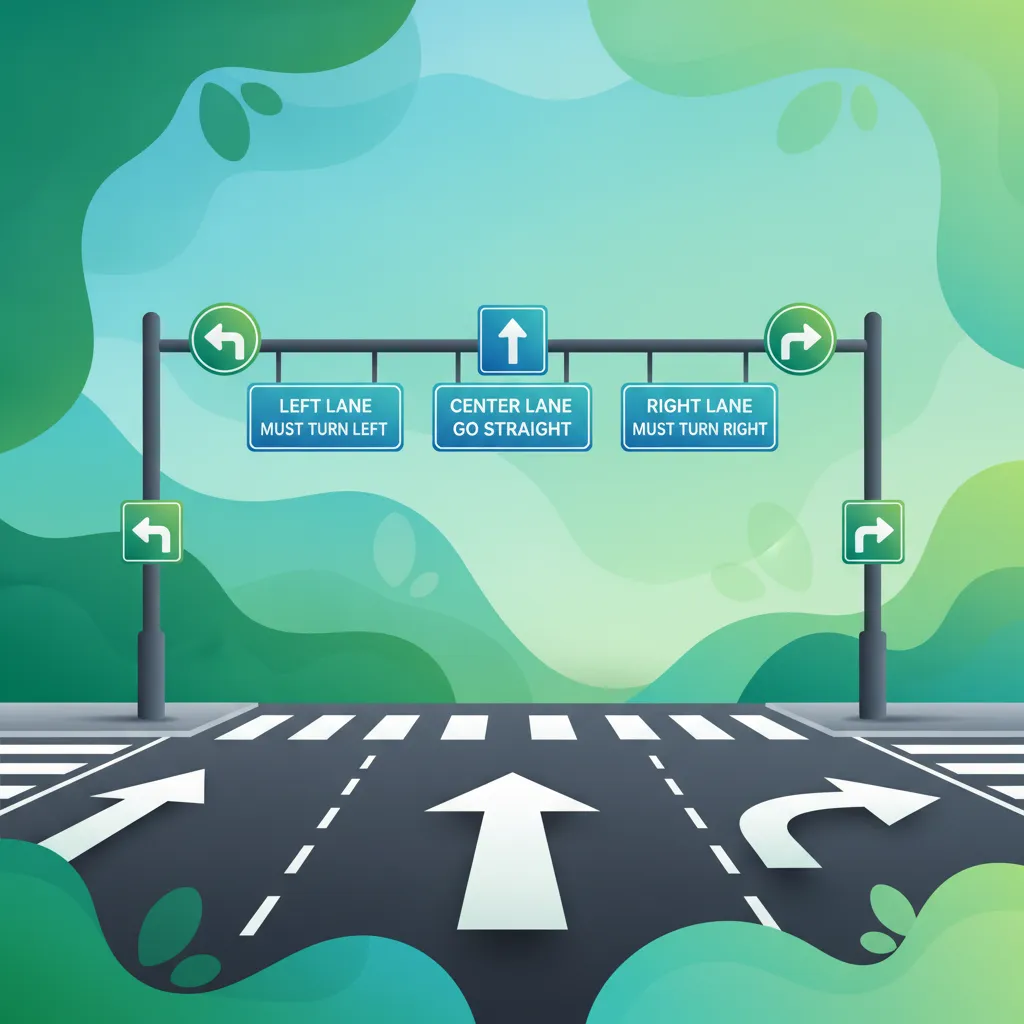
Preselection and direction arrows painted on the road surface instruct drivers on lane-specific movements at upcoming intersections or merges. This lesson teaches you how to interpret these arrows so you can position your vehicle correctly well in advance of a turn. You will learn the rules for lane merging, following curved guidance lines, and avoiding sudden, dangerous lane adjustments.

Negotiating crossroads that lack active traffic light signals requires a clear reading of signs and painted stop or yield lines. This lesson details the obligations of stopping completely at stop signs and slowing down to yield at 'cedez le passage' markings. You will learn to assess cross-traffic speeds, determine priorities when multiple vehicles arrive, and execute turns safely.

This lesson explains the correct procedures for entering, circulating, and exiting roundabouts, which are highly prevalent throughout France. You will learn the exact lane choice strategies based on your intended exit, and how to use your turn indicators at each stage of the maneuver. The content also addresses the critical task of performing over-the-shoulder blind spot checks to avoid conflicts with overtaking vehicles when exiting.

This lesson analyzes the technical path a long wheelbase vehicle must take when turning at intersections and navigating roundabouts. Drivers will learn to calculate tail swing and rear-wheel tracking, intentionally swinging wide to clear roadside curbs and poles safely. The lesson emphasizes yielding protocols for pedestrians and cyclists who may be crossing the target street during the turn.
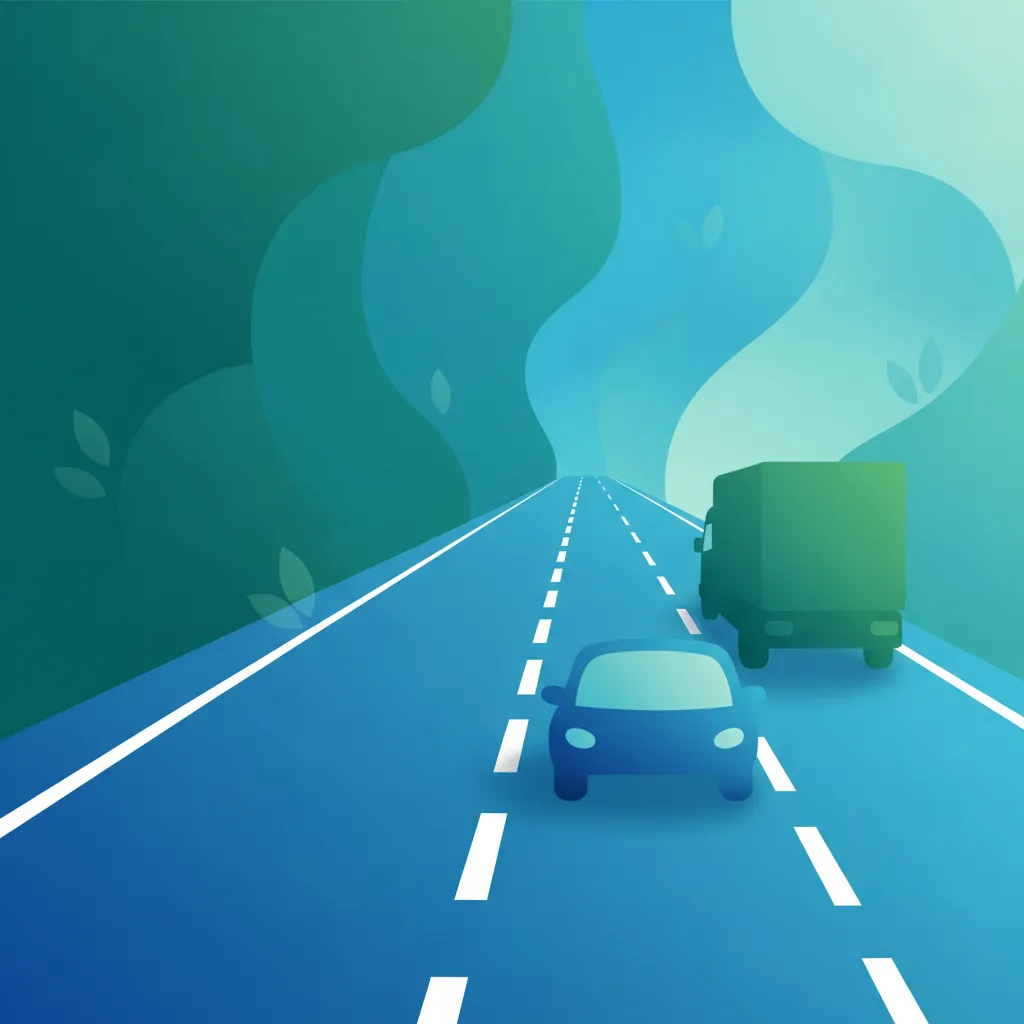
Longitudinal road markings are painted along the length of the road to divide lanes and regulate overtaking maneuvers. This lesson teaches the strict legal prohibition of crossing solid white lines and the specific spacing of broken lines that permit lane changes. You will also learn how to interpret dual lines, warning arrows, and how to maintain proper lane discipline in heavy traffic.
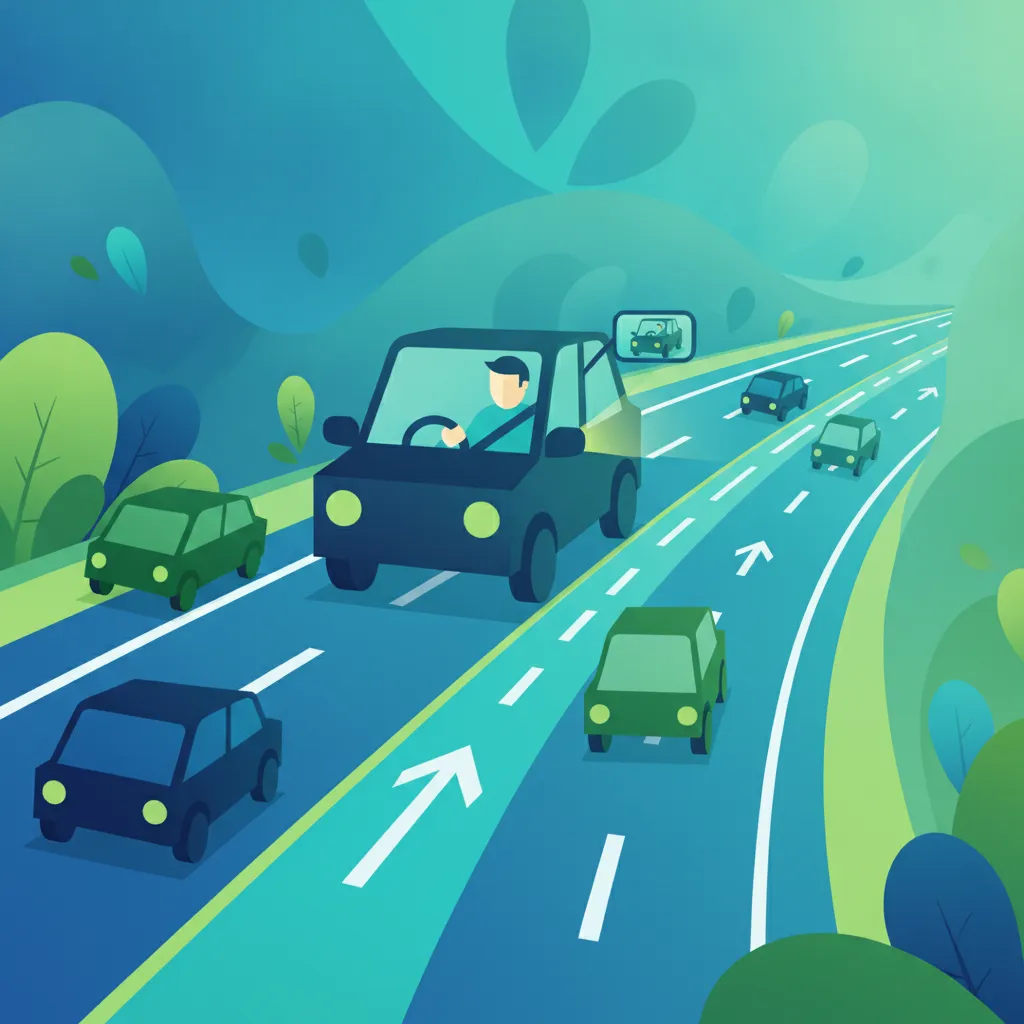
Changing lanes or executing turns requires a structured visual and physical procedure to prevent interrupting surrounding traffic. This lesson explains the key steps: checking the center mirror, exterior mirrors, turning on direction indicators, and performing blind-spot checks. You will learn correct vehicle positioning for both left and right turns, and how to execute safe turning circles without cutting corners.

This lesson explores how dividing your travel lane into three distinct vertical zones allows you to adjust your positioning for optimal safety. You will learn to shift your line to avoid oil slicks in the lane center, road debris at the edges, and wind blasts from passing trucks. Crucially, the lesson covers how to adapt your lane position on blind bends to widen your field of vision and stay clear of oncoming traffic.
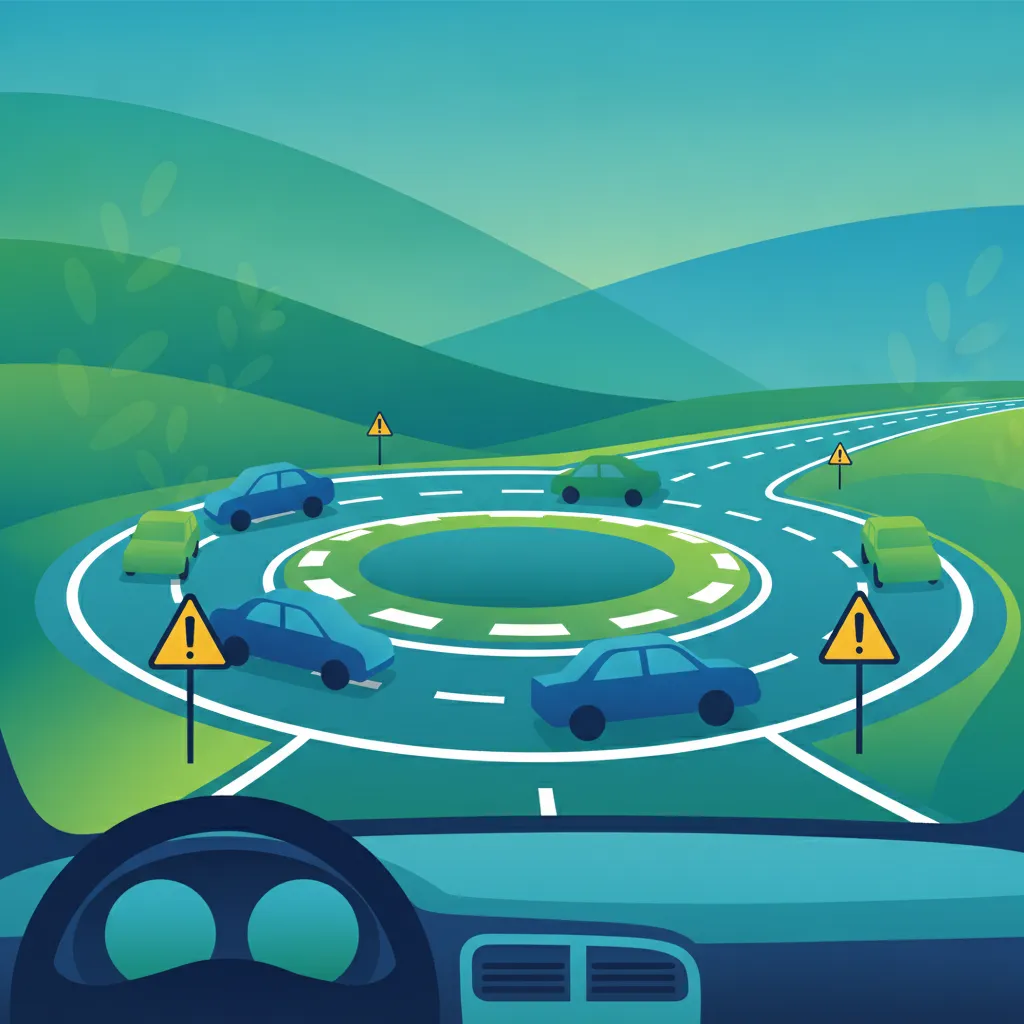
This lesson focuses on the skills required to safely enter, navigate, and exit roundabouts, a common feature in French urban environments. Learners will understand the need to yield to circulating traffic, select the appropriate lane upon entry, and signal intentions when exiting. By mastering these techniques, AM riders can safely integrate into roundabout traffic flow and reduce conflicts with other road users.

French motorways (autoroutes) are fast, controlled-access roads with unique laws regulating lane discipline and emergencies. This lesson teaches standard lane-use: cruising in the right lane and reserving the middle or left lanes exclusively for passing. You will study emergency procedures, the use of orange emergency call boxes, safety barrier rules, and navigating toll booths (peages) safely.
Understand the responsibilities of Category AM riders when sharing the road with more vulnerable users. This guide covers how to use signals and positioning to maintain safe distances and ensure clear communication with cyclists and pedestrians, reducing collision risks on busy urban streets in accordance with French road law.
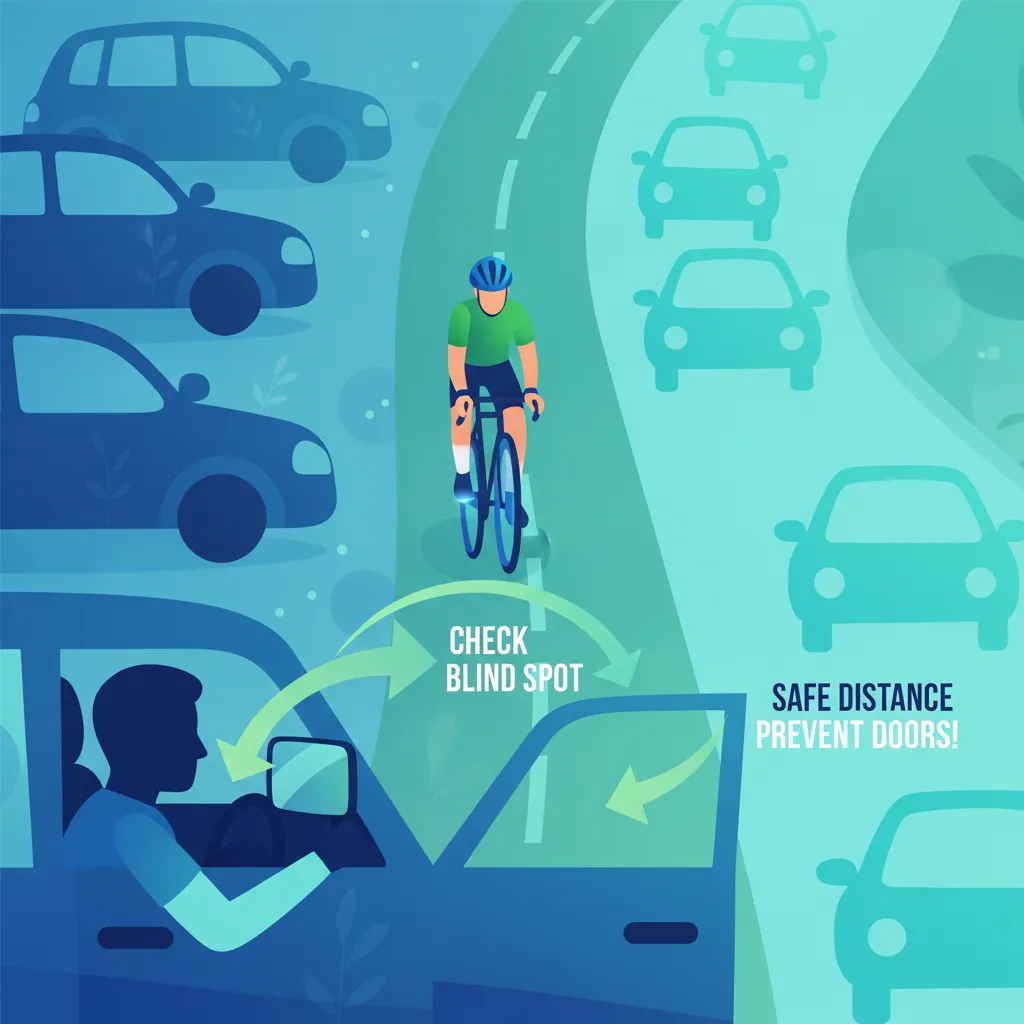
This lesson explains how to share the road safely with cyclists in both urban and rural environments. Drivers will study the legal minimum passing distances when overtaking cyclists, which is one meter in cities and one and a half meters outside urban areas. It also covers recognizing specialized cycling infrastructure, bike boxes at intersections, and preventing blind-spot collisions during right turns.
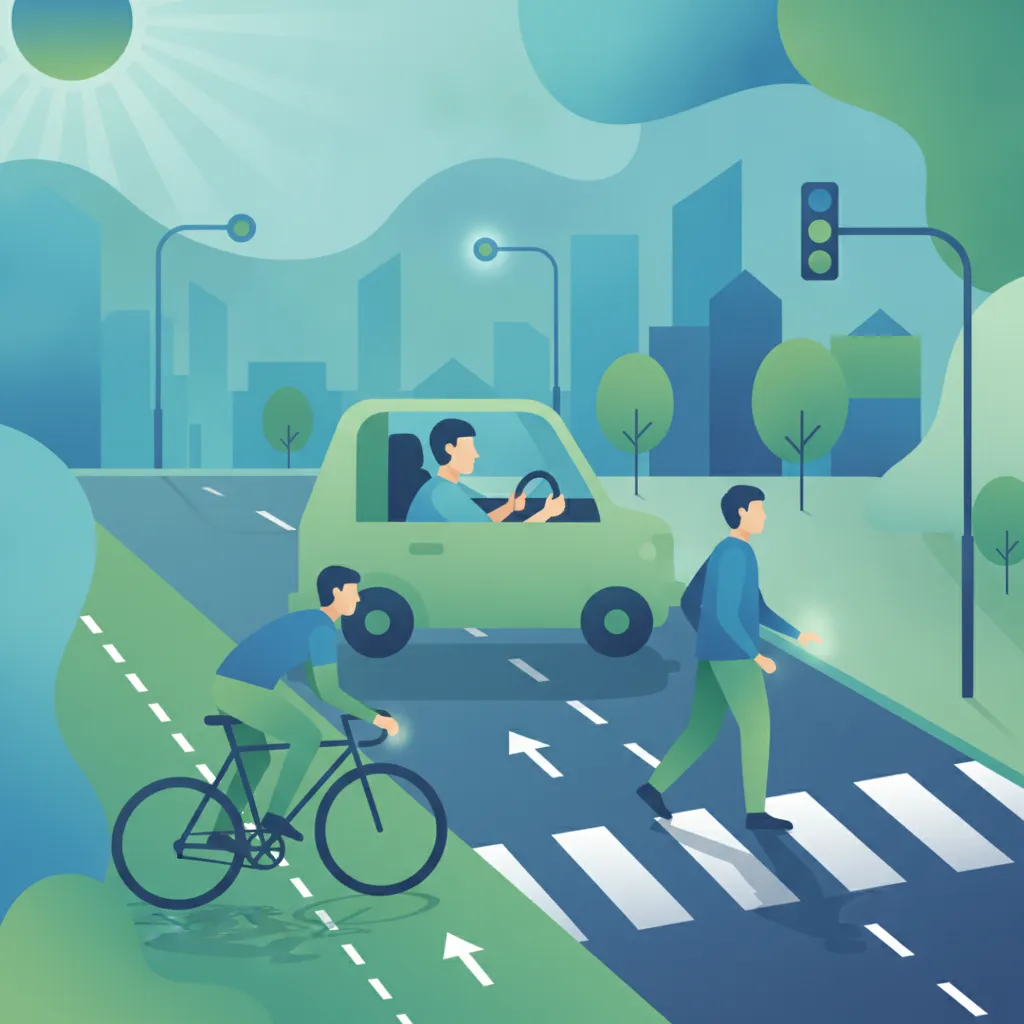
This lesson examines the specific challenges and responsibilities goods vehicle drivers face when interacting with pedestrians and cyclists in urban environments. Learners will understand right-of-way rules, the importance of yielding at pedestrian crossings, and safe turning practices that protect cyclists. The content emphasizes heightened driver vigilance, especially when navigating bike lanes and crowded sidewalks.
Learners will focus on the best practices for interacting safely with cyclists and pedestrians in mixed traffic environments. The lesson covers proper lane usage, overtaking protocols, maintaining adequate safety gaps, and non-verbal communication techniques in the French urban landscape. By applying these principles, AM riders can coexist harmoniously with vulnerable road users, reducing the likelihood of accidents.
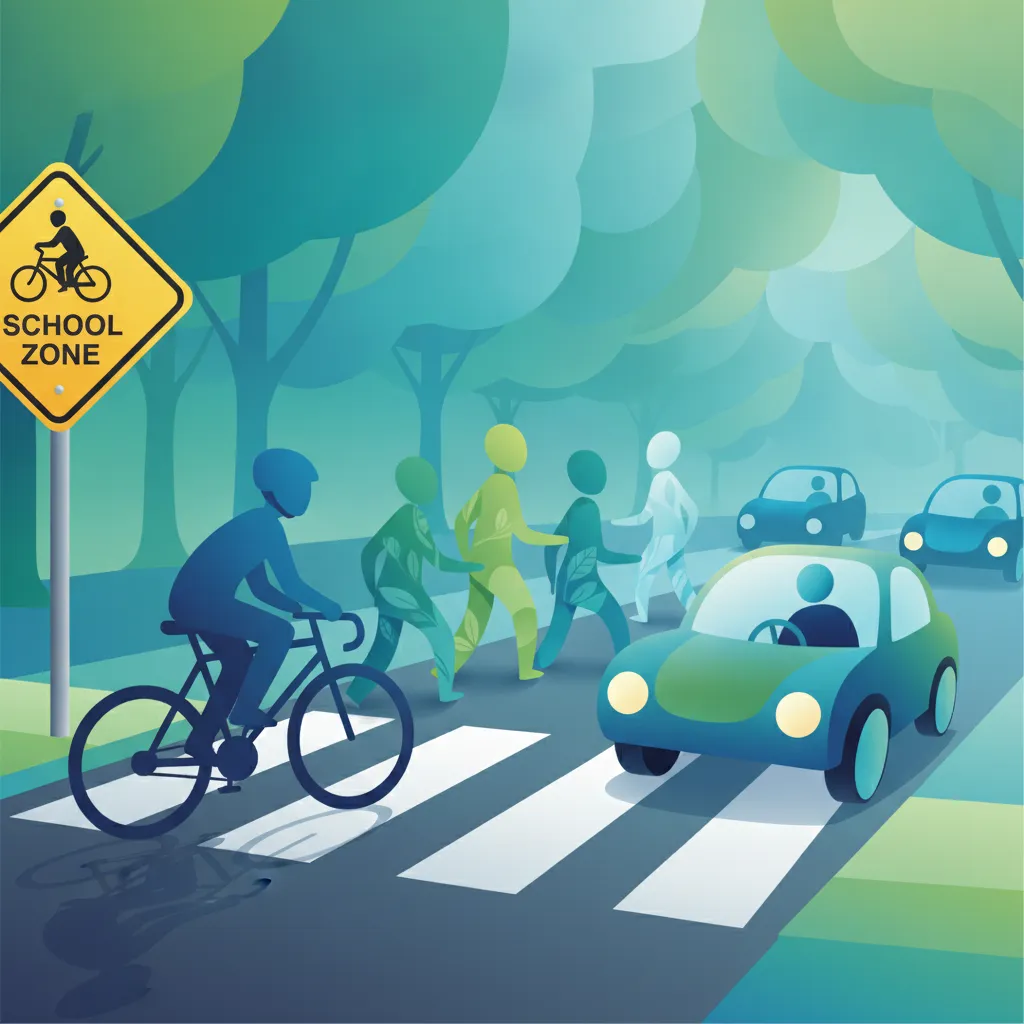
This lesson focuses on the legal requirement to yield to pedestrians on or about to step onto zebra crossings, a major focus of French road safety. You will learn how to approach school zones and pedestrian islands with heightened vigilance and reduced speed. Additionally, the lesson explores shared urban spaces, explaining how to maintain safe lateral distances when overtaking cyclists or personal electric scooters.
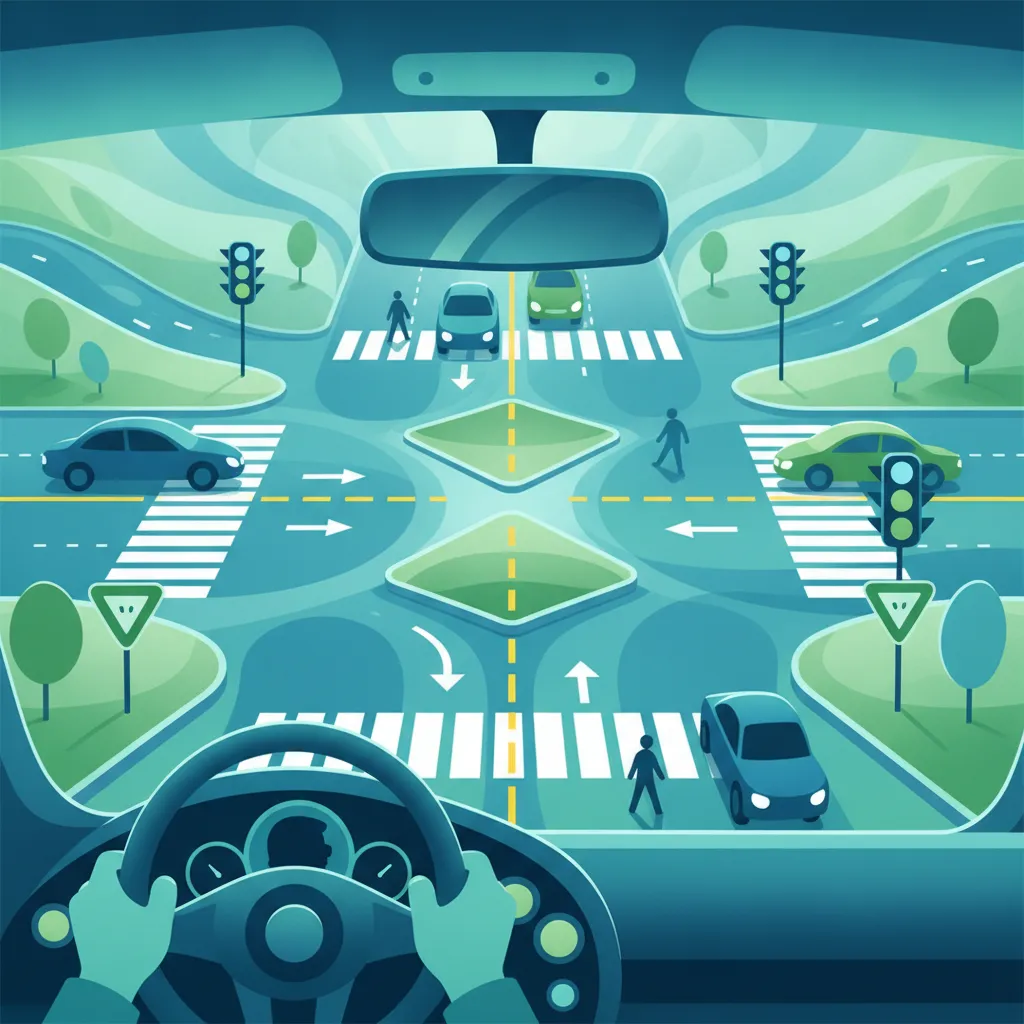
This lesson teaches riders how to approach and cross both controlled and uncontrolled intersections in urban settings. You will practice the 'scanning cycle' technique to identify cross-traffic hazards and manage your defensive line of sight around physical obstructions. The lesson also highlights the critical importance of early signaling and positioning to ensure that turning passenger cars do not violate your safety zone.
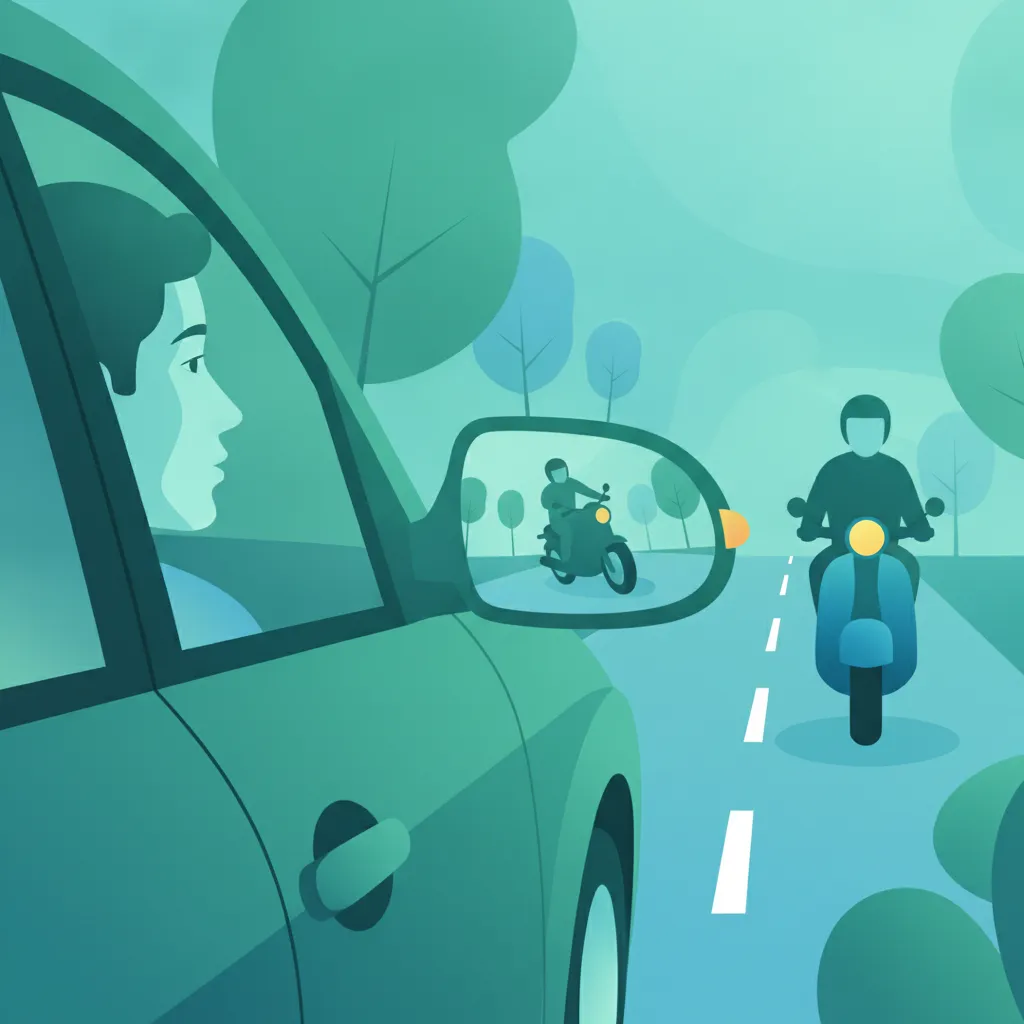
In this lesson, drivers will learn how to safely share the road with motorcycles and scooters, focusing on the specific blind spots and speed differentials that create risk. The content highlights proper lane positioning, caution when overtaking, and strategies for predicting motorcycle trajectories. Learners will also be introduced to the importance of being aware of scooter movements, especially in narrow streets.
Certain groups of road users require heightened defensive attention from drivers due to physical limitations or unpredictable behaviors. This lesson covers how to recognize signs of visual impairment (white canes), mobility challenges, and the unpredictability of young children. You will learn to reduce your speed, extend yielding patience, and proactively secure extra space to protect these vulnerable users.

This lesson provides practical strategies for managing the physical demands of slow, heavily congested city traffic. You will learn how to maintain excellent low-speed balance through correct body posture, rear brake modulation, and smooth clutch control. It also emphasizes the importance of preserving an adequate safety buffer when stopping behind other vehicles, allowing an immediate escape route if you face a rear-end threat.

This lesson details how to manage high-risk interactions with pedestrians who may step off curbs or cross the road near bus stops. Learners will study French Code de la route laws regarding pedestrian priority at crosswalks and near stopping transit vehicles. Developing heightened spatial awareness around blind zones near the front of the bus is emphasized to prevent tragic pedestrian collisions.
This lesson analyzes the various traffic challenges unique to operating large passenger vehicles in historic and modern French urban areas. Drivers will learn to manage narrow street layouts, double-parked delivery trucks, and high-density multi-lane roundabouts safely. The lesson emphasizes defensive driving strategies, route adjustments, and maintaining mental focus under severe schedule and time pressures.
Find clear answers to common questions learners have about Predictable Riding: Signalling Intentions. Learn how the lesson is structured, which driving theory objectives it supports, and how it fits into the overall learning path of units and curriculum progression in France. These explanations help you understand key concepts, lesson flow, and exam focused study goals.
Indicators should always be your primary way to signal. However, knowing hand signals is important as a backup if your vehicle's electric system fails or in specific situations where you want to be extra visible to surrounding traffic.
You must signal your intention well before starting a maneuver to give other road users sufficient time to react. The general rule is to start signalling early enough to be clear, but not so early that you cause confusion about which intersection or exit you are taking.
AM vehicles like scooters are smaller and less visible than cars. Being predictable by signalling clearly helps other drivers anticipate your path, significantly reducing the risk of collisions and conflicts in urban or mixed-traffic environments.
Ready to focus your study? Use the practice search to find exactly the French driving theory questions you need for the Code de la route and permis de conduire ETG. Refine your knowledge on specific topics or challenging rules to boost your confidence and exam readiness.