
This lesson explores the unique challenges of driving on rural road networks in France. You will learn specific strategies for navigating narrow paths, managing speed on winding roads, and anticipating hazards like slow-moving agricultural machinery and local wildlife.
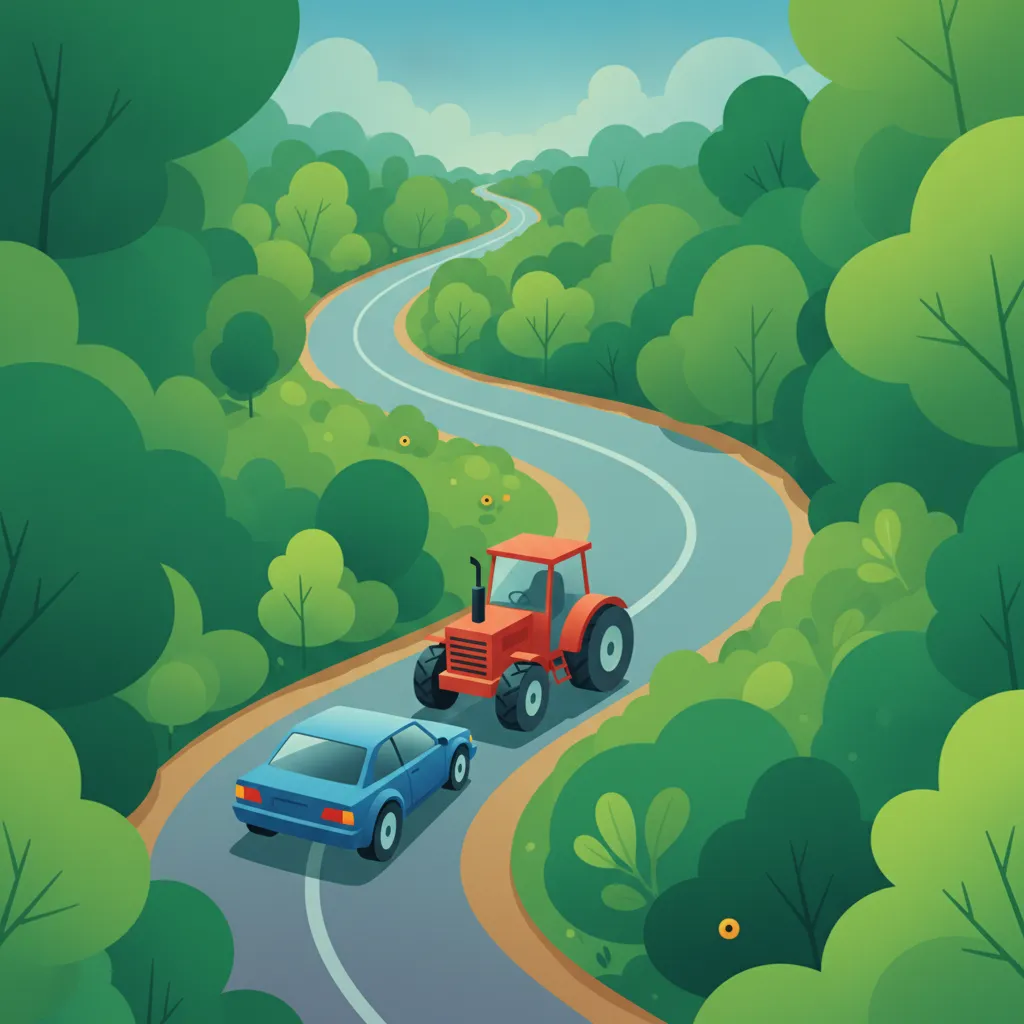
Lesson content overview
Secondary and rural roads outside built-up areas (routes hors agglomération) are statistically the most dangerous environments for drivers in France. Although they may appear peaceful compared to busy city centers or fast-paced motorways, rural roads account for more than half of all road fatalities. This high accident rate is due to a combination of narrow lanes, unpredictable road geometry, variable speed limits, slow-moving agricultural machinery, and sudden wildlife crossings.
Mastering rural driving is a crucial step toward passing the French Category B driving theory exam (Épreuve Théorique Générale or ETG) and ensures you can navigate the French countryside safely and confidently.
Understanding and obeying speed limits on rural networks is a fundamental pillar of the Code de la route. Speed limits outside built-up areas vary depending on the road structure, weather conditions, and the driver's license status (novice vs. experienced).
By default, the speed limit on two-way rural roads without a central separator (median strip) is 80 km/h. This national limit applies to the vast majority of routes départementales (departmental roads, marked with "D" prefix signs) and routes nationales (national roads, marked with "N" prefix).
Rain, fog, and snow severely compromise tire traction and visibility. The Code de la route mandates automatic speed reductions during adverse weather:
The "Concrete Speed" Principle (Vitesse Adaptée): The posted speed limit is a legal maximum under ideal conditions, not a target speed. Under Article R413-17 of the French traffic code, you must always adapt your speed to the immediate conditions. This means slowing down well below 80 km/h when encountering narrow sections, sharp bends, wet asphalt, or low visibility.
Winding geometries are a defining feature of secondary roads, particularly in mountainous or hilly regions of France. Negotiating curves safely requires an understanding of vehicle dynamics and proper lane positioning.
When your vehicle enters a curve, it is subjected to centrifugal force, which pushes the car outward, away from the center of the turn. This force increases quadratically with speed: if you double your speed, the centrifugal force pushing you off the road increases fourfold ().
To counteract this force and maintain traction, you must follow a disciplined cornering technique:
Assess and Anticipate: Look ahead for curve warning signs, road markings, and hazard beacons.
Brake in a Straight Line: Reduce your speed before turning the steering wheel. Braking while steering destabilizes the vehicle and can trigger a skid.
Maintain Constant Speed: Once in the bend, keep a light, steady pressure on the accelerator to stabilize the vehicle's weight distribution.
Accelerate Out: As the road straightens and your wheels align, gently accelerate to exit the curve.
The French road network uses specific danger signs and delineation markers to warn you of upcoming curves.
To guide drivers through sharp curves, especially at night or in poor weather, French roads feature blue-and-white chevron markers (balises de virage J4).
Rural areas are active agricultural zones. Drivers must expect to share the road with bulky, slow-moving vehicles such as tractors, combine harvesters, and forestry equipment.
Agricultural machinery has unique operational limitations that you must anticipate:
It is a common misconception that you can automatically cross a solid white line (ligne continue) to overtake a slow tractor. Under the French Code de la route, crossing a solid line is strictly prohibited except under highly specific, legally defined circumstances (such as passing a stationary obstacle or a cyclist under strict safety conditions, where permitted).
Solid Line Overtaking Rule: Unless explicitly indicated by a specific road sign or local decree, you must not cross a solid white line to overtake a moving tractor. You must remain behind the vehicle at a safe following distance until the solid line transitions to a broken line (ligne discontinue or ligne de dissuasion) and visibility is sufficient.
Forests, fields, and natural reserves frequently border rural roads, creating a high risk of collisions with wildlife (faune sauvage), such as wild boars (sangliers), deer (cerfs, chevreuils), or domestic livestock.
While animal crossings can happen at any time, wild animals are most active during dawn, dusk, and nighttime (crepuscular behavior). Autumn is also a peak migration and mating season, which increases animal movement across roadways.
If you spot a wildlife warning sign or are driving through a forested area, implement these safety measures:
Emergency Reaction to a Sudden Animal Obstacle: If an animal suddenly jumps in front of your vehicle, brake firmly in a straight line. Do not swerve violently to avoid the animal if it forces you into oncoming traffic or toward trees on the shoulder. An uncontrolled swerve off the road or into another vehicle is statistically far more dangerous than a direct impact with the animal.
The edges of rural roads in France often lack structural paving. Understanding how to handle these weak edges is essential for maintaining vehicle control.
A soft shoulder is the unpaved, grassy, or gravel strip immediately adjacent to the paved road surface. It is not designed to support the weight of moving traffic and offers very low traction.
If your right tires slip off the paved road onto a soft shoulder, the unequal grip between the left and right sides of your car can cause the vehicle to pull violently to the right.
If your vehicle suffers a mechanical failure or flat tire on a rural road, you must secure the scene immediately to prevent secondary collisions.
Position the Vehicle: Move your vehicle as far onto the side of the road or emergency stopping lane as possible, without risking getting stuck on a soft shoulder.
Activate Hazard Lights: Turn on your hazard warning lights (feux de détresse) immediately to warn oncoming and trailing drivers.
Put on the Safety Vest: Before exiting the vehicle, both the driver and passengers must put on a high-visibility yellow safety vest (gilet de haute visibilité).
Place the Warning Triangle: Position your warning triangle (triangle de présignalisation) on the road at least 30 metres behind your vehicle (or further if it is hidden by a bend or crest). The triangle must be visible to approaching drivers from a distance of at least 100 metres.
Move to Safety: All occupants must exit the vehicle and stand well clear of the road, preferably behind a safety barrier if one is present.
Overtaking on a two-lane rural road with oncoming traffic is one of the most high-risk maneuvers a driver can perform. It requires perfect timing, clear visibility, and strict compliance with road markings.
Before attempting to overtake any vehicle on a rural road, you must ensure that:
When overtaking vulnerable road users (pedestrians, cyclists, or equestrians) on rural roads, the Code de la route mandates a minimum lateral safety clearance to account for sudden movements or wind gusts:
Driving on rural roads at night presents distinct challenges, primarily due to the lack of street lighting. Proper management of your vehicle's headlights is critical for hazard detection and preventing glare for other road users.
The temporary loss of vision experienced by a driver when subjected to bright, direct light from oncoming high beams. This creates a dangerous "blind period" during which hazards cannot be seen.
Under French lighting regulations (Article R416-9), you must immediately switch from high beam (feux de route) to dipped beam (feux de croisement) when:
The way your vehicle handles winding, unpaved, or steep rural roads is heavily influenced by the weight and distribution of your cargo and passengers.
To perform well on exam questions concerning rural road safety, keep these fundamental guidelines in mind:
Explore all units and lessons included in this driving theory course.
Lesson content overview
Explore all units and lessons included in this driving theory course.
Explore search topics learners often look for when studying Rural Roads: Specific Risks and Driving Strategies. These topics reflect common questions about road rules, driving situations, safety guidance, and lesson level theory preparation for learners in France.
Browse additional driving theory lessons that cover connected traffic rules, road signs, and common driving situations related to this topic. Improve your understanding of how different rules interact across everyday traffic scenarios.
Learn the legal requirements for safe overtaking on two-way roads and dual carriageways. This explanation details when crossing a solid white line is permitted, how to maintain the mandatory 1.5-metre lateral clearance, and the correct procedures for merging into traffic flows under the French traffic code.
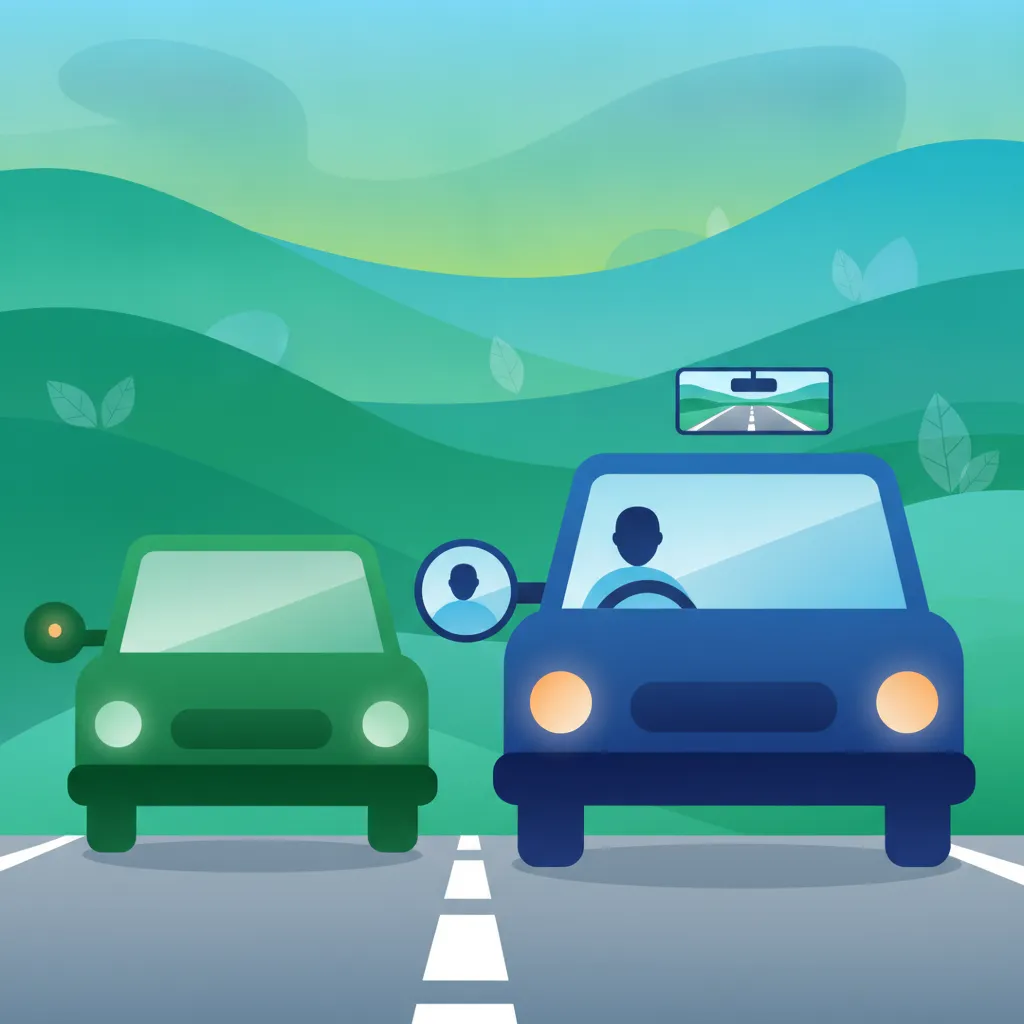
This lesson covers the strict legal conditions under which you may overtake other vehicles on French roads, including necessary visibility criteria. You will master the step-by-step process of checking rearview mirrors, performing head checks, signaling, and maintaining a safe speed differential during the pass. It also details when overtaking is strictly forbidden, such as before intersections, near pedestrian crossings, or across solid lines.

Overtaking must always be executed quickly and safely, without forcing other drivers to alter their speed or direction. This lesson teaches the strict rule of passing on the left and the rare exceptions where passing on the right is permitted. You will learn to read road signs and markings that prohibit overtaking and how to calculate a safe speed margin to complete your pass.
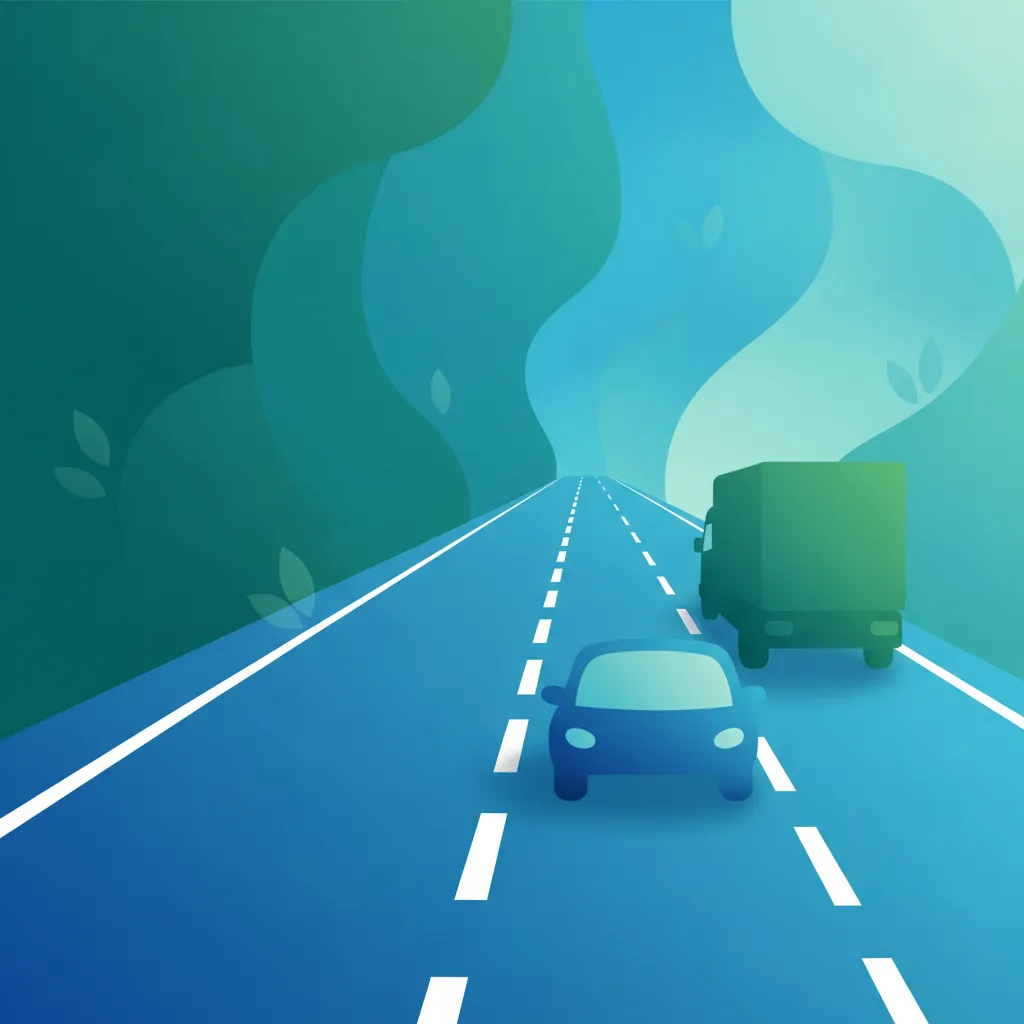
Longitudinal road markings are painted along the length of the road to divide lanes and regulate overtaking maneuvers. This lesson teaches the strict legal prohibition of crossing solid white lines and the specific spacing of broken lines that permit lane changes. You will also learn how to interpret dual lines, warning arrows, and how to maintain proper lane discipline in heavy traffic.

French motorways (autoroutes) are fast, controlled-access roads with unique laws regulating lane discipline and emergencies. This lesson teaches standard lane-use: cruising in the right lane and reserving the middle or left lanes exclusively for passing. You will study emergency procedures, the use of orange emergency call boxes, safety barrier rules, and navigating toll booths (peages) safely.

France features a vast network of roundabouts (carrefours a sens giratoire) governed by specific entry and lane-use regulations. This lesson explains that vehicles entering a roundabout must yield to traffic already circulating inside. You will learn how to select the correct lane depending on your exit, use direction indicators properly, and yield to pedestrians and cyclists near roundabout exits.
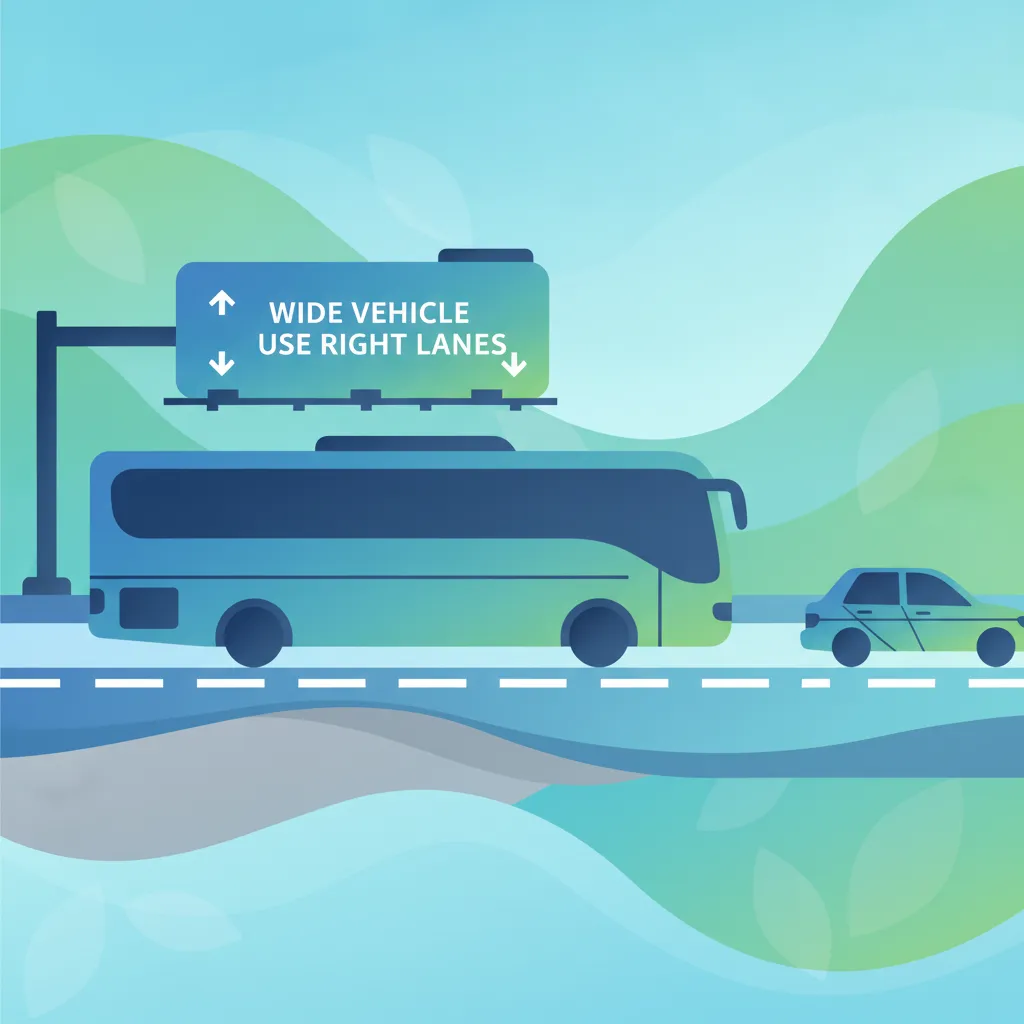
This lesson details the rules of lane discipline for operating wider and longer passenger transport vehicles on highway and city networks. Learners will explore proper lane positioning to prevent encroachment on adjacent lanes or sidewalks. It also covers the step-by-step visual and signaling sequence required to perform safe lane changes, avoiding sudden movements that could startle other drivers.
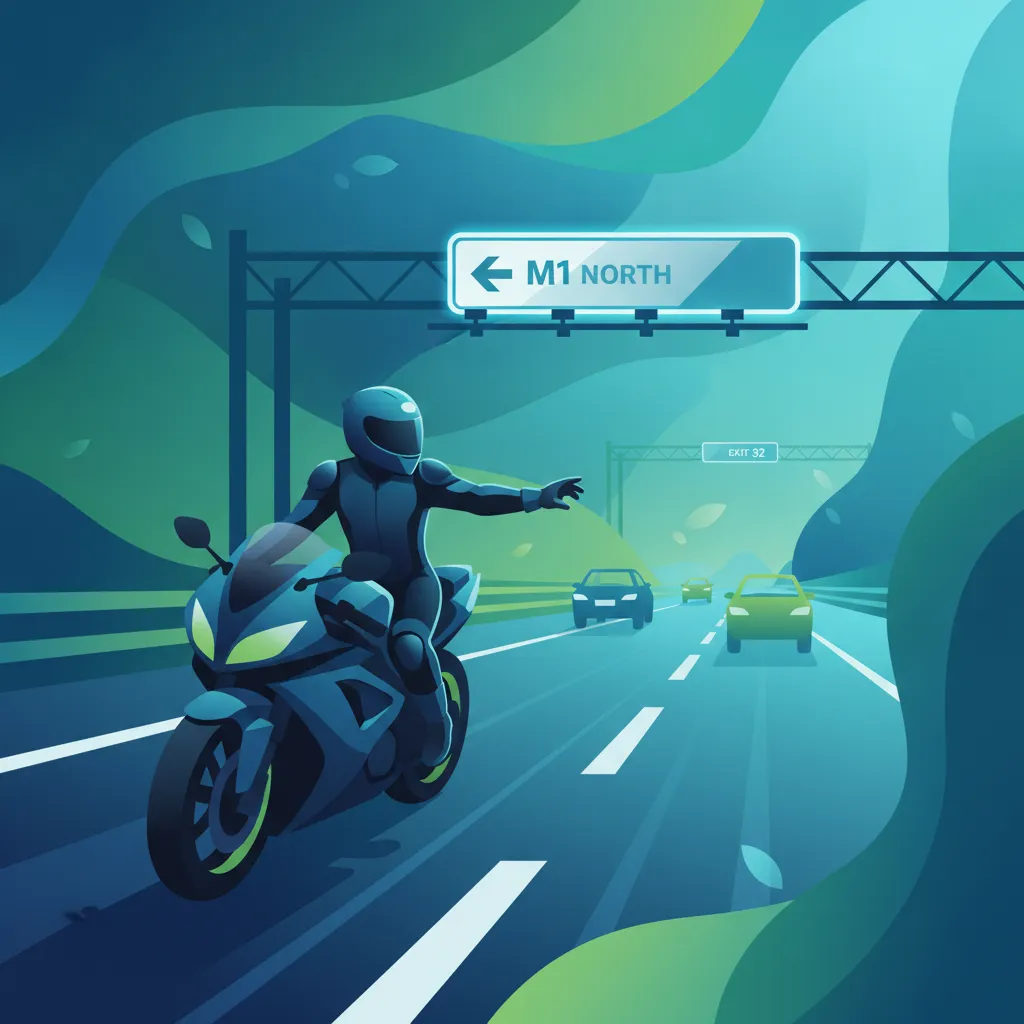
This lesson details how to safely enter, cruise on, and exit French motorways, known as autoroutes, which feature high-speed traffic flows. You will master the process of matching highway speeds in the acceleration lane and performing blind spot checks before merging. The lesson also explains correct lane positioning to avoid aerodynamic turbulences from large semi-trucks, and how to safely prepare for decelerating at exit ramps.
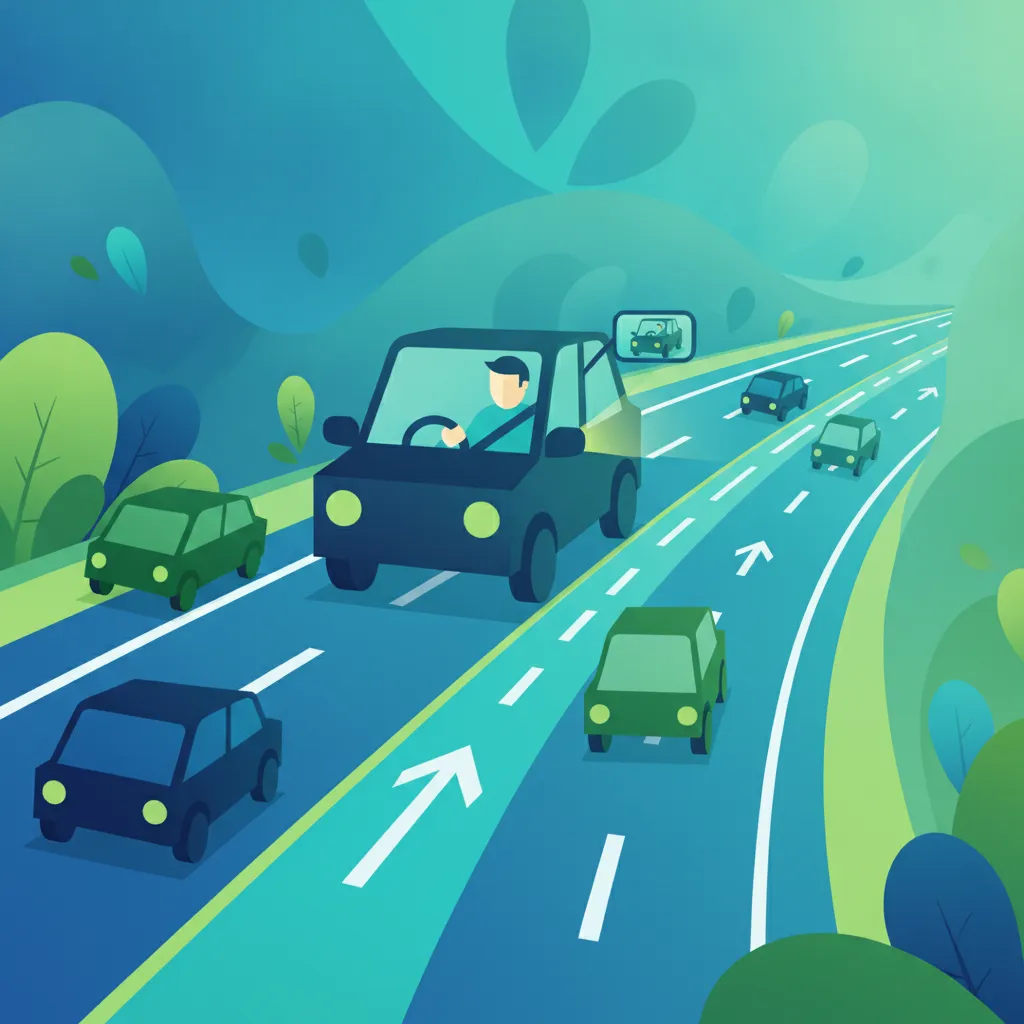
Changing lanes or executing turns requires a structured visual and physical procedure to prevent interrupting surrounding traffic. This lesson explains the key steps: checking the center mirror, exterior mirrors, turning on direction indicators, and performing blind-spot checks. You will learn correct vehicle positioning for both left and right turns, and how to execute safe turning circles without cutting corners.
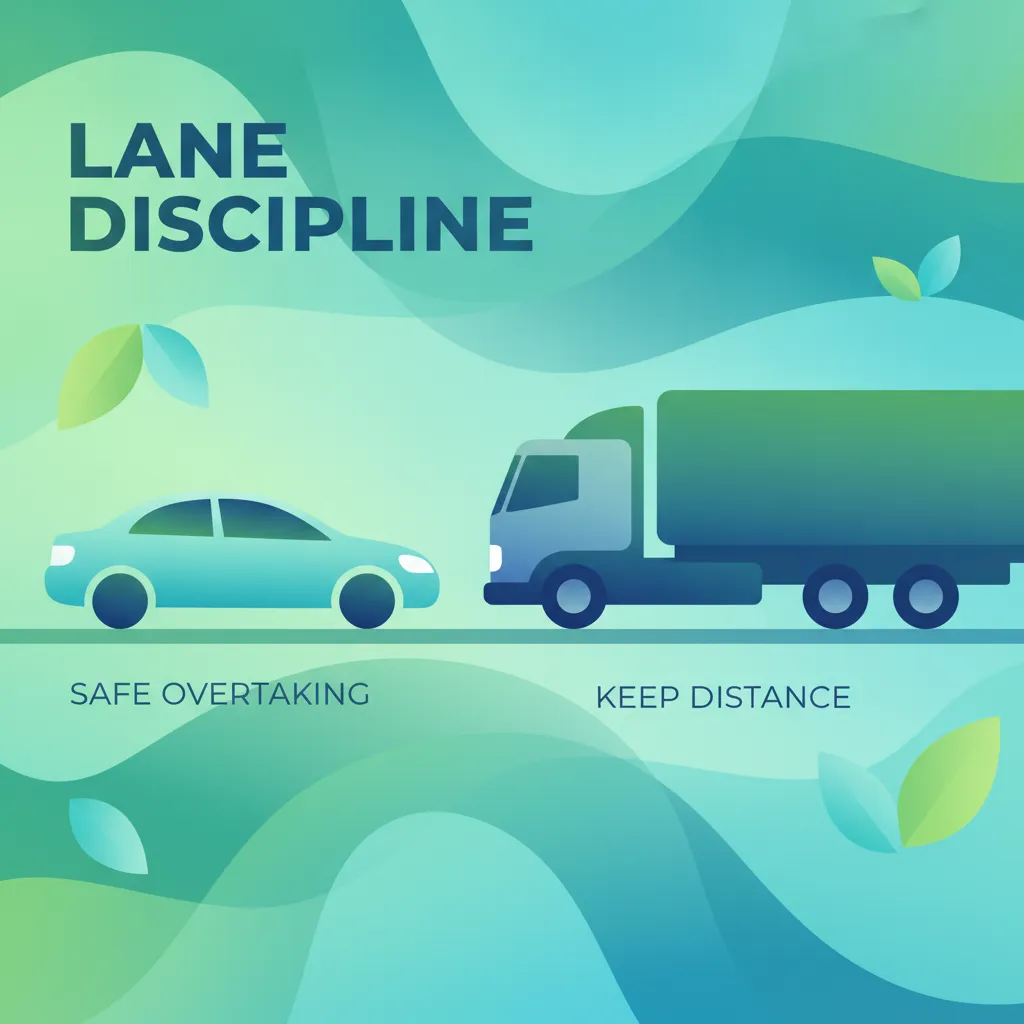
This lesson focuses on the specific considerations for operating goods vehicles on French motorways, including lane selection, speed management, and proper merging techniques. Learners will understand the importance of maintaining lane discipline, using appropriate overtaking practices, and respecting motorway-specific speed limits for heavy vehicles. The content also covers the use of emergency lanes and the handling of traffic flow.
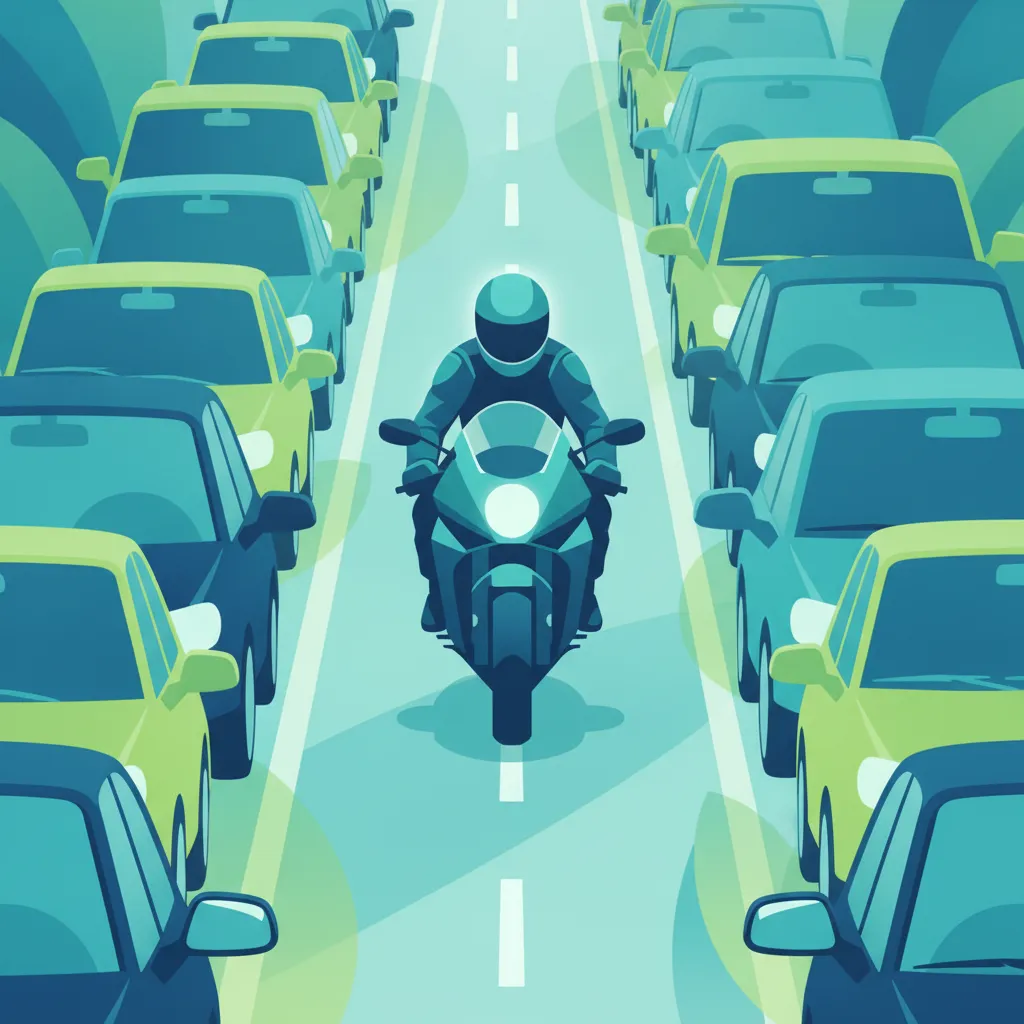
This lesson outlines the rules and practical safety limits of lane filtering, known as 'inter-files' riding, under French road guidelines. You will study the specific speed limits allowed during filtering, the conditions of high congestion where it is permitted, and where it remains completely banned. The lesson also highlights the critical need to anticipate sudden lane changes from frustrated car drivers stuck in stationary traffic queues.
Understand the defensive driving strategies required to identify and react to road hazards. This guide focuses on visual scanning, managing speed in response to changing road geometry, and correctly interpreting danger warning signs to improve your overall hazard anticipation skills according to official French driving theory standards.

Proactive drivers scan the road constantly, detecting potential dangers before they turn into real-world emergency situations. This lesson teaches scanning techniques, the use of rear-view mirrors, and the interpretation of visual cues from other road users. You will learn to anticipate hazards like child play near roads, merging vehicles, and sudden lane changes, helping you drive defensively.
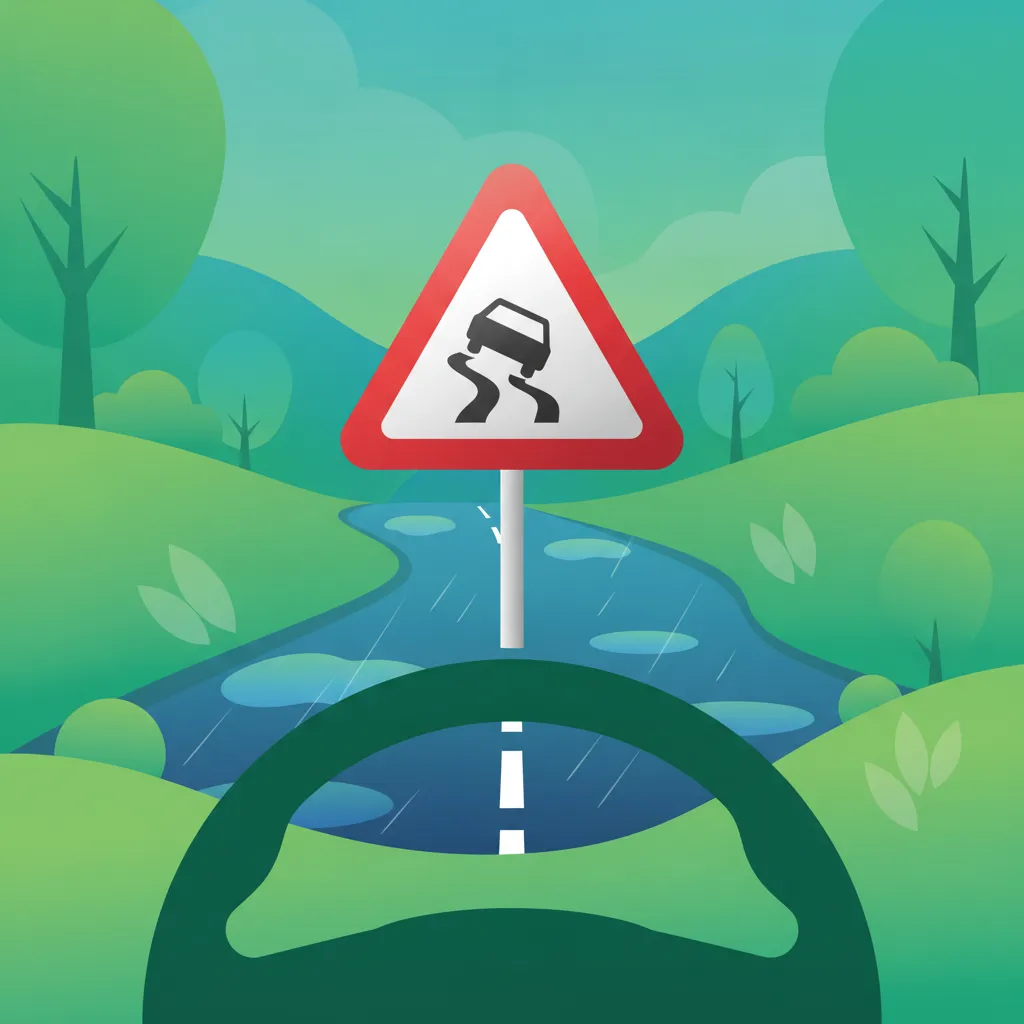
Warning signs on French roads are triangular with a red border, designed to alert drivers to upcoming dangers. This lesson teaches you how to interpret warnings for sharp curves, slippery surfaces, narrowing lanes, and wildlife or animal crossing hazards. You will understand the safety adjustments needed when approaching school zones, active roadworks, or crossings where vulnerable pedestrians are present.
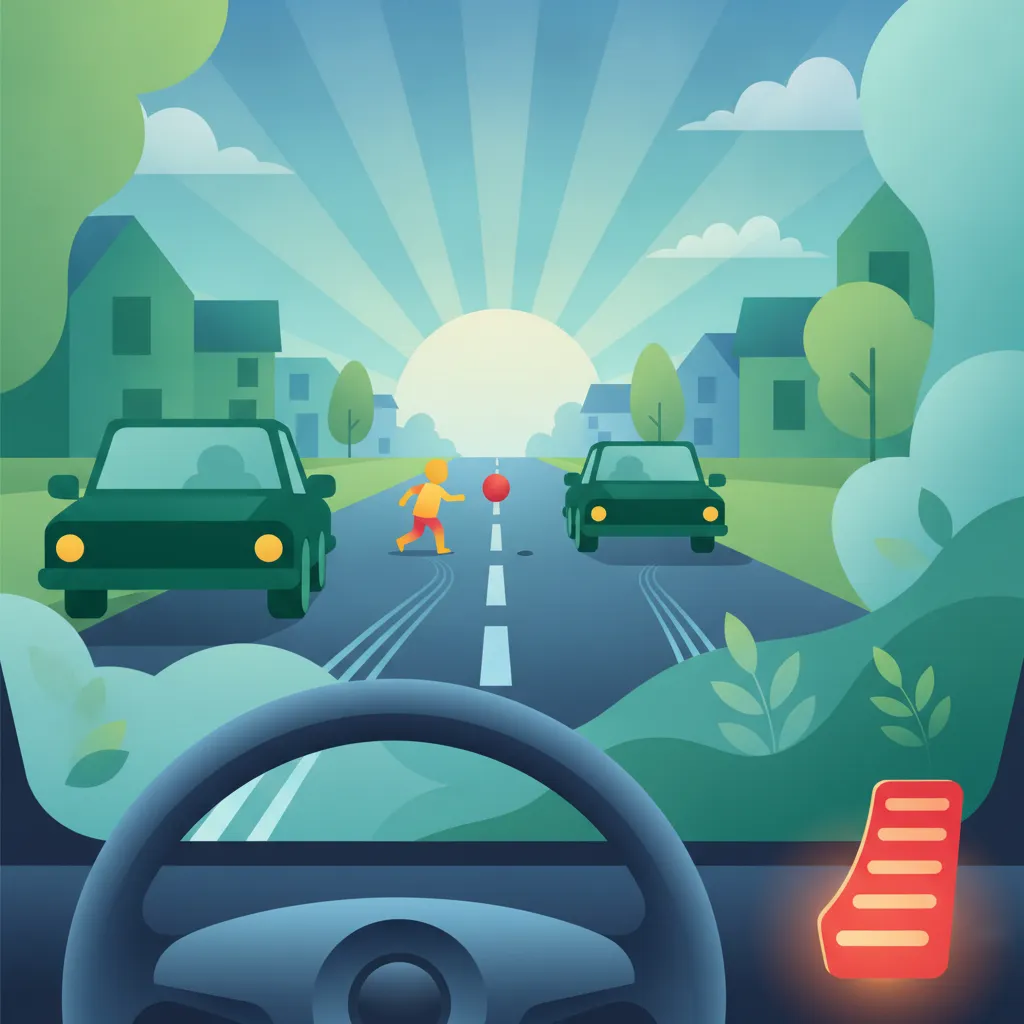
Learners will develop the ability to anticipate potential hazards on the road, enhancing reaction times and defensive riding strategies. The lesson emphasizes constant scanning, early identification of threats such as sudden stops, pedestrian crossings, or unexpected lane changes, and appropriate response measures. By cultivating proactive risk assessment, AM riders can significantly reduce accident likelihood.

In this lesson, drivers will learn strategies to avoid conflicts with smaller vehicles, such as cars and vans, which may not be as visible in large vehicle blind spots. The content emphasizes maintaining adequate spacing, using proper lane discipline, and being aware of small vehicles' behavior during lane changes and turns. Learners will also be introduced to communication techniques, such as signalling and eye contact.
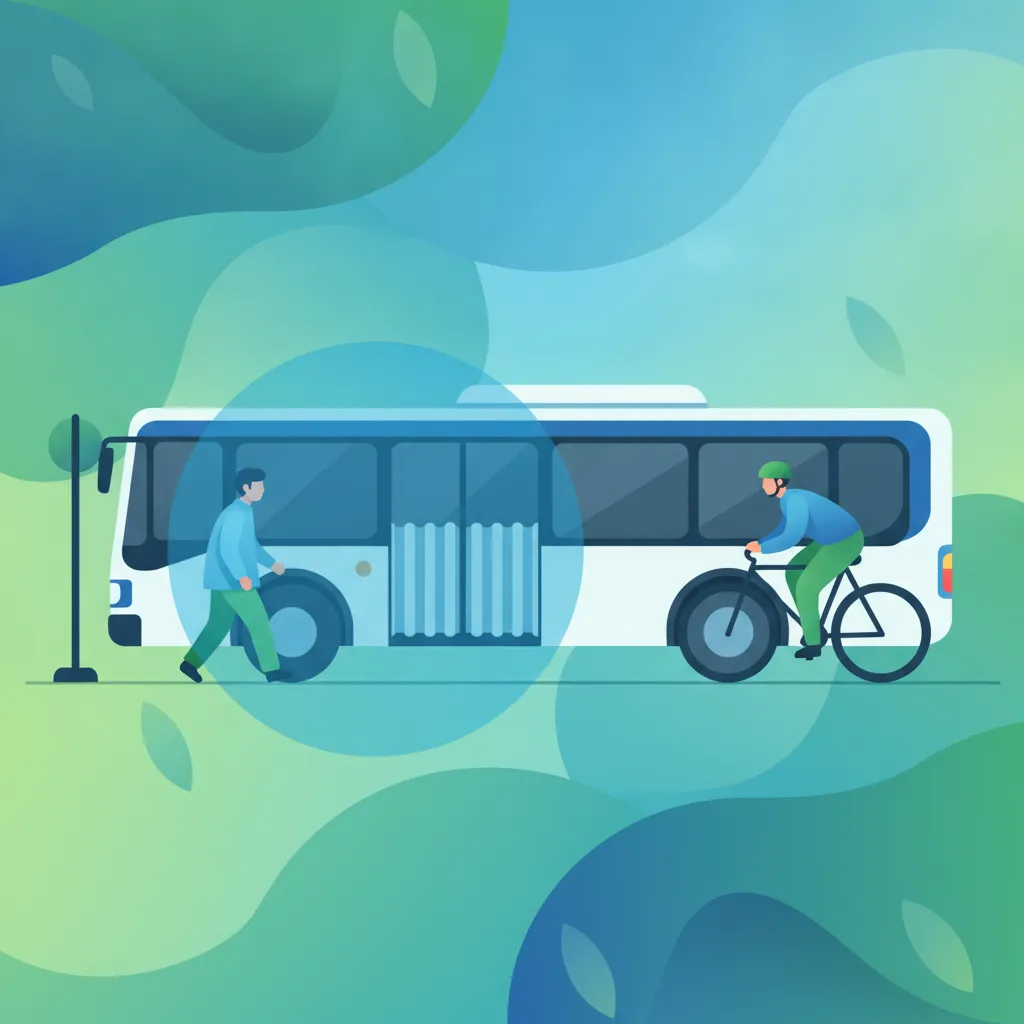
This lesson teaches specific visual scanning methods to detect vulnerable road users, such as children, elderly individuals, and cyclists near stops. Drivers will learn to anticipate sudden movements, like a passenger running to catch a bus or stepping off a sidewalk unexpectedly. Managing the massive blind spots around the front and right-hand sides of passenger vehicles is highlighted as a critical safety duty.
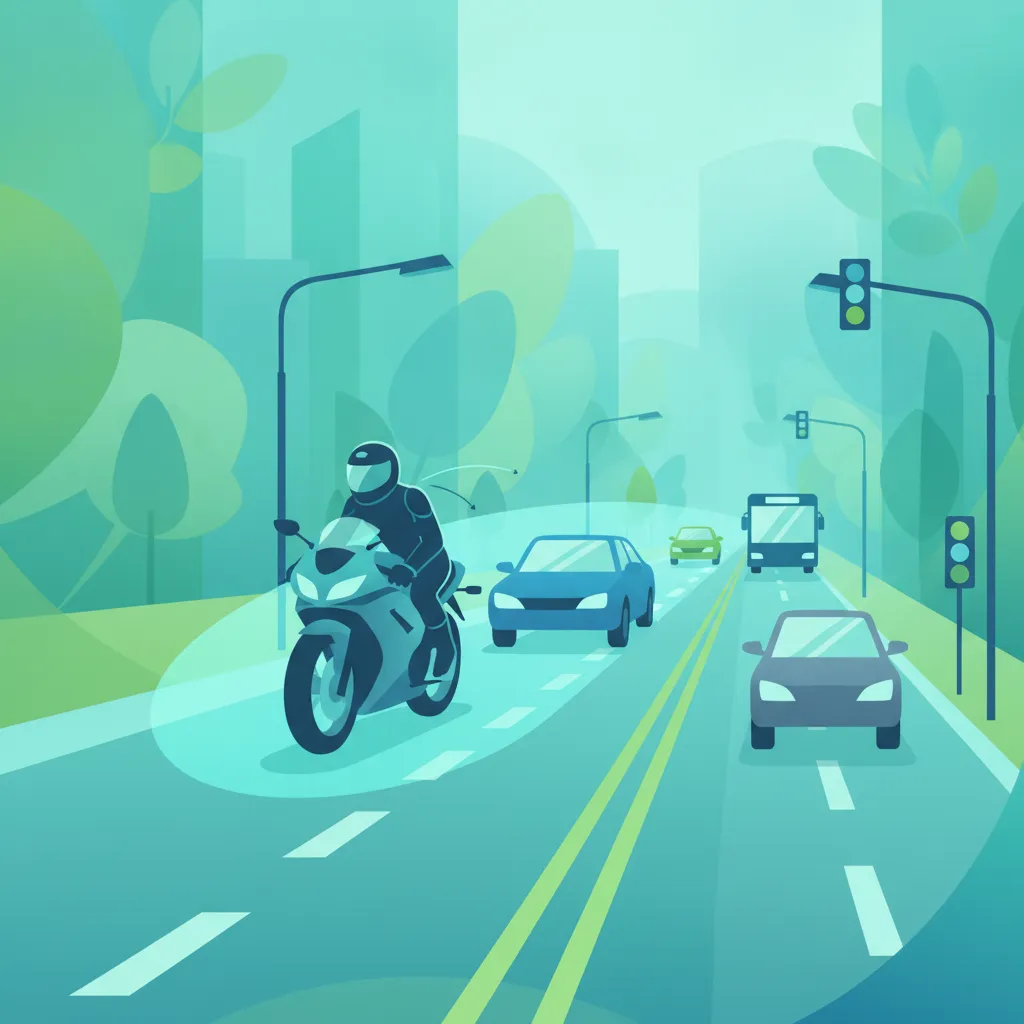
This final lesson integrates all course concepts into a single, cohesive approach to defensive riding and continuous risk assessment. You will study how to maintain a high-mileage visual lead, continuously scanning the road ahead for warning signs of conflict. By learning to assume that other motorists may not see you, you will build the proactive slowing habits and situational awareness needed to remain safe throughout your riding life.
Certain groups of road users require heightened defensive attention from drivers due to physical limitations or unpredictable behaviors. This lesson covers how to recognize signs of visual impairment (white canes), mobility challenges, and the unpredictability of young children. You will learn to reduce your speed, extend yielding patience, and proactively secure extra space to protect these vulnerable users.
Driving safely involves a mutual social contract based on courtesy, safety awareness, and active risk mitigation. This lesson discusses the principles of defensive driving, prioritizing vulnerable road users like cyclists and pedestrians, and managing driver stress. It also highlights eco-driving strategies that help reduce fuel consumption and environmental emissions, fostering safer and cleaner shared roads.

This lesson provides global defensive driving strategies to minimize collision risks for all non-motorized and vulnerable road users. Drivers will learn to systematically lower vehicle speed in dense pedestrian zones, even when no active hazards are visible. By cultivating an anticipatory mindset and maintaining generous safety margins, professional drivers establish a protective safety envelope around their vehicle.

Adverse weather reduces tyre traction and limits visibility, dramatically raising the risk of multi-car accidents on highways. This lesson details speed reductions required during rainfall, techniques for avoiding aquaplaning, and demisting windshields for visibility. You will learn how to maintain extra stopping distance on snow-covered roads and the correct headlight adjustments to make during fog.
Find clear answers to common questions learners have about Rural Roads: Specific Risks and Driving Strategies. Learn how the lesson is structured, which driving theory objectives it supports, and how it fits into the overall learning path of units and curriculum progression in France. These explanations help you understand key concepts, lesson flow, and exam focused study goals.
The primary danger is the lack of width for two-way traffic and poor visibility around bends. You must always adjust your speed so you can stop within the distance you can see to be clear, anticipating that another vehicle or obstruction might be around the next corner.
Be patient and anticipate their slow speed. Only overtake when you have full visibility of the road ahead and are certain no oncoming traffic is approaching, as these vehicles are often wider than they appear and may make unexpected turns into farm entrances.
No, while there is a general speed limit for rural roads, you must always drive according to conditions. Factors like weather, road width, and visibility mean you should often drive significantly slower than the posted limit to ensure safety.
These signs indicate high-risk areas for animals crossing. You should scan the verges, reduce your speed, and be prepared to brake firmly. Do not swerve, as losing control on a rural road is often more dangerous than the impact itself.
Ready to focus your study? Use the practice search to find exactly the French driving theory questions you need for the Code de la route and permis de conduire ETG. Refine your knowledge on specific topics or challenging rules to boost your confidence and exam readiness.