This lesson introduces the legal framework for the Category AM licence, which covers mopeds and light motorized bicycles on Turkish roads. You will learn about vehicle classification, official age requirements, and the specific documentation needed for your application. This foundational knowledge is essential for understanding your responsibilities as a new rider within the Turkish transport system.

Lesson content overview
Operating a lightweight motorized vehicle on public roads requires a clear understanding of the legal frameworks that govern traffic safety. In Turkey, the Category AM driving licence (often referred to historically or colloquially as the Class M licence) serves as the legal gateway for operating low-speed, lightweight vehicles. This category is strictly regulated under the Turkish Highway Traffic Law (Karayolları Trafik Kanunu) to ensure that novice and younger riders can safely navigate urban and rural environments without the risks associated with high-speed, heavy motorcycles.
This guide provides a comprehensive overview of the Category AM licence, detailing the physical limitations of the permitted vehicles, age requirements, legal application processes, safety standards, and practical road behavior rules. Whether you are preparing for the Turkish Motorized Vehicle Driver Candidate Exam (MTSK e-sınav) or looking to clarify what vehicles your existing licence permits you to drive, this chapter covers all necessary regulatory parameters.
The Category AM licence is an official classification authorizing the holder to operate mopeds, lightweight motorized bicycles, and small quadricycles on public streets. The main purpose of this category is to establish a safe boundary for light vehicle operators, separating them from the high-performance demands of larger motorcycles (such as those in Categories A1, A2, and A).
Under Turkish law, a moped is defined as a two, three, or four-wheeled vehicle equipped with an internal combustion engine with a displacement not exceeding 50 cc, or an electric motor with a continuous rated power output and design speed restricted by legal thresholds.
The AM classification is designed to accommodate vulnerable road users who require motorized personal transport but do not possess the experience or physical maturity to handle heavier vehicles. By strictly limiting the power and velocity of these vehicles, the Ministry of National Education (MEB) and the General Directorate of Security (EGM) aim to minimize collision severity in mixed urban traffic.
The Category AM classification is strictly defined by two physical limits: engine displacement and maximum design speed. If a vehicle exceeds either of these metrics, it automatically falls into a higher category (such as A1), requiring a different licence class, higher age limit, and different testing procedures.
For vehicles equipped with internal combustion engines, the maximum displacement must not exceed 50 cubic centimetres (cc). This limit is set to control the total torque and horsepower the engine can generate.
The maximum design speed of any Category AM vehicle must not exceed 45 kilometers per hour (km/h) on flat ground. This restriction applies equally to internal combustion engines and electric motors.
Modifying a 50 cc engine (such as installing an 80 cc conversion kit) or removing the electronic speed limiter from an electric moped is highly illegal in Turkey. Doing so voids your vehicle's road compliance, invalidates your compulsory traffic insurance (Zorunlu Mali Sorumluluk Sigortası), and can lead to severe penal prosecutions in the event of an accident.
In Turkey, the Category AM licence is highly accessible, serving as the first motorized vehicle licence available to young citizens.
To obtain your Category AM licence, you must register with an authorized Motorized Vehicle Driver Course (Motorlu Taşıt Sürücü Kursu - MTSK) approved by the Ministry of National Education.
Obtain a Health Report (Sağlık Raporu): Visit a family physician (aile hekimi) or an authorized medical clinic to get a driver's health report. This report certifies that your vision, hearing, and motor skills meet the legal requirements for driving a moped.
Gather Personal Documentation: You must submit your national ID card, biometric photographs (taken within the last six months), and your highest educational certificate (at least a primary school/ilkokul diploma is required).
Complete the Theoretical Course and e-Sınav: Attend the mandatory driving theory classes covering traffic law, first aid, engine mechanics, and traffic etiquette. You must then pass the official computer-based exam (e-sınav).
Complete Practical Training and Exam: Undergo hands-on riding instruction on an approved training track and pass the practical riding exam conducted by Ministry examiners.
A very common query among drivers in Turkey is whether a standard car licence permits the operation of small scooters.
Operating a light vehicle with a lower profile and a maximum speed of 45 km/h requires strict adherence to safety protocols. Moped riders are among the most vulnerable actors on the road.
Under the Turkish Highway Traffic Regulation (Karayolları Trafik Yönetmeliği), Article 39, helmet usage is compulsory for all moped and motorcycle operators.
Recent amendments to Turkish road safety regulations have introduced a strict rule regarding nighttime riding:
Because mopeds cannot keep pace with high-speed highway traffic, correct lane positioning is critical for avoiding blind spots and side-impact collisions.
Category AM vehicles are designed for urban streets, residential zones, and local state roads. Because of their limited top speed of 45 km/h, they are strictly prohibited from entering certain fast-moving roadways.
Violating the terms of your Category AM licence or the rules governing light vehicle operation can lead to severe legal and financial penalties under Turkish traffic law.
| Violation | Legal/Practical Consequence | Safety Risk |
|---|---|---|
| Exceeding the 45 km/h limit (via vehicle modification) | Heavy administrative fine, vehicle impounded until restored to factory specifications. | Severe loss of steering control; brakes are not rated for higher speeds. |
| Riding without a helmet | Monetary fine, penalty points added to your driving record. | High risk of fatal head trauma, even in low-speed falls. |
| Entering a motorway (Otoyol) | Fine for violating traffic signs; immediate removal of the vehicle by traffic police. | Extremely high risk of rear-end collision by high-speed vehicles. |
| No reflective vest at night | Regulatory fine during traffic inspections. | Complete invisibility to larger vehicles approaching from behind. |
| Carrying unauthorized passengers | Fine for carrying passengers on an unapproved vehicle structure. | Distributes weight poorly, making balancing and emergency braking highly unstable. |
To ensure safe, lawful, and confident operation on public roads, always keep the foundational rules of the Category AM licence in mind:
Explore all units and lessons included in this driving theory course.
Lesson content overview
Explore all units and lessons included in this driving theory course.
Explore search topics learners often look for when studying Understanding the M/AM Licence Category. These topics reflect common questions about road rules, driving situations, safety guidance, and lesson level theory preparation for learners in Turkey.
Browse additional driving theory lessons that cover connected traffic rules, road signs, and common driving situations related to this topic. Improve your understanding of how different rules interact across everyday traffic scenarios.
Understand how to maintain safety while riding mopeds and lightweight vehicles on urban roads. This guide covers essential road positioning, blind spot awareness, and defensive strategies to help you anticipate hazards and navigate mixed traffic safely as a novice rider according to Turkish traffic regulations.

Defensive riding is the practice of anticipating potential road conflicts and acting early to prevent accidents before they occur. This lesson teaches you how to systematically scan the road ahead for changing conditions, keep an adequate safety cushion around your moped, and pre-plan exit routes in tight spots. You will learn to assume you are invisible to other drivers and adapt your speed and road position proactively to protect yourself against sudden maneuvers.

In this lesson, learners will discover the principles of defensive riding, focusing on hazard anticipation, maintaining safe distances, and practicing proactive avoidance techniques. It emphasizes developing a vigilant riding posture, constantly scanning the environment, and preparing to react to potential dangers from other road users, road conditions, or unexpected traffic events.

Proper road positioning is your primary shield against being squeezed, sideswiped, or overlooked by larger motor vehicles in daily traffic. This lesson explains how to ride in the center or slightly off-center of your lane to prevent unsafe overtaking within the same lane. You will study how to identify the massive blind spots of buses and trucks, maintain appropriate following distances, and execute overtaking maneuvers with maximum safety margin and clear signal warning.

Learners will identify the different categories of vulnerable road users and understand the heightened risks they face. The lesson emphasizes the importance of recognizing these users, anticipating their actions, and taking proactive measures to ensure their safety while operating passenger vehicles. Strategies for mitigating danger and fostering a protective driving environment are explored.
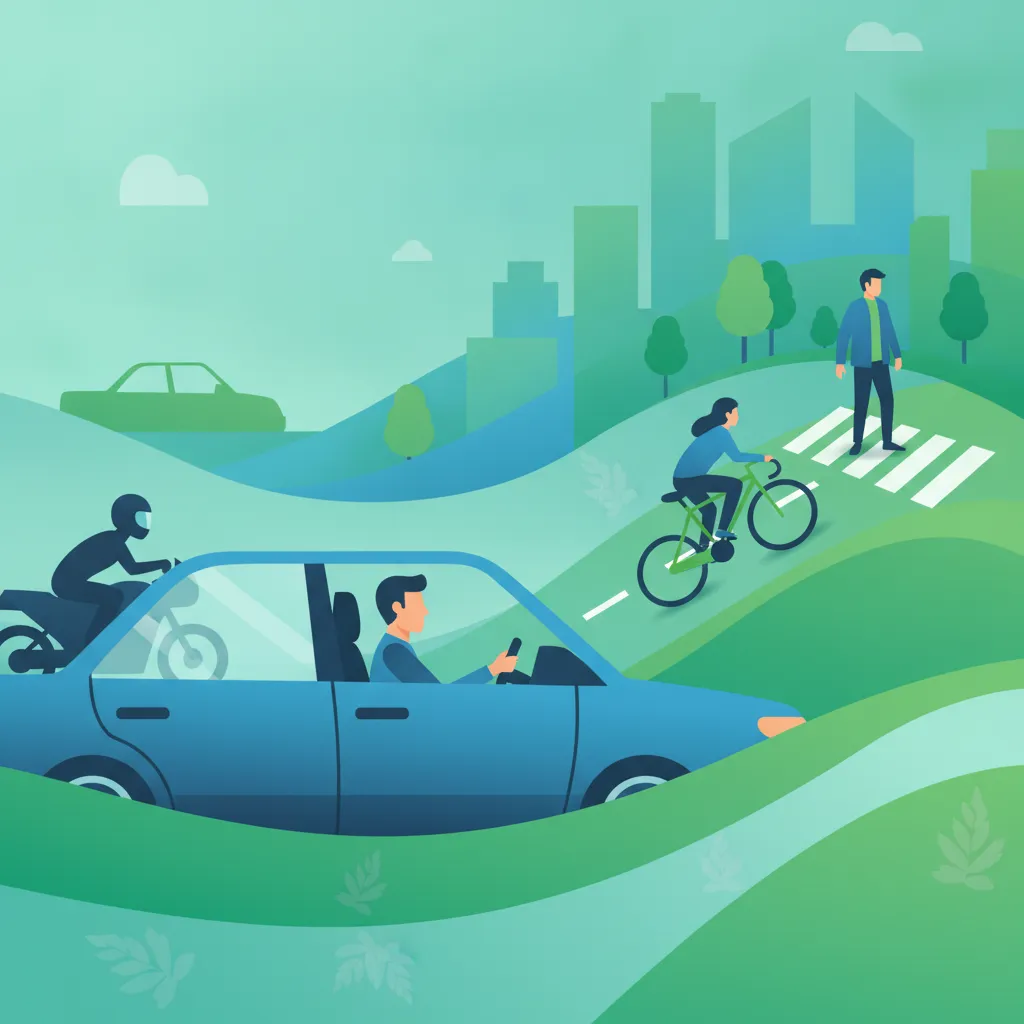
Learners will examine the complexities of operating in environments where various road users, including pedestrians, cyclists, and motorcyclists, coexist. The lesson emphasizes the need for heightened situational awareness, defensive driving techniques, and proactive hazard anticipation. Strategies for navigating mixed traffic safely, especially in congested urban areas, are highlighted.
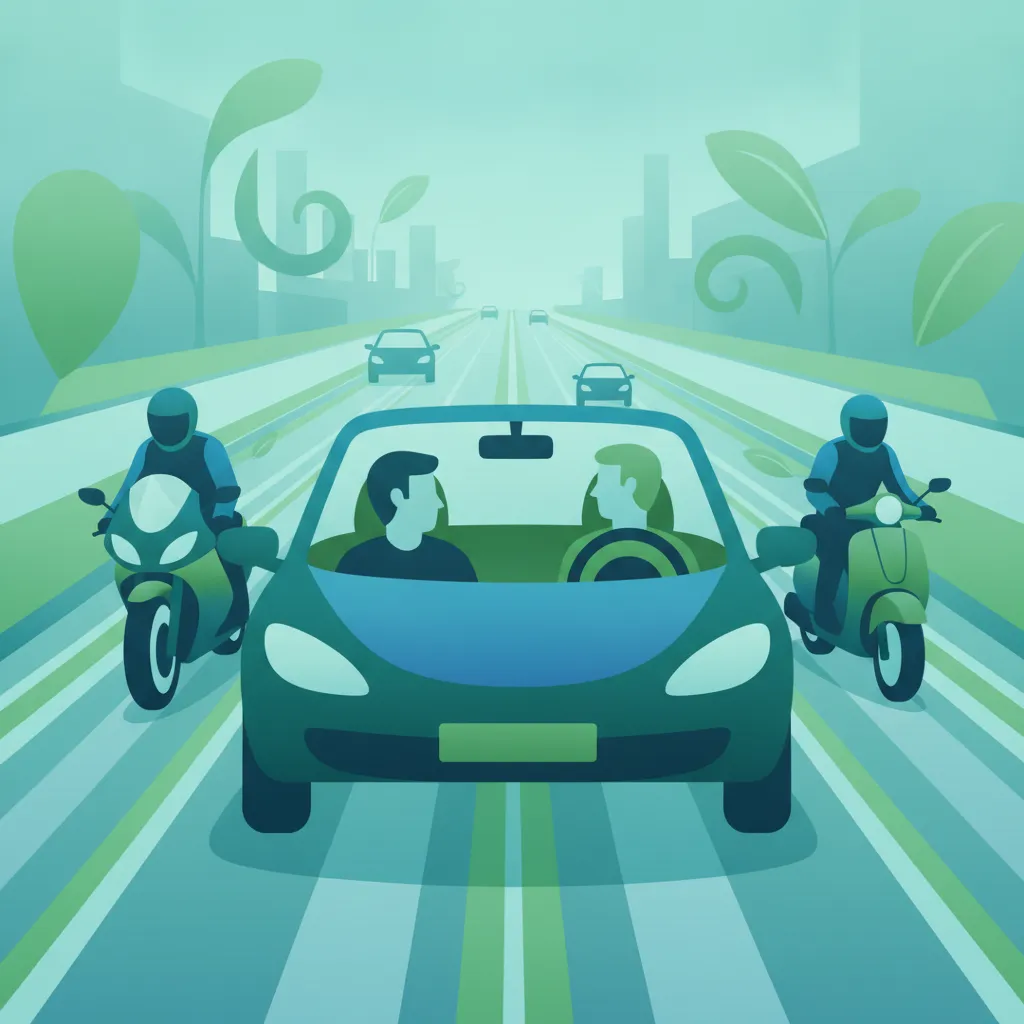
In this lesson, learners explore the unique challenges and safety considerations related to motorcyclists and scooter riders. Topics include the importance of visibility, the use of protective gear, and the need for drivers to be aware of blind spots. The lesson also covers lane discipline for two-wheeled vehicles and safe overtaking practices.

This lesson explores the hazards characteristic of rural roads, including narrow paths, lack of lighting, slow agricultural vehicles, and sharp curves. It teaches drivers how to anticipate blind corners, adjust speed, and pass slow-moving tractors safely. Motorists will learn to remain highly alert for unexpected roadway obstructions.
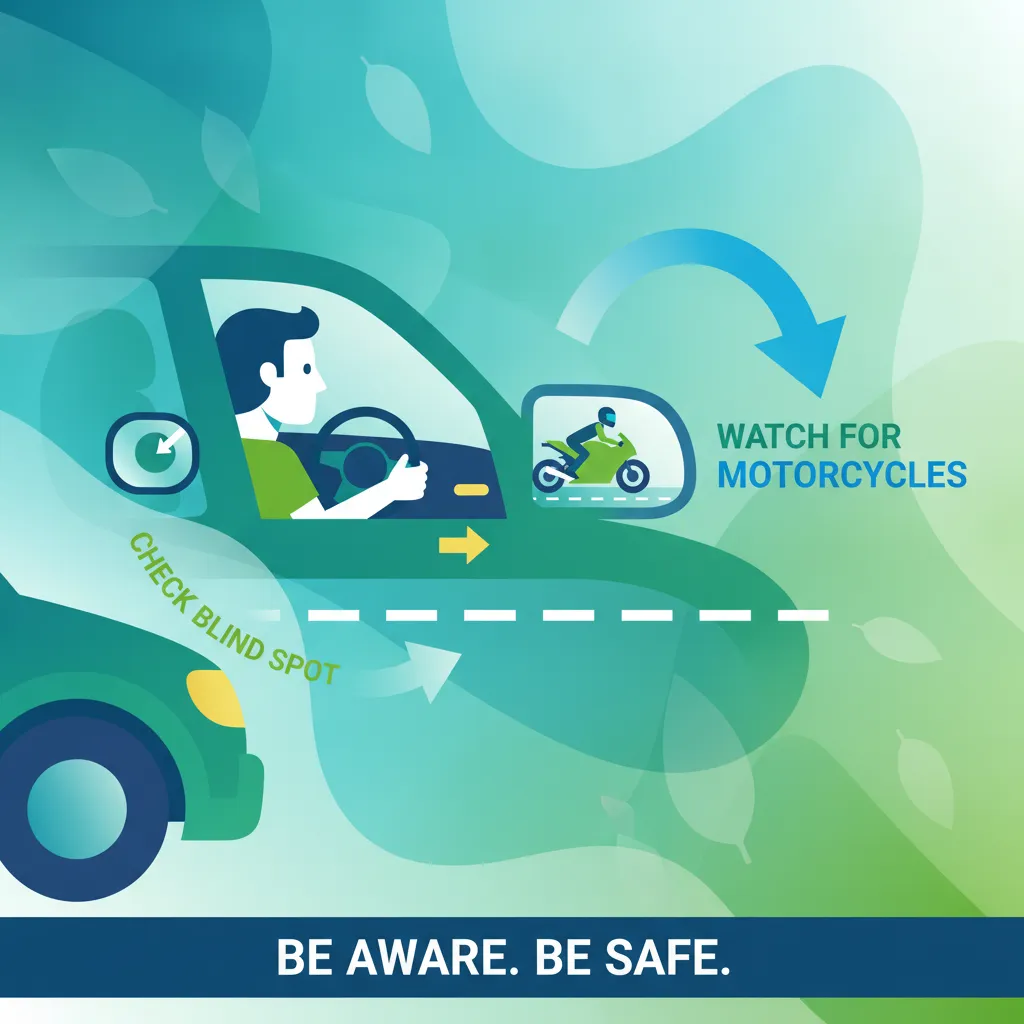
Learners will gain insight into the unique challenges posed by motorcycles and scooters sharing the road with passenger vehicles. The lesson highlights the importance of checking blind spots, maintaining safe following distances, and being aware of the faster acceleration and maneuverability of two-wheeled vehicles. Strategies for anticipating their movements and preventing collisions are discussed.

This lesson focuses on protecting vulnerable road users, such as pedestrians, cyclists, and motorcyclists, in mixed traffic environments. Learners will examine specific strategies for increased vigilance, anticipatory driving, and properly yielding to these users. The lesson also covers high-risk zones, such as school areas and public transport stops, emphasizing the need for heightened safety.

In this lesson, learners will gain comprehensive knowledge of safe overtaking maneuvers during riding, emphasizing the importance of assessing traffic flow, checking blind spots, and signaling intentions. The content covers overtaking strategies on both straight roads and curves, considering visibility and speed differentials. By mastering these techniques, motorcyclists can execute overtaking safely.
Get a clear explanation of regulatory traffic signs, road markings, and intersection priority rules relevant to all road users. Learn how to correctly interpret mandatory signage and navigate junctions to comply with Turkish highway traffic law requirements for the MTSK theory exam.
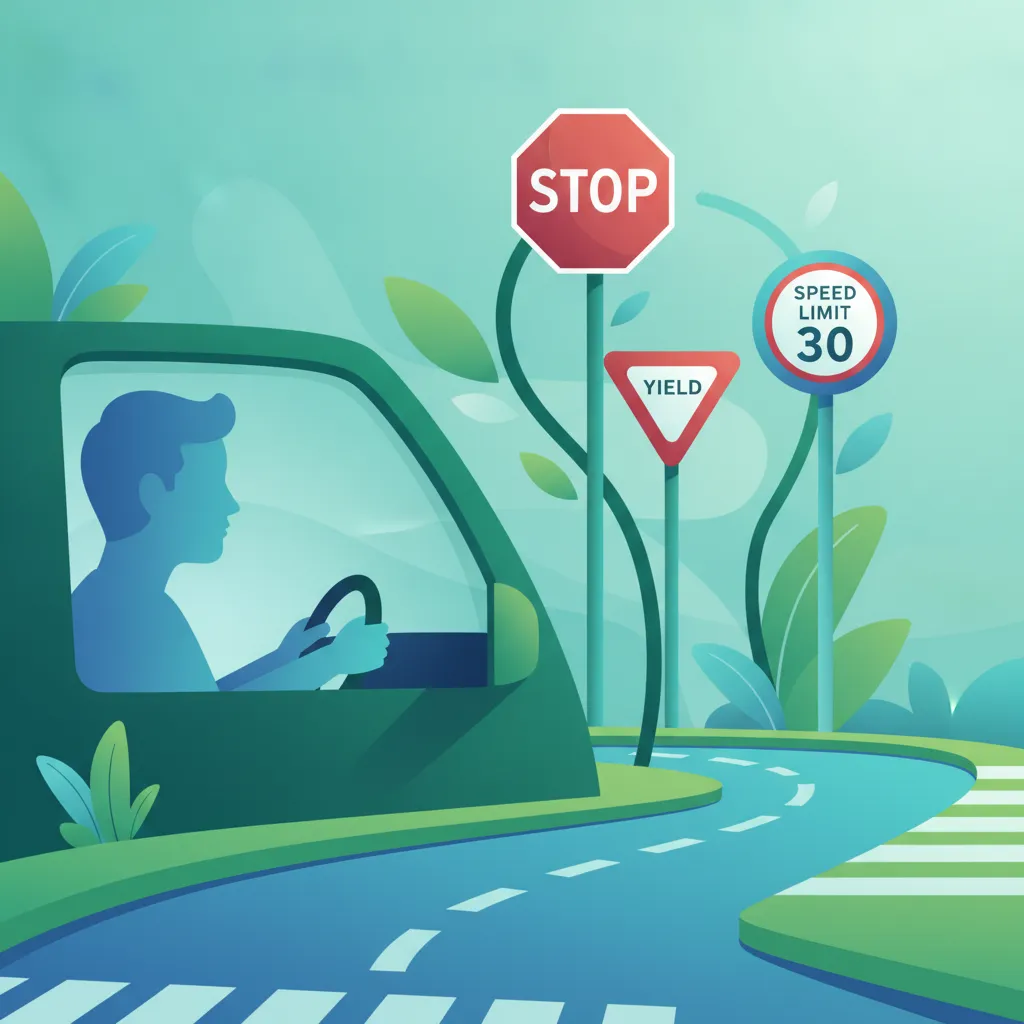
This lesson delves into the regulatory traffic signs that dictate mandatory and prohibited actions for drivers. Learners will study signs indicating speed limits, stop and yield requirements, no-entry zones, and lane usage directives. The lesson also covers temporary regulatory signs used in construction or special events, emphasizing the importance of adhering to these signs to avoid penalties.
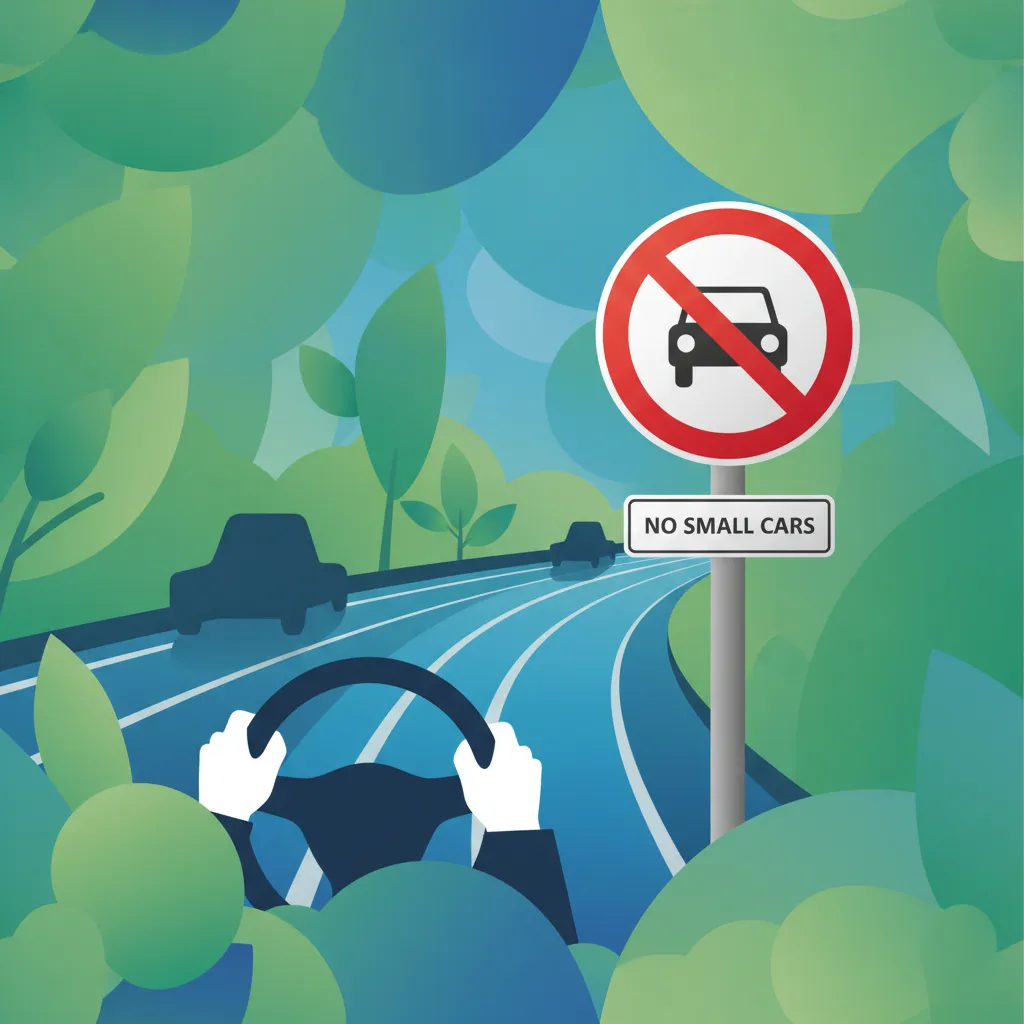
Regulatory traffic signs convey absolute legal commands that riders must obey to avoid heavy fines and ensure safe, orderly movement. This lesson walks through prohibitory indicators, mandatory speed limits, turn restrictions, and specific moped bans on motorways or designated high-speed corridors. You will learn to recognize the distinctive shapes and colors of these signs, enabling rapid, accurate decision-making while operating your lightweight vehicle under Turkish highway laws.
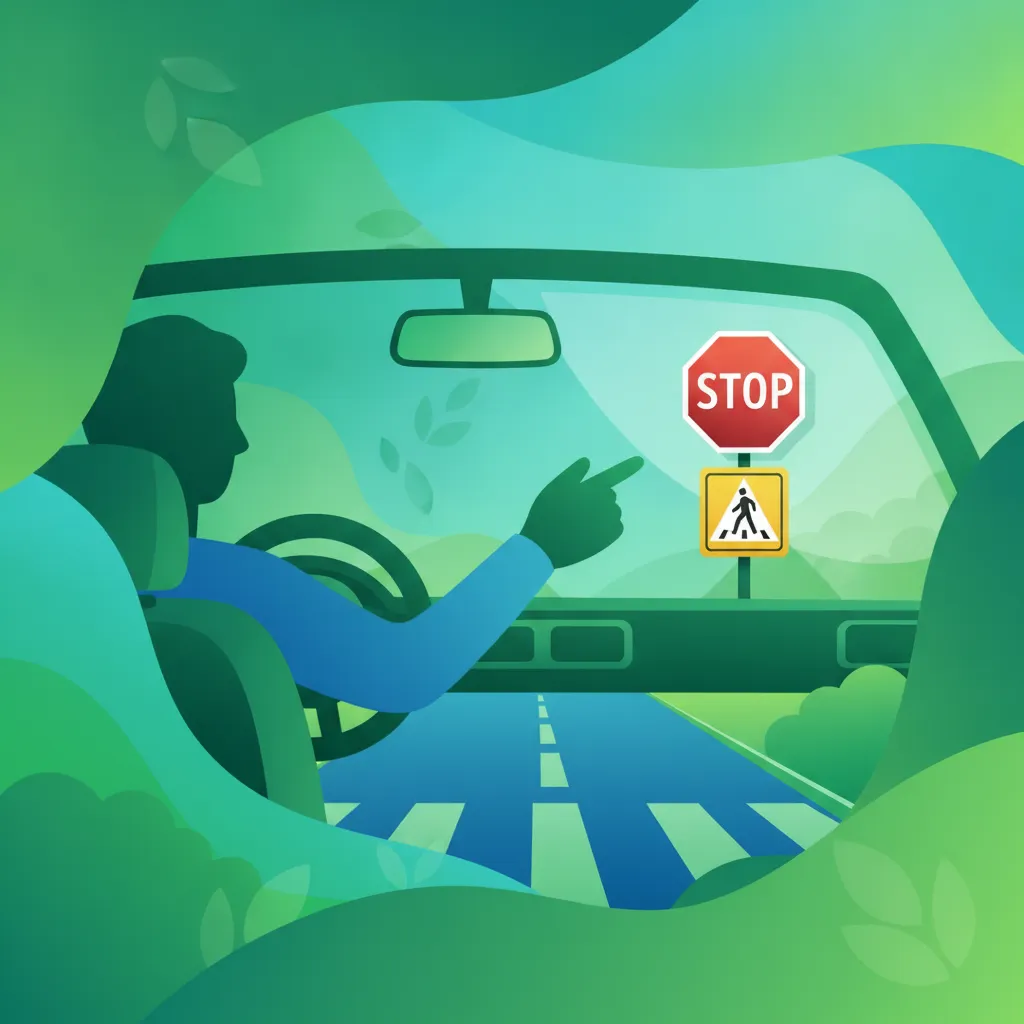
In this lesson, learners will master the meanings of various traffic signs as defined by Turkish traffic legislation. The focus will be on understanding regulatory, warning, and informational signs, with particular attention to those that directly affect motorcyclists, such as speed limits and lane usage. By the end of this session, participants will be able to quickly recognize sign categories and apply the required actions safely.

This lesson provides an in-depth understanding of traffic light signals and their role in regulating intersection traffic. Learners will study the meanings of red, yellow, and green lights, as well as pedestrian and bicycle signals. The lesson also covers special conditions such as flashing signals and signal malfunctions. Emphasis is placed on the correct driver response to each signal phase.
In this lesson, learners explore vertical road markings, primarily focusing on signs mounted on poles or overhead structures. Topics include direction indicators, speed limit signs, warning signs, and regulatory signs. The lesson emphasizes the importance of sign placement, illumination, and visibility in ensuring driver compliance. Real-world scenarios demonstrate how drivers should interpret and react to vertical markings.
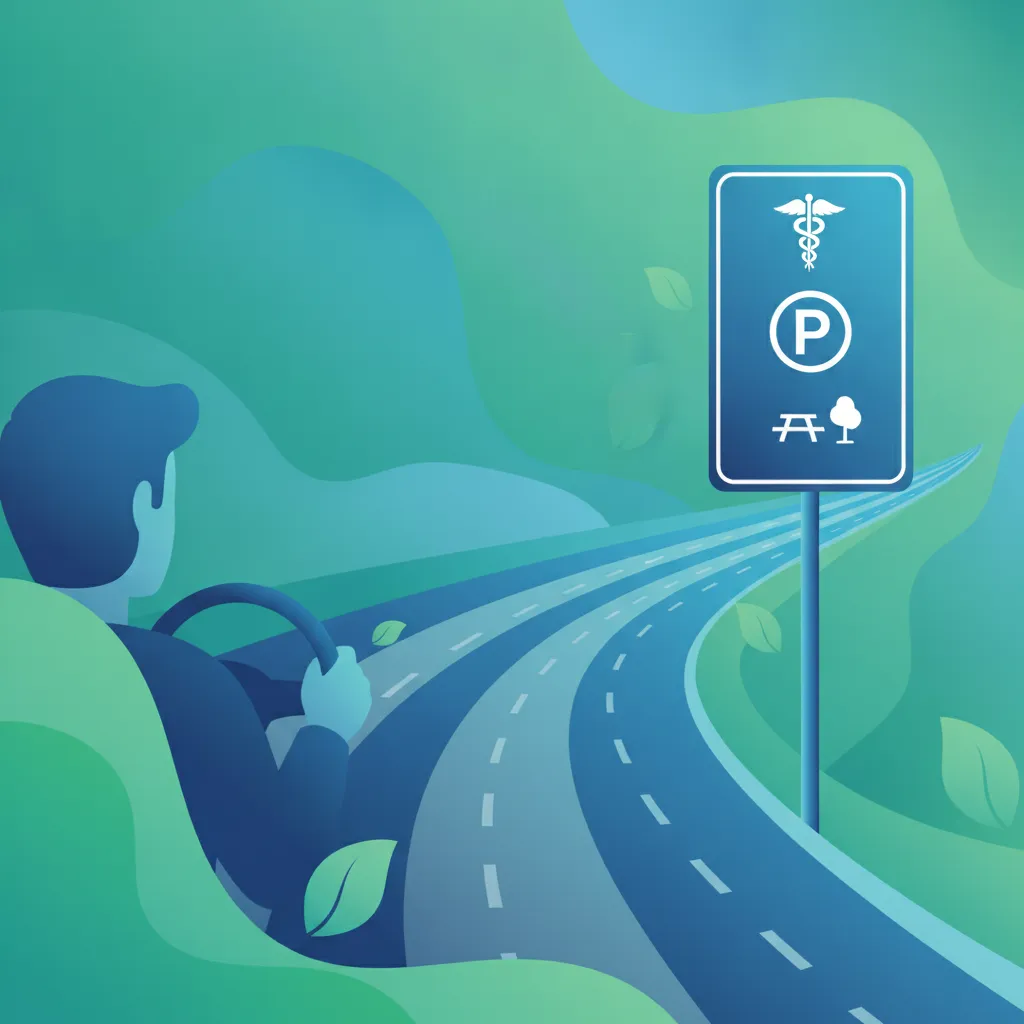
This lesson focuses on informational traffic signs that provide guidance and essential information to drivers. Learners will examine signs indicating directions, distances to cities, service areas, fuel stations, hospitals, police stations, and tourist attractions. The lesson highlights the role of these signs in facilitating navigation and ensuring drivers can locate essential services safely.

In this lesson, learners explore warning traffic signs designed to alert drivers to potential hazards ahead. Topics include signs indicating curves, steep descents, slippery surfaces, pedestrian crossings, and school zones. The lesson emphasizes the importance of interpreting these signs correctly to adjust speed and driving behaviour, thereby preventing accidents.
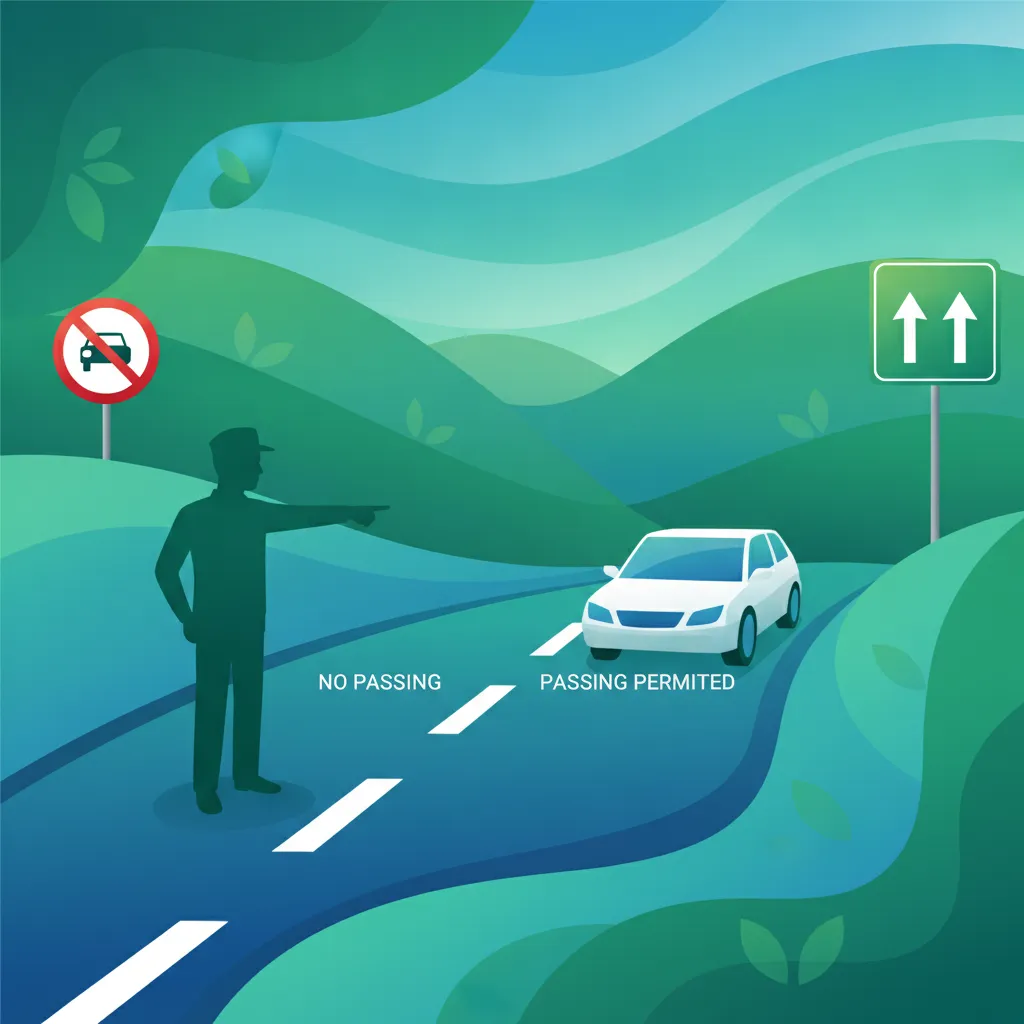
This lesson covers the various road surface markings that motorcyclists must be aware of, such as lane lines, turn arrows, and dedicated bike lanes. It explains how to interpret solid and broken lines, the meaning of specific arrows for turning or lane changes, and the significance of pedestrian crossing markings. Understanding these visual cues is essential for maintaining lane discipline and performing safe road maneuvers.

This lesson provides an overview of the general priority principles that dictate right-of-way on Turkish roads. Topics include the hierarchy of road users, such as pedestrians, cyclists, and emergency vehicles, and how these hierarchies apply at various intersections. Learners will understand the fundamental concepts of yielding, stopping, and proceeding, as well as the importance of clear decision-making.
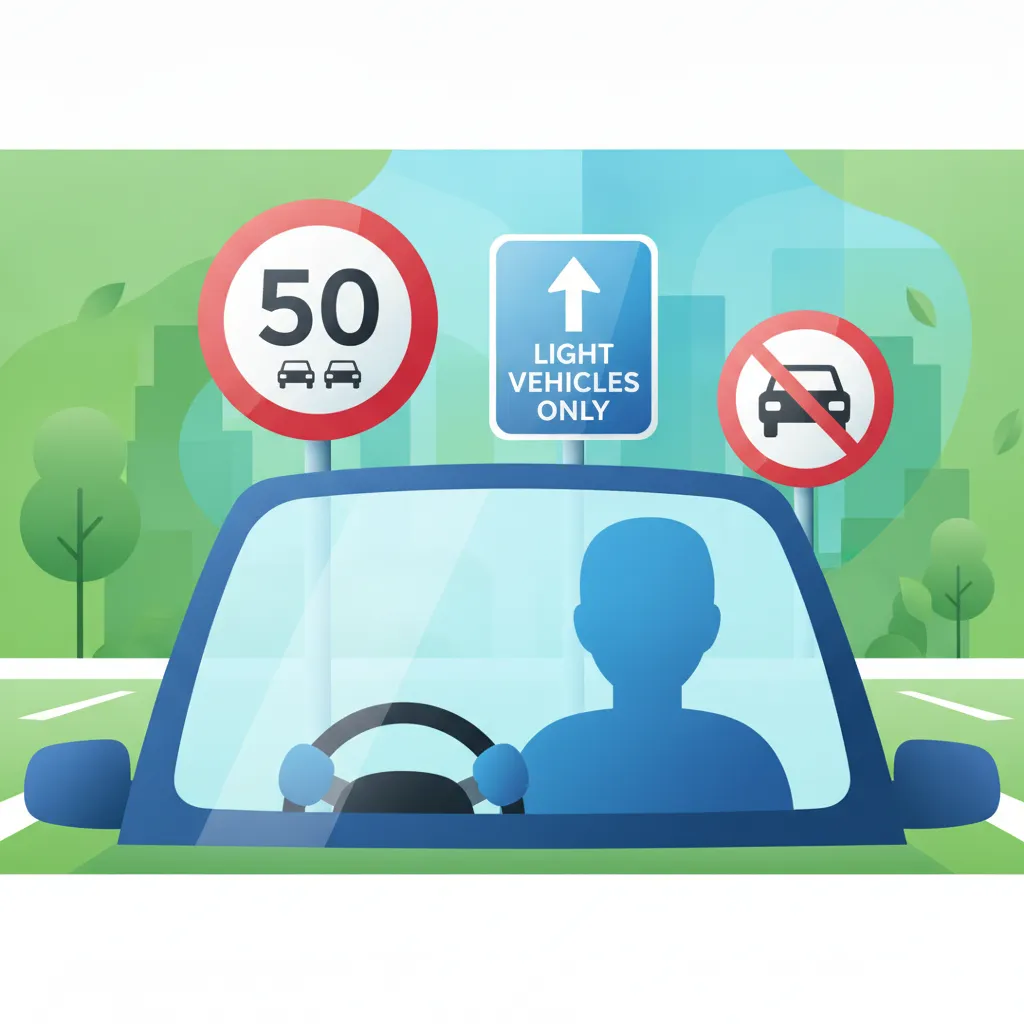
This lesson focuses on the identification and interpretation of traffic signs and road markings that are particularly relevant to passenger vehicle drivers, such as bus lane indications, priority road signs, and specific speed limits. Learners will explore how these signs affect route planning, compliance, and the overall flow of traffic. Mastery of sign interpretation ensures safe and lawful operation in various traffic conditions.
Find clear answers to common questions learners have about Understanding the M/AM Licence Category. Learn how the lesson is structured, which driving theory objectives it supports, and how it fits into the overall learning path of units and curriculum progression in Turkey. These explanations help you understand key concepts, lesson flow, and exam focused study goals.
In Turkey, a vehicle in the AM category must have an engine displacement of no more than 50 cubic centimeters if it is an internal combustion engine, or have a maximum continuous rated power of 4 kW for electric vehicles.
Category AM vehicles are legally restricted to a maximum design speed of 45 kilometers per hour. Operating a vehicle that exceeds these specifications requires a higher category licence.
No, the AM licence is strictly for mopeds and light motorized bicycles that meet specific size and speed criteria. You must obtain a separate A1, A2, or A category licence to operate larger motorcycles.
Under Turkish traffic legislation, candidates must be at least 16 years old to apply for and obtain an AM category driving licence.
Use our comprehensive practice search to find exactly the Turkish driving theory questions you need to master. Whether reviewing specific road signs, traffic rules, or first aid scenarios, select your perfect practice set and boost your confidence for the official ehliyet sınavı.