This lesson provides a comprehensive overview of regulatory traffic signs essential for your Category AM licence theoretical exam. You will learn to identify key command and prohibitory signs, understand their legal impact on your riding, and prepare for common MTSK e-sınav questions regarding road compliance.
Lesson content overview
Operating a lightweight motorized vehicle—specifically a Category AM moped or light motorized bicycle (motorlu bisiklet)—on public roads in Turkey requires a comprehensive understanding of traffic laws, road markings, and road signs. Regulatory traffic signs (Trafik Tanzim İşaretleri) are the cornerstone of public road safety and legal compliance. Unlike warning signs, which provide advisory information, regulatory signs convey absolute legal commands. Failing to obey these signs is not only dangerous but constitutes a direct violation of the Turkish Highway Traffic Regulation (Karayolları Trafik Yönetmeliği), resulting in significant financial penalties, points on your licence, or vehicle impoundment.
For riders preparing for the official Ministry of National Education (MEB) MTSK e-sınav theoretical exam, mastering these signs is critical. Because mopeds have smaller engines (under 50cc or under 4 kW) and are structurally limited to a maximum design speed of 45 km/h, they are subject to unique restrictions and regulatory exclusions that do not apply to larger passenger cars or heavy motorcycles.
Regulatory traffic signs exist to manage the flow of traffic, resolve conflicts at intersections, and restrict certain vehicles from entering roads where their presence would create extreme hazards. Under Turkish traffic law, these signs are divided into specific shapes and colours to help drivers recognize them instantly, even in poor visibility or at high speeds.
Most regulatory signs are circular. They are broadly categorized into two visual styles:
For Category AM candidates, understanding these visual cues is the first step toward rapid, accurate decision-making on urban and suburban corridors.
To navigate mixed traffic safely, you must understand the legal principles that govern how regulatory signs are deployed and enforced:
Prohibitory signs tell you what you must not do. For a moped rider, entering a prohibited area can place you in the path of high-speed traffic, where your vehicle’s low power and small profile make you highly vulnerable.
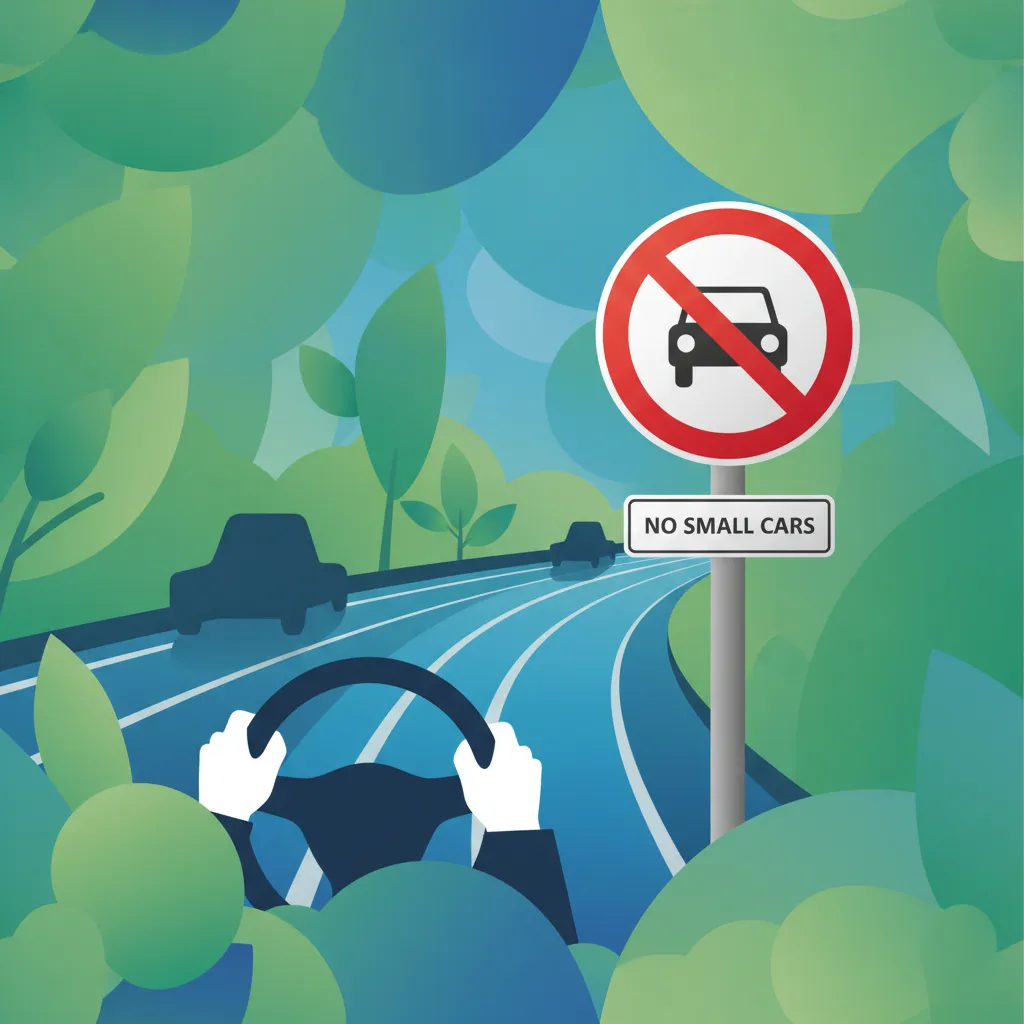
This is the most critical prohibitory sign for Category AM licence holders. Under Turkish law, a moped is legally classified as a motorlu bisiklet (motorized bicycle).
When you encounter this sign, you must immediately seek an alternative route. It is typically placed at the entrances of high-speed urban arterial roads, narrow tunnels, or specific municipal zones where lightweight, slow-moving two-wheelers would disrupt the flow of traffic or face extreme aerodynamic turbulence from larger vehicles.
It is highly important to distinguish between a motorcycle (motosiklet) and a moped (motorlu bisiklet). A standard motorcycle sign features a motorcycle pictogram with a rider.
Crucial Distinction for the MTSK Exam: In Turkish traffic legislation, a sign that prohibits motorcycles (TT-12) generally also prohibits mopeds (Category AM), unless an auxiliary plate explicitly states otherwise. However, a sign that prohibits only mopeds (TT-13) does not restrict larger motorcycles, which are capable of matching highway speeds. Always read the pictogram carefully to identify if it depicts a bicycle with an engine (moped) or a heavy motorcycle.
This sign features two pictograms within the red circle: a passenger car and a motorcycle.
Because mopeds are motorized, you cannot ride past this sign, even if your engine is under 50cc. If you must access a property beyond this sign, you must switch off the ignition, dismount, and push your moped on the pedestrian pavement, at which point you are legally classified as a pedestrian.
Two other vital prohibitory signs regulate basic access control:
Mandatory signs are blue circular signs with white borders and symbols. They do not merely advise you; they command you to take a specific action or use a specific portion of the road.
In certain urban planning layouts, local municipalities designate specific lanes or paths exclusively for lightweight, two-wheeled traffic to segregate them from fast-moving heavy vehicles.
If this sign is present, riding your moped on the adjacent main roadway is a direct traffic violation. This infrastructure is designed to protect you from rear-end collisions.
Conversely, you must also look out for the end of this mandatory path:
Speed management is one of the most critical elements of moped safety. Because Category AM vehicles have small frames, lightweight suspension, and smaller tires, their stability is highly sensitive to speed, road surface defects, and wind resistance.
Under Turkish law, Category AM vehicles are structurally and legally restricted to a maximum design speed of 45 km/h. Even if you are riding on a wide, open municipal road where the general speed limit sign displays a higher limit (e.g., 50 km/h or 70 km/h), your personal legal limit remains 45 km/h.
This sign consists of a black number inside a red circle, indicating the maximum speed allowed in kilometres per hour.
If you encounter an "Azami Hız Sınırı" sign that is lower than your vehicle's capability—such as a 30 km/h limit in a school zone (okul geçidi) or residential area—you must reduce your speed to match or fall below that specified limit.
To indicate that a previously posted speed limit no longer applies, traffic authorities use a grey or white circular sign with diagonal black lines.
For a Category AM rider, the end of a 30 km/h zone means you may speed up, but you must still never exceed your vehicle's maximum legal threshold of 45 km/h.
Overtaking on a moped requires careful planning, as your vehicle lacks the rapid acceleration needed to pass other motorized vehicles quickly. Regulatory signs strictly govern where overtaking is permitted.
This sign shows two cars side-by-side inside a red circle: a black car on the right and a red car on the left.
As a moped rider, you must understand the exact legal boundaries of this sign:
Even after passing the "Geçme Yasağı Sonu" sign, never attempt to overtake near:
In Turkey, motorways—referred to as Otoyol or Otoban—are high-speed corridors with minimum speed limits. Entering these routes on a slow-moving moped is extremely dangerous and strictly illegal.
Under the Turkish Highway Traffic Law, motorways have a mandatory minimum speed limit of 40 km/h. Because Category AM mopeds have a maximum design speed of only 45 km/h, they cannot safely maintain motorway speeds, especially when climbing inclines, facing headwinds, or carrying cargo.
Additionally, the aerodynamic draft created by heavy commercial trucks travelling at 90 km/h to 100 km/h can easily destabilize a lightweight moped, pulling it into the path of traffic.
Exam Tip: The "Otoyol Başlangıcı" sign (green background with a motorway graphic) legally excludes mopeds, agricultural tractors (lastik tekerlekli traktörler), non-motorized vehicles, and pedestrians. Entering an otoyol on a moped will result in an immediate administrative fine and points deducted from your driving record.
To apply this knowledge effectively, you must understand how regulatory signs interact with environmental conditions and common riding errors.
| Rule | Applicability | Legal Status | Rationale |
|---|---|---|---|
| No Motorway Entry | All motorways (Otoyol) | Mandatory | Mopeds cannot maintain safe motorway speeds and face severe aerodynamic instability around large vehicles. |
| 45 km/h Speed Ceiling | All public roads | Mandatory | Structural and legal limits of the Category AM licence class. |
| No Overtaking in Restricted Zones | Wherever sign TT-31 is posted | Mandatory | High risk of head-on collisions due to limited acceleration and visibility. |
| Mandatory Lane Use | Wherever sign TT-45 is posted | Mandatory | Segregates vulnerable slow-moving traffic from larger vehicles. |
Your response to regulatory signs must adapt to changing weather conditions:
Let us examine how to apply these rules in common urban scenarios.
You are riding your moped along an urban boulevard in Izmir. As the road dips into a concrete underpass, you see a red circular sign displaying a moped pictogram (TT-13) mounted above the entrance.
You are navigating a narrow street in an older district of Istanbul. You want to turn right, but the corner is marked with a red circular sign containing a white horizontal bar (TT-11).
A Category AM moped rider in Turkey must operate with a defensive mindset. Recognizing regulatory signs instantly is your best tool for staying safe and avoiding heavy traffic fines.
Remember these core takeaways:
Explore all units and lessons included in this driving theory course.
Lesson content overview
Explore all units and lessons included in this driving theory course.
Explore search topics learners often look for when studying Regulatory Traffic Signs for Small Vehicles. These topics reflect common questions about road rules, driving situations, safety guidance, and lesson level theory preparation for learners in Turkey.
Browse additional driving theory lessons that cover connected traffic rules, road signs, and common driving situations related to this topic. Improve your understanding of how different rules interact across everyday traffic scenarios.
Understand the legal hierarchy of traffic signals, police commands, and right-of-way rules for category AM vehicles. This guide clarifies how to navigate intersections and lights safely according to Turkish highway traffic legislation and official theory requirements.
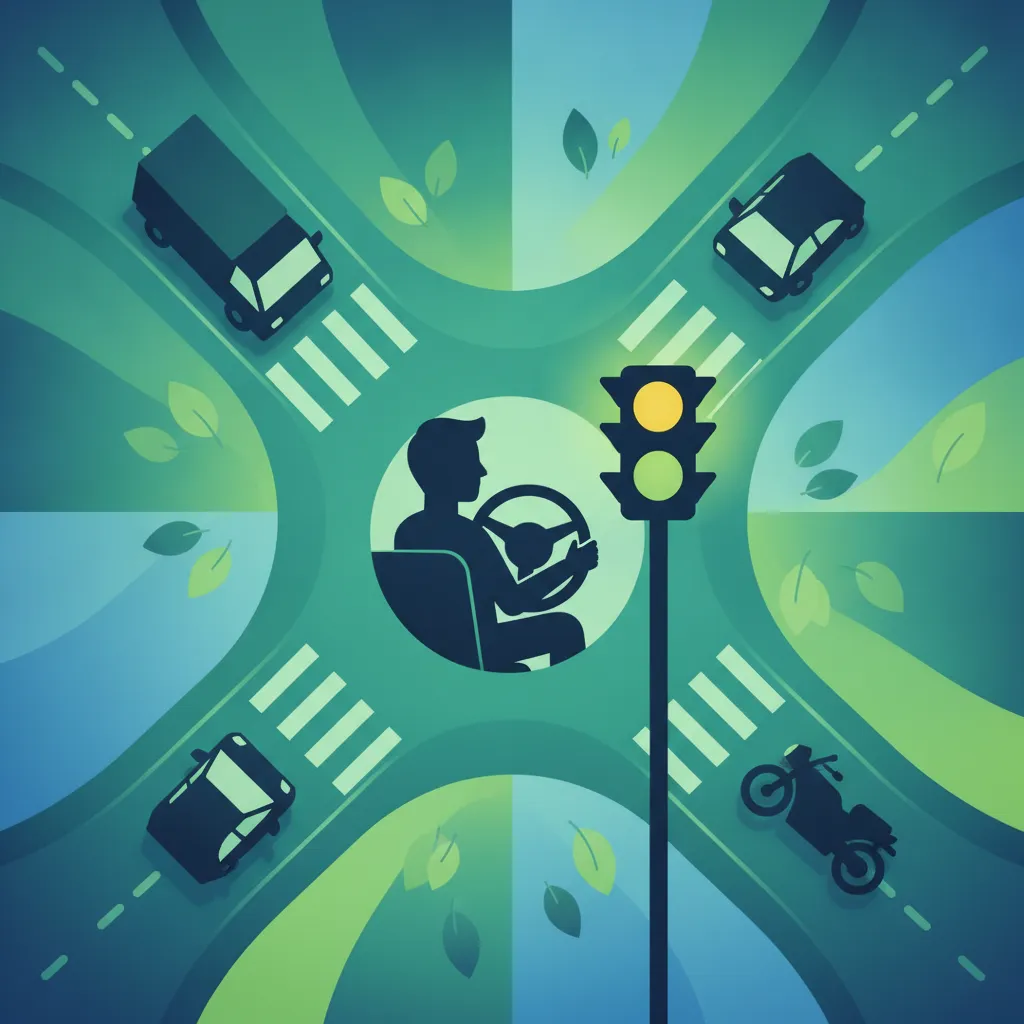
Correctly interpreting traffic signal sequences and priority rules is crucial for preventing devastating right-angle collisions at intersections. This lesson breaks down the phase progression of standard lights, the meanings of flashing amber or red indicators, and the hierarchy of traffic control when a police officer is directing vehicles. You will also master the basic legal default rules of right-of-way, such as yielding to vehicles coming from the right at uncontrolled junctions.

Protecting vulnerable road users is a core legal and ethical responsibility for all motorized vehicle operators in Turkey. This lesson covers the absolute requirement to yield to pedestrians at marked crosswalks, zebra crossings, and designated school zones. You will learn how to identify these zones early, reduce your speed proactively, and maintain heightened situational awareness for children or distracted pedestrians who may step onto the road unexpectedly.

In this lesson, learners will explore the functioning of traffic lights and their impact on motorcycle riding. It delves into the meanings of red, amber, and green lights, as well as dedicated turn arrows and pedestrian signals. The lesson highlights specific considerations for motorcyclists at intersections, such as the appropriate response to amber lights, the use of turn arrows for safe lane changes, and legal crossing obligations.
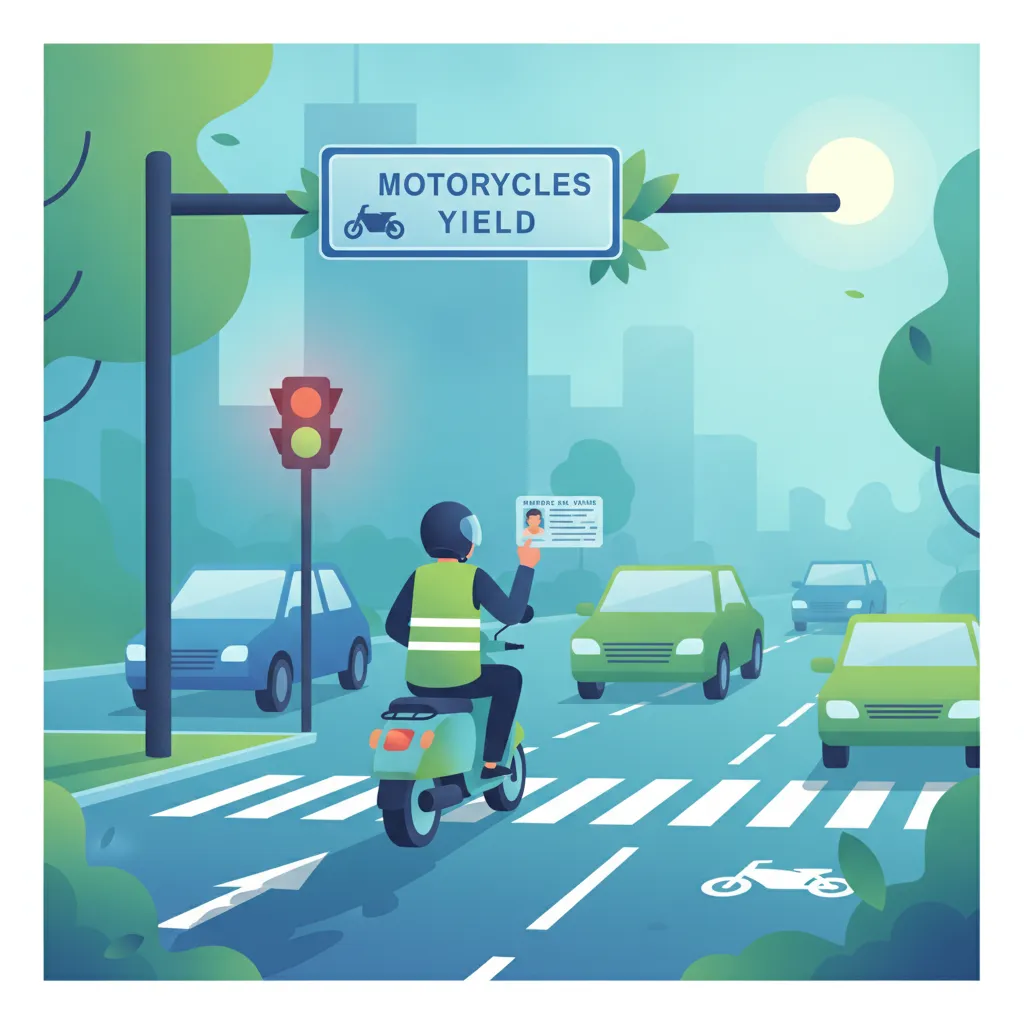
This lesson covers the primary legal requirements that every moped rider must follow when navigating public traffic systems within Turkey. It focuses on the mandatory application of traffic signals, correct lane selection, appropriate overtaking procedures, and the specific speed limitations set for light motorized vehicles. By understanding these regulatory bounds, you will avoid high traffic fines and licence point deductions while ensuring that your riding practices strictly align with national highway laws.
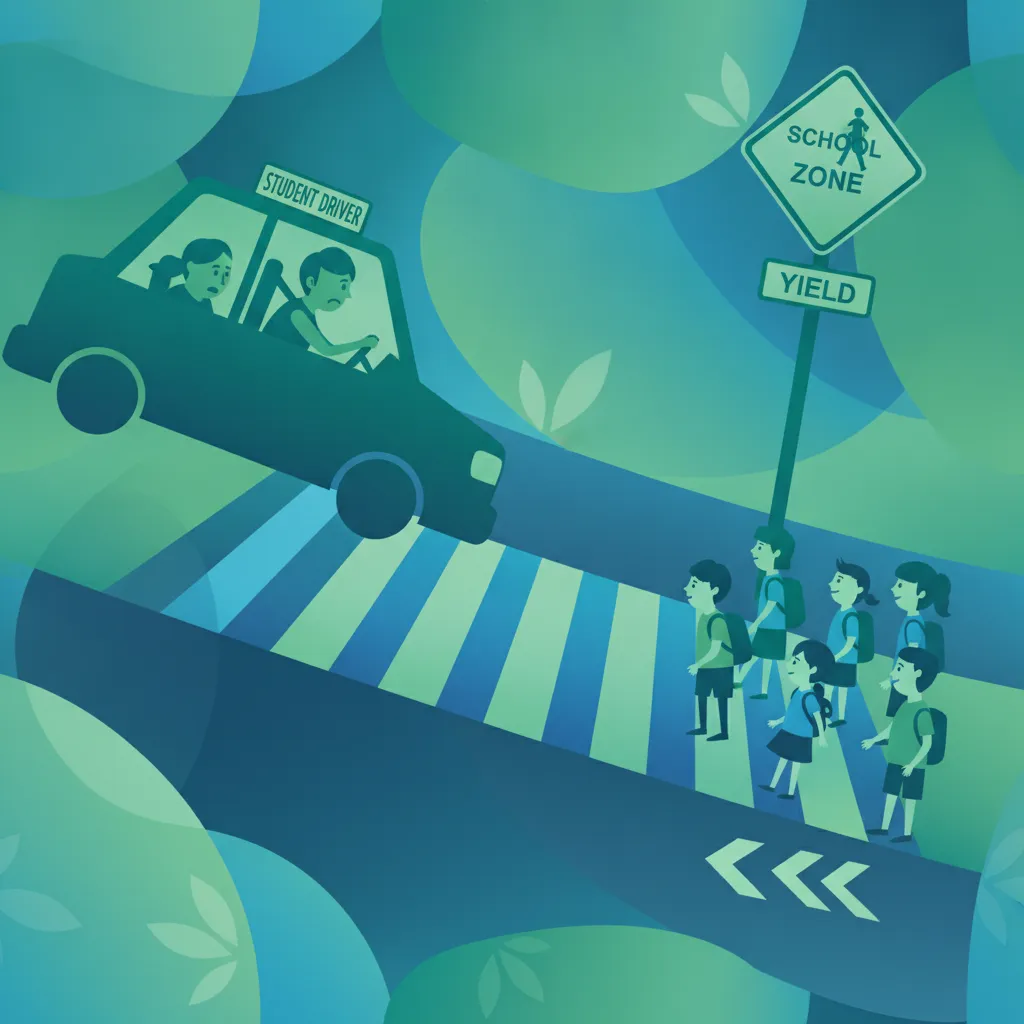
Focusing on pedestrian safety, this lesson addresses the unique considerations motorcyclists must take when approaching zebra crossings, traffic signal-controlled pedestrian crossings, and designated school zones. Learners will understand the legal obligations to yield to pedestrians, especially children, and the importance of reducing speed in these high-risk areas. The lesson also provides practical tips for ensuring visibility.
Roundabouts require a clear understanding of yield regulations and precise signaling to avoid conflicts with larger vehicles. This lesson details the legal requirements under Turkish road rules, which demand that entering vehicles yield to traffic already circulating inside the roundabout. You will learn how to select the appropriate lane upon entry, maintain a steady speed, signal your exit intentions clearly with your indicators, and remain alert to drivers who cut across lanes.
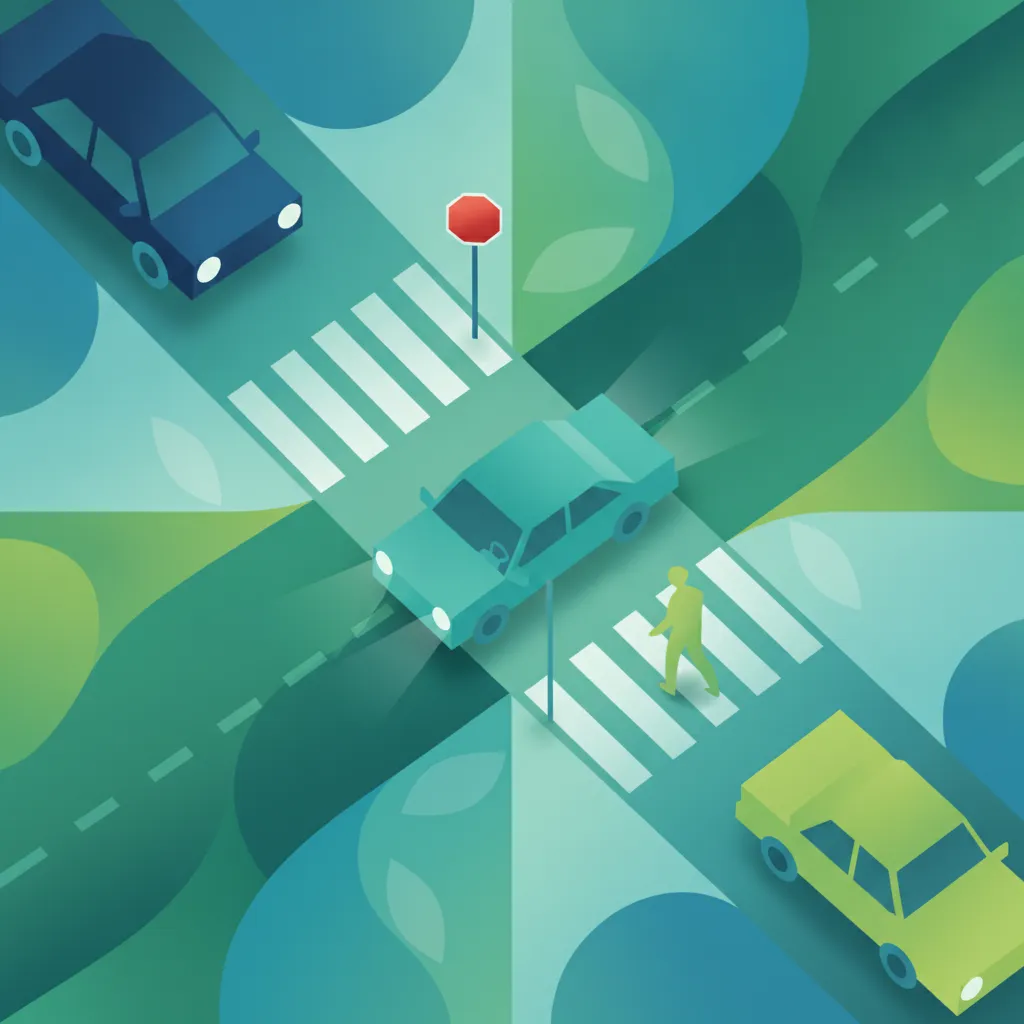
Intersections represent the highest-risk zones for moped riders due to crossing traffic paths and poor visibility. This lesson teaches you the structured approach method: slowing down, selecting the correct lane early, scanning in all directions, and yielding according to priority laws. You will learn safe techniques for executing left and right turns, maintaining stability, and continuously looking out for oncoming vehicles that might fail to yield or turn unexpectedly across your path.

Riding an exposed lightweight vehicle in busy Turkish cities requires exceptional personal conduct, patience, and absolute control over your emotional reactions. This lesson discusses the psychological aspects of riding, teaching you how to avoid aggressive behaviors and stay calm under stressful traffic situations. It covers proper non-verbal communication, polite road sharing practices, and maintaining safe buffers from other motorists to establish a safe, predictable presence on any public street.
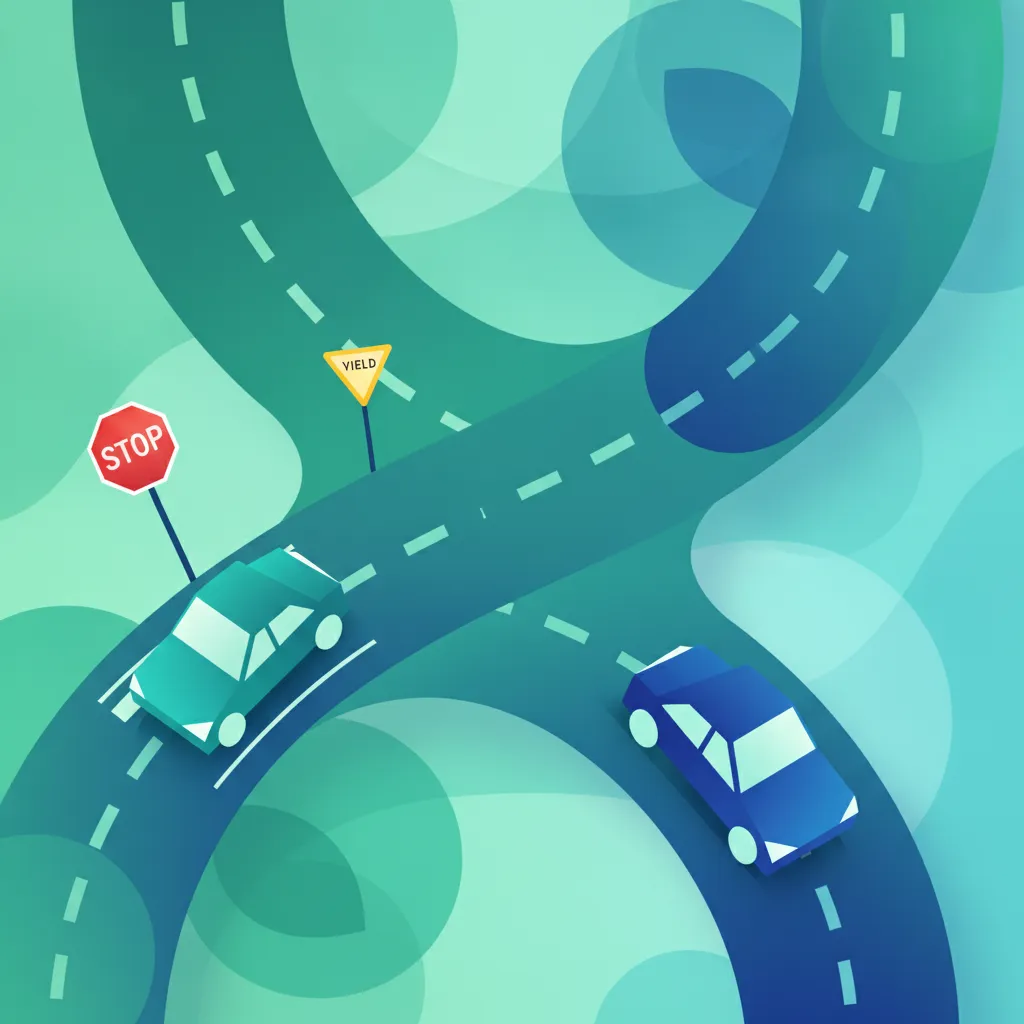
This lesson focuses on priority rules at controlled intersections equipped with traffic signals, stop signs, or yield signs. Learners will understand how to interpret traffic light phases, comply with stop and yield indications, and assess right-of-way at these intersections. The lesson also covers pedestrian and cyclist considerations, as well as emergency vehicle priority.
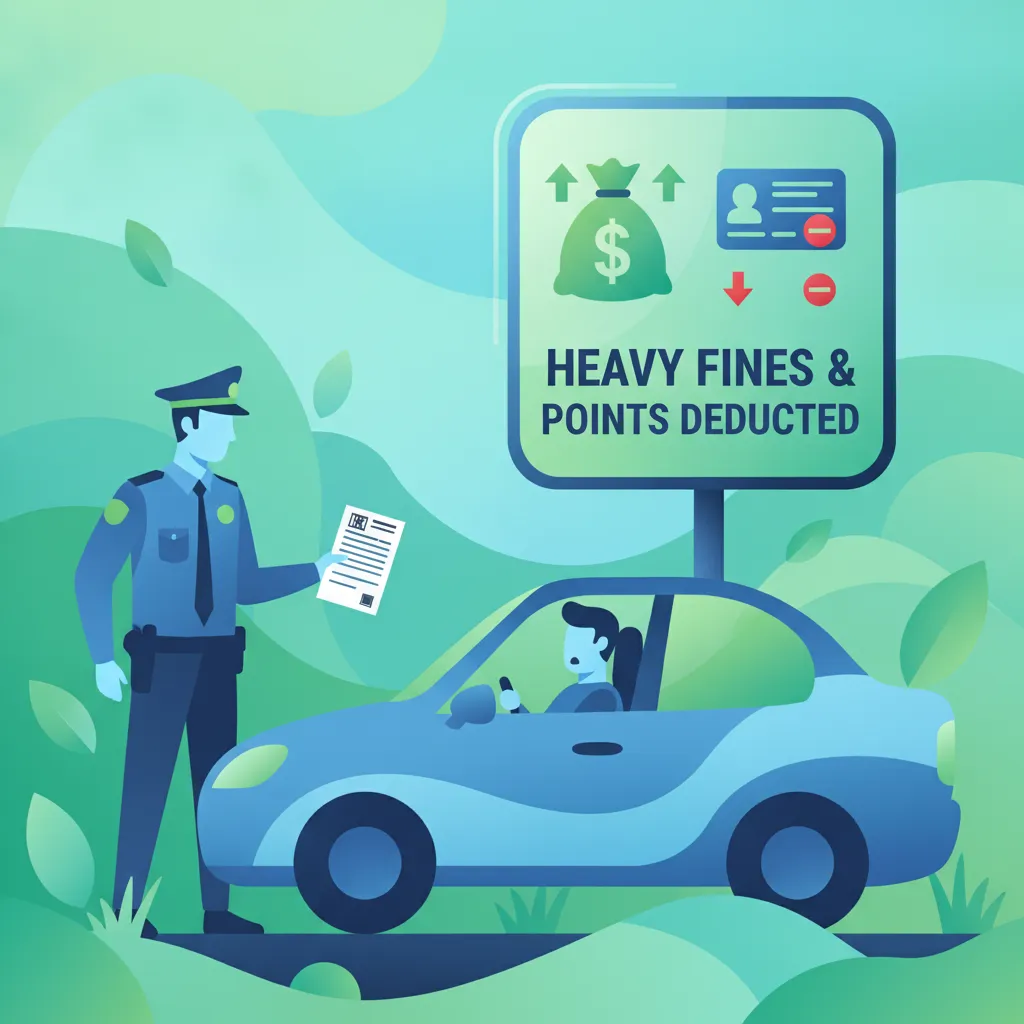
Violating Turkish traffic regulations results in serious legal and financial consequences designed to hold drivers accountable and ensure public safety. This lesson outlines the specific penalty points assigned to common infractions, the fine structure for speeding and illegal parking, and the conditions under which your moped or driving licence can be seized. Understanding these administrative penalties reinforces the importance of maintaining strict, daily compliance with national traffic laws.
Explore techniques for identifying and avoiding common hazards when operating a lightweight moped in urban environments. This lesson covers defensive riding strategies and legal safety requirements for navigating mixed traffic and adverse conditions on Turkish roads.
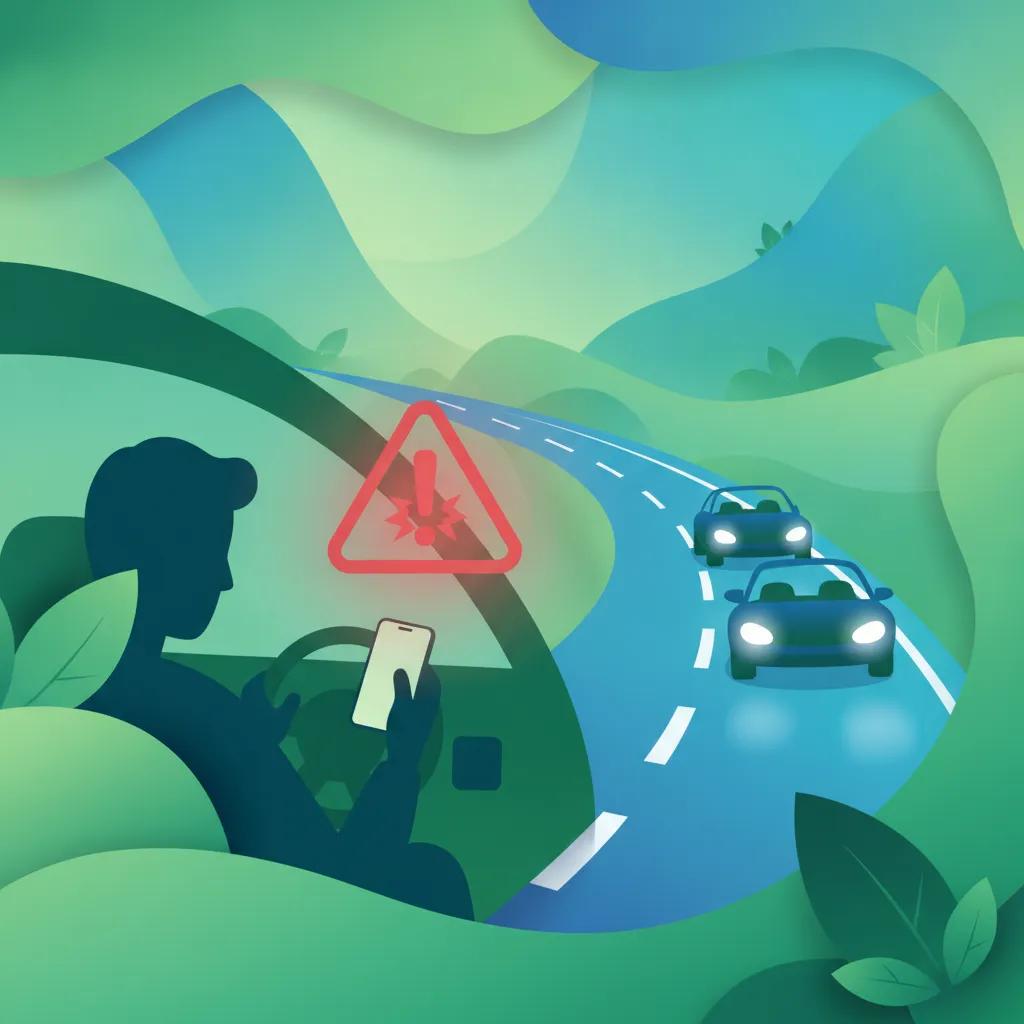
Human error and deliberate risk-taking represent the leading causes of traffic collisions among novice moped riders. This lesson analyzes the high dangers of using mobile phones while riding, weaving unsafely between lanes, and tailgating other motorists. It also covers the severe legal limits on alcohol and drug consumption under Turkish law, explaining how even minor impairments can drastically slower your hazard response times and lead to catastrophic accidents.

Low-speed riding maneuvers require precise coordination of throttle control, body balance, and subtle steering inputs to maintain vehicle stability. This lesson guides you through techniques for performing tight U-turns, navigating dense traffic queues, and parking your moped safely in designated urban areas. Additionally, you will learn to scan for immediate hazards, allowing you to execute steering corrections smoothly without risking tip-overs or collisions with low obstacles.
Proper road positioning is your primary shield against being squeezed, sideswiped, or overlooked by larger motor vehicles in daily traffic. This lesson explains how to ride in the center or slightly off-center of your lane to prevent unsafe overtaking within the same lane. You will study how to identify the massive blind spots of buses and trucks, maintain appropriate following distances, and execute overtaking maneuvers with maximum safety margin and clear signal warning.

Defensive riding is the practice of anticipating potential road conflicts and acting early to prevent accidents before they occur. This lesson teaches you how to systematically scan the road ahead for changing conditions, keep an adequate safety cushion around your moped, and pre-plan exit routes in tight spots. You will learn to assume you are invisible to other drivers and adapt your speed and road position proactively to protect yourself against sudden maneuvers.
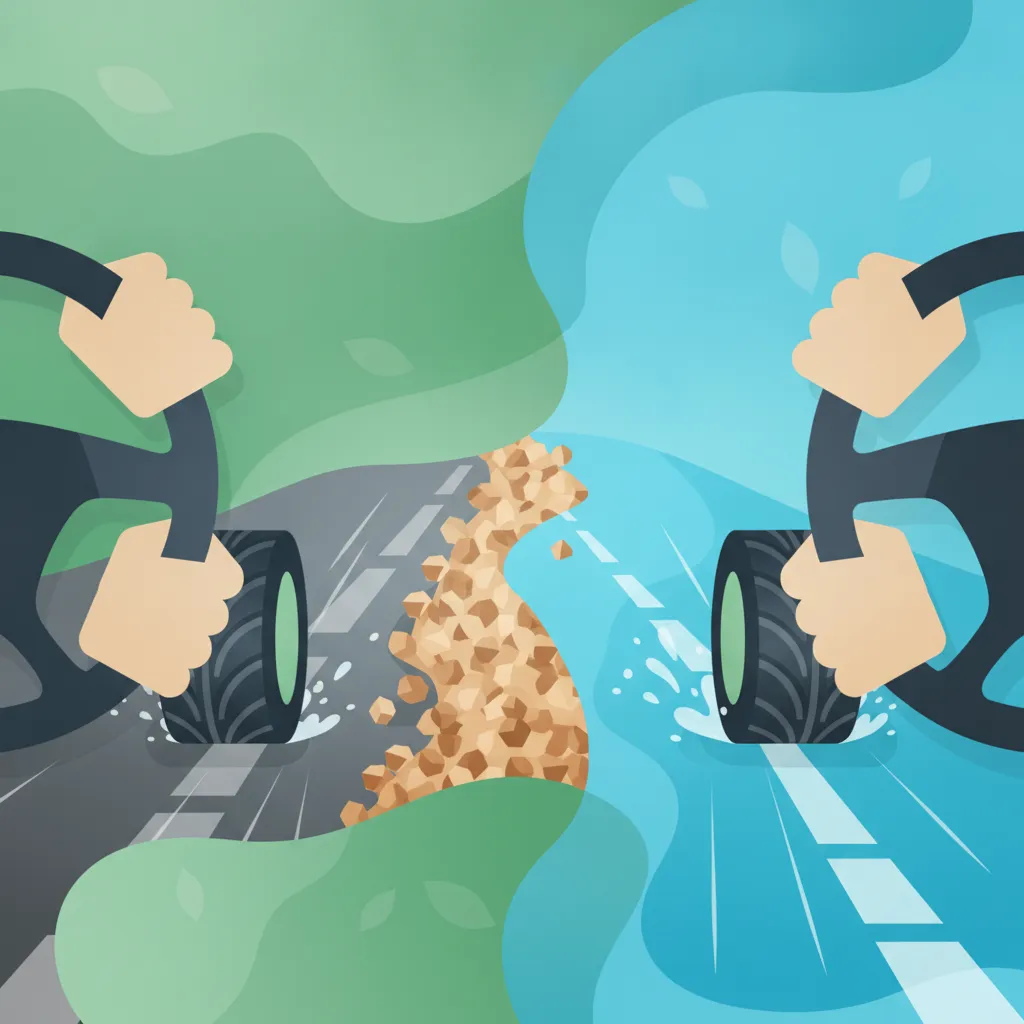
A moped's connection to the road is limited to two small tire contact patches, making tyre traction highly sensitive to surface changes. This lesson prepares you to recognize and negotiate hazardous road surfaces such as loose gravel, wet leaves, metal expansion joints, and painted lines. You will learn how to adjust your speed, maintain a vertical riding posture, and avoid sudden steering or braking inputs to prevent low-side falls when traction is severely reduced.
Riding an exposed lightweight vehicle in busy Turkish cities requires exceptional personal conduct, patience, and absolute control over your emotional reactions. This lesson discusses the psychological aspects of riding, teaching you how to avoid aggressive behaviors and stay calm under stressful traffic situations. It covers proper non-verbal communication, polite road sharing practices, and maintaining safe buffers from other motorists to establish a safe, predictable presence on any public street.
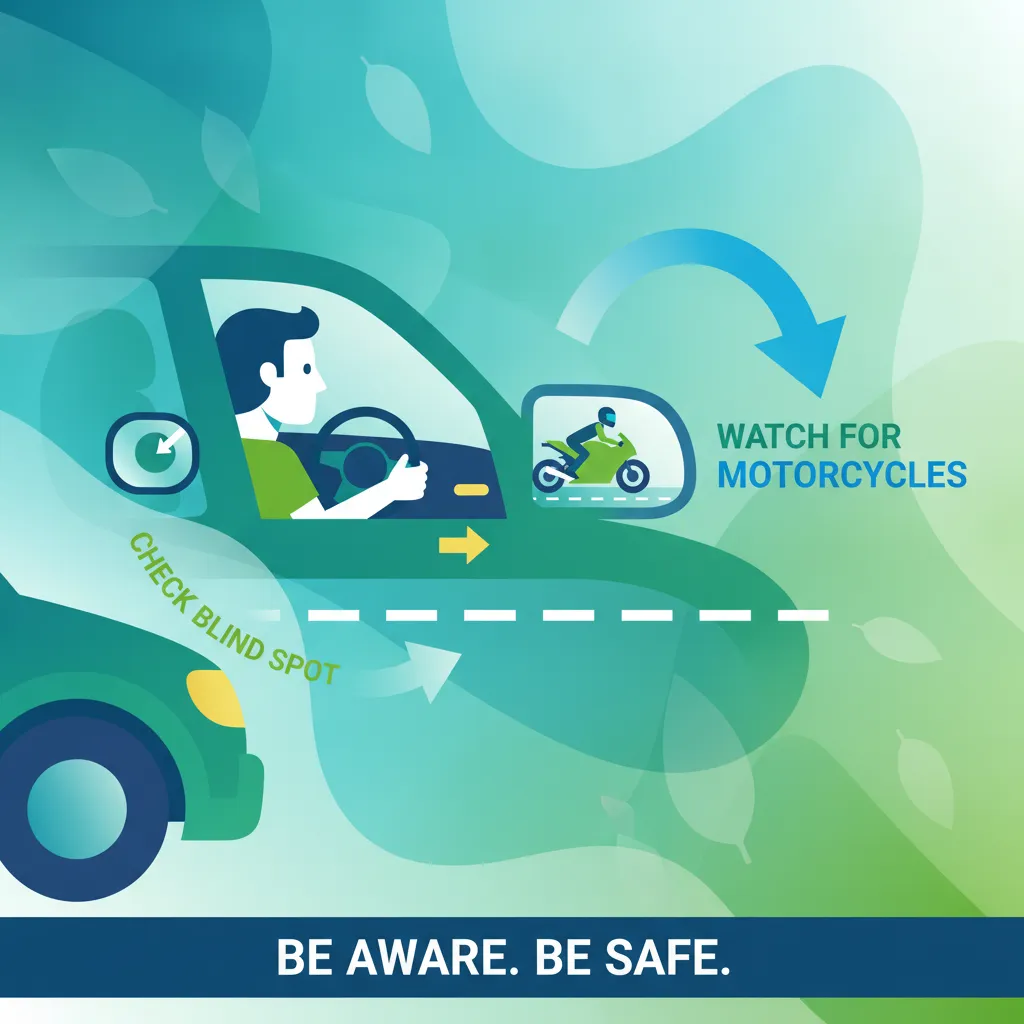
Learners will gain insight into the unique challenges posed by motorcycles and scooters sharing the road with passenger vehicles. The lesson highlights the importance of checking blind spots, maintaining safe following distances, and being aware of the faster acceleration and maneuverability of two-wheeled vehicles. Strategies for anticipating their movements and preventing collisions are discussed.
Warning signs alert road users to impending physical conditions, dangers, or layout alterations that require immediate driver attention and speed adjustment. This lesson focuses on indicators of sharp bends, narrowing paths, slippery road surfaces, upcoming pedestrian crosswalks, and school warning zones. You will study how to interpret these yellow-and-red triangular signs to safely modify your approach speed and gear your attention toward potential hazards unique to lightweight mopeds.
Operating a moped in highly populated Turkish urban areas requires a strong awareness of your environmental footprint and social impact. This lesson explains methods for reducing noise and exhaust emissions through timely vehicle maintenance and fuel-efficient riding techniques. You will also learn about the importance of protecting vulnerable road users like pedestrians, children, and cyclists, contributing to a cooperative, clean, and safe urban traffic ecosystem for everyone.
Intersections represent the highest-risk zones for moped riders due to crossing traffic paths and poor visibility. This lesson teaches you the structured approach method: slowing down, selecting the correct lane early, scanning in all directions, and yielding according to priority laws. You will learn safe techniques for executing left and right turns, maintaining stability, and continuously looking out for oncoming vehicles that might fail to yield or turn unexpectedly across your path.
Find clear answers to common questions learners have about Regulatory Traffic Signs for Small Vehicles. Learn how the lesson is structured, which driving theory objectives it supports, and how it fits into the overall learning path of units and curriculum progression in Turkey. These explanations help you understand key concepts, lesson flow, and exam focused study goals.
Regulatory signs convey absolute legal commands, such as speed limits or 'no entry', which you must obey to avoid fines. Warning signs, by contrast, inform you of upcoming hazards or road conditions to alert you to drive with extra caution.
Not necessarily. Many regulatory signs specifically prohibit low-powered or small vehicles like mopeds from entering motorways or specific high-speed corridors. Always check for the 'no moped' circular red-bordered sign.
The exam often uses images of signs followed by multiple-choice questions asking what action a driver must take. You will need to identify the sign's meaning and the specific behavioral constraint it imposes on your vehicle.
Signs with a red circular border typically indicate a prohibition or a restriction. These are vital for AM riders to identify immediately, as they represent specific actions you are forbidden from performing, such as U-turns or passing certain zones.
Use our comprehensive practice search to find exactly the Turkish driving theory questions you need to master. Whether reviewing specific road signs, traffic rules, or first aid scenarios, select your perfect practice set and boost your confidence for the official ehliyet sınavı.