
This lesson provides an in-depth look at the penalty and demerit point system governing drivers in Turkey. You will learn how specific traffic offences result in point accumulation, the thresholds for temporary licence suspension, and the procedures for administrative appeals.

Lesson content overview
Operating a motor vehicle under a Category B license in Turkey carries both significant freedom and strict legal responsibilities. To maintain public safety and deter reckless driving, the Turkish Ministry of Interior and the General Directorate of Security enforce a comprehensive system of traffic fines and demerit points (Trafik Ceza Puanı).
Understanding how these penalties accumulate, how they affect your license validity, and how to appeal incorrect citations is essential for any driver preparing for the official MTSK e-sınav and driving on Turkish roads.
The Turkish demerit points system is a preventative and administrative measure designed to monitor driver behavior over time. Instead of relying solely on financial penalties, the state assigns a numeric point value to specific traffic violations based on their safety risk.
When a driver commits an infraction, the corresponding points are recorded on their electronic driver's record. These points accumulate over specified periods, and reaching key thresholds triggers mandatory administrative sanctions, ranging from temporary license suspension to permanent revocation.
It is a common misunderstanding that demerit points reset at the end of every calendar month. In the Turkish system, points remain active on your record for a set period (typically up to three years for standard tracking, depending on the infraction category) before they are fully cleared, provided no further violations occur.
Demerit points are divided into three major categories based on the severity of the threat they pose to road users:
A numeric value assigned to traffic violations reflecting their danger level. These points accumulate on the driver’s official record and can lead to license suspension or confiscation.
Every traffic violation in Turkey carries a monetary fine (trafik para cezası) alongside any demerit points. Financial penalties provide an immediate economic deterrent to discourage unsafe driving habits.
Accumulating too many demerit points within a specific timeframe has immediate consequences for your driving privileges. The Turkish system utilizes strict thresholds to identify and temporarily or permanently remove high-risk drivers from public roads.
Suspension is the temporary loss of your driving privileges. It is designed to act as a rehabilitation period.
During a suspension, you are legally prohibited from operating any motor vehicle. To regain your license after the suspension period ends, you must complete any legally mandated remedial driving or psycho-technical evaluation courses.
Revocation is the permanent cancellation of your driving license.
Once a license is revoked, you cannot simply wait out a penalty period to get it back. You must wait for the statutory penalty period to clear (such as a mandatory six-month ban for specific DUI offenses) and then reapply for a driving license from scratch. This includes enrolling in a driving school (sürücü kursu), passing the MTSK e-sınav theory test, and passing the practical driving examination again.
The following table highlights common violations under Category B operations, detailing their point values and safety implications:
| Violation | Demerit Points | Direct Consequences & Contextual Risk |
|---|---|---|
| Failure to Wear Seatbelt | 1 Point | Increased risk of fatal injury; fine imposed. |
| Using Mobile Phone While Driving | 3 Points | Driver distraction; frequently contested due to ambiguous proof. |
| Running a Red Light | 3 Points | High risk of intersection collisions; can trigger immediate suspension if combined with other reckless acts. |
| Speeding (Standard Excess) | Varies | Points scale based on the percentage over the limit. Extreme speeding can lead to immediate court referrals. |
| Driving Under the Influence (DUI) | Immediate Revocation | Severe threat to public safety; physical confiscation of physical license document; criminal charges may apply. |
The severity and application of traffic laws can change based on environmental and situational factors. Drivers must adapt their driving to match these conditions:
If you believe a traffic fine or demerit point assignment was issued in error—such as due to an administrative mix-up, incorrect speed camera calibration, or ambiguous photo evidence—you have the legal right to contest the ticket.
Document the Citation: Note the exact date, time, location, and violation code listed on your traffic ticket (trafik cezası karar tutanağı).
Gather Evidence: Compile objective evidence supporting your case. This may include dashcam footage, GPS logs, photos of obscured road signs, or vehicle maintenance records.
Submit the Appeal: File a formal petition to the relevant Criminal Court of Peace (Sulh Ceza Hakimliği) within the legally allowed timeframe (typically 15 days from the date of notification).
Await Judicial Review: The court will review the petition and evidence. An appeal does not automatically suspend the payment deadline; to avoid late fees, it is often recommended to pay the fine with the early-payment discount first, which is refunded if you win the appeal.
Filing an appeal without solid, documented evidence will result in the court rejecting your petition. Simple verbal claims that "I did not do it" are insufficient to overturn an official law enforcement citation.
The entire penalty framework is built around public safety and defensive driving principles.
Explore all units and lessons included in this driving theory course.
Lesson content overview
Explore all units and lessons included in this driving theory course.
Explore search topics learners often look for when studying Penalties and Violation Points. These topics reflect common questions about road rules, driving situations, safety guidance, and lesson level theory preparation for learners in Turkey.
Browse additional driving theory lessons that cover connected traffic rules, road signs, and common driving situations related to this topic. Improve your understanding of how different rules interact across everyday traffic scenarios.
Learn about the broader legal framework for Category B licence holders in Turkey, including driver ethics, official documentation requirements, and the fundamental responsibilities that contribute to safe and lawful driving on public roads.
This lesson delves into the ethical responsibilities and professional standards expected of goods vehicle drivers, emphasizing their pivotal role in ensuring traffic safety. It explores the duty of care owed to other road users and the broader societal expectations placed upon professional drivers. Learners will examine how their conduct directly influences public trust and overall traffic flow in urban environments.

This lesson explores the standards of conduct expected from passenger vehicle drivers, emphasizing ethical decision-making and interactions with passengers and the public. It covers the impact of driver behaviour on public perception, the importance of maintaining a professional image, and the responsibilities inherent in transporting passengers safely and courteously. Learners will develop an understanding of how ethical practices contribute to service excellence and public trust.

This lesson emphasizes the ethical dimension of driving, encouraging a responsible and considerate attitude towards all road users. Learners will explore the principles of defensive driving, risk awareness, and the moral obligations that come with operating a vehicle. The importance of respecting pedestrians, cyclists, and vulnerable road users is highlighted, along with the broader societal benefits of ethical driving.
This lesson focuses on the importance of maintaining professional conduct when interacting with traffic authorities, law enforcement, and the general public. Learners will explore communication techniques that convey respect and courtesy, even in stressful situations. Emphasis is placed on upholding a positive image of the transportation industry and resolving conflicts amicably on the road.
This lesson details the statutory duties imposed on motor vehicle drivers by Turkish traffic legislation to maintain order on public roads. It emphasizes mandatory seat belt usage, mobile phone bans, vehicle inspection rules, and general compliance with police directions. Understanding these duties ensures drivers avoid heavy penalties and maintain road safety.
This lesson examines the integral role of the goods vehicle driver in contributing to overall traffic safety and a positive safety culture. It focuses on proactive driving behaviors, hazard identification, and effective risk management strategies. Communication techniques with other road users, compliance with traffic flow regulations, and competent emergency responses are highlighted as essential skills.

Learners will examine the broader concept of fostering a safety-oriented and professional culture within passenger transport services. The lesson discusses the impact of driver attitudes on passenger trust, the importance of ongoing safety training, and the role of ethical conduct in enhancing service quality. Strategies for promoting a proactive safety mindset among drivers and staff are presented.

In this lesson, learners will explore the core obligations of a motorcyclist, emphasizing the necessity of adhering to traffic laws and maintaining respectful conduct toward all road participants. The discussion will focus on the principles of defensive riding, where anticipation of hazards and courteous behavior are paramount. Ethical decision-making will be highlighted as a key factor in preventing accidents and fostering a positive traffic environment.

This lesson promotes a responsible, safe, and sustainable driving culture, emphasizing personal accountability and environmental protection. It covers eco-driving techniques that reduce emissions and fuel consumption while enhancing overall traffic flow. Motorists will learn to view driving as a privilege that demands constant civic responsibility.

This lesson outlines the spectrum of penalties and legal consequences that goods vehicle drivers may face for violating traffic regulations. It details the types of infractions, ranging from minor violations to serious offenses, and explains the corresponding fines, points, and license suspensions. Learners will gain an understanding of the enforcement mechanisms and how repeat offenses can exacerbate penalties.
Explore the specific types of traffic infractions that lead to fines and demerit points in Turkey, including speeding, failure to yield, and improper lane usage, to better understand how administrative penalties are applied to ensure road safety.
This lesson outlines the spectrum of penalties and legal consequences that goods vehicle drivers may face for violating traffic regulations. It details the types of infractions, ranging from minor violations to serious offenses, and explains the corresponding fines, points, and license suspensions. Learners will gain an understanding of the enforcement mechanisms and how repeat offenses can exacerbate penalties.

This lesson covers the severe administrative, financial, and criminal penalties associated with serious traffic violations in Turkey. It outlines the legal processes for driving licence suspension, vehicle impoundment, and mandatory driver retraining programs. Motorists will understand the long-term impact of a criminal driving record.
Violating Turkish traffic regulations results in serious legal and financial consequences designed to hold drivers accountable and ensure public safety. This lesson outlines the specific penalty points assigned to common infractions, the fine structure for speeding and illegal parking, and the conditions under which your moped or driving licence can be seized. Understanding these administrative penalties reinforces the importance of maintaining strict, daily compliance with national traffic laws.

This lesson outlines the spectrum of legal repercussions that motorcyclists may face when violating traffic regulations, ranging from monetary fines to licence suspension or revocation. Learners will gain insight into the administrative processes involved, the role of law enforcement and judicial bodies, and how repeated offenses can lead to escalating penalties. Understanding these consequences reinforces the importance of strict adherence to traffic laws.
This lesson provides an overview of the penalties and legal consequences associated with traffic violations and non-compliance in goods vehicle operation. Learners will learn about the fines, demerit points, and potential license suspensions that can result from various infractions. The lesson emphasizes the importance of adhering to regulations and the impact of repeated offenses on drivers.
In this lesson, learners will be introduced to the legal framework governing traffic penalties in Turkey, including the various fines, licence suspensions, and criminal charges that may result from traffic violations. It will cover the points system, the severity of penalties for specific offences such as speeding and reckless driving, and the legal processes involved in enforcement.
This lesson outlines the legal framework governing passenger vehicle operation, highlighting the penalties for various offences, such as speeding, failure to adhere to stop procedures, or neglecting passenger safety protocols. Learners will understand the importance of compliance to avoid fines, licence suspension, or other legal actions, and the role of regulatory bodies in enforcement.
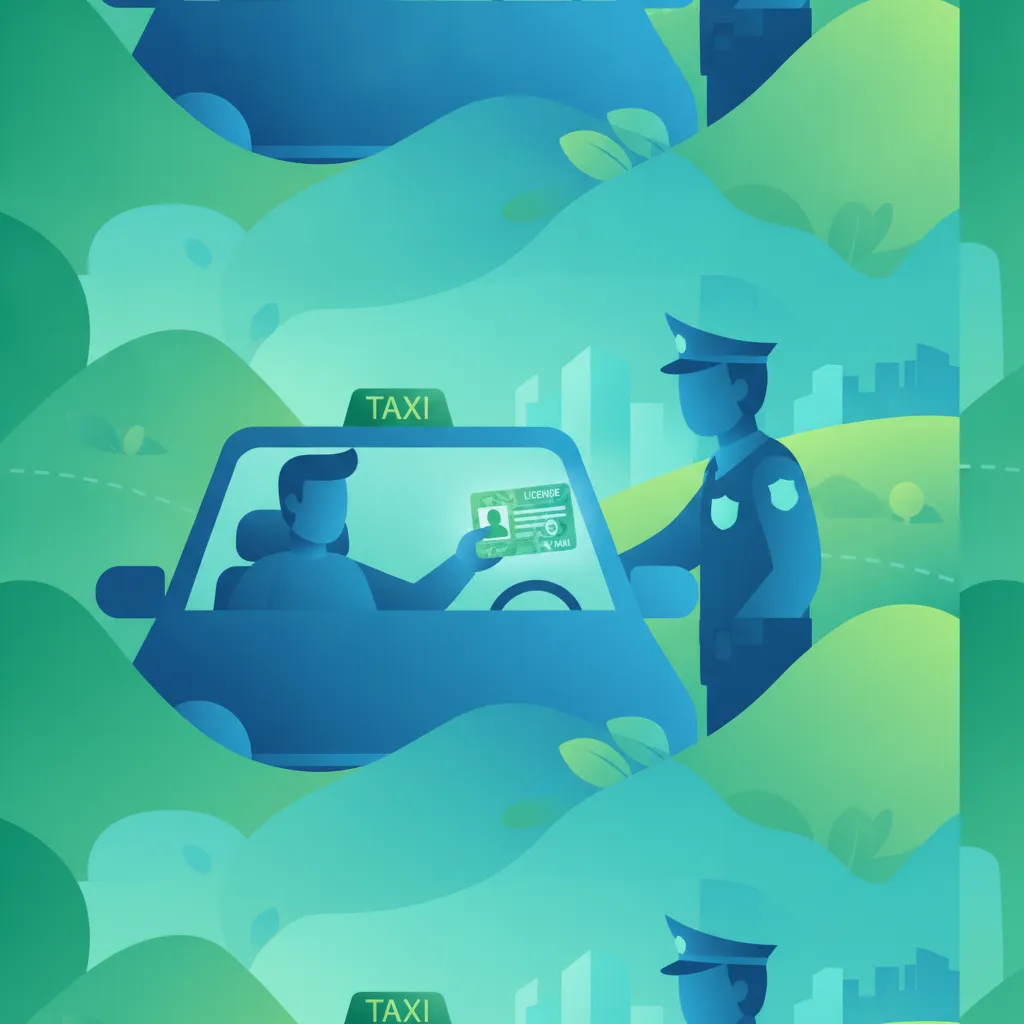
In this lesson, participants will learn about the specific offences and penalties that apply to passenger vehicle drivers, focusing on violations that directly jeopardize passenger safety and public security. The content outlines the legal repercussions of non-compliance, including fines, licence suspensions, and other enforcement actions. Understanding these penalties reinforces the critical nature of adhering to traffic laws and safety protocols in professional passenger transport.
This lesson details the statutory duties imposed on motor vehicle drivers by Turkish traffic legislation to maintain order on public roads. It emphasizes mandatory seat belt usage, mobile phone bans, vehicle inspection rules, and general compliance with police directions. Understanding these duties ensures drivers avoid heavy penalties and maintain road safety.
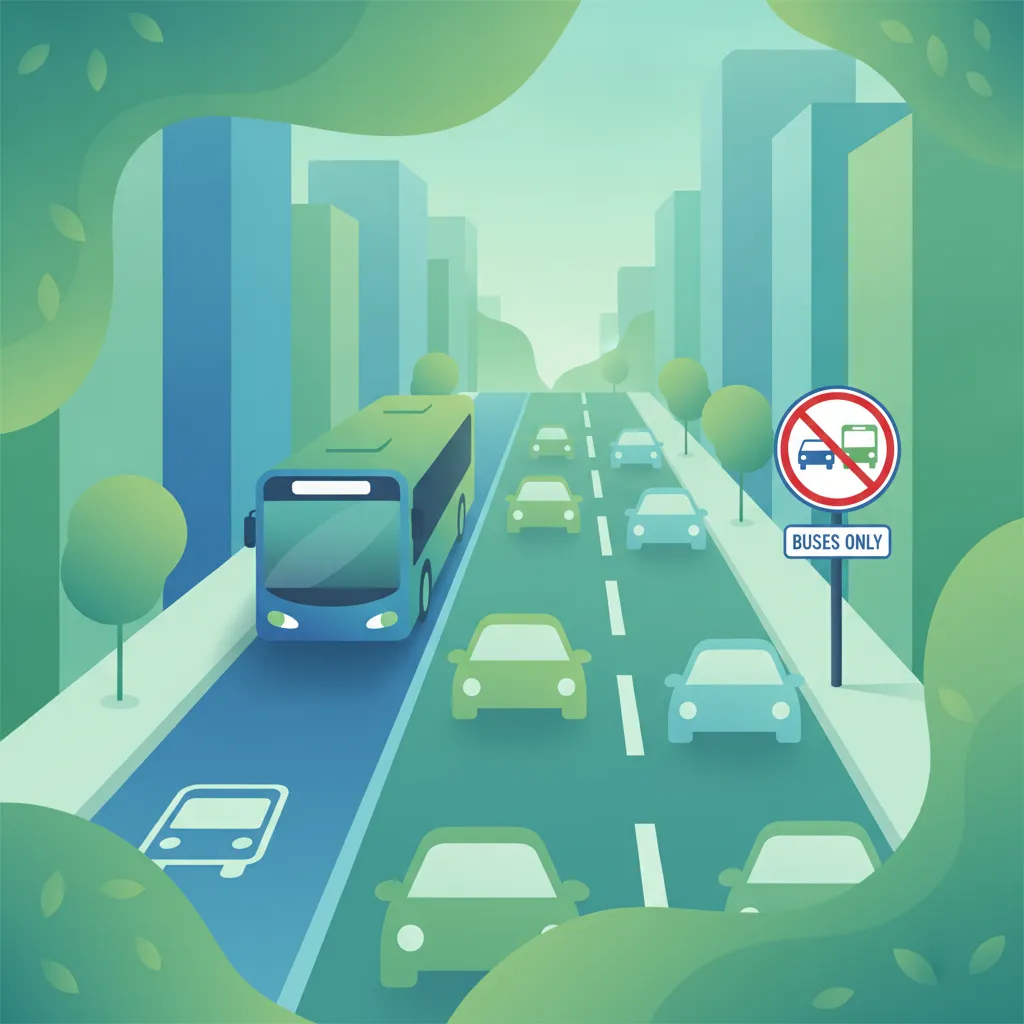
Learners will explore the specific regulations governing bus lanes, priority routes, and other legal restrictions applicable to passenger vehicles. The lesson covers the conditions under which buses may use dedicated lanes, how to navigate priority roadways, and the penalties associated with misuse. Understanding these rules is essential for efficient operation and avoiding violations in high-traffic areas.
Find clear answers to common questions learners have about Penalties and Violation Points. Learn how the lesson is structured, which driving theory objectives it supports, and how it fits into the overall learning path of units and curriculum progression in Turkey. These explanations help you understand key concepts, lesson flow, and exam focused study goals.
The point penalty depends on the specific offence under Turkish law. Different violations, such as speeding or failing to obey a traffic sign, carry different demerit point values which are logged against your driving licence.
Once a driver hits the designated threshold of penalty points within a specific timeframe, their driving licence is subject to temporary suspension. This is a standard administrative procedure to ensure road safety.
Yes, drivers have the right to file an appeal through the appropriate administrative courts if they believe a fine or penalty was issued in error, provided they adhere to the legal timeframes and requirements.
While this course focuses on Category B, the general principle of the demerit point system is a central feature of Turkish traffic legislation applicable to most motor vehicle operators.
Use our comprehensive practice search to find exactly the Turkish driving theory questions you need to master. Whether reviewing specific road signs, traffic rules, or first aid scenarios, select your perfect practice set and boost your confidence for the official ehliyet sınavı.