This lesson focuses on the critical visibility tools for large passenger vehicles, including proper mirror alignment, camera integration, and sensor alerts. Mastering these systems is essential for your Class D theory exam and vital for safely managing blind spots in crowded urban traffic. This is a core competency for maintaining passenger safety and confidence on the road.

Lesson content overview
Operating a Class D passenger vehicle in Turkey requires more than just mechanical control; it demands exceptional situational awareness. Large passenger vehicles have extensive dimensions and unique structural designs that naturally create significant blind spots (kör noktalar). Relying solely on your natural line of sight is insufficient.
To ensure the safety of your passengers, pedestrians, and other motorists, you must master the integration of physical mirrors, rear-view cameras, and electronic sensors. This lesson details how to transform these individual visibility aids into a unified, active safety system.
The human eye has inherent limitations. Our peripheral vision is highly sensitive to motion but poor at judging speed, distance, and fine detail. In a large passenger vehicle, this limitation is magnified by the vehicle's length, height, and structural pillars.
Active visibility management is the practice of continuously scanning your surroundings to construct a dynamic, 360-degree mental map of the traffic environment.
This proactive approach is essential for several reasons:
Proper mirror alignment is your primary defense against blind spots. You must adjust your mirrors before starting your journey, and anytime your seating position changes.
The areas around a vehicle that cannot be directly observed by the driver while looking forward, nor viewed through standard interior and exterior mirrors.
The interior mirror (dikiz aynası) provides a direct view of the cabin and the road immediately behind the vehicle.
Adjust this mirror so it completely frames the rear window. You should not have to tilt your head; a simple glance should reveal the entire rear view. In passenger transport, this mirror also helps you monitor passenger behavior and ensure safety within the cabin.
Exterior side mirrors must be adjusted to minimize blind spots while maintaining a reference point to your own vehicle.
Establish your driving position: Sit comfortably in the driver's seat with your safety belt fastened. Your posture during adjustment must match your posture while driving.
Adjust the Left Side Mirror: Adjust the mirror outward until the left edge of your vehicle just disappears from view, then turn it slightly back so a sliver of your vehicle's rear side remains visible. This sliver provides a vital spatial reference point. The horizon line should rest in the vertical center of the mirror.
Adjust the Right Side Mirror: Repeat the process for the right side mirror. Because you sit further from the right mirror, the angle is wider. Ensure you can see the lane adjacent to your right, along with the lower rear edge of your vehicle to aid in curb detection.
Common Adjustment Mistake: Setting side mirrors too far inward so you see too much of your own vehicle's side. This causes "visual overlap" with the interior mirror and leaves adjacent lanes completely hidden, creating massive, dangerous blind zones.
Electronic alerts are excellent tools, but they do not replace physical verification. Before making any lateral maneuver—such as changing lanes, merging, turning, or overtaking—you must execute the standardized scanning routine.
The Mirror – Over-the-Shoulder – Mirror sequence is performed as follows:
This routine must be executed smoothly and quickly. Staring too long in one direction can cause you to drift out of your lane or miss hazards developing in front of you.
Modern Class D passenger vehicles are equipped with electronic safety systems. Understanding how to use these systems alongside traditional driving techniques is essential.
These systems use radar or camera-based sensors mounted on the sides and rear bumper to monitor your blind zones.
While highly reliable, these sensors are supplemental. You must never skip your manual over-the-shoulder check simply because your sensor warning light is off.
Rear-view cameras (geri görüş kamerası) display live video on your dashboard monitor when reverse gear is engaged.
These cameras reveal low-lying obstacles, children, and small vehicles directly behind your bumper that are impossible to see through mirrors. Some vehicles feature dynamic guidelines on the screen that curve with your steering wheel inputs, helping you project your path.
The Redundancy Rule: Never reverse while staring exclusively at the camera screen. Your peripheral vision is blocked when you look down at a monitor. Treat the camera as one of several checks in your reversing routine.
Electronic driver aids are not infallible. You must expect and compensate for the following limitations:
When maneuvering in tight spaces, bus terminals, or crowded urban areas, low-speed hazards are common. Pedestrians, luggage carts, and low concrete posts can easily slide under your standard sightline.
To combat this, professional drivers use the Blind Spiral (T-Position) Check.
The Blind Spiral check is a systematic head-movement pattern:
The Turkish Highway Traffic Law (Karayolları Trafik Kanunu) and the associated regulations mandate strict compliance regarding vehicle visibility and driver behavior.
Understanding where drivers frequently fail helps you avoid making the same mistakes.
Drivers often jump into a vehicle and begin driving without adjusting the mirrors to their unique height and seating position.
Relying entirely on mirrors because turning your head feels inconvenient.
Assuming the sensor light will always save you.
Driving through dust, rain, or mud without wiping down your mirrors and camera lenses.
Taking over a passenger van or bus from another driver without verifying that the cameras, sensors, and mirrors are fully operational and clean.
Your visibility strategy must adapt to changing driving conditions:
Heavy rain or snow can coat side mirrors with droplets and road grime, reducing their effectiveness. In these conditions, clean your mirrors manually at scheduled stops. Since sensors can malfunction in heavy precipitation, increase your reliance on manual over-the-shoulder glances and slow down your maneuvers.
At night, depth perception through mirrors is significantly reduced. Headlights from vehicles behind you can create glare on wet side mirrors.
If your vehicle has an auto-dimming rear-view mirror, ensure it is active. When using a rear-view camera at night, rely on your vehicle's backup lights to illuminate the area, and double-check your side mirrors for reflections or movement.
In dense urban centers, you share the road with pedestrians, cyclists, and motorcyclists. Because these vulnerable road users move quickly and occupy small profiles, you must perform your scanning routines more frequently. On highways, the high speed of traffic requires you to check your mirrors much further back to spot fast-approaching vehicles before they enter your blind spot.
A fully loaded passenger vehicle sits lower on its suspension, which can slightly alter the angle of your mirrors. Heavy passenger luggage can also block your view through the rear window, making your side-view mirrors and rear-view camera your primary tools for rear visibility.
Why are these procedures so strictly enforced? The physics of a collision involving a large passenger vehicle are unforgiving.
Due to the vehicle's mass, any contact with a smaller car, motorcyclist, or pedestrian can lead to catastrophic injuries. By using redundant visibility checks, you actively prevent accidents before they occur.
Early hazard detection through proper mirror scanning directly translates to longer stopping distances. It also manages your cognitive load; when you know exactly what is happening around your vehicle at all times, you can make calm, smooth, and safe driving decisions.
Explore all units and lessons included in this driving theory course.
Lesson content overview
Explore all units and lessons included in this driving theory course.
Explore search topics learners often look for when studying Use of Mirrors, Cameras, and Sensors to Enhance Visibility. These topics reflect common questions about road rules, driving situations, safety guidance, and lesson level theory preparation for learners in Turkey.
Browse additional driving theory lessons that cover connected traffic rules, road signs, and common driving situations related to this topic. Improve your understanding of how different rules interact across everyday traffic scenarios.
Understand the driving techniques for safely navigating large buses through narrow city streets and busy intersections. Learn how to manage turning radii, identify clearance zones, and coordinate with other road users to maintain safety in congested urban transit environments in Turkey.
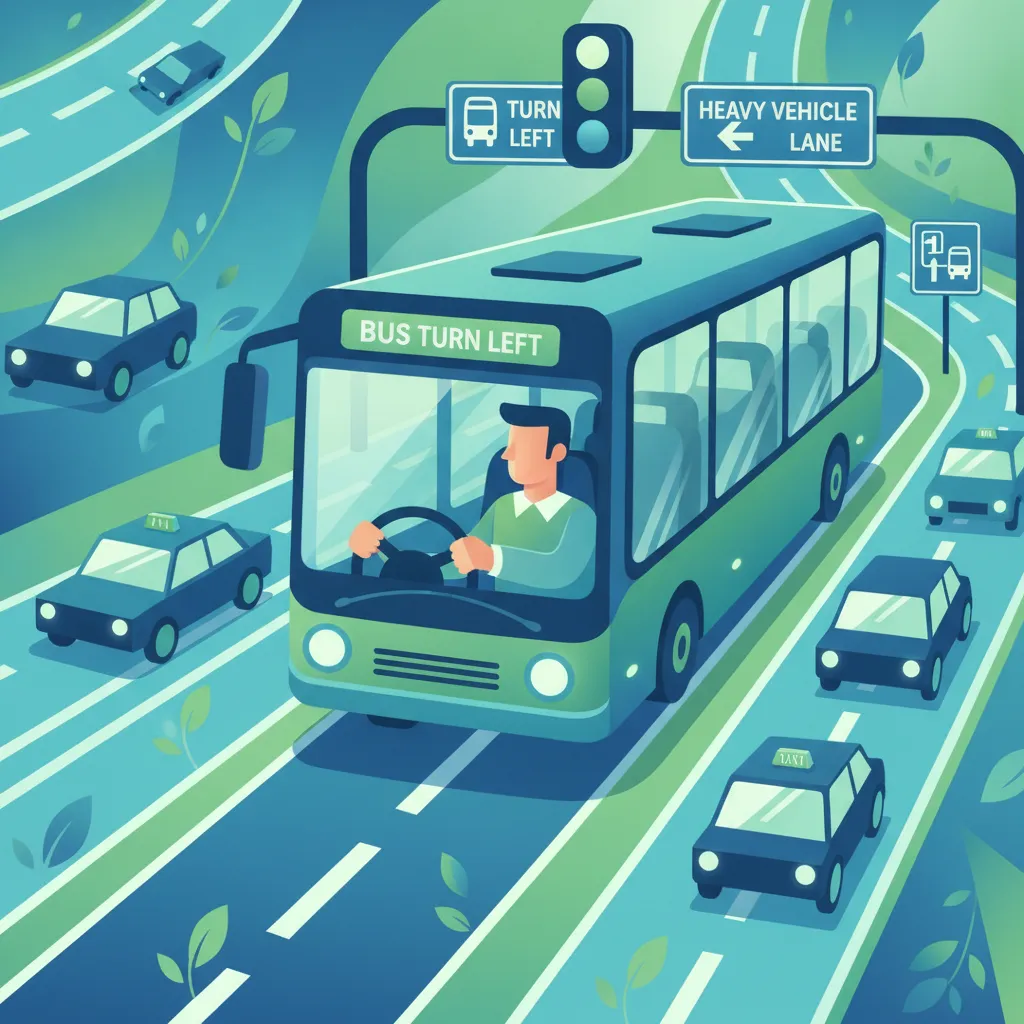
Learners will explore strategies for navigating congested urban traffic environments while operating large passenger vehicles. The lesson covers lane selection, adherence to traffic signals, and the use of bus lanes where applicable. Understanding how to maintain smooth traffic flow while ensuring passenger safety is crucial for efficient urban transportation.

This lesson delves into specific manoeuvring strategies required when navigating both tight urban environments and open rural roads with large passenger vehicles. Learners will explore techniques for handling narrow streets, tight turns, and intersections, while maintaining safety and efficiency. The content emphasizes planning and execution of manoeuvres based on road conditions and vehicle dimensions.

This lesson focuses on the challenges and techniques required when maneuvering goods vehicles in confined spaces such as loading docks, narrow streets, and urban environments. It addresses the importance of spatial awareness, precision driving, and understanding vehicle dimensions to avoid collisions. Learners will explore strategies for effective parking, reversing, and handling blind spots safely.

Learners will explore the fundamentals of maintaining correct lane discipline, focusing on appropriate lane positioning, understanding lane markings, and executing lane changes safely. Emphasis is placed on the unique considerations for large passenger vehicles within the lane, such as width and maneuverability. The lesson also addresses the impact of proper lane discipline on overall traffic flow and safety.

This lesson focuses on the critical importance of lane discipline and proper lane usage for large goods vehicles. Learners will understand the challenges posed by wider vehicle dimensions, the necessity of maintaining adequate lane occupancy, and the need for precise lane keeping. Emphasis is placed on selecting appropriate lanes, adhering to traffic flow, and ensuring general highway safety.
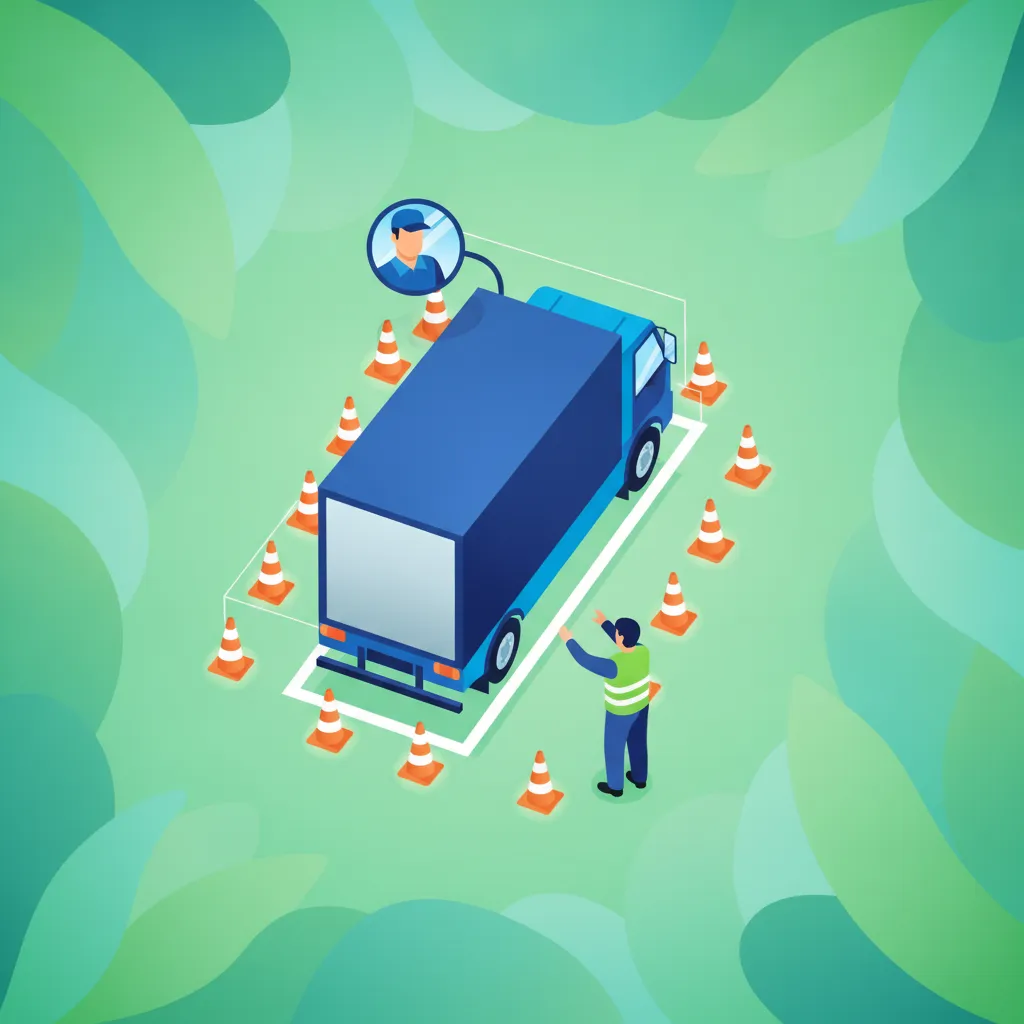
Learners will acquire skills for safely reversing large passenger vehicles in limited spaces, such as bus bays and loading docks. The lesson covers the effective use of mirrors, rear-view cameras, and precise steering inputs to navigate obstacles. Emphasis is placed on slow, controlled movements and constant observation to avoid collisions.

This lesson examines the specific road space requirements necessary for large goods vehicles to operate safely and efficiently. Topics include the need for adequate lane width, lateral clearance, and turning lanes to accommodate wider and longer vehicles. Learners will explore the proper use of shoulders, overtaking procedures, and the impact of large vehicles on overall road capacity in traffic.

Learners will learn how to calculate and maintain safe following distances, accounting for the longer braking distances and reaction times inherent to larger passenger vehicles. The lesson emphasizes the importance of a sufficient time gap to allow for safe stopping and to prevent rear-end collisions, particularly in varying traffic conditions.

Learners will examine the complexities of operating in environments where various road users, including pedestrians, cyclists, and motorcyclists, coexist. The lesson emphasizes the need for heightened situational awareness, defensive driving techniques, and proactive hazard anticipation. Strategies for navigating mixed traffic safely, especially in congested urban areas, are highlighted.

This lesson focuses on the unique requirements and best practices for operating passenger vehicles on highways and expressways. Topics include maintaining appropriate speed, adhering to lane discipline, executing safe overtaking maneuvers, and managing merges and exits. Emphasis is placed on ensuring a smooth ride for passengers while integrating safely with faster-moving traffic.
Explore the safety responsibilities of professional drivers when interacting with pedestrians, cyclists, and school children. This theory guide covers risk mitigation strategies and the legal requirements for sharing the road with vulnerable groups in various Turkish traffic conditions.
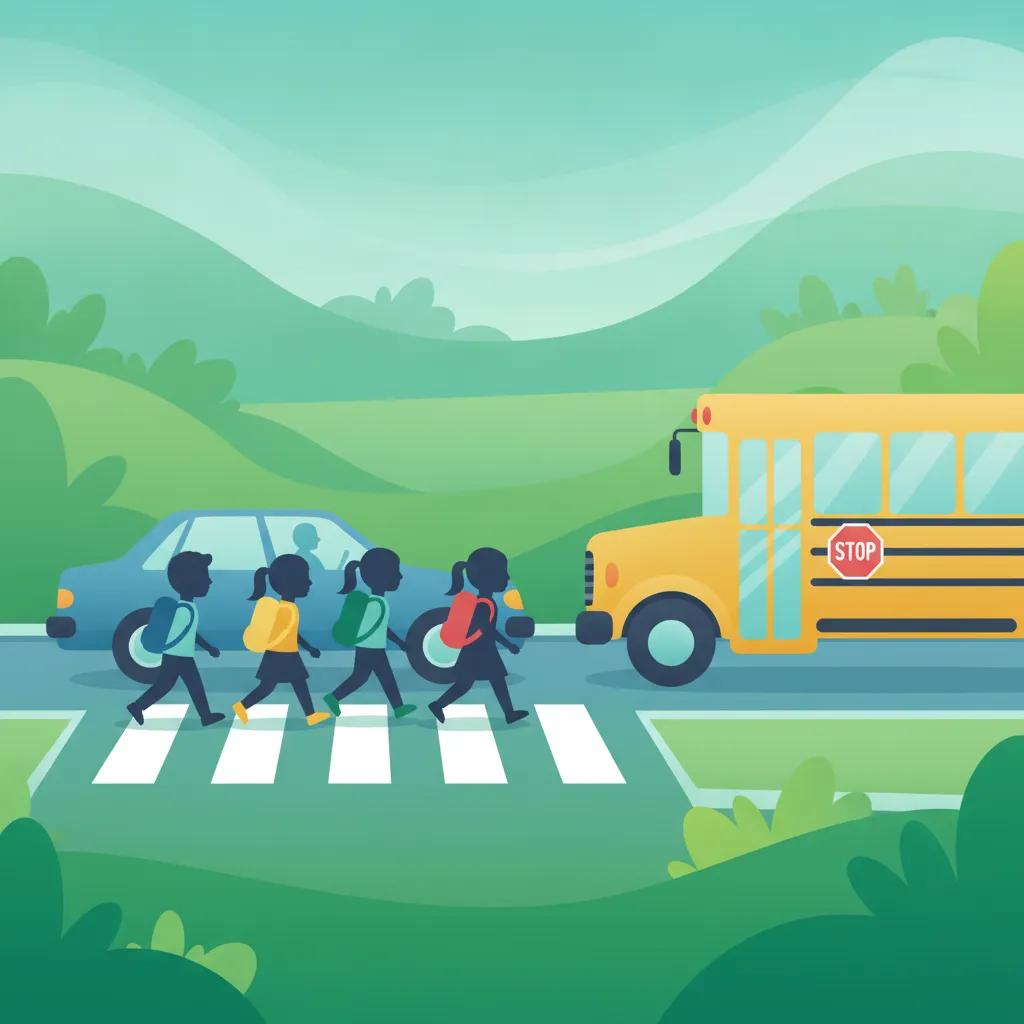
This lesson focuses on the specific considerations for ensuring the safety of pedestrians and schoolchildren around bus stops and terminals. Learners will explore strategies for slowing down, stopping at appropriate distances, and maintaining heightened vigilance. The lesson also covers effective communication with children and the importance of secure boarding and alighting processes to prevent accidents.

This lesson examines the critical interactions between goods vehicles and vulnerable road users such as pedestrians, cyclists, and motorcyclists, particularly in urban environments. Learners will explore right-of-way rules, maintaining safe distances, and strategies for anticipating the actions of these road users. The lesson emphasizes the importance of clear communication and protective driving.

This lesson focuses on the safe interaction with other traffic participants at bus stops and traffic intersections. Learners will explore right-of-way rules, signal compliance, and techniques for maintaining safe distances while stopping and departing. Understanding these interactions is vital for preventing accidents in complex traffic environments.
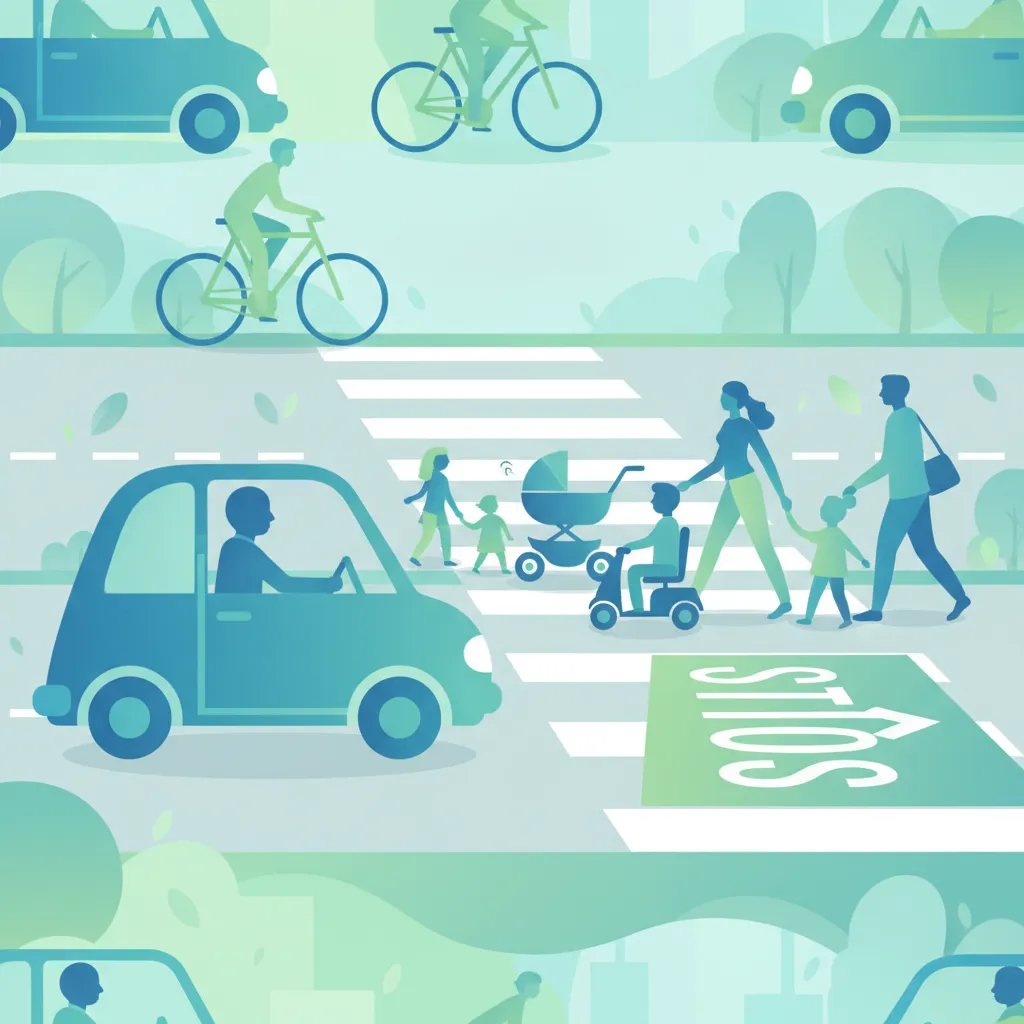
Learners will examine effective strategies for safely coordinating with pedestrians and other road users when approaching and departing bus stops. The lesson highlights right-of-way rules, the importance of yielding at crosswalks, and clear communication with both passengers and other drivers. These practices are vital for preventing accidents and ensuring a harmonious flow of traffic in busy urban areas.

Learners will identify the different categories of vulnerable road users and understand the heightened risks they face. The lesson emphasizes the importance of recognizing these users, anticipating their actions, and taking proactive measures to ensure their safety while operating passenger vehicles. Strategies for mitigating danger and fostering a protective driving environment are explored.

Focusing on pedestrian safety, this lesson addresses the unique considerations motorcyclists must take when approaching zebra crossings, traffic signal-controlled pedestrian crossings, and designated school zones. Learners will understand the legal obligations to yield to pedestrians, especially children, and the importance of reducing speed in these high-risk areas. The lesson also provides practical tips for ensuring visibility.
Learners will examine the complexities of operating in environments where various road users, including pedestrians, cyclists, and motorcyclists, coexist. The lesson emphasizes the need for heightened situational awareness, defensive driving techniques, and proactive hazard anticipation. Strategies for navigating mixed traffic safely, especially in congested urban areas, are highlighted.
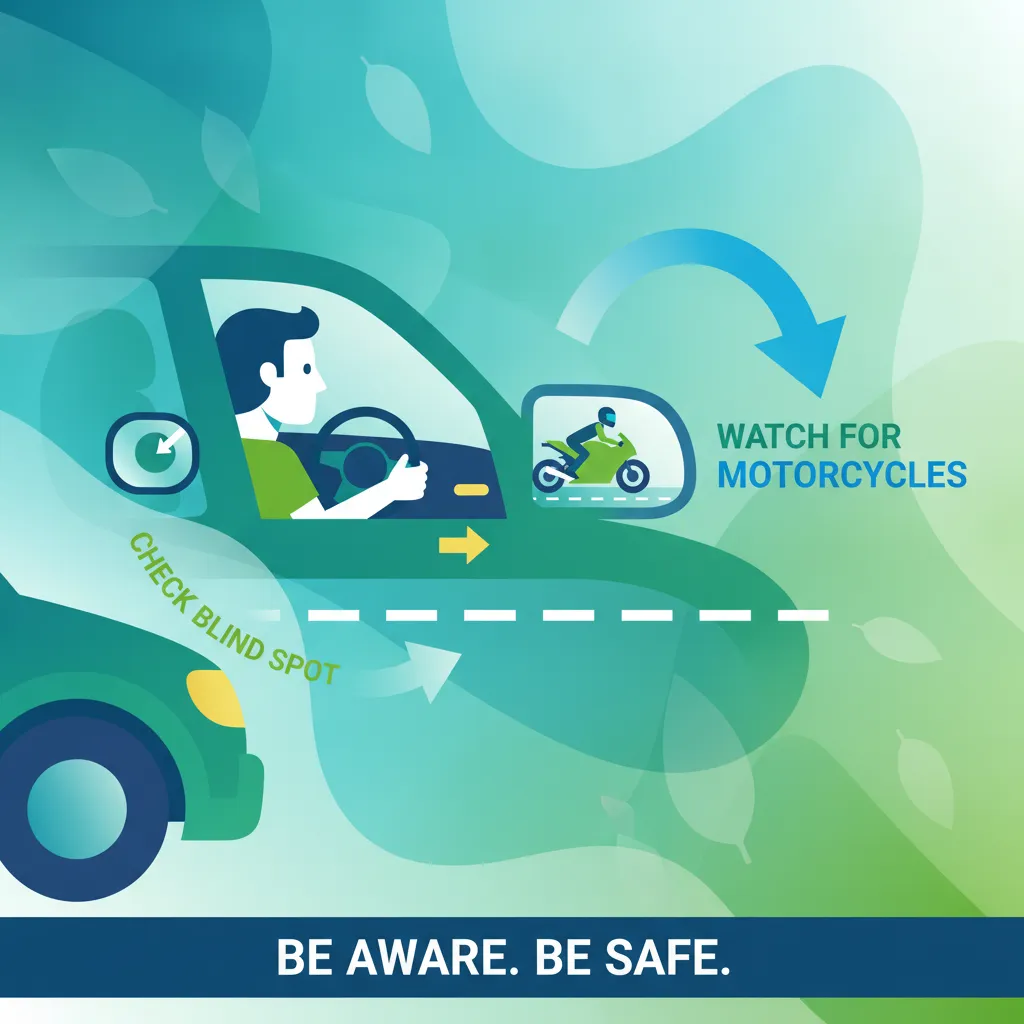
Learners will gain insight into the unique challenges posed by motorcycles and scooters sharing the road with passenger vehicles. The lesson highlights the importance of checking blind spots, maintaining safe following distances, and being aware of the faster acceleration and maneuverability of two-wheeled vehicles. Strategies for anticipating their movements and preventing collisions are discussed.

This lesson examines the interaction between drivers and cyclists, focusing on the safe sharing of road space. Topics include the proper use of bicycle lanes, yielding to cyclists at intersections, and safe passing distances. The lesson also addresses cyclist vulnerabilities and ways to minimize risks. Real-world examples illustrate common hazards when sharing the road.

This lesson focuses on the specific needs and challenges faced by children, elderly, and disabled pedestrians. Topics include recognizing vulnerable road users, understanding their behavior, and providing additional safety measures. The lesson also discusses school zones, pedestrian crossing assistance, and strategies to mitigate risks. Real-world examples demonstrate how drivers can anticipate dangers.
Find clear answers to common questions learners have about Use of Mirrors, Cameras, and Sensors to Enhance Visibility. Learn how the lesson is structured, which driving theory objectives it supports, and how it fits into the overall learning path of units and curriculum progression in Turkey. These explanations help you understand key concepts, lesson flow, and exam focused study goals.
Due to the increased length and width of passenger vehicles, conventional mirror settings are insufficient. You must adjust mirrors to eliminate the larger blind spots created by the vehicle's body to ensure you can see pedestrians and cyclists near your rear wheels.
No. In the Turkish driving theory exam and professional practice, you are expected to use technology as a secondary aid. You must always perform physical mirror checks and shoulder checks to confirm the safety of the area before reversing or maneuvering.
You must treat a constant alert as a potential hazard. Stop immediately, assess the environment through your mirrors and windows, and ensure there is no obstruction or person in your path before proceeding with caution.
Adverse weather like heavy rain or fog can obscure camera lenses. You must be prepared to rely on your manual mirrors and physical observation skills when electronic systems become unreliable or obstructed.
Use our comprehensive practice search to find exactly the Turkish driving theory questions you need to master. Whether reviewing specific road signs, traffic rules, or first aid scenarios, select your perfect practice set and boost your confidence for the official ehliyet sınavı.