
This lesson explores the fundamental operation of the service brake (Betriebsbremse), the primary stopping system in your heavy vehicle. You will learn how the air brake system functions, which is essential for ensuring smooth deceleration and vehicle safety on Austrian roads. Mastering this system is a key step in preparing for your C, C1, C1E, or CE licence theory exam.

Lesson content overview
The service brake, known in German as the Betriebsbremse, is the primary braking system on heavy goods vehicles (HGVs) and other C-category vehicles. Activated by the driver's foot pedal, this system is crucial for decelerating and stopping the vehicle during normal operation. Unlike passenger cars that primarily use hydraulic brakes, heavy vehicles commonly employ air brake systems, which utilize compressed air to generate the immense force required to stop substantial masses.
Mastering the principles and operation of the service brake system is paramount for professional drivers. It directly impacts safe stopping distances, vehicle stability, and overall control, particularly when navigating challenging conditions such as steep descents, varied road surfaces, or when carrying heavy loads. A thorough understanding of this system is foundational for safe and efficient driving within the Austrian Driving License Theory Course for Heavy Goods Vehicles.
The service brake system in heavy goods vehicles operates on a complex yet reliable set of pneumatic (air pressure) principles. It translates the driver's relatively light foot pressure into a powerful braking force capable of bringing multi-ton vehicles to a halt. This amplification is achieved through a series of interconnected components that generate, store, regulate, and apply compressed air.
The driver initiates braking by pressing the foot pedal. This action engages a mechanical linkage that, in turn, actuates a specific valve within the air brake system. The initial movement of the pedal, often referred to as "free play," takes up any slack in the linkage before actual air pressure modulation begins. As the driver continues to press, the "pedal force travel" phase begins, where increasing pedal pressure directly correlates with a rising amount of air pressure being sent to the brake chambers. This design allows drivers to precisely modulate braking force, providing critical feedback to the foot.
Proper pedal travel and consistent resistance are crucial indicators of a healthy air brake system. Any unusual softness, excessive travel, or sudden resistance changes should be investigated immediately.
The heart of an air brake system is its air supply, which generates and stores the compressed air needed for braking.
These valves are critical for precisely controlling the flow and pressure of air to the brake chambers. They translate the driver's pedal input into proportional braking action at each wheel.
Located at each wheel, brake chambers are the pneumatic actuators that convert the compressed air pressure into mechanical force.
While the service brake handles dynamic deceleration, the spring brake (often integrated into a service brake chamber, forming a "piggyback" chamber) serves as both the parking brake and an emergency brake.
Modern heavy vehicles incorporate sophisticated technologies and redundant designs to enhance safety and braking performance. These systems work in concert with the fundamental air brake components to provide reliable stopping power in diverse situations.
The Anti-Lock Braking System (ABS) is a vital safety feature that prevents wheel lock-up during hard or emergency braking.
To ensure maximum safety, heavy vehicles are mandated to have dual-circuit air brake systems.
Constant monitoring of air pressure is essential for safe operation of air-braked vehicles.
Ignoring low-pressure warnings is extremely dangerous. Continuing to drive with insufficient air pressure can lead to a complete loss of braking capability and a high risk of severe accidents.
Consistent maintenance and pre-trip inspections are vital for the reliability and safety of the service brake system. Heavy vehicles operate under demanding conditions, and their brakes are subjected to significant stress.
Drivers are legally required to perform daily safety checks before operating their vehicles. For the air brake system, these checks include:
The air dryer is a non-negotiable component in any heavy vehicle air brake system. Its primary role is to remove moisture, oil, and other contaminants from the compressed air before it enters the reservoirs and brake lines.
Operating heavy goods vehicles in Austria, like throughout the EU, is subject to strict regulations concerning braking systems. These rules are designed to ensure maximum safety given the inherent risks associated with vehicle mass and speed.
The service brake system must consistently be capable of delivering a minimum of approximately 5 bar (70 psi) pressure to the brake chambers under normal operating conditions. This threshold guarantees sufficient stopping power for heavy loads.
For foot-actuated service brakes, the pedal must travel a minimum distance, typically around 150 mm, to achieve full braking pressure. This ensures adequate driver feedback and modulation capability.
Air-braked vehicles must be equipped with precise warning indicators:
All heavy vehicles in Austria are subject to regular, mandatory technical inspections. The service brake system is a primary focus of these inspections.
Specific rules govern the use of the spring brake (parking brake):
Professional drivers must be proficient in not only understanding the service brake system but also in identifying and mitigating common issues.
One of the most critical aspects of heavy vehicle braking is managing speed and air pressure on long, steep descents, especially on alpine routes.
This is a common and dangerous oversight.
Uneven braking can lead to instability and reduced effectiveness.
Understanding how ABS feels is crucial for proper emergency braking.
Ignoring warning signals can have catastrophic consequences.
Effective braking is not a static process; it requires constant adaptation to dynamic driving conditions.
Wet, icy, or snow-covered roads significantly impact braking performance.
Austria's mountainous terrain necessitates specific braking strategies.
The mass and configuration of the vehicle significantly alter braking requirements.
The service brake system in heavy goods vehicles operates through a pneumatic air system that amplifies driver foot input into powerful braking force. Key components include the air compressor, reservoirs, air dryer, foot valve, proportional control valve, and brake chambers at each wheel. Spring brakes provide automatic emergency and parking brake functionality when air pressure is lost. Austrian regulations mandate warning systems at specific pressure thresholds and annual technical inspections. Safe operation requires understanding ABS behavior, proper use of engine braking on descents, and consistent pre-trip checks of air pressure, pedal travel, and brake chamber condition.
A short set of high-value points that capture the most important learning from this lesson.
The service brake (Betriebsbremse) is the primary foot-actuated braking system using compressed air to generate the force needed to stop heavy vehicles
Air brake systems consist of interconnected components: compressor, reservoirs, air dryer, valves, and brake chambers that translate light pedal pressure into powerful braking force
Spring brakes automatically engage when air pressure drops below safe levels, serving as both parking and emergency brakes
ABS prevents wheel lock-up during hard braking by rapidly modulating pressure to individual wheels, allowing the driver to maintain steering control
Heavy vehicles employ dual-circuit brake systems providing redundancy so partial braking capability remains if one circuit fails
Explore all units and lessons included in this driving theory course.
Normal system pressure is 8-10 bar; warning lights activate around 5 bar and audible alarms at approximately 3 bar
The foot valve converts pedal travel into proportional air pressure sent to brake chambers at each wheel
Air dryer maintenance is critical—moisture in compressed air can freeze, corrode components, and cause brake failure in cold conditions
Use engine braking and retarders on long descents to prevent brake fade and air pressure depletion
Full braking pressure is achieved within approximately 150 mm of pedal travel
Pumping the brake pedal when ABS activates instead of maintaining steady firm pressure
Continuing to drive after low-pressure warnings appear, risking total loss of braking capability
Driving with the spring parking brake partially engaged, which bleeds air from the system and overheats brake components
Using only service brakes on steep alpine descents without employing engine braking or retarders
Neglecting to check for uneven brake wear, which can cause vehicle instability during braking
Lesson content overview
A short set of high-value points that capture the most important learning from this lesson.
The service brake (Betriebsbremse) is the primary foot-actuated braking system using compressed air to generate the force needed to stop heavy vehicles
Air brake systems consist of interconnected components: compressor, reservoirs, air dryer, valves, and brake chambers that translate light pedal pressure into powerful braking force
Spring brakes automatically engage when air pressure drops below safe levels, serving as both parking and emergency brakes
ABS prevents wheel lock-up during hard braking by rapidly modulating pressure to individual wheels, allowing the driver to maintain steering control
Heavy vehicles employ dual-circuit brake systems providing redundancy so partial braking capability remains if one circuit fails
Explore all units and lessons included in this driving theory course.
Normal system pressure is 8-10 bar; warning lights activate around 5 bar and audible alarms at approximately 3 bar
The foot valve converts pedal travel into proportional air pressure sent to brake chambers at each wheel
Air dryer maintenance is critical—moisture in compressed air can freeze, corrode components, and cause brake failure in cold conditions
Use engine braking and retarders on long descents to prevent brake fade and air pressure depletion
Full braking pressure is achieved within approximately 150 mm of pedal travel
Pumping the brake pedal when ABS activates instead of maintaining steady firm pressure
Continuing to drive after low-pressure warnings appear, risking total loss of braking capability
Driving with the spring parking brake partially engaged, which bleeds air from the system and overheats brake components
Using only service brakes on steep alpine descents without employing engine braking or retarders
Neglecting to check for uneven brake wear, which can cause vehicle instability during braking
Explore search topics learners often look for when studying Service Brake (Betriebsbremse) Fundamentals. These topics reflect common questions about road rules, driving situations, safety guidance, and lesson level theory preparation for learners in Austria.
Browse additional driving theory lessons that cover connected traffic rules, road signs, and common driving situations related to this topic. Improve your understanding of how different rules interact across everyday traffic scenarios.
Explore the intricate workings of heavy vehicle air brake systems. Understand the roles of the compressor, reservoirs, valves, and brake chambers crucial for safe operation under Austrian driving theory.

This lesson explains the procedures for checking the functionality of a heavy vehicle's braking systems, with a focus on air brakes. It covers how to monitor air pressure gauges and conduct tests to ensure both the service and parking brakes are operating correctly. These daily checks are essential for confirming the vehicle's stopping capability.

This lesson focuses on the parking brake (Feststellbremse) and its critical role in securing a stationary vehicle. It explains how spring brake systems engage when air pressure is released. The lesson covers the correct procedures for applying and releasing the parking brake to prevent unintentional movement.
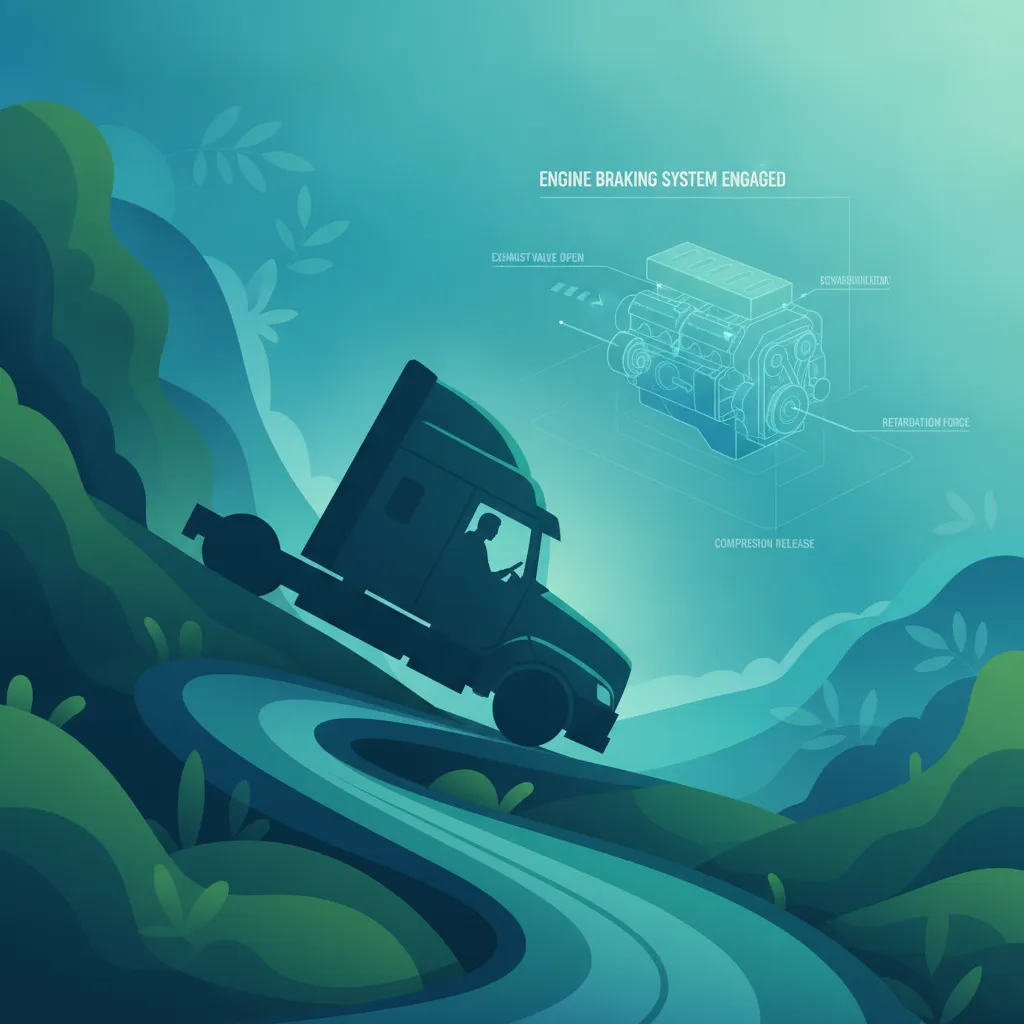
This lesson introduces auxiliary braking systems, such as engine brakes and retarders, which are designed to help control vehicle speed without using the service brakes. It explains how these systems function to slow the vehicle, especially on long downhill gradients. Using them effectively reduces service brake wear and prevents overheating.

This lesson covers the proper techniques for performing an emergency braking manoeuvre in a heavy vehicle. It explains how to apply maximum braking force without losing control, especially in vehicles equipped with an Anti-lock Braking System (ABS). The lesson also discusses how hard braking can affect cargo and the importance of proper load securing.

This lesson explains the various factors that determine the total stopping distance of a heavy vehicle. It covers the effects of speed, vehicle weight, road conditions, and driver reaction time. Understanding these variables helps drivers to maintain a safe following distance and anticipate how much space is needed to stop.
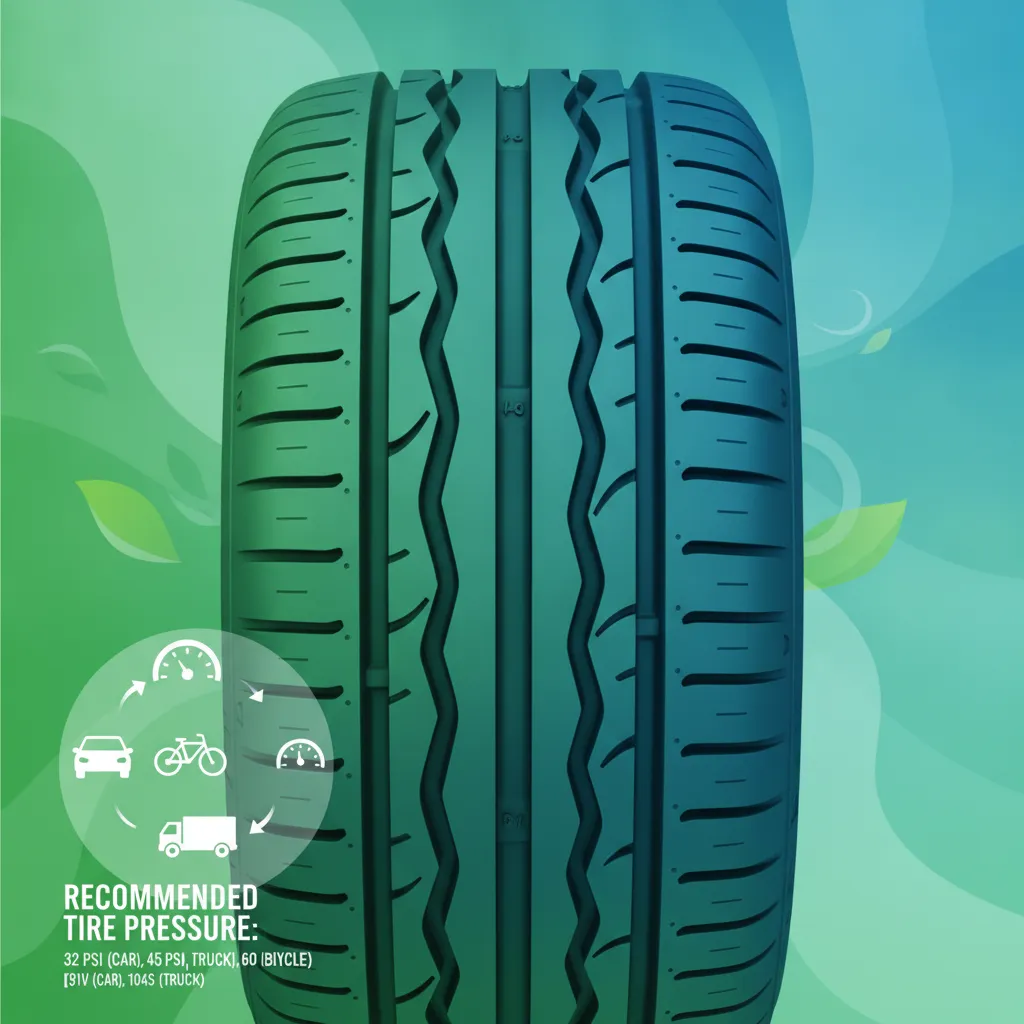
This lesson provides detailed information on heavy vehicle tyres, covering topics such as correct inflation pressures, legal tread depth requirements, and understanding the load index. It explains how to identify signs of abnormal wear or damage that could compromise safety. Proper tyre maintenance is crucial for optimal handling, braking, and overall vehicle safety.

This lesson outlines the standardized procedure for handling a vehicle breakdown safely. It covers pulling over to a safe location, activating hazard lights, deploying the warning triangle, and wearing a high-visibility vest. It also explains when and how to contact roadside assistance or emergency services.

This lesson introduces the different classifications of trailers used in Austria, including drawbar trailers (Anhänger) and semi-trailers (Sattelanhänger/Auflieger). It explains their key structural differences, typical uses, and the types of coupling systems they employ. Understanding these types is the first step in learning to operate combination vehicles.

This lesson details the components and function of a motorcycle's braking system. It explains the roles of the front and rear brakes, the mechanics of hydraulic disc brakes, and the importance of maintaining proper brake fluid levels. Learners will also understand how to recognize the signs of worn brake pads, ensuring the system remains effective for safe stopping.

This lesson details the regulations for heavy goods vehicles on Austria's high-speed road network. It covers the specific speed limits, rules on lane usage (e.g., when overtaking is permitted), and procedures for entering and exiting the motorway. Adherence to these rules is crucial for safety in a fast-paced environment.
Master essential braking techniques for Austria's challenging alpine routes and steep descents. Learn to manage service brakes, retarders, and air pressure to ensure safety and control in mountainous terrain.
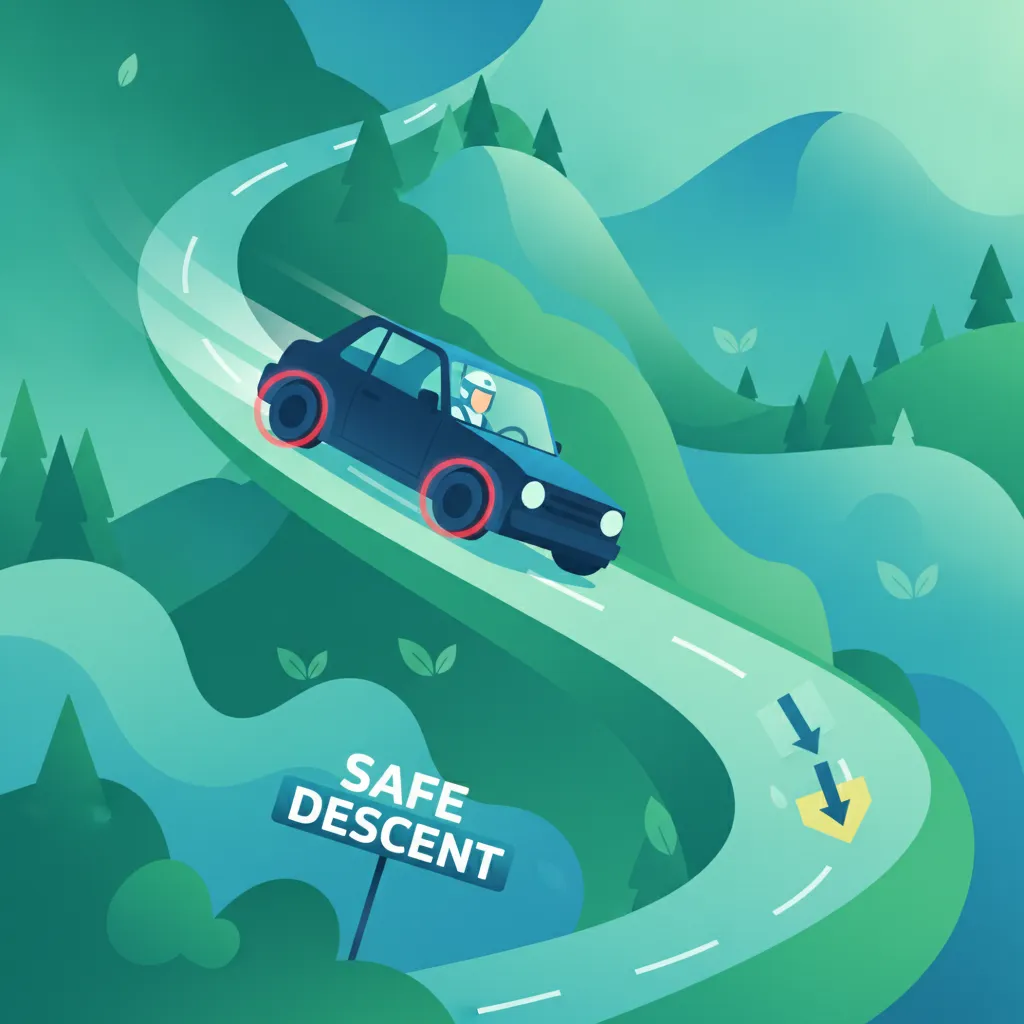
This lesson provides critical techniques for managing vehicle speed on the steep, long gradients found on Alpine roads. It emphasizes selecting the correct gear before the descent and using auxiliary braking systems to maintain a safe, controlled speed. These practices are essential to prevent service brake overheating and potential failure (brake fade).

Driving a heavy vehicle in the Alps requires specific skills to manage its energy and momentum. This lesson focuses on using lower gears and auxiliary braking systems (retarder/engine brake) to control speed on long descents and prevent brake overheating. It also covers the correct line and technique for navigating tight hairpin turns safely and efficiently.

This lesson focuses on the specialized skills required for navigating alpine roads safely. It covers techniques for managing steep gradients, such as using a lower gear for engine braking on descents, and how to safely negotiate hairpin turns. The content stresses the importance of being prepared for rapid weather changes and understanding the effects of altitude on both the driver and the vehicle's performance.

This lesson prepares drivers for the demanding conditions of Alpine driving. It covers techniques for managing speed on steep up-hill and down-hill sections, being prepared for sudden weather changes, and following safety protocols inside mountain tunnels. This specialized knowledge is essential for operating safely in mountainous terrain.

This lesson addresses the challenge of navigating terrain with changing elevation. It covers techniques for maintaining momentum and control on uphill climbs, including proper gear selection and throttle use. For descents, it emphasizes the use of engine braking to control speed and prevent brake overuse, a vital skill for long alpine descents.
This lesson introduces auxiliary braking systems, such as engine brakes and retarders, which are designed to help control vehicle speed without using the service brakes. It explains how these systems function to slow the vehicle, especially on long downhill gradients. Using them effectively reduces service brake wear and prevents overheating.
This lesson covers the proper techniques for performing an emergency braking manoeuvre in a heavy vehicle. It explains how to apply maximum braking force without losing control, especially in vehicles equipped with an Anti-lock Braking System (ABS). The lesson also discusses how hard braking can affect cargo and the importance of proper load securing.

This lesson focuses on adapting driving techniques for hazardous weather conditions. It details the legal requirements for winter tires and the proper use of snow chains in Austria. Additionally, it covers safe driving practices in low visibility conditions like fog, such as reducing speed and using appropriate lights.

This lesson prepares riders for the specific conditions of Austria's mountain passes. It highlights hazards such as tight hairpin turns, potential for sudden weather changes, rockfall, and variable road surfaces. Awareness of these unique challenges allows riders to anticipate risks and adapt their technique for safe and enjoyable alpine touring.
Find clear answers to common questions learners have about Service Brake (Betriebsbremse) Fundamentals. Learn how the lesson is structured, which driving theory objectives it supports, and how it fits into the overall learning path of units and curriculum progression in Austria. These explanations help you understand key concepts, lesson flow, and exam focused study goals.
The service brake (Betriebsbremse) is the main system used for everyday driving to decelerate and stop the vehicle safely. It is activated via the foot pedal and is distinct from the parking brake.
Heavy vehicles use compressed air to actuate the brakes. If air pressure is too low, the service brake will not provide the required stopping force, which is a critical safety failure.
No, they are separate systems. The service brake is for active driving, while the parking brake (Feststellbremse) is designed to keep the vehicle stationary when parked.
Yes, you are expected to understand the general principles of how your vehicle's braking systems function to ensure you can operate heavy vehicles safely and identify potential technical issues.
Refine your study plan by searching for specific Austrian driving theory practice sets. Pinpoint questions related to particular road rules, signs, or challenge levels, and begin practicing immediately to reinforce your knowledge and excel in your official exam with confidence. Get started with focused revision today.