
This lesson provides a critical deep dive into the operation and inspection of pneumatic braking systems required for C, C1, C1E, and CE licence holders. You will learn to identify components, interpret dash gauges, and perform mandatory pre-departure safety checks to ensure your vehicle is roadworthy and exam-compliant.

Lesson content overview
For professional drivers of heavy goods vehicles (HGVs) in Austria, a thorough understanding and consistent application of brake system checks are not merely good practice – they are a legal imperative and a fundamental aspect of road safety. Given the immense mass and momentum of an HGV, a fully functional and properly maintained braking system is critical for controlling speed, executing safe stops, and preventing catastrophic accidents. This lesson, part of the Austrian Driving License Theory Course for Heavy Goods Vehicles (C, C1, C1E, CE), will delve into the essential daily inspection procedures for heavy vehicle braking systems, with a particular focus on air brakes and their crucial air pressure monitoring.
Heavy goods vehicles, due to their substantial weight and size, require powerful and reliable braking systems that can bring thousands of kilograms to a safe halt. Unlike passenger cars, most heavy vehicles utilize air brake systems, which operate on compressed air rather than hydraulic fluid. The effectiveness of these systems is directly dependent on maintaining adequate air pressure and ensuring all components are in perfect working order. Neglecting brake checks can lead to increased stopping distances, brake fade on descents, or even complete brake failure, posing severe risks to the driver, cargo, and other road users.
Every heavy goods vehicle is equipped with multiple braking systems designed for different operational needs and to provide critical redundancy. The primary systems are the service brake and the parking brake.
The service brake system, also known as the operational brake (Betriebsbremse), is the primary means by which a heavy vehicle slows down or stops during normal driving. It is activated by the foot pedal and is designed to provide controlled deceleration under various driving conditions, whether for routine stops, speed adjustments, or emergency braking.
This system must be capable of reliably bringing the fully loaded vehicle to a complete stop within specified distances. In heavy vehicles, service brakes are typically air-actuated, meaning compressed air is used to apply pressure to the brake drums or discs. A firm pedal feel and consistent braking response across all axles are indicators of a healthy service brake system. Any sponginess, excessive pedal travel, or pulling to one side indicates a potential fault that must be addressed immediately.
The parking brake system, often referred to as the handbrake (Feststellbremse or Handbremse), is a secondary braking system used to hold the vehicle stationary when it is parked, preventing unintended movement. This is especially crucial when parking on inclines or uneven surfaces. In many heavy vehicles, the parking brake is also air-actuated, but it typically engages a strong mechanical spring mechanism that is held off by air pressure. When the parking brake is applied, air is released, allowing the springs to engage the brakes.
The parking brake must be robust enough to hold the vehicle securely in a static position, even with a full load on a reasonable gradient. It often serves a dual purpose as an emergency brake in the event of a service brake failure, though it should be used judiciously in such scenarios due to the risk of skidding or uneven braking. Regular testing of the parking brake's holding capability is a mandatory part of daily pre-trip inspections.
Heavy goods vehicles primarily rely on air brake systems due to their power, reliability, and ability to handle the demands of heavy loads. Understanding how these systems work is crucial for effective monitoring and troubleshooting.
At its core, an air brake system consists of:
The entire system relies on a continuous supply of adequate air pressure. Any leak or malfunction that causes a significant drop in pressure will compromise braking capability.
A thorough daily pre-trip inspection of the air brake system is not just a recommendation; it is a mandatory safety protocol for professional drivers of heavy goods vehicles in Austria. These checks ensure that the vehicle's primary stopping mechanisms are fully operational before embarking on any journey.
Visual Inspection (Walk-Around): Before even starting the engine, visually inspect all accessible brake components. Check brake lines and hoses for cracks, bulges, chafing, or leaks. Ensure slack adjusters are properly adjusted (no more than 2-2.5 cm of play at the pushrod). Verify brake drums or discs for excessive wear, cracks, or contamination (oil/grease). Check that brake lights are functioning.
Initial Air Pressure Build-Up: Start the engine and allow the air compressor to build up maximum system pressure. The primary and secondary air pressure gauges on the dashboard should rise steadily. The compressor should cut out automatically once maximum pressure is reached (typically between 8.5 to 10 bar, depending on the manufacturer).
Low Air Pressure Warning Test: With the engine off and full air pressure, turn the ignition on. Pump the brake pedal repeatedly to gradually reduce air pressure. Observe the low air pressure warning light and/or buzzer. These safety indicators must activate before the pressure drops below 5.5 bar (or as per manufacturer specifications, typically between 3.8 and 5.5 bar) in either the primary or secondary circuit. This confirms the warning system is functional.
Parking Brake Hold Test: Ensure the vehicle is on a flat, level surface and engage the parking brake fully. Release the service brake pedal and attempt to put the vehicle into a low gear, gently trying to move forward (or backward). The vehicle should remain completely stationary without any rolling or movement. This confirms the parking brake's holding capability. If the vehicle moves, the parking brake is faulty and must be repaired.
Service Brake Pedal Feel and Response Test: With adequate air pressure (above 5 bar), firmly press the service brake pedal. The pedal should feel firm and responsive, without excessive travel or a spongy sensation. Listen for any unusual hissing or air leaks during application. Drive the vehicle slowly (e.g., 5-10 km/h) in a safe area and apply the service brakes. The vehicle should slow down smoothly and evenly, without pulling to one side or unusual noises.
Air Loss Rate Test (Leakage Test): With the engine off, parking brake engaged, and full system pressure, press and hold the service brake pedal firmly for one minute. Observe the air pressure gauges. For a solo vehicle, the pressure drop should not exceed 0.14 bar (2 psi) in one minute. For a combination vehicle (truck and trailer), the drop should not exceed 0.21 bar (3 psi) in one minute. A greater drop indicates a significant air leak that requires immediate attention.
Automatic Pressure Limiter (Cut-Out Valve) Test: Allow the air compressor to build up to maximum pressure. The compressor should automatically cut out (stop compressing air) once maximum pressure is reached (e.g., 8.5 - 10 bar). Then, reduce the air pressure by pumping the brake pedal. The compressor should automatically cut back in (start compressing air) when the pressure drops to a specific level (e.g., around 6.9 bar). This ensures the compressor regulates system pressure correctly.
Completing these checks meticulously before every drive ensures the braking system is reliable and safe for operation.
Continuous air pressure monitoring is paramount for heavy vehicle drivers. The dashboard features dedicated gauges that provide real-time information about the health of your braking system.
Heavy vehicles are equipped with at least two separate air pressure gauges, one for the primary air circuit and one for the secondary air circuit. These gauges typically display pressure in bars (or psi). Drivers must regularly observe these gauges to confirm that both circuits maintain sufficient pressure.
A healthy air brake system will show consistent, high-pressure readings on both gauges (e.g., between 8.5 and 10 bar) when the system is fully charged. Any significant fluctuations or discrepancies between the gauges warrant investigation.
A critical safety feature is the low-pressure warning light (Warnleuchte für geringen Luftdruck) and/or audible buzzer. These indicators activate when the air pressure in either the primary or secondary circuit drops below a safe operating threshold.
If the low-pressure warning light illuminates or the buzzer sounds while driving, it indicates a critical situation. You are rapidly losing braking capability. You must pull over to the safest possible location and stop immediately. Do not continue driving until the issue is identified and resolved, and full air pressure is restored.
The activation point for this warning is typically around 5.5 bar, but can vary by manufacturer and specific Austrian regulation.
Ignoring this warning can lead to a complete loss of braking power, especially if the vehicle is heavily loaded or on a downhill grade.
Before a heavy vehicle can legally or safely be moved, the air pressure in the service brake system must meet a prescribed minimum threshold, commonly around 5 bar (Mindestbetriebsdruck). This ensures there is enough compressed air to operate the brakes effectively. If the gauges read below this minimum, the driver must not move the vehicle. Instead, the engine must run, allowing the compressor to build up adequate pressure before departure.
Modern heavy goods vehicles are equipped with a dual air system, which is a fundamental safety feature designed to prevent total brake failure. This system consists of two completely independent air brake circuits: a primary circuit and a secondary circuit.
Each circuit has its own air reservoirs, lines, and often controls a different set of axles (e.g., one circuit for the rear axles, another for the front axles). This redundancy means that if one circuit experiences a failure (such as a major air leak), the other circuit can still provide at least partial braking capability, allowing the driver to bring the vehicle to a controlled stop.
During the daily pre-trip inspection, it is crucial to verify the functionality of both the primary and secondary circuits. This typically involves checking the air pressure gauges for both circuits and ensuring they build pressure correctly. Some vehicles may have a supplemental brake pedal or a specific procedure to test the secondary circuit independently. A loss of pressure in both circuits simultaneously is a critical safety violation and indicates a severe system malfunction, requiring immediate and comprehensive repair.
Beyond the basic air brake components, heavy vehicles incorporate additional safety features to prevent brake failure and enhance control, particularly in challenging conditions.
The air brake safety valve (Sicherheitsventil or Cut-off Valve) is a crucial component designed to protect the system in case of an overpressure situation or, conversely, to isolate a critical component if air pressure drops dangerously low. If the pressure in an air reservoir exceeds its safe limit, the safety valve releases the excess air. More importantly for safety, some safety valves are designed to automatically shut off the air supply to the brakes if the pressure falls below a critical threshold (e.g., due to a major leak). This prevents a complete and sudden loss of braking power by allowing the driver to perform a controlled stop with the remaining pressure or the parking brake.
Some advanced heavy vehicles are equipped with brake temperature monitoring systems (Bremsentemperaturüberwachung). These systems use sensors to observe the temperature of brake components, especially during prolonged or heavy use, such as descending long, steep grades.
Brake fade is a dangerous phenomenon where the braking efficiency of a vehicle significantly reduces due to excessive heat build-up in the brake components. Overheated brakes lose their ability to generate sufficient friction, leading to longer stopping distances and potentially complete loss of stopping power.
A hot-brake warning light or indicator will illuminate on the dashboard if temperatures become dangerously high, signaling the potential for brake fade. Drivers must heed these warnings by reducing speed, engaging engine braking (Dauerbremse, Motorbremse), and potentially pulling over to allow brakes to cool. Ignoring temperature warnings can lead to a severe reduction in stopping power, increasing accident risk.
In Austria, as in most European countries, strict regulations govern the operation of heavy goods vehicles. The road traffic regulations (e.g., StVO - Straßenverkehrsordnung, and LVO - Lastkraftwagenverordnung) mandate daily pre-trip inspections, including comprehensive brake system checks.
Compliance with these regulations is not optional. Drivers are legally responsible for ensuring their vehicle is roadworthy before starting a journey. This includes verifying:
Violations can lead to severe consequences, including substantial fines, points on the driver's license, vehicle impoundment, and even criminal charges in the event of an accident caused by brake failure. Furthermore, insurance coverage may be invalidated if a driver operates a vehicle with known or easily detectable brake defects. Professional drivers have a duty of care to ensure their vehicle meets all safety standards.
Despite diligent pre-trip checks, issues can arise during travel. Knowing how to respond safely and effectively is crucial.
If the low-pressure warning light or buzzer activates while the vehicle is in motion, it signifies a critical loss of air pressure.
If the parking brake fails to hold the vehicle, especially on an incline:
If you notice a reduction in braking effectiveness, a "spongy" pedal, or a burning smell from the brakes, you may be experiencing brake fade:
Brake system performance and monitoring requirements are not static; they change significantly based on various driving conditions and vehicle states.
The heavier the vehicle load, the greater the kinetic energy that needs to be dissipated during braking. This translates to higher demands on the brake system and more rapid consumption of compressed air. Drivers must be extra vigilant with air pressure monitoring when carrying maximum payload, as stopping distances increase and brake fade is more likely.
Mountain roads and long, steep descents are particularly challenging for braking systems. Continuous use of service brakes can lead to rapid air pressure depletion and severe brake overheating (brake fade). On such routes, constant air pressure monitoring is essential. Drivers must primarily rely on engine braking (Motorbremse) or retarders (Retarder) to control speed, using the service brakes only intermittently for short, firm applications to maintain speed.
Adverse weather conditions such as rain, snow, ice, or dense fog significantly impact braking performance. Wet or icy roads drastically reduce tire grip, increasing stopping distances even with perfectly functioning brakes. Drivers must ensure their brakes are in optimal condition, reduce speed, and increase following distances. Air dryers are crucial in cold weather to prevent moisture from freezing in the air lines and valves, which could lead to brake failure.
When towing a trailer or semitrailer, the overall braking system becomes more complex. The truck's air brake system must supply air to the trailer's braking system, which also includes a parking brake. Pre-trip checks must extend to the trailer's brakes, including verifying air line connections, absence of leaks, and functionality of the trailer's parking brake. The interplay between the truck and trailer brakes must be smooth and synchronized.
The meticulous daily inspection of heavy goods vehicle brake systems, particularly air brakes and air pressure monitoring, is a cornerstone of professional driving in Austria. It is a critical component of ensuring the vehicle's roadworthiness, protecting the driver and cargo, and safeguarding other road users. By understanding the principles of air brakes, diligently performing pre-trip checks, continuously monitoring air pressure, and knowing how to respond to warnings, drivers contribute significantly to safer roads for everyone. Adherence to these practices is not just a matter of compliance; it is a fundamental professional responsibility for anyone operating a heavy goods vehicle.
This lesson covers the essential daily inspection procedures for heavy goods vehicle air brake systems required for Austrian C and CE licence holders. It explains the service brake and parking brake systems, details seven mandatory pre-trip inspection steps including visual checks, pressure build-up tests, and air loss rate verification, and emphasizes the importance of the dual-circuit redundancy system. Critical thresholds include approximately 5 bar minimum service pressure and 8.5-10 bar maximum operating pressure. The lesson also covers legal obligations under Austrian road traffic regulations, warning light responses, and how to handle brake fade, parking brake failures, and emergency situations while maintaining compliance with StVO and LVO requirements.
A short set of high-value points that capture the most important learning from this lesson.
Heavy goods vehicles use air brake systems that rely on compressed air; adequate pressure in both primary and secondary circuits is essential for safe braking
The service brake (Betriebsbremse) is the primary system for normal slowing and stopping, activated by the foot pedal
The parking brake (Feststellbremse) holds the vehicle stationary and can serve as an emergency backup if the service brake fails
A dual air system provides redundancy: if one circuit fails, the other can still provide partial braking capability
The low-pressure warning light and buzzer must activate before pressure drops below approximately 5.5 bar to give drivers time to stop safely
Explore all units and lessons included in this driving theory course.
Minimum service pressure is approximately 5 bar; never move the vehicle below this threshold
Air loss rate must not exceed 0.14 bar per minute for solo vehicles or 0.21 bar per minute for combination vehicles
Low-pressure warning activation occurs between 3.8 and 5.5 bar depending on manufacturer specifications
Slack adjusters should have no more than 2-2.5 cm of play at the pushrod end
Brake fade occurs when excessive heat reduces braking efficiency; use engine braking on descents to prevent it
Attempting to drive the vehicle when air pressure is below the minimum service pressure threshold
Skipping the parking brake hold test during daily inspections
Confusing normal pressure fluctuations with a system fault
Performing the air loss rate test incorrectly, such as not holding the pedal firmly or checking the wrong time interval
Neglecting to check trailer brake connections and functionality when operating combination vehicles
Lesson content overview
A short set of high-value points that capture the most important learning from this lesson.
Heavy goods vehicles use air brake systems that rely on compressed air; adequate pressure in both primary and secondary circuits is essential for safe braking
The service brake (Betriebsbremse) is the primary system for normal slowing and stopping, activated by the foot pedal
The parking brake (Feststellbremse) holds the vehicle stationary and can serve as an emergency backup if the service brake fails
A dual air system provides redundancy: if one circuit fails, the other can still provide partial braking capability
The low-pressure warning light and buzzer must activate before pressure drops below approximately 5.5 bar to give drivers time to stop safely
Explore all units and lessons included in this driving theory course.
Minimum service pressure is approximately 5 bar; never move the vehicle below this threshold
Air loss rate must not exceed 0.14 bar per minute for solo vehicles or 0.21 bar per minute for combination vehicles
Low-pressure warning activation occurs between 3.8 and 5.5 bar depending on manufacturer specifications
Slack adjusters should have no more than 2-2.5 cm of play at the pushrod end
Brake fade occurs when excessive heat reduces braking efficiency; use engine braking on descents to prevent it
Attempting to drive the vehicle when air pressure is below the minimum service pressure threshold
Skipping the parking brake hold test during daily inspections
Confusing normal pressure fluctuations with a system fault
Performing the air loss rate test incorrectly, such as not holding the pedal firmly or checking the wrong time interval
Neglecting to check trailer brake connections and functionality when operating combination vehicles
Explore search topics learners often look for when studying Brake System Checks and Air Pressure Monitoring. These topics reflect common questions about road rules, driving situations, safety guidance, and lesson level theory preparation for learners in Austria.
Browse additional driving theory lessons that cover connected traffic rules, road signs, and common driving situations related to this topic. Improve your understanding of how different rules interact across everyday traffic scenarios.
Learn essential daily pre-trip inspection procedures for Austrian heavy goods vehicle air brake systems. Understand how to monitor air pressure, test warning systems, and ensure roadworthiness for your C and CE licence theory.

This lesson teaches the systematic procedure for conducting a thorough pre-trip walk-around inspection. It provides a checklist of critical components to examine, including tyres, lights, braking systems, and load security. Performing this daily check is a legal requirement and a fundamental practice for preventing mechanical failures and ensuring safety.

This lesson emphasizes the need to inspect all load-securing equipment as part of the daily pre-trip check. It teaches drivers how to look for signs of wear, damage, or malfunction in straps, chains, ratchets, and other devices. Verifying the integrity of this equipment is essential before every journey to ensure the load remains secure.

This lesson covers the fundamental principles of the service brake (Betriebsbremse), which is the main braking system activated by the foot pedal. It explains the operation of air brake systems commonly found in heavy vehicles. Understanding how this system works is essential for smooth and safe braking in all driving situations.

This lesson focuses on the parking brake (Feststellbremse) and its critical role in securing a stationary vehicle. It explains how spring brake systems engage when air pressure is released. The lesson covers the correct procedures for applying and releasing the parking brake to prevent unintentional movement.

This lesson covers the various lighting and reflector systems required on heavy goods vehicles in Austria. It explains the function and legal requirements for headlights, taillights, brake lights, indicators, and reflective markings. Ensuring all lighting systems are operational is essential for visibility and communicating intentions to other road users.
This lesson covers the legal requirements for regular maintenance and periodic roadworthiness certification (known as the 'Pickerl' or TÜV inspection) in Austria. It explains the importance of adhering to manufacturer-recommended service intervals. Maintaining a certified, roadworthy vehicle is a core legal responsibility for any operator or driver.
This lesson introduces the fundamentals of regular vehicle inspection and preventive maintenance. Learners will understand how to perform essential pre-drive checks, including verifying fluid levels (oil, coolant, washer fluid), testing brakes, and checking the responsiveness of the steering. Adhering to a basic maintenance schedule is presented as a critical habit for ensuring long-term vehicle safety and roadworthiness, helping to prevent mechanical failures.

This lesson outlines the significant legal responsibilities placed on heavy-vehicle drivers under Austrian law, emphasizing a strong duty of care and professional conduct. It covers the obligation to perform thorough pre-trip inspections, comply with all load and weight regulations, and uphold safety standards to protect all road users. Adherence to these principles is crucial for professional and safe operation.
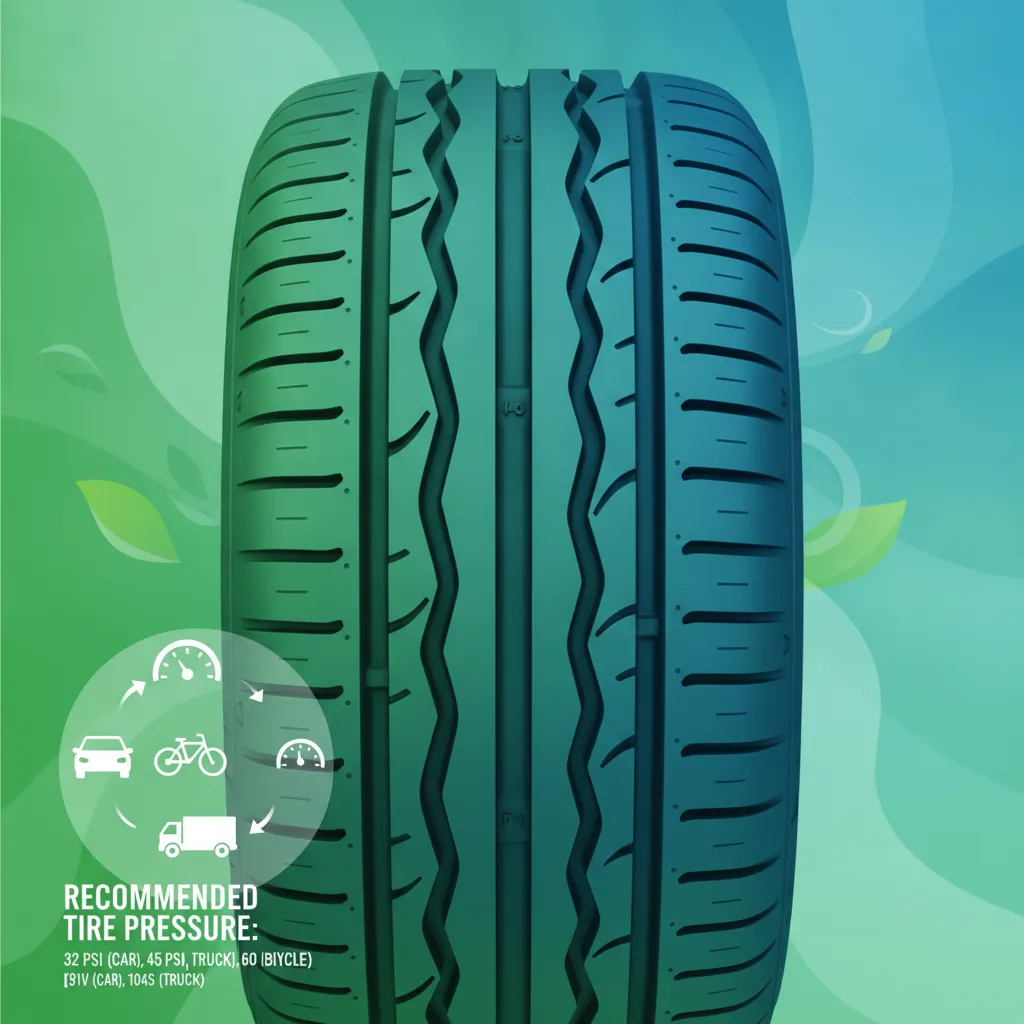
This lesson provides detailed information on heavy vehicle tyres, covering topics such as correct inflation pressures, legal tread depth requirements, and understanding the load index. It explains how to identify signs of abnormal wear or damage that could compromise safety. Proper tyre maintenance is crucial for optimal handling, braking, and overall vehicle safety.
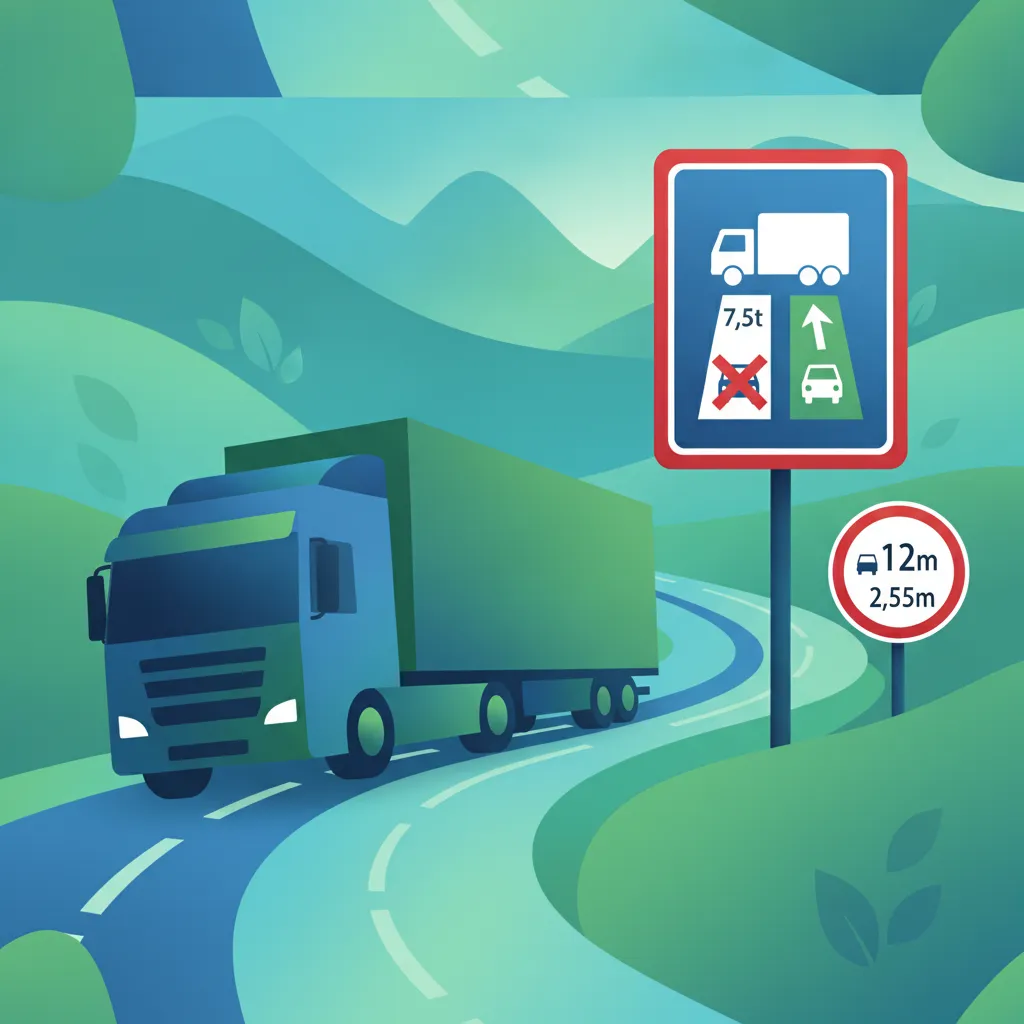
This lesson focuses on the specific Austrian road signs and supplemental plates that apply to heavy goods vehicles. It explains how to interpret signage indicating weight limits, height and width restrictions, lane usage rules, and other critical regulatory information. Correctly understanding these signs is essential for legal compliance and safe navigation on Austria's roads.
Explore the critical importance of dual air brake systems in heavy vehicles, including safety valves and warning indicators. Understand how to prevent brake fade and manage critical situations during driving in Austria.
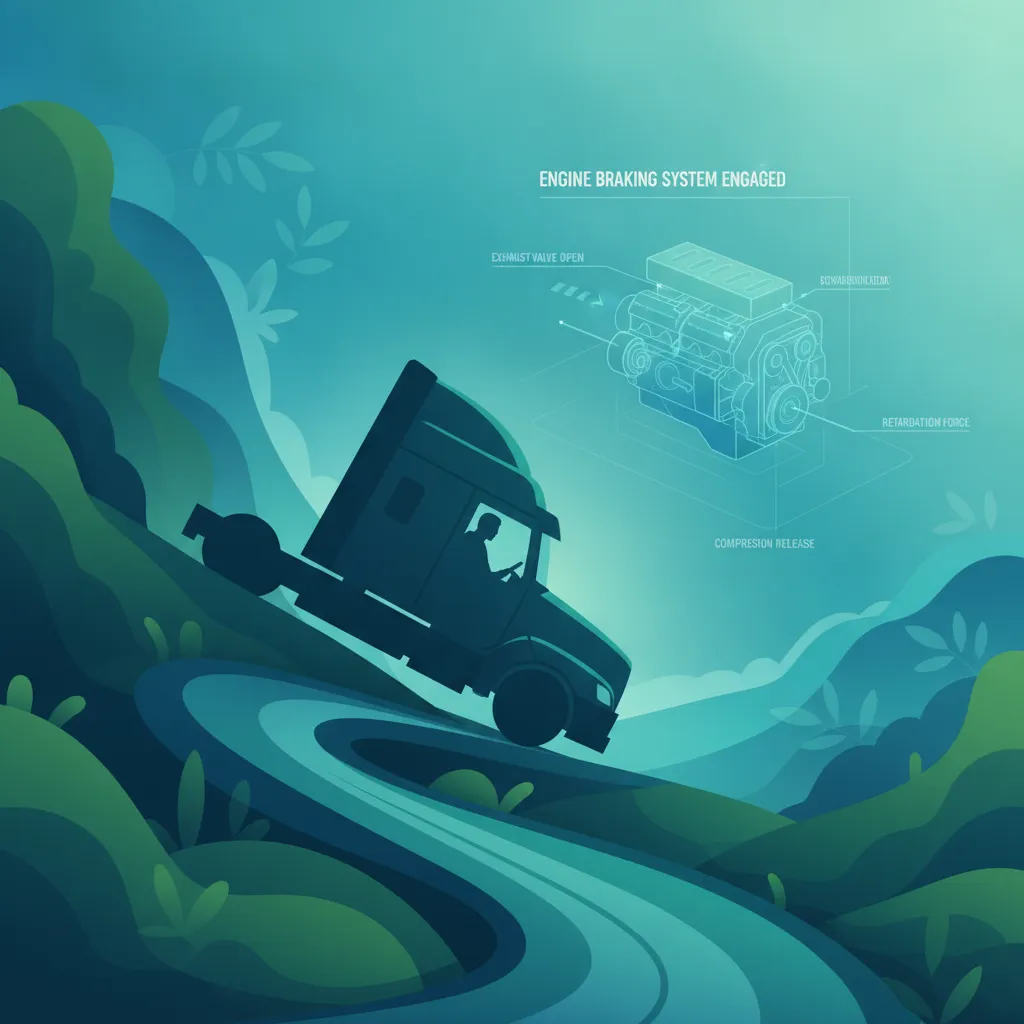
This lesson introduces auxiliary braking systems, such as engine brakes and retarders, which are designed to help control vehicle speed without using the service brakes. It explains how these systems function to slow the vehicle, especially on long downhill gradients. Using them effectively reduces service brake wear and prevents overheating.
This lesson covers the fundamental principles of the service brake (Betriebsbremse), which is the main braking system activated by the foot pedal. It explains the operation of air brake systems commonly found in heavy vehicles. Understanding how this system works is essential for smooth and safe braking in all driving situations.

This lesson covers the proper techniques for performing an emergency braking manoeuvre in a heavy vehicle. It explains how to apply maximum braking force without losing control, especially in vehicles equipped with an Anti-lock Braking System (ABS). The lesson also discusses how hard braking can affect cargo and the importance of proper load securing.
This lesson focuses on the parking brake (Feststellbremse) and its critical role in securing a stationary vehicle. It explains how spring brake systems engage when air pressure is released. The lesson covers the correct procedures for applying and releasing the parking brake to prevent unintentional movement.

This lesson explains the various factors that determine the total stopping distance of a heavy vehicle. It covers the effects of speed, vehicle weight, road conditions, and driver reaction time. Understanding these variables helps drivers to maintain a safe following distance and anticipate how much space is needed to stop.
This lesson provides critical techniques for managing vehicle speed on the steep, long gradients found on Alpine roads. It emphasizes selecting the correct gear before the descent and using auxiliary braking systems to maintain a safe, controlled speed. These practices are essential to prevent service brake overheating and potential failure (brake fade).
This lesson covers the various lighting and reflector systems required on heavy goods vehicles in Austria. It explains the function and legal requirements for headlights, taillights, brake lights, indicators, and reflective markings. Ensuring all lighting systems are operational is essential for visibility and communicating intentions to other road users.

This lesson details the components and function of a motorcycle's braking system. It explains the roles of the front and rear brakes, the mechanics of hydraulic disc brakes, and the importance of maintaining proper brake fluid levels. Learners will also understand how to recognize the signs of worn brake pads, ensuring the system remains effective for safe stopping.
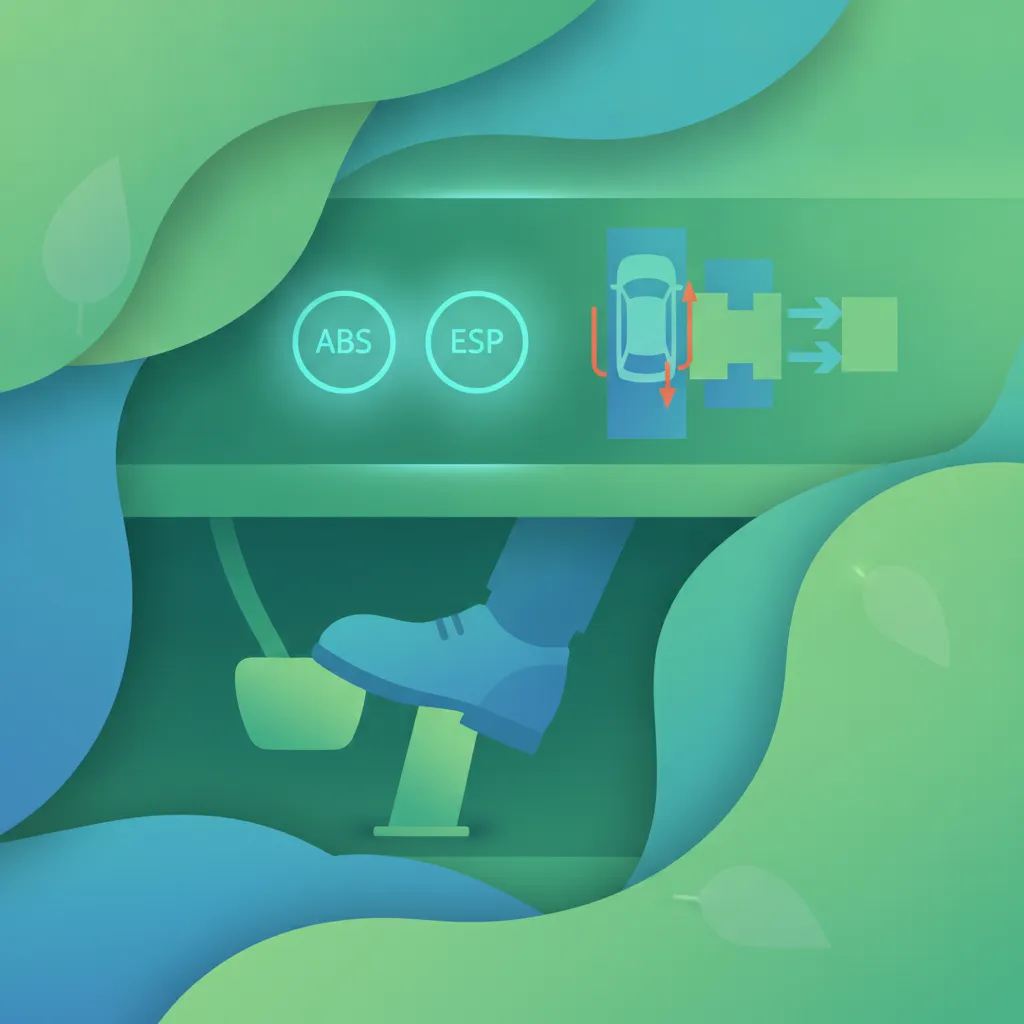
Modern passenger vehicles are equipped with advanced technology to improve safety. This lesson explains the function of systems like the Anti-lock Braking System (ABS) and Electronic Stability Program (ESP), detailing how they help prevent skidding and loss of control. It also provides an overview of other driver aids, such as retarders and engine brakes, which assist in managing speed on long descents.

This lesson explains the physics behind motorcycle braking, detailing why the front brake is responsible for the majority of stopping force due to forward weight transfer. It introduces the concept of progressive brake application to manage this weight shift and maximize tyre grip without locking a wheel. Understanding these core principles is the foundation for developing smooth and effective braking skills.
Find clear answers to common questions learners have about Brake System Checks and Air Pressure Monitoring. Learn how the lesson is structured, which driving theory objectives it supports, and how it fits into the overall learning path of units and curriculum progression in Austria. These explanations help you understand key concepts, lesson flow, and exam focused study goals.
Air pressure is the primary medium for activating brakes in heavy vehicles. Insufficient pressure means the brakes will not function correctly, leading to severe safety risks and immediate legal failure during roadside checks.
You must stop the vehicle immediately in a safe location, secure it, and investigate the cause. Operating a heavy vehicle with inadequate brake system pressure is a severe traffic offence and poses an extreme danger.
Professional drivers must perform these checks before every shift or trip. It is a fundamental part of the daily roadworthiness duty to ensure the vehicle is safe for Austrian public roads.
Yes, the Austrian HGV theory exam tests your knowledge of vehicle systems, including the function of air compressors, reservoirs, and pressure gauges to ensure you understand the mechanics of safe stopping.
Refine your study plan by searching for specific Austrian driving theory practice sets. Pinpoint questions related to particular road rules, signs, or challenge levels, and begin practicing immediately to reinforce your knowledge and excel in your official exam with confidence. Get started with focused revision today.