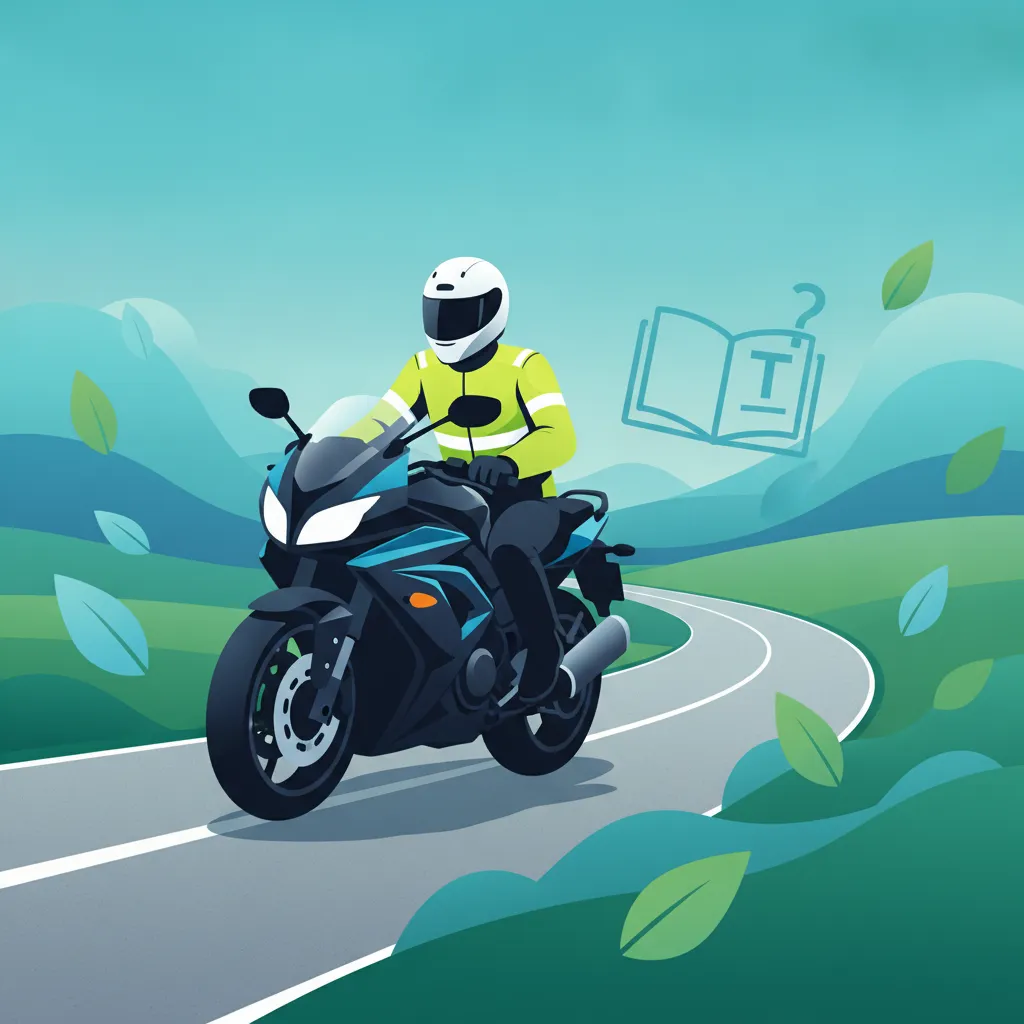
Prepare for your Belgian motorcycle licence exam by mastering the critical aspects of rider safety. This unit covers legally required protective equipment, enhancing your visibility on the road, and understanding the importance of your physical and psychological condition. Mastering these elements is key to both passing your theory test and ensuring your safety as a motorcyclist in Belgium.
Browse all lessons that make up Protective Equipment, Visibility and Rider Condition. Each lesson focuses on specific topics, learning objectives, and core concepts, helping you build essential knowledge and follow a clear, structured progression toward your study goals in Belgium.
This lesson covers the legal and safety requirements for motorcycle helmets in Belgium, with a focus on ECE certification standards. It explains the critical importance of a proper fit and how to correctly secure helmet straps for optimal effectiveness. You will also learn procedures for regular maintenance and how to inspect a helmet for damage that could compromise its protective capabilities.
This lesson details the essential protective gear that motorcyclists should wear, including specialized jackets, pants, gloves, and boots. It explains the importance of materials with high abrasion resistance and the function of integrated impact protectors. The content also addresses Belgian regulations concerning mandatory protective equipment and how to select appropriate gear for different weather conditions.
This lesson focuses on techniques and equipment designed to enhance a rider's visibility on the road. It covers the effective use of reflective materials on clothing and the motorcycle itself, as well as the legal requirements for lighting under Belgian law. You will learn strategies to improve your conspicuity during the day, at night, and in adverse weather conditions.
This lesson discusses the critical importance of maintaining optimal physical condition for safe motorcycle operation. It covers topics such as proper nutrition, hydration, and the necessity of adequate rest to prevent fatigue. You will learn to identify the early signs of rider fatigue and implement strategies for managing it during long journeys.
This lesson examines the crucial psychological factors that influence riding safety, such as maintaining mental focus and managing stress. It explains the process of accurate risk perception and the dangers of both under-confidence and overconfidence. You will learn about effective decision-making techniques that are essential for navigating complex traffic situations safely and responsibly.
Explore high-intent keywords and long-tail search topics learners use when researching Protective Equipment, Visibility and Rider Condition. These terms reflect how people search for reliable study materials, structured explanations, and unit-level theory preparation support in Belgium.
Find clear answers to the most common questions learners ask about Protective Equipment, Visibility and Rider Condition. Understand how the unit is organized, what learning goals it supports, and how it contributes to your study progression with structured explanations and practical guidance tailored for learners in Belgium.
In Belgium, all motorcyclists and their passengers must wear an approved helmet that meets specific safety standards. This typically means the helmet should bear an ECE 45.05 approval mark. The helmet must fit properly and be securely fastened to prevent it from coming off during a fall. Failing to wear an approved helmet can result in fines and is a critical topic for the theory exam.
While helmets are mandatory, Belgian law strongly recommends, and it is best practice, to wear protective clothing such as abrasion-resistant jackets and trousers, gloves, and sturdy footwear. This gear helps protect against abrasions and impacts in case of an accident. The theory exam often tests the understanding of why such gear is important for rider safety.
Improving visibility is crucial for motorcycle safety. This can be achieved by wearing bright or fluorescent clothing, especially during the day and in poor weather conditions. Ensuring your motorcycle's headlights are always on, using reflective elements on your gear, and positioning yourself strategically in traffic to be seen by other drivers are also effective strategies tested in the theory exam.
Fatigue significantly impairs a rider's reaction time, judgment, and ability to concentrate, similar to the effects of alcohol. It can lead to slower responses to hazards, misjudgments of speed and distance, and a reduced ability to control the motorcycle. Managing fatigue through adequate rest is essential for safe riding and is a common topic in the Belgian motorcycle theory test.
A rider's psychological state, including stress, anger, or overconfidence, can lead to risk-taking behaviour and poor decision-making. Conversely, being calm and focused improves situational awareness and hazard perception. Understanding and managing your emotional state before and during a ride is vital for safe motorcycling and is often covered in theory exams.
Yes, the Belgian motorcycle theory test includes questions related to rider condition, such as the effects of fatigue, alcohol, drugs, and emotional states on riding performance. Understanding how these factors impact safety is essential for passing the exam and riding responsibly.
All included lessons
Lessons in Protective Equipment, Visibility and Rider Condition
See who benefits most from studying Protective Equipment, Visibility and Rider Condition. This overview explains how the unit supports different learning needs, what level of knowledge is helpful before starting, and how it fits into the overall study path in Belgium.
This unit is essential for all aspiring A, A1, and A2 licence holders in Belgium. It is particularly beneficial for new riders who need to understand the mandatory safety gear and visibility practices, as well as experienced riders looking to refresh their knowledge on rider condition and its impact on safe motorcycling.

Explore our structured curriculum and choose the courses tailored to your Belgian driving licence. Master official traffic rules, road signs, and critical driving procedures. Our guided paths are designed to prepare you comprehensively for success on your theory exam.
Browse Driving Theory CoursesExplore all units and lessons included in this driving theory course.
Explore our structured curriculum and choose the courses tailored to your Belgian driving licence. Master official traffic rules, road signs, and critical driving procedures. Our guided paths are designed to prepare you comprehensively for success on your theory exam.
Browse Driving Theory Courses