
This unit equips you to handle diverse and challenging riding conditions across Belgium, from adverse weather and poor road surfaces to night riding and high-speed motorways. You'll learn essential techniques for visibility, hazard management, and safe navigation in these demanding scenarios, preparing you thoroughly for both the theory exam and real-world riding.
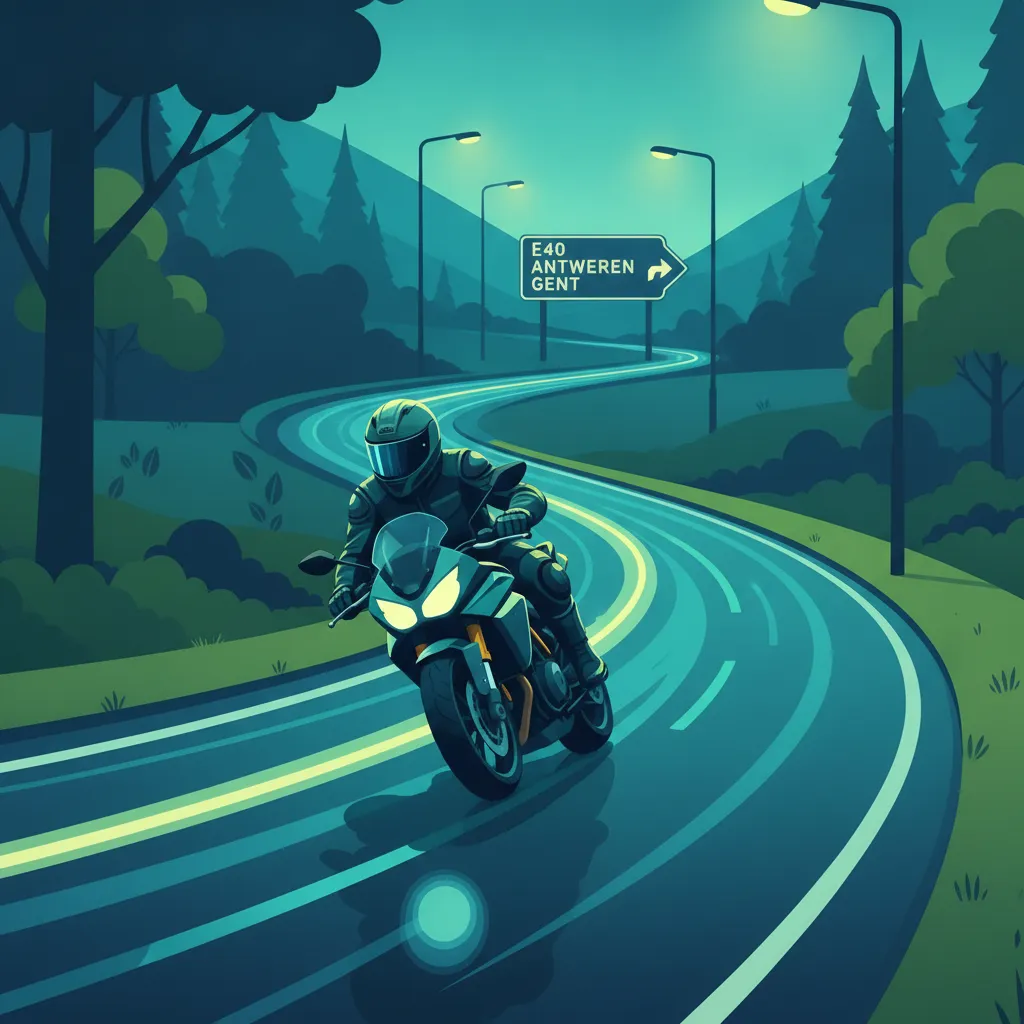
Browse all lessons that make up Weather, Road Surfaces, Night Riding and Motorway Riding. Each lesson focuses on specific topics, learning objectives, and core concepts, helping you build essential knowledge and follow a clear, structured progression toward your study goals in Belgium.
This lesson details the specific precautions and techniques required for riding in rain and fog. It explains how water on the road affects tyre grip and braking distances, and how to avoid aquaplaning. You will learn the correct use of lights to be seen in low visibility and how to adjust your speed and following distance accordingly.
This lesson trains you to actively scan the road ahead for surface hazards that can compromise traction, such as oil spills, wet leaves, and loose gravel. It provides strategies for safely navigating these hazards, including avoidance maneuvers and gentle control inputs. You will also learn how to handle unexpected encounters with potholes and other road imperfections.
This lesson addresses the unique challenges of riding after dark, focusing on the correct use of high and low beam headlights to maximize visibility. It offers techniques for coping with glare from other vehicles and for adapting to the body's natural reduction in visual acuity at night. The content also emphasizes the heightened risk of fatigue during night rides and strategies to manage it.
This lesson provides a comprehensive guide to motorway riding, starting with the procedure for safely merging into high-speed traffic from a slip road. It details the importance of strict lane discipline, including the rules for overtaking and the proper use of lanes. You will also learn the correct technique for planning and executing a safe exit from the motorway.
This lesson teaches riders how to modify their technique and preparation in response to various weather conditions beyond just rain. It covers how to handle strong crosswinds, the effects of extreme heat on both the rider and the motorcycle, and the precautions for riding in cold temperatures. The focus is on proactive adaptation to ensure safety and comfort regardless of the weather.
Explore high-intent keywords and long-tail search topics learners use when researching Weather, Road Surfaces, Night Riding and Motorway Riding. These terms reflect how people search for reliable study materials, structured explanations, and unit-level theory preparation support in Belgium.
Find clear answers to the most common questions learners ask about Weather, Road Surfaces, Night Riding and Motorway Riding. Understand how the unit is organized, what learning goals it supports, and how it contributes to your study progression with structured explanations and practical guidance tailored for learners in Belgium.
Riding in the rain significantly reduces tyre grip, increases braking distances, and impairs visibility for both the rider and other road users. Hazards like oil slicks, leaves, and painted road markings become extremely slippery. Water can also affect the motorcycle's electrics. It's crucial to ride slower, increase following distances, and ensure your visibility aids are functional.
Ensure your motorcycle's lights are clean and functioning correctly, including headlights, taillights, and indicators. Wear bright, reflective clothing, ideally with fluorescent elements. Consider using additional high-visibility accessories. In fog, reduce speed, use your dipped headlight, and rely more on situational awareness and listening for other traffic.
You must only enter a motorway at designated entry ramps. Accelerate on the ramp to match the speed of the traffic already on the motorway. Check mirrors and blind spots carefully before merging, signalling your intention clearly. Wait for a safe gap in traffic before joining the right-hand lane. Motorcyclists must use the designated lanes and cannot ride on the hard shoulder unless specifically permitted in traffic jams (t Sleep-rijden).
Yes, motorcyclists must adhere to standard motorway speed limits and lane discipline, typically using the right-hand lanes unless overtaking. Lane splitting (filtering between lanes of stationary or slow-moving traffic) is permitted under specific conditions in traffic jams (t Sleep-rijden), but requires extreme caution. Always maintain a safe distance from other vehicles and be aware of wind turbulence.
When approaching a patch of gravel or sand, try to ride in a straight line with minimal braking or acceleration. Look where you want to go, rather than at the hazard itself. If you must slow down, use your brakes very gently. Avoid sudden movements or leaning into a turn until you are past the loose surface.
Adverse weather conditions like rain, snow, or ice drastically increase braking distances. Reduced tyre grip means the brakes are less effective. You should anticipate this by braking much earlier and more gently than you would in dry conditions. Always increase your following distance significantly in poor weather.
All included lessons
Lessons in Weather, Road Surfaces, Night Riding and Motorway Riding
See who benefits most from studying Weather, Road Surfaces, Night Riding and Motorway Riding. This overview explains how the unit supports different learning needs, what level of knowledge is helpful before starting, and how it fits into the overall study path in Belgium.
This unit is crucial for all aspiring Belgian motorcycle licence holders (A, A1, A2) who want to build confidence in riding under diverse conditions. It is particularly beneficial for riders who may have limited experience with adverse weather, night riding, or high-speed motorway environments, ensuring they are well-prepared for the theory exam and real-world challenges.

Explore our structured curriculum and choose the courses tailored to your Belgian driving licence. Master official traffic rules, road signs, and critical driving procedures. Our guided paths are designed to prepare you comprehensively for success on your theory exam.
Browse Driving Theory CoursesExplore all units and lessons included in this driving theory course.
Explore our structured curriculum and choose the courses tailored to your Belgian driving licence. Master official traffic rules, road signs, and critical driving procedures. Our guided paths are designed to prepare you comprehensively for success on your theory exam.
Browse Driving Theory Courses