
This lesson explores the vital psychological elements of motorcycle riding, focusing on mental focus, risk perception, and managing your physical condition. It builds upon your legal knowledge to help you develop the defensive mindset necessary to pass your Belgian A, A1, or A2 theory exam.
Lesson content overview
Riding a motorcycle safely requires more than just mastering physical controls and knowing traffic laws; it demands a high level of psychological readiness. This lesson delves into the crucial mental aspects that influence your safety on the road, exploring how your focus, emotional state, confidence, and ability to perceive risk directly impact your riding decisions and reaction times. Understanding these psychological factors is fundamental for any rider seeking a Belgian motorcycle licence (A, A1, A2), as they are central to navigating the complexities of traffic safely and responsibly.
Psychological readiness encompasses a rider's entire mental state, including their levels of stress, confidence, and how they perceive risks. These internal factors significantly affect a rider's ability to process information, make timely decisions, and react appropriately to dynamic traffic situations. A sound mental state is as vital as your physical condition and protective gear, forming the bedrock of responsible motorcycling.
The ability to maintain mental focus and accurately assess risks directly reduces the likelihood of errors and accidents. For aspiring and experienced riders alike, a deep understanding of psychological influences allows for proactive hazard anticipation and appropriate responses. This knowledge connects directly to broader topics in the Comprehensive Belgian Motorcycle Theory Course, such as maintaining good rider physical condition (Lesson 2.4), effective decision-making in complex traffic scenarios (Lesson 4), and overall defensive riding strategies (Lesson 8). Without proper psychological preparation, even the most skilled riders can find themselves in dangerous situations.
Mental focus is defined as the sustained concentration on riding tasks, road conditions, and the surrounding traffic. It is your active commitment to the act of riding, preventing lapses in attention that could lead to missing critical hazards. Maintaining focus means dedicating your mind to the road, rather than allowing external thoughts or internal distractions to dominate your attention.
Effective mental focus begins with active scanning. This involves a continuous, systematic observation of the road ahead, checking your mirrors frequently, and being aware of your peripheral vision. It's about building a complete picture of your immediate environment and what's developing around you. Riders must constantly process information from multiple sources to maintain comprehensive situational awareness, ensuring they know where other vehicles are, what hazards might emerge, and how their actions could affect others.
Beyond simply seeing what's present, mental focus enables hazard anticipation. This is the skill of predicting potential dangers before they fully materialize. For instance, noticing a child playing near the road, a parked car with brake lights on, or a vehicle indicating a turn well in advance allows you to prepare for sudden movements. Mental fatigue is not exclusive to long rides; even short journeys can lead to attention lapses if vigilance is not maintained. A rider distracted by their phone, for example, might miss a sudden lane change from another vehicle, illustrating a clear failure in mental focus.
Practice the "Two-Second Rule" and beyond: While primarily a physical distance rule, mentally commit to scanning at least two seconds ahead (and ideally much more) to anticipate changes in traffic flow, road conditions, and potential hazards.
Stress management is the ability to recognize and mitigate personal stressors that can adversely affect riding performance. Stress, whether from external environmental factors or internal personal issues, can severely impair your judgment, reduce your reaction times, and lead to impulsive or aggressive riding.
Stressors can be broadly categorized:
Both types of stressors can elevate your heart rate, tighten your muscles, and narrow your focus, making you less observant and more prone to errors.
Riders should employ proactive coping strategies to maintain composure and ensure safe performance. Before riding, assess your emotional state. If you are feeling highly emotional, angry, or distressed, consider delaying your ride until you have calmed down. During a ride, if you feel stress building, simple techniques can help:
The Belgian Road Code explicitly prohibits riding when your fitness to drive is impaired, which includes impairment due to extreme emotions or psychological distress. Severe stress or anger can be as dangerous as substance impairment, as they both compromise cognitive function. An example of incorrect application would be a rider, angry after an argument, driving faster and taking unnecessary risks to "burn off" their emotions.
Confidence calibration refers to maintaining an appropriate and realistic level of confidence in your riding abilities, based on your actual skill and experience. It's about striking a balance: being confident enough to handle situations competently, but humble enough to recognize your limits.
Overconfidence is a significant hazard. It occurs when a rider overestimates their skills, leading them to engage in risky behavior they are not truly equipped to handle. This might manifest as:
Experienced riders are not immune; sometimes, years of incident-free riding can foster a false sense of invincibility. Such overconfidence can lead to dangerous situations and violations of rules regarding speed limits and reckless driving.
Conversely, under-confidence involves underestimating one's abilities. While seemingly safer, it can also lead to dangerous situations, particularly in complex traffic environments. Under-confident riders might:
Both extremes hinder safe riding. The goal is to develop a true self-assessment of your capabilities and ride accordingly, constantly evaluating situations based on genuine skill, not on perceived invincibility or debilitating doubt.
Accurate risk perception is the ability to correctly assess both the probability and severity of potential hazards in your riding environment. This crucial skill enables riders to make proactive and timely decisions to avoid danger, rather than reacting only when a threat becomes imminent.
Risk perception involves two key components:
Riders must constantly evaluate factors like traffic density, the speed of other vehicles, current road conditions (wet, gravel), and the behavior of other road users to accurately judge the overall risk.
Your perception of risk is dynamic and changes with various factors. For instance, misjudging the speed of an oncoming car while overtaking a slow-moving vehicle highlights a failure in probability assessment. Believing that only visible hazards matter, while ignoring hidden ones like blind spots, is another common misunderstanding. The presence of vulnerable road users like pedestrians or cyclists significantly increases the need for heightened vigilance and a refined risk assessment. Rules such as yielding when necessary and not endangering others are directly tied to accurate risk perception.
Decision-making techniques are structured methods for choosing safe actions under various traffic conditions. These techniques support consistent and safe choices, especially when facing complex or rapidly evolving situations. They move riders beyond impulsive reactions towards thoughtful, pre-planned responses.
Effective decision-making begins with pre-emptive planning. This means thinking ahead about possible scenarios and formulating potential responses before they occur. For example, when approaching an intersection, you should already be considering your intended exit, potential hazards from cross-traffic, and alternative actions.
If-then rules are pre-determined responses for specific situations. These become almost automatic with practice and help reduce cognitive load in critical moments. Examples include:
Always perform a blind spot check. Before every lane change or turn, ensure you turn your head to check your blind spot (the area not visible in your mirrors). This is a critical decision-making step to prevent collisions.
In situations demanding immediate but not instantaneous action, the "pause and assess" technique is invaluable. This involves taking a brief moment to fully evaluate the environment before executing a maneuver. For example, at a complex intersection, a rider might pause to scan for all turning vehicles, pedestrians, and cyclists before proceeding. This brief delay allows for a more comprehensive risk assessment and a safer choice, contrasting with the dangers of assuming spontaneous reactions are always sufficient.
These techniques, when integrated into your riding routine, significantly enhance safety by providing a structured framework for consistent, informed decisions.
The Belgian Road Code places clear responsibilities on riders regarding their fitness to drive, which extends beyond physical health to encompass psychological readiness. Riders are legally required to maintain adequate mental focus, avoid riding while emotionally distressed, and never engage in reckless behavior due to overconfidence.
The principle of "fitness to drive" is mandatory under Belgian law. It ensures that all road users can react appropriately to hazards and make safe decisions. This means:
For example, a rider who recognizes they are feeling fatigued and decides to take a break before resuming their journey is applying the rule correctly. Conversely, a rider who, feeling angry due to a personal argument, speeds up to "wash away" the feeling and drives recklessly, is in clear violation and poses a danger to themselves and others.
Even with theoretical knowledge, riders can fall into common psychological traps. Recognizing these pitfalls is the first step toward avoiding them.
Never underestimate the impact of even minor distractions or emotional states. A split-second lapse in concentration can have severe consequences on a motorcycle.
Psychological readiness is not static; it must adapt to changing riding conditions. Different environments and circumstances place varying demands on your mental focus, risk perception, and decision-making.
Psychological readiness is not an innate trait; it's a skill that can be developed and refined. By actively focusing, managing stress, calibrating your confidence, accurately perceiving risks, and employing structured decision-making techniques, you significantly reduce your accident risk. This proactive approach to mental preparation ensures that you can process information efficiently, react appropriately, and maintain higher safety margins in all riding environments. Embracing these psychological principles is key to becoming a safe, responsible, and competent motorcyclist on Belgian roads.
This lesson addresses the psychological foundations of safe motorcycle riding, emphasizing that mental state is as critical as physical skill. Key concepts include maintaining mental focus through active scanning, managing stress from environmental and personal sources, and calibrating confidence to avoid both overestimation and underestimation of abilities. Accurate risk perception involves assessing both probability and severity of hazards, while structured decision-making techniques like pre-emptive planning and pause-and-assess help riders respond appropriately. The lesson also covers common pitfalls such as distraction, emotional riding, and complacency, all of which are directly relevant to passing the Belgian A, A1, and A2 theory exam and riding safely on Belgian roads.
A short set of high-value points that capture the most important learning from this lesson.
Mental focus and active scanning are foundational skills that build situational awareness and hazard anticipation
Both overconfidence and under-confidence are dangerous; true self-assessment of your abilities is essential
Stress and strong emotions impair judgment as seriously as physical impairment and are prohibited under Belgian law
Accurate risk perception requires evaluating both the probability and severity of potential hazards before they materialize
Structured decision-making techniques like pre-emptive planning and if-then rules reduce cognitive load in critical moments
Explore all units and lessons included in this driving theory course.
The Belgian Road Code requires psychological fitness to ride, prohibiting riding under severe emotional distress or extreme stress
Environmental stressors (weather, traffic) and personal stressors (work pressure, emotions) both impair riding performance
Cognitive load increases significantly in adverse conditions, requiring heightened mental focus
Complacency on familiar routes is a leading cause of accidents because riders rely on memory rather than active observation
If-then rules and pause-and-assess techniques provide structured responses when facing complex traffic situations
Assuming overconfidence after years of incident-free riding means you are invincible and can handle any maneuver
Riding while emotionally distressed, thinking you can 'burn off' anger by speeding or taking risks
Neglecting blind spot checks because mirrors appear to provide sufficient awareness
Allowing familiarity with a route to reduce vigilance, missing unexpected hazards or changed traffic patterns
Believing only visible hazards matter while ignoring potential dangers like blind spots or hidden driveways
Lesson content overview
A short set of high-value points that capture the most important learning from this lesson.
Mental focus and active scanning are foundational skills that build situational awareness and hazard anticipation
Both overconfidence and under-confidence are dangerous; true self-assessment of your abilities is essential
Stress and strong emotions impair judgment as seriously as physical impairment and are prohibited under Belgian law
Accurate risk perception requires evaluating both the probability and severity of potential hazards before they materialize
Structured decision-making techniques like pre-emptive planning and if-then rules reduce cognitive load in critical moments
Explore all units and lessons included in this driving theory course.
The Belgian Road Code requires psychological fitness to ride, prohibiting riding under severe emotional distress or extreme stress
Environmental stressors (weather, traffic) and personal stressors (work pressure, emotions) both impair riding performance
Cognitive load increases significantly in adverse conditions, requiring heightened mental focus
Complacency on familiar routes is a leading cause of accidents because riders rely on memory rather than active observation
If-then rules and pause-and-assess techniques provide structured responses when facing complex traffic situations
Assuming overconfidence after years of incident-free riding means you are invincible and can handle any maneuver
Riding while emotionally distressed, thinking you can 'burn off' anger by speeding or taking risks
Neglecting blind spot checks because mirrors appear to provide sufficient awareness
Allowing familiarity with a route to reduce vigilance, missing unexpected hazards or changed traffic patterns
Believing only visible hazards matter while ignoring potential dangers like blind spots or hidden driveways
Explore search topics learners often look for when studying Psychological Readiness and Risk Perception. These topics reflect common questions about road rules, driving situations, safety guidance, and lesson level theory preparation for learners in Belgium.
Browse additional driving theory lessons that cover connected traffic rules, road signs, and common driving situations related to this topic. Improve your understanding of how different rules interact across everyday traffic scenarios.
Deepen your understanding of how cognitive biases and emotional states affect risk perception. Learn advanced techniques for accurate hazard assessment and sound decision-making, crucial for safe riding on Belgian roads.

This lesson synthesizes key safety concepts into the practice of defensive riding, a proactive mindset focused on anticipation and risk reduction. It teaches you to continuously scan for potential hazards, predict the actions of other road users, and always maintain an escape path. By mastering these strategies, you learn to manage the space around you and take control of your own safety.

This lesson explores the unique challenges presented by dense urban environments, including riding in heavy traffic and navigating narrow streets. It provides strategies for positioning your motorcycle to avoid the 'dooring zone' of parked cars and to maintain visibility. You will learn defensive riding techniques to anticipate sudden actions from other drivers in congested conditions.
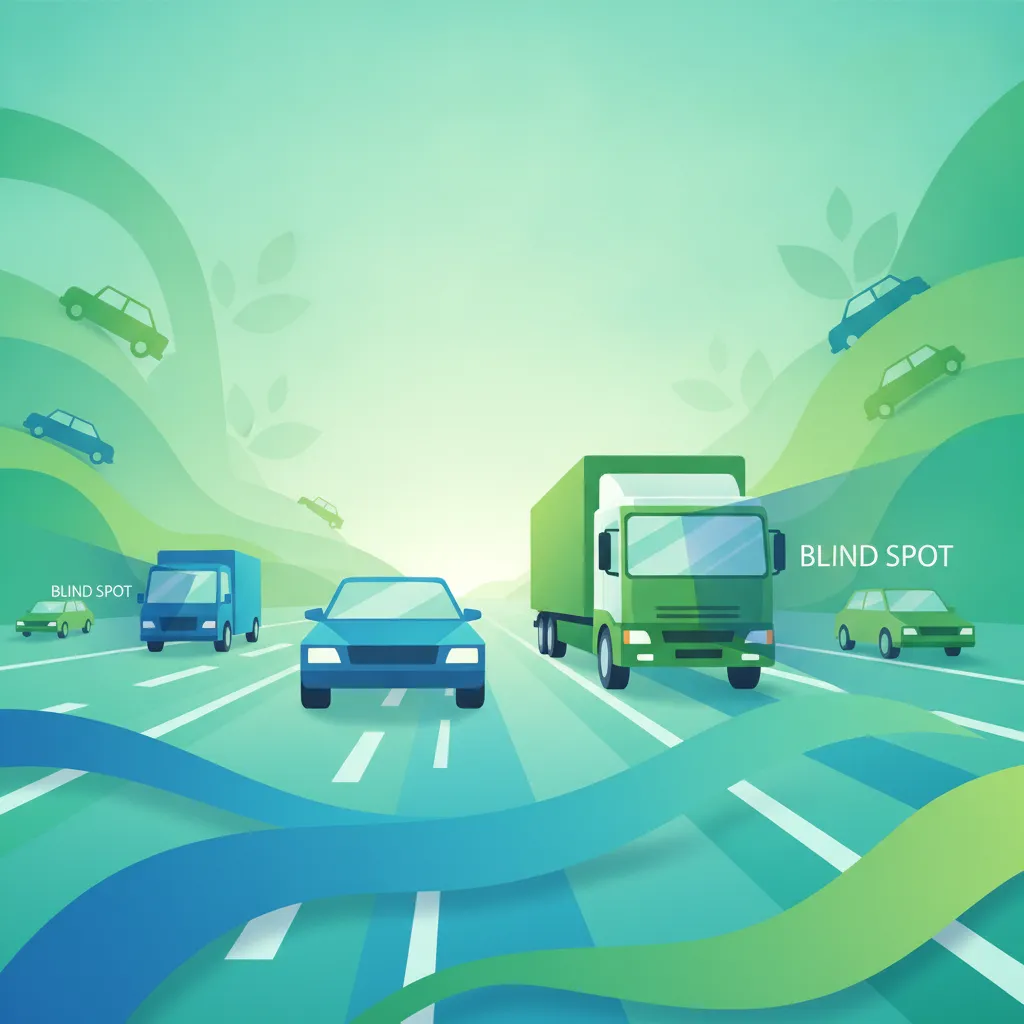
This lesson focuses on recognizing and staying out of the blind spots of other vehicles, especially large trucks and buses where 'no-zones' are significant. It provides practical strategies for managing your position on the road to ensure you remain visible to other drivers at all times. You will learn to anticipate lane changes and other maneuvers from vehicles that may not be aware of your presence.

This lesson offers specific strategies for motorcyclists navigating roundabouts in Belgium. It covers the rules for entering the roundabout, including yielding to circulating traffic, and how to choose the correct lane for your intended exit. The content stresses the importance of clear signaling and maintaining awareness of other vehicles during entry and exit maneuvers.

This lesson provides instruction on how to react in an emergency situation, covering techniques for performing a rapid, controlled stop. It explains how to apply maximum braking force without locking the wheels and how to manage a skid if one occurs. You will also learn about avoidance maneuvers, such as swerving, and the psychological challenge of overcoming target fixation.

This lesson addresses two significant risk factors in motorcycling: fatigue and distraction. It teaches riders to recognize the signs of fatigue and the importance of taking regular rest breaks on long trips. Additionally, it identifies common sources of distraction, such as mobile phones and navigation devices, and provides strategies for maintaining full attention on the road.

This lesson details a motorcyclist's obligations when approaching various types of crossings, including marked pedestrian and bicycle lanes. It emphasizes the legal requirement to yield to vulnerable road users and the importance of thorough visual checks before proceeding. You will learn how to maintain a safe distance and anticipate the movements of pedestrians and cyclists in urban areas.

This lesson focuses on strategies for safely navigating situations where road space is limited, such as narrow lanes, road works, or between lines of traffic. It explains how to use assertive lane positioning to prevent other vehicles from crowding you. You will learn to anticipate and safely manage these 'squeeze points' to avoid being trapped or forced into a dangerous situation.
This lesson provides a systematic approach to navigating intersections, emphasizing the importance of observation, speed control, and correct positioning. It reinforces the application of priority-from-the-right and other right-of-way rules in real-world junction scenarios. You will learn effective visual scanning techniques to anticipate the actions of other road users and ensure a safe passage.
Driving safely requires anticipating potential hazards before they become immediate threats. This lesson covers hazard perception techniques, such as effective road scanning and identifying high-risk situations. Learners will practice recognizing common hazards and learn how to formulate a safe response plan in advance to avoid accidents.
Explore techniques to maintain peak mental focus and effectively manage stress and fatigue. This lesson helps you develop the psychological resilience needed for safe and responsible motorcycle operation in diverse Belgian traffic situations.
This lesson addresses two significant risk factors in motorcycling: fatigue and distraction. It teaches riders to recognize the signs of fatigue and the importance of taking regular rest breaks on long trips. Additionally, it identifies common sources of distraction, such as mobile phones and navigation devices, and provides strategies for maintaining full attention on the road.

This lesson discusses the critical importance of maintaining optimal physical condition for safe motorcycle operation. It covers topics such as proper nutrition, hydration, and the necessity of adequate rest to prevent fatigue. You will learn to identify the early signs of rider fatigue and implement strategies for managing it during long journeys.

This lesson addresses the unique challenges of riding after dark, focusing on the correct use of high and low beam headlights to maximize visibility. It offers techniques for coping with glare from other vehicles and for adapting to the body's natural reduction in visual acuity at night. The content also emphasizes the heightened risk of fatigue during night rides and strategies to manage it.
This lesson offers specific strategies for motorcyclists navigating roundabouts in Belgium. It covers the rules for entering the roundabout, including yielding to circulating traffic, and how to choose the correct lane for your intended exit. The content stresses the importance of clear signaling and maintaining awareness of other vehicles during entry and exit maneuvers.
This lesson synthesizes key safety concepts into the practice of defensive riding, a proactive mindset focused on anticipation and risk reduction. It teaches you to continuously scan for potential hazards, predict the actions of other road users, and always maintain an escape path. By mastering these strategies, you learn to manage the space around you and take control of your own safety.
This lesson explores the unique challenges presented by dense urban environments, including riding in heavy traffic and navigating narrow streets. It provides strategies for positioning your motorcycle to avoid the 'dooring zone' of parked cars and to maintain visibility. You will learn defensive riding techniques to anticipate sudden actions from other drivers in congested conditions.

This lesson details the dangerous effects of alcohol and drugs on a rider's coordination, judgment, and reaction time. It clearly outlines the legal blood alcohol concentration (BAC) limits for motorists in Belgium and the severe legal penalties for violations. The content also addresses the risks associated with riding while under the influence of prescription or over-the-counter medications.

This lesson provides a comprehensive guide to motorway riding, starting with the procedure for safely merging into high-speed traffic from a slip road. It details the importance of strict lane discipline, including the rules for overtaking and the proper use of lanes. You will also learn the correct technique for planning and executing a safe exit from the motorway.

This lesson details the specific precautions and techniques required for riding in rain and fog. It explains how water on the road affects tyre grip and braking distances, and how to avoid aquaplaning. You will learn the correct use of lights to be seen in low visibility and how to adjust your speed and following distance accordingly.
Find clear answers to common questions learners have about Psychological Readiness and Risk Perception. Learn how the lesson is structured, which driving theory objectives it supports, and how it fits into the overall learning path of units and curriculum progression in Belgium. These explanations help you understand key concepts, lesson flow, and exam focused study goals.
The theory exam tests your mindset because mental distractions and poor risk perception are major causes of accidents for novice motorcyclists. Understanding these factors ensures you are prepared to make safe, defensive decisions.
Recognizing your limitations and understanding that skill grows with experience is key. Always treat every intersection and traffic situation with caution, regardless of your perceived skill level.
Yes, while the exam is stationary, the curriculum expects you to understand how fatigue compromises decision-making, reaction times, and spatial awareness on the road.
A common risk is underestimating the speed or intentions of other road users while failing to maintain a sufficient safety cushion, often caused by a lack of situational awareness.
Ready to focus your Belgian driving theory revision? Utilize our powerful search tool to pinpoint exact topics, road signs, or difficulty levels. Engage with practice questions that directly address your learning needs and solidify your understanding of Belgian traffic laws for your upcoming exam.