
This lesson teaches you how to adapt your riding style for challenging weather conditions like rain and wind. Understanding the relationship between surface grip and vehicle stability is essential for your Category AM theory exam and your safety on the road.
Lesson content overview
Riding a stor knallert (large moped or scooter) in adverse weather conditions like rain and strong winds presents unique challenges that demand heightened awareness and specific riding techniques. This lesson, part of your Official Danish Driving Theory Course for Category AM, will equip you with the essential knowledge to safely navigate these conditions. We will explore how rain and wind fundamentally alter the dynamics of your vehicle, affecting crucial aspects such as tyre grip, braking distances, and overall stability. Understanding these effects and knowing how to adapt your riding is paramount for your safety and the safety of others on Danish roads.
Rainfall, even a light drizzle, dramatically changes the interaction between your stor knallert and the road surface. The presence of water reduces friction, leading to a significant decrease in tyre grip. This reduction in grip impacts every aspect of riding, from accelerating and cornering to, most critically, braking.
When water comes between your tyres and the road, it acts as a lubricant, diminishing the natural friction that tyres rely on. This is not just a minor inconvenience; it's a fundamental change in how your vehicle responds. On a wet surface, your tyres struggle to find purchase, meaning they have less power to push off the road for acceleration, less resistance for braking, and less lateral stability for turning. This reduced grip is particularly pronounced on newly wet roads, where accumulated oil, dirt, and rubber particles mix with the water to create a very slippery film.
Older road surfaces or those with less effective drainage can also become exceptionally slick. Your vehicle’s tyres are designed to channel water away through their tread patterns, but their effectiveness is limited by the amount of water, the speed of the vehicle, and the condition of the tyres themselves.
A severe consequence of riding on wet roads is hydroplaning (also known as aquaplaning). This occurs when a layer of water builds up between the tyre and the road surface, completely separating the tyre from the tarmac. Instead of cutting through the water, the tyre essentially surfs on top of it, losing all contact and, crucially, all grip.
When hydroplaning, you lose all control over steering, braking, and acceleration. The vehicle will typically continue in a straight line, regardless of your steering input, until the tyres regain contact with the road. This phenomenon is more likely to occur at higher speeds, with worn tyre treads, or in very heavy rain where water accumulates quickly. Recognizing the signs, such as a sudden lightness in the steering or engine revving without increased speed, is vital.
If you find yourself hydroplaning, it's crucial not to panic. Do not brake sharply or make sudden steering movements. Instead, ease off the throttle gradually, keep the handlebars straight, and allow the vehicle to slow down naturally until the tyres regain traction.
One of the most critical implications of reduced tyre grip is the drastic increase in braking distance. Because there is less friction to slow your vehicle down, it will travel much further from the moment you apply the brakes until it comes to a complete stop.
On a wet road, your braking distance can easily double compared to dry conditions. This is a crucial factor to remember when planning your stops, approaching intersections, or simply following other vehicles. What might be a safe following distance on a dry day becomes dangerously short in the rain. Underestimating this increase can lead to rear-end collisions or an inability to stop before hazards. Always anticipate the need for longer braking distances and adjust your speed and following distance accordingly.
To counter the reduced grip and increased braking distances in wet weather, you must adopt a smoother, more cautious riding style.
Reduce your speed: This is the single most effective way to maintain control and reduce braking distance. Lower speeds allow tyres more time to displace water and maintain contact with the road, and they reduce the severity of impacts if you do lose control.
Increase following distance: Double or even triple your normal following distance to provide ample space for braking. This gives you more time to react and stop safely without colliding with the vehicle ahead.
Smooth control inputs: Avoid sudden acceleration, abrupt braking, or sharp steering. All these actions can overwhelm the reduced grip of your tyres and cause a skid. Apply brakes gently and progressively, use smooth throttle control, and lean gently into turns.
Look further ahead: Anticipate potential hazards, traffic changes, and slippery spots (like manhole covers, painted lines, or oil patches) well in advance. This gives you more time to react calmly and smoothly.
Avoid puddles and standing water: Deep puddles can hide potholes, cause hydroplaning, or dramatically pull your vehicle to one side due to uneven resistance. If you must ride through water, do so slowly and steadily.
After riding through a puddle, lightly tap your brakes a few times to dry them. Wet brakes can be less effective initially.
Wind, particularly strong crosswinds, poses another significant challenge for riders of stor knallert vehicles. Due to their relatively light weight and larger surface area compared to their mass, scooters and mopeds are particularly susceptible to being pushed sideways by wind forces.
Wind is essentially moving air, and when it strikes your vehicle, it exerts a force.
crosswinds, are the most dangerous. They blow perpendicular to your direction of travel, pushing your vehicle laterally (sideways).The effect of a crosswind is akin to an invisible hand pushing your stor knallert from the side. This can cause you to drift unexpectedly within your lane or even into an adjacent lane, posing a serious collision risk. This effect is amplified on exposed stretches of road, such as bridges, open fields, or when exiting the shelter of buildings or large vehicles.
Being prepared for crosswinds requires both vigilance and quick, practiced responses.
While less dangerous than crosswinds, headwinds and tailwinds also require attention:
The way your stor knallert is loaded, whether with cargo or a passenger, significantly affects its stability and braking performance, especially in adverse weather conditions. Additional weight can exacerbate the challenges posed by rain and wind.
Adding weight to your stor knallert alters its centre of gravity and overall mass.
Always ensure that any cargo is securely fastened and distributed evenly. Loose items can shift, causing sudden instability or even falling off, creating hazards for other road users.
The combination of increased vehicle load and reduced tyre grip from wet conditions creates a double challenge for braking.
stor knallert requires more force to slow down. When you combine this with the reduced friction of a wet road, the braking distance increases even more dramatically.Danish traffic regulations, while not always explicitly detailing specific numerical values for every weather condition, mandate that riders must always adapt their speed and riding style to prevailing conditions. This means it is your responsibility as a rider to assess the weather and road conditions and adjust accordingly.
Always reduce your speed in wet conditions. While there's no fixed speed limit for rain, the general principle is to travel at a speed that allows you to safely control your vehicle and stop within the distance you can see to be clear.
The rationale is simple: reduced grip and increased braking distances necessitate lower speeds to maintain control. Failing to reduce speed significantly increases the risk of skidding, hydroplaning, or being unable to stop in time for hazards. This is a mandatory safety principle, not merely a recommendation. For example, if you approach a sharp bend on a wet road, you must reduce your speed well in advance to safely navigate the turn without losing control.
In addition to reducing speed, you must increase the distance to the vehicle ahead when riding in the rain.
A good rule of thumb is to double your normal following distance in wet weather. If you usually allow two seconds between your vehicle and the one in front, increase it to four seconds in the rain.
This increased buffer zone provides the extra braking distance required for wet roads. It gives you more time to react to sudden stops by the vehicle in front without having to brake abruptly yourself, which could induce a skid. While the exact increase is often a recommendation rather than a strictly mandated number, it is essential for preventing rear-end collisions and is considered best practice for safe riding.
When encountering strong crosswinds, active measures are required to maintain your lane position and control.
Reduce your speed: Lowering your speed makes your vehicle less susceptible to sudden changes in direction caused by wind gusts.
Hold handlebars firmly: Keep a strong grip but avoid tensing up completely. This allows for controlled, subtle steering corrections.
Steer slightly into the wind: Apply gentle counter-steering to compensate for the wind's lateral force. If the wind is pushing you right, steer slightly left.
Anticipate gusts: Be prepared for sudden lulls and gusts in the wind, which require continuous small adjustments.
Beware of sheltered areas: When emerging from behind a building, dense trees, or a large truck, expect a sudden blast of wind as you lose that shelter.
These practices are crucial for maintaining lane discipline and preventing unintended lane departure, which could lead to collisions with other vehicles or roadside obstacles.
Any load carried on your stor knallert, including passengers, must be secured properly.
This is a mandatory regulation under general vehicle load guidelines, as unsecured loads pose a risk to both the rider and other road users.
Ignoring the advice provided can lead to dangerous situations. Here are some common mistakes riders make in rain and wind:
stor knallert's maximum load capacity, especially without proper securing, severely compromises stability and braking, particularly in bad weather.Beyond rain and wind, other factors can interact with weather conditions to further impact riding safety:
Riding a stor knallert in rain and wind demands a proactive and adaptive approach. The fundamental principles revolve around respecting the limitations imposed by reduced tyre grip and external forces.
By consistently applying these principles, you will significantly enhance your safety and confidence when riding your stor knallert through rain and wind on Danish roads, preparing you for safe and responsible participation in traffic.
This lesson teaches Category AM riders how rain and wind fundamentally change the handling of a stor knallert, requiring specific adaptations to maintain safety. Wet surfaces reduce tyre grip through friction loss and hydroplaning risk, dramatically increasing braking distances and requiring smoother control inputs at lower speeds. Crosswinds create lateral forces on these light vehicles, necessitating counter-steering and reduced speed on exposed roads. Additional load from cargo or passengers further compromises stability and braking performance in adverse weather. The key principle is that riders must continuously assess conditions and proactively adjust their speed, following distance, and riding style to match the reduced grip and external forces present.
A short set of high-value points that capture the most important learning from this lesson.
Rain significantly reduces tyre grip, leading to longer braking distances and less stability when accelerating, braking, or turning.
Reducing speed is the single most effective adaptation for wet conditions, as it gives tyres more time to maintain road contact.
Crosswinds push small vehicles laterally; counter-steering into the wind with subtle handlebar adjustments maintains lane position.
Any additional load (cargo or passenger) raises the centre of gravity and increases braking distance, requiring extra caution in bad weather.
Smooth, progressive control inputs are essential in adverse conditions—sudden braking or steering can cause a loss of grip and skidding.
Explore all units and lessons included in this driving theory course.
On wet roads, braking distance can easily double compared to dry conditions; always increase following distance accordingly.
If hydroplaning occurs, ease off the throttle, keep handlebars straight, and let the vehicle slow naturally until tyres regain traction.
When exiting sheltered areas (buildings, large vehicles, dense forest), expect sudden wind gusts as conditions change.
Worn tyre treads cannot effectively channel water away, greatly increasing the risk of hydroplaning in wet conditions.
After riding through a puddle, lightly tap the brakes a few times to dry them and restore braking effectiveness.
Maintaining normal speed in heavy rain, which leads to reduced control and inability to stop safely.
Following too closely behind other vehicles when roads are wet, creating collision risk due to extended braking distances.
Applying brakes or steering abruptly in wet conditions, which can overwhelm tyre grip and cause a skid.
Over-correcting when affected by crosswinds, which can create a dangerous wobble or loss of balance.
Underestimating standing water in puddles, which may hide potholes, cause hydroplaning, or pull the vehicle to one side.
Lesson content overview
A short set of high-value points that capture the most important learning from this lesson.
Rain significantly reduces tyre grip, leading to longer braking distances and less stability when accelerating, braking, or turning.
Reducing speed is the single most effective adaptation for wet conditions, as it gives tyres more time to maintain road contact.
Crosswinds push small vehicles laterally; counter-steering into the wind with subtle handlebar adjustments maintains lane position.
Any additional load (cargo or passenger) raises the centre of gravity and increases braking distance, requiring extra caution in bad weather.
Smooth, progressive control inputs are essential in adverse conditions—sudden braking or steering can cause a loss of grip and skidding.
Explore all units and lessons included in this driving theory course.
On wet roads, braking distance can easily double compared to dry conditions; always increase following distance accordingly.
If hydroplaning occurs, ease off the throttle, keep handlebars straight, and let the vehicle slow naturally until tyres regain traction.
When exiting sheltered areas (buildings, large vehicles, dense forest), expect sudden wind gusts as conditions change.
Worn tyre treads cannot effectively channel water away, greatly increasing the risk of hydroplaning in wet conditions.
After riding through a puddle, lightly tap the brakes a few times to dry them and restore braking effectiveness.
Maintaining normal speed in heavy rain, which leads to reduced control and inability to stop safely.
Following too closely behind other vehicles when roads are wet, creating collision risk due to extended braking distances.
Applying brakes or steering abruptly in wet conditions, which can overwhelm tyre grip and cause a skid.
Over-correcting when affected by crosswinds, which can create a dangerous wobble or loss of balance.
Underestimating standing water in puddles, which may hide potholes, cause hydroplaning, or pull the vehicle to one side.
Explore search topics learners often look for when studying Weather Effects: Rain, Wind, and Reduced Grips. These topics reflect common questions about road rules, driving situations, safety guidance, and lesson level theory preparation for learners in Denmark.
Browse additional driving theory lessons that cover connected traffic rules, road signs, and common driving situations related to this topic. Improve your understanding of how different rules interact across everyday traffic scenarios.
Understand how cargo and passengers affect your stor knallert's stability and braking in rain and wind. This theory lesson explains load distribution and safety adjustments for Danish Category AM riders.
This lesson focuses on techniques for riding when visibility and traction are compromised by weather. It explains how to adjust speed, increase following distance, and use lights to see and be seen in rain or fog. Understanding the risk of hydroplaning and making smooth control inputs are key takeaways.
This lesson equips you with the knowledge to drive safely in challenging weather conditions. It explains the risk of aquaplaning in heavy rain, how to counteract strong crosswinds, and the correct use of lights in darkness and fog. The core principle is adapting your speed and increasing your following distance to compensate for reduced visibility and traction.
This lesson explores the critical relationship between tyres, road surface, and grip. It explains how rain, ice, gravel, and even painted road markings can reduce traction and increase risk. Learners will understand the importance of having correct tyre pressure and adequate tread depth to maintain control.

This lesson explains the physical effects of adding weight to a motorcycle. It covers how passengers or luggage change the center of gravity, affecting steering, stability, and increasing stopping distances. Learners will understand how to adjust suspension and tyre pressure, and adapt their riding inputs accordingly.

This lesson addresses how to safely carry luggage or a passenger on a motorcycle. It explains the effects of added weight on the vehicle's balance, steering, and braking performance. Learners will understand correct procedures for securing loads and adjusting their riding technique to maintain control and stability.
This lesson addresses the combined challenges of navigating narrow rural roads and driving in adverse weather. It explains how to adapt speed and braking techniques for conditions like heavy rain, fog, or ice, which are common on rural routes. The content also integrates these factors into route planning, teaching drivers how to select the safest and most appropriate path while avoiding local weight or height restrictions.

This lesson focuses on the safe transportation of both passengers and cargo. It details the legal requirements for using seat belts and the mandatory use of appropriate child restraints for younger passengers. Additionally, it explains the principles of proper load distribution and securing methods to prevent cargo from shifting, which could dangerously affect the vehicle's stability and handling.
This lesson focuses on the challenges of braking in adverse conditions like rain or on icy patches. It teaches riders to increase their following distance and apply brakes smoothly and gently to prevent traction loss. The role of ABS in these scenarios and strategies for maintaining control are also explained.
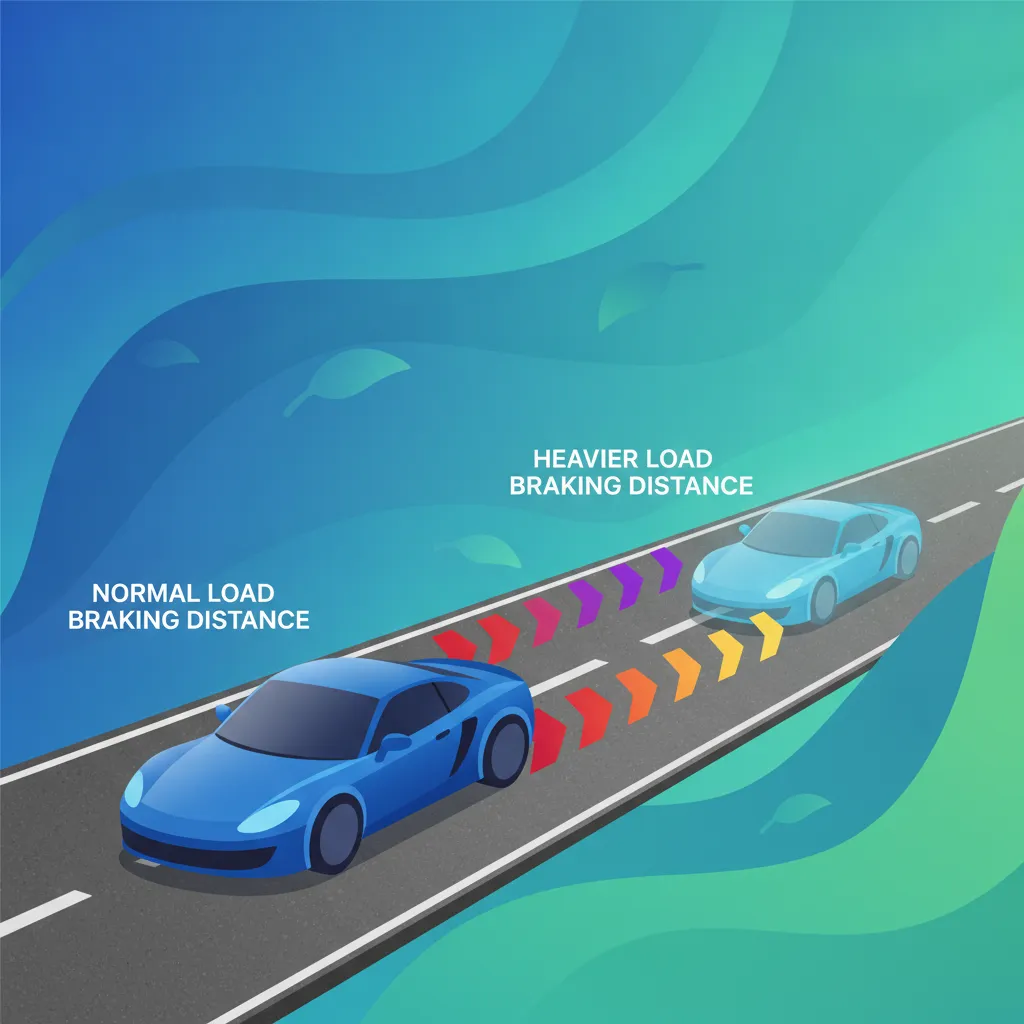
This lesson explores the direct relationship between a vehicle's mass, its speed, and the distance required to stop. It explains how increased load significantly lengthens the braking distance and details how road conditions like gradient and surface friction further affect this calculation. Learners will understand the importance of anticipating stops and maintaining a greater following distance to ensure safety.
This lesson equips riders with the knowledge to handle imperfect road surfaces safely. It covers how to adjust speed, steering, and braking inputs when encountering loose gravel, slippery wet leaves, or other hazards. The focus is on smooth control inputs to avoid upsetting the motorcycle's stability.
Learn how rain and wind impact your stor knallert's stability and grip. This driving theory lesson covers techniques for managing wet roads, crosswinds, and braking distances in adverse Danish weather conditions.
This lesson equips you with the knowledge to drive safely in challenging weather conditions. It explains the risk of aquaplaning in heavy rain, how to counteract strong crosswinds, and the correct use of lights in darkness and fog. The core principle is adapting your speed and increasing your following distance to compensate for reduced visibility and traction.
This lesson explores the critical relationship between tyres, road surface, and grip. It explains how rain, ice, gravel, and even painted road markings can reduce traction and increase risk. Learners will understand the importance of having correct tyre pressure and adequate tread depth to maintain control.
This lesson addresses the combined challenges of navigating narrow rural roads and driving in adverse weather. It explains how to adapt speed and braking techniques for conditions like heavy rain, fog, or ice, which are common on rural routes. The content also integrates these factors into route planning, teaching drivers how to select the safest and most appropriate path while avoiding local weight or height restrictions.
This lesson addresses the significant risks of riding during winter. It explains how to identify potentially icy surfaces, such as black ice, and the extreme caution required when riding in snow. The content covers the need for gentle acceleration, braking, and steering to avoid loss of traction on slippery roads.
This lesson focuses on the challenges of braking in adverse conditions like rain or on icy patches. It teaches riders to increase their following distance and apply brakes smoothly and gently to prevent traction loss. The role of ABS in these scenarios and strategies for maintaining control are also explained.
This lesson focuses on techniques for riding when visibility and traction are compromised by weather. It explains how to adjust speed, increase following distance, and use lights to see and be seen in rain or fog. Understanding the risk of hydroplaning and making smooth control inputs are key takeaways.
This lesson explains how to adjust driving techniques for adverse conditions. It covers the effects of rain, snow, ice, and fog on tire grip and visibility, emphasizing the need to increase following distances and reduce speed. The content also details the correct use of lights for night driving and in poor weather to ensure the bus is visible to others.
This lesson equips riders with the knowledge to handle imperfect road surfaces safely. It covers how to adjust speed, steering, and braking inputs when encountering loose gravel, slippery wet leaves, or other hazards. The focus is on smooth control inputs to avoid upsetting the motorcycle's stability.
Crossing large bridges presents unique challenges, including strict weight restrictions and significant exposure to crosswinds. This lesson explains how to identify and respect these limits and teaches techniques for maintaining vehicle stability when hit by strong wind gusts. It covers the importance of reducing speed and making subtle steering corrections to counteract aerodynamic forces and stay safely in your lane.
Find clear answers to common questions learners have about Weather Effects: Rain, Wind, and Reduced Grips. Learn how the lesson is structured, which driving theory objectives it supports, and how it fits into the overall learning path of units and curriculum progression in Denmark. These explanations help you understand key concepts, lesson flow, and exam focused study goals.
When it rains, the oil and dirt on the road surface mix with water, creating a slippery layer that significantly reduces your tyre grip. Lowering your speed gives you more time to react and prevents your wheels from locking up or losing traction during braking or cornering.
Because a stor knallert is relatively lightweight, it is easily affected by strong gusts, especially crosswinds. You should hold the handlebars firmly, be prepared for sudden movements, and increase your lateral distance from larger vehicles that might block or channel wind gusts.
Apply both the front and rear brakes progressively and gently to avoid skidding. Avoid sudden movements or jerky inputs, as the lack of grip makes the vehicle highly sensitive to sudden changes in weight distribution.
Yes, the theory exam often includes situational questions where you must choose the safest action based on provided environmental conditions. Understanding the physics of grip and stability is key to passing these hazard perception sections.
Use our powerful search tool to pinpoint specific Danish driving theory topics, road signs, or traffic situations you need to review. Start exploring relevant practice sets now to reinforce your knowledge and build confidence for your upcoming driving licence exam.