
This lesson guides you through the complexities of driving heavy vehicles on narrow rural roads and in challenging weather conditions. It is a critical component of your Category C training, helping you apply advanced vehicle control techniques to real-world Danish traffic scenarios. By mastering these skills, you will be prepared for both the theoretical exam and the practical realities of long-haul transport.
Lesson content overview
Driving a heavy vehicle on rural roads in Denmark presents a unique set of challenges, combining the intricacies of varying road geometry with the unpredictable nature of adverse weather conditions. This lesson explores how professional drivers can safely manage these complexities, adapting their techniques, understanding legal restrictions, and employing strategic route planning to ensure both vehicle integrity and road safety. Mastering these elements is fundamental for any heavy goods vehicle (HGV) operator holding a Category C license.
Danish rural roads, or landeveje, differ significantly from motorways or urban streets. They are often characterized by narrower lanes, a lack of hard shoulders, and frequently feature sharp bends, undulating terrain, and varying speed limits. For heavy vehicles, these characteristics demand heightened awareness, precise control, and careful anticipation of potential hazards.
Rural roads can range from well-maintained two-lane roads without a central dividing line to single-lane paths with designated passing places. These roads typically connect smaller towns and villages, or provide access to agricultural areas, and are not designed for high-speed traffic, especially not for heavy goods vehicles.
Vigepladser)On particularly narrow rural roads, passing places (also known as vigepladser in Danish) are designated areas where one vehicle can pull over to allow another to pass safely. For heavy vehicle drivers, correctly using these spots is crucial for avoiding collisions and ensuring smooth traffic flow.
The fundamental rule at passing places is to yield to oncoming traffic if you are closest to a passing place on your side or if it is practical and safe for you to do so. Heavy vehicle drivers, due to their size and limited maneuverability, must be particularly proactive in anticipating the need to use these places, giving ample warning to other road users. This concept is closely related to right-of-way rules discussed in earlier units concerning maneuvering and interaction with other traffic.
Drivers of heavy vehicles often make critical errors on rural roads due to underestimation of risks or lack of experience:
off-tracking, where the rear wheels of a heavy vehicle or trailer follow a different path than the front wheels, potentially encroaching on the opposing lane or roadside.Adverse weather significantly compounds the challenges of rural roads, drastically affecting visibility, traction, and overall vehicle control. Professional drivers must understand the specific risks associated with rain, fog, ice, and snow, and adapt their driving techniques accordingly.
Heavy rain reduces visibility and saturates road surfaces, creating a significant risk of aquaplaning.
When aquaplaning occurs, the tires lose contact with the road, and the vehicle essentially surfs on water. For heavy vehicles, the consequences of aquaplaning can be severe due to their mass and momentum.
Fog creates extremely dangerous driving conditions by severely limiting sight distance, making it difficult to perceive hazards, judge distances, and react in time. Rural roads, often lacking streetlights, can become particularly treacherous in dense fog.
Fog lights (if equipped) are designed to project a wide, flat beam close to the road surface, cutting underneath the fog layer. High beams are ineffective in fog as they reflect off the water droplets, creating glare and reducing visibility further.Ice and snow are perhaps the most hazardous weather conditions for heavy vehicles, as they dramatically reduce tire grip, making braking and steering extremely difficult. Rural roads, which may be less frequently cleared or gritted than main routes, pose an even greater risk.
engine braking (downshifting) to slow down, as it applies braking force more smoothly than the service brakes, reducing the risk of wheel lock-up.Black ice is a thin, transparent layer of ice that is extremely difficult to see. It often forms on shaded areas, bridges, and overpasses. Assume such surfaces might be icy, especially when temperatures hover around freezing.Effective route planning is a proactive measure that mitigates many of the risks associated with rural roads and adverse weather. For heavy vehicle drivers, it's not just about finding the shortest path, but the safest and most legally compliant one.
Understand Your Vehicle: Know your heavy vehicle's exact dimensions (height, width, length) and current loaded weight (total mass and individual axle loads).
Consult Maps and GPS: Use up-to-date heavy vehicle specific navigation systems that often include restriction information. However, always cross-reference with physical road signs.
Check Local Regulations: Be aware that local municipalities may impose temporary or permanent restrictions not always immediately updated on all GPS systems.
Review Weather Outlook: Pay close attention to wind warnings (especially for bridges), heavy precipitation, fog advisories, and freezing temperatures.
Identify Potential Hazards: Look for areas with a high density of rural roads, known difficult junctions, or sections prone to ice formation.
Plan Rest Stops: Incorporate suitable rest areas that can accommodate heavy vehicles, especially important if weather conditions force unexpected delays.
Compliance with Danish traffic laws is non-negotiable for Category C license holders. Many general rules have specific implications for heavy vehicles on rural roads and in adverse weather.
On most Danish rural roads, the general speed limit for heavy vehicles (lorries over 3.5 tonnes and vehicle combinations) is lower than for passenger cars. This reduced limit is designed to compensate for the longer braking distances and reduced maneuverability of heavier vehicles. In adverse weather conditions (rain, fog, snow, ice), drivers are legally obliged to reduce their speed further, irrespective of the posted limit, to match the prevailing conditions and ensure safe stopping distances.
Strict observance of weight and height restrictions is mandatory. These limits protect bridges, tunnels, and other infrastructure from damage, and prevent vehicles from becoming stuck or unstable. Signs indicate these restrictions clearly. Drivers must always check their vehicle's laden weight and height against these signs. Ignorance is not an excuse for violations.
Nærlys): Must be used in heavy rain, fog, and any condition where visibility is significantly reduced. They are also standard for driving after dark.Tågelys): Front fog lights can only be used when visibility is significantly reduced by fog, heavy rain, or snow. Rear fog lights are even more restrictive and should only be used in very dense fog or heavy snowfall when visibility is less than 50 metres, to avoid blinding following drivers.The principle of adapted speed and extended braking distance is critical. Heavy vehicles require considerably longer distances to stop than passenger cars, a fact exacerbated by wet or icy roads. Therefore, maintaining a much greater following distance – often double or triple what might be considered normal in good conditions – is essential. This allows sufficient time to react to sudden stops by vehicles ahead or unforeseen hazards.
Vigepladser)As discussed, on single-track or very narrow rural roads, drivers must be prepared to yield at passing places. The Danish Road Traffic Act (Færdselsloven) generally stipulates that drivers should show consideration for others and, if necessary, yield to oncoming traffic when road conditions make it difficult for two vehicles to pass. For heavy vehicle drivers, this often means being the one to pull over due to the vehicle's size.
Understanding the underlying physics helps explain why certain driving adjustments are crucial for heavy vehicles.
Engine braking helps distribute the braking effort and reduces the reliance on service brakes alone, which can overheat or lock up.load distribution and load securing are paramount to maintaining the vehicle's centre of gravity and preventing rollovers or load shifts, which can be catastrophic.Navigating Danish rural roads safely with a heavy vehicle requires a combination of technical driving skill, proactive planning, and strict adherence to regulations. By understanding the unique challenges of narrow roads, adapting to various weather conditions, carefully planning routes to avoid restrictions, and always prioritizing safety through informed decisions, heavy vehicle drivers can significantly reduce risks. This comprehensive approach ensures not only personal safety but also the protection of cargo, infrastructure, and other road users.
This lesson covers the combined challenges of navigating Danish rural roads and adverse weather conditions with heavy vehicles. Drivers must understand that narrow roads demand constant anticipation and speed adjustment, while weather hazards like aquaplaning, fog, and black ice require significant speed reductions beyond posted limits. Effective route planning is essential to avoid weight and height restrictions that could cause infrastructure damage or legal violations. Key safety principles include using engine braking on slippery surfaces, maintaining extended following distances, and always yielding at passing places to accommodate the limited maneuverability of heavy goods vehicles.
A short set of high-value points that capture the most important learning from this lesson.
Heavy vehicles on Danish rural roads face heightened risks from narrow lanes, absence of hard shoulders, and variable road geometry requiring constant speed adjustment
Adverse weather demands speed reductions beyond posted limits - stopping distances multiply dramatically on wet, foggy, or icy surfaces
Aquaplaning and black ice are especially dangerous for heavy vehicles due to their mass and momentum making control recovery extremely difficult
Route planning must verify vehicle weight and height against posted restrictions to avoid infrastructure damage and legal violations
Engine braking provides smoother deceleration than service brakes on slippery surfaces, reducing the risk of wheel lock-up and skidding
Explore all units and lessons included in this driving theory course.
Use low beam headlights in fog - high beams reflect off water droplets creating glare that worsens visibility
At vigepladser (passing places), yield to oncoming traffic when practical, which often means heavy vehicles pulling over due to their size
Rear fog lights should only be used when visibility drops below 50 metres to avoid blinding following drivers
Black ice commonly forms on bridges, overpasses, and shaded areas where temperatures hover around freezing
In Denmark, heavy vehicles must observe lower speed limits than passenger cars on rural roads, with further reductions legally required in adverse conditions
Maintaining posted speed limits during adverse weather instead of adapting speed to match actual road conditions
Using high beam headlights in fog, which reflects light off water droplets and creates dangerous glare
Underestimating off-tracking on curves, where rear wheels follow a tighter path than front wheels potentially encroaching on opposing lane
Neglecting to verify vehicle dimensions against route weight and height restrictions before departure
Making sudden steering or braking inputs on slippery surfaces, which almost certainly induces skidding in heavy vehicles
Lesson content overview
A short set of high-value points that capture the most important learning from this lesson.
Heavy vehicles on Danish rural roads face heightened risks from narrow lanes, absence of hard shoulders, and variable road geometry requiring constant speed adjustment
Adverse weather demands speed reductions beyond posted limits - stopping distances multiply dramatically on wet, foggy, or icy surfaces
Aquaplaning and black ice are especially dangerous for heavy vehicles due to their mass and momentum making control recovery extremely difficult
Route planning must verify vehicle weight and height against posted restrictions to avoid infrastructure damage and legal violations
Engine braking provides smoother deceleration than service brakes on slippery surfaces, reducing the risk of wheel lock-up and skidding
Explore all units and lessons included in this driving theory course.
Use low beam headlights in fog - high beams reflect off water droplets creating glare that worsens visibility
At vigepladser (passing places), yield to oncoming traffic when practical, which often means heavy vehicles pulling over due to their size
Rear fog lights should only be used when visibility drops below 50 metres to avoid blinding following drivers
Black ice commonly forms on bridges, overpasses, and shaded areas where temperatures hover around freezing
In Denmark, heavy vehicles must observe lower speed limits than passenger cars on rural roads, with further reductions legally required in adverse conditions
Maintaining posted speed limits during adverse weather instead of adapting speed to match actual road conditions
Using high beam headlights in fog, which reflects light off water droplets and creates dangerous glare
Underestimating off-tracking on curves, where rear wheels follow a tighter path than front wheels potentially encroaching on opposing lane
Neglecting to verify vehicle dimensions against route weight and height restrictions before departure
Making sudden steering or braking inputs on slippery surfaces, which almost certainly induces skidding in heavy vehicles
Explore search topics learners often look for when studying Rural Roads, Weather Conditions, and Route Planning. These topics reflect common questions about road rules, driving situations, safety guidance, and lesson level theory preparation for learners in Denmark.
Browse additional driving theory lessons that cover connected traffic rules, road signs, and common driving situations related to this topic. Improve your understanding of how different rules interact across everyday traffic scenarios.
Learn essential driving theory for navigating narrow Danish rural roads and handling adverse weather conditions like rain, fog, and ice. Understand how to adapt speed, braking, and visibility for heavy vehicles.

This lesson contrasts the driving techniques required for rural roads and motorways. It covers managing speed on narrow, winding lanes with potential hazards like farm machinery or animals. The content also explains the principles of safe motorway driving, including maintaining lane discipline, managing high-speed stability, and executing safe overtaking maneuvers.

This lesson prepares riders for the specific hazards of rural roads, which often have less visibility and more unpredictable surfaces. It covers strategies for approaching blind curves, safely passing agricultural machinery, and being vigilant for animals on the road. Adjusting speed to match visibility is a core principle.

This lesson equips you with the knowledge to drive safely in challenging weather conditions. It explains the risk of aquaplaning in heavy rain, how to counteract strong crosswinds, and the correct use of lights in darkness and fog. The core principle is adapting your speed and increasing your following distance to compensate for reduced visibility and traction.
This lesson explains how to adjust driving techniques for adverse conditions. It covers the effects of rain, snow, ice, and fog on tire grip and visibility, emphasizing the need to increase following distances and reduce speed. The content also details the correct use of lights for night driving and in poor weather to ensure the bus is visible to others.

This lesson focuses on the rules and best practices for operating heavy vehicles on motorways and interchanges. It details Danish regulations regarding lane usage and speed limits for lorries, and explains safe techniques for merging into and exiting high-speed traffic. Maintaining a safe and appropriate following distance to allow for longer stopping distances is a key focus of the content.

This lesson emphasizes the professional driver's heightened responsibility to protect vulnerable road users. It revisits Danish regulations concerning cyclist priority, particularly during right turns, and details the correct procedures for maintaining safe overtaking distances. The content focuses on developing advanced situational awareness, using mirrors and cameras effectively, and anticipating the behavior of pedestrians and cyclists in urban environments.

This lesson covers the core principles of defensive driving in an urban context. It teaches drivers how to anticipate the actions of other road users, maintain safe following distances in dense traffic, and navigate complex intersections with multiple signals. The content emphasizes heightened awareness of pedestrians, cyclists, and unexpected events common in Danish city environments.
This lesson addresses the specific skills required to navigate around public transport and heavy goods vehicles safely. You will learn the rules for bus lanes, recognize when buses have priority at stops, and understand the unique challenges posed by large vehicles, such as wider turning circles and larger blind spots. The material also provides clear protocols for overtaking these vehicles while maintaining adequate safety margins.
This lesson provides a clear, safety-oriented protocol for handling a vehicle breakdown or tyre failure. It covers how to safely maneuver the vehicle to the roadside, the correct use of hazard lights and warning triangles to alert other traffic, and procedures for contacting assistance. Adhering to these steps, as required by Danish law, is critical for protecting yourself and other road users from further incident.

This lesson addresses the significant risks of riding during winter. It explains how to identify potentially icy surfaces, such as black ice, and the extreme caution required when riding in snow. The content covers the need for gentle acceleration, braking, and steering to avoid loss of traction on slippery roads.
Master strategic route planning for Category C drivers in Denmark. Understand how to identify and adhere to weight, height, and other road restrictions to ensure safe and legal journeys on rural routes.

This lesson focuses on the legal dimensional limits—length, width, and height—for heavy goods vehicles and their interaction with road infrastructure. It explains Danish regulations and the importance of planning routes to avoid constraints such as low bridges, narrow tunnels, and weight-restricted roads. Learners will understand how to interpret road signs indicating these limits and the procedures for obtaining permits for oversized loads.
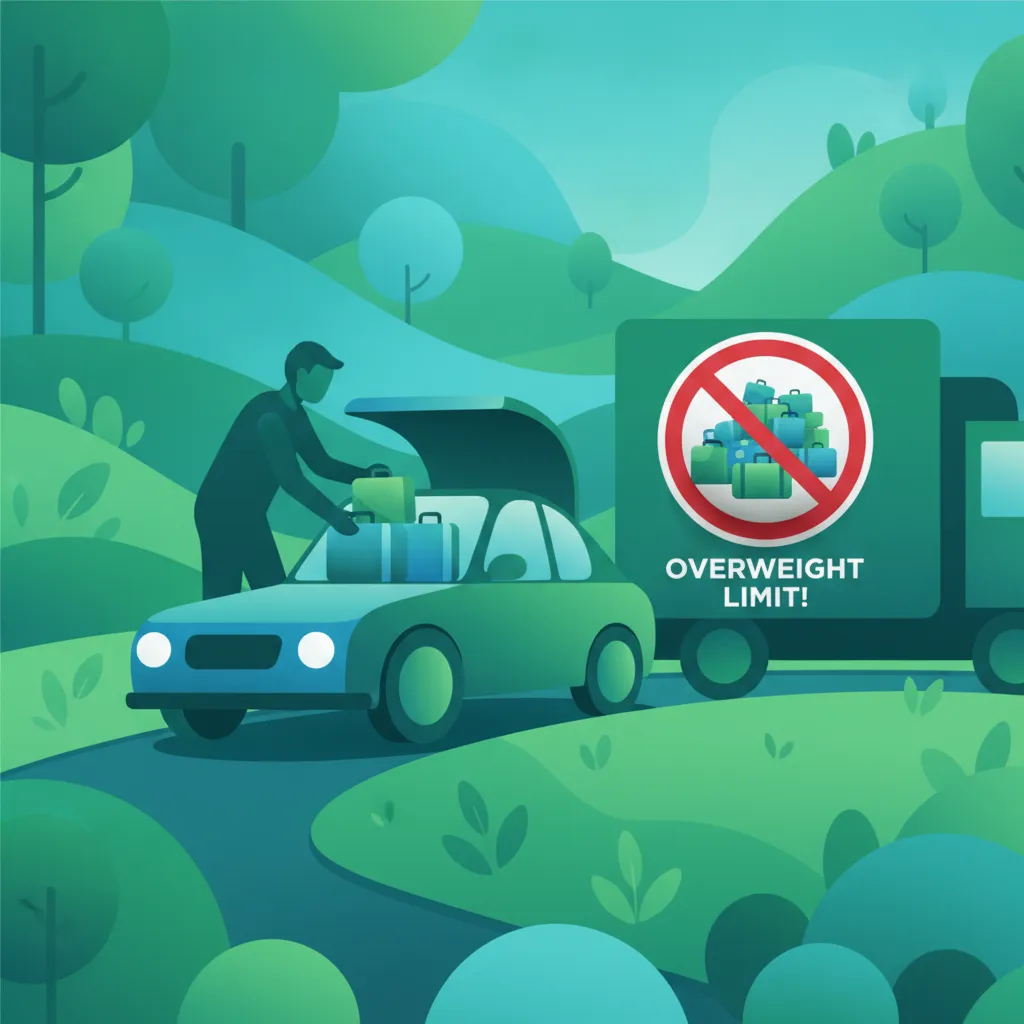
This lesson introduces the fundamental concepts of vehicle mass, clarifying the legal distinctions between total weight, actual weight, and loaded weight under Danish law. It emphasizes the importance of strictly adhering to these limits to ensure safe vehicle operation and handling characteristics. The content also details the significant safety risks and legal penalties associated with exceeding weight limits, such as fines and vehicle impoundment.

This lesson explains the fundamental physics of load distribution and its direct impact on a heavy vehicle's centre of gravity. It details how the positioning of cargo—whether high, low, forward, or back—alters handling characteristics and overall stability. The content emphasizes the importance of achieving a balanced load to minimize rollover risk and comply with Danish regulations for safe weight distribution.
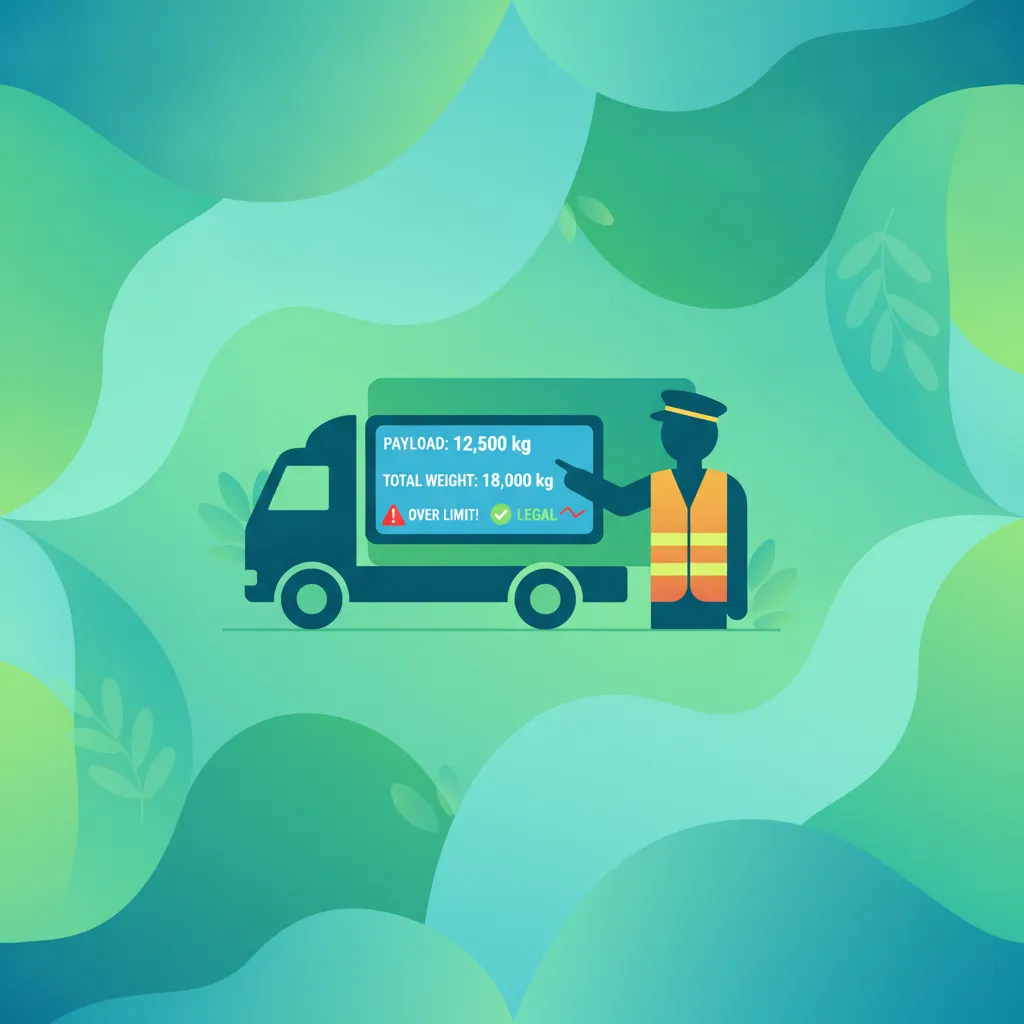
This lesson teaches the essential skill of calculating a heavy vehicle's payload capacity, taking into account both its design specifications and legal restrictions. It explains the relationship between unladen weight, gross vehicle mass, and the resulting legal payload. The content emphasizes the critical role of accurate load planning to prevent overloading, which poses significant safety risks and leads to legal penalties.

This lesson introduces the various types of trailers and semitrailers used in commercial transport, from rigid drawbar trailers to articulated semitrailers. It explains their distinct characteristics, including legal dimensional limits, typical axle configurations, and maximum loading capacities as defined by Danish regulations. Understanding these differences is fundamental for selecting the right combination for a given load and ensuring legal operation.

This lesson provides practical guidance for navigating the challenges of urban deliveries. It details Danish regulations for using loading zones, including time restrictions and parking rules, and offers strategies for effective route planning in dense traffic. The content emphasizes awareness of pedestrian-heavy areas and the importance of maneuvering with caution to ensure public safety during delivery operations.
This lesson focuses on the rules and best practices for operating heavy vehicles on motorways and interchanges. It details Danish regulations regarding lane usage and speed limits for lorries, and explains safe techniques for merging into and exiting high-speed traffic. Maintaining a safe and appropriate following distance to allow for longer stopping distances is a key focus of the content.

Proper axle load distribution is crucial for the safety and legality of heavy vehicle operations. This lesson explains how axle pressure is defined and regulated, highlighting the importance of distributing weight correctly across all axles. It covers how imbalanced loads can negatively affect braking performance, steering control, and overall vehicle stability, while also explaining the Danish regulations for maximum axle loads.
Find clear answers to common questions learners have about Rural Roads, Weather Conditions, and Route Planning. Learn how the lesson is structured, which driving theory objectives it supports, and how it fits into the overall learning path of units and curriculum progression in Denmark. These explanations help you understand key concepts, lesson flow, and exam focused study goals.
Higher cargo weight increases momentum, requiring you to slow down much earlier for curves and junctions. Because rural roads are often narrower, incorrect speed can lead to off-tracking or drifting into the oncoming lane, which is a common failure point in theory exams.
You must check for bridge weight limits, height restrictions in tunnels, and narrow passages that may not be suitable for your vehicle length. Always prioritize main arterial roads over shortcuts through small villages to avoid maneuverability issues.
High-profile vehicles are extremely susceptible to side winds, especially on bridges or open rural plains. You must reduce your speed significantly and be prepared for sudden steering corrections, as the wind can push the vehicle out of its lane.
On ice, you must rely heavily on engine braking and retarders to avoid locking the wheels. Sudden use of the service brake can lead to loss of control, which is why smooth, proactive speed management is the focus of this lesson.
Use our powerful search tool to pinpoint specific Danish driving theory topics, road signs, or traffic situations you need to review. Start exploring relevant practice sets now to reinforce your knowledge and build confidence for your upcoming driving licence exam.