
This lesson details the critical safety responsibilities of a stor knallert rider regarding vehicle upkeep. By understanding how to perform systematic pre-ride checks, you ensure your bike is roadworthy, safe, and compliant with Danish traffic regulations.
Lesson content overview
As a rider of a Category AM vehicle, commonly known as a stor knallert in Denmark, your safety and the safety of other road users depend significantly on the condition of your moped. It is your direct responsibility to ensure that your vehicle is always in a safe and roadworthy state, not just for passing inspections but for every single ride. This lesson will guide you through the critical aspects of vehicle condition, focusing on systematic pre-ride checks, the integrity of your tyres and braking system, proper lighting, and the importance of ongoing maintenance. A well-maintained vehicle is a safer vehicle, reducing the risk of accidents and mechanical failures.
Operating any vehicle on public roads carries legal and ethical obligations, especially concerning its mechanical integrity. For stor knallert riders, understanding and upholding these responsibilities is paramount. A moped's mechanical safety is the foundation of confident and accident-free riding. If a vehicle's components are compromised, its handling, braking, and overall performance will be negatively affected, increasing the likelihood of an incident.
The logic behind these stringent requirements is multifaceted: it involves the physics of motion and stopping distances, adherence to mandatory legal checks, and, most importantly, the proactive prevention of failures that could lead to serious accidents. This knowledge builds upon previous lessons about vehicle control and braking dynamics, preparing you not only to identify issues but also to understand their potential consequences. By consistently ensuring your moped is roadworthy, you actively contribute to your own safety and the safety of everyone around you.
A pre-ride vehicle inspection is a fundamental safety habit for every responsible moped rider. It is a systematic check performed before you start your journey to verify that your stor knallert meets all necessary road safety standards. The primary purpose is to identify and rectify any potential faults that could compromise your safety or lead to a breakdown while on the road.
Skipping or performing incomplete inspections significantly increases your risk of vehicle failure, which can range from minor inconveniences to severe accidents. This quick but thorough check helps ensure that critical components are functioning correctly, providing peace of mind and significantly enhancing your safety.
Tyres: Check tyre pressure, tread depth, and for any visible damage, cuts, or embedded objects.
Brakes: Test both front and rear brakes. Ensure they feel firm, responsive, and provide adequate stopping power without excessive lever travel.
Lights and Signals: Verify that headlights (low and high beam), tail light, brake light, and turn signals are all working correctly. Check their alignment.
Mirrors: Ensure mirrors are clean, securely attached, and properly adjusted to give you a clear view of the rear.
Controls: Check that the throttle, clutch (if applicable), and steering operate smoothly and freely.
Fluids: Where visible (e.g., brake fluid reservoir), check fluid levels.
Horn: Verify the horn is operational.
Tyres are the only point of contact between your moped and the road, making their condition critical for safe operation. Optimal tyre condition directly translates to proper grip, efficient braking, precise handling, and overall stability. Neglecting tyre safety can lead to reduced control, increased stopping distances, and a higher risk of accidents, especially in adverse weather.
Tyre pressure refers to the amount of air inside a tyre, typically measured in bar or psi, and is specifically set by the vehicle manufacturer for optimal performance. You should always check the "cold pressure," meaning the pressure when the tyres have not been ridden for at least a few hours, or for less than a few kilometres at low speed. This is because riding heats up the tyres, causing the air inside to expand and the pressure to increase, giving a false reading.
Correct tyre pressure ensures the tyre's contact patch – the area touching the road – is optimal. Under-inflated tyres bulge at the sides, leading to increased rolling resistance, faster wear on the outer edges, reduced grip, and higher fuel consumption. Conversely, over-inflated tyres become too rigid, reducing the contact patch, leading to wear down the centre of the tread, and severely affecting grip, especially when braking or cornering. It is recommended to check tyre pressure at least once a month, and always before a long ride or when carrying extra load.
The tread depth refers to the depth of the grooves on your tyre, measured in millimetres. These grooves are crucial for dispersing water away from the contact patch, preventing hydroplaning on wet roads, and providing necessary traction. Adequate tread depth is essential for maintaining grip, particularly in rainy conditions common in Denmark.
In Denmark, the legal minimum tread depth for stor knallert tyres is 1.6 millimetres. Tyres with a tread depth below this legal minimum must be replaced immediately. Most tyres have wear indicators, small raised bars within the main grooves, which become flush with the tread surface when the legal minimum depth is reached. Riding with worn tyres significantly increases the risk of losing control, especially on wet or slippery surfaces. Always visually inspect your tyres for signs of damage, such as cuts, cracks, bulges, or embedded foreign objects, as these can lead to sudden deflation or blowouts.
Reliable brakes are fundamental to safe riding. They allow you to decelerate and stop effectively in all traffic conditions, preventing collisions and allowing you to react safely to hazards. Regular checks of your braking system are non-negotiable for safe operation of your stor knallert.
Brake pads are consumable components that press against the brake disc or drum to create friction and slow your moped. Over time, the friction material on the pads wears down. The remaining thickness of this material is critical for safe braking. Many brake pads, especially disc brake pads, have wear indicators – often a metallic tab that starts to squeal or make a grinding noise when the pads are excessively worn and contacting the disc.
It is crucial to replace brake pads before they are worn to their minimum thickness, usually specified by the manufacturer. Worn brake pads lead to significantly reduced braking efficiency, increased stopping distances, and can damage other components like the brake discs. Regularly inspect both front and rear brake pads for wear. A good rule of thumb is to replace pads when they are worn to about 1-2 mm of friction material remaining, or as indicated by the manufacturer.
If your brakes feel spongy, make unusual noises, or if the lever requires excessive travel to engage, have your braking system inspected immediately by a qualified mechanic. Do not ride your moped with compromised brakes.
Brake fluid is a hydraulic fluid that transmits the force from your brake lever or pedal to the brake calipers, engaging the brake pads. Its level and condition are vital for the proper functioning of your hydraulic braking system. The brake fluid reservoir, usually a small transparent container on your handlebars, allows you to visually check the fluid level. It should always be between the "MIN" and "MAX" marks.
Over time, brake fluid can absorb moisture from the air, reducing its effectiveness and leading to a "spongy" brake feel due to the water boiling under high temperatures. Contaminated or old fluid can also cause corrosion within the brake lines. Therefore, brake fluid must be topped up to the correct level and changed periodically according to your moped's service schedule, typically every one to two years. Using the correct type of brake fluid, as recommended by the manufacturer, is also essential.
Properly functioning lighting and signalling systems are crucial for your safety, especially in low-light conditions or adverse weather. They ensure you can see the road ahead and, more importantly, that other road users can see your stor knallert and understand your intentions.
Your moped's headlights illuminate the road ahead, making you visible and allowing you to see obstacles. They typically include a dipped beam (low beam) for general riding, particularly in built-up areas or when meeting oncoming traffic, and a high beam for maximum illumination on unlit roads where you won't dazzle other drivers. In Denmark, it is mandatory to use your dipped beam during the day in certain conditions, and always in darkness or reduced visibility. Incorrectly aligned headlights can blind oncoming drivers or fail to properly illuminate your path.
The tail light makes your moped visible from the rear, while the brake light illuminates when you apply the brakes, warning following traffic of your deceleration. A non-functioning brake light, particularly at night, significantly increases the risk of a rear-end collision. Always check that all these lights are bright and working correctly before each ride.
Turn signals are essential for communicating your intentions to other road users when changing lanes or turning. They must flash clearly and at a consistent rate. A non-functioning turn signal can lead to confusion and dangerous situations.
Hazard warning lights (or hazard lights) cause all turn signals to flash simultaneously. These are used to warn other road users of a temporary obstruction or hazard posed by your stationary vehicle, such as a breakdown on the side of the road. They should generally not be used while moving, except in specific emergency situations to warn of a sudden, severe hazard.
Beyond daily pre-ride checks, regular and ongoing maintenance is critical for the long-term safety and reliability of your stor knallert. This includes periodic servicing, fluid checks, and the replacement of components as recommended by the manufacturer.
Preventive upkeep reduces the likelihood of unexpected mechanical failures, which can be costly and dangerous. Neglecting the manufacturer's maintenance schedule can lead to cumulative wear and tear on components, compromising your moped's overall safety and performance over time. This includes checking engine oil levels, ensuring proper chain tension and lubrication (if applicable), and inspecting suspension components. Keeping records of your maintenance and inspections can also be beneficial for proving compliance and tracking your vehicle's history.
In Denmark, operating a stor knallert on public roads comes with specific legal requirements regarding its condition. These regulations are designed to ensure a minimum standard of safety for all road users.
Understanding common mistakes and failures related to vehicle condition can help you avoid them, ensuring your safety and compliance with Danish traffic laws.
The importance and specific focus of your vehicle checks can vary depending on external conditions and how you intend to use your moped.
Always consult your moped's owner's manual for specific maintenance schedules, tyre pressure recommendations, and fluid types. This is the most accurate source of information for your particular vehicle.
The relationship between proper vehicle maintenance and safety is a clear chain of cause and effect:
To ensure safety and compliance for your Category AM stor knallert on Danish roads, riders must consistently adhere to key principles of vehicle condition:
Understanding how these components interact with various driving conditions (weather, vehicle load, road type) is crucial for adapting your checks and ensuring continuous safe operation of your stor knallert.
This lesson teaches Category AM stor knallert riders how to ensure their vehicle is roadworthy through systematic pre-ride inspections. Key areas covered include tyre pressure checking (using cold pressure readings), maintaining the legal minimum 1.6mm tread depth, inspecting brake pad thickness and brake fluid levels, and verifying all lights function correctly. The lesson emphasizes rider responsibility for vehicle condition, outlines Danish legal requirements including the mandatory Syn inspection, and provides a detailed checklist of items to verify before each ride. Understanding how weather, road type, and vehicle load affect maintenance needs helps riders adapt their checks to different conditions.
A short set of high-value points that capture the most important learning from this lesson.
Perform a systematic pre-ride inspection before every journey covering tyres, brakes, lights, mirrors, and controls
Tyres are your only contact with the road; maintain correct cold pressure and minimum 1.6mm tread depth as required by Danish law
Functional brakes are non-negotiable; check both front and rear brake responsiveness and fluid levels regularly
All mandatory lights must work and be correctly aligned; use dipped beam in urban areas and when meeting oncoming traffic
Regular maintenance and the mandatory Syn inspection ensure long-term roadworthiness and legal compliance
Explore all units and lessons included in this driving theory course.
Check tyre pressure when cold (not ridden for a few hours or only short distances) to get an accurate reading
Tyres worn below 1.6mm tread depth are illegal in Denmark and must be replaced immediately
Brake fluid must be between MIN and MAX marks; it absorbs moisture over time and should be changed every 1-2 years
Hazard warning lights are for stationary vehicles only to warn of a breakdown, not for use while moving
Syn is the mandatory periodic technical inspection for all mopeds in Denmark verifying safety and environmental standards
Riding with under-inflated tyres causes reduced grip, faster wear, and increased fuel consumption
Overlooking worn brake pads until they make grinding noises, which damages brake discs and increases stopping distances
Using high beam in urban areas or when approaching oncoming traffic, blinding other road users
Failing to check that the brake light works before riding, reducing visibility to following traffic especially at night
Skipping regular maintenance and only addressing problems when they cause a breakdown
Lesson content overview
A short set of high-value points that capture the most important learning from this lesson.
Perform a systematic pre-ride inspection before every journey covering tyres, brakes, lights, mirrors, and controls
Tyres are your only contact with the road; maintain correct cold pressure and minimum 1.6mm tread depth as required by Danish law
Functional brakes are non-negotiable; check both front and rear brake responsiveness and fluid levels regularly
All mandatory lights must work and be correctly aligned; use dipped beam in urban areas and when meeting oncoming traffic
Regular maintenance and the mandatory Syn inspection ensure long-term roadworthiness and legal compliance
Explore all units and lessons included in this driving theory course.
Check tyre pressure when cold (not ridden for a few hours or only short distances) to get an accurate reading
Tyres worn below 1.6mm tread depth are illegal in Denmark and must be replaced immediately
Brake fluid must be between MIN and MAX marks; it absorbs moisture over time and should be changed every 1-2 years
Hazard warning lights are for stationary vehicles only to warn of a breakdown, not for use while moving
Syn is the mandatory periodic technical inspection for all mopeds in Denmark verifying safety and environmental standards
Riding with under-inflated tyres causes reduced grip, faster wear, and increased fuel consumption
Overlooking worn brake pads until they make grinding noises, which damages brake discs and increases stopping distances
Using high beam in urban areas or when approaching oncoming traffic, blinding other road users
Failing to check that the brake light works before riding, reducing visibility to following traffic especially at night
Skipping regular maintenance and only addressing problems when they cause a breakdown
Explore search topics learners often look for when studying Vehicle Condition: Tyres, Brakes, and Maintenance. These topics reflect common questions about road rules, driving situations, safety guidance, and lesson level theory preparation for learners in Denmark.
Browse additional driving theory lessons that cover connected traffic rules, road signs, and common driving situations related to this topic. Improve your understanding of how different rules interact across everyday traffic scenarios.
Understand your legal obligations for maintaining your Category AM stor knallert in Denmark. Covers mandatory checks, minimum standards for tyres and brakes, and the importance of passing the periodic 'Syn' inspection to ensure compliance.

This lesson focuses on the core safety duties of a stor knallert rider. It explains the legal requirement for wearing a helmet and the benefits of other protective gear. The content also covers essential pre-ride checks, including brakes, tyres, and lights, to ensure the vehicle is in safe operating condition.

This lesson details the function and meaning of traffic light signals in Denmark. It covers the standard red, amber, and green sequences, as well as special signals like flashing amber lights and green arrows for turning. The content also explains signals specific to cyclists and pedestrians that moped riders must observe at intersections.
This lesson provides a clear overview of the penalties associated with breaking traffic laws as a motorcyclist. It details the Danish penalty point system ('klip i kørekortet') and the conditions that can lead to fines or licence revocation. Understanding these consequences reinforces the importance of lawful riding.

This lesson outlines the administrative and legal steps for acquiring a Category AM licence in Denmark. It details the requirements for the theory and practical tests, the process for vehicle registration, and the necessity of valid insurance. Learners will understand the complete legal framework and documentation needed to become a licensed stor knallert rider.
This lesson introduces the primary categories of Danish road signs and their legal implications. It covers regulatory signs that dictate mandatory actions or prohibitions, and warning signs that indicate upcoming hazards. Correct interpretation of these signs is fundamental for lawful and safe riding on Danish roads.

This lesson provides a step-by-step guide for managing a vehicle breakdown safely. It instructs the rider on moving the vehicle to a safe location, making it visible to other traffic using hazard lights, and personal safety while waiting for assistance. The importance of staying away from active traffic lanes is a key point.
This lesson provides an overview of the Danish legal system as it applies to motorcyclists. It details the consequences of traffic violations, including fines, penalty points, and potential licence suspension. Learners will also understand their legal responsibilities concerning insurance coverage and procedures to follow in the event of a collision.
This lesson outlines the legal responsibilities of a rider involved in a traffic accident. It explains the legal duty to stop, render aid, and report the incident to the police and insurance providers. The content covers the concepts of liability and the potential legal consequences following an accident.

Properly functioning lighting and signaling systems are fundamental for safe communication on the road. This lesson details the purpose and correct use of all exterior lights, including headlights, brake lights, turn signals, and hazard lights, according to Danish law. It emphasizes the driver's responsibility to ensure these systems are clean and operational to maintain visibility and clearly signal maneuvers to other road users.
This lesson explains the critical importance of being visible to other road users. It details the proper use of headlights and daytime running lights as required by Danish law. The content also covers the effectiveness of wearing reflective clothing and ensuring the vehicle's reflectors are clean and functional.
Master vital pre-ride inspections for your stor knallert. This lesson details how to systematically check critical components like tyres, brakes, lights, and signals to guarantee your vehicle is safe for every journey.

This lesson details the systematic pre-ride inspection process that all motorcyclists must perform. It covers critical safety checks, including verifying correct tyre pressure, assessing brake pad wear, and ensuring all lights are functional. Regular completion of these checks is essential for preventing mechanical failures and ensuring rider safety.
This lesson focuses on the critical connection between the motorcycle and the road: the tyres. It explains how to check for proper inflation, inspect tread depth, and recognize signs of wear. Understanding how different tyre compounds and patterns perform in various conditions is key to managing traction.
This lesson focuses on the core safety duties of a stor knallert rider. It explains the legal requirement for wearing a helmet and the benefits of other protective gear. The content also covers essential pre-ride checks, including brakes, tyres, and lights, to ensure the vehicle is in safe operating condition.
This lesson explains the critical importance of being visible to other road users. It details the proper use of headlights and daytime running lights as required by Danish law. The content also covers the effectiveness of wearing reflective clothing and ensuring the vehicle's reflectors are clean and functional.
This lesson details the function and meaning of traffic light signals in Denmark. It covers the standard red, amber, and green sequences, as well as special signals like flashing amber lights and green arrows for turning. The content also explains signals specific to cyclists and pedestrians that moped riders must observe at intersections.
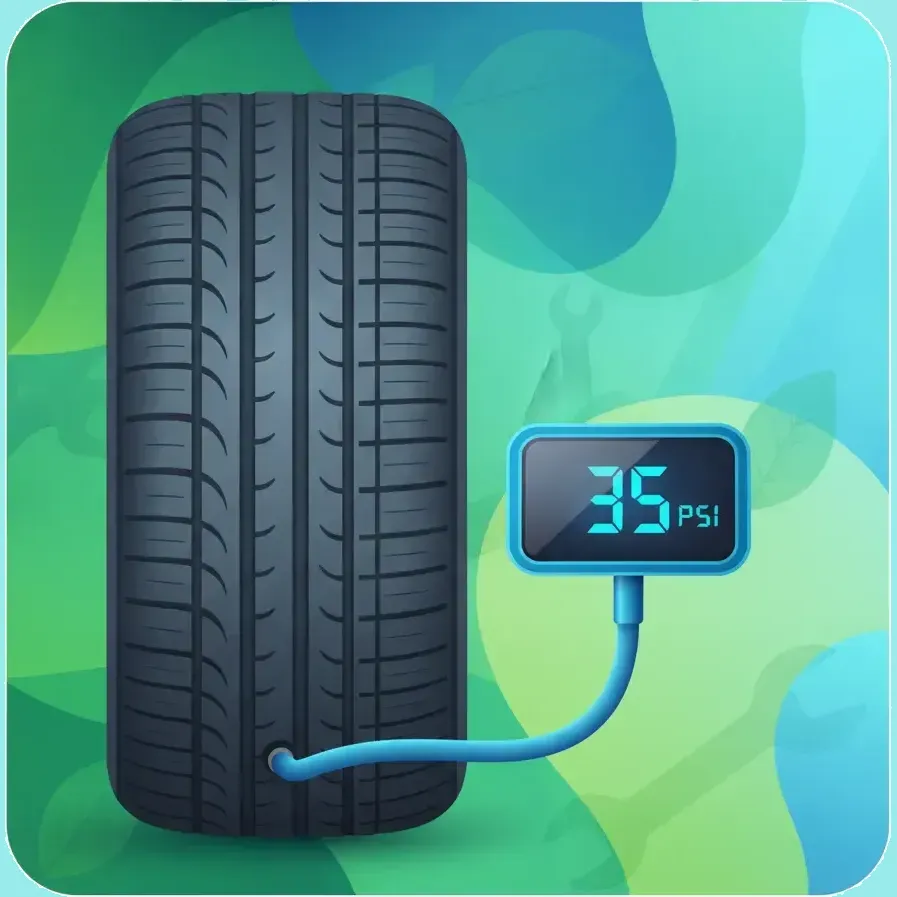
This lesson highlights the vital role tyres play in vehicle safety. It explains how to conduct regular checks on tyre pressure and tread depth, and how incorrect values can compromise grip, braking efficiency, and overall handling. You will also learn the legal minimum requirements for tyres in Denmark to ensure your vehicle is always compliant and safe.

This lesson focuses on the specific challenges of riding in darkness. It explains the legal requirements and proper use of high and low beam headlights to see and be seen. The importance of wearing reflective clothing and ensuring all vehicle lights and reflectors are functioning is strongly emphasized.

This lesson outlines the mandatory daily pre-trip inspection for passenger vehicles as required by Danish law. It provides a systematic checklist for examining brakes, lights, tires, mirrors, and emergency equipment to confirm the vehicle's roadworthiness. Following these procedures helps drivers identify and report potential mechanical faults before they can compromise passenger or public safety.

This lesson explores the critical relationship between tyres, road surface, and grip. It explains how rain, ice, gravel, and even painted road markings can reduce traction and increase risk. Learners will understand the importance of having correct tyre pressure and adequate tread depth to maintain control.
This lesson details how to adapt riding techniques for rain and wind. It explains how wet surfaces reduce tyre grip and increase braking distances, requiring smoother control inputs and lower speeds. The content also provides strategies for managing the force of strong crosswinds on a small vehicle.
Find clear answers to common questions learners have about Vehicle Condition: Tyres, Brakes, and Maintenance. Learn how the lesson is structured, which driving theory objectives it supports, and how it fits into the overall learning path of units and curriculum progression in Denmark. These explanations help you understand key concepts, lesson flow, and exam focused study goals.
Tyres are the only contact point between your knallert and the road. Checking pressure and tread depth ensures you maintain grip, especially on wet or uneven Danish road surfaces, preventing skidding and reducing braking distance.
You should check that the levers feel firm and not 'spongy' when squeezed, and that the bike comes to a controlled stop without any grinding noises. Regular checks ensure that pads are not worn down beyond their effective life.
Yes, your stor knallert must have a working headlight, taillight, and reflectors that are clean and visible. These are legally required to ensure you are seen by other road users, especially in low light or urban traffic.
The theory exam focuses on your responsibility as a rider to identify when a vehicle is not roadworthy. You need to know how to perform basic checks to determine if the vehicle is safe to ride or requires professional servicing.
Use our powerful search tool to pinpoint specific Danish driving theory topics, road signs, or traffic situations you need to review. Start exploring relevant practice sets now to reinforce your knowledge and build confidence for your upcoming driving licence exam.