
This lesson guides you through the physics and practical techniques of safe braking on your moped or light scooter. You will learn to calculate total stopping distances and understand how speed and surface conditions influence your ability to stop safely in Austrian traffic.
Lesson content overview
Developing proficient braking skills is fundamental for every rider holding an AM license in Austria. It is a critical component of safe riding for mopeds, small scooters, and light quadricycles, directly influencing your ability to prevent collisions and navigate traffic safely. This comprehensive lesson delves into the correct braking techniques, explains how to calculate total stopping distances, and provides essential guidance for adjusting your braking in various road and weather conditions.
A thorough understanding of how your vehicle stops and how to maximize braking efficiency while maintaining stability is not just about passing your theoretical exam; it's about ensuring your safety and the safety of others on Austrian roads.
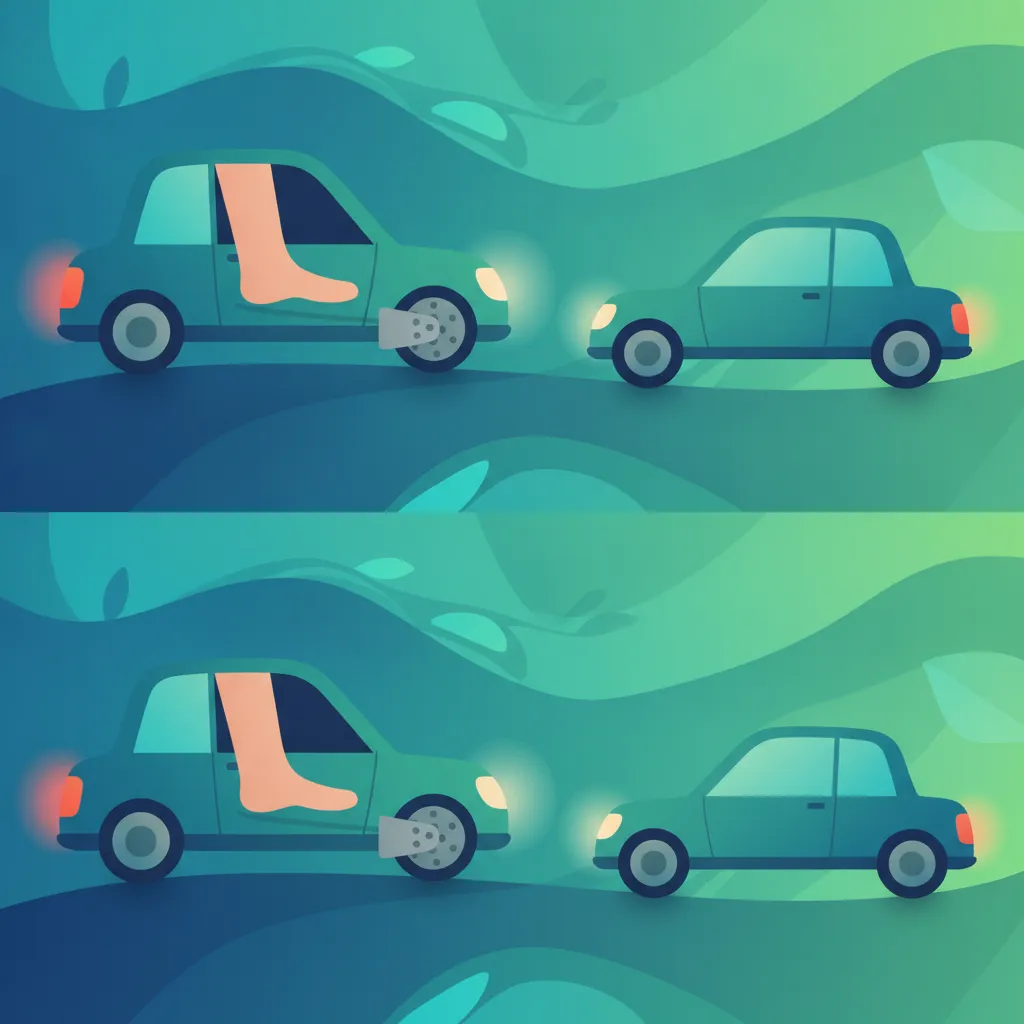
When you need to stop your AM vehicle, the process isn't instantaneous. It involves a sequence of events that can be divided into two main phases: the perception–reaction phase and the braking phase. The total distance covered during these two phases is known as the total stopping distance. Neglecting either of these components can lead to a severe underestimation of the space required to bring your vehicle to a complete halt, significantly increasing the risk of an accident.
Understanding the underlying physics and human factors is crucial for making informed decisions about speed and following distance. Austrian traffic law (StVO) requires all riders to maintain a safe following distance that accounts for these factors.
The perception–reaction time is the interval from when a rider first detects a hazard to the moment they begin to apply the brakes. This phase is entirely human-dependent and involves two sub-processes:
During this phase, your AM vehicle continues to travel at its current speed, covering a significant distance before any deceleration begins. For an average rider, this time is approximately 1.5 seconds, though it can vary based on factors like fatigue, distraction, experience, and the complexity of the hazard. Underestimating this delay is a common mistake and can lead to dangerous situations.
Always factor in your perception-reaction time when judging safe following distances. Even a short delay can mean many meters traveled before you even touch the brakes.
The braking distance is the distance your AM vehicle travels from the moment you apply the brakes until it comes to a complete stop. Unlike the perception–reaction phase, this distance is primarily governed by the physics of the vehicle and the road conditions.
Several critical factors influence braking distance:
Effective braking during this phase requires skillful use of both front and rear brakes, adjusting to the prevailing road conditions to achieve maximum deceleration without losing control.
Combining these two phases gives us the total stopping distance. This is the absolute minimum distance your AM vehicle needs to come to a complete stop from a given speed, under specific conditions.
The formula for total stopping distance is:
Total Stopping Distance = Perception–Reaction Distance + Braking Distance
Where:
Let's break down the components and their practical meaning:
The total distance a vehicle travels from the moment a hazard is perceived until it comes to a complete stop. It is the sum of the perception-reaction distance and the braking distance.
Example: Imagine you are riding your moped at 50 km/h on a dry asphalt road (where µ ≈ 0.8) and a hazard appears.
Perception–Reaction Distance: At 50 km/h, in 1.5 seconds, you travel: (50 km/h * 1000 m/km) / 3600 s/h * 1.5 s ≈ 20.8 meters. (A quick estimation rule for reaction distance in meters: speed in km/h / 10 * 3. So, 50 / 10 * 3 = 15 meters, which is a common rule-of-thumb but often underestimates slightly)
Braking Distance: (50²) / (254 × 0.8) = 2500 / 203.2 ≈ 12.3 meters.
Total Stopping Distance: 20.8 meters (perception-reaction) + 12.3 meters (braking) ≈ 33.1 meters.
This calculation highlights why maintaining an adequate following distance, especially at higher speeds, is non-negotiable. Many riders underestimate the total distance required, thinking only of the braking phase.
Effective braking on an AM vehicle, whether a moped or a light quadricycle, is a skill that requires practice and understanding of your vehicle's dynamics. Unlike cars, two-wheeled vehicles are more prone to instability during heavy braking, making proper technique even more crucial.
During deceleration, the vehicle's weight shifts forward. This phenomenon, known as weight transfer, significantly increases the load on the front wheel and reduces the load on the rear wheel.
For most AM vehicles on dry pavement, a general guideline is to apply approximately 70% of the braking force to the front wheel and 30% to the rear wheel. This distribution maximizes deceleration while maintaining control. However, this ratio can change dramatically based on surface conditions and vehicle load.
Progressive braking is a crucial technique for AM vehicle riders that allows for maximum deceleration while preventing wheel lock-up and maintaining stability. It involves gradually increasing brake pressure rather than applying full force immediately.
Initiate Gently with Rear Brake: Begin with a light, smooth application of the rear brake. This helps settle the vehicle, slightly shifts weight forward, and prepares the chassis for more significant braking.
Smoothly Add Front Brake: As the weight transfers forward, gradually increase pressure on the front brake lever. The key is smoothness and progression. Avoid grabbing the brake sharply.
Increase Pressure Steadily: Continue to increase pressure on both brakes, with a higher proportion on the front, until you achieve the desired deceleration. You should feel the vehicle's front suspension compress.
Modulate for Traction: Pay attention to how the tires feel. If you sense a wheel is about to lock up (a slight shudder or loss of responsiveness), momentarily ease the pressure slightly, then reapply progressively.
Release Smoothly: As you come to a stop or ease off the brakes, release the pressure smoothly to avoid a sudden rebound of the suspension.
On wet or slippery surfaces, progressive braking is even more critical. It allows you to feel the available traction and adjust your braking force before a skid occurs.
Many modern AM vehicles are equipped with an Anti-lock Braking System (ABS). This electronic system is designed to prevent the wheels from locking up during hard braking, especially on slippery surfaces.
How ABS Works: If a wheel is about to lock, ABS rapidly modulates the brake pressure to that wheel, releasing and reapplying it many times per second. This allows the wheel to continue rotating, maintaining traction and enabling the rider to steer while braking.
If your AM vehicle has ABS, do not try to "pump" the brakes manually. Let the system do its job. Apply steady, firm pressure to the brake levers, and you may feel a pulsing sensation, which is normal as the ABS engages.
ABS significantly enhances safety, particularly for emergency braking maneuvers and on low-friction surfaces. Riders should understand that ABS is a safety net, not an excuse for reckless riding or neglecting proper braking technique.
The effectiveness of your braking is highly dependent on the environment. Riders must constantly assess conditions and adjust their braking technique and following distance accordingly.
The friction coefficient (µ) is a dimensionless number that describes the maximum grip available between your tires and the road surface. A higher µ means more grip and allows for harder braking and shorter stopping distances. Conversely, a lower µ means less grip, longer stopping distances, and a higher risk of skidding.
Common approximations for µ:
Understanding these variations is critical. What constitutes safe braking on a dry road can be disastrous on a wet or icy one.
Wet roads, especially after the first rain following a dry spell (which brings oil and debris to the surface), present a significant challenge. The water acts as a lubricant, drastically reducing the friction coefficient.
When braking on wet or slippery surfaces:
Manhole covers, painted road markings, metal gratings, and fallen leaves become extremely slippery when wet. Avoid braking on these surfaces whenever possible.
The load carried by your AM vehicle, including passengers, cargo, and even fuel levels, affects its weight distribution and, consequently, its braking characteristics.
Always adjust your braking technique to account for changes in load. A vehicle that handles predictably when unloaded might react very differently with a passenger or heavy cargo.
Austrian road traffic law (Straßenverkehrsordnung – StVO) places clear obligations on riders regarding braking and maintaining control of their vehicles. These regulations are designed to ensure safety for all road users.
One of the most critical safety rules in Austrian traffic law is to maintain a safe following distance. Section 22 of the StVO requires drivers to keep sufficient distance to the vehicle ahead to stop safely without colliding if the vehicle in front stops abruptly.
The minimum distance a rider must maintain from the vehicle ahead to be able to stop safely without colliding, accounting for perception-reaction time and braking distance.
Being aware of common errors can help riders improve their braking technique and reduce accident risk.
Rear-Wheel Skidding on Wet Surface:
Insufficient Following Distance:
Using Only One Brake:
Braking Abruptly (Slamming Brakes):
Braking While Turning:
While basic braking techniques are essential, certain situations demand specific adaptations to ensure safety.
Cornering and braking simultaneously demand very high levels of tire grip. When an AM vehicle is leaned into a turn, a significant portion of the available tire grip is used for cornering forces. Applying brakes, especially heavily, reduces the grip available for cornering, which can lead to a loss of traction.
Pedestrians, cyclists, and other motorcyclists are Vulnerable Road Users (VRUs). When braking near them, extra caution is necessary.
The principles of braking are deeply rooted in physics and human psychology.
Regular practice of emergency braking in a safe, controlled environment can dramatically improve your confidence and ability to react effectively in real-world situations.
Mastering braking techniques is essential for safe riding within the Austrian AM Driving Theory curriculum.
This lesson covers the essential physics and practical techniques for safe braking on AM vehicles in Austria. You learned that stopping involves a perception-reaction phase (about 1.5 seconds) followed by a braking phase, with total distance calculated using the formula Speed² / (254 × µ). Weight transfer during deceleration makes the front brake the primary stopping tool, though both brakes should be used progressively in coordination. Road surface conditions dramatically affect the friction coefficient, with wet or icy surfaces requiring significant speed reduction and gentler braking. Austrian traffic law (StVO) mandates using both brakes and maintaining adequate following distances, making these skills essential for both exam success and real-world safety.
A short set of high-value points that capture the most important learning from this lesson.
Stopping your AM vehicle involves two distinct phases: perception-reaction (human-dependent, ~1.5 seconds) and braking (physics-dependent), which together form total stopping distance.
Weight transfer during deceleration shifts load to the front wheel, making the front brake the primary stopping tool providing 70-80% of braking force.
Braking distance increases quadratically with speed, meaning doubling your speed quadruples your braking distance, not just doubling it.
The friction coefficient (µ) between tires and road surface determines grip; dry asphalt (~0.8) offers roughly twice the grip of wet asphalt (~0.4-0.5).
Progressive braking technique—gentle rear brake first, then smoothly increasing front brake pressure—prevents wheel lock-up and maintains stability.
Explore all units and lessons included in this driving theory course.
Formula context: Total stopping distance = perception-reaction distance + braking distance, where braking distance = (Speed²) / (254 × µ).
Use both front and rear brakes in coordination; front brake provides most stopping power while rear brake stabilizes the vehicle.
Wet surfaces, manhole covers, painted markings, and metal gratings dramatically reduce traction and require gentler, more progressive braking.
Maintain at least a 2-second following gap in good conditions, extending to 3+ seconds on wet, icy, or low-grip surfaces.
Brake before entering a corner while the vehicle is upright; braking mid-corner uses tire grip needed for turning and risks skidding.
Applying excessive rear brake pressure on wet surfaces, causing rear-wheel lock-up and loss of control.
Following other vehicles too closely without accounting for perception-reaction time and increased braking distance.
Using only one brake (front or rear) instead of coordinated front-rear braking, which reduces effectiveness and stability.
Grabbing brakes abruptly instead of progressive application, especially on low-traction surfaces where sudden pressure causes skidding.
Attempting heavy braking while leaned into a corner, which overloads tire grip and typically causes the vehicle to run wide or skid.
Lesson content overview
A short set of high-value points that capture the most important learning from this lesson.
Stopping your AM vehicle involves two distinct phases: perception-reaction (human-dependent, ~1.5 seconds) and braking (physics-dependent), which together form total stopping distance.
Weight transfer during deceleration shifts load to the front wheel, making the front brake the primary stopping tool providing 70-80% of braking force.
Braking distance increases quadratically with speed, meaning doubling your speed quadruples your braking distance, not just doubling it.
The friction coefficient (µ) between tires and road surface determines grip; dry asphalt (~0.8) offers roughly twice the grip of wet asphalt (~0.4-0.5).
Progressive braking technique—gentle rear brake first, then smoothly increasing front brake pressure—prevents wheel lock-up and maintains stability.
Explore all units and lessons included in this driving theory course.
Formula context: Total stopping distance = perception-reaction distance + braking distance, where braking distance = (Speed²) / (254 × µ).
Use both front and rear brakes in coordination; front brake provides most stopping power while rear brake stabilizes the vehicle.
Wet surfaces, manhole covers, painted markings, and metal gratings dramatically reduce traction and require gentler, more progressive braking.
Maintain at least a 2-second following gap in good conditions, extending to 3+ seconds on wet, icy, or low-grip surfaces.
Brake before entering a corner while the vehicle is upright; braking mid-corner uses tire grip needed for turning and risks skidding.
Applying excessive rear brake pressure on wet surfaces, causing rear-wheel lock-up and loss of control.
Following other vehicles too closely without accounting for perception-reaction time and increased braking distance.
Using only one brake (front or rear) instead of coordinated front-rear braking, which reduces effectiveness and stability.
Grabbing brakes abruptly instead of progressive application, especially on low-traction surfaces where sudden pressure causes skidding.
Attempting heavy braking while leaned into a corner, which overloads tire grip and typically causes the vehicle to run wide or skid.
Explore search topics learners often look for when studying Braking Techniques and Stopping Distances. These topics reflect common questions about road rules, driving situations, safety guidance, and lesson level theory preparation for learners in Austria.
Browse additional driving theory lessons that cover connected traffic rules, road signs, and common driving situations related to this topic. Improve your understanding of how different rules interact across everyday traffic scenarios.
Learn how to adjust your braking technique for reduced traction on wet, icy, or gravel surfaces. This lesson covers critical speed reductions, safe following distances, and progressive braking to maintain control on challenging Austrian roads.

This lesson equips drivers with the knowledge to handle a range of adverse weather conditions safely. It explains the risks of hydroplaning in heavy rain, reduced visibility in fog, and loss of traction on snow and ice, including the hidden danger of black ice. The content provides practical strategies for speed adaptation, correct use of lighting, and maintaining vehicle control, as well as specific considerations for night driving.

This lesson focuses on adapting driving techniques for hazardous weather conditions. It details the legal requirements for winter tires and the proper use of snow chains in Austria. Additionally, it covers safe driving practices in low visibility conditions like fog, such as reducing speed and using appropriate lights.
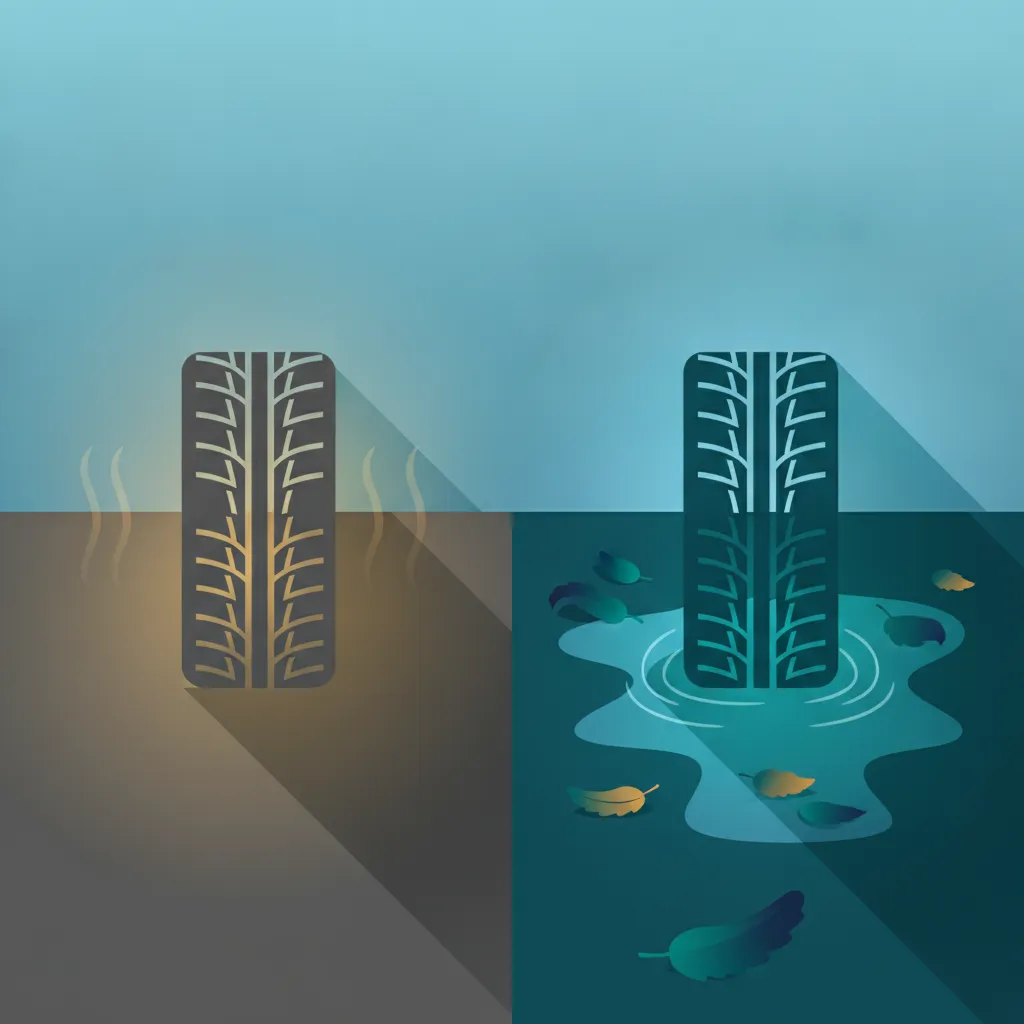
This lesson explores the critical relationship between tire grip and different road surfaces. It provides strategies for identifying and navigating hazards such as wet leaves, gravel, and potential black ice. The importance of maintaining correct tire pressure and monitoring tread wear for optimal traction is also emphasized.
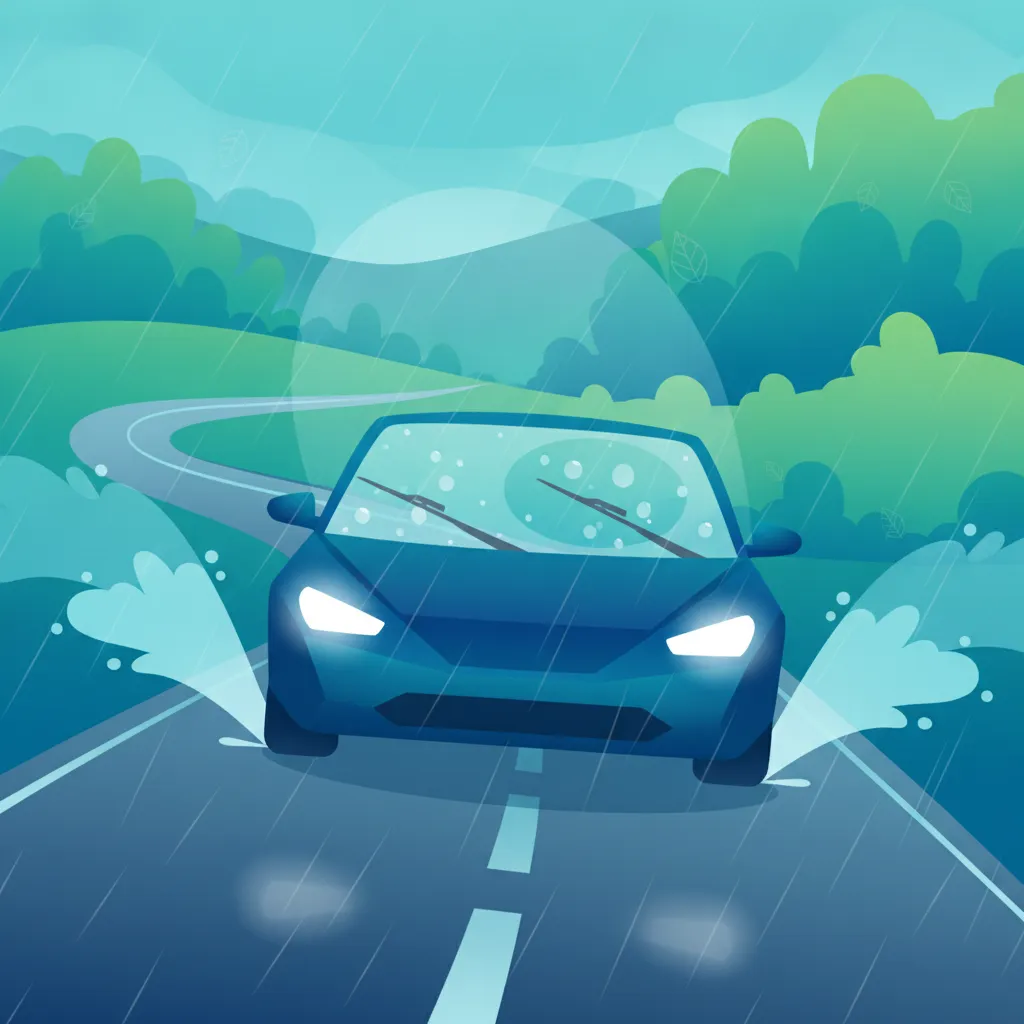
This lesson examines how adverse weather directly affects motorcycle safety. It explains how water on the road reduces tyre grip, increasing braking distances and the risk of aquaplaning. Strategies for riding in fog, dealing with reduced visibility from road spray, and identifying potential ice patches are covered to help riders manage weather-related risks.

This lesson addresses the complex skill of braking while the motorcycle is leaned over in a corner or on low-traction surfaces. It introduces the concept of trail braking to adjust speed and tighten a cornering line, and provides strategies for gentle brake application on wet or loose surfaces. Mastering these techniques requires a delicate touch and a deep understanding of traction limits.

This lesson focuses on strategies for riding safely in conditions of poor visibility, such as rain, fog, and low sun glare. It explains how to use lights effectively, increase following distances, and moderate speed to maintain control. The content also addresses braking techniques on wet surfaces to prevent skidding and hydroplaning.

This lesson provides guidance on tailoring riding practices to the season. For colder months, it emphasizes the importance of layered clothing and awareness of icy patches, especially in shaded areas. For spring, it highlights hazards like leftover road salt and gravel from winter maintenance, as well as slippery wet leaves, requiring heightened caution.
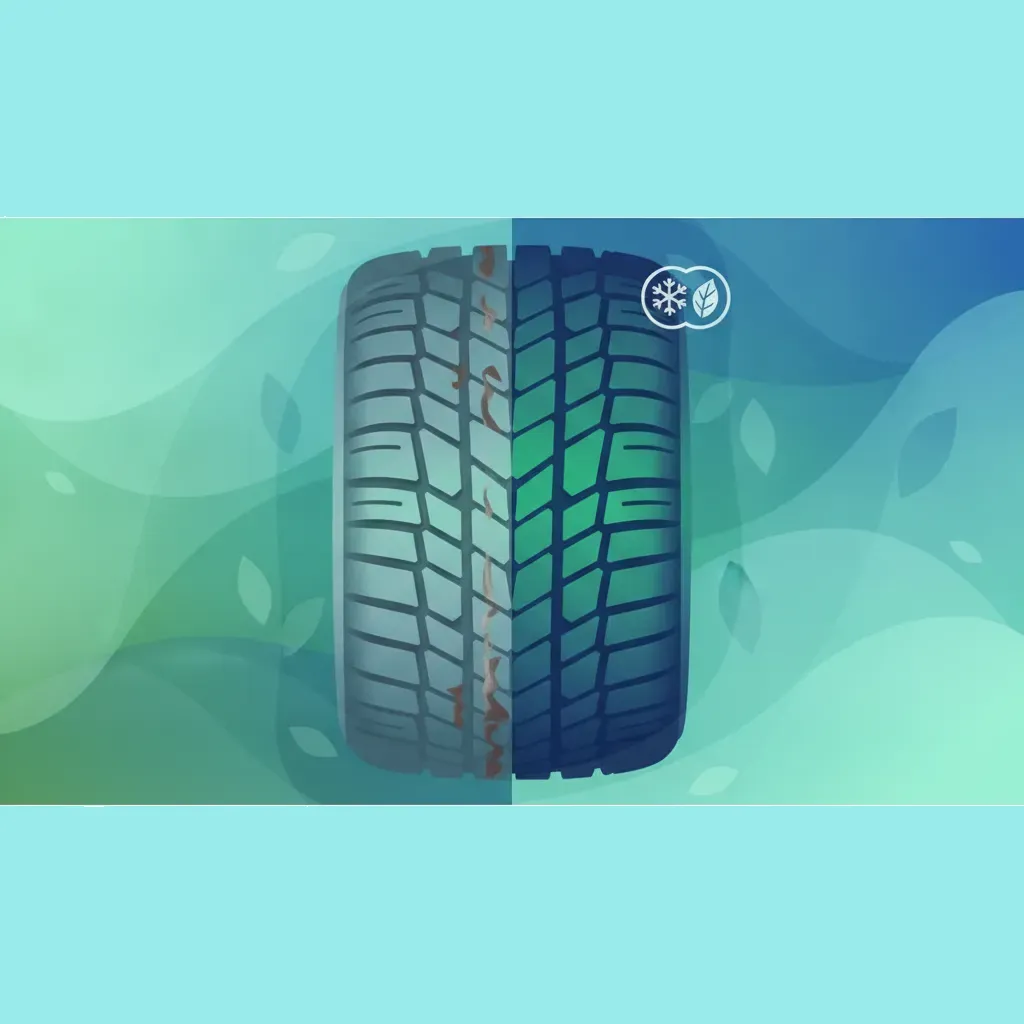
This lesson details the critical role tyres play in vehicle safety, focusing on Austrian regulations for seasonal use. Learners will understand the mandatory period for winter tyres, the legal minimum for tread depth, and the importance of maintaining correct tyre pressure for optimal grip and fuel efficiency. The content explains how tyre condition directly affects braking distance and the risk of aquaplaning, making it a key safety component.

This lesson provides practical information on the use of winter equipment for AM vehicles. It explains the legal requirements for winter tires and snow chains in Austria under specific conditions. The content includes guidance on how to correctly install and remove snow chains to ensure they are effective and safe.

Adverse weather demands a significant adjustment in driving technique. This lesson explains the dangers of aquaplaning in heavy rain, the need for drastically reduced speed in fog, and how to anticipate and correct for the effects of strong crosswinds on a high-sided vehicle. It reinforces the importance of increasing following distances and using appropriate lighting to see and be seen.
Explore the physics behind total stopping distance, including perception-reaction time and braking distance calculation. Understand how speed, friction, and vehicle load affect how quickly your AM vehicle stops on Austrian roads.

This lesson explains the various factors that determine the total stopping distance of a heavy vehicle. It covers the effects of speed, vehicle weight, road conditions, and driver reaction time. Understanding these variables helps drivers to maintain a safe following distance and anticipate how much space is needed to stop.
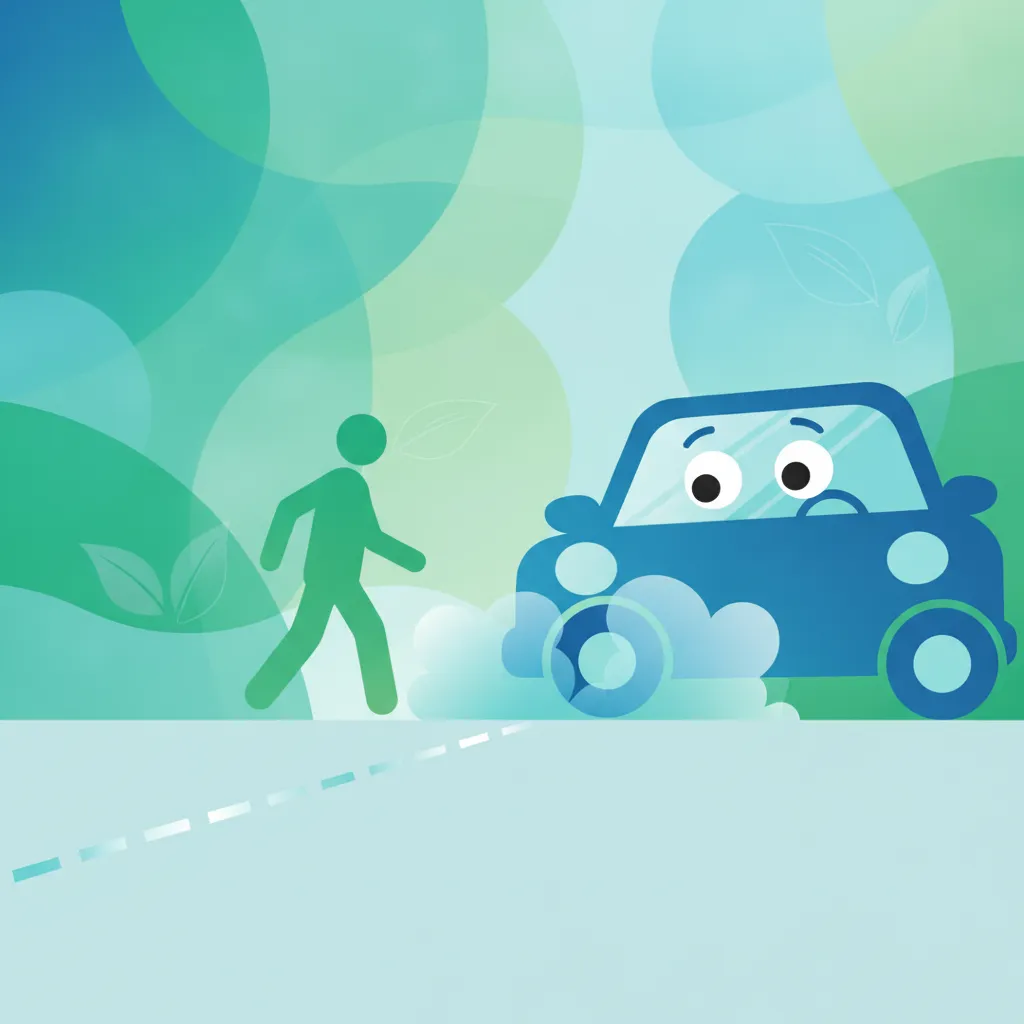
This lesson breaks down the concept of total stopping distance into its two key components: reaction distance and braking distance. Learners will understand how factors like vehicle speed, driver perception-reaction time, and road surface conditions (e.g., wet or icy) dramatically influence how long it takes to bring a vehicle to a complete stop. This knowledge is crucial for making safe speed choices and maintaining an adequate buffer for hazard avoidance.
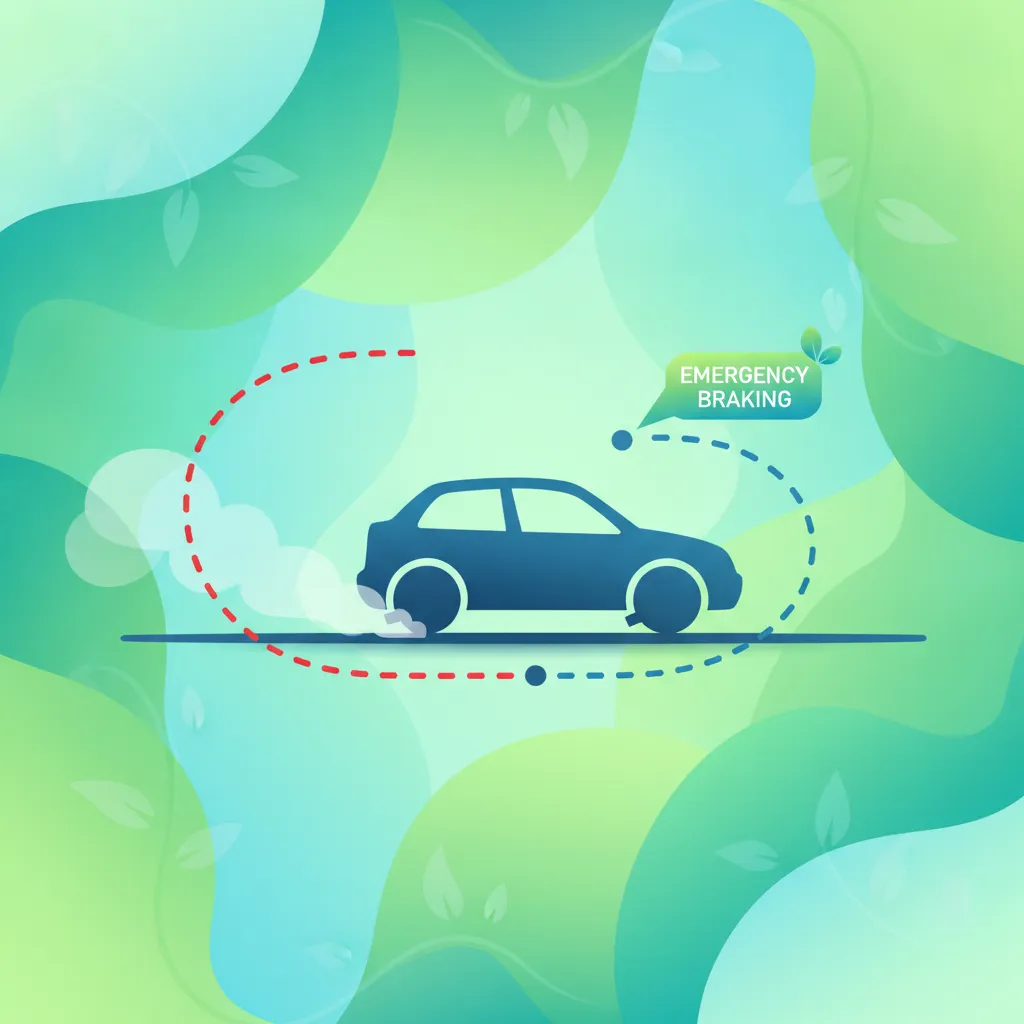
This lesson provides a step-by-step guide to executing an emergency stop safely. It teaches riders how to apply firm, progressive pressure to both brakes to achieve the shortest possible stopping distance without locking the wheels. The role of ABS in these situations is also explained, highlighting how it assists the rider in maintaining steering control under maximum braking.
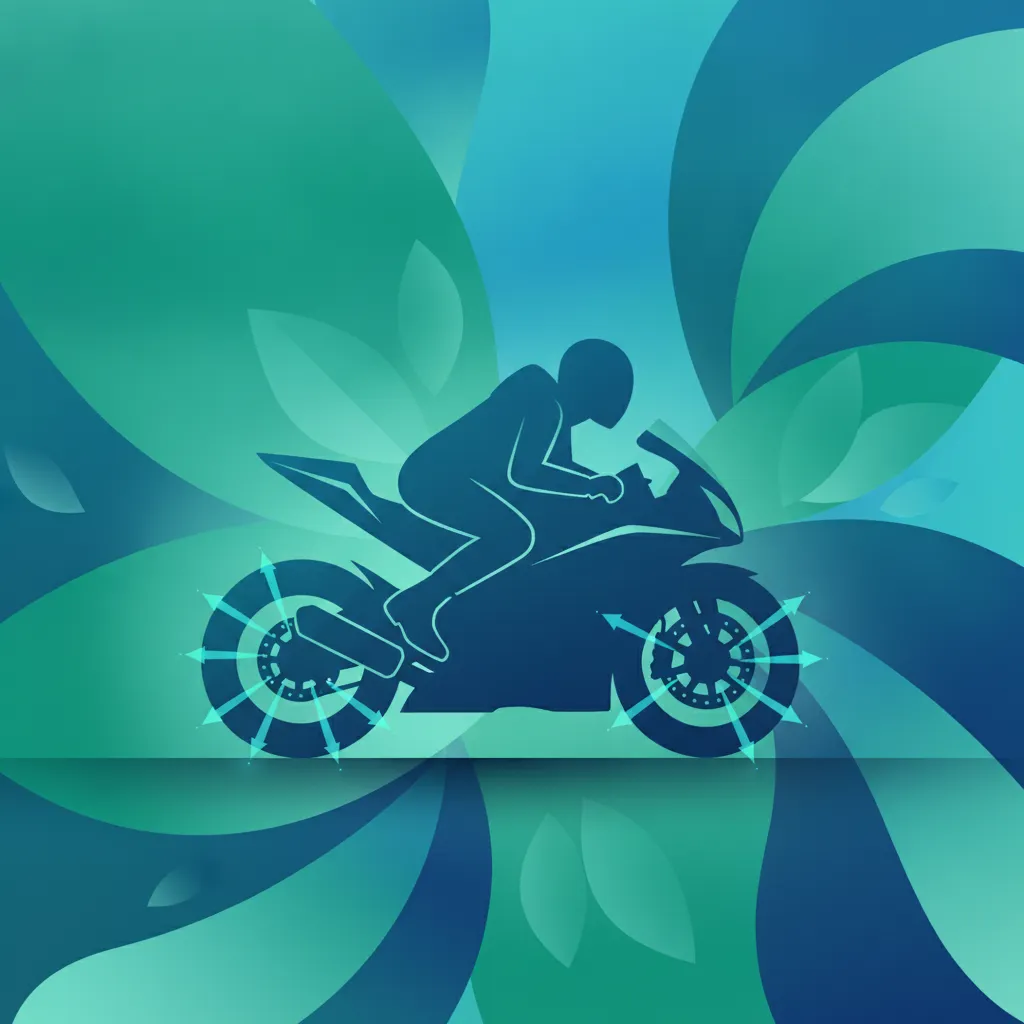
This lesson explains the physics behind motorcycle braking, detailing why the front brake is responsible for the majority of stopping force due to forward weight transfer. It introduces the concept of progressive brake application to manage this weight shift and maximize tyre grip without locking a wheel. Understanding these core principles is the foundation for developing smooth and effective braking skills.
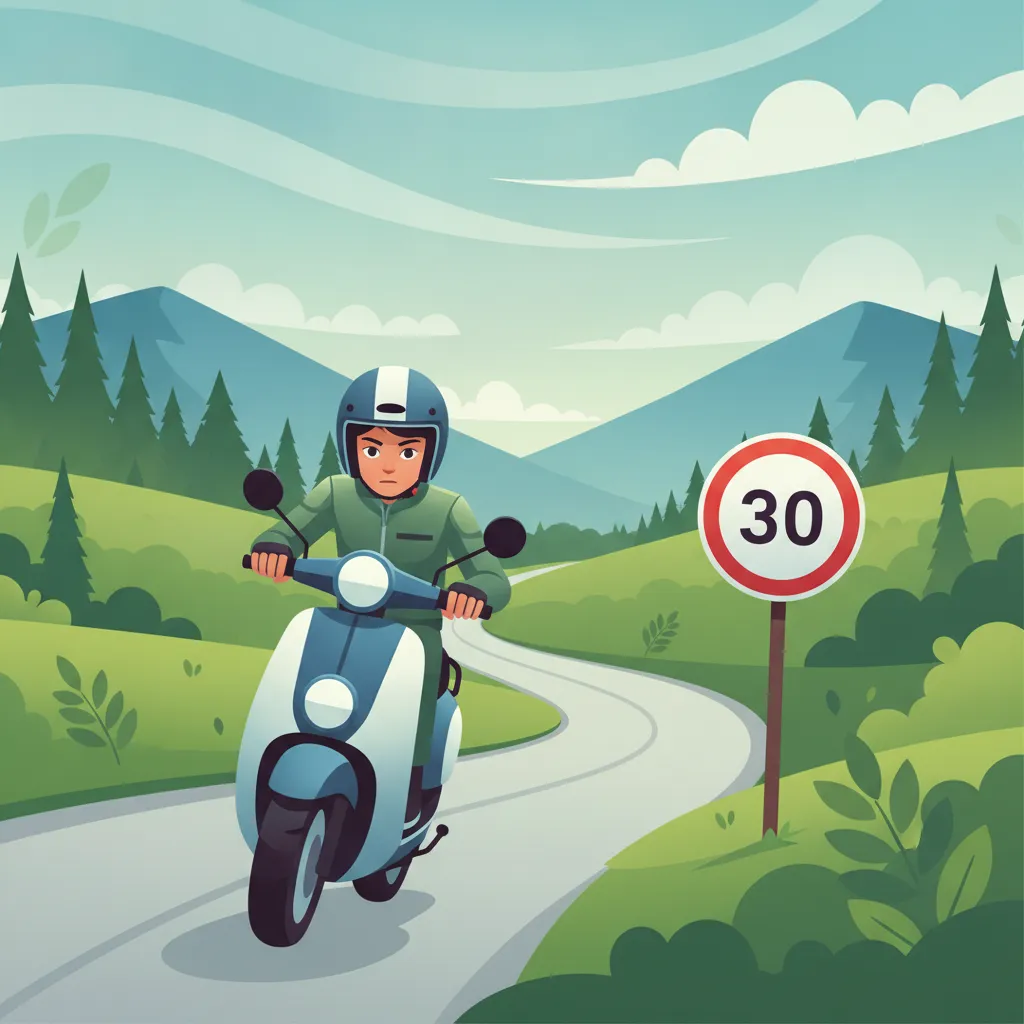
This lesson outlines the legal speed limits for Category AM vehicles in Austria, covering urban, residential, and rural areas. It explains how to identify different speed zones through signage and the importance of adjusting speed based on traffic, weather, and road conditions. Adherence to these limits is a fundamental aspect of both legal compliance and safety.
This lesson focuses on the art of coordinating the front and rear brakes to achieve stable and efficient deceleration. It explains how the ideal balance changes depending on speed, road surface, and whether the bike is traveling in a straight line or a curve. Proper brake balance enhances control, shortens stopping distances, and provides a smoother riding experience.

This lesson explains the importance of maintaining a safe following distance to prevent rear-end collisions. It introduces practical methods for judging a safe gap, such as the widely-used 'two-second rule,' and clarifies how this distance needs to be increased in adverse weather or poor visibility. The content emphasizes that an adequate buffer zone provides the necessary time and space to react and brake safely if the vehicle in front stops suddenly.

This lesson provides a clear overview of the legal penalties for traffic violations in Austria. It details the system of fines, demerit points, and the conditions that can lead to license suspension or revocation. Understanding these consequences reinforces the importance of lawful and responsible riding.
This lesson details the essential legal and administrative requirements for operating an AM vehicle in Austria. It covers the processes for vehicle registration, the obligation for licence plates, and the necessity of third-party liability insurance. Furthermore, it explains the importance of regular technical inspections to ensure the vehicle remains roadworthy and compliant with national standards.

This lesson explains how fatigue, alcohol, and drugs dangerously impair a rider's judgment, coordination, and reaction time. It specifies the legal blood alcohol concentration (BAC) limit for vehicle operators in Austria and describes the severe penalties for driving under the influence (DUI). The importance of being well-rested and completely sober before every ride is strongly emphasized.
Find clear answers to common questions learners have about Braking Techniques and Stopping Distances. Learn how the lesson is structured, which driving theory objectives it supports, and how it fits into the overall learning path of units and curriculum progression in Austria. These explanations help you understand key concepts, lesson flow, and exam focused study goals.
The theory exam frequently tests your understanding of the total stopping distance, which is the sum of these two. Knowing that reaction time is affected by your focus while braking distance is affected by speed and grip helps you answer complex hazard perception questions accurately.
Yes, for maximum efficiency and stability in almost all conditions, you should use both the front and rear brakes. Using only one can lead to skidding or significantly longer stopping distances, which is a common failure point in practical and theoretical understanding.
Austrian roads can change rapidly, such as moving from dry asphalt to wet tram tracks or patches of gravel. This lesson explains how to identify these surfaces and adjust your braking pressure early to avoid losing grip, a key concept for both your safety and exam success.
While the physical principles of stopping distances remain the same, the mechanical configuration differs. The AM theory test expects you to understand that vehicle type influences maneuverability during hard braking, which is a critical safety factor on urban roads.
Refine your study plan by searching for specific Austrian driving theory practice sets. Pinpoint questions related to particular road rules, signs, or challenge levels, and begin practicing immediately to reinforce your knowledge and excel in your official exam with confidence. Get started with focused revision today.