
Navigate Belgian roads with confidence by mastering the meaning of all essential road markings. This practice set from Belgian Driving License Theory helps you learn the rules for solid lines, broken lines, cyclist advance stop lines, and more, crucial for passing your official driving theory exam in Belgium.
This focused revision session covers Belgian road markings and the specific driver obligations associated with them, crucial for your theory test preparation. Practice identifying different line types and surface symbols to build confidence in applying these vital traffic rules correctly. Master this topic for effective driving theory practice.
This practice set focuses on understanding Belgian road markings (wegmarkering / marquage routier) and the specific actions drivers must take or avoid. It includes scenarios covering various line types and surface symbols, helping you confidently apply the rules required for the Belgian driving theory exam.
Preview sample questions from the Belgian Road Markings practice set to see how they help you prepare for the driving theory exam in Belgium.
Learners choose Belgian Road Markings to improve accuracy and understanding of key exam themes in Belgium. It offers realistic driving theory questions and targeted revision for effective preparation.
Find answers to the most common queries learners have when practising Belgian Road Markings, including how questions match the official theory exam in Belgium, how scoring works, and how this practice improves exam readiness.
In Belgium, a solid white line must not be crossed, whereas a broken white line may be crossed to overtake, turn left, make a U-turn, or change lanes, provided it's safe and not otherwise prohibited by other rules or signs.
A double solid white line means it is strictly forbidden for any driver to cross it from either side. These lines typically separate opposing traffic flows or indicate a dangerous section of the road where crossing is unsafe.
Yes, yellow road markings indicate parking and stopping prohibitions. A continuous yellow line along the edge of the roadway signifies a complete prohibition on stopping and parking. A broken yellow line prohibits parking but allows for brief stopping (e.g., to let passengers out).
A cyclist advance stop line is a designated area at traffic lights, marked by a bicycle symbol, where cyclists and moped riders can position themselves ahead of motor vehicles during a red light. Drivers of motor vehicles must stop behind the first stop line, before this box, even on a green light if there is a risk of blocking it, to allow cyclists to safely advance and turn, especially to prevent right-hook collisions.
No, directional arrows on the road surface indicate the required direction(s) for the lane you are in. At an intersection, you must follow one of the directions indicated by the arrows in your lane. Ignoring them is a traffic violation.
By completing Belgian Road Markings, you will gain stronger rule knowledge, faster recognition of signs and situations, better decision making in traffic scenarios, and increased accuracy on exam style questions used in Belgium. These outcomes directly support higher scoring exam performance.
Explore similar sets on Belgian road markings to solidify your grasp of driver obligations and traffic rules. Continued practice with related theory test questions enhances exam preparation and reinforces key concepts for your Belgian driving licence.
Don't get caught out: Master Belgian road marking rules for your exam.
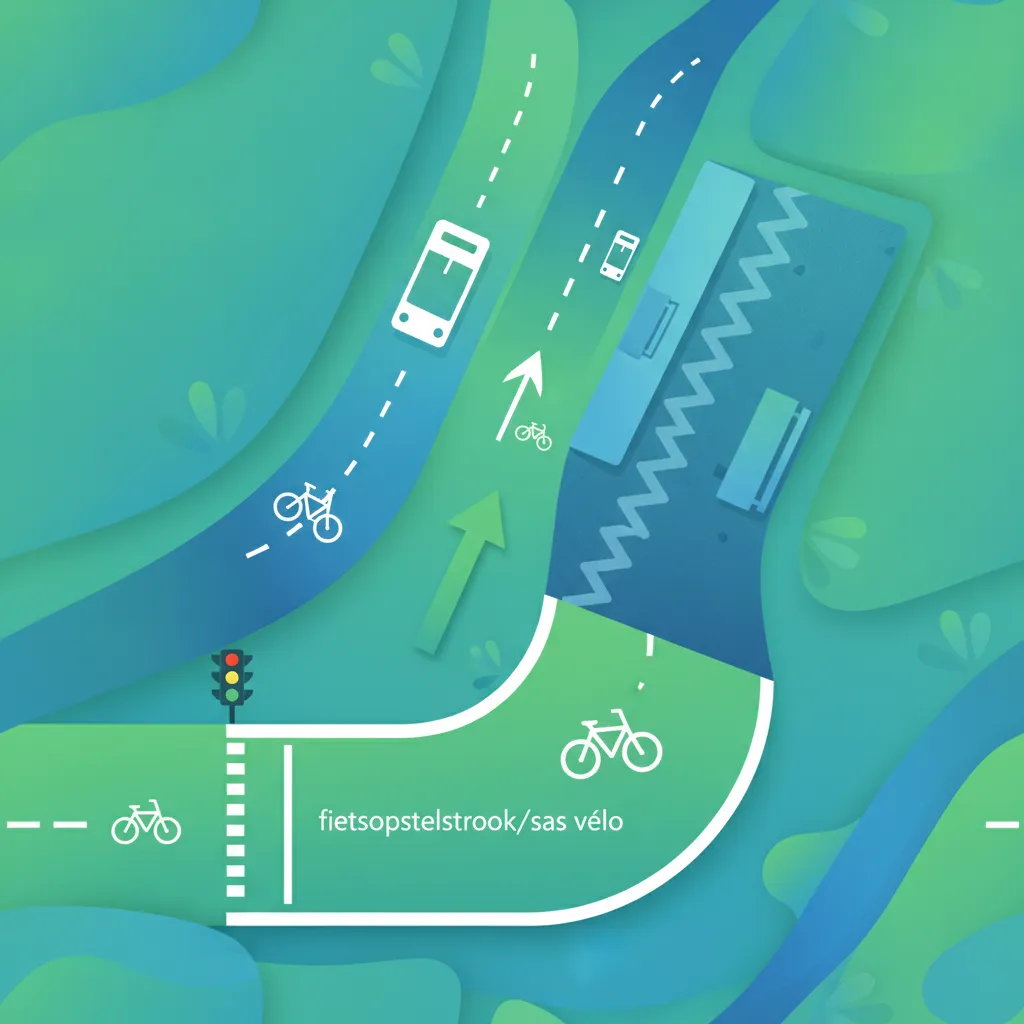
Master Belgian Road Markings for Cyclists and Buses: Crucial for Safe Urban Driving
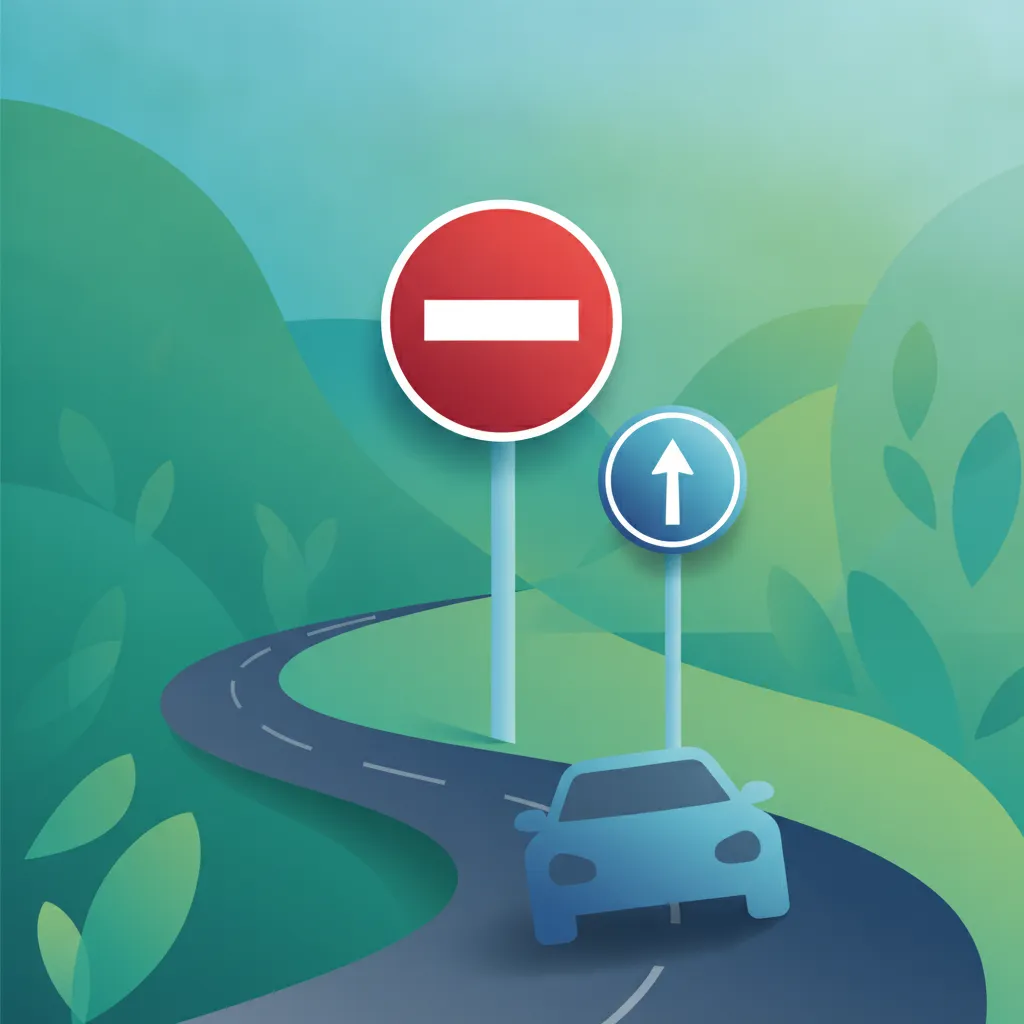
Understand Belgian Traffic Signs: What You MUST Do and What You CANNOT Do.
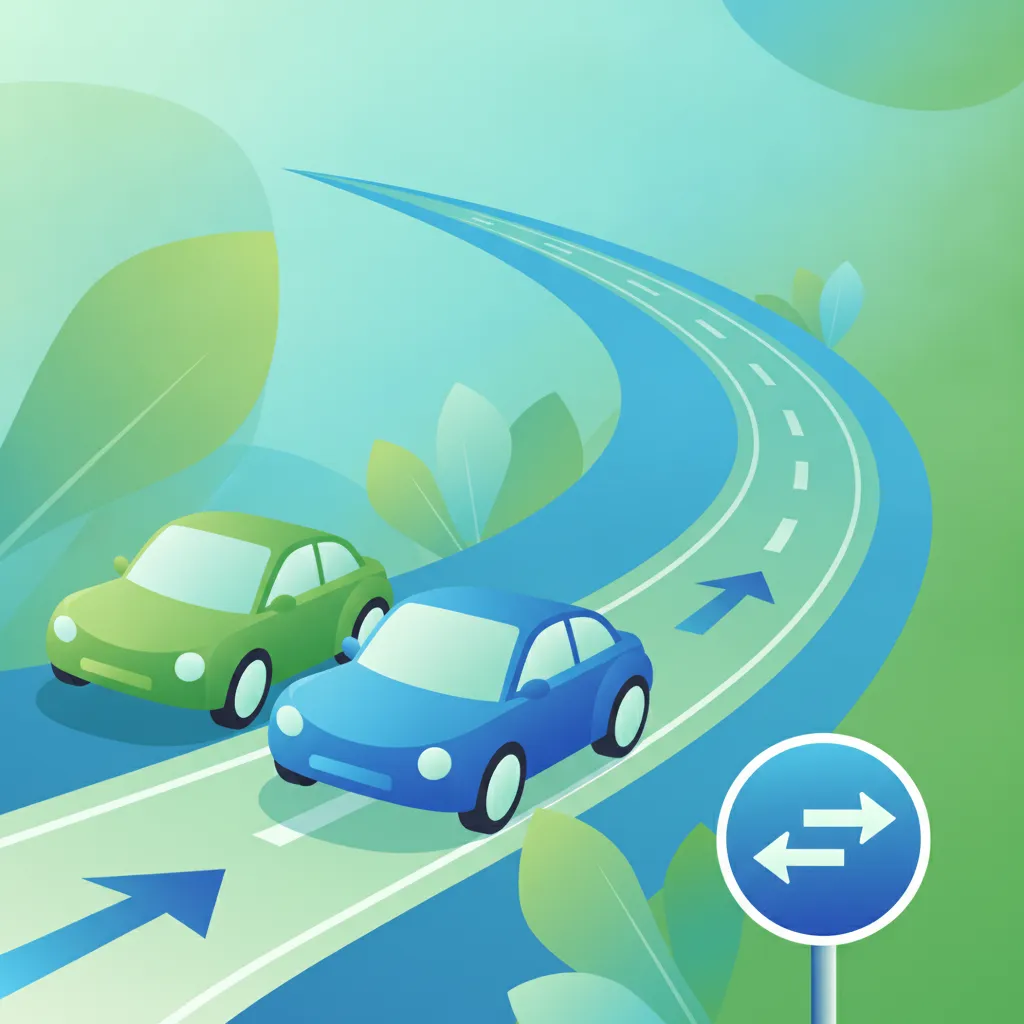
Overtake with Confidence: Navigate Belgian Roads Legally and Safely.
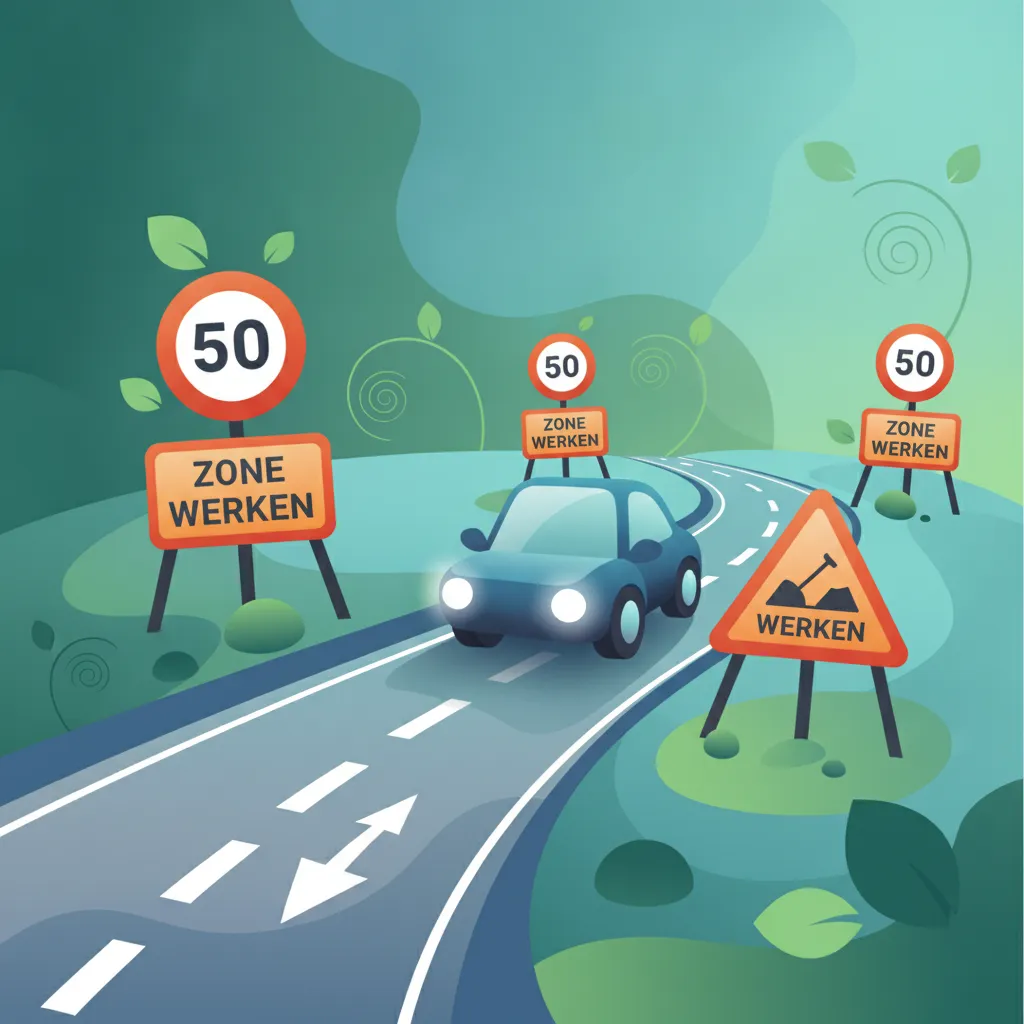
Master the specific rules of Belgian roadworks and avoid costly mistakes.

Avoid Fines and Master Belgian Stopping and Parking Rules for Your Exam!
Questions in Belgian Road Markings
Exam focused questionss
Belgian Road Markings offers quick, focused exam style practice to boost your Belgian knowledge for the driving theory exam in Belgium.
Belgian Road Markings helps learners in Belgium with clear explanations and targeted Belgian practice to improve essential driving theory topics.
This practice set is ideal for intermediate learners preparing for the Belgian driving theory exam who want to solidify their knowledge of road markings. It addresses common confusions and tricky situations, ensuring you can correctly interpret markings and make safe, lawful decisions on the road.
Explore more topics for the Belgian driving theory exam in Belgium.
Strengthen your Belgian driving theory knowledge by diving into targeted practice. Select any category from this overview to begin exercises immediately. Focus on areas where you need improvement, such as specific road signs, priority rules, or hazard perception, to build confidence for your official Belgian driving licence exam.
Explore Practice Categories