
Prepare for your Belgian driving license theory exam by mastering the critical distinctions between a 'road' (weg/route) and a 'path' (pad/chemin). This practice set from Belgian Driving License Theory clarifies how these classifications impact vehicle access, cyclist regulations, and specific rules like those for 'erftoegangswegen', ensuring you're fully prepared for the official test.
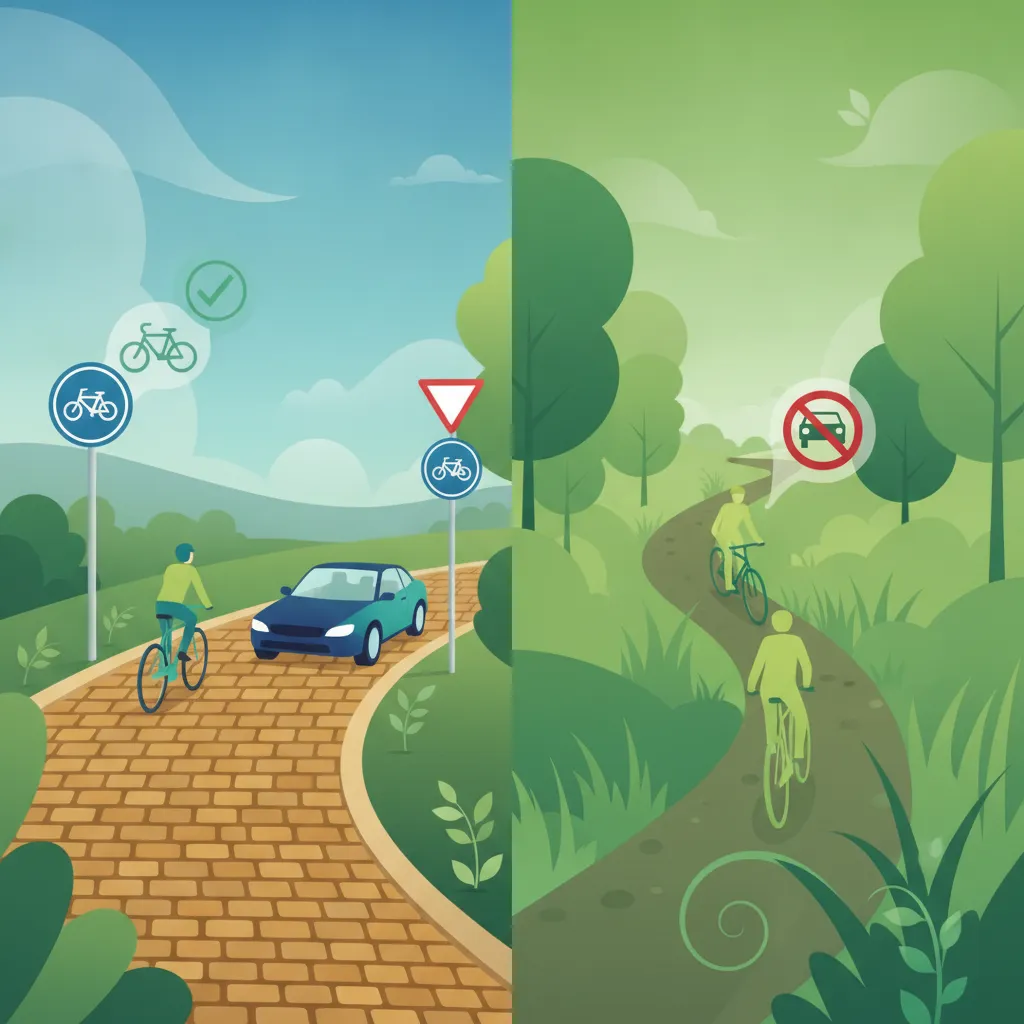
This practice set focuses on the critical Belgian legal distinctions between roads and paths, ensuring you grasp which vehicles are permitted where. Master essential rules for cyclists and understand unique concepts like 'erftoegangsweg' to excel in your exam preparation and build confidence for your theory test revision.
Navigate the complexities of Belgian traffic law by learning the precise definitions of roads and paths. This set covers which vehicles are permitted on each, the special rules for cyclists, and the unique characteristics of an 'erftoegangsweg' (access road), helping you avoid common exam pitfalls.
Preview sample questions from the Road vs. Path Rules practice set to see how they help you prepare for the driving theory exam in Belgium.
Learners choose Road vs. Path Rules to improve accuracy and understanding of key exam themes in Belgium. It offers realistic driving theory questions and targeted revision for effective preparation.
Find answers to the most common queries learners have when practising Road vs. Path Rules, including how questions match the official theory exam in Belgium, how scoring works, and how this practice improves exam readiness.
In Belgian traffic law, a 'road' (weg/route) is generally open to motor vehicles unless explicitly restricted by signs. A 'path' (pad/chemin) is primarily intended for non-motorised users, and motor vehicle access is only permitted if specifically indicated by signage.
Yes, motor vehicles can use a path, but only if specific traffic signs explicitly permit their access. Without such signage, paths are reserved for non-motorised users.
Cyclists are generally allowed to use paths, including cycle paths, unless a specific sign prohibits their use. Certain paths, like those reserved for pedestrians, cyclists, and agricultural vehicles (F99c), have a speed limit of 30 km/h.
An 'erftoegangsweg' (access road) is a special category of road in Belgium that functions as a shared space, often providing access to properties. In these areas, motorised vehicles must drive with extreme caution, and pedestrians and cyclists have more freedom of movement, though specific priority rules typically apply unless altered by signage.
The classification of a public way as a road or a path profoundly determines which traffic rules apply, including priority, speed limits, and permissible manoeuvres. Incorrectly identifying the type of road or path can lead to serious errors in applying the Belgian Highway Code.
By completing Road vs. Path Rules, you will gain stronger rule knowledge, faster recognition of signs and situations, better decision making in traffic scenarios, and increased accuracy on exam style questions used in Belgium. These outcomes directly support higher scoring exam performance.
Explore similar practice sets to solidify your knowledge of Belgian traffic rules and road distinctions. Sharpen your exam preparation by revisiting related topics and comparing different scenarios, ensuring you master the nuances for your theory test.

Navigate Belgian Cycling Infrastructure with Confidence and Ace Your Exam!
Master the Core Concepts of Belgian Traffic Law for Your Exam.

Master Belgian Cycling Rules to Drive Safely and Pass Your Exam
Don't misinterpret the lines: Ace Belgian road marking rules for your exam.

Protecting Those Most At Risk: Your Essential Duty as a Belgian Driver
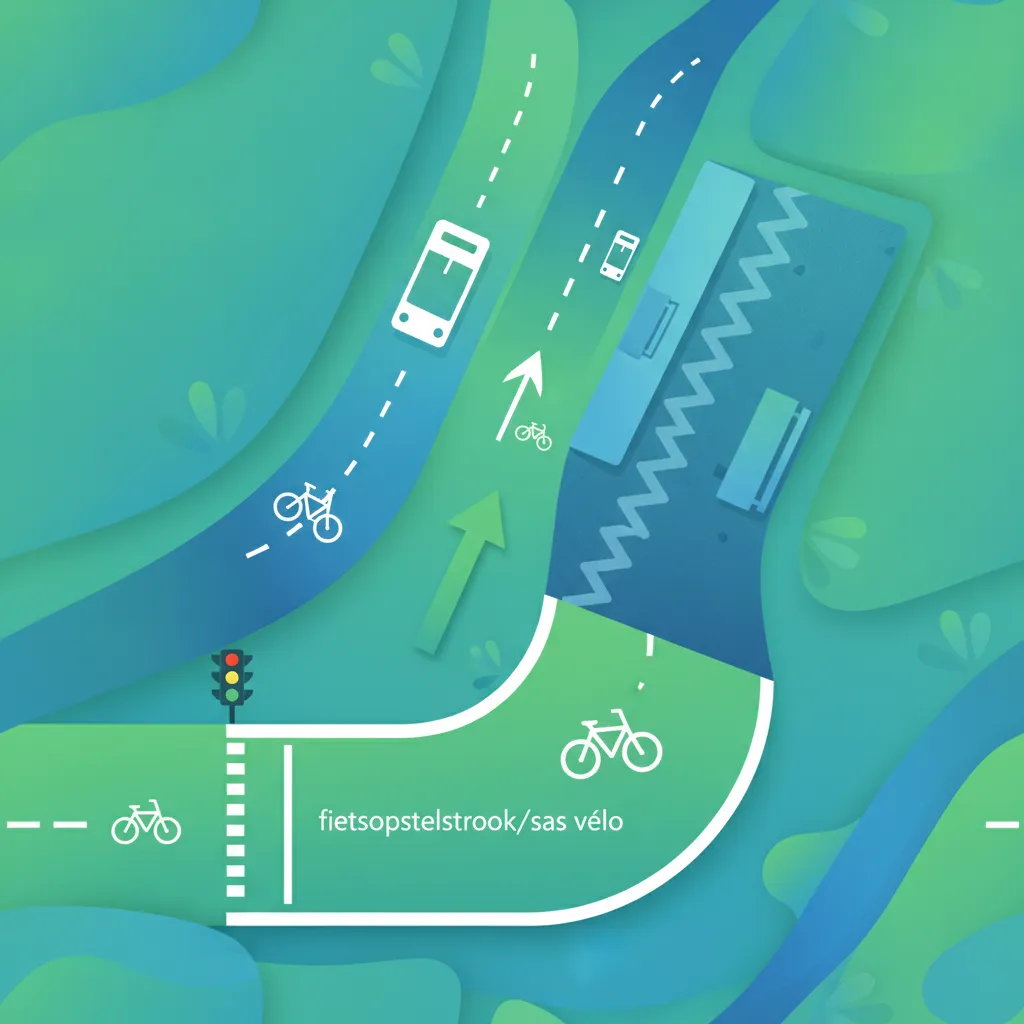
Master Belgian Road Markings for Cyclists and Buses: Crucial for Safe Urban Driving
Questions in Road vs. Path Rules
Exam focused questionss
Road vs. Path Rules offers quick, focused exam style practice to boost your Belgian knowledge for the driving theory exam in Belgium.
Road vs. Path Rules helps learners in Belgium with clear explanations and targeted Belgian practice to improve essential driving theory topics.
This practice set is ideal for intermediate learners preparing for the Belgian driving license theory exam, especially those who find the subtle legal distinctions between roads and paths confusing. It addresses common misconceptions and reinforces the specific rules that apply to each type of public space, ensuring a solid understanding for the test.
Explore more topics for the Belgian driving theory exam in Belgium.
Strengthen your Belgian driving theory knowledge by diving into targeted practice. Select any category from this overview to begin exercises immediately. Focus on areas where you need improvement, such as specific road signs, priority rules, or hazard perception, to build confidence for your official Belgian driving licence exam.
Explore Practice Categories