
Preparing for your Belgian driving theory exam? This practice set in Belgian Driving License Theory clarifies the crucial rules around tram stops. Understand your duties when passengers are boarding or alighting, learn the difference between stops with and without refuge islands, and master the prohibition on overtaking stationary trams to ensure safety and pass your exam.
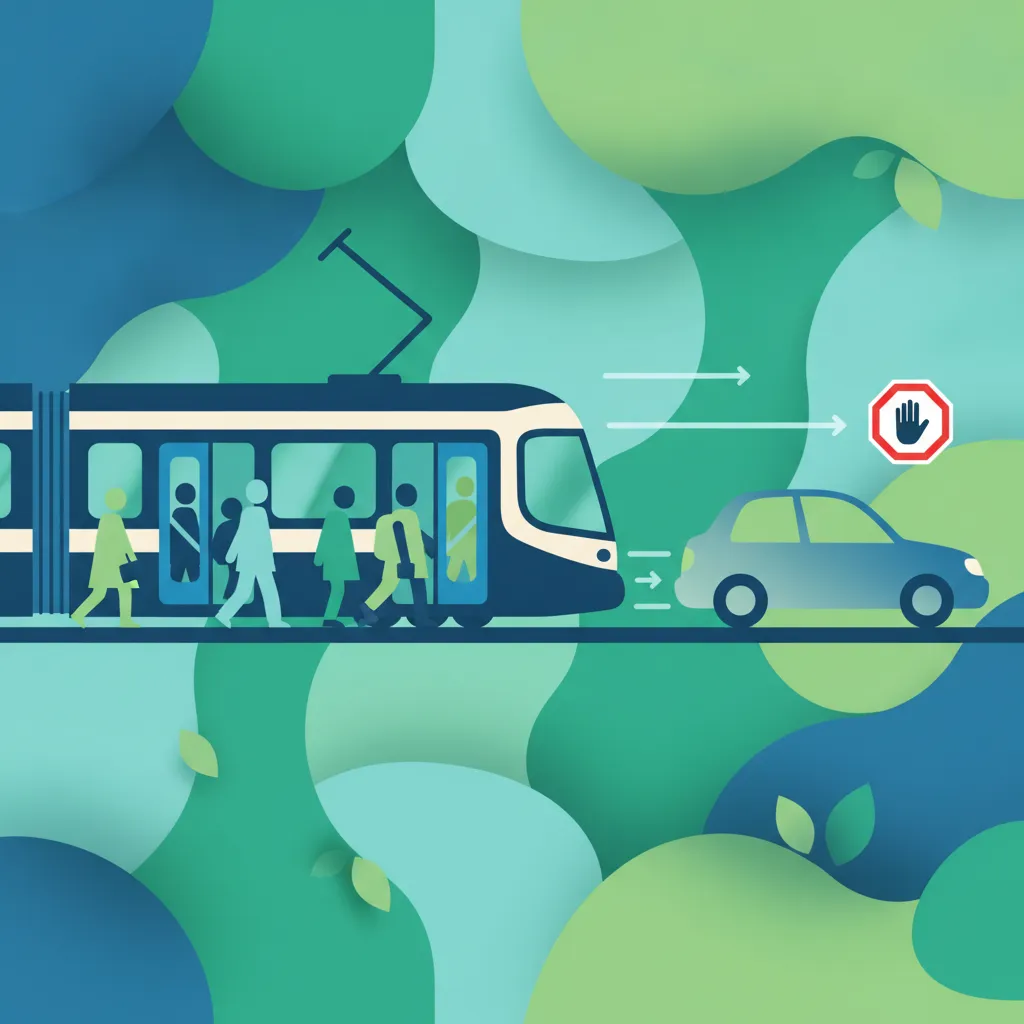
Prepare thoroughly for your Belgian driving theory test with this focused practice set on tram stop passenger rules. Understand precisely when to stop or proceed carefully around trams, mastering critical traffic legislation for safe interactions with public transport and passing your exam with confidence.
This practice set focuses on the specific obligations for drivers approaching or passing a tram stopped at a designated stop in Belgium. You'll learn when to stop completely for alighting or boarding passengers, when you may proceed slowly, and the strict rules against overtaking trams at stops, preparing you thoroughly for your driving theory exam.
Preview sample questions from the Belgian Tram Stop Rules practice set to see how they help you prepare for the driving theory exam in Belgium.
Learners choose Belgian Tram Stop Rules to improve accuracy and understanding of key exam themes in Belgium. It offers realistic driving theory questions and targeted revision for effective preparation.
Find answers to the most common queries learners have when practising Belgian Tram Stop Rules, including how questions match the official theory exam in Belgium, how scoring works, and how this practice improves exam readiness.
In Belgium, if a tram stops for passengers to board or alight and there is no raised platform or refuge island, you must stop your vehicle completely and wait until all passengers have safely cleared the road and reached the pavement or the tram.
Yes, if a tram is stopped at a stop with a refuge island (a raised platform), you may pass at a slow speed, typically walking pace, while exercising extreme caution and watching carefully for any pedestrians.
No, it is strictly forbidden to overtake a tram that is stopped at a passenger stop in Belgium, regardless of whether there is a refuge island or not. You must adhere to the rules for passing stationary public transport.
The rules differ because a refuge island provides a safe space for passengers, protecting them from moving traffic. Without an island, passengers are directly exposed to the road, requiring drivers to stop to ensure their safety.
Failing to adhere to tram stop rules, especially not stopping when required, can result in significant fines and points on your driving license, as it poses a serious risk to pedestrian safety.
By completing Belgian Tram Stop Rules, you will gain stronger rule knowledge, faster recognition of signs and situations, better decision making in traffic scenarios, and increased accuracy on exam style questions used in Belgium. These outcomes directly support higher scoring exam performance.
Explore similar practice sets covering passenger safety and Belgian tram regulations to solidify your knowledge. Delve deeper into related traffic rules and boost your confidence for the theory test.
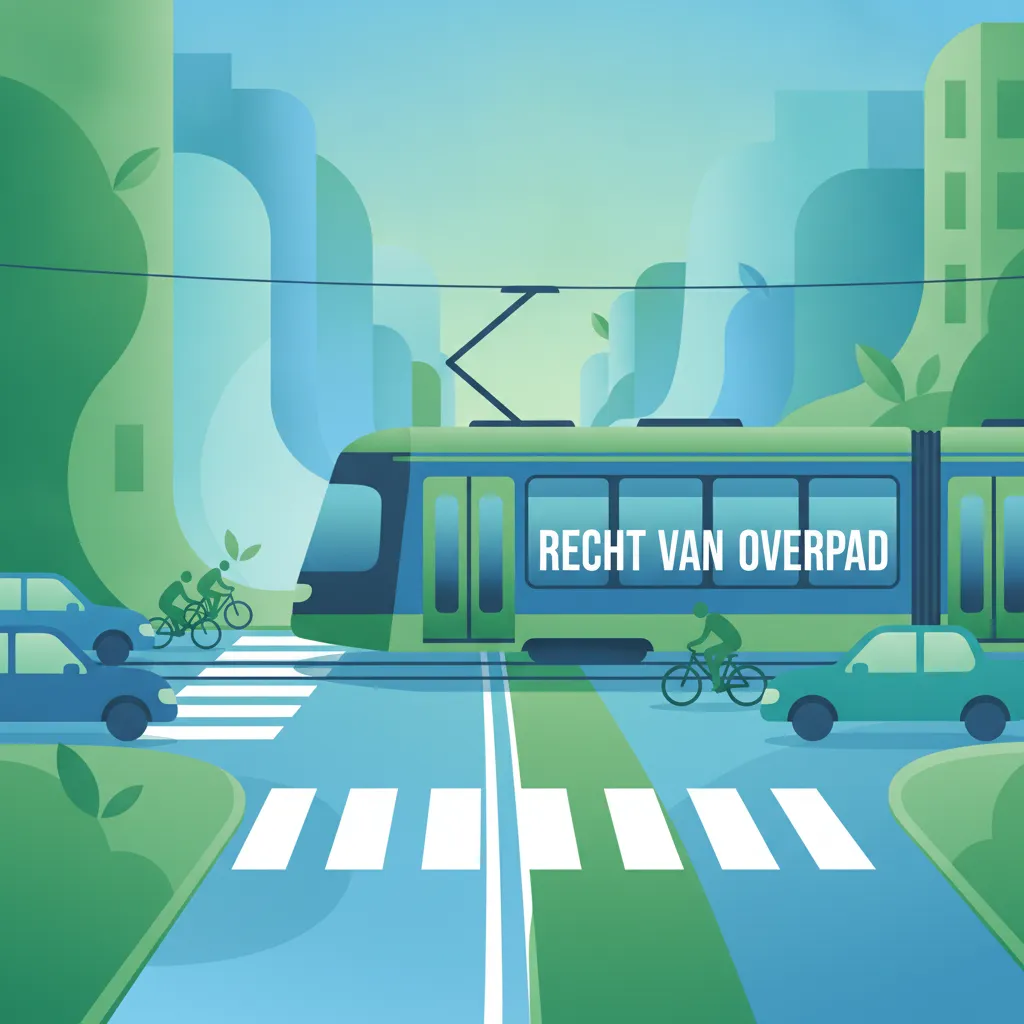
Trams always have priority. Do you know all the rules in Belgium?

Master Belgian Tram Rules: Avoid Fines and Stay Safe Around Trams!

Master the Belgian rules for public transport priority and drive confidently.
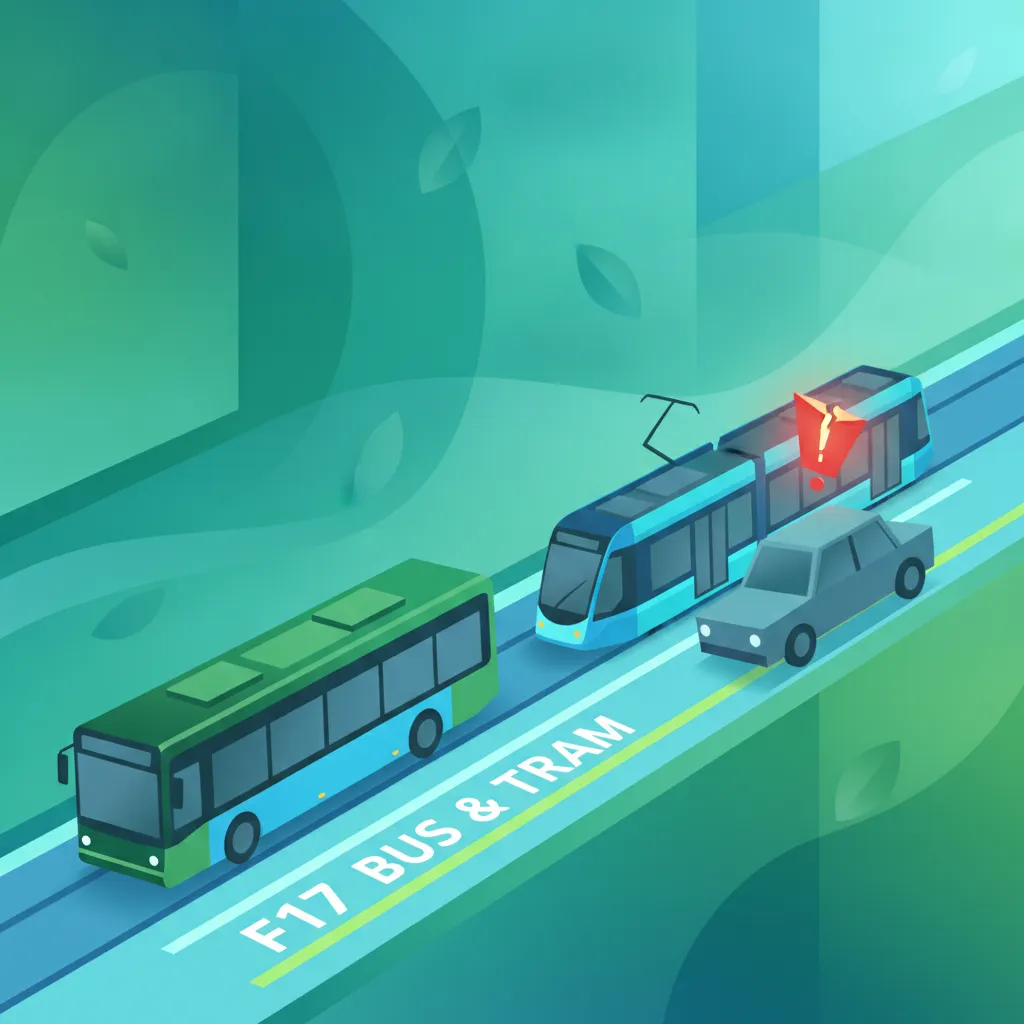
Master Belgian Public Transport Lane Rules for Your Driving Theory Exam.

Avoid Fines and Master Belgian Stopping and Parking Rules for Your Exam!
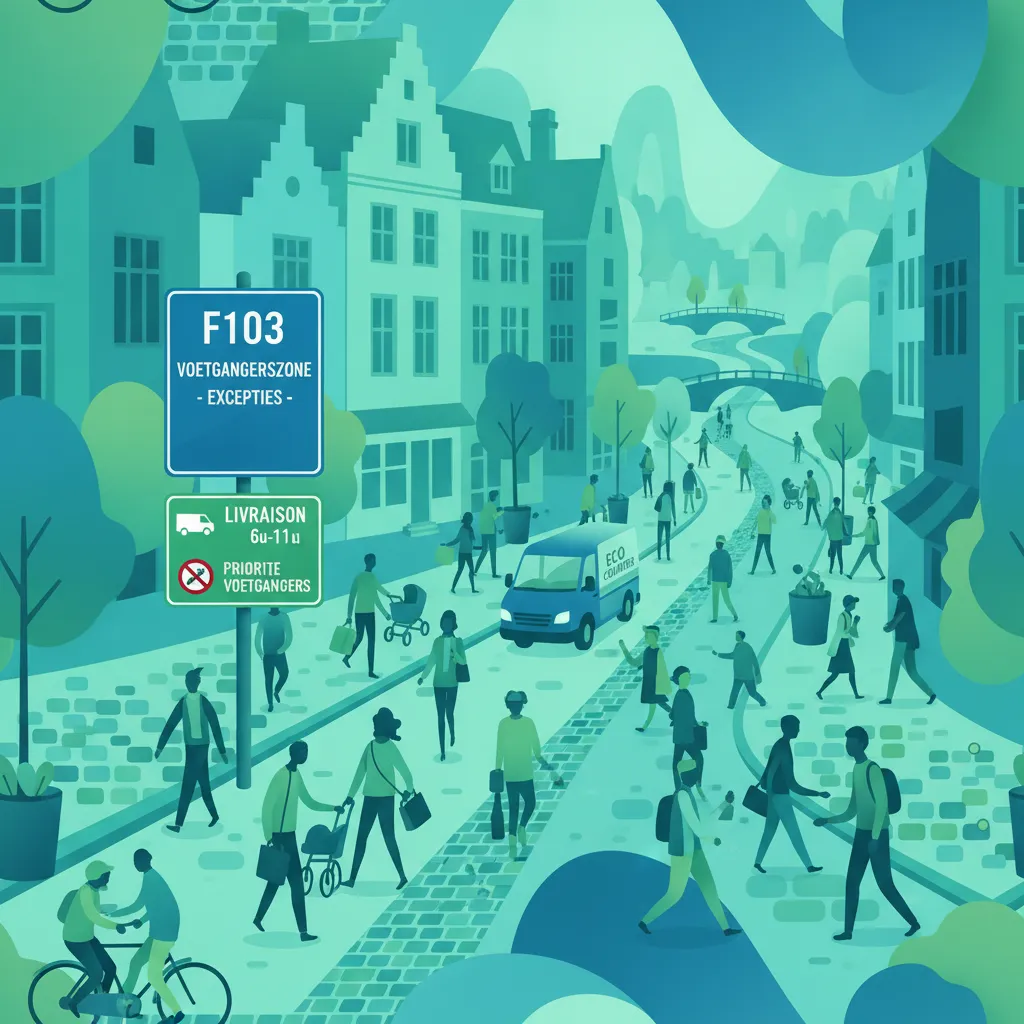
Master Belgian Pedestrian Zones for Your Driving Theory Exam
Questions in Belgian Tram Stop Rules
Exam focused questionss
Belgian Tram Stop Rules offers quick, focused exam style practice to boost your Belgian knowledge for the driving theory exam in Belgium.
Belgian Tram Stop Rules helps learners in Belgium with clear explanations and targeted Belgian practice to improve essential driving theory topics.
This practice set is ideal for intermediate learners and anyone preparing for the official Belgian driving theory exam who finds tram rules confusing. It addresses typical misunderstandings about passenger safety at tram stops and provides clear guidance on driver obligations to prevent penalties and ensure road safety.
Explore more topics for the Belgian driving theory exam in Belgium.
Strengthen your Belgian driving theory knowledge by diving into targeted practice. Select any category from this overview to begin exercises immediately. Focus on areas where you need improvement, such as specific road signs, priority rules, or hazard perception, to build confidence for your official Belgian driving licence exam.
Explore Practice Categories