
Explore comprehensive explanations of all essential Belgian driving theory topics and road rules. This section clarifies key concepts, traffic laws, and specific scenarios crucial for passing your official Belgian driving licence exam. Gain a deep understanding of priority rules, road signs, and local traffic conventions, equipping you with the knowledge to navigate Belgian roads safely. Prepare effectively for your theory test by mastering these fundamental principles and concepts.
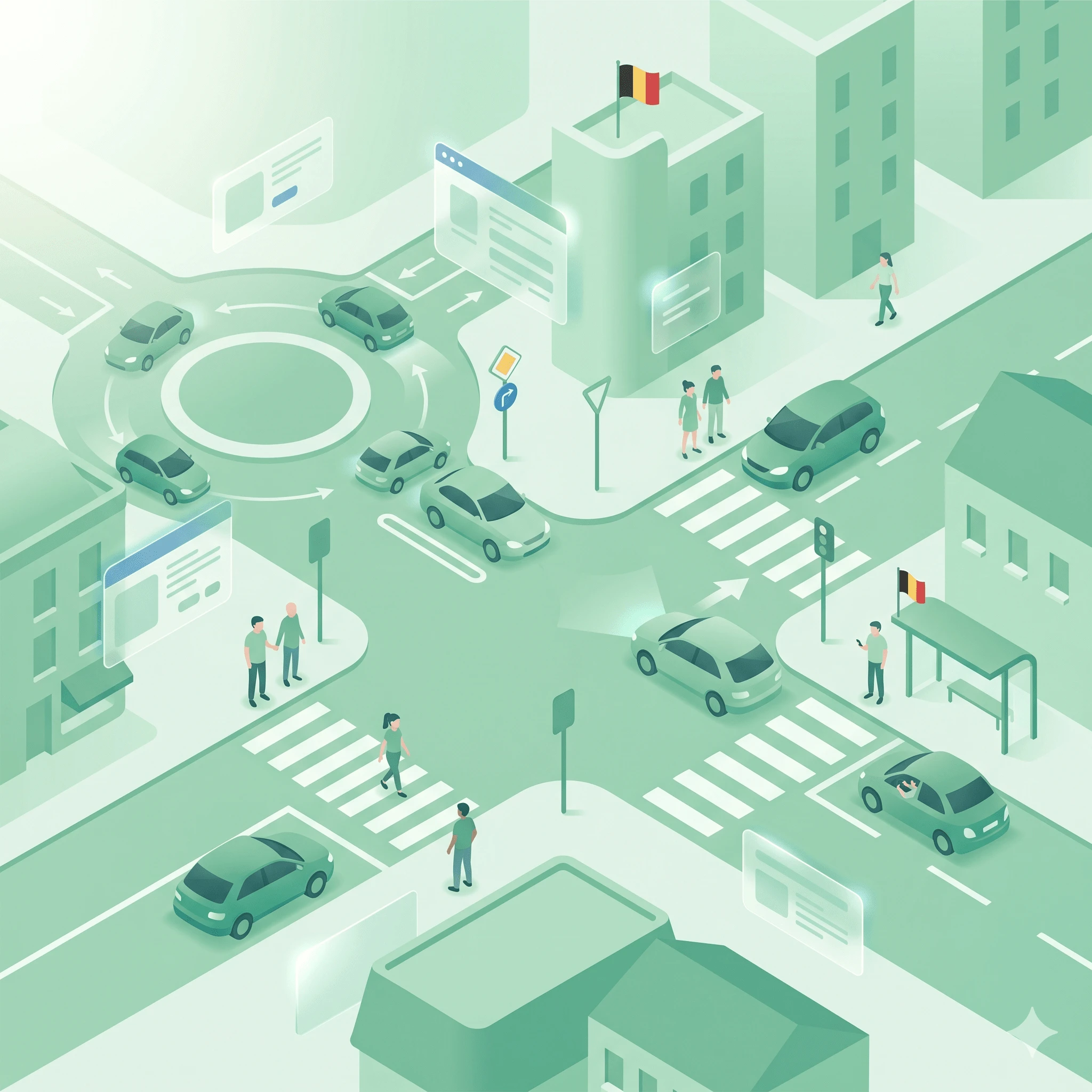
Navigate our comprehensive directory to master essential traffic rules, priority situations, and complex road signs required for your exam. Target your preparation by focusing on specific Belgian driving theory subjects to ensure total road confidence.
10 topics
8 topics
6 topics
5 topics
3 topics
2 topics
2 topics
1 topic
1 topic
1 topic
1 topic
1 topic
Dive into essential Belgian driving theory topics to prepare for your exam. Search for specific traffic rules or explore our structured set of subjects for comprehensive exam study.
Filter by category
6 theory topics found

Driving under the influence of alcohol is one of the most hazardous behaviors on the road. It profoundly affects your physical and mental capabilities, increasing the risk of accidents for yourself and others. This section explains the specific ways alcohol impairs your driving skills, from slowing reaction times to distorting judgment, crucial knowledge for safe driving in Belgium.
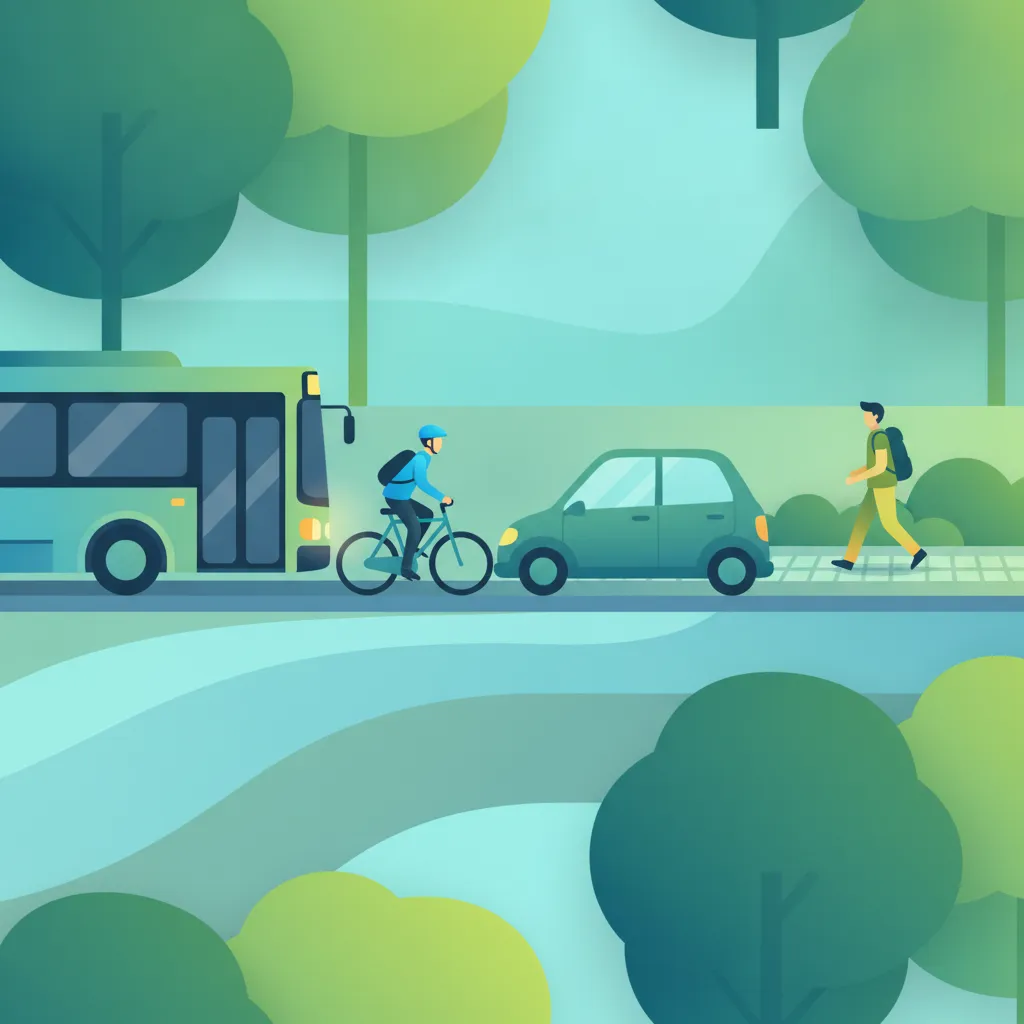
In Belgium, roads are shared by a wide array of users, each with unique characteristics and vulnerabilities. As a driver, it is your responsibility to anticipate the actions of others, adjust your behavior accordingly, and prioritize the safety of all, especially vulnerable groups. This section outlines key principles and Belgian specific rules for harmonious and safe road sharing.

Driver distraction, especially from mobile phones, is a leading cause of road incidents in Belgium. This page explains how phone use divides your attention into visual, manual, and cognitive tasks, severely compromising your reaction time and awareness on the road. Understanding these risks is crucial for passing your Belgian driving theory test and ensuring safe journeys.

Tailgating, or following too closely, is a major cause of rear-end collisions. In Belgium, maintaining a sufficient safety distance is a legal requirement, crucial for allowing enough time to react and brake effectively. This page explains the principles of safe following distance and how to apply the official 2-second rule.
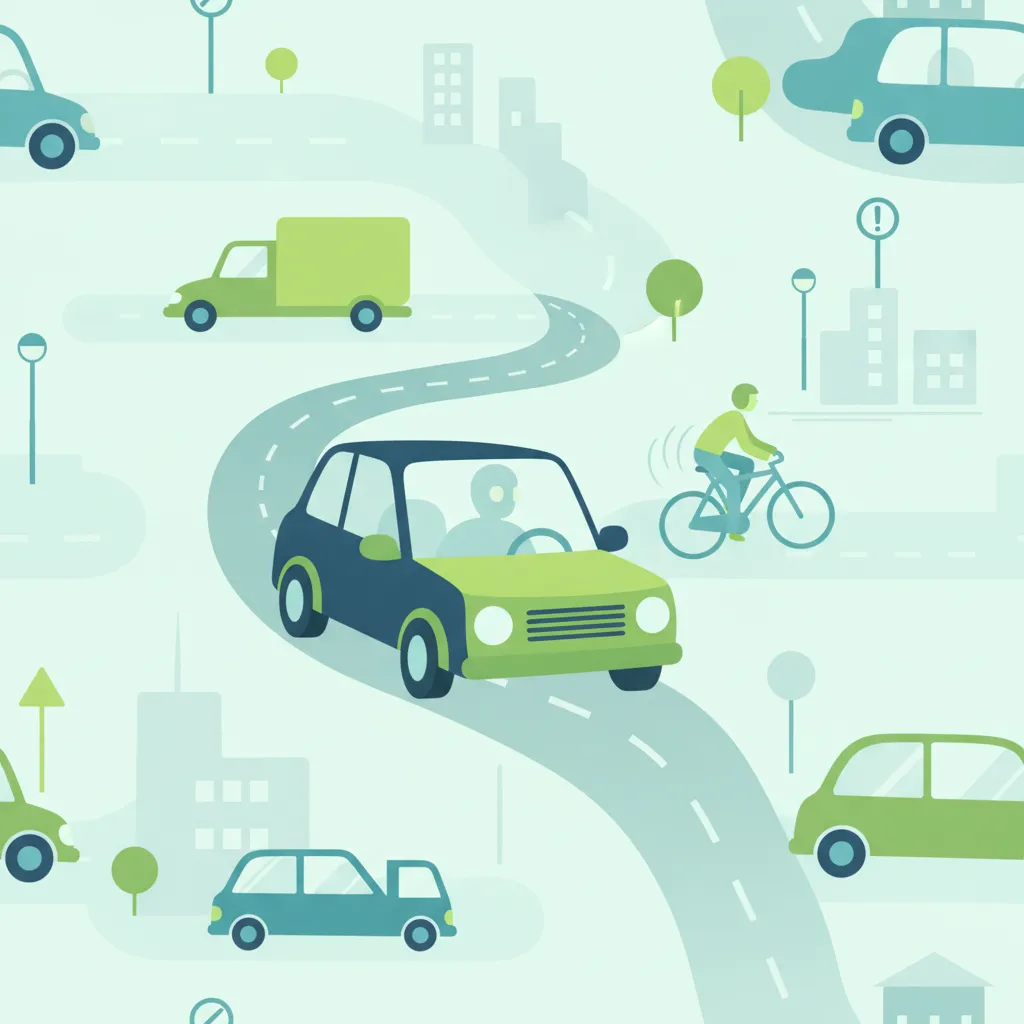
Defensive driving is a proactive approach to road safety, vital for navigating Belgium's diverse traffic environments. It means constantly observing, anticipating potential hazards, and adjusting your driving to avoid dangerous situations, even if caused by others' mistakes. This strategy helps create safer conditions for everyone, from vulnerable road users to heavy traffic.
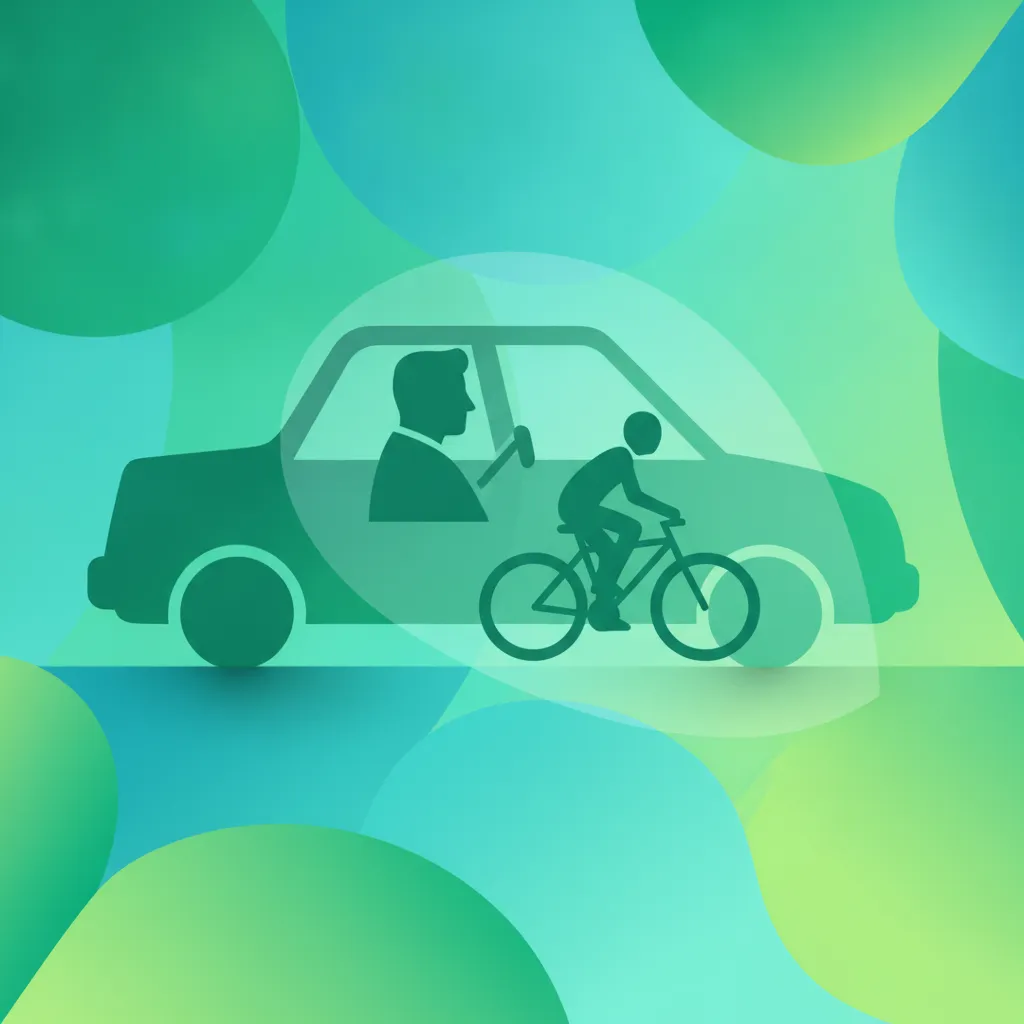
A blind spot is an area around your vehicle that cannot be seen directly through your mirrors or your normal field of vision. These zones exist because of your vehicle's physical structure and the limited coverage provided by mirrors. In busy Belgian traffic, recognizing and actively checking these areas is paramount to preventing dangerous situations, particularly when interacting with cyclists and other smaller vehicles.
Explore our library of Belgian driving theory articles. Discover clear explanations on priority rules and hazard perception, gaining essential knowledge for your exam and confident driving on Belgian roads.
Belgian Driving Theory Articles & Guides