
This lesson explores the psychological and physical factors that impact your safety as a rider, such as peer pressure, mobile phone use, and physical impairment. It serves as a vital foundation for developing the responsible attitude required to pass your AM theory exam and ride safely on German roads.

Lesson content overview
Operating a moped, scooter, or light quadricycle comes with significant responsibilities, particularly for new riders. This lesson, part of your German Driving Theory Course for AM Licence, focuses on critical risk factors that can compromise safety on the road. Understanding and actively managing these elements – including internal factors like fatigue and substance influence, and external pressures like distractions and peer influence – is fundamental to preventing accidents and cultivating a mature, responsible riding attitude.
This chapter delves into the human factor in road safety, exploring how individual limitations and external pressures can lead to errors and accidents. By recognizing these risks and implementing effective management strategies, you can significantly enhance your safety and the safety of others on the road.
The "Human Factor Theory" in road safety examines how human capabilities and limitations impact performance within complex systems, such as road traffic. It highlights that errors often arise from various internal states or external influences that compromise a rider's ability to perceive, process, and react safely. For AM licence holders, this theory underscores the importance of self-awareness and proactive management of personal risk factors to maintain optimal performance and prevent accidents.
Effective risk management involves more than just knowing traffic rules; it requires a deep understanding of how human psychology and physiology interact with the riding environment. By acknowledging inherent human vulnerabilities, riders can develop strategies to mitigate their impact, ensuring safer journeys for everyone.
The study of how human capabilities, limitations, and behaviors influence the safe and efficient operation of complex systems, including road traffic. It identifies potential sources of error related to cognitive, physiological, and psychological states.
Distraction is any factor that diverts a rider's attention away from the primary task of safe vehicle operation. Even a momentary lapse in concentration can have severe consequences, as mopeds and scooters offer less protection than cars and require constant vigilance. Distractions compromise situational awareness, reduce reaction time, and impair decision-making, significantly increasing the likelihood of an accident.
For AM licence holders, who often ride in busy urban environments, the ability to maintain unwavering focus is paramount. Modern life presents numerous sources of distraction, from mobile devices to internal thoughts, all of which demand conscious management while riding.
Distractions can be categorized into three main types, often occurring simultaneously, compounding their danger:
Visual Distraction: This occurs when your eyes are taken off the road. Even a quick glance away can mean missing critical information, like a changing traffic light, a pedestrian stepping onto the road, or a sudden brake light from the vehicle ahead.
Manual Distraction: This involves removing one or both hands from the handlebars. Operating a moped or scooter requires both hands for steering, braking, and signaling. Removing hands, even briefly, compromises vehicle control and reaction capability.
Cognitive Distraction: This happens when your mind is not fully focused on the act of riding, even if your eyes are on the road and hands are on the controls. Your brain's capacity for processing information is finite, and when it's occupied by other thoughts, its ability to react to hazards diminishes.
In Germany, the Straßenverkehrs-Ordnung (StVO) is very clear regarding mobile phone use while riding:
It is prohibited for riders of mopeds, scooters, and light quadricycles to hold or operate a mobile phone or any other electronic device that serves communication, information, or organization purposes while the engine is running or while riding.
This rule (specifically M1.1 for AM licence vehicles) is designed to prevent manual and visual distractions. The only permissible use of a mobile phone is with a hands-free device, provided it does not lead to cognitive distraction. Even then, your primary focus must always remain on riding safely.
Important Note: The prohibition on hand-held mobile phone use applies even when stopped at a traffic light or in a traffic jam, as long as the engine is running. To use your phone manually, you must safely pull over and switch off your engine.
To ensure maximum safety, always strive to eliminate all forms of distraction before and during your ride:
Fatigue is a state of mental or physical exhaustion that significantly impairs a rider's concentration, decision-making abilities, and reaction speed. It is a common yet often underestimated risk factor that can be as dangerous as, or even more dangerous than, riding under the influence of alcohol or drugs. When fatigued, your brain struggles to process information quickly, making you slower to identify hazards and react appropriately.
A state of extreme tiredness, typically resulting from mental or physical exertion or illness, which impairs performance, concentration, and judgment.
The effects of fatigue can manifest in several ways, all detrimental to safe riding:
Recognizing Fatigue: Be aware of early signs of fatigue: yawning, heavy eyelids, blurred vision, difficulty keeping your head up, wandering thoughts, irritability, and missing exits or turns.
While there are no specific legal limits for fatigue, the general duty of care (Fahrtüchtigkeitspflicht) requires riders to always be fit to operate their vehicle safely. Ignoring fatigue is not only irresponsible but also potentially illegal under broader traffic safety laws if it leads to an accident.
Riding under the influence of alcohol or psychoactive drugs is one of the most significant and preventable causes of road accidents. Both alcohol and drugs severely impair the cognitive and motor functions essential for safe vehicle operation. For AM licence holders, who are often younger and less experienced, the consequences of impaired riding can be particularly devastating.
Alcohol is a central nervous system depressant that affects various faculties crucial for riding:
In Germany, strict legal limits apply to alcohol consumption for all drivers and riders. For AM licence holders, these limits are particularly stringent:
A measure of the amount of alcohol in a person's blood, typically expressed as a percentage or in milligrams per gram (mg/g) of blood.
For AM licence holders, the legal blood alcohol concentration (BAC) must not exceed 0.05% (0.5 mg/g). However, for new drivers during their probationary period (typically the first two years after obtaining any driving licence) and for all drivers under 21 years of age, a zero-tolerance policy (0.00% BAC) applies. This means absolutely no alcohol before riding. Violating these rules carries severe penalties, including fines, points on your licence, and even suspension of your driving privileges.
Important Consideration: Even if you are legally under the 0.05% limit, your riding ability can still be impaired. It is always safest to abstain from alcohol completely if you plan to ride.
Riding under the influence of any psychoactive drug, whether illegal recreational substances or certain prescription medications, is strictly prohibited and highly dangerous.
It is prohibited to operate a motor vehicle under the influence of illicit psychoactive substances. For certain prescription drugs, driving may also be prohibited if they impair riding ability.
The legal consequences for riding under the influence of drugs are severe, often including high fines, driving bans, and mandatory medical-psychological assessments (MPU).
Peer pressure is the social influence exerted by a group or individual that can affect one's decisions and behavior. For young AM licence holders, who often ride in groups, peer pressure can be a powerful external factor leading to riskier riding practices. It's crucial to develop the confidence and assertiveness to resist unsafe suggestions and maintain your personal safety standards.
Peer pressure can manifest in various ways, both direct and indirect:
Developing the ability to say "no" to unsafe requests is a critical skill for responsible riding.
Understanding and adhering to German traffic laws (StVO) is not just about avoiding penalties; it's about ensuring safety. This lesson highlights several key regulations directly related to risk behaviors:
Your Legal Obligation: As a rider, you have a legal obligation (Sorgfaltspflicht) to operate your vehicle safely and responsibly, at all times. This includes ensuring you are fit to ride, your vehicle is in good condition, and you adhere to all traffic laws.
Ignoring risk factors and violating traffic rules can lead to severe consequences:
The impact of distractions, fatigue, and substance influence is amplified under certain conditions:
By internalizing these principles and consistently applying them, you will develop into a mature and responsible AM licence holder, capable of making safe decisions and contributing to overall road safety.
This lesson covers the critical internal and external risk factors that impair AM licence riders on German roads, including visual, manual, and cognitive distractions with their specific legal prohibitions under StVO M1.1, the impairing effects of fatigue and substances on reaction time and judgment, and the legal BAC limits (0.05% standard, 0.00% zero-tolerance for new drivers and under-21 riders). It also addresses how peer pressure can lead to dangerous decisions like speeding or overloading, and provides strategies for asserting safety boundaries. The content emphasizes that risk factors become amplified in adverse weather, at night, and at higher speeds, making constant situational awareness and self-assessment essential for responsible riding.
A short set of high-value points that capture the most important learning from this lesson.
Distractions are categorized into visual, manual, and cognitive types, each capable of causing serious accidents on mopeds and scooters.
Hand-held mobile phone use is prohibited under StVO M1.1 whenever the engine is running, including at traffic lights.
AM licence holders must maintain BAC below 0.05%, but new drivers in their probationary period and riders under 21 face zero-tolerance (0.00%) requirements.
Fatigue impairs reaction time, judgment, and coordination, and can cause microsleeps that make you briefly unconscious while riding.
Peer pressure can lead to speeding, overloading, or riding under influence—developing assertiveness to decline unsafe requests is essential.
Explore all units and lessons included in this driving theory course.
Under StVO M1.4, riding under the influence of any psychoactive drug is strictly prohibited regardless of amount.
Cognitive distraction occurs when your mind is elsewhere even with eyes on the road and hands on the bars.
Fatigue signs include yawning, heavy eyelids, wandering thoughts, and missing turns—these indicate you should stop immediately.
For AM licence holders, the only permissible mobile phone use is hands-free, provided it does not cause cognitive distraction.
Higher speeds on rural roads and motorways mean less reaction time, making even brief distraction or fatigue potentially fatal.
Assuming you can legally hold your phone at a red light while the engine idles—it is still prohibited under StVO M1.1.
Believing that one alcoholic drink is safe if you are under the 0.05% BAC limit, when riding ability is already impaired.
Thinking that listening to music with headphones is harmless when it actually causes cognitive distraction by drowning out traffic sounds.
Underestimating fatigue by continuing to ride when showing early signs like yawning or difficulty concentrating.
Conforming to group riding speeds or maneuvers out of fear of appearing overly cautious, even when the behavior is unsafe.
Lesson content overview
A short set of high-value points that capture the most important learning from this lesson.
Distractions are categorized into visual, manual, and cognitive types, each capable of causing serious accidents on mopeds and scooters.
Hand-held mobile phone use is prohibited under StVO M1.1 whenever the engine is running, including at traffic lights.
AM licence holders must maintain BAC below 0.05%, but new drivers in their probationary period and riders under 21 face zero-tolerance (0.00%) requirements.
Fatigue impairs reaction time, judgment, and coordination, and can cause microsleeps that make you briefly unconscious while riding.
Peer pressure can lead to speeding, overloading, or riding under influence—developing assertiveness to decline unsafe requests is essential.
Explore all units and lessons included in this driving theory course.
Under StVO M1.4, riding under the influence of any psychoactive drug is strictly prohibited regardless of amount.
Cognitive distraction occurs when your mind is elsewhere even with eyes on the road and hands on the bars.
Fatigue signs include yawning, heavy eyelids, wandering thoughts, and missing turns—these indicate you should stop immediately.
For AM licence holders, the only permissible mobile phone use is hands-free, provided it does not cause cognitive distraction.
Higher speeds on rural roads and motorways mean less reaction time, making even brief distraction or fatigue potentially fatal.
Assuming you can legally hold your phone at a red light while the engine idles—it is still prohibited under StVO M1.1.
Believing that one alcoholic drink is safe if you are under the 0.05% BAC limit, when riding ability is already impaired.
Thinking that listening to music with headphones is harmless when it actually causes cognitive distraction by drowning out traffic sounds.
Underestimating fatigue by continuing to ride when showing early signs like yawning or difficulty concentrating.
Conforming to group riding speeds or maneuvers out of fear of appearing overly cautious, even when the behavior is unsafe.
Explore search topics learners often look for when studying Common Risk Behaviours, Peer Pressure, and Distraction. These topics reflect common questions about road rules, driving situations, safety guidance, and lesson level theory preparation for learners in Germany.
Browse additional driving theory lessons that cover connected traffic rules, road signs, and common driving situations related to this topic. Improve your understanding of how different rules interact across everyday traffic scenarios.
Explore the serious legal and personal consequences of risk behaviours such as distraction, peer pressure, and impairment. Understand how these factors directly increase accident risks and violate German traffic laws, crucial knowledge for your AM licence theory.
This lesson provides an overview of the German system for penalizing traffic offenses. It explains the catalogue of fines ('Bußgeldkatalog'), the system of demerit points ('Punkte in Flensburg') for more serious violations, and the conditions under which a temporary driving ban ('Fahrverbot') or a full revocation of the license can be imposed. Understanding these consequences reinforces the importance of lawful driving.
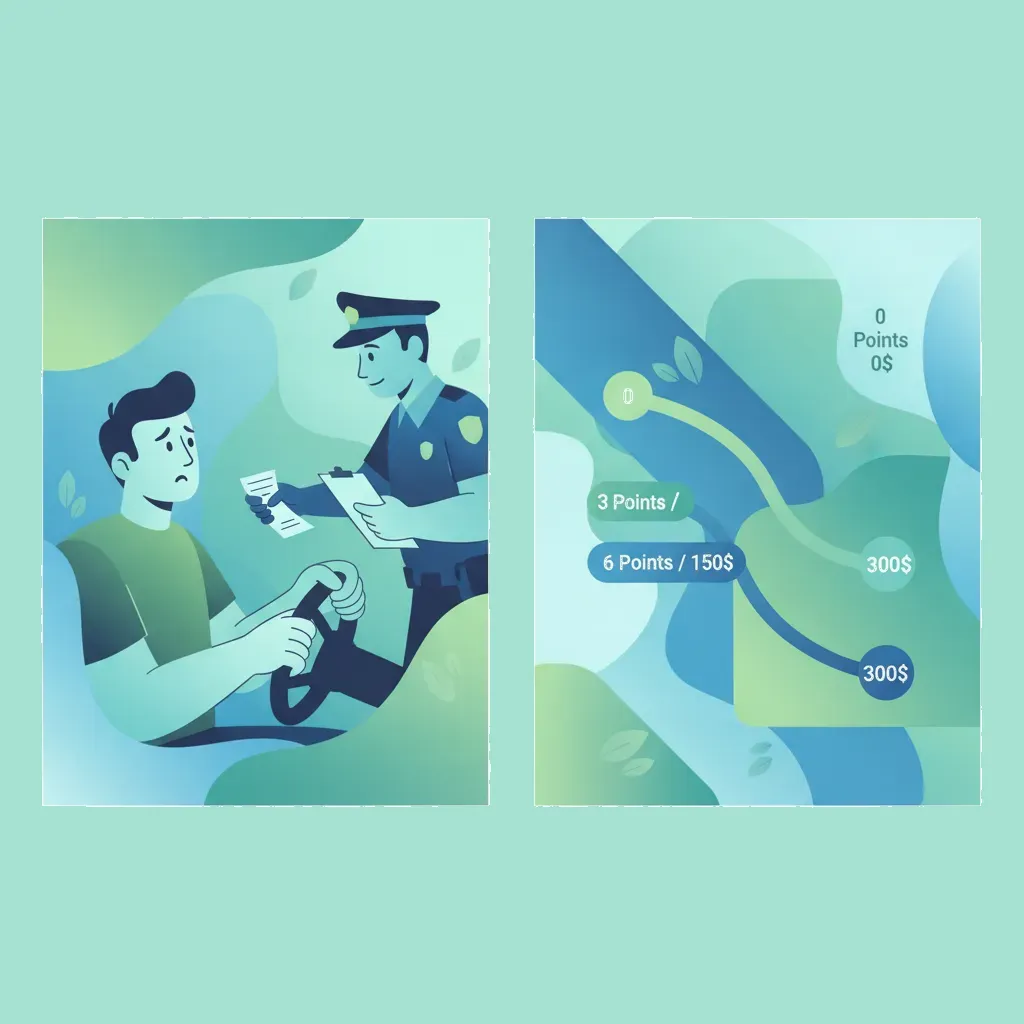
This lesson explains the German catalogue of fines (Bußgeldkatalog) and the points system for traffic violations. It details which offenses lead to fines, points in Flensburg, or even licence revocation. Understanding these consequences reinforces the importance of adhering to all traffic laws.

This lesson covers the strict laws in Germany concerning driving under the influence of alcohol, drugs, or impairing medication. It details the legal blood alcohol concentration (BAC) limits for drivers, with a specific focus on the absolute zero-tolerance policy for drivers in their probationary period and those under 21. The severe legal penalties, including fines, license suspension, and the medical-psychological assessment (MPU), are also explained.

This lesson outlines the legal ramifications of operating a heavy vehicle while fatigued or overloaded. It covers potential fines, license suspension, and the negative impact on insurance coverage. The content also discusses the increased liability in the event of an accident caused by these violations.
This lesson details the legal obligations every AM licence holder must follow. It emphasizes compliance with the Straßenverkehrs-Ordnung (StVO), including mandatory helmet use and maintaining vehicle roadworthiness. The content covers insurance requirements, accident reporting procedures, and the legal consequences of non-compliance.
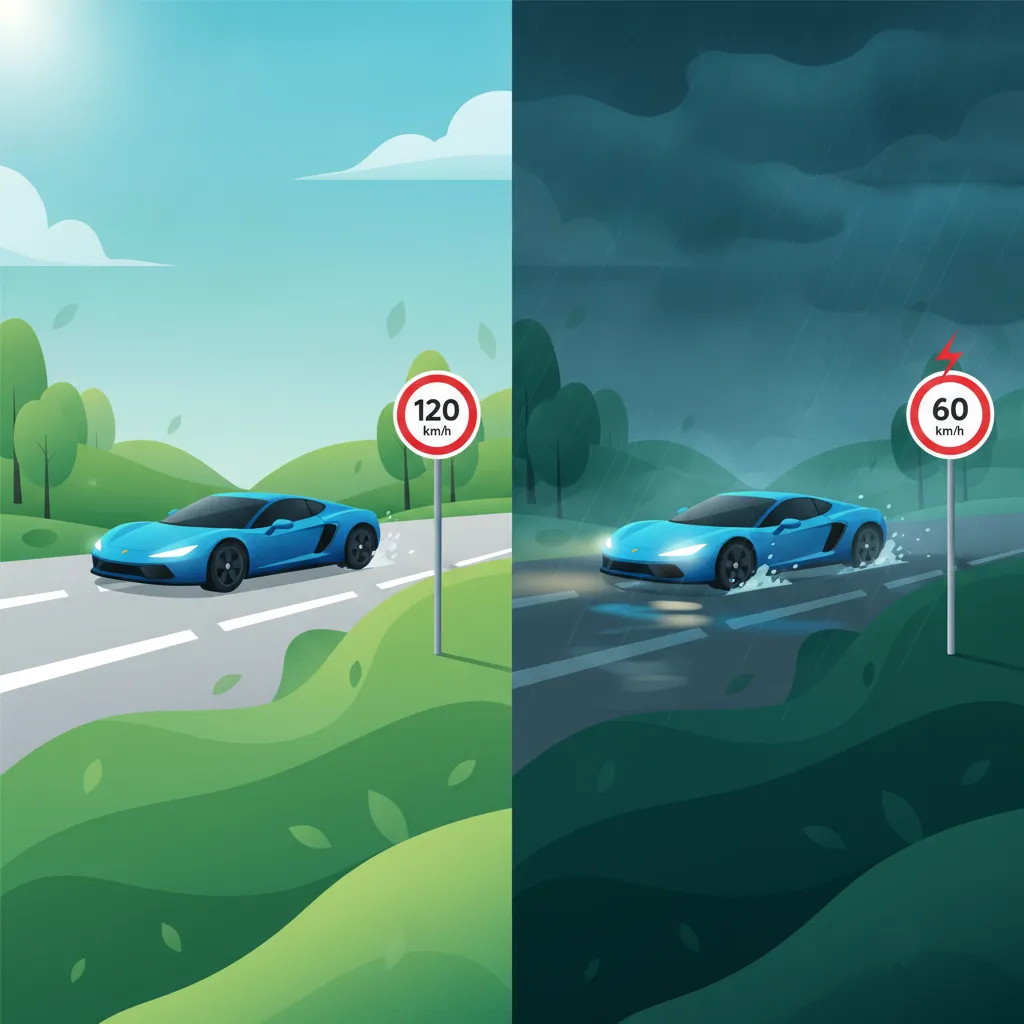
This lesson details the various speed limits applicable in Germany, from urban zones to rural roads. It emphasizes the critical skill of adapting speed to prevailing conditions such as rain, fog, or poor road surfaces. The content explains how external factors significantly impact vehicle handling and stopping distances.

This lesson focuses on the legal responsibilities and duties of a vehicle operator according to German traffic law, primarily the StVO. It covers the obligation to drive safely, the rules of conduct at an accident scene, and the legal consequences of traffic violations. Understanding these principles is crucial for maintaining road safety and avoiding penalties such as fines, points, or driving bans.
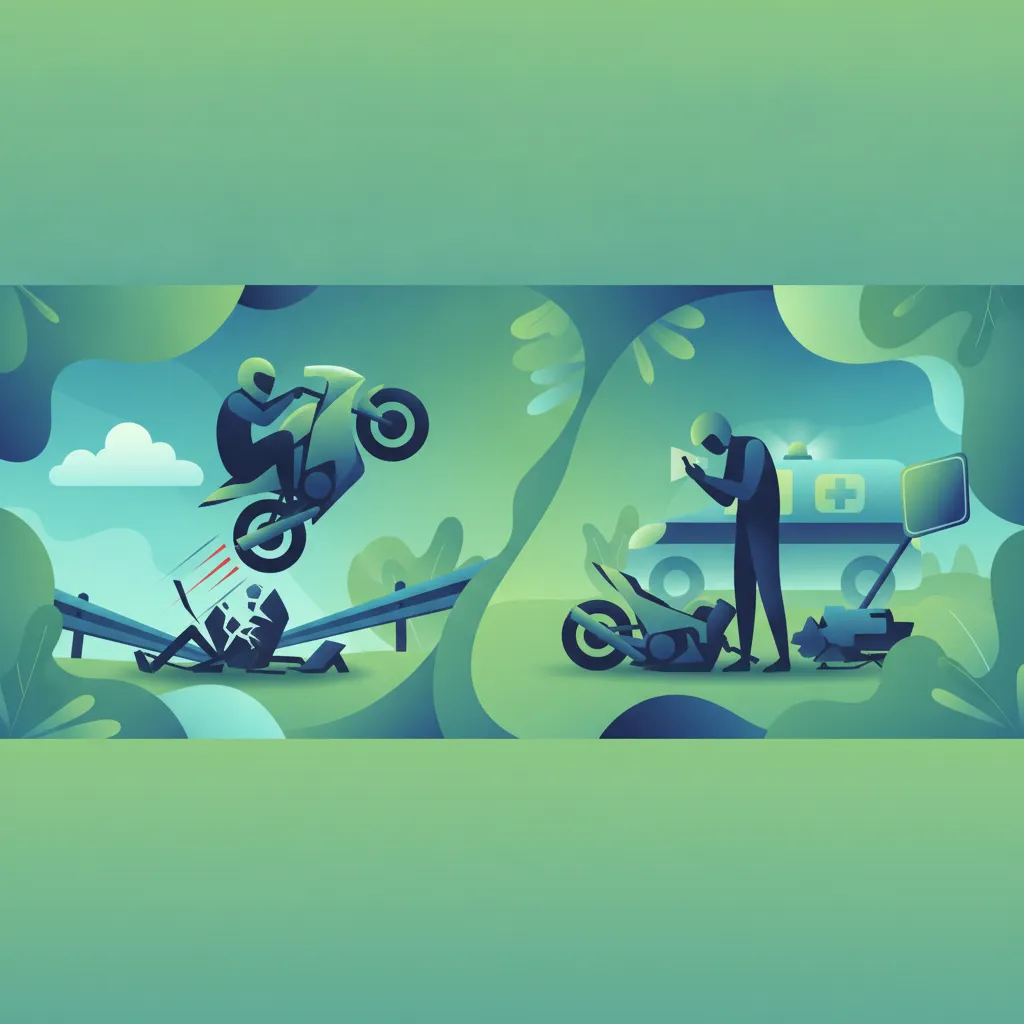
This lesson informs riders about the legal ramifications of dangerous riding and traffic violations under German law. It outlines potential penalties, including fines, points, and license suspension, as well as the impact on insurance. The content also provides a step-by-step guide on the correct procedures for reporting an accident to the police and documenting the scene for legal and insurance purposes.

This lesson examines the significant impact of a driver's mental and physical state on road safety. It explains how stress, strong emotions, and distractions can impair judgment and reaction times. The lesson focuses on the serious dangers of fatigue, teaching drivers to recognize the warning signs of drowsiness and stressing the legal and practical importance of taking regular breaks on long journeys.
Learn to identify and manage internal factors like fatigue and external influences like peer pressure and distractions. This lesson provides essential driving theory for the German AM licence on maintaining focus and making safe decisions on the road.

This lesson explores how internal human factors like fatigue, stress, and distraction can severely impair a rider's performance. It explains their negative effects on attention, reaction time, hazard perception, and decision-making capabilities. Strategies for recognizing the signs of fatigue and managing distractions are discussed to help riders maintain focus and safety on the road.
This lesson examines the significant impact of a driver's mental and physical state on road safety. It explains how stress, strong emotions, and distractions can impair judgment and reaction times. The lesson focuses on the serious dangers of fatigue, teaching drivers to recognize the warning signs of drowsiness and stressing the legal and practical importance of taking regular breaks on long journeys.

This lesson addresses the mental aspects of professional driving, focusing on managing stress and eliminating distractions. It identifies common stressors like time pressure and difficult traffic, offering coping strategies to maintain composure. The lesson also categorizes and explains the dangers of visual, manual, and cognitive distractions, providing techniques to maintain full situational awareness and focus on the driving task.

This lesson examines how different weather conditions, such as rain, strong winds, and fog, directly impact motorcycle safety. It explains how wet surfaces reduce tyre grip and increase braking distances, requiring smoother rider inputs. The content also provides strategies for managing reduced visibility and the physical effects of crosswinds on the motorcycle's stability.
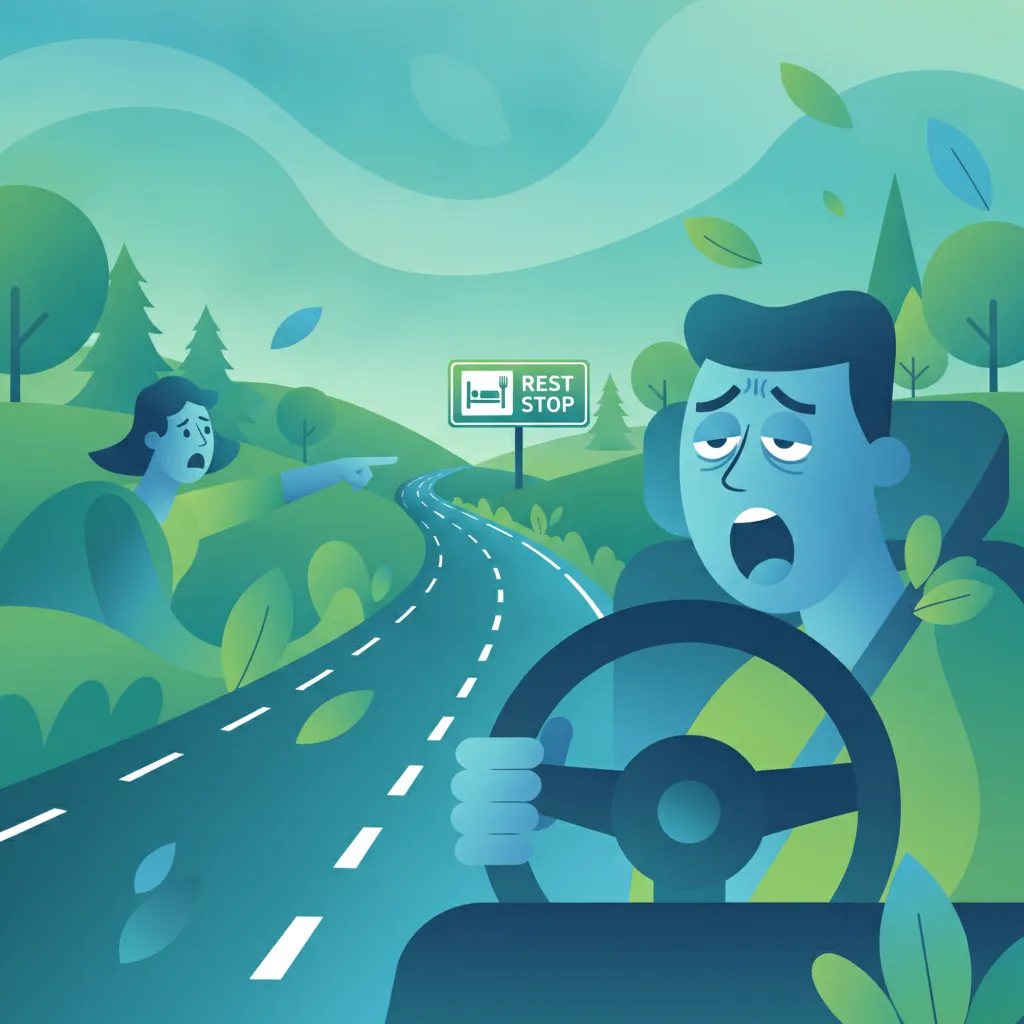
This lesson addresses the critical safety issue of driver fatigue, explaining its causes and physiological effects on performance. Learners will be taught to recognize the subtle warning signs of drowsiness and the dangers of microsleeps. It provides practical countermeasures, including the importance of quality sleep, effective scheduling of rest breaks, and managing workload to maintain optimal alertness while driving.
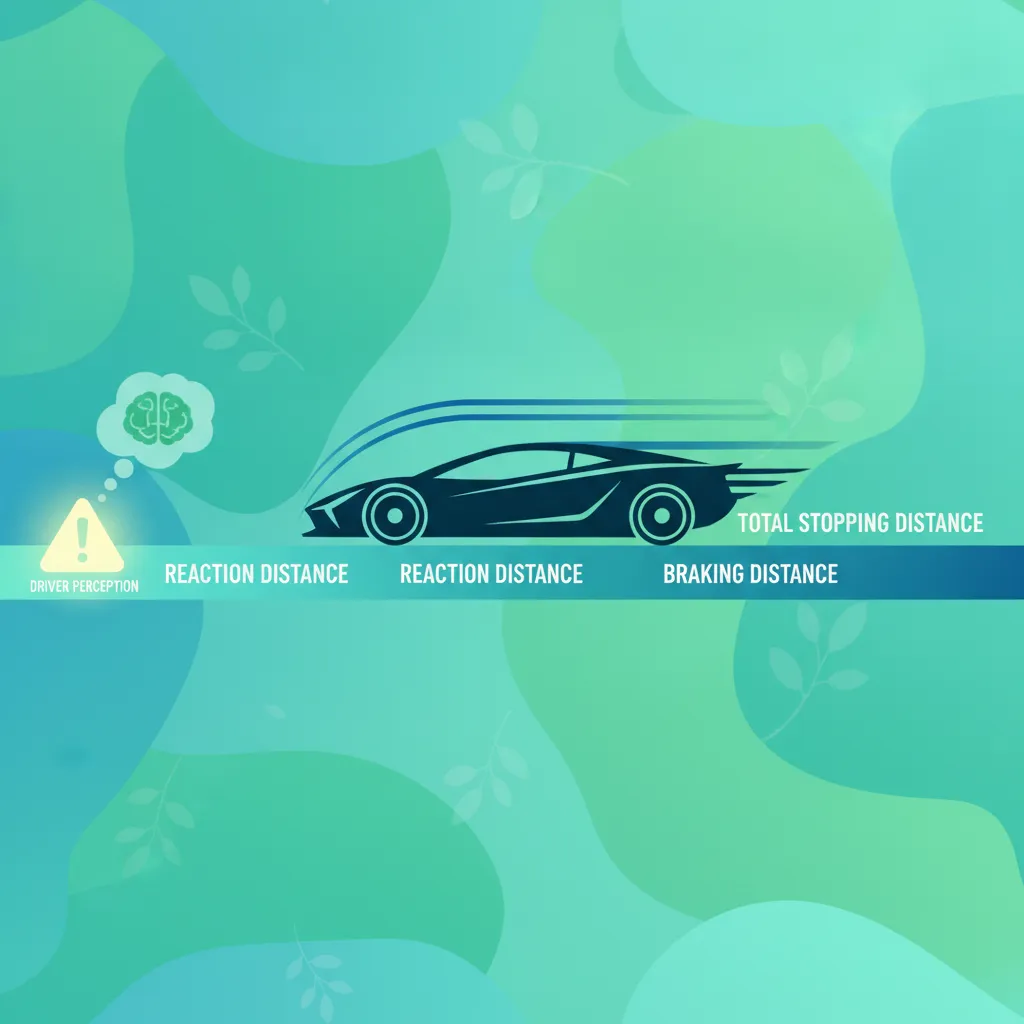
This lesson explains the two components of total stopping distance: reaction distance and braking distance. It teaches learners how factors like speed, road conditions, and rider attentiveness influence how far the motorcycle travels before coming to a complete stop. By understanding these principles, riders can make better decisions about safe speeds and following distances to ensure they can stop in time.

This lesson explores the critical role of visibility in safe driving, covering topics such as sight distance, managing blind spots, and the correct use of mirrors. It provides guidance on how to adjust your driving in conditions of reduced visibility, such as at night, in fog, or during heavy rain, including the proper use of headlights. The importance of the over-the-shoulder check ('Schulterblick') is also a key focus.
Find clear answers to common questions learners have about Common Risk Behaviours, Peer Pressure, and Distraction. Learn how the lesson is structured, which driving theory objectives it supports, and how it fits into the overall learning path of units and curriculum progression in Germany. These explanations help you understand key concepts, lesson flow, and exam focused study goals.
Peer pressure often leads to reckless behaviors like speeding, ignoring traffic signs, or performing dangerous maneuvers to impress others. In the German theory exam, recognizing that these social influences directly lead to accidents is crucial for safe, defensive riding.
No. Any form of mobile phone use, including hands-free devices, significantly diverts your cognitive attention away from the road. The German theory test emphasizes that total focus is required to spot hazards early.
Fatigue slows your reaction time and impairs your decision-making ability, similar to the effects of alcohol. The exam tests your awareness of these physical limits, which are vital for your safety on longer trips.
Ignoring fatigue increases the likelihood of tunnel vision and delayed braking, which can lead to collisions. Always pull over in a safe place if you feel drowsy, a concept frequently tested in the hazard perception section of the theory exam.
Begin your targeted revision now. Use our practice search to quickly find specific German driving theory questions. Filter by StVO rules, road signs, or hazard perception to create your focused study plan. Master challenging areas and prepare confidently for your theoretical driving test.