
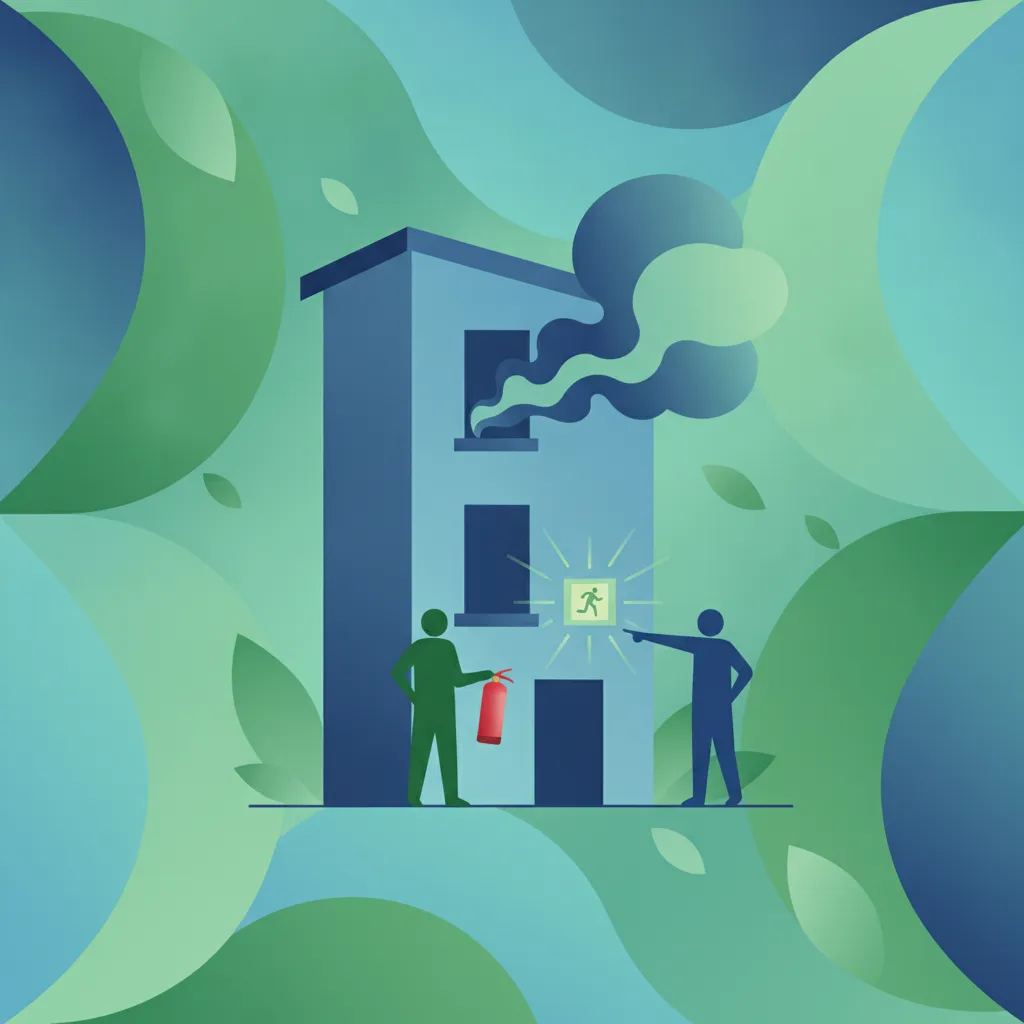
This lesson provides critical knowledge for managing fire incidents and emergencies while operating heavy goods vehicles. It covers the correct identification of fire types, proper use of extinguishing equipment, and the legal procedures for safe emergency evacuation in line with German driving regulations.
Lesson content overview
Operating heavy vehicles, such as lorries and trucks, comes with unique responsibilities, especially concerning safety in emergencies. This lesson focuses on critical aspects of fire safety, including identifying fire risks specific to heavy goods vehicles (HGVs), the correct selection and use of fire extinguishers, and the essential steps for emergency evacuation. For professional drivers pursuing a German heavy vehicle driving license in categories C1, C1E, C, and CE, this knowledge is not just a regulatory requirement but a cornerstone of safe operation, protecting lives, cargo, and the vehicle itself. Understanding these procedures is crucial for effective emergency response and minimizing potential damage and legal consequences.
Fires in heavy vehicles can escalate rapidly due to the large quantities of fuel, lubricants, and diverse cargo they carry. Recognizing potential fire sources is the first step in prevention and preparedness. Unlike passenger cars, HGVs have complex systems and larger capacities that present distinct fire risks.
Heavy vehicles are intricate machines, and various components can generate enough heat or friction, or contain flammable materials, to initiate a fire. A comprehensive understanding of these sources is vital for both preventative maintenance and rapid response.
The engine compartment is a high-risk area for fires due to the combination of hot surfaces, electrical wiring, and flammable fluids. Overheating, often caused by heavy loads, steep climbs, or inadequate cooling, can ignite fuel or oil leaks. Electrical faults, such as frayed wires, loose connections, or overloaded circuits, can create sparks or excessive heat, leading to insulation or fluid ignition. Regular inspections of hoses, belts, and wiring are paramount.
The fuel system, encompassing the fuel tanks, lines, and filters, contains highly flammable diesel or gasoline. Any compromise to its integrity – be it through corrosion, wear and tear, or impact damage from an accident – can lead to fuel leaks. A fuel spill, particularly diesel, can ignite if it comes into contact with a hot exhaust system, brake components, or an electrical spark. Maintaining the fuel system in optimal condition and immediately addressing any leaks or damage is critical.
The type of cargo carried by a heavy vehicle significantly influences fire risk. Flammable materials, chemicals, or even ordinary combustibles like textiles or paper, if improperly secured or stored, can pose a fire hazard. Some cargo, such as certain agricultural products or finely divided organic materials, can be prone to spontaneous combustion under specific conditions of moisture and temperature. Drivers must be fully aware of the nature of their cargo and adhere strictly to all load securing and hazardous materials transport regulations to prevent such incidents.
Effective fire fighting relies on a fundamental understanding of what causes a fire and how different materials burn. This knowledge dictates the appropriate extinguishing agent to use.
The "Fire Triangle" illustrates the three elements absolutely necessary for a fire to start and sustain itself:
Removing any one of these elements will extinguish the fire. For instance, cooling the fuel removes heat, covering the fire smothers it by removing oxygen, and removing the combustible material itself takes away the fuel.
Fires are categorized into different classes based on the type of fuel involved. This classification is crucial for selecting the correct fire extinguisher, as using the wrong type can be ineffective or even dangerous. For heavy vehicle drivers, understanding Classes A, B, and C is most relevant.
Class A fires involve ordinary combustible materials that leave ash. These include wood, paper, cloth, plastics, and rubber. These are common materials found in vehicle interiors or certain types of cargo. Water is typically the most effective extinguishing agent for Class A fires, as it cools the burning material below its ignition temperature.
Class B fires involve flammable liquids. For heavy vehicles, the most common Class B fuels are diesel fuel, gasoline, engine oil, hydraulic fluids, and lubricants. These liquids produce flammable vapours that burn. Water is generally ineffective on Class B fires and can even spread the fire by displacing the burning liquid. Foam or carbon dioxide (CO₂) extinguishers are the appropriate choice as they either smother the fire by cutting off oxygen or cool it rapidly.
Class C fires involve flammable gases. While less common in standard heavy vehicles, some specialized trucks or buses may run on liquefied petroleum gas (LPG) or compressed natural gas (CNG), or transport these as cargo. The primary method for extinguishing a gas fire is to shut off the gas supply. If that is not immediately possible, CO₂ extinguishers can be used to control the flame by displacing oxygen, but the gas supply must still be addressed to prevent re-ignition or explosion.
Heavy vehicles in Germany, particularly those in categories C1, C1E, C, and CE, are legally required to carry specific types and capacities of fire extinguishers. Knowing which extinguisher to use for which fire class is paramount.
Water extinguishers are primarily designed for Class A fires. They work by cooling the burning material, effectively removing the heat element from the fire triangle. They are identifiable by a red label or body and are generally safe to use on ordinary combustibles. However, they are not suitable for Class B (flammable liquids) or Class C (flammable gases) fires, and particularly dangerous if used on electrical fires, as water conducts electricity.
Foam extinguishers are highly effective against Class A and especially Class B fires. The foam works by creating a blanket over the burning liquid, smothering the flames by cutting off the oxygen supply and simultaneously cooling the fuel. This prevents the release of flammable vapours, reducing the risk of re-ignition. They are often marked with a cream label or band. Foam extinguishers are a common choice for heavy vehicles due to the prevalence of fuel and oil fires.
CO₂ extinguishers are distinguished by a black label or band and are suitable for Class B and Class C fires. They work by rapidly displacing oxygen around the fire and cooling the burning material. CO₂ is a clean agent, leaving no residue, which is advantageous for fires involving sensitive equipment or in enclosed spaces. However, when using a CO₂ extinguisher, drivers must be aware of the extremely cold discharge and the potential for asphyxiation in confined areas due to oxygen displacement. Ensure adequate ventilation after use.
Always check the labels on your fire extinguishers. They clearly indicate which fire classes they are designed for, typically using symbols (A, B, C).
Having the correct extinguisher is only half the battle; knowing how to use it effectively is equally important. The PASS technique is a universally recognized method for operating portable fire extinguishers.
The PASS acronym provides a simple, memorable guide:
Pull the pin: Remove the locking pin from the handle. This breaks the tamper seal.
Aim at the base of the fire: Direct the nozzle or hose at the fuel source, not at the flames. Targeting the base is crucial for cutting off the fire's fuel supply.
Squeeze the handle: Press the operating lever to release the extinguishing agent. Maintain a steady pressure.
Sweep side to side: Move the nozzle or hose in a sweeping motion across the base of the fire until the flames are extinguished. Continue to watch the area for re-ignition.
It's critical to understand the limitations of a portable fire extinguisher. You should only attempt to extinguish a fire if:
If the fire is spreading rapidly, involves highly volatile materials, is blocking your escape route, or if you feel unsafe for any reason, do not attempt to fight it. Your priority must always be personal safety and the safety of any passengers. In such cases, immediate evacuation is the only correct action.
Never put yourself or others at risk to extinguish a fire. If in doubt, evacuate immediately and call emergency services.
A clear and practiced emergency evacuation plan is paramount for all heavy vehicle drivers. In the event of a fire, rapid, orderly evacuation can be the difference between life and death.
The moment a driver detects a fire, whether through smoke, flames, or the smell of burning, immediate action is required.
Once initial actions are taken, focus on securing the immediate environment and alerting others:
Every driver should be familiar with all available exit routes in their specific heavy vehicle configuration.
As soon as it is safe to do so, contact emergency services. In Germany, dial 112 for fire and medical emergencies.
For professional drivers in Germany, adherence to specific legal obligations regarding fire safety is not optional. These regulations are designed to ensure preparedness and minimize risks.
According to German road traffic regulations (e.g., Straßenverkehrs-Zulassungs-Ordnung - StVZO) and particularly the European Agreement concerning the International Carriage of Dangerous Goods by Road (ADR) for hazardous cargo, heavy vehicles in categories C1, C1E, C, and CE must carry at least one certified fire extinguisher of a specific type and capacity. The exact requirements vary depending on the gross vehicle mass and whether dangerous goods are transported.
Fire extinguishers are not "fit and forget" items. They must undergo regular inspections to ensure their functionality:
Failure to maintain or inspect extinguishers can lead to legal penalties and render the driver and vehicle owner liable in case of an incident.
It is a legal obligation that heavy vehicle drivers are trained in the correct use and maintenance of fire extinguishers. This training should be comprehensive, covering the different fire classes, extinguishing agents, the PASS technique, and emergency evacuation procedures. Periodic refresher training, often recommended every five years, ensures that knowledge and skills remain current and effective.
Any fire incident involving a heavy vehicle must be reported promptly to the police (112) and, if applicable, to other relevant authorities (e.g., customs for international hazardous goods transport). Depending on the severity and nature of the incident, a detailed written incident report may be legally required for insurance purposes, regulatory compliance, and internal company records. Accurate documentation aids in investigations and helps prevent future occurrences.
Understanding common pitfalls and applying knowledge to real-world scenarios enhances preparedness.
A frequent mistake is using the wrong type of extinguisher. For example, using a water extinguisher on a diesel fire can spread the burning liquid, making the situation far worse. Similarly, aiming at the flames instead of the base of the fire wastes precious extinguishing agent and is largely ineffective, as flames are merely a visible symptom, not the fuel source. Always remember the fire classes and the PASS technique.
Hesitation, whether due to panic, attempts to save personal belongings, or underestimation of the danger, can have catastrophic consequences. Fires in heavy vehicles can spread rapidly and involve risks of explosion. Delaying evacuation even by seconds can reduce escape options. Similarly, delaying reporting to emergency services can significantly delay their response time, leading to greater damage and risk.
Mastering fire safety is a critical component of professional heavy vehicle driving. It demands not only theoretical knowledge but also practical readiness and adherence to legal requirements.
This lesson covers fire safety for heavy vehicle drivers in Germany, addressing how to identify fire hazards in engines, fuel systems, and cargo areas, and how to select the correct extinguishing agent based on fire class. It teaches the PASS technique for extinguisher operation and emphasizes knowing when to fight a fire and when to evacuate, with a clear step-by-step evacuation procedure. The content also explains legal requirements under StVZO and ADR for carrying, inspecting, and maintaining fire extinguishers, and highlights common mistakes such as using the wrong extinguisher type or delaying evacuation.
A short set of high-value points that capture the most important learning from this lesson.
Heavy vehicles face distinct fire risks in the engine compartment, fuel system, and cargo area due to large fuel quantities, hot surfaces, and diverse loads.
Fires are classified as Class A (solids), Class B (liquids like diesel), or Class C (gases), and each class requires a specific extinguishing agent.
The PASS technique (Pull the pin, Aim at the base, Squeeze the handle, Sweep side to side) is the standard method for operating any fire extinguisher.
Emergency evacuation must be immediate and orderly: stop safely, turn off the engine, alert others, deploy warning triangles, and move to an assembly point at least 50-100 meters away.
German regulations (StVZO, ADR) mandate that heavy vehicles carry certified fire extinguishers, and drivers must receive documented training in their use.
Explore all units and lessons included in this driving theory course.
Water extinguishers are for Class A fires only; foam or CO₂ are required for Class B (fuel/oil) fires.
If the fire is spreading, blocking your exit, or involves volatile materials, do not attempt to fight it—evacuate immediately.
After evacuating, call emergency services (112 in Germany) with your precise location, describe the vehicle and cargo, and stay on the line until instructed.
Fire extinguishers must pass annual professional inspections and be replaced after their expiry date, even if unused.
Always aim the extinguisher at the base of the fire (the fuel source), not at the flames themselves.
Using water on a Class B fire (such as a diesel spill), which can spread the burning liquid and worsen the situation.
Aiming at the flames instead of the base of the fire, wasting extinguishing agent and failing to cut off the fuel supply.
Delaying evacuation to collect belongings or assess the fire further, allowing it to spread and reduce escape options.
Failing to check that the extinguisher matches the fire class before attempting to use it.
Not deploying warning triangles at the correct distances (100 meters on motorways, 50 meters on other roads) when safely possible.
Lesson content overview
A short set of high-value points that capture the most important learning from this lesson.
Heavy vehicles face distinct fire risks in the engine compartment, fuel system, and cargo area due to large fuel quantities, hot surfaces, and diverse loads.
Fires are classified as Class A (solids), Class B (liquids like diesel), or Class C (gases), and each class requires a specific extinguishing agent.
The PASS technique (Pull the pin, Aim at the base, Squeeze the handle, Sweep side to side) is the standard method for operating any fire extinguisher.
Emergency evacuation must be immediate and orderly: stop safely, turn off the engine, alert others, deploy warning triangles, and move to an assembly point at least 50-100 meters away.
German regulations (StVZO, ADR) mandate that heavy vehicles carry certified fire extinguishers, and drivers must receive documented training in their use.
Explore all units and lessons included in this driving theory course.
Water extinguishers are for Class A fires only; foam or CO₂ are required for Class B (fuel/oil) fires.
If the fire is spreading, blocking your exit, or involves volatile materials, do not attempt to fight it—evacuate immediately.
After evacuating, call emergency services (112 in Germany) with your precise location, describe the vehicle and cargo, and stay on the line until instructed.
Fire extinguishers must pass annual professional inspections and be replaced after their expiry date, even if unused.
Always aim the extinguisher at the base of the fire (the fuel source), not at the flames themselves.
Using water on a Class B fire (such as a diesel spill), which can spread the burning liquid and worsen the situation.
Aiming at the flames instead of the base of the fire, wasting extinguishing agent and failing to cut off the fuel supply.
Delaying evacuation to collect belongings or assess the fire further, allowing it to spread and reduce escape options.
Failing to check that the extinguisher matches the fire class before attempting to use it.
Not deploying warning triangles at the correct distances (100 meters on motorways, 50 meters on other roads) when safely possible.
Explore search topics learners often look for when studying Fire Risks, Fire Extinguishers, and Emergency Evacuation. These topics reflect common questions about road rules, driving situations, safety guidance, and lesson level theory preparation for learners in Germany.
Browse additional driving theory lessons that cover connected traffic rules, road signs, and common driving situations related to this topic. Improve your understanding of how different rules interact across everyday traffic scenarios.
Learn about fire hazards specific to heavy trucks, how to correctly use fire extinguishers, and critical steps for safe vehicle evacuation. This lesson covers essential driver responsibilities for fire safety in accordance with German road law.

This lesson focuses on fire safety protocols for passenger vehicles, covering both prevention and response. It teaches the location and proper use of fire extinguishers and the importance of recognizing potential fire hazards during pre-trip inspections. A primary focus is on the procedure for a calm and orderly evacuation, including how to operate emergency exits and guide all passengers, including those with mobility issues, to a safe location.
This lesson covers safe interaction with special vehicles. It details the challenges of driving near large trucks (LKW), including their extensive blind spots, longer stopping distances, and the effects of wind turbulence when overtaking them. A critical part of the lesson is explaining the correct procedure for reacting to emergency vehicles by creating an emergency corridor ('Rettungsgasse') on multi-lane roads.

This lesson outlines a clear, systematic procedure for managing a vehicle breakdown safely and efficiently. It covers immediate actions such as activating hazard lights, placing a warning triangle, and moving the vehicle to a safe location if possible. Learners will understand how to communicate the situation to passengers, decide if an evacuation is necessary, and contact the appropriate breakdown services for assistance.
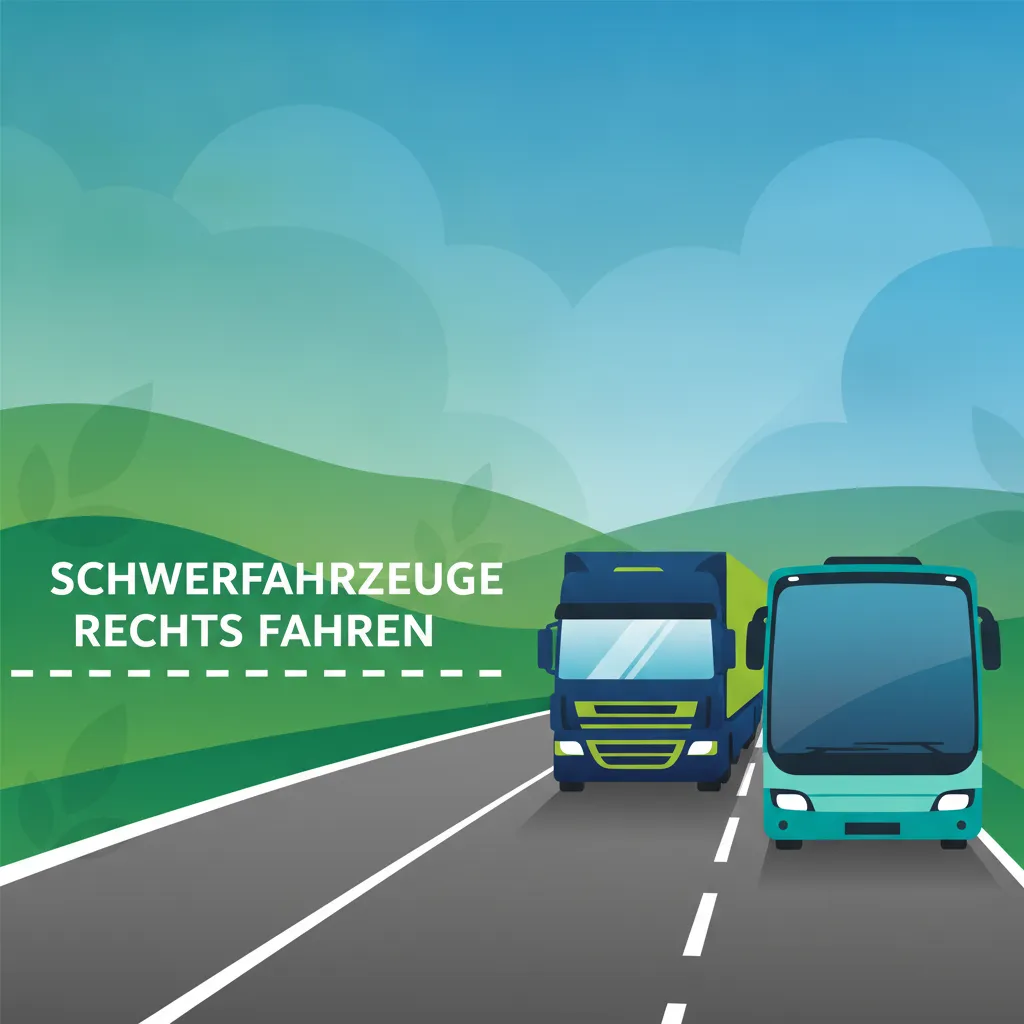
This lesson explains the specific regulations for operating heavy vehicles on Autobahnen, including speed limits, lane discipline, and overtaking rules. It discusses the use of dedicated truck lanes and the importance of maintaining appropriate following distances. The content also covers procedures for merging and exiting high-speed roads safely.
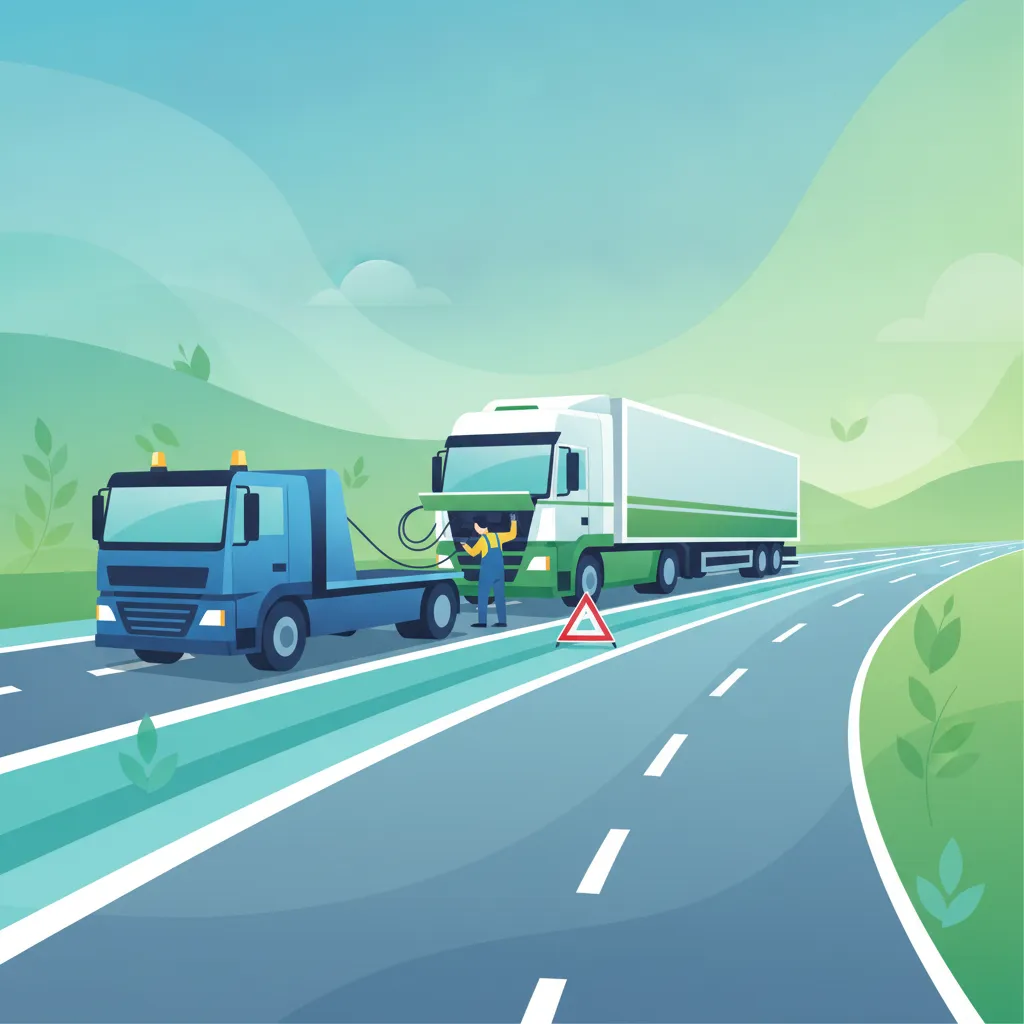
This lesson provides a step-by-step guide for safely managing a vehicle breakdown on the road. It includes instructions on performing an emergency stop, deploying hazard lights and warning triangles, and contacting assistance. The content emphasizes maintaining safety for both the driver and other road users during the breakdown.

This lesson covers the dimensional limits for heavy vehicles, focusing on height, width, and length restrictions. It explains how to interpret clearance signage for bridges, tunnels, and overhead obstacles, and discusses the implications for route planning. The content also addresses the importance of understanding turning radii and swept paths to avoid collisions.

This lesson outlines the proper response to an accident involving a heavy vehicle, including immediate actions and contacting emergency services. It details the legal obligations for reporting accidents and cooperating with police investigations. The content also covers documentation requirements for insurance claims and the importance of preserving the accident scene.
Understand procedures for breakdowns, fire risks, and other emergencies in heavy vehicles. This lesson covers essential actions for driver safety, reporting obligations, and managing critical situations on German roads.
This lesson outlines a clear, systematic procedure for managing a vehicle breakdown safely and efficiently. It covers immediate actions such as activating hazard lights, placing a warning triangle, and moving the vehicle to a safe location if possible. Learners will understand how to communicate the situation to passengers, decide if an evacuation is necessary, and contact the appropriate breakdown services for assistance.
This lesson provides a step-by-step guide for safely managing a vehicle breakdown on the road. It includes instructions on performing an emergency stop, deploying hazard lights and warning triangles, and contacting assistance. The content emphasizes maintaining safety for both the driver and other road users during the breakdown.
This lesson covers safe interaction with special vehicles. It details the challenges of driving near large trucks (LKW), including their extensive blind spots, longer stopping distances, and the effects of wind turbulence when overtaking them. A critical part of the lesson is explaining the correct procedure for reacting to emergency vehicles by creating an emergency corridor ('Rettungsgasse') on multi-lane roads.
This lesson focuses on fire safety protocols for passenger vehicles, covering both prevention and response. It teaches the location and proper use of fire extinguishers and the importance of recognizing potential fire hazards during pre-trip inspections. A primary focus is on the procedure for a calm and orderly evacuation, including how to operate emergency exits and guide all passengers, including those with mobility issues, to a safe location.
This lesson provides clear, actionable steps for managing a breakdown or being involved in an accident. It covers how to safely move the vehicle off the road, use warning signals, and secure the area. The procedure for contacting roadside assistance and the authorities is also explained in detail.
This lesson covers the appropriate steps to take in the event of a vehicle breakdown or an accident. It details procedures for safely moving the motorcycle out of traffic, making the area visible with hazard warnings, and contacting emergency services. The content emphasizes personal safety and the correct protocol for managing the scene until professional help arrives.
This lesson outlines the proper response to an accident involving a heavy vehicle, including immediate actions and contacting emergency services. It details the legal obligations for reporting accidents and cooperating with police investigations. The content also covers documentation requirements for insurance claims and the importance of preserving the accident scene.
This lesson explains the specific regulations for operating heavy vehicles on Autobahnen, including speed limits, lane discipline, and overtaking rules. It discusses the use of dedicated truck lanes and the importance of maintaining appropriate following distances. The content also covers procedures for merging and exiting high-speed roads safely.
This lesson covers the dimensional limits for heavy vehicles, focusing on height, width, and length restrictions. It explains how to interpret clearance signage for bridges, tunnels, and overhead obstacles, and discusses the implications for route planning. The content also addresses the importance of understanding turning radii and swept paths to avoid collisions.

This lesson provides a systematic approach to pre-drive inspection, outlining a comprehensive checklist to verify fluid levels, brake functionality, and tyre condition. It emphasizes the importance of checking lighting, mirror adjustments, and load securement before every journey. The content highlights safety protocols to ensure the vehicle is roadworthy.
Find clear answers to common questions learners have about Fire Risks, Fire Extinguishers, and Emergency Evacuation. Learn how the lesson is structured, which driving theory objectives it supports, and how it fits into the overall learning path of units and curriculum progression in Germany. These explanations help you understand key concepts, lesson flow, and exam focused study goals.
Fires in heavy vehicles often involve electrical systems, tyres, or brake components. Understanding the cause is vital for selecting the correct extinguisher, such as a foam or powder extinguisher, to avoid worsening the situation.
Yes, the theory test often covers the location and maintenance of safety equipment. You should be familiar with the accessibility requirements for extinguishers within the cab or side compartments.
Safety of life is always the top priority. The exam will test your ability to distinguish between scenarios where it is safe to attempt to extinguish a small fire and when the only correct action is immediate evacuation and calling for professional help.
While focused on operation, this lesson reinforces the necessity of having fully functional and serviced fire extinguishers as a mandatory legal requirement for professional HGV drivers in Germany.
Begin your targeted revision now. Use our practice search to quickly find specific German driving theory questions. Filter by StVO rules, road signs, or hazard perception to create your focused study plan. Master challenging areas and prepare confidently for your theoretical driving test.