
This lesson provides a critical overview of how to manage accident situations when operating heavy vehicles in Germany. It covers your immediate safety responsibilities, mandatory reporting requirements for police, and the documentation necessary for insurance and legal compliance. Mastering these protocols is essential for your professional conduct and success in the C1-CE theory examination.
Lesson content overview
Operating heavy vehicles in Germany requires a profound understanding of traffic regulations, vehicle mechanics, and professional responsibilities. Even with the utmost care, accidents can happen. This comprehensive lesson outlines the critical actions and legal obligations for drivers of heavy vehicles (categories C1, C1E, C, CE) involved in or witnessing an accident. Adhering to these procedures ensures safety, facilitates accurate investigations, and fulfills legal and insurance requirements under German law.
The moments immediately following an accident are crucial. Your primary goal must be to prevent further harm and ensure the safety of all involved parties and other road users. This involves a sequence of rapid, yet calm, actions.
Upon realizing an accident has occurred, your first priority is to assess the situation for injuries. Check yourself and any passengers for immediate harm. If others are involved, quickly determine if anyone is injured.
Approach the scene of a heavy vehicle accident cautiously. Be aware of potential hazards such as spilled fuel, unstable loads, or damaged electrical systems.
If injuries are present, administer first aid immediately if you are trained and it is safe to do so. Under German law, every driver has a moral and legal obligation to provide assistance (Pflicht zur Hilfeleistung), within their capabilities, to injured persons. Simultaneously, call for emergency services (112 in Germany) without delay, providing a clear and concise description of the accident location, the number of injured persons, and the type of vehicles involved.
After assessing injuries and calling for help, securing the accident scene is paramount to prevent secondary accidents. This is particularly vital with heavy vehicles due to their size and potential obstruction.
Activate Hazard Lights (Warnblinker): Turn on your vehicle's hazard warning lights immediately. This signals danger to approaching traffic from both directions.
Put on Reflective Vest (Warnweste): Before exiting your vehicle, especially on busy roads or at night, put on a high-visibility reflective vest. This is a legal requirement in Germany for commercial drivers and strongly recommended for all drivers after a breakdown or accident.
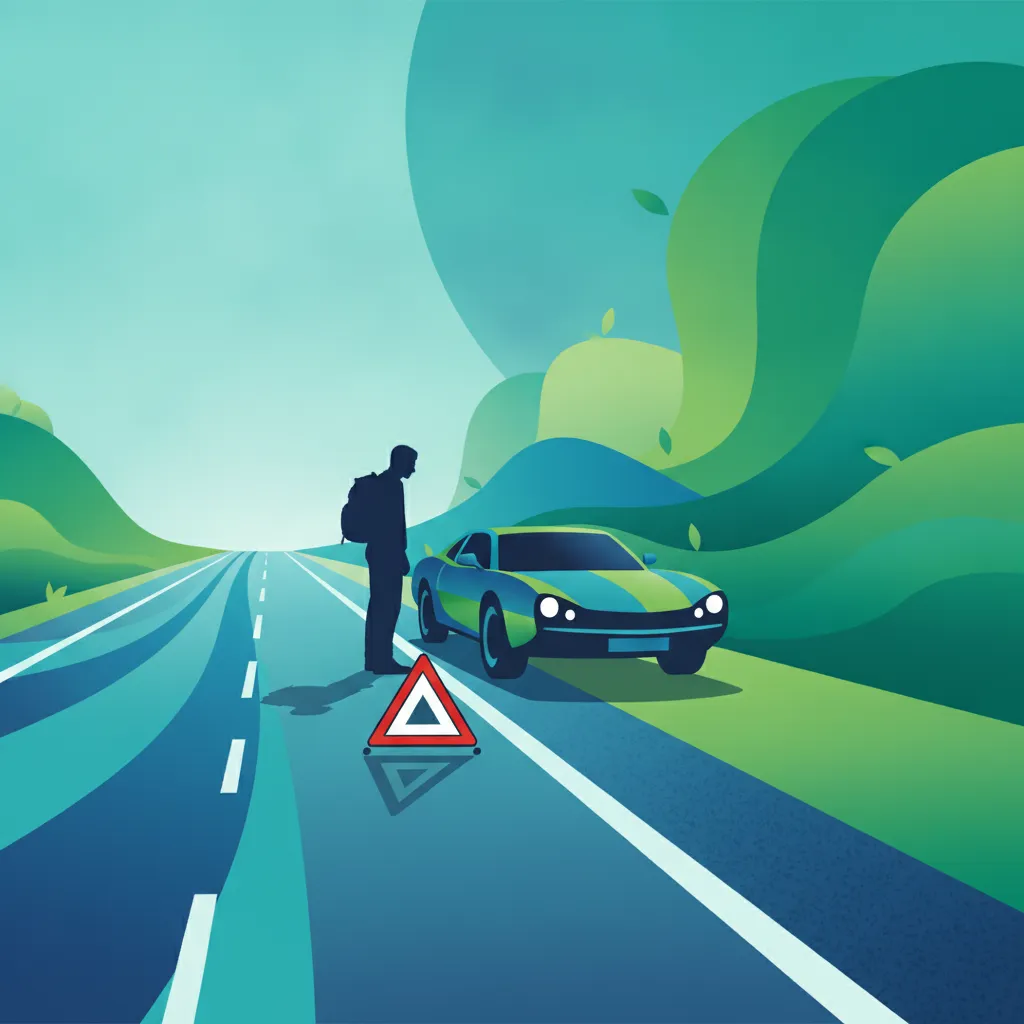
Set up Warning Triangle (Warndreieck): Place the warning triangle at an appropriate distance behind your vehicle to warn oncoming traffic. The specific distance varies depending on the road type and visibility:
On rural roads (Landstraßen): At least 50 meters.
On motorways (Autobahnen): At least 100 meters.
In areas with poor visibility (e.g., fog, curves, hilltops): The distance should be increased significantly, potentially up to 150 meters, to give other drivers ample reaction time.
Place the warning triangle in a visible location, ensuring it is stable and does not pose a hazard itself.
Move to a Safe Location: Once the scene is secured, if possible and safe, move yourself and any uninjured passengers to a safe location away from traffic, such as behind a crash barrier.
The integrity of the accident scene is critical for a thorough and accurate investigation by police and insurance adjusters. Preserving the scene means keeping everything as it was immediately after the collision, unless safety necessitates a change.
Preserving the original positions of vehicles, debris, skid marks, and other elements provides vital evidence for reconstructing the sequence of events. This evidence helps determine fault, establish liability, and process insurance claims fairly. Any disturbance to the scene can compromise the investigation and potentially lead to inaccurate conclusions about the accident.
Generally, vehicles involved in an accident should not be moved until the police have arrived and authorized their relocation, especially if there are injuries or significant damage. However, there are exceptions where moving vehicles is necessary:
If you must move a vehicle, even in minor incidents, mark the positions of the vehicles and any critical debris (e.g., with chalk or by taking clear photographs from multiple angles) before relocation.
German law imposes strict reporting obligations on drivers involved in accidents. Failure to comply can result in significant legal penalties, including fines, points on your license, or even imprisonment, and may jeopardize insurance claims.
Under German Road Traffic Regulations (Straßenverkehrs-Ordnung – StVO), specifically §34, there is a legal duty to report certain accidents to the police without delay. This obligation applies if:
For heavy vehicles, due to the potential for severe damage and higher risk, it is almost always advisable to contact the police, even if the damage appears minor. This ensures an official accident report is created, which is invaluable for insurance purposes.
Beyond reporting to the police, you also have a legal duty to report the accident to your insurance company. The German Road Traffic Act (Straßenverkehrsgesetz – StVG), particularly §7, underpins the requirements for general liability insurance and associated reporting.
Most insurance policies stipulate that you must report an accident to your insurer within a specific timeframe, commonly three days. Delaying this notification or providing incomplete or inaccurate information can lead to the denial or reduction of your claim. Contact your insurance provider (or your fleet manager, if applicable) as soon as practically possible after fulfilling immediate safety and police reporting duties.
When police and other authorities arrive at the accident scene, your cooperation is essential. This helps them conduct a thorough investigation and create an accurate accident report.
Be prepared to present the following documents to the police:
You will also need to provide contact details and insurance information to other parties involved in the accident.
When questioned by police or investigators, provide a truthful and accurate account of the accident circumstances. Describe what you saw, heard, and did leading up to, during, and immediately after the collision. Do not speculate or admit fault prematurely; stick to the facts as you remember them. If you are unsure about a specific detail, state that you do not recall or are unsure.
For commercial drivers, remember that your actions reflect on your employer. Maintain a professional demeanor and cooperate fully, but do not sign any documents or make statements you don't fully understand.
Thorough documentation is vital for a smooth insurance claim process and to support your account of the accident. The more evidence you collect at the scene, the stronger your position will be.
Modern smartphones make it easy to document an accident scene. Take numerous photographs and videos from various angles. Focus on:
After ensuring everyone's safety and involving the police if necessary, exchange essential information with other drivers involved. This includes:
It is advisable to complete an "Unfallprotokoll" (Accident Protocol) if available. This is a standardized form designed to gather all necessary information at the scene of a minor accident, often provided by insurance companies. Both parties can fill it out and sign it, ensuring a consistent record of the basic facts.
Avoiding common errors after an accident is crucial to mitigate legal and financial repercussions. Heavy vehicle drivers face specific responsibilities due to the size and potential impact of their vehicles.
The specific environment and conditions surrounding an accident can significantly influence the appropriate response for a heavy vehicle driver.
Understanding the specific legal framework is crucial for heavy vehicle drivers operating in Germany. These regulations are designed to ensure safety, fairness, and accountability.
Always ensure you are familiar with the most current versions of the German Road Traffic Regulations (StVO) and the Road Traffic Act (StVG), as amendments can occur.
For heavy vehicle drivers operating in Germany, responding correctly to an accident is more than just a procedural step; it is a fundamental aspect of professional responsibility and legal compliance. Your actions in the immediate aftermath of a collision can have far-reaching consequences for safety, legal outcomes, and financial liability.
By mastering immediate safety measures, diligently preserving the accident scene, understanding your reporting obligations to both police and insurers, and cooperating fully with authorities, you uphold your duty of care to all road users. Comprehensive documentation further safeguards your position and aids fair resolution. This knowledge is not only vital for passing your German Heavy Vehicle Driving License Theory examination but is an indispensable skill for safe and responsible heavy vehicle operation throughout your career.
This lesson covers the critical procedures heavy vehicle drivers must follow after an accident in Germany. Learners should prioritize safety by assessing injuries, calling emergency services, and securing the scene with hazard lights, reflective vests, and warning triangles at legally specified distances. German law under StVO §34 mandates immediate police reporting for injuries, significant property damage, public property damage, or disputes, while StVG §7 requires notifying your insurer within three days. Scene preservation and thorough documentation—photographs of vehicle positions, damage, road conditions, and exchanged information—are essential for insurance claims and investigations. The lesson identifies five common mistakes including leaving the scene prematurely, inadequate scene security, and delayed reporting, each with serious legal and financial consequences for professional drivers.
A short set of high-value points that capture the most important learning from this lesson.
Immediately assess injuries and call emergency services (112) before any other action, as your first priority is preventing further harm.
Activate hazard lights, wear a reflective vest, and place warning triangles at required distances (50m rural roads, 100m motorways, up to 150m in poor visibility) to secure the scene.
Under StVO §34, you must report to police without delay if there are injuries, significant property damage, public property damage, an unidentified party, or a dispute about fault.
Report the accident to your insurance company within three days as required by StVG §7, including all collected evidence and documentation.
Do not move vehicles until police authorize relocation unless there is imminent danger or all parties agree in minor property-only accidents.
Explore all units and lessons included in this driving theory course.
Warning triangle distances: 50m on rural roads (Landstraßen), 100m on motorways (Autobahnen), and up to 150m in poor visibility conditions.
Police notification is mandatory under StVO §34 whenever there are injuries, significant damage (generally around €1000+), public property damage, or an unidentified driver.
StVG §7 requires reporting to your insurer within three days; delays can result in denied or reduced claims.
Required documents at scene: Führerschein (driving license), Zulassungsbescheinigung Teil I (vehicle registration), and Personalausweis (ID).
Leaving the accident scene prematurely (Unerlaubtes Entfernen vom Unfallort) is a serious criminal offense in Germany regardless of fault.
Leaving the accident scene after a minor collision without exchanging information or securing the scene, thinking damage is negligible—this is a criminal offense.
Failing to activate hazard lights or place warning triangles at the correct distance, increasing the risk of secondary accidents and legal liability.
Delaying police notification for serious incidents involving injuries or significant property damage, complicating fact-finding and increasing penalties.
Providing inaccurate or incomplete information to police or insurers, which can lead to perjury charges and invalidated insurance claims.
Neglecting to report to the insurance company within the three-day deadline, potentially resulting in denied claims and breach of contract.
Lesson content overview
A short set of high-value points that capture the most important learning from this lesson.
Immediately assess injuries and call emergency services (112) before any other action, as your first priority is preventing further harm.
Activate hazard lights, wear a reflective vest, and place warning triangles at required distances (50m rural roads, 100m motorways, up to 150m in poor visibility) to secure the scene.
Under StVO §34, you must report to police without delay if there are injuries, significant property damage, public property damage, an unidentified party, or a dispute about fault.
Report the accident to your insurance company within three days as required by StVG §7, including all collected evidence and documentation.
Do not move vehicles until police authorize relocation unless there is imminent danger or all parties agree in minor property-only accidents.
Explore all units and lessons included in this driving theory course.
Warning triangle distances: 50m on rural roads (Landstraßen), 100m on motorways (Autobahnen), and up to 150m in poor visibility conditions.
Police notification is mandatory under StVO §34 whenever there are injuries, significant damage (generally around €1000+), public property damage, or an unidentified driver.
StVG §7 requires reporting to your insurer within three days; delays can result in denied or reduced claims.
Required documents at scene: Führerschein (driving license), Zulassungsbescheinigung Teil I (vehicle registration), and Personalausweis (ID).
Leaving the accident scene prematurely (Unerlaubtes Entfernen vom Unfallort) is a serious criminal offense in Germany regardless of fault.
Leaving the accident scene after a minor collision without exchanging information or securing the scene, thinking damage is negligible—this is a criminal offense.
Failing to activate hazard lights or place warning triangles at the correct distance, increasing the risk of secondary accidents and legal liability.
Delaying police notification for serious incidents involving injuries or significant property damage, complicating fact-finding and increasing penalties.
Providing inaccurate or incomplete information to police or insurers, which can lead to perjury charges and invalidated insurance claims.
Neglecting to report to the insurance company within the three-day deadline, potentially resulting in denied claims and breach of contract.
Explore search topics learners often look for when studying Accident Response and Reporting Obligations. These topics reflect common questions about road rules, driving situations, safety guidance, and lesson level theory preparation for learners in Germany.
Browse additional driving theory lessons that cover connected traffic rules, road signs, and common driving situations related to this topic. Improve your understanding of how different rules interact across everyday traffic scenarios.
Explore the legal ramifications following a vehicle accident, focusing on reporting duties, police interaction, and potential penalties for C1-CE licence holders under German law. Understand your responsibilities and how to navigate legal procedures.

This lesson outlines the legal ramifications of operating a heavy vehicle while fatigued or overloaded. It covers potential fines, license suspension, and the negative impact on insurance coverage. The content also discusses the increased liability in the event of an accident caused by these violations.
This lesson focuses on the legal responsibilities and duties of a vehicle operator according to German traffic law, primarily the StVO. It covers the obligation to drive safely, the rules of conduct at an accident scene, and the legal consequences of traffic violations. Understanding these principles is crucial for maintaining road safety and avoiding penalties such as fines, points, or driving bans.

This lesson explores the legal framework governing heavy vehicle operation in Germany, focusing on the Straßenverkehrs-Ordnung (StVO) and specific commercial transport regulations. It details the professional duty of care required from drivers, including responsibilities for vehicle inspection and documentation. You will understand the enforcement mechanisms and potential penalties for non-compliance.

This lesson examines the ethical and environmental responsibilities of heavy vehicle drivers, including the impact of emissions, fuel consumption, and noise pollution. It explains the principles of sustainable logistics and making environmentally conscious decisions while operating heavy vehicles. The content also covers the broader implications of transportation on public health and resource usage.
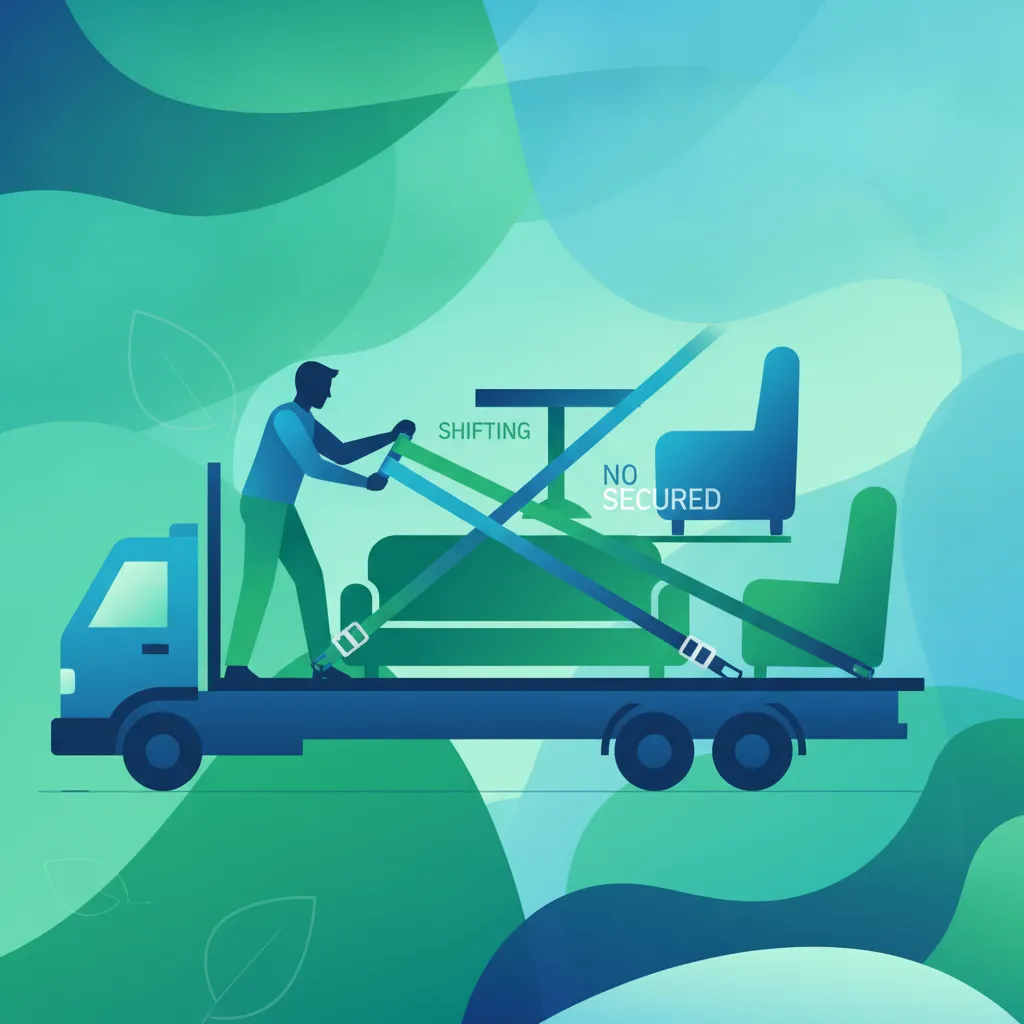
This lesson outlines the legal requirements for load securing according to German traffic law (StVO) and other relevant regulations. It details the obligations for cargo safety, inspection, and documentation. The content also explains the penalties for non-compliance, emphasizing adherence to legal standards to ensure safety.
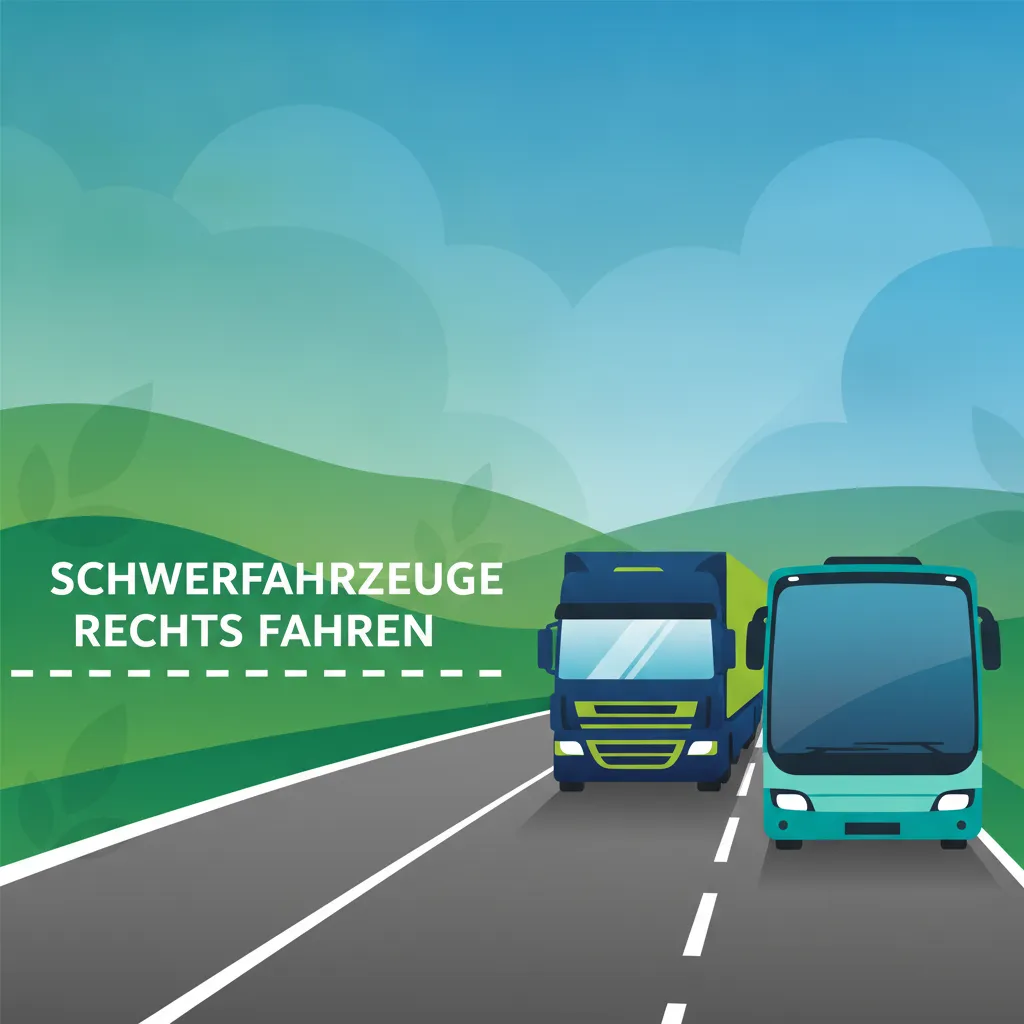
This lesson explains the specific regulations for operating heavy vehicles on Autobahnen, including speed limits, lane discipline, and overtaking rules. It discusses the use of dedicated truck lanes and the importance of maintaining appropriate following distances. The content also covers procedures for merging and exiting high-speed roads safely.

This lesson outlines the legal requirements for vehicle roadworthiness, including mandatory periodic inspections (TÜV) and the issuance of safety certificates. It explains the standards for emissions, safety devices, and the proper documentation of defects. The content underscores the importance of complying with inspection intervals and addressing repair obligations promptly.
Learn essential procedures for securing an accident scene to prevent further hazards and understand the critical documentation needed for insurance claims and official investigations. This lesson covers preserving evidence and accurate information gathering for C1-CE drivers.

This lesson provides clear, step-by-step instructions on what to do at the scene of a traffic accident. It covers the immediate priorities: stopping, securing the area with a warning triangle, and putting on a high-visibility vest. The lesson details how to make an effective emergency call to '112' and what information to provide, as well as the procedure for exchanging insurance details with other parties involved.
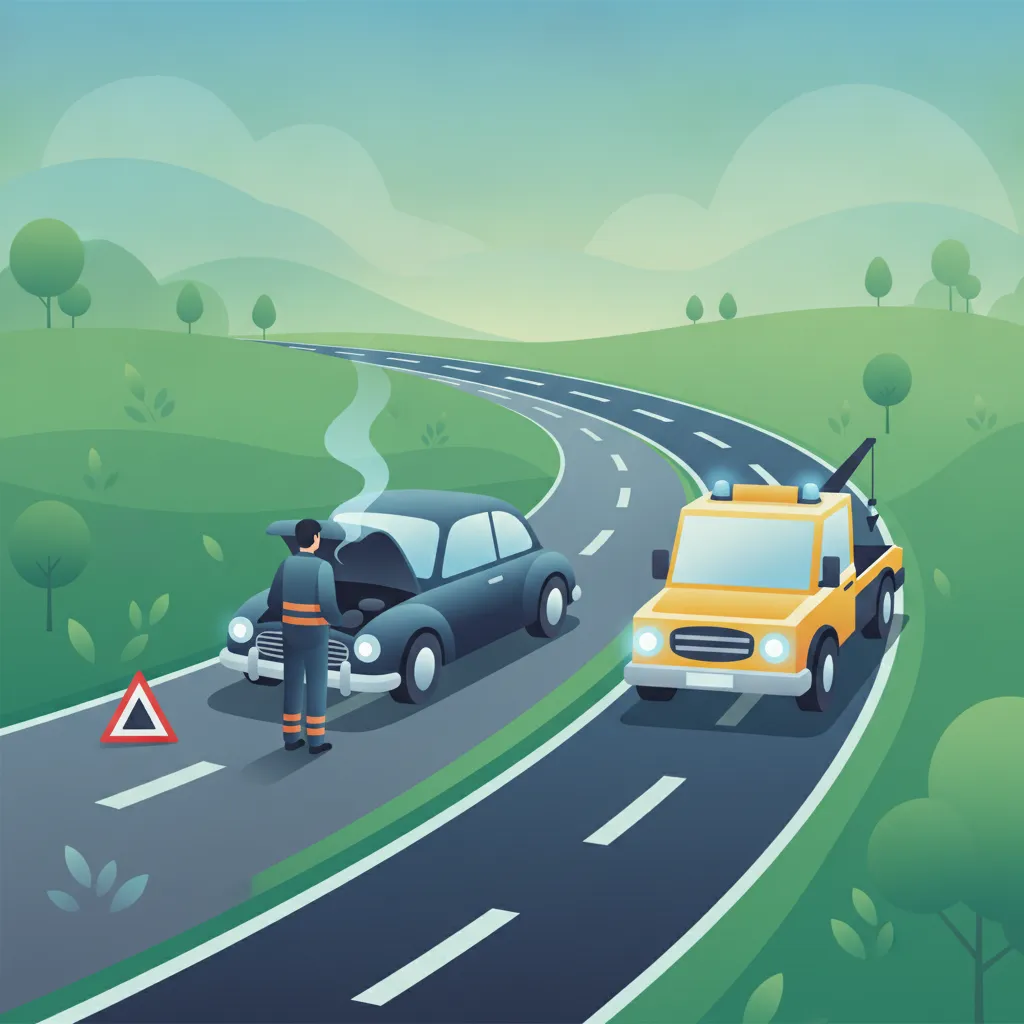
This lesson provides clear, actionable steps for managing a breakdown or being involved in an accident. It covers how to safely move the vehicle off the road, use warning signals, and secure the area. The procedure for contacting roadside assistance and the authorities is also explained in detail.
This lesson covers the essential actions to take at an accident scene, focusing on personal safety and providing basic first aid. It explains how to make an effective emergency call to 112 and what information to provide. The lesson also details the legal requirements for documenting and reporting an accident for police and insurance purposes.
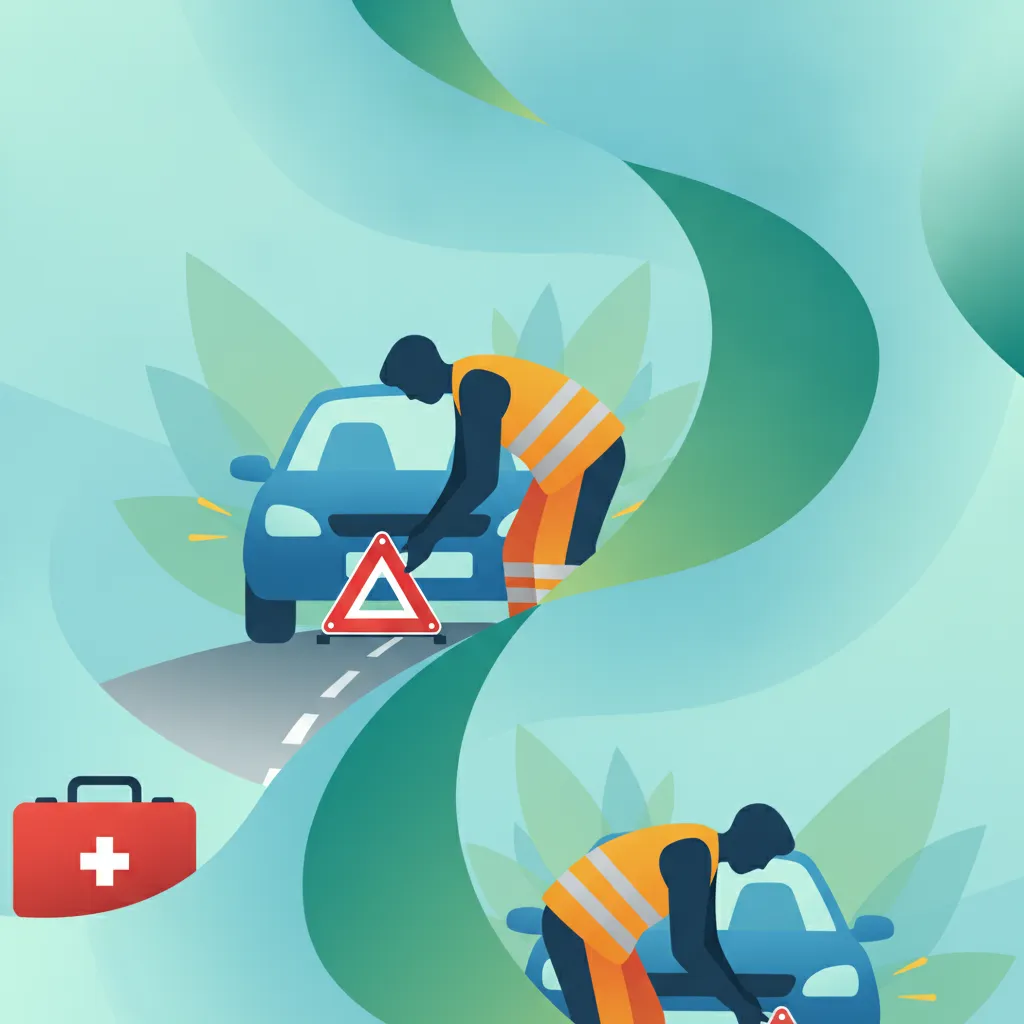
This lesson covers the legal and moral obligation to provide first aid at an accident scene. It outlines basic, life-saving measures such as assessing an injured person's condition, placing them in the recovery position, and the principles of controlling bleeding. The lesson also explains the correct placement of the warning triangle ('Warndreieck') to effectively warn oncoming traffic of the hazard ahead.

This lesson informs riders about the legal ramifications of dangerous riding and traffic violations under German law. It outlines potential penalties, including fines, points, and license suspension, as well as the impact on insurance. The content also provides a step-by-step guide on the correct procedures for reporting an accident to the police and documenting the scene for legal and insurance purposes.
This lesson outlines the driver's legal responsibility to ensure their vehicle is in a safe and roadworthy condition before every journey. It covers essential pre-drive checks, such as verifying lights, tyres, and fluid levels (oil, coolant, washer fluid). The lesson also explains the mandatory equipment that must be carried in the vehicle, including a warning triangle, high-visibility vest, and first-aid kit.

This lesson introduces the concept of defensive driving ('vorausschauendes Fahren'), a proactive approach focused on anticipating and mitigating potential risks. It teaches techniques for scanning the road ahead, identifying potential hazards early, and managing the space around your vehicle to create a safety buffer. The goal is to develop a mindset that prioritizes safety and collision avoidance above all else.

This lesson teaches the systematic observation techniques required for safe driving, starting with how to scan the road far ahead, nearby, and to the sides. It details the correct frequency for checking interior and exterior mirrors to maintain situational awareness. The lesson highlights the indispensable over-the-shoulder check ('Schulterblick') to cover the vehicle's blind spot before any change in direction.

This lesson teaches the systematic pre-trip inspection routine that every professional driver must perform. It covers a comprehensive checklist of visual and functional checks, including lights, tires, mirrors, and wipers. The lesson also emphasizes verifying the presence and condition of mandatory safety equipment, such as emergency exits, the fire extinguisher, and the first-aid kit, to ensure the vehicle is safe to operate.
This lesson covers the appropriate steps to take in the event of a vehicle breakdown or an accident. It details procedures for safely moving the motorcycle out of traffic, making the area visible with hazard warnings, and contacting emergency services. The content emphasizes personal safety and the correct protocol for managing the scene until professional help arrives.
Find clear answers to common questions learners have about Accident Response and Reporting Obligations. Learn how the lesson is structured, which driving theory objectives it supports, and how it fits into the overall learning path of units and curriculum progression in Germany. These explanations help you understand key concepts, lesson flow, and exam focused study goals.
In Germany, if there is only minor damage and all parties agree on the facts, you can settle it privately. However, as a professional driver, it is highly recommended to call the police for documentation to protect yourself and your company from future liability, especially when involving heavy vehicles.
Safety is the priority. Switch on your hazard lights, put on your high-visibility vest before leaving the cab, and place the warning triangle at a sufficient distance behind your vehicle to warn oncoming traffic. Only then should you assess the scene and call emergency services if needed.
Yes, absolutely. Leaving the scene of an accident without identifying yourself or fulfilling your duty to assist is a serious criminal offence in Germany (Unerlaubtes Entfernen vom Unfallort), which can lead to severe fines, loss of licence, and potential imprisonment.
Heavy vehicle accidents often involve significant financial and legal consequences. Accurate documentation, including photos, witness contact details, and a sketch of the scene, is vital for insurance claims and to demonstrate your compliance with safety standards during any subsequent police investigation.
Begin your targeted revision now. Use our practice search to quickly find specific German driving theory questions. Filter by StVO rules, road signs, or hazard perception to create your focused study plan. Master challenging areas and prepare confidently for your theoretical driving test.