
This lesson provides a comprehensive guide to performing mandatory pre-drive inspections for heavy vehicles under German licensing standards. You will learn the systematic approach required to verify roadworthiness, covering everything from fluid levels and brake functionality to critical lighting and tyre checks. Mastering these procedures is essential for both your theory examination and your long-term safety as a professional driver.

Lesson content overview
For professional drivers operating heavy vehicles in categories C1, C1E, C, and CE, a thorough pre-drive inspection is not merely a recommendation; it is a fundamental obligation. This systematic series of checks, conducted before every journey, is paramount for ensuring the vehicle's roadworthiness, preventing accidents, and upholding legal compliance. Neglecting these essential procedures can lead to severe consequences, including mechanical failure, legal penalties, and endangerment of other road users. This lesson will guide you through the critical components of a pre-drive inspection, highlighting the specific checks required to maintain safety and efficiency on German roads.
A comprehensive pre-drive inspection serves multiple vital purposes, making it an indispensable routine for every heavy vehicle driver. Beyond the obvious safety benefits, it is a legal requirement and a proactive measure to extend vehicle longevity and operational efficiency.
In Germany, drivers are legally responsible for the roadworthiness of their vehicle before commencing any journey. This obligation is enshrined in regulations such as § 25 of the Straßenverkehrs-Zulassungs-Ordnung (StVZO – Road Traffic Licensing Regulations). This legal framework mandates that vehicles must be in a condition that ensures safe operation and does not pose a hazard to traffic. A diligent pre-drive inspection demonstrates adherence to these responsibilities, mitigating the risk of fines, points on your license, or even criminal charges in the event of an accident caused by a preventable defect.
The primary goal of a pre-drive inspection is prevention. Early detection of potential faults, such as low fluid levels, worn tyres, or malfunctioning lights, can prevent critical system failures during transit. A minor issue identified before departure can often be easily remedied, whereas the same issue manifesting at high speed on the Autobahn could lead to a serious accident or a costly breakdown, causing significant delays and putting lives at risk.
Regular checks contribute to the overall operational efficiency of your heavy vehicle. Correct tyre pressures, optimal fluid levels, and properly functioning components reduce wear and tear, decrease fuel consumption, and extend the lifespan of the vehicle. This proactive maintenance approach minimizes unexpected repair costs and maximizes uptime, which is crucial for professional transport operations.
A systematic approach is key to an effective pre-drive inspection. This section details the core areas that must be thoroughly checked before every journey.
Proper fluid levels are essential for the safe and efficient operation of any heavy vehicle. Each fluid plays a distinct role in preventing overheating, ensuring braking power, and facilitating smooth steering.
Engine oil lubricates moving parts within the engine, reducing friction and dissipating heat. Checking the oil level typically involves using a dipstick when the engine is cold or has been off for a sufficient period for oil to drain back into the sump. The level should fall between the minimum and maximum marks on the dipstick. Low oil levels can lead to severe engine damage due to insufficient lubrication, while excessive oil can cause foaming or seal damage.
Coolant regulates engine temperature, preventing overheating or freezing. Its level should be checked in the expansion tank, typically when the engine is cool. A low coolant level can quickly lead to engine overheating, especially under heavy loads or during long hauls, potentially causing irreversible engine damage.
Brake fluid is a hydraulic fluid that transmits pressure from the brake pedal to the wheel brake mechanisms. A low brake fluid level can indicate a leak in the braking system or worn brake pads, both of which compromise braking effectiveness. It is crucial to ensure the reservoir is filled to the recommended level to prevent brake failure. Heavy vehicles with air brakes also rely on sufficient air pressure, which is a separate but equally critical check.
For vehicles equipped with hydraulic power steering, this fluid facilitates easy steering. A low power steering fluid level can result in difficult or heavy steering, increasing driver fatigue and making maneuvering challenging, particularly in tight spaces or at low speeds.
While not directly critical for vehicle mechanics, sufficient windshield washer fluid is vital for maintaining clear visibility, especially in adverse weather conditions or on dusty roads. Reduced visibility can significantly increase accident risk.
Regular Fluid Checks: Make it a habit to check fluid levels during your daily pre-drive inspection. This vigilance can save you from costly repairs and dangerous situations on the road.
The braking system is arguably the most critical safety feature of any vehicle, and its flawless operation is non-negotiable for heavy vehicles. A comprehensive check must include both the service brake and the parking brake, with special attention to air brake systems common in categories C and CE.
Depress the foot brake pedal to check its travel and resistance. The pedal should feel firm and not spongy, indicating proper hydraulic pressure. Excessive pedal travel or a soft pedal could signal air in the system, low brake fluid, or a fault in the master cylinder. The brakes should engage smoothly and effectively without pulling the vehicle to one side.
Engage the parking brake to ensure it holds the vehicle securely, especially on inclines. For heavy vehicles, the parking brake is crucial for stable loading/unloading and preventing unintended movement when stationary. Test it by attempting to move the vehicle slightly in a safe, controlled environment.
Heavy vehicles often utilize air brake systems. Before departure, it is legally mandated to ensure that the air pressure in the reservoir is sufficient for safe operation. The air pressure gauge on the dashboard should indicate at least 5 bar (approximately 5 atmospheres). Insufficient air pressure will result in a warning light or alarm and can lead to a significant reduction or complete loss of braking power.
Tyres are the only contact point between the vehicle and the road. Their condition directly influences traction, handling, braking performance, and fuel efficiency. A thorough inspection of all tyres is essential.
German law mandates a minimum tread depth of 1.6 mm across the central three-quarters of the tyre tread for heavy vehicles (§ 24 StVZO). However, for optimal safety, especially in wet conditions, a greater tread depth is recommended. Use a tread depth gauge to verify this on all main and spare tyres. Insufficient tread depth severely compromises grip and increases the risk of aquaplaning.
Inspect the tyre sidewalls for any cuts, bulges, cracks, or damage. Sidewall damage can compromise the structural integrity of the tyre, leading to a sudden blowout, which is extremely dangerous, particularly at high speeds.
Correct tyre inflation pressure, as specified by the manufacturer (often found in the vehicle's manual or on a sticker inside the door jamb), is critical.
Underinflated tyres reduce fuel efficiency, increase tyre wear, and generate excessive heat, increasing the risk of a blowout. They also negatively affect steering and handling. Overinflated tyres reduce the contact patch with the road, leading to less grip, poorer braking, and uneven wear.
Always check tyre pressure when the tyres are cold for the most accurate reading.
Properly functioning lighting and reflectors are crucial for visibility and for communicating your intentions to other road users, especially during low light conditions or adverse weather.
Check dipped beam (Abblendlicht) and high beam (Fernlicht) headlights. Ensure both are clean, functional, and correctly aimed. Misaligned headlights can dazzle oncoming traffic or fail to illuminate the road effectively. Dipped beams must be used at night and in conditions of poor visibility.
Verify that all tail lights illuminate brightly and that brake lights activate immediately when the brake pedal is depressed. Faulty brake lights mean other drivers won't know when you're slowing down, increasing the risk of a rear-end collision.
Test all turn signals (indicators) to ensure they flash correctly and at the proper rate. Hazard warning lights (Warnblinkanlage) must also function, used to signal a temporary obstruction or danger, such as a breakdown on the roadside.
If equipped, check front and rear fog lights. Remember that front fog lights (§ 17 StVZO) should only be used in genuinely foggy, snowy, or heavily rainy conditions where visibility is severely restricted (under 50 metres). Rear fog lights (Nebelschlussleuchte) are even more restricted, only to be used when visibility is less than 50 metres due to fog.
Ensure all mandatory reflectors are clean, intact, and securely mounted. These passive safety devices enhance vehicle visibility to other drivers, even when lights are off.
Visual Check: A quick walk-around with all lights activated can easily confirm their functionality. Ask a colleague to help check brake lights if you are alone.
Correct mirror adjustment is vital for maximizing your field of view and minimizing dangerous blind spots, particularly when driving a large heavy vehicle. Adjust mirrors for your driving position, and re-adjust them if the load or driver changes.
Adjust to provide a clear view directly behind the vehicle. While less critical for heavy trucks with limited rear visibility due to cargo, it can be useful in some C1/C1E vehicles.
These are your primary tools for observing surrounding traffic. Adjust the side mirrors so that you can just see a small portion of your own vehicle's side in the innermost edge of the mirror. This helps with judging distances and ensures that the widest possible area beside and behind the vehicle is visible. Special convex (wide-angle) and blind spot mirrors common on heavy vehicles also need careful adjustment to cover different zones effectively.
Adjust for Load Changes: The angle and distribution of a load can significantly impact your rear and side visibility. Always re-adjust your mirrors after loading or unloading to ensure optimal awareness of your surroundings.
Proper load securement is critical for the stability of the vehicle and the safety of other road users. An unsecured load can shift during braking or cornering, causing the vehicle to become unstable, leading to loss of control, or even spilling cargo onto the road.
Ensure the load is distributed evenly across the vehicle's axles and within its permissible weight limits. Uneven weight distribution can overload individual axles, affecting steering, braking, and overall vehicle stability. It can also lead to legal violations.
Verify that the cargo is secured to appropriate anchoring points using suitable securing devices (straps, chains, netting, shoring bars). These points are designed to withstand significant forces during transport.
Check the tension of all securing devices. Straps and chains can loosen during transit due to vibrations or settling of the load. A pre-drive check ensures they are properly tensioned and that no devices are damaged or frayed.
Methods and devices used to prevent cargo movement during transport, adhering to legal requirements such as StVZO § 31.
Adhering to specific German regulations is paramount for heavy vehicle drivers. These laws mandate not only the necessity of pre-drive checks but also specific requirements for key vehicle components.
Understanding common mistakes can help you avoid them and ensure a safer journey.
The exact focus of your pre-drive inspection might shift slightly depending on prevailing conditions or the nature of your journey.
The decisions made during a pre-drive inspection have direct and profound consequences:
Let's explore some practical scenarios to solidify your understanding of pre-drive inspection procedures.
A comprehensive pre-drive inspection is a cornerstone of safe and responsible heavy vehicle operation. It is a non-negotiable legal obligation that protects drivers, cargo, and other road users. By systematically checking fluid levels, ensuring brake functionality, verifying tyre integrity and pressure, confirming lighting and reflector operation, properly adjusting mirrors, and securing all loads, you proactively mitigate risks and ensure your vehicle is roadworthy for every journey. Embrace this systematic approach not just as a routine task, but as a critical element of professional driving.
This lesson covers the mandatory systematic pre-drive inspection procedures for heavy vehicles under German licensing standards, covering six essential areas: fluid levels (engine oil, coolant, brake fluid, power steering fluid, washer fluid), brake system functionality (including the 5 bar air pressure requirement for air brakes), tyre condition and inflation, lighting and reflector checks with specific rules for dipped beams and fog lights, mirror adjustments that must change with load conditions, and load securing requirements under StVZO § 31. The content emphasizes legal compliance, accident prevention, and operational efficiency, providing practical scenarios to reinforce correct procedures and highlighting common violations that learners should avoid.
A short set of high-value points that capture the most important learning from this lesson.
Pre-drive inspections are a legal obligation under German law (StVZO § 25), not optional, requiring drivers to verify roadworthiness before every journey.
Air brake systems must reach at least 5 bar pressure before departure; insufficient pressure can cause complete brake failure.
Tyre tread depth must be at least 1.6 mm across the central three-quarters of the tyre, but greater depth is recommended for wet conditions.
All loads must be secured against shifting during emergency braking or evasive maneuvers, adhering to StVZO § 31.
Mirrors must be re-adjusted after loading or unloading, as cargo changes the vehicle's visibility profile and blind spots.
Explore all units and lessons included in this driving theory course.
Engine oil, coolant, brake fluid, and power steering fluid levels must all be between minimum and maximum marks on their respective dipsticks or reservoirs.
Dipped beam headlights are mandatory at night; fog lights may only be used when visibility drops below 50 metres.
Parking brake must hold the vehicle on inclines; for heavy vehicles, wheel chocks provide additional safety when stationary.
Tyre inflation must match manufacturer specifications for the load condition—check when tyres are cold for accuracy.
All turn signals and hazard warning lights must flash at the correct rate and be tested before departure.
Starting a journey without waiting for air brake systems to build to the required 5 bar pressure.
Using high beams in urban areas or when oncoming traffic is present, dazzling other drivers.
Driving with mirrors adjusted for an empty vehicle after loading, creating dangerous blind spots.
Assuming load securing devices remain tensioned without rechecking after loading or after a short distance.
Neglecting to check tyre sidewalls for cuts, bulges, or cracks, focusing only on tread depth.
Lesson content overview
A short set of high-value points that capture the most important learning from this lesson.
Pre-drive inspections are a legal obligation under German law (StVZO § 25), not optional, requiring drivers to verify roadworthiness before every journey.
Air brake systems must reach at least 5 bar pressure before departure; insufficient pressure can cause complete brake failure.
Tyre tread depth must be at least 1.6 mm across the central three-quarters of the tyre, but greater depth is recommended for wet conditions.
All loads must be secured against shifting during emergency braking or evasive maneuvers, adhering to StVZO § 31.
Mirrors must be re-adjusted after loading or unloading, as cargo changes the vehicle's visibility profile and blind spots.
Explore all units and lessons included in this driving theory course.
Engine oil, coolant, brake fluid, and power steering fluid levels must all be between minimum and maximum marks on their respective dipsticks or reservoirs.
Dipped beam headlights are mandatory at night; fog lights may only be used when visibility drops below 50 metres.
Parking brake must hold the vehicle on inclines; for heavy vehicles, wheel chocks provide additional safety when stationary.
Tyre inflation must match manufacturer specifications for the load condition—check when tyres are cold for accuracy.
All turn signals and hazard warning lights must flash at the correct rate and be tested before departure.
Starting a journey without waiting for air brake systems to build to the required 5 bar pressure.
Using high beams in urban areas or when oncoming traffic is present, dazzling other drivers.
Driving with mirrors adjusted for an empty vehicle after loading, creating dangerous blind spots.
Assuming load securing devices remain tensioned without rechecking after loading or after a short distance.
Neglecting to check tyre sidewalls for cuts, bulges, or cracks, focusing only on tread depth.
Explore search topics learners often look for when studying Pre-Drive Inspection Procedures. These topics reflect common questions about road rules, driving situations, safety guidance, and lesson level theory preparation for learners in Germany.
Browse additional driving theory lessons that cover connected traffic rules, road signs, and common driving situations related to this topic. Improve your understanding of how different rules interact across everyday traffic scenarios.
Understand the essential roadworthiness and safety checks required for heavy vehicles (Categories C1, C1E, C, CE) in Germany. Learn about pre-drive inspection procedures and legal obligations to ensure vehicle safety and compliance with German driving laws.

This lesson outlines the legal requirements for vehicle roadworthiness, including mandatory periodic inspections (TÜV) and the issuance of safety certificates. It explains the standards for emissions, safety devices, and the proper documentation of defects. The content underscores the importance of complying with inspection intervals and addressing repair obligations promptly.

This lesson covers the dimensional limits for heavy vehicles, focusing on height, width, and length restrictions. It explains how to interpret clearance signage for bridges, tunnels, and overhead obstacles, and discusses the implications for route planning. The content also addresses the importance of understanding turning radii and swept paths to avoid collisions.

This lesson explores the legal framework governing heavy vehicle operation in Germany, focusing on the Straßenverkehrs-Ordnung (StVO) and specific commercial transport regulations. It details the professional duty of care required from drivers, including responsibilities for vehicle inspection and documentation. You will understand the enforcement mechanisms and potential penalties for non-compliance.

This lesson explains the legal framework for ensuring a passenger vehicle's roadworthiness, focusing on periodic technical inspections (TÜV) and scheduled maintenance. It identifies critical wear components, such as brakes and tires, that require regular monitoring and replacement. The importance of adhering to service intervals and maintaining accurate maintenance logs for regulatory compliance is also thoroughly covered.
This lesson outlines the driver's legal responsibility to ensure their vehicle is in a safe and roadworthy condition before every journey. It covers essential pre-drive checks, such as verifying lights, tyres, and fluid levels (oil, coolant, washer fluid). The lesson also explains the mandatory equipment that must be carried in the vehicle, including a warning triangle, high-visibility vest, and first-aid kit.

This lesson explains the specific regulations for operating heavy vehicles on Autobahnen, including speed limits, lane discipline, and overtaking rules. It discusses the use of dedicated truck lanes and the importance of maintaining appropriate following distances. The content also covers procedures for merging and exiting high-speed roads safely.

This lesson outlines the legal requirements for load securing according to German traffic law (StVO) and other relevant regulations. It details the obligations for cargo safety, inspection, and documentation. The content also explains the penalties for non-compliance, emphasizing adherence to legal standards to ensure safety.
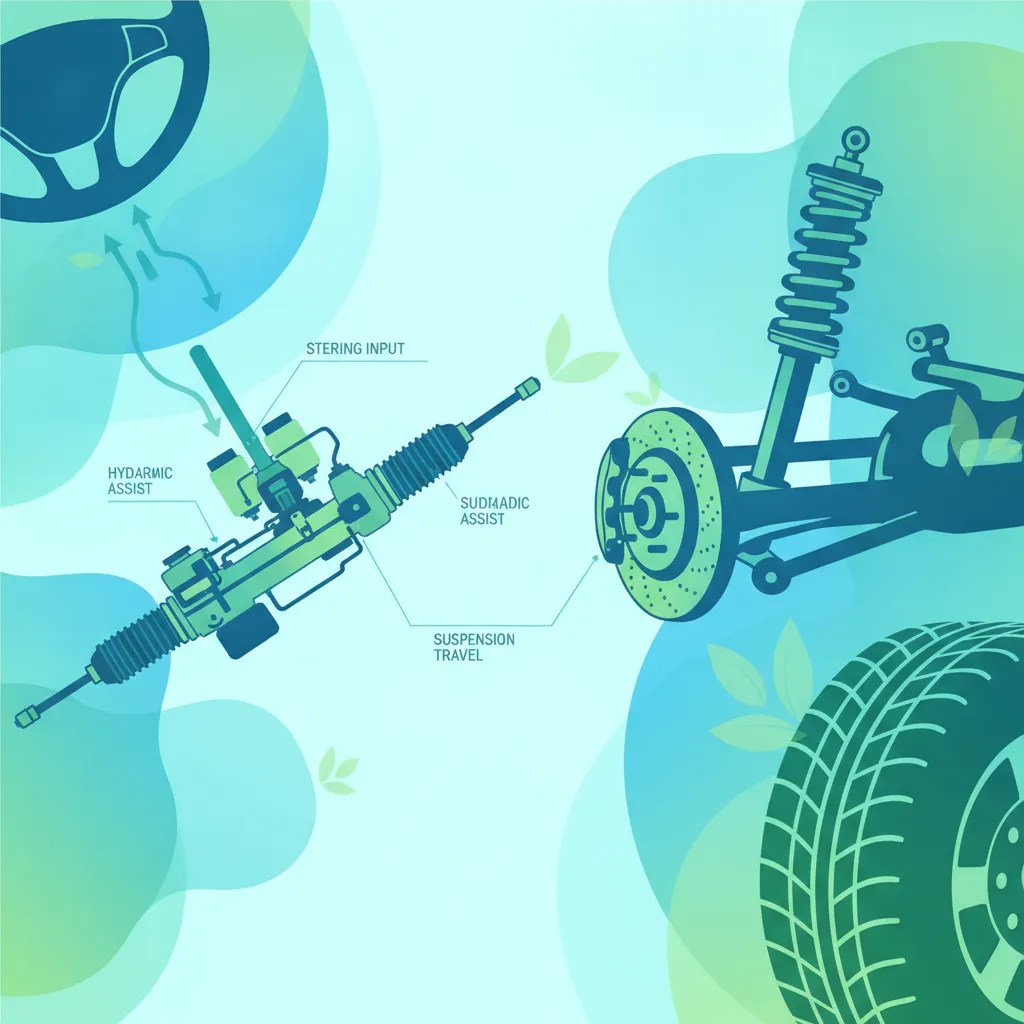
This lesson examines the steering mechanisms in heavy vehicles, including power-assisted systems, and their impact on handling. It also covers tyre technology, focusing on selection, pressure, load rating, and the importance of proper tyre maintenance. The content highlights how suspension components contribute to vehicle stability and control.

This lesson introduces the fundamental structural components of heavy vehicles, focusing on the frame and chassis design. It explains the role of different suspension types, such as leaf springs and air suspension, in load distribution and ride comfort. The content also discusses how chassis rigidity and material fatigue affect vehicle safety and longevity.

This lesson covers the lighting and reflector requirements for heavy vehicles, including headlamps, side markers, and brake lights. It explains the function of these systems and the necessity of underrun protection to safeguard other road users. The content also discusses regulations governing lighting systems and their importance for safety in all conditions.
Explore key vehicle construction elements and their associated safety checks relevant to heavy vehicles. This lesson focuses on understanding how structural components and systems like brakes, tyres, and lights must be verified for safe operation under German regulations.
This lesson explains the specific regulations for operating heavy vehicles on Autobahnen, including speed limits, lane discipline, and overtaking rules. It discusses the use of dedicated truck lanes and the importance of maintaining appropriate following distances. The content also covers procedures for merging and exiting high-speed roads safely.
This lesson outlines the legal requirements for vehicle roadworthiness, including mandatory periodic inspections (TÜV) and the issuance of safety certificates. It explains the standards for emissions, safety devices, and the proper documentation of defects. The content underscores the importance of complying with inspection intervals and addressing repair obligations promptly.
This lesson introduces the fundamental structural components of heavy vehicles, focusing on the frame and chassis design. It explains the role of different suspension types, such as leaf springs and air suspension, in load distribution and ride comfort. The content also discusses how chassis rigidity and material fatigue affect vehicle safety and longevity.
This lesson covers the dimensional limits for heavy vehicles, focusing on height, width, and length restrictions. It explains how to interpret clearance signage for bridges, tunnels, and overhead obstacles, and discusses the implications for route planning. The content also addresses the importance of understanding turning radii and swept paths to avoid collisions.
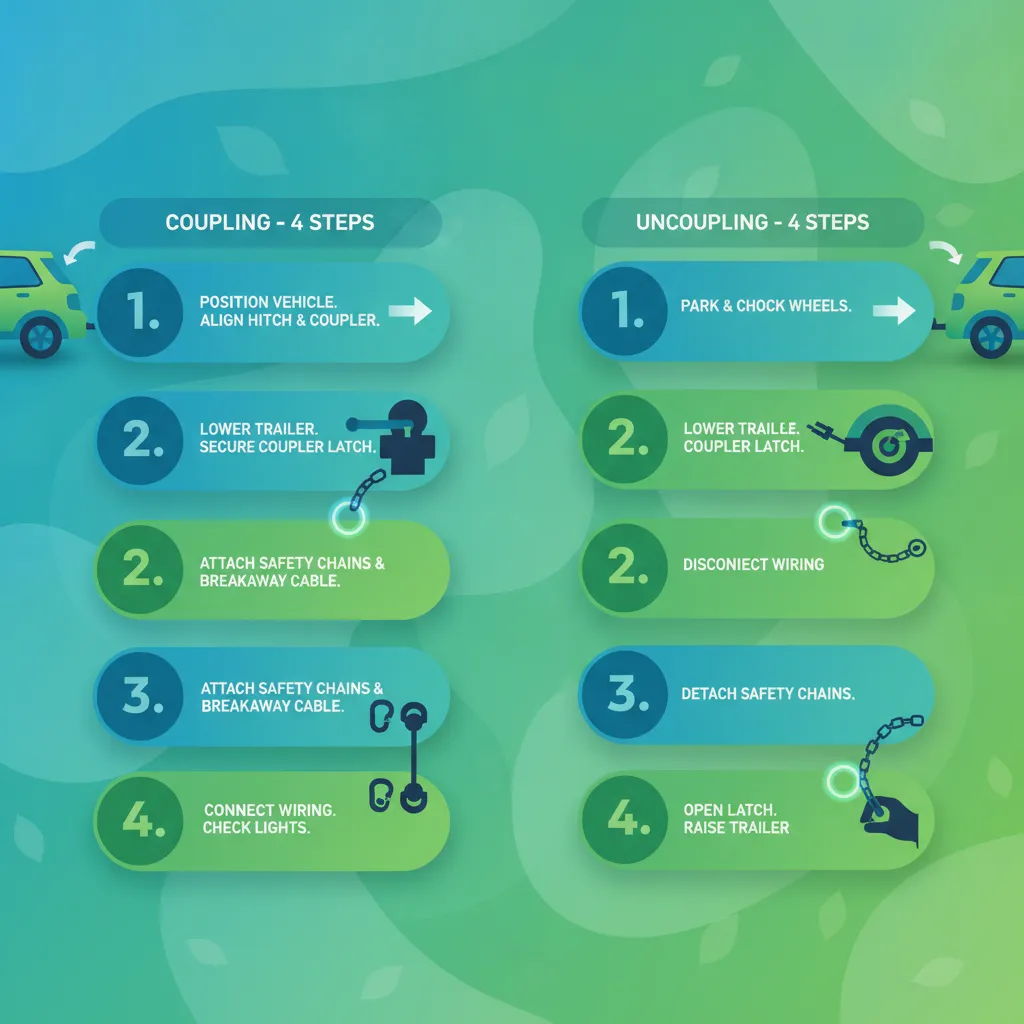
This lesson outlines the standard procedure for coupling and uncoupling trailers, emphasizing safety checks such as verifying the lock, hand brake, and brake connections. It discusses the importance of wheel chocks and correct alignment of the tow vehicle. The content includes a visual inspection checklist to ensure a secure connection.

This lesson provides a step-by-step guide for safely managing a vehicle breakdown on the road. It includes instructions on performing an emergency stop, deploying hazard lights and warning triangles, and contacting assistance. The content emphasizes maintaining safety for both the driver and other road users during the breakdown.

This lesson focuses on the blind spot zones specific to trucks and vehicle combinations, explaining where these zones are located. It covers the use of blind spot mirrors and other aids to enhance driver awareness during lane changes and turns. The content stresses the importance of maintaining safe distances from vulnerable road users.

This lesson teaches the systematic pre-trip inspection routine that every professional driver must perform. It covers a comprehensive checklist of visual and functional checks, including lights, tires, mirrors, and wipers. The lesson also emphasizes verifying the presence and condition of mandatory safety equipment, such as emergency exits, the fire extinguisher, and the first-aid kit, to ensure the vehicle is safe to operate.

This lesson examines best practices for loading and unloading heavy vehicles at delivery points, including proper vehicle positioning and coordination with ground personnel. It emphasizes the importance of verifying load stability during unloading to prevent accidents. The content also discusses time-window management and safety protocols for loading docks.

This lesson covers safe reversing techniques for both rigid trucks and articulated combinations, emphasizing the use of mirrors and cameras. It discusses the risks of jackknifing during reversal and the importance of speed control and safety checks. The content outlines best practices for planning a safe reversing path, potentially with a guide person.
Find clear answers to common questions learners have about Pre-Drive Inspection Procedures. Learn how the lesson is structured, which driving theory objectives it supports, and how it fits into the overall learning path of units and curriculum progression in Germany. These explanations help you understand key concepts, lesson flow, and exam focused study goals.
Professional drivers of C1, C, and CE vehicles are legally responsible for the roadworthiness of their vehicle. An inspection helps prevent technical failures, ensures compliance with StVO standards, and maintains safety for all road users.
While all items are important, brake functionality, tyre pressure/tread depth, and load securing are critical. Failure in any of these areas can have catastrophic consequences under heavy load conditions.
Mirrors must be adjusted for every new driver and checked periodically during the trip. Lighting and reflectors should be verified during every pre-drive inspection to ensure you are visible to others, especially at night or in poor weather.
Yes, knowledge of vehicle safety, roadworthiness, and inspection procedures is a core part of the theory curriculum for heavy vehicle licences and can appear as situational or technical questions on your exam.
Begin your targeted revision now. Use our practice search to quickly find specific German driving theory questions. Filter by StVO rules, road signs, or hazard perception to create your focused study plan. Master challenging areas and prepare confidently for your theoretical driving test.