
This lesson details the legal responsibilities and obligations every motorcycle rider must uphold under German traffic law. By understanding your duty of care, insurance mandates, and the importance of vehicle roadworthiness, you will be well-prepared for the theoretical exam requirements for licence classes A, A1, and A2.

Lesson content overview
Riding a motorcycle in Germany is an exhilarating experience, offering a unique sense of freedom and connection to the road. However, this privilege comes with significant responsibilities and legal obligations designed to ensure the safety of all road users. This comprehensive lesson for the German Motorcycle Licence Theory Course (Classes A, A1, A2) will delve into the critical legal duties every motorcyclist must understand and adhere to under German traffic law.
Understanding and internalizing these responsibilities is not merely about avoiding fines or penalties; it is fundamental to cultivating a safe riding culture, preventing accidents, and protecting yourself and others. From the moment you obtain your license, you become a participant in a complex traffic system, bound by rules that promote order, predict behavior, and mitigate risk.
At the heart of German traffic law lies the Duty of Care, known in German as Sorgfaltspflicht. This principle is enshrined in § 1 of the Straßenverkehrs-Ordnung (StVO), which mandates that "Everyone participating in traffic must behave in such a way that no other person is harmed, endangered, hindered, or inconvenienced more than is unavoidable under the circumstances." For motorcycle riders, this translates into a constant obligation to act responsibly and avoid any actions that could compromise the safety of other road users.
The duty of care extends beyond simply following traffic signs; it requires a proactive and reactive approach to riding.
Motorcycle riders are often less visible than other vehicles, making anticipatory and responsive care even more critical. You must consciously position your motorcycle to maximize your visibility to others and always assume that you might not have been seen. Maintaining a safe following distance, adhering to speed limits, and yielding to pedestrians at crosswalks are not just rules, but direct applications of your duty of care.
The legal obligation under German traffic law (StVO § 1) to act responsibly, cautiously, and considerately to avoid harming, endangering, hindering, or inconveniencing other road users.
One of the most crucial legal requirements for operating a motorcycle in Germany is possessing valid Mandatory Liability Insurance (Haftpflichtversicherung). This insurance is not an option; it is a fundamental pillar of the German traffic system, ensuring financial protection for all road users. Its primary purpose is to cover damages you might cause to a third party (other vehicles, property, or individuals) in the event of an accident for which you are deemed responsible.
The requirement for liability insurance is stipulated in § 1 of the Kraftfahrzeug-Pflichtversicherungsgesetz (PflVG). Without this insurance, your motorcycle cannot be legally registered or operated on public roads. The underlying logic is to ensure that victims of accidents are always compensated for their losses, regardless of the at-fault party's personal financial situation. This prevents potential financial ruin for victims and distributes the risk across a wider pool of insured individuals.
Riding a motorcycle without valid liability insurance carries severe legal and financial repercussions. These can include:
It is important to understand that mandatory liability insurance only covers damages to third parties. It does not cover damages to your own motorcycle or injuries to yourself. For broader protection, riders often opt for additional, voluntary insurance policies:
Never operate a motorcycle on public roads in Germany without valid third-party liability insurance. The risks are too great, both legally and financially.
A motorcycle is only permitted on public roads if it is in a roadworthy condition, known as Verkehrssicherheit. This legal requirement means that your vehicle must be suitable for safe operation and comply with all applicable technical standards, as outlined in the Straßenverkehrs-Zulassungs-Ordnung (StVZO), particularly § 29 and § 30. Ensuring your motorcycle's roadworthiness is a continuous responsibility, not a one-time check.
Roadworthiness encompasses several critical aspects of your motorcycle's condition:
To ensure ongoing roadworthiness, regular maintenance is crucial. This includes routine checks of oil levels, brake fluid, tire pressure, and chain tension. Beyond your daily checks, all registered vehicles in Germany must undergo periodic official inspections, known as the Hauptuntersuchung (HU) or commonly referred to as TÜV (though other organizations also conduct it).
Tires: Check tread depth (minimum 1.6 mm, though 4 mm is recommended for safety), condition for cracks or damage, and correct pressure.
Brakes: Ensure both front and rear brakes are fully functional, have sufficient pad material, and that brake fluid is at the correct level and condition.
Lights and Indicators: Verify all headlights, taillights, brake lights, and turn signals are working and correctly adjusted.
Horn: Test that the horn produces a clear and audible signal.
Mirrors: Ensure mirrors are securely attached, clean, and provide an adequate view of the rear.
Steering and Suspension: Check for smooth operation, no excessive play, and proper damping.
Chain/Shaft Drive: Inspect chain tension and lubrication, or check shaft drive for leaks.
Fluid Levels: Monitor engine oil, coolant, and brake fluid levels regularly.
The HU must be performed every two years. During this inspection, certified experts thoroughly examine the motorcycle to confirm its compliance with all safety and environmental standards. Operating a motorcycle with an expired HU or known safety defects is illegal and can lead to fines, points, or even the immediate impoundment of the vehicle.
Familiarize yourself with your motorcycle's owner's manual for recommended maintenance schedules and specific checks. Early detection of issues can prevent serious safety hazards and costly repairs.
Upon successfully passing your theory and practical motorcycle exams in Germany, you enter a Probationary Period (Probezeit). This period lasts for two years for all new license holders, regardless of the vehicle class. Its primary purpose is to monitor the behavior of new drivers and reinforce safe driving practices, acknowledging that new riders often have less experience and a higher risk profile.
During the probationary period, new riders are subject to the same Point System (Punktesystem) as experienced drivers, as defined in § 23 of the Fahrerlaubnis-Verordnung (FeV). However, the consequences of accumulating points for traffic violations are significantly stricter. Points are assigned for various infractions, ranging from minor speeding offenses to severe violations like drunk driving.
Traffic offenses are categorized as either A-violations (schwerwiegende Zuwiderhandlungen) or B-violations (weniger schwerwiegende Zuwiderhandlungen), based on their severity.
The accumulation of points during your probationary period can lead to a series of escalating measures:
First A-violation or two B-violations:
Second A-violation or two more B-violations (after attending the ASF and extension):
Third A-violation or two more B-violations (after the warning and counseling):
The probationary period is not a "grace period." Any serious violation or accumulation of minor violations will lead to strict measures, including potential license revocation.
Motorcycle riders in Germany are governed by a comprehensive set of laws and regulations designed to ensure safety and order on the roads. A deep understanding of these legal frameworks is essential.
The StVO is the cornerstone of German traffic law, outlining general rules of conduct, traffic signs, and signals.
The StVZO focuses on the technical requirements for vehicles and their operation on public roads.
The FeV governs the issuance, revocation, and administration of driving licenses, including the point system and probationary period rules.
This law makes motor vehicle liability insurance mandatory for all vehicles registered in Germany.
Understanding specific violations can help riders avoid common pitfalls. The consequences of these violations can range from monetary fines and points to license suspension or revocation.
A rider's responsibilities are not static; they adapt to the prevailing conditions. Understanding these contextual variations is crucial for applying the duty of care effectively.
The responsibilities and legal obligations outlined in this lesson are not arbitrary rules; they are meticulously crafted to foster safety, prevent accidents, and ensure fair conduct on German roads. For motorcyclists, understanding and diligently adhering to the Duty of Care (Sorgfaltspflicht), maintaining Mandatory Liability Insurance (Haftpflichtversicherung), ensuring their vehicle's Roadworthiness (Verkehrssicherheit), and being mindful of the Probationary Period (Probezeit) are non-negotiable aspects of safe and legal riding.
Compliance with these foundational principles reduces your risk of accidents, protects you from severe legal and financial penalties, and contributes positively to the overall safety of the German traffic environment. Embrace these responsibilities as integral to becoming a skilled, confident, and respected motorcycle rider.
This lesson covers the fundamental legal responsibilities for motorcycle riders in Germany, anchored by the Duty of Care (Sorgfaltspflicht) principle from StVO § 1. Learners must understand that mandatory liability insurance is non-negotiable and protects third parties only, while roadworthiness requirements under StVZO mandate regular HU inspections and functional safety equipment. The probationary period introduces stricter consequences for violations, with A-violations and B-violations triggering escalating measures including seminar attendance and license revocation. Understanding these obligations is essential for both passing the German motorcycle theory exam and maintaining safe, legal riding practices on German roads.
A short set of high-value points that capture the most important learning from this lesson.
The Duty of Care (Sorgfaltspflicht) under StVO § 1 requires riders to avoid harming, endangering, or inconveniencing other road users more than is unavoidable.
Mandatory third-party liability insurance (Haftpflichtversicherung) is a legal requirement under the PflVG; riding without it is a criminal offense with severe penalties.
A motorcycle must maintain Verkehrssicherheit (roadworthiness), complying with StVZO technical standards and passing the Hauptuntersuchung (HU/TÜV) every two years.
The probationary period (Probezeit) lasts two years, during which traffic violations trigger escalating consequences including mandatory seminars and potential license revocation.
Violations are categorized as A-violations (serious) or B-violations (less severe), with different consequences during the probationary period.
Explore all units and lessons included in this driving theory course.
Duty of Care requires both anticipatory care (predicting hazards) and responsive care (reacting appropriately) to protect vulnerable road users.
Liability insurance covers damages to third parties only; it does not cover your own motorcycle or personal injuries.
Roadworthiness includes functional brakes, lights, tires (minimum 1.6mm tread), mirrors, horn, and compliance with approved modifications.
During the probationary period, one A-violation or two B-violations extend the period by two years and mandate attending an ASF seminar.
Contextual factors such as weather, road type, and presence of vulnerable road users require adaptive riding behavior beyond basic rule compliance.
Assuming liability insurance covers the rider's own damages, when in fact it only covers third-party claims.
Operating a motorcycle with an expired HU inspection, which is illegal and can result in fines and vehicle impoundment.
Failing to recognize that using a mobile phone while riding constitutes a B-violation that adds points during the probationary period.
Underestimating the probationary period consequences, thinking minor violations carry no serious impact.
Making unauthorized modifications to the motorcycle without official approval, risking loss of the operating permit (Betriebserlaubnis).
Lesson content overview
A short set of high-value points that capture the most important learning from this lesson.
The Duty of Care (Sorgfaltspflicht) under StVO § 1 requires riders to avoid harming, endangering, or inconveniencing other road users more than is unavoidable.
Mandatory third-party liability insurance (Haftpflichtversicherung) is a legal requirement under the PflVG; riding without it is a criminal offense with severe penalties.
A motorcycle must maintain Verkehrssicherheit (roadworthiness), complying with StVZO technical standards and passing the Hauptuntersuchung (HU/TÜV) every two years.
The probationary period (Probezeit) lasts two years, during which traffic violations trigger escalating consequences including mandatory seminars and potential license revocation.
Violations are categorized as A-violations (serious) or B-violations (less severe), with different consequences during the probationary period.
Explore all units and lessons included in this driving theory course.
Duty of Care requires both anticipatory care (predicting hazards) and responsive care (reacting appropriately) to protect vulnerable road users.
Liability insurance covers damages to third parties only; it does not cover your own motorcycle or personal injuries.
Roadworthiness includes functional brakes, lights, tires (minimum 1.6mm tread), mirrors, horn, and compliance with approved modifications.
During the probationary period, one A-violation or two B-violations extend the period by two years and mandate attending an ASF seminar.
Contextual factors such as weather, road type, and presence of vulnerable road users require adaptive riding behavior beyond basic rule compliance.
Assuming liability insurance covers the rider's own damages, when in fact it only covers third-party claims.
Operating a motorcycle with an expired HU inspection, which is illegal and can result in fines and vehicle impoundment.
Failing to recognize that using a mobile phone while riding constitutes a B-violation that adds points during the probationary period.
Underestimating the probationary period consequences, thinking minor violations carry no serious impact.
Making unauthorized modifications to the motorcycle without official approval, risking loss of the operating permit (Betriebserlaubnis).
Explore search topics learners often look for when studying Rider Responsibilities and Legal Obligations. These topics reflect common questions about road rules, driving situations, safety guidance, and lesson level theory preparation for learners in Germany.
Browse additional driving theory lessons that cover connected traffic rules, road signs, and common driving situations related to this topic. Improve your understanding of how different rules interact across everyday traffic scenarios.
Understand the legal duties, roadworthiness requirements, and insurance obligations for motorcyclists in Germany. Learn about the consequences of non-compliance and rules during the probationary period.
This lesson details the legal obligations every AM licence holder must follow. It emphasizes compliance with the Straßenverkehrs-Ordnung (StVO), including mandatory helmet use and maintaining vehicle roadworthiness. The content covers insurance requirements, accident reporting procedures, and the legal consequences of non-compliance.

This lesson informs riders about the legal ramifications of dangerous riding and traffic violations under German law. It outlines potential penalties, including fines, points, and license suspension, as well as the impact on insurance. The content also provides a step-by-step guide on the correct procedures for reporting an accident to the police and documenting the scene for legal and insurance purposes.

This lesson focuses on the legal responsibilities and duties of a vehicle operator according to German traffic law, primarily the StVO. It covers the obligation to drive safely, the rules of conduct at an accident scene, and the legal consequences of traffic violations. Understanding these principles is crucial for maintaining road safety and avoiding penalties such as fines, points, or driving bans.
This lesson highlights the specific risks associated with motorcyclists, who are less visible and more vulnerable than car drivers. It teaches you to actively look for motorcycles, especially at intersections and during lane changes, as their smaller profile can be easily missed. You will learn about their potential for rapid acceleration and instability, emphasizing the need for extra following distance.
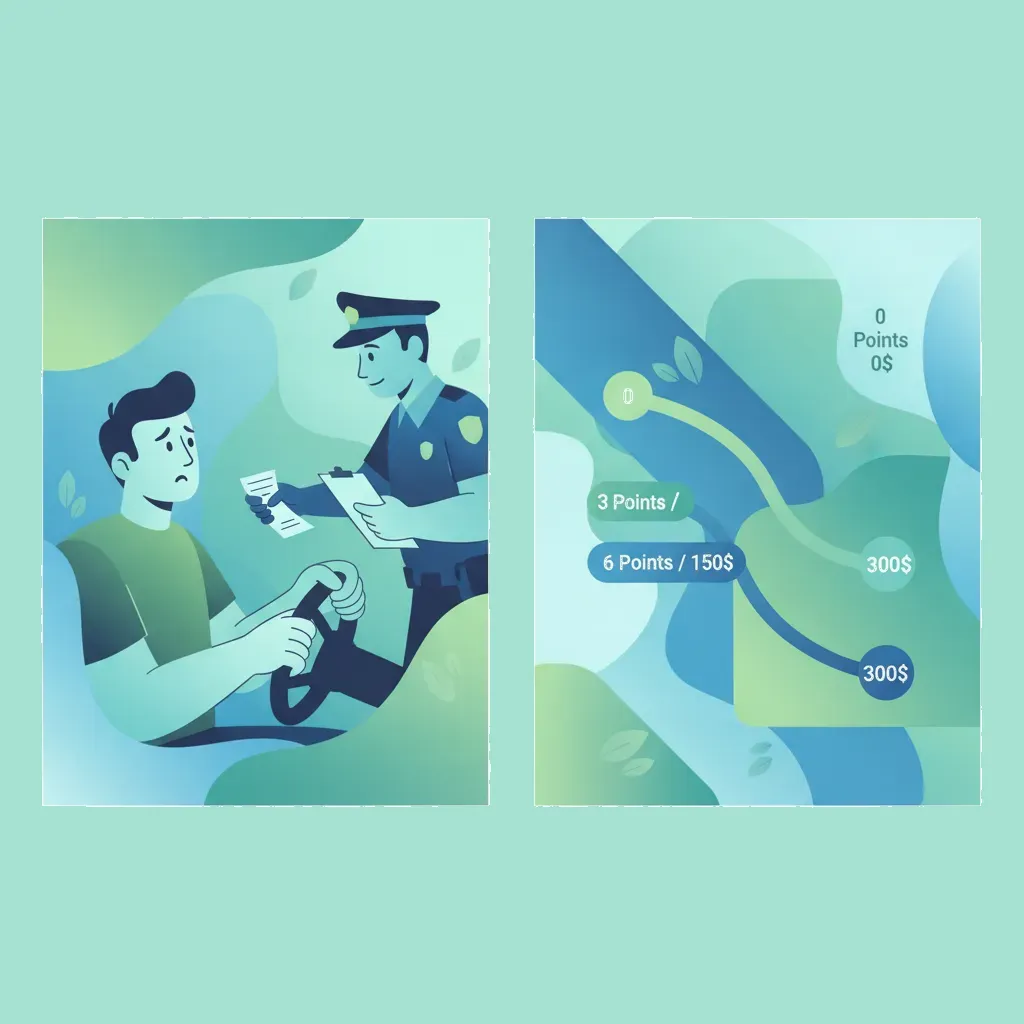
This lesson explains the German catalogue of fines (Bußgeldkatalog) and the points system for traffic violations. It details which offenses lead to fines, points in Flensburg, or even licence revocation. Understanding these consequences reinforces the importance of adhering to all traffic laws.

This lesson covers the appropriate steps to take in the event of a vehicle breakdown or an accident. It details procedures for safely moving the motorcycle out of traffic, making the area visible with hazard warnings, and contacting emergency services. The content emphasizes personal safety and the correct protocol for managing the scene until professional help arrives.

This lesson focuses on how motorcyclists can clearly communicate their intentions to other road users to prevent misunderstandings and collisions. It covers the correct use of indicators, brake lights, and standardized hand signals for turning and stopping. The importance of making eye contact with other drivers to confirm they have seen you is also a key topic for enhancing safety.

This lesson teaches riders how to conduct a simple but crucial pre-ride inspection of their vehicle. It provides step-by-step guidance on checking tyre pressure and tread depth, verifying brake function, and ensuring all lights are operational. Regular maintenance is presented as a fundamental responsibility for every rider.
Explore the essential concept of duty of care for motorcycle riders in Germany. This lesson details how to interact responsibly with other road users and emphasizes proactive risk awareness.

This lesson teaches crucial risk awareness and accident prevention strategies for motorcyclists. It examines common accident scenarios and teaches riders how to identify potential hazards in advance. Key concepts include defensive riding, maintaining situational awareness, and understanding how a proactive mindset contributes to a safer riding experience on the road.
This lesson focuses on how motorcyclists can clearly communicate their intentions to other road users to prevent misunderstandings and collisions. It covers the correct use of indicators, brake lights, and standardized hand signals for turning and stopping. The importance of making eye contact with other drivers to confirm they have seen you is also a key topic for enhancing safety.

This lesson focuses on identifying and managing internal and external risk factors. It discusses the dangers of distractions like mobile phones, the influence of peer pressure in group riding scenarios, and the impairing effects of fatigue, alcohol, and drugs. The goal is to foster a mature and responsible attitude towards riding.
This lesson highlights the specific risks associated with motorcyclists, who are less visible and more vulnerable than car drivers. It teaches you to actively look for motorcycles, especially at intersections and during lane changes, as their smaller profile can be easily missed. You will learn about their potential for rapid acceleration and instability, emphasizing the need for extra following distance.

This lesson teaches riders how to interact safely and predictably with pedestrians, cyclists, and public transport vehicles. It highlights the importance of yielding at designated crossings, maintaining a safe passing distance, and anticipating the movements of buses and trams. The content emphasizes using eye contact and clear signaling to foster safe and respectful interactions with all road users.

This lesson addresses the critical skill of safely interacting with other road users, particularly vulnerable ones like pedestrians and cyclists. It covers rules for yielding at crosswalks, maintaining a safe passing distance, and being aware of the limited visibility of a moped to car drivers. The focus is on fostering a defensive and cooperative mindset in mixed traffic.

This lesson provides a systematic approach to safely negotiating blind corners where visibility is limited. It teaches riders to control their entry speed, adopt a defensive lane position, and use visual scanning techniques to assess the road ahead. The content emphasizes adjusting lean angle and being prepared for unexpected hazards that may be hidden around the bend.

This lesson focuses on the importance of strategic road positioning for enhancing safety and visibility. Learners explore different lane positions and understand when to use them to see, be seen, and create a safety buffer. The content emphasizes maintaining a long visual focus down the road to anticipate hazards and avoid target fixation, particularly when cornering.

This lesson teaches the essential observation techniques required for safe riding, focusing on the systematic use of mirrors and shoulder checks to manage blind spots. It emphasizes developing active scanning habits to maintain constant situational awareness of the surrounding traffic environment. Learners will understand how effective head movement and use of peripheral vision are critical for detecting potential hazards early.

This lesson details the safe approach and navigation of various intersection types, including those controlled by traffic lights, stop signs, and give-way signs. Emphasis is placed on comprehensive observation of traffic flow, establishing eye contact with other road users, and ensuring clear visibility before proceeding. The lesson also covers correct lane positioning for turning and the importance of anticipating pedestrian movements.
Find clear answers to common questions learners have about Rider Responsibilities and Legal Obligations. Learn how the lesson is structured, which driving theory objectives it supports, and how it fits into the overall learning path of units and curriculum progression in Germany. These explanations help you understand key concepts, lesson flow, and exam focused study goals.
Duty of care implies that you must behave in a way that avoids endangering others. For motorcyclists, this specifically means anticipating mistakes by other road users, adjusting your speed, and always being prepared to brake or evade, as you are more vulnerable in a collision.
The probationary period involves stricter consequences for traffic violations. Committing serious offences can lead to mandatory remedial courses, an extension of the probationary period, or even the loss of your licence.
Yes, mandatory liability insurance is a legal requirement in Germany. You cannot register or operate a motorcycle on public roads without valid third-party liability insurance coverage.
You are legally responsible for the condition of your motorcycle. Operating a vehicle with worn-out tyres, faulty brakes, or non-functional lighting is a violation of law and can result in fines and legal liability if an accident occurs.
Begin your targeted revision now. Use our practice search to quickly find specific German driving theory questions. Filter by StVO rules, road signs, or hazard perception to create your focused study plan. Master challenging areas and prepare confidently for your theoretical driving test.