
This lesson details the specific protective gear requirements necessary for motorcyclists in Italy. You will learn how to choose the right equipment to ensure maximum safety and compliance with road regulations while preparing for your motorcycle theory exam.
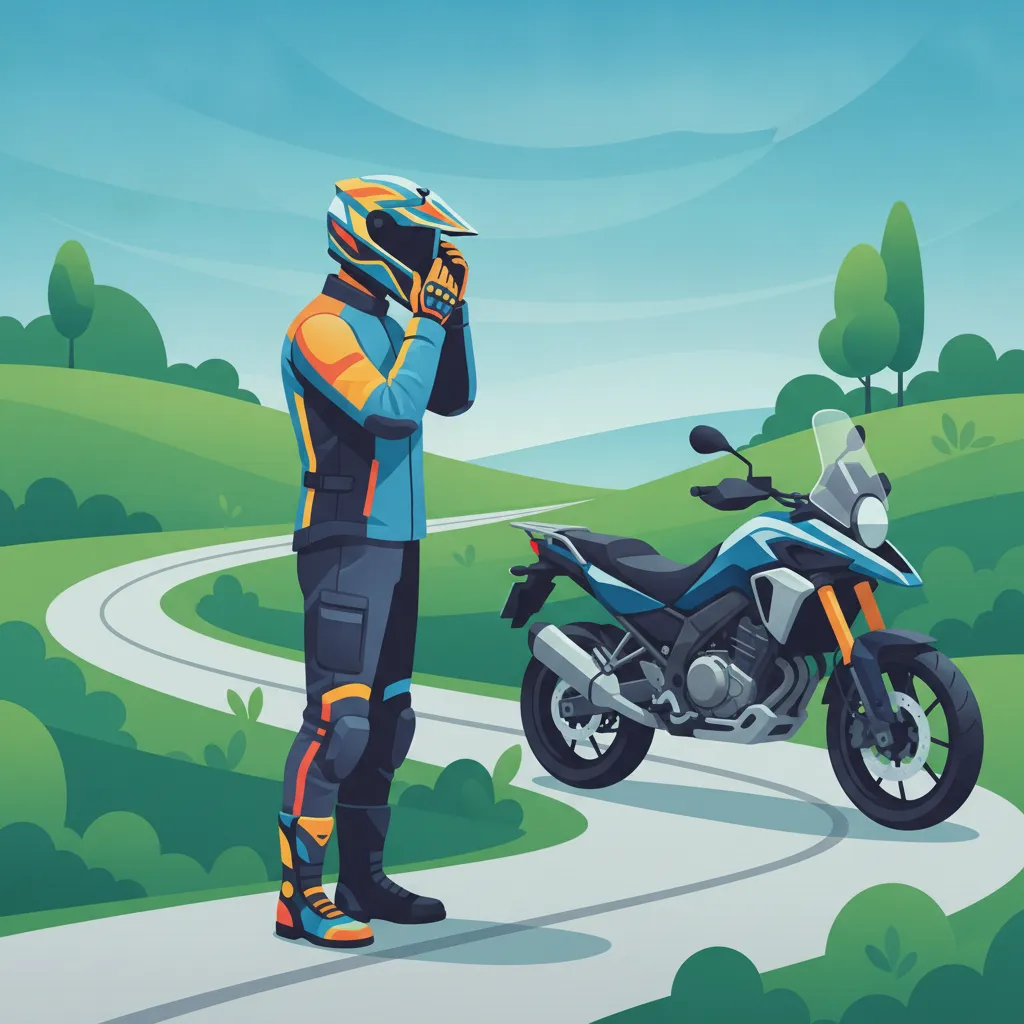
Lesson content overview
Riding a motorcycle offers unparalleled freedom and exhilaration, but it also comes with inherent risks. To mitigate these risks and significantly reduce the severity of injuries in the event of a fall or collision, specialized protective clothing is indispensable. This lesson, part of the Italian Driving License Theory Course for Motorcycle Categories A1, A2, & A, delves into the critical role of motorcycle jackets, gloves, pants, and boots, explaining their construction, safety features, and legal requirements. Understanding and investing in appropriate gear is a fundamental aspect of responsible motorcycling, forming a crucial barrier between your body and the road.
Protective gear serves as a vital safety barrier for motorcyclists. Its primary function is to shield the rider from the impact forces and abrasive surfaces encountered during a fall or collision. Beyond accident protection, modern gear also offers comfort, weather resistance, and enhanced visibility, contributing to a safer and more enjoyable riding experience. Neglecting to wear appropriate protective clothing can turn a minor incident into a severe injury, highlighting its undeniable importance for every rider.
One of the most common injuries in motorcycle accidents is road rash, caused by the body sliding across asphalt or other rough surfaces. Abrasion resistance is the ability of a material to withstand this surface wear, preventing skin injuries during a slide. High-quality motorcycle gear is specifically designed with materials that have superior abrasion resistance.
For example, thick leather or specialized textile fabrics like Cordura and Kevlar are engineered to be extremely durable. These materials create a protective layer that sacrifices itself by slowly wearing away, thus protecting your skin underneath. The higher the abrasion resistance, the longer the gear will protect you during a slide, which is critical at higher speeds or on particularly coarse road surfaces.
While abrasion resistance protects your skin, impact protection safeguards your bones and joints from blunt force trauma. This is achieved through the integration of specialized armor, strategically placed at vulnerable points like shoulders, elbows, hips, knees, knuckles, and shins. This armor is designed to absorb and dissipate kinetic energy from an impact, reducing the force transmitted to your body.
Modern motorcycle armor is typically made from viscoelastic materials that remain flexible during normal movement but stiffen upon impact. This allows for comfort and mobility during riding while providing crucial protection when needed. The effectiveness of this armor is rigorously tested and certified, which brings us to the importance of CE ratings.
The term "CE rating" is paramount when discussing motorcycle protective gear. CE stands for Conformité Européenne, meaning "European Conformity," and it is a mandatory certification for many products sold within the European Economic Area. For motorcycle protective gear, CE certification indicates that the product meets specific European safety standards for performance, notably for abrasion resistance and impact absorption.
CE certification is not just a label; it's a guarantee that a piece of gear has undergone stringent testing to ensure it provides a minimum level of protection. This testing covers various aspects, including material strength, tear resistance, seam strength, and the ability of integrated armor to absorb impact forces. Gear without a CE rating offers unverified protection, making it a risky choice for motorcyclists.
For impact protection, armor inserts are tested under specific European standards:
In Italy, for riders holding an A2 or A category license, CE-rated armor (specifically Level 2 in many crucial areas) is mandatory for certain body parts in jackets, gloves, pants, and boots. For A1 riders, while not strictly mandatory, it is highly recommended to wear CE-rated gear for optimal safety.
Always look for the CE mark on your protective gear and check the accompanying labels for the specific EN standards (e.g., EN 1621-1, EN 1621-2) and protection levels (Level 1 or Level 2) for each armor component. This ensures you are buying certified protection.
A motorcycle jacket is far more than a fashion statement; it's a critical piece of protective equipment for your torso and upper limbs. It shields against abrasion, absorbs impact, and provides weather protection.
Motorcycle jackets typically incorporate CE-rated armor in the shoulders and elbows, with many also including a back protector or a pocket to insert one. They are designed for a snug fit to keep armor in place during a crash and feature reinforced seams to prevent tearing.
Common types include:
For riders with an A2 or A category Italian motorcycle license, wearing a jacket with CE-rated armor (typically Level 2) in the shoulders and elbows is mandatory. Many riders also opt for a jacket with an integrated or add-on CE-rated back protector, which is highly recommended for all categories.
Your hands are often the first point of contact with the ground in a fall, making motorcycle gloves an absolute necessity. They protect against abrasions, impacts, and weather, while also providing grip and control.
Motorcycle gloves are designed to protect the hands and wrists from injuries. They typically feature:
For A2 and A category riders, CE-rated gloves with integrated knuckle protection (Level 2) are mandatory. This requirement underscores the significant role gloves play in preventing severe hand injuries. Riders should ensure their gloves fit snugly, without restricting movement or causing discomfort, to maintain optimal control of the motorcycle.
Casual trousers offer virtually no protection in a motorcycle accident. Specialized motorcycle pants are designed to protect your lower body, including hips, thighs, knees, and shins, from both abrasion and impact.
Protective motorcycle pants come in various styles and materials:
All types should include CE-rated armor (Level 2 for A2/A categories) at the hips and knees, with some also offering shin protection or integrated into boots.
In Italy, riders holding an A2 or A category motorcycle license are legally required to wear motorcycle pants with CE-rated armor (Level 2) specifically at the hips and knees. This crucial requirement aims to safeguard these highly vulnerable joints in the event of an accident.
Regular shoes or sneakers provide no meaningful protection on a motorcycle. Motorcycle boots are specifically engineered to protect your feet, ankles, and lower shins from impact, abrasion, and crushing injuries.
High-quality motorcycle boots typically feature:
Proper motorcycle boots extend above the ankle, providing crucial support and preventing the foot from being twisted or crushed.
For A2 and A category license holders in Italy, it is mandatory to wear motorcycle boots that incorporate CE-rated shin armor (Level 2). This requirement ensures vital protection for the lower leg against impacts during an accident. Ensure your boots fit comfortably, allowing for full control of the foot controls without being too loose or too tight.
The choice of material for your protective gear significantly impacts its durability, comfort, and suitability for different riding conditions.
Consider your primary riding environment and typical weather conditions when choosing materials. For instance, waterproof textile gear is ideal for riding in rain, while perforated leather or highly vented textile jackets are better suited for hot summer days.
Even the most expensive, highly-rated protective gear is ineffective if it doesn't fit correctly. Proper fit is crucial for two main reasons:
When trying on gear, simulate riding positions to ensure comfort and full range of motion. The gear should feel snug, but not restrictive, with armor sitting correctly over your joints.
The Italian Codice della Strada (Highway Code) places specific legal obligations on motorcyclists regarding protective gear, particularly for those holding A2 and A category licenses. These regulations are designed to enhance rider safety and reduce the severity of injuries in crashes.
As highlighted throughout this lesson, for motorcyclists licensed in categories A2 and A:
For A1 category riders, while these specific armor requirements are not yet legally mandatory, they are strongly recommended as best practice for safety.
Beyond physical protection, visibility is a key safety component. Protective gear must incorporate high-visibility elements or reflectors, especially when riding at night or in conditions of poor visibility. This is a mandatory requirement for all categories of motorcycles in Italy during these times. High-visibility elements make riders much easier to detect by other road users, significantly reducing the risk of collisions. This can include reflective strips on jackets, pants, or helmets, or wearing a separate high-visibility vest.
All riders are obligated to regularly inspect their protective gear for signs of wear, damage, or degradation. This includes checking armor plates for cracks, materials for tears or excessive abrasion, and fasteners for proper function. Damaged gear offers compromised protection and should be repaired or replaced immediately. Continuing to use compromised gear is not only unsafe but can also lead to legal penalties if found to be below safety standards.
Proper maintenance extends the lifespan of your protective gear and ensures it remains effective.
Ignoring the importance of proper protective gear can lead to severe consequences:
Motorcycle protective gear, encompassing jackets, gloves, pants, and boots, is a non-negotiable aspect of safe riding. Each component is specifically designed to offer crucial abrasion resistance and impact protection, significantly mitigating injury severity in accidents.
By understanding and adhering to these principles and regulations, riders on Italian roads can ensure they are well-protected and prepared for their journey.
This lesson covers the essential protective gear required for motorcyclists in Italy, emphasizing that CE-rated armor with verified impact and abrasion resistance is mandatory for A2 and A category license holders. The content distinguishes between Level 1 and Level 2 armor standards (EN 1621-1 and EN 1621-2), explains material properties of leather versus textile versus hybrid gear, and outlines specific legal requirements for jackets, gloves, pants, and boots. Key principles include ensuring proper fit so armor stays positioned over vulnerable joints, maintaining gear regularly, and understanding that casual clothing offers no meaningful protection. Visibility enhancements are also mandatory for night riding, and all protective equipment must be regularly inspected for wear or damage.
A short set of high-value points that capture the most important learning from this lesson.
CE-rated armor is the verified standard for motorcycle protective gear, with Level 2 offering significantly higher impact protection than Level 1
Abrasion resistance protects skin during slides while impact protection (armor) shields bones and joints from blunt force trauma
For A2 and A category licenses in Italy, Level 2 CE-rated armor is mandatory in specific locations: shoulders/elbows (jacket), knuckles (gloves), hips/knees (pants), and shins (boots)
Material choice between leather, textile, and hybrid involves trade-offs between abrasion resistance, weather protection, and comfort
Proper fit is essential because loose gear allows armor to shift out of position during a crash, rendering protection ineffective
Explore all units and lessons included in this driving theory course.
EN 1621-1 covers limb and joint protectors; EN 1621-2 covers back protectors specifically, each with Level 1 and Level 2 classifications
A2 and A license holders must wear CE-rated armor (Level 2) in jacket shoulders/elbows, gloves, pants hips/knees, and boots
Gloves are mandatory with knuckle protection because hands are often the first point of contact with the ground in a fall
High-visibility elements or reflectors are legally required for night riding in Italy on all motorcycle categories
Regular jeans provide virtually no protection; even motorcycle jeans require CE-rated hip and knee armor inserts
Assuming any jacket or jeans provide adequate protection—casual clothing lacks both abrasion resistance and impact protection
Wearing non-CE-rated gear, believing the absence of a label means equivalent safety, when in fact protection is unverified
Choosing gear based solely on appearance or price without checking for CE certification and armor placement
Wearing oversized or loose-fitting gear because it feels comfortable, not realizing armor will shift during a crash
Neglecting hand protection—many riders underestimate how critical gloves are for preventing severe injuries
Lesson content overview
A short set of high-value points that capture the most important learning from this lesson.
CE-rated armor is the verified standard for motorcycle protective gear, with Level 2 offering significantly higher impact protection than Level 1
Abrasion resistance protects skin during slides while impact protection (armor) shields bones and joints from blunt force trauma
For A2 and A category licenses in Italy, Level 2 CE-rated armor is mandatory in specific locations: shoulders/elbows (jacket), knuckles (gloves), hips/knees (pants), and shins (boots)
Material choice between leather, textile, and hybrid involves trade-offs between abrasion resistance, weather protection, and comfort
Proper fit is essential because loose gear allows armor to shift out of position during a crash, rendering protection ineffective
Explore all units and lessons included in this driving theory course.
EN 1621-1 covers limb and joint protectors; EN 1621-2 covers back protectors specifically, each with Level 1 and Level 2 classifications
A2 and A license holders must wear CE-rated armor (Level 2) in jacket shoulders/elbows, gloves, pants hips/knees, and boots
Gloves are mandatory with knuckle protection because hands are often the first point of contact with the ground in a fall
High-visibility elements or reflectors are legally required for night riding in Italy on all motorcycle categories
Regular jeans provide virtually no protection; even motorcycle jeans require CE-rated hip and knee armor inserts
Assuming any jacket or jeans provide adequate protection—casual clothing lacks both abrasion resistance and impact protection
Wearing non-CE-rated gear, believing the absence of a label means equivalent safety, when in fact protection is unverified
Choosing gear based solely on appearance or price without checking for CE certification and armor placement
Wearing oversized or loose-fitting gear because it feels comfortable, not realizing armor will shift during a crash
Neglecting hand protection—many riders underestimate how critical gloves are for preventing severe injuries
Explore search topics learners often look for when studying Protective Gear: Jackets, Gloves, Pants, Boots. These topics reflect common questions about road rules, driving situations, safety guidance, and lesson level theory preparation for learners in Italy.
Browse additional driving theory lessons that cover connected traffic rules, road signs, and common driving situations related to this topic. Improve your understanding of how different rules interact across everyday traffic scenarios.
Understand the mandatory Italian Codice della Strada regulations for motorcycle protective gear, including CE-rated armor requirements for jackets, gloves, pants, and boots for A2 and A license holders. Essential theory for safe riding.

This lesson provides essential information on selecting the most critical piece of safety equipment: the helmet. It covers the various types, such as full-face and modular, and details the process for ensuring a correct and secure fit. Furthermore, it explains the legal requirements for helmet use in Italy, including the mandatory ECE certification standard that guarantees a minimum level of impact protection.

This lesson details the essential protective equipment required for legal and safe moped operation in Italy. It covers legal standards for helmets, the benefits of wearing protective gloves and boots, and the importance of high-visibility clothing. You will also learn the correct use of your vehicle's lighting system for visibility during both day and night.

This lesson outlines the legal age thresholds and structured pathways for progressing through the Italian motorcycle license system. It details the minimum age for acquiring each license type and the specific procedures for upgrading from A1 to A2 and from A2 to the full A license. The content clarifies the legal framework governing these transitions, including any training or examination requirements for each step.
This lesson focuses on the comprehensive duties of a motorcyclist, from ensuring vehicle and equipment legality to following traffic regulations. It covers key obligations mandated by the Codice della Strada, such as mandatory insurance coverage and adherence to environmental rules. The material reinforces the importance of responsible road conduct and the legal consequences of non-compliance.

This lesson focuses on the legal obligations that first-time riders must meet to operate an AM vehicle safely and legally. It details the mandatory use of certified helmets and appropriate protective clothing. Furthermore, it outlines fundamental traffic laws new riders must know and the legal repercussions of non-compliance, such as fines and penalty points.
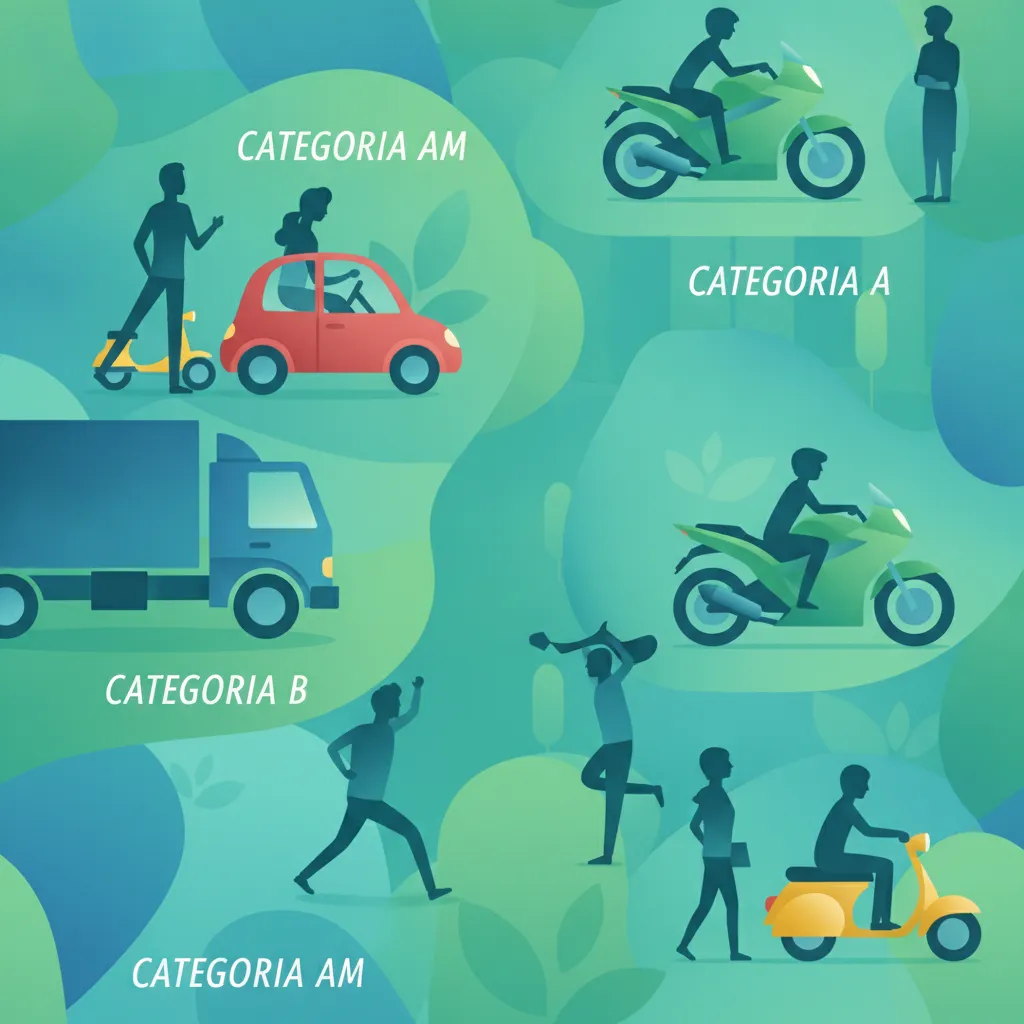
This lesson provides a detailed breakdown of the Italian motorcycle licence categories: A1, A2, and the unrestricted A. It explains the specific technical limits for engine displacement, power output in kW, and the power-to-weight ratio that define each category. Understanding these distinctions is fundamental for selecting a compliant vehicle and recognizing the legal scope of each license.

This lesson explores the practical, on-road consequences of the different motorcycle license categories. It analyzes how power and weight restrictions directly affect a motorcycle's handling, acceleration, and braking capabilities. Learners will understand how these factors shape riding strategies and safety considerations, highlighting the competency development needed for each successive license level.

This lesson provides a thorough examination of the Italian motorcycle theory test's structure and content. It details the number of questions, the multiple-choice format, and the minimum score required to pass for the A1, A2, and A license categories. The content is designed to prepare learners for the specific knowledge areas and administrative procedures involved in taking the official exam.
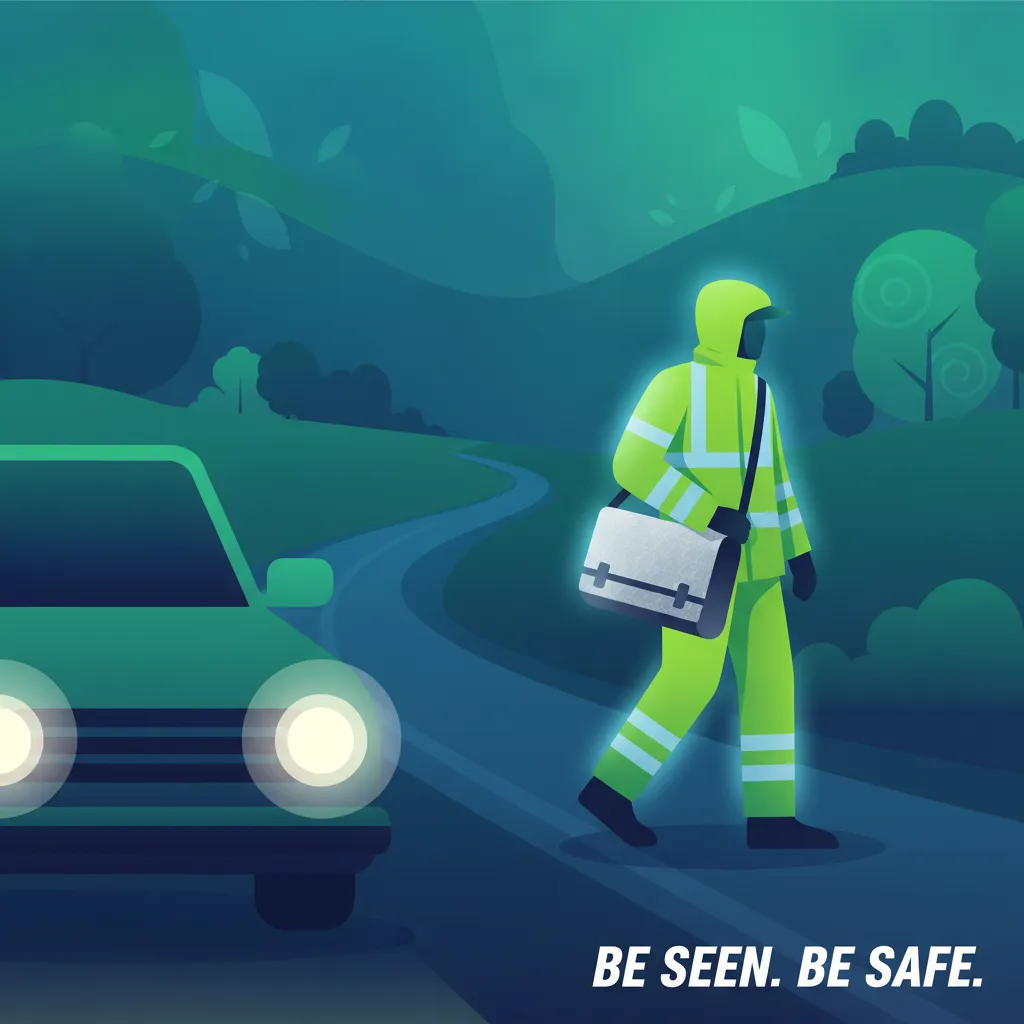
This lesson is focused on strategies to increase a motorcyclist's conspicuity in traffic. It explains the benefits of using high-visibility clothing in fluorescent colors for daytime riding and the critical role of reflective materials at night. The content also covers how proper use of lighting, including daytime running lights, can significantly reduce the risk of accidents by making the rider more noticeable to others.

This lesson focuses on the vital systems for visibility and communication: mirrors, lighting, and signals. It provides instruction on the proper adjustment of mirrors to minimize blind spots and the correct use of headlamps, indicators, and brake lights as per Italian regulations. The content underscores how maintaining these systems in full working order is crucial for being seen and signalling intentions clearly in traffic.
Explore the differences between leather and textile motorcycle gear, learn how to ensure a proper fit for optimal protection, and understand maintenance practices to keep your protective clothing effective for Italian riding conditions.
This lesson provides essential information on selecting the most critical piece of safety equipment: the helmet. It covers the various types, such as full-face and modular, and details the process for ensuring a correct and secure fit. Furthermore, it explains the legal requirements for helmet use in Italy, including the mandatory ECE certification standard that guarantees a minimum level of impact protection.
Find clear answers to common questions learners have about Protective Gear: Jackets, Gloves, Pants, Boots. Learn how the lesson is structured, which driving theory objectives it supports, and how it fits into the overall learning path of units and curriculum progression in Italy. These explanations help you understand key concepts, lesson flow, and exam focused study goals.
Yes, for the practical exam in Italy, candidates must wear mandatory protective equipment including an approved helmet, jacket with elbow and shoulder protection, back protector, gloves, trousers with knee protection, and boots that cover the ankles.
The CE marking indicates that the item of clothing or armor has been tested and meets specific European Union health, safety, and environmental protection standards for personal protective equipment.
Both can be safe if CE-certified. Leather generally offers superior abrasion resistance, while modern high-tech textiles can offer better breathability and weather protection, making them ideal for varying Italian climate conditions.
Regular clothing is not designed to withstand the friction of a slide on asphalt. In an accident, they offer negligible protection compared to dedicated motorcycle pants and boots, which are reinforced at key impact points.
Start searching now to pinpoint exactly which Italian driving theory topics, road signs, or traffic rules you need to master. Use our advanced filters to build a custom practice session and ensure you're fully prepared for every aspect of your official driving licence exam.