
Logo
Italian Driving Theory Courses

Lesson 2 of the Intersections, Roundabouts, Turning and Mixed Traffic unit

Italian Driving Theory AM: Navigating Roundabouts and Yielding Rules

This lesson guides you through the correct procedures for safely entering and exiting roundabouts as a Patente AM rider. By mastering these rules, you will understand how to yield to traffic already in the junction and how to communicate your intentions clearly to other road users. This knowledge is essential for both your theory exam success and for navigating urban traffic safely.
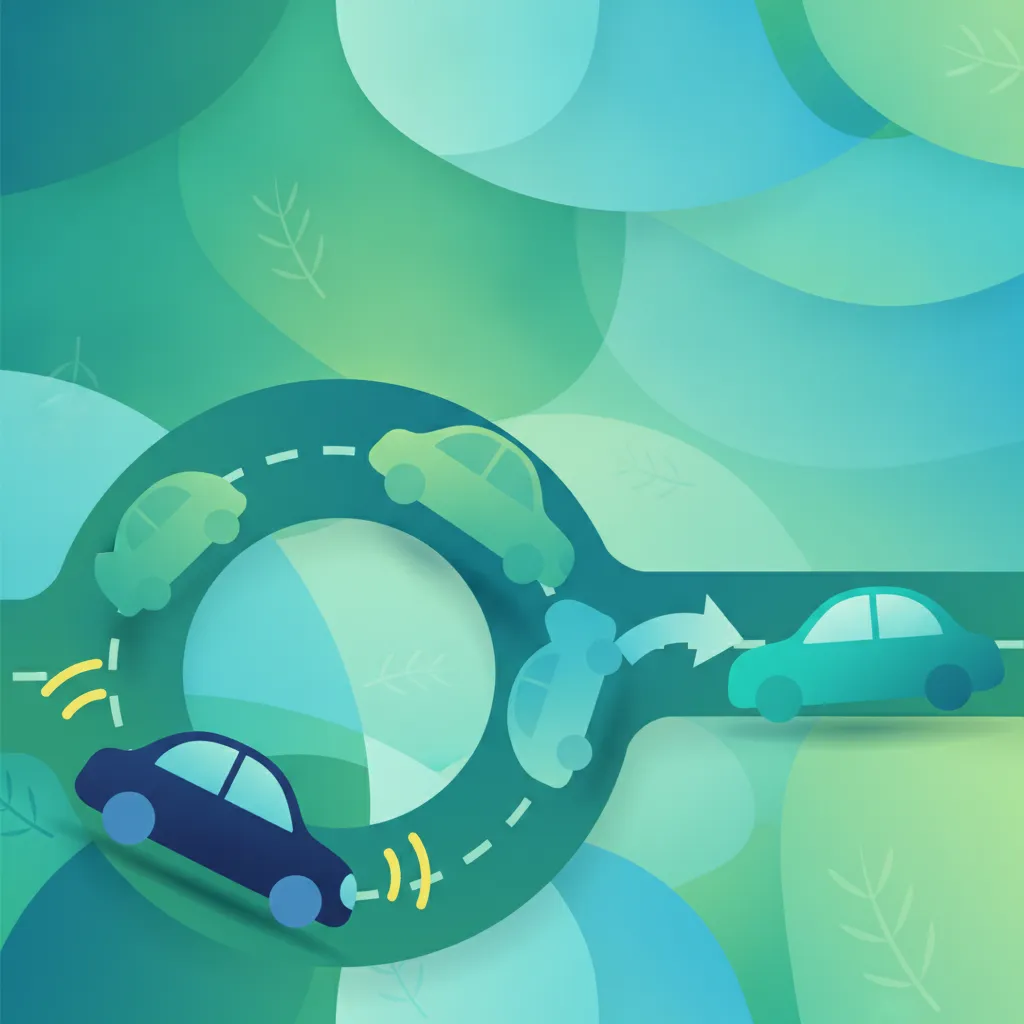
Patente AMroundaboutspriority rulestheory testroad safety
Italian Driving Theory AM: Navigating Roundabouts and Yielding Rules

Lesson content overview

Italian Driving Theory AM

Navigating Italian Roundabouts: Yielding Rules and Safe Maneuvers for Patente AM

Roundabouts are an increasingly common feature of Italy's road network, designed to improve traffic flow and reduce the severity of collisions compared to traditional intersections. For anyone preparing for the Patente AM driving license, mastering roundabout navigation is essential, not just for passing the exam but for ensuring safe daily riding. This lesson will provide a comprehensive guide to understanding and safely maneuvering through roundabouts, with a specific focus on the critical rule of yielding to traffic already circulating within.

Understanding the specific dynamics of roundabouts is crucial for Patente AM vehicles like mopeds and scooters. These vehicles often have different acceleration, braking, and visibility characteristics compared to cars, requiring riders to exercise extra caution and precise maneuvering. By following established rules for lane selection, indicator use, and speed adjustment, you can navigate these intersections efficiently and safely.

Understanding Roundabouts: Why They Matter for AM Riders

Roundabouts are circular intersections where traffic flows in one direction around a central island. Their design inherently reduces common conflict points found in traditional intersections, such as direct head-on collisions or high-angle T-bone crashes. Instead, traffic merges and diverges at lower speeds, generally improving safety and reducing congestion.

For riders of AM category vehicles, the principles of roundabout navigation are particularly important. Scooters and mopeds, with their smaller size, can sometimes be less visible to other drivers, and their stability can be more sensitive to sudden movements. Proper lane positioning, clear signaling, and cautious speed management become paramount to ensure the rider's safety and to communicate intentions effectively to other road users. This section lays the groundwork for understanding the structure and fundamental rules governing these vital road features in Italy.

Core Principles of Roundabout Navigation in Italy

Successfully navigating an Italian roundabout relies on a few fundamental principles that ensure order, safety, and efficient traffic flow. These principles are universally applied and are crucial for all road users, including those on Patente AM vehicles. Adhering to these rules will help you avoid dangerous situations and contribute to a smoother driving experience for everyone.

Always Yield to Circulating Traffic

The most critical rule when approaching a roundabout in Italy is to always yield to traffic already circulating inside. This means that vehicles approaching a roundabout must give way to any vehicle that is already within the circular roadway. This priority system is clearly indicated by the "Dare Precedenza" (Yield) sign and associated road markings at every entry point.

The purpose of this rule is to prevent collisions at entry points and ensure a continuous, smooth flow of traffic within the roundabout. As a driver, you must assess the traffic conditions inside the roundabout, adjust your speed accordingly, and only enter when it is safe to do so without causing circulating traffic to brake or swerve. Failure to yield is a common cause of accidents and is a serious traffic violation.

Essential Lane Discipline and Selection

Proper lane discipline is vital for safe and predictable roundabout navigation, especially in multi-lane roundabouts. This principle involves selecting the appropriate lane before entering the roundabout, based on your intended exit. By choosing the correct lane from the outset, you minimize the need for lane changes within the roundabout itself, which can be dangerous and confusing for other road users.

In multi-lane roundabouts, road markings, often including green arrows, guide drivers to the preferred lanes for specific exits (e.g., outer lane for early exits, inner lanes for later exits). For single-lane roundabouts, all traffic circulates in that single lane, simplifying lane choice but still requiring careful positioning. Always commit to your chosen lane and avoid last-minute changes.

Effective Use of Indicators (Turn Signals)

Your vehicle's indicators, or "frecce direzionali," are your primary means of communicating your intentions to other drivers. Proper indicator use is critical for enhancing predictability and ensuring safety within roundabouts. The key is to signal your exit clearly and at the correct time.

Generally, you should signal your intention to exit after passing the exit immediately preceding your desired one. For instance, if you plan to take the second exit, you would activate your right turn signal after you have safely passed the first exit. Avoid signaling too early or keeping your signal on while circulating, as this can confuse other drivers about your true intentions. For exits to your left (e.g., the third exit in a four-exit roundabout), you typically signal left upon entry or while circulating in the inner lane, and then switch to a right signal before your actual exit.

Appropriate Speed Adjustment for Roundabouts

Approaching a roundabout at an appropriate speed is fundamental to safe navigation. You must reduce your speed significantly as you near the entry, allowing ample time to assess circulating traffic, identify your exit, and react to any changes in conditions. While specific speed limits may be posted, a general rule is to approach at a speed that allows you to stop comfortably if you need to yield.

Typically, recommended approach speeds are around 30 km/h, but this can vary depending on traffic density, road conditions, and the size of the roundabout. For AM category vehicles, maintaining a controlled, slower speed provides greater stability and maneuverability, giving you more time to react and reducing the risk of skidding, especially in wet conditions.

Roundabout Geometry and Traffic Flow in Italy

Italian roundabouts are designed with a central island and a circular or elliptical roadway. In Italy, like in most of continental Europe, traffic moves counter-clockwise around the central island (because Italy has right-hand drive vehicles, keeping the central island to the left). This standardized movement ensures predictable traffic patterns and helps to reduce potential conflict points.

Drivers must understand this direction of travel and align their vehicle's path accordingly. The design of a roundabout guides vehicles through a continuous turning motion, which, when properly executed, allows traffic to flow smoothly without the need for traditional traffic lights or multiple stop-starts. For AM riders, understanding this flow means consistently anticipating movements from your left as you approach and merge.

Key Concepts for Italian Roundabouts

Beyond the core principles, several key concepts provide more detailed guidance for navigating roundabouts effectively within the Italian traffic system. Mastering these specifics will enhance your safety and confidence as a Patente AM rider.

Yield Signs (Dare Precedenza) and Road Markings

The presence of the Dare Precedenza (Yield) sign is the primary visual cue that you must give way to traffic already in the roundabout. This inverted triangular sign is always placed before the entry point. In conjunction with this sign, a solid white yield line (linea di arresto) is painted across your lane. This line marks the point where you must stop if there is circulating traffic to yield to.

  • Yield Sign (Triangular, Inverted): Universally indicates the requirement to give way.
  • Yield Lines (Road Markings): A solid white line where you must pause or stop to check for traffic.

You must stop at this line, check for vehicles inside the roundabout coming from your left, and only proceed when there is a safe gap. It is a common misconception that you have the right of way if no one is immediately visible; the rule is always to yield.

Lane Selection for Exiting Multi-Lane Roundabouts

In multi-lane roundabouts, your choice of lane upon entry is crucial for a smooth exit. The general guidance for Italian roundabouts is as follows:

  • Single-Lane Roundabouts: All vehicles use the single lane, maintaining safe distance and preparing to exit.
  • Multi-Lane Roundabouts:
    • First or Second Exit (Right-Hand Exits): Typically, you should position your AM vehicle in the outermost lane (rightmost lane) upon approach. This allows for a direct path to these exits without needing to change lanes within the roundabout.
    • Subsequent Exits (Straight Ahead or Left-Hand Exits): You should usually use an inner lane upon entry. Road markings, such as green arrows, often indicate the correct lane for specific destinations. You will then circulate in the inner lane, moving to the outer lane before your intended exit.

It is critical to observe road markings and signage carefully before entering. Changing lanes within the roundabout, especially for AM vehicles, should be avoided as it increases risk and can confuse other drivers.

Correct Indicator Use for Exits (Frecce Direzionali)

Effective use of your frecce direzionali (turn signals) is key to communicating your intentions to other road users in a roundabout. Incorrect signaling can cause confusion and increase the risk of incidents.

Step-by-Step Indicator Use in Roundabouts

  1. For the First Exit (immediate right turn): Activate your right turn signal before entering the roundabout, and keep it on until you have fully exited.

  2. For the Second Exit (straight ahead or right turn): Do not signal upon entry. Activate your right turn signal after passing the first exit, and keep it on until you have fully exited.

  3. For the Third or Subsequent Exits (left turn): In multi-lane roundabouts, activate your left turn signal upon entry and keep it on while circulating in the inner lane. Switch to your right turn signal after passing the exit immediately preceding your intended one, and keep it on until you have fully exited. In single-lane roundabouts, do not signal upon entry, and activate your right signal after passing the preceding exit.

The goal is to provide clear, timely signals that help other drivers anticipate your moves, whether they are waiting to enter or circulating alongside you. Never signal too early, as this might suggest you are taking an earlier exit than intended.

Speed Limits and Safe Approach Speeds

While specific speed limits for roundabouts may be posted on regulatory signs, it is a general best practice to significantly reduce your speed when approaching any roundabout. A common recommended speed is around 30 km/h. This lower speed allows you:

  • More time to observe: To effectively scan for circulating traffic, pedestrians, and cyclists.
  • Greater reaction time: To safely brake or adjust your path if you need to yield or respond to other drivers.
  • Increased stability: Especially important for AM category vehicles, lower speeds reduce the risk of losing control, particularly on wet or uneven surfaces.

Always adjust your speed not just to the posted limit, but also to prevailing conditions such as traffic density, visibility, and road surface quality. Never approach a roundabout at a speed that prevents you from safely stopping or yielding.

Visibility and Vehicle Positioning within Roundabouts

Maintaining excellent visibility and positioning your AM vehicle correctly are crucial for your safety in a roundabout. Being seen by other drivers and having a clear view of your surroundings can prevent accidents.

  • Visibility: Ensure your headlights (low beam) are on, especially in low light conditions or adverse weather. Position your vehicle so that you can see circulating traffic clearly before entering. Be aware of larger vehicles' blind spots, as they may not easily see a smaller moped or scooter.
  • Positioning:
    • On Approach: Position your vehicle centrally within your chosen lane, allowing other drivers to clearly see your intentions.
    • Inside the Roundabout: Maintain a safe distance from the central island, allowing space to maneuver. Avoid hugging the very outer edge unless you are about to exit, as this can encourage other vehicles to attempt to pass you on the left, potentially leading to conflicts.
    • Exiting: Gradually move towards the outer edge of the lane as you prepare to exit, ensuring you do so smoothly and without cutting off other vehicles.

Tip

For AM vehicles, always assume you are less visible to larger vehicles. Make eye contact where possible and use your indicators decisively to communicate your intentions clearly.

Italian Traffic Regulations (Codice della Strada) for Roundabouts

Italy's Codice della Strada (Highway Code) provides the legal framework for all traffic regulations, including those pertaining to roundabouts. Understanding these specific legal requirements is essential for Patente AM riders to ensure compliance and avoid penalties.

The fundamental rule of yielding in roundabouts is enshrined in the Codice della Strada. Specifically, Article 149 of the Codice della Strada governs the rules of precedence and applies directly to roundabout entries where the "Dare Precedenza" sign is present. This article mandates that drivers must give way to vehicles on the right and those already circulating where designated. In the context of roundabouts, this means:

  • Mandatory Yield: All vehicles approaching a roundabout indicated by a "Dare Precedenza" sign must stop or slow down and yield to traffic already moving within the roundabout.
  • Stop Line (Linea di Arresto): If a solid white yield line (linea di arresto) is present, drivers are legally required to stop behind it if there is traffic to yield to, before proceeding when safe.

Failure to comply with these yielding rules can result in significant fines and points deducted from your license, in addition to being a major cause of traffic accidents.

Mandatory Signage and Markings

The Codice della Strada also specifies the mandatory signage and road markings for roundabouts:

  • Yield Sign (Dare Precedenza - B1): This sign must be prominently displayed at every entry point to a roundabout where yielding is required. It is an inverted triangle with a red border and white background.
  • Circular Arrow Sign (Obbligo di Circolazione Rotatoria - F2): This blue, circular sign with three white arrows indicates that drivers must proceed in a counter-clockwise direction around the central island.
  • Yield Line (Linea di Arresto): A solid white line across the lane, parallel to the roundabout entry, indicates the legal stopping point for yielding.
  • Lane Arrows: In multi-lane roundabouts, painted arrows on the road surface indicate the preferred lane for specific exits.

These signs and markings work in conjunction to provide clear instructions to drivers. It is a legal requirement to observe and comply with all posted signs and road markings when navigating roundabouts.

Common Mistakes and Violations at Italian Roundabouts

Even with clear rules, certain errors are frequently observed at roundabouts. Being aware of these common mistakes can help Patente AM riders avoid them and navigate more safely.

  1. Failing to Yield: This is the most dangerous and common violation. Entering the roundabout without sufficient gap, forcing circulating traffic to brake or swerve. The correct action is to stop at the yield line, check for traffic from the left (which has priority), and only enter when a safe gap appears.
  2. Incorrect Lane Choice on Entry: Misjudging which lane to use for a particular exit, especially in multi-lane roundabouts. For example, using the outer lane for a left turn (a later exit) can lead to difficulties. Always follow the lane markings and plan your exit before entering.
  3. Improper Indicator Use:
    • No Signal at All: Failing to signal your exit.
    • Signaling Too Early: Signaling right upon entry for a second or third exit, confusing drivers waiting to enter.
    • Signaling Continually: Keeping the right signal on while circulating, when it should only be used to indicate your impending exit. The correct practice is to signal your exit after passing the preceding exit.
  4. Excessive Speed on Approach: Approaching too quickly limits reaction time, making it harder to yield or adjust to unexpected situations. Always reduce speed significantly when nearing a roundabout.
  5. Cutting Across Lanes in the Roundabout: This happens when a driver enters in one lane and then abruptly moves across to another lane inside the roundabout to reach their desired exit. This is highly dangerous and creates unpredictable movements. Select the correct lane before entry and maintain it.

Adapting to Conditions: Contextual Navigation

Safe roundabout navigation is not a static process; it requires adaptation to varying conditions. As a Patente AM rider, your awareness of environmental factors and vehicle limitations is critical.

  • Weather Conditions: In rain, fog, or icy conditions, reduce your speed even further than usual. Braking distances increase, and visibility decreases. Use low-beam headlights to ensure you are seen and to avoid dazzling other drivers. Exercise extreme caution when yielding, as wet surfaces can affect the stability of two-wheeled vehicles.
  • Light Conditions: At night or during twilight, ensure your low-beam headlights are on. High beams can blind oncoming drivers and are generally inappropriate within a roundabout. Reduced visibility requires extra vigilance for circulating traffic, pedestrians, and cyclists, who may be less visible.
  • Road Type and Surroundings: Roundabouts in urban areas may have more pedestrian crossings and cycle lanes, requiring increased vigilance for vulnerable road users. Industrial or rural roundabouts might have heavier vehicles or different traffic patterns. Always anticipate what kind of traffic you might encounter.
  • AM Vehicle State: Mopeds and scooters have inherent characteristics that demand careful handling. Their lighter weight and smaller contact patch mean they can be more susceptible to crosswinds, road imperfections, and slippery surfaces. Maintain smooth acceleration, braking, and steering to preserve stability, and avoid sudden, aggressive maneuvers.
  • Interaction with Vulnerable Users: Cyclists and pedestrians are particularly vulnerable in roundabouts. Always check for them before entering, while circulating, and especially before exiting. Pedestrians often have priority at marked crossings. Ensure ample space when passing cyclists, and never assume they have seen you.

The Logic of Roundabouts: Cause and Effect

Understanding the cause-and-effect relationships within roundabout dynamics reinforces why adherence to the rules is so vital for safety and efficiency.

  • Correct Yielding → Leads to smooth, continuous circulation of traffic within the roundabout, minimizing sudden stops and reducing the risk of entry collisions.
  • Failure to Yield → Causes abrupt braking by circulating vehicles, leading to potential rear-end collisions, side-impact collisions at the entry, and general traffic disruption.
  • Proper Lane Selection → Ensures a predictable path through the roundabout, reduces the need for dangerous lane changes, and facilitates a smooth exit, lowering the risk of side-swipe accidents.
  • Incorrect Lane Changes → Forces other drivers to react unexpectedly, creating confusion, increasing the risk of sideswipes, and potentially causing multi-vehicle incidents.
  • Appropriate Indicator Use → Clearly communicates your intentions to other road users, allowing them to anticipate your actions, reducing uncertainty, and preventing collisions. Lack of signaling leads to surprise and conflict.
  • Effective Speed Control → Provides sufficient reaction time to observe, yield, and adapt to changing conditions, significantly reducing the likelihood and severity of accidents. Speeding diminishes this critical reaction window.

Building on Prior Knowledge: Lesson Connections

This lesson on navigating roundabouts is interconnected with several other key topics within the Italian Driving License Theory – Patente AM Specialization curriculum. Understanding these dependencies helps to reinforce a holistic approach to safe riding.

  • Approaching and Entering Intersections Safely (Unit 5.1): This lesson builds directly on the foundational knowledge of yielding, stop lines, and managing priority learned for general intersections. Roundabouts are a specific type of intersection that applies these general rules.
  • Observation, Visibility, Positioning and Communication (Unit 3): The principles of being seen, seeing others, correctly positioning your vehicle, and effectively using indicators are central to safe roundabout navigation. Good observation skills are paramount when assessing circulating traffic.
  • Turning Maneuvers and Lane Discipline (Unit 5.3): The concepts of lane selection and executing turns smoothly are further developed here, specifically for the circular context of a roundabout. This lesson prepares you for more complex turning scenarios.

Key Terminology for Roundabouts

Practical Scenarios for AM Category Vehicles

Applying the rules in specific situations helps solidify understanding. Here are a few common scenarios for Patente AM riders at Italian roundabouts.

  1. Scenario: Single-Lane Roundabout with Heavy Circulating Traffic

    • Description: A scooter rider approaches a single-lane roundabout with a "Dare Precedenza" sign. There is a continuous stream of cars already circulating.
    • Correct Behavior: The rider slows significantly, stops at the solid white yield line (linea di arresto), and patiently waits for a clear, safe gap in the circulating traffic. Only then does the rider enter, accelerating smoothly.
    • Incorrect Behavior: The rider rolls past the yield line, trying to squeeze into a small gap, forcing a circulating car to brake sharply or honk. This is a common failure to yield.
  2. Scenario: Multi-Lane Roundabout, Second Exit (Straight Ahead)

    • Description: A moped rider approaches a two-lane roundabout, intending to take the second exit, which is effectively straight ahead. There are no specific lane arrows for "straight ahead."
    • Correct Behavior: The rider chooses the outer (rightmost) lane on approach, as the second exit is considered an "early" exit. The rider does not signal upon entry. After safely passing the first exit, the rider activates the right turn signal and exits smoothly.
    • Incorrect Behavior: The rider enters in the inner lane, then attempts to cut across the outer lane inside the roundabout to make the second exit, creating a dangerous situation with vehicles in the outer lane.
  3. Scenario: Nighttime Approach to a Left-Hand Exit

    • Description: A scooter rider approaches a multi-lane roundabout at night, intending to take the third exit (a left turn). The posted speed limit is 30 km/h.
    • Correct Behavior: The rider reduces speed to 30 km/h or less, ensures low-beam headlights are active, and selects an inner lane (if available and appropriate for the exit). Upon entry, the rider activates the left turn signal. After passing the second exit, the rider switches to the right turn signal and exits carefully, being extra vigilant for pedestrians and less visible vehicles in the dark.
    • Incorrect Behavior: The rider maintains higher speed, uses high-beam headlights (blinding others), fails to signal, and then attempts a late, abrupt lane change to exit, increasing collision risk due to poor visibility and communication.

Safety Insights and Defensive Riding

For Patente AM riders, roundabout navigation demands a proactive and defensive approach to riding. Your safety is paramount, and understanding the "why" behind the rules empowers you to make better decisions.

  • Visibility is Key: As an AM vehicle, you are smaller and potentially less visible. Always strive to see and be seen. Position yourself strategically, use your lights, and make eye contact with other drivers whenever possible. Assume others may not have seen you until you are sure they have.
  • Predictability Reduces Risk: Consistent signaling, correct lane choice, and smooth maneuvers make your actions predictable to other road users. This reduces the cognitive load on surrounding drivers and minimizes the chances of misinterpretation or unexpected reactions.
  • Reaction Time is Your Buffer: The recommendation to reduce speed on approach is not just a rule, but a critical safety buffer. More time to react means more time to perceive hazards, make decisions, and execute maneuvers safely, aligning with average human reaction times.
  • Prioritization Logic is for Flow: The rule to yield to circulating traffic ("first-in, first-out") is designed to create a continuous, flowing system. Disrupting this flow by failing to yield creates conflict points where collisions are most likely.
  • Maneuver with Care: AM vehicles have specific handling characteristics. Avoid sudden braking, sharp turns, or aggressive acceleration, especially within a roundabout. Smooth control maintains stability and gives you maximum control over your vehicle.
  • Anticipate and Scan: Continuously scan the roundabout for circulating traffic, vehicles approaching other entries, pedestrians, and cyclists. Anticipate potential actions of others and be prepared to adjust your speed or path accordingly.

Comprehensive Summary for Roundabout Navigation

Mastering roundabout navigation is a vital skill for anyone obtaining the Patente AM driving license in Italy. By consistently applying these core principles and detailed concepts, you can ensure safe, efficient, and compliant maneuvers.

  • Always Yield to Circulating Traffic: This is the golden rule, indicated by the Dare Precedenza (Yield) sign (B1) and the solid white yield line (linea di arresto). Never enter the roundabout if it means forcing circulating traffic to brake or swerve.
  • Choose the Correct Lane: Plan your exit before entering. Use the outer lane for early exits (first or second) and inner lanes for later exits (third or left turns) in multi-lane roundabouts, following lane markings (frecce direzionali) where present.
  • Signal Your Exit Clearly: Use your frecce direzionali (turn signals) to communicate your intentions. For early exits, signal right before entry. For later exits, signal right after passing the preceding exit. Do not signal while circulating.
  • Adjust Your Speed: Approach roundabouts at a reduced and controlled speed, typically around 30 km/h, allowing ample time to observe, react, and yield safely. Adjust further for adverse conditions.
  • Maintain Proper Positioning and Visibility: Position your AM vehicle to be seen and to maintain a clear view of other road users. Keep a safe distance from the central island and other vehicles. Use low-beam headlights in low light.
  • Avoid Lane Changes Inside: Once committed to a lane, stay in it throughout your circulation. Changing lanes within the roundabout is dangerous and confusing.
  • Adapt to Conditions: Modify your speed and caution based on weather (rain, fog), light (night), and the presence of vulnerable road users (pedestrians, cyclists).
  • Understand AM Vehicle Specifics: Mopeds and scooters require smooth control, cautious maneuvering, and an awareness of their limited visibility and stability compared to larger vehicles.

These guidelines, aligned with the Codice della Strada, form the essential knowledge base for safely navigating roundabouts in Italy as an AM category rider.

Learn more with these articles

Check out these practice sets

Lesson recap

Quick summary before you move on

Fast revision

Navigating Italian roundabouts requires mastering the golden rule of yielding to circulating traffic before entry, selecting the correct lane based on your planned exit (outer lane for early exits, inner for later turns), and signaling your exit only after passing the preceding exit. Approach at approximately 30 km/h, avoid lane changes within the roundabout, and remember that traffic flows counter-clockwise under Codice della Strada regulations. For Patente AM riders, maintaining visibility, using low-beam headlights, and anticipating the actions of larger vehicles are essential defensive riding practices that complement these procedural rules.


Core takeaways

Main ideas from this lesson

A short set of high-value points that capture the most important learning from this lesson.

Always yield to circulating traffic before entering an Italian roundabout, indicated by the Dare Precedenza (B1) sign and solid white yield line.

Select your lane before entering based on your intended exit: outer lane for first or second exits, inner lane for subsequent exits.

Signal your right turn only after passing the exit immediately preceding your intended exit, not while circulating.

Approach roundabouts at approximately 30 km/h to allow sufficient reaction time for yielding and hazard scanning.

Avoid changing lanes inside the roundabout; commit to your chosen lane upon entry.

Remember this

Details worth keeping in mind

Point 1

Traffic in Italian roundabouts moves counter-clockwise; circulating traffic always has priority over entering traffic.

Point 2

The solid white yield line (linea di arresto) marks the legal stopping point where you must yield if necessary.

Point 3

For first exits (immediate right), signal right before entering and keep signal on until exiting.

Point 4

For third or later exits, signal left upon entry in inner lane, then switch to right signal after passing the preceding exit.

Point 5

AM vehicles (mopeds/scooters) have smaller profiles and less stability; use low-beam headlights and assume reduced visibility to other drivers.

Watch for this

Frequent learner mistakes

Entering the roundabout without yielding to circulating traffic, forcing vehicles already inside to brake.

Choosing the wrong lane on entry, such as taking the outer lane for a left turn, leading to dangerous lane changes inside.

Signaling too early (right signal on entry for second exit) or failing to signal at all, confusing other drivers.

Approaching at excessive speed, reducing reaction time to assess gaps and yield safely.

Cutting across lanes inside the roundabout instead of maintaining the lane selected at entry.

Search topics related to Navigating Roundabouts and Yielding Rules

Explore search topics learners often look for when studying Navigating Roundabouts and Yielding Rules. These topics reflect common questions about road rules, driving situations, safety guidance, and lesson level theory preparation for learners in Italy.

how to navigate roundabouts Italian theory testPatente AM priority rules at roundaboutsrules for riding mopeds in roundabouts Italyroundabout yielding signs for Patente AMcommon roundabout mistakes Italian driving examhow to signal on a roundabout Italy

Related driving theory lessons for Navigating Roundabouts and Yielding Rules

Browse additional driving theory lessons that cover connected traffic rules, road signs, and common driving situations related to this topic. Improve your understanding of how different rules interact across everyday traffic scenarios.

Navigating Multi-Lane Roundabouts and Complex Junctions

Explore advanced techniques for multi-lane roundabouts and complex Italian intersections. Learn about specific lane selection strategies, yielding in heavy traffic, and understanding advanced signage for safer navigation in varied traffic conditions.
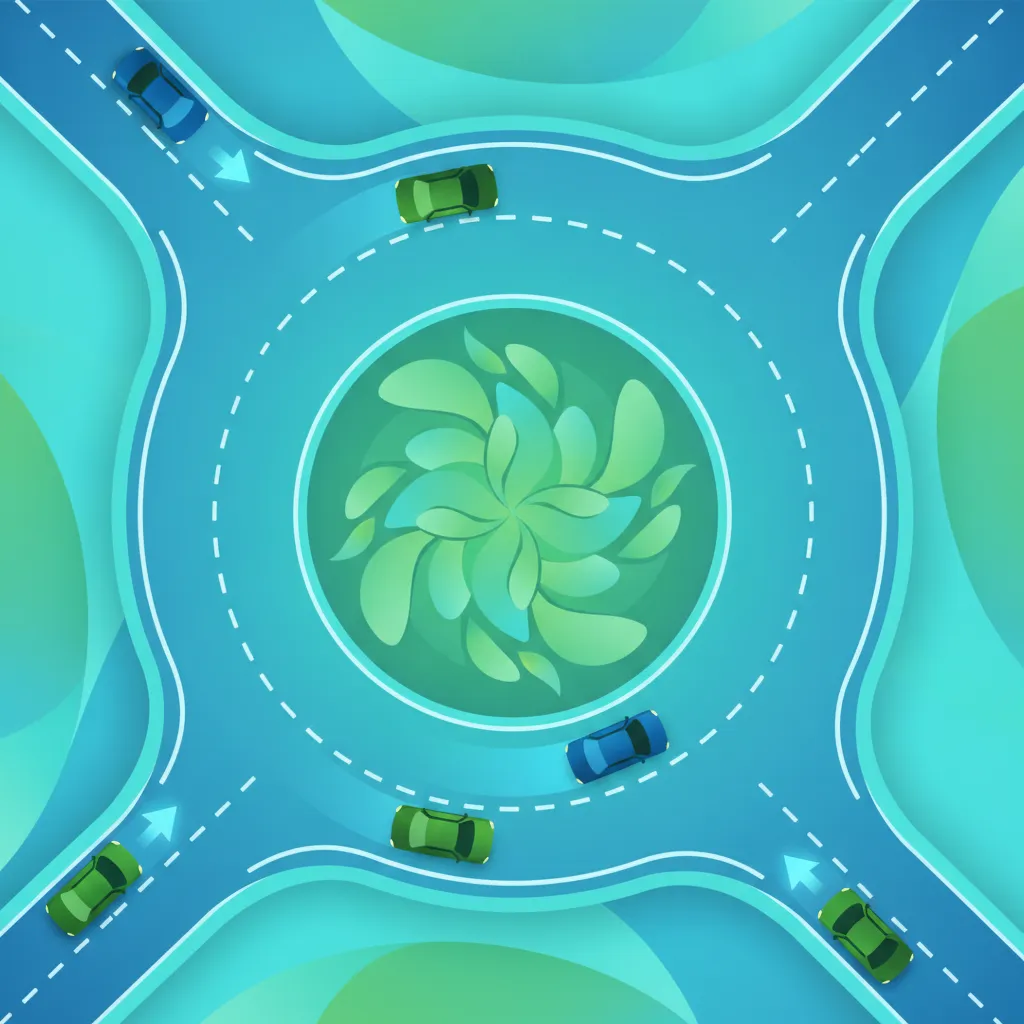
roundaboutsmulti-lanecomplex intersectionspriority rulesdriving theoryadvanced
Roundabouts: Navigation and Lane Discipline lesson image

Roundabouts: Navigation and Lane Discipline

This lesson provides a step-by-step guide to safely and efficiently navigating roundabouts (rotatorie). It explains the primary rule of yielding to traffic already circulating within the roundabout before entering. The content covers correct lane positioning based on the intended exit, the proper use of turn signals when entering and exiting, and how to handle multi-lane roundabouts.
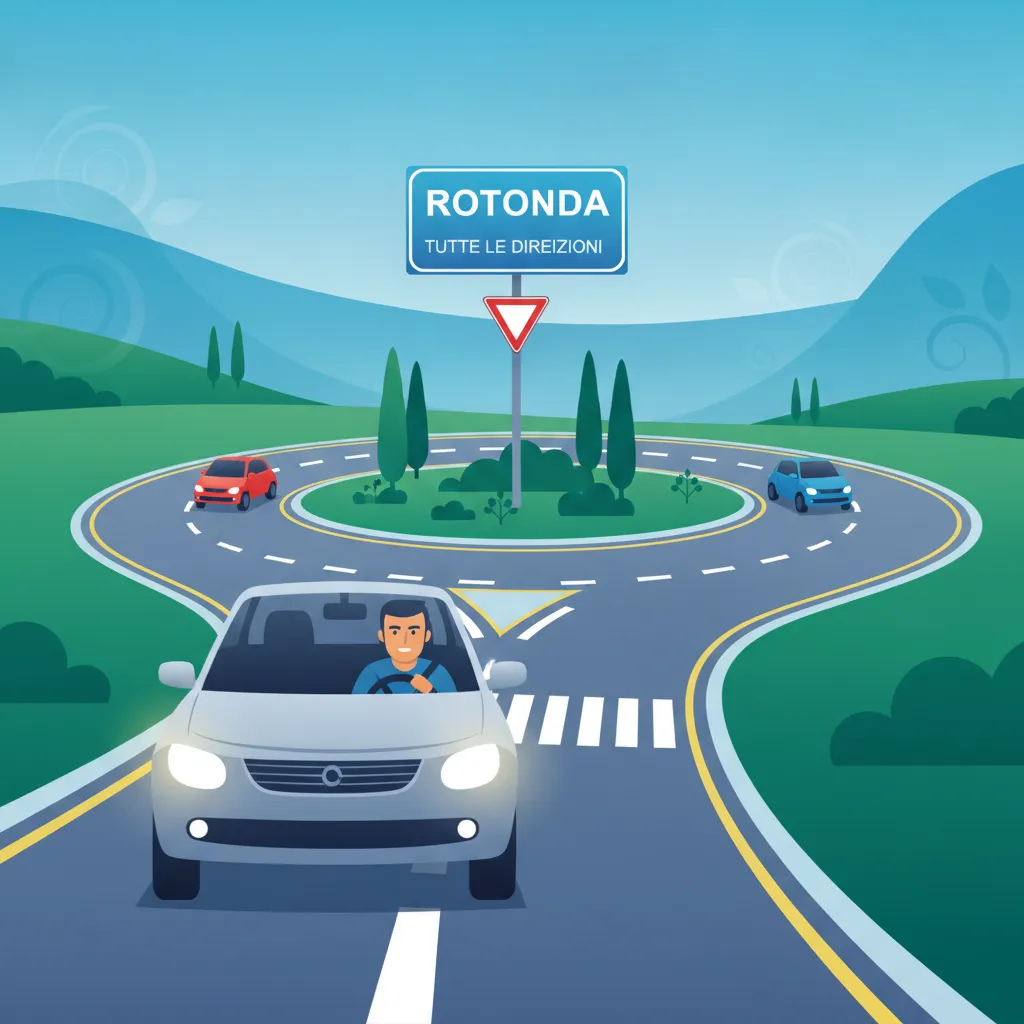
Italian Driving Theory BPriority, Right of Way, Intersections, Roundabouts and Railway Crossings
View lesson
Navigating Rotatorie (Roundabouts) Safely lesson image

Navigating Rotatorie (Roundabouts) Safely

This lesson provides a step-by-step guide to safely navigating Italian roundabouts, known as rotatorie. It emphasizes the primary rule of yielding to traffic already circulating within the roundabout before entering. The content details correct lane positioning for different exits, the importance of signalling your intention to exit, and maintaining awareness of other vehicles.
Italian Motorcycle Theory AIntersections, Roundabouts, Overtaking and Urban Traffic
View lesson
Driving on Autostrade and Extra-Urban Roads lesson image

Driving on Autostrade and Extra-Urban Roads

This lesson provides essential rules and techniques for driving on Italian motorways (autostrade) and major extra-urban roads. It explains how to safely merge onto the motorway from an entry ramp, the strict lane discipline required (drive right, overtake left), and how to exit correctly. The content also covers speed regulations, maintaining a safe following distance at high speed, and procedures for using service areas and handling emergencies.

Italian Driving Theory BRural Roads, Motorways, Tunnels, Weather and Environmental Driving
View lesson
Approaching and Entering Intersections Safely lesson image

Approaching and Entering Intersections Safely

This lesson details how to safely approach and enter intersections by correctly interpreting traffic lights, stop signs, and give-way rules. It emphasizes the importance of scanning for hazards, checking blind spots, and anticipating the actions of other road users. You will learn to adjust your speed and position your vehicle correctly to navigate crossings without incident.

Italian Driving Theory AMIntersections, Roundabouts, Turning and Mixed Traffic
View lesson
Interactions with Pedestrians, Cyclists, and Two-Wheelers lesson image

Interactions with Pedestrians, Cyclists, and Two-Wheelers

This lesson provides an in-depth focus on sharing the road with the most vulnerable users. It teaches drivers to be acutely aware of pedestrians at crossings, cyclists filtering through traffic, and motorcyclists who may be in blind spots. The lesson emphasizes the importance of leaving extra space, signaling intentions clearly, and exercising extreme caution at junctions, where the majority of serious incidents occur.

Italian Goods Vehicle Theory (C)Urban Deliveries, Vulnerable Road Users and Restricted Environments
View lesson
Overtaking Techniques in Urban Settings lesson image

Overtaking Techniques in Urban Settings

This lesson addresses the increased complexity of overtaking in urban environments with dense traffic and frequent intersections. It stresses the importance of thorough observation, including mirror and blind spot checks, to ensure a safe gap is available. The content covers judging speed differentials and the necessity of clear signalling to execute the maneuver without causing conflict with other road users.

Italian Motorcycle Theory AIntersections, Roundabouts, Overtaking and Urban Traffic
View lesson
Priority Rules at Intersections and Roundabouts lesson image

Priority Rules at Intersections and Roundabouts

This lesson provides a detailed explanation of the priority rules that govern Italian intersections and roundabouts. You will learn to identify priority roads and correctly apply the rules for stop and give way signs. It also covers the specific procedures for entering, navigating, and exiting roundabouts, emphasizing when to yield to circulating traffic.
Italian Driving Theory AMItalian Signs, Signals, Road Markings and Priority Rules
View lesson
Priority at Uncontrolled Intersections lesson image

Priority at Uncontrolled Intersections

This lesson focuses on the crucial rule for navigating uncontrolled intersections in Italy: yielding to vehicles approaching from the right (precedenza a destra). It explains how to apply this default rule when no signs or signals are present to direct traffic flow. Learners will understand how to approach these junctions with caution, assess traffic, and proceed safely, while also learning about the few exceptions to this rule.
Italian Driving Theory BPriority, Right of Way, Intersections, Roundabouts and Railway Crossings
View lesson
Special Situations: ZTL, Historic Centres, Delivery Vehicles lesson image

Special Situations: ZTL, Historic Centres, Delivery Vehicles

This lesson explains the rules for special urban traffic situations common in Italy. It provides a detailed explanation of Limited Traffic Zones (ZTL), including how to recognize the signage and understand the access restrictions to avoid fines. The content also offers guidance on navigating the narrow and complex streets of historic centers and safely maneuvering around frequently stopping delivery vehicles.

Italian Driving Theory BVulnerable Road Users, Public Transport and Special Traffic Situations
View lesson
Managing Mixed Traffic and Roadworks lesson image

Managing Mixed Traffic and Roadworks

This lesson equips riders to safely manage the challenges posed by road construction zones. It explains how to interpret temporary signage, navigate lane closures or diversions, and maintain heightened awareness for surface hazards like gravel or steel plates. The content emphasizes the need to reduce speed and increase following distances to safely share the road with large construction vehicles and workers.

Italian Motorcycle Theory ARural Roads, Mountain Roads, Motorways, Tunnels and Complex Traffic
View lesson

Common Roundabout Mistakes and Safety Strategies in Italy

Understand typical errors drivers make in Italian roundabouts and learn effective strategies to avoid them. This lesson focuses on common violations like failing to yield, incorrect signaling, and poor lane discipline to enhance rider safety.

roundaboutscommon mistakessafety tipspriority rulesdriving theorydefensive riding
Roundabouts: Navigation and Lane Discipline lesson image

Roundabouts: Navigation and Lane Discipline

This lesson provides a step-by-step guide to safely and efficiently navigating roundabouts (rotatorie). It explains the primary rule of yielding to traffic already circulating within the roundabout before entering. The content covers correct lane positioning based on the intended exit, the proper use of turn signals when entering and exiting, and how to handle multi-lane roundabouts.

Italian Driving Theory BPriority, Right of Way, Intersections, Roundabouts and Railway Crossings
View lesson
Navigating Rotatorie (Roundabouts) Safely lesson image

Navigating Rotatorie (Roundabouts) Safely

This lesson provides a step-by-step guide to safely navigating Italian roundabouts, known as rotatorie. It emphasizes the primary rule of yielding to traffic already circulating within the roundabout before entering. The content details correct lane positioning for different exits, the importance of signalling your intention to exit, and maintaining awareness of other vehicles.

Italian Motorcycle Theory AIntersections, Roundabouts, Overtaking and Urban Traffic
View lesson
Priority Rules at Intersections and Roundabouts lesson image

Priority Rules at Intersections and Roundabouts

This lesson provides a detailed explanation of the priority rules that govern Italian intersections and roundabouts. You will learn to identify priority roads and correctly apply the rules for stop and give way signs. It also covers the specific procedures for entering, navigating, and exiting roundabouts, emphasizing when to yield to circulating traffic.
Italian Driving Theory AMItalian Signs, Signals, Road Markings and Priority Rules
View lesson
General Priority Rules at Intersections lesson image

General Priority Rules at Intersections

This lesson covers the general principles of priority at intersections governed by traffic signs and signals. It explains how to identify a priority road and the obligation to yield to traffic when encountering a 'dare la precedenza' (yield) or stop sign. The content also reviews the hierarchy of authority, where signals from a traffic officer override all other signs and lights.

Italian Driving Theory BPriority, Right of Way, Intersections, Roundabouts and Railway Crossings
View lesson
Priority at Uncontrolled Intersections lesson image

Priority at Uncontrolled Intersections

This lesson focuses on the crucial rule for navigating uncontrolled intersections in Italy: yielding to vehicles approaching from the right (precedenza a destra). It explains how to apply this default rule when no signs or signals are present to direct traffic flow. Learners will understand how to approach these junctions with caution, assess traffic, and proceed safely, while also learning about the few exceptions to this rule.
Italian Driving Theory BPriority, Right of Way, Intersections, Roundabouts and Railway Crossings
View lesson
Right-of-Way Rules at Intersections and Traffic Lights lesson image

Right-of-Way Rules at Intersections and Traffic Lights

This lesson delivers a comprehensive explanation of right-of-way regulations at Italian intersections. It covers the interpretation of traffic light signals, the absolute requirement to stop at stop signs, and yielding at give-way signs. Furthermore, it details the default priority rules for unmarked intersections and the specific obligations a rider has towards pedestrians on crossings.

Italian Motorcycle Theory AIntersections, Roundabouts, Overtaking and Urban Traffic
View lesson
Turning Maneuvers and Lane Discipline lesson image

Turning Maneuvers and Lane Discipline

This lesson explains how to execute left turns, right turns, and U-turns safely while maintaining correct lane discipline. It covers interpreting road markings and arrows, selecting the proper vehicle position, and using signals in a timely manner. Performing shoulder checks to monitor blind spots before and during a turn is a key focus for preventing collisions.

Italian Driving Theory AMIntersections, Roundabouts, Turning and Mixed Traffic
View lesson
Approaching and Entering Intersections Safely lesson image

Approaching and Entering Intersections Safely

This lesson details how to safely approach and enter intersections by correctly interpreting traffic lights, stop signs, and give-way rules. It emphasizes the importance of scanning for hazards, checking blind spots, and anticipating the actions of other road users. You will learn to adjust your speed and position your vehicle correctly to navigate crossings without incident.

Italian Driving Theory AMIntersections, Roundabouts, Turning and Mixed Traffic
View lesson
Safe Overtaking Practices lesson image

Safe Overtaking Practices

This lesson provides comprehensive guidance on the rules and best practices for safe overtaking. It explains how to assess whether it is legal and safe to pass, considering road markings, signs, and the distance of oncoming traffic. The content details the correct procedure, including signaling, accelerating, maintaining a safe distance during the maneuver, and returning to the original lane safely.

Italian Driving Theory BObservation, Positioning, Turning, Lane Changes and Overtaking
View lesson
Turning Maneuvers and Signal Use lesson image

Turning Maneuvers and Signal Use

This lesson provides detailed instructions on how to correctly execute various turning maneuvers, including right turns, left turns, and U-turns where permitted. It emphasizes the importance of early signaling to communicate intentions, selecting the correct lane in advance, and adjusting speed before entering the turn. The content also covers the visual checks required before and during the maneuver to ensure it is safe to proceed.

Italian Driving Theory BObservation, Positioning, Turning, Lane Changes and Overtaking
View lesson

Frequently asked questions about Navigating Roundabouts and Yielding Rules

Find clear answers to common questions learners have about Navigating Roundabouts and Yielding Rules. Learn how the lesson is structured, which driving theory objectives it supports, and how it fits into the overall learning path of units and curriculum progression in Italy. These explanations help you understand key concepts, lesson flow, and exam focused study goals.

Do I always have to yield to traffic inside the roundabout?

Yes, unless indicated otherwise by specific signage, the general rule is that you must yield to vehicles already circulating within the roundabout before you enter.

When should I use my indicators at a roundabout?

You should signal when you are planning to take an exit, well before you reach that exit, to warn other drivers of your intention to leave the roundabout.

Are there different rules for roundabouts with multiple lanes?

Yes, on multi-lane roundabouts, you must position yourself in the correct lane based on your intended exit. Our lesson covers how to choose these lanes safely as an AM rider.

Will there be questions about roundabouts on the Patente AM exam?

Absolutely. Roundabouts are a frequent topic in the exam as they test your knowledge of priority and your ability to interact safely with other traffic participants.

Ready to Find Your Next Targeted Italian Driving Theory Practice Set?

Start searching now to pinpoint exactly which Italian driving theory topics, road signs, or traffic rules you need to master. Use our advanced filters to build a custom practice session and ensure you're fully prepared for every aspect of your official driving licence exam.

Search Practice Theory Sets

Continue your Italian driving theory learning journey

Italian road signsItalian article topicsSearch Italian road signsItalian driving theory homeItalian road sign categoriesItalian driving theory topicsSearch Italian theory articlesItalian driving theory coursesItalian Driving Theory B courseItalian driving theory articlesItalian driving theory practiceItalian practice set categoriesItalian Driving Theory AM courseItalian Motorcycle Theory A courseItalian driving licence proceduresSearch Italian driving theory practiceItalian driving theory terminology A–ZItalian Goods Vehicle Theory (C) courseItalian driving theory terms and glossaryRoad Users, Core Behaviour Rules and Safe Communication unit in Italian Driving Theory BObservation, Visibility, Positioning and Communication unit in Italian Driving Theory AMPatente AM, Vehicle Types and First-Rider Responsibility unit in Italian Driving Theory AMItalian Signs, Signals, Road Markings and Priority Rules unit in Italian Driving Theory AMPatente B, Training, Examination and Driver Responsibility unit in Italian Driving Theory BMotorcycle Construction, Controls, Equipment and Safety Checks unit in Italian Motorcycle Theory AA1, A2 and A Licence Scope, Progression and Rider Responsibility unit in Italian Motorcycle Theory ATurning Maneuvers and Lane Discipline lesson in Intersections, Roundabouts, Turning and Mixed TrafficNavigating Roundabouts and Yielding Rules lesson in Intersections, Roundabouts, Turning and Mixed TrafficHeavy-Vehicle Dimensions, Masses, Axle Loads and Operating Limits unit in Italian Goods Vehicle Theory (C)Helmet, Protective Clothing, Visibility, Observation and Communication unit in Italian Motorcycle Theory AC1, C1E, C and CE Scope, Responsibilities and Professional Context unit in Italian Goods Vehicle Theory (C)Approaching and Entering Intersections Safely lesson in Intersections, Roundabouts, Turning and Mixed TrafficInteraction with Parked Vehicles and Opening Doors lesson in Intersections, Roundabouts, Turning and Mixed Traffic