This lesson provides essential training on how to interpret priority signs, markings, and traffic signals at junctions. It is a critical part of your Patente AM theory course, ensuring you can navigate intersections and roundabouts safely in accordance with the Italian Codice della Strada.

Lesson content overview
Navigating the roads safely and efficiently requires a thorough understanding of priority rules, especially at intersections and roundabouts. For new Patente AM riders in Italy, mastering these regulations is not just about passing an exam; it's fundamental for preventing accidents, ensuring smooth traffic flow, and protecting all road users. This lesson will provide a detailed explanation of the Italian Codice della Strada (Road Code) rules concerning priority, from identifying signs to safely maneuvering through complex junctions.
Priority rules are the backbone of organized traffic. They establish which vehicle or road user has the right to proceed first in situations where paths converge, preventing chaos and collisions. In Italy, these rules are clearly defined within the Codice della Strada and are universally applied across the country.
Correctly applying priority rules significantly reduces the risk of accidents at intersections, which are common points of conflict on any road network. When drivers understand and respect who has the right of way, their actions become predictable, allowing others to anticipate movements and react accordingly. This predictability is vital for all road users, but especially for Patente AM riders, who are often more vulnerable in traffic. Ignoring priority can lead to serious legal penalties, including fines and points on your license, in addition to the inherent danger.
The Italian Codice della Strada establishes a clear hierarchy of rules that govern priority. Generally, traffic lights take precedence over road signs, which in turn take precedence over road markings. Where no specific signs or lights are present, the general rule of giving way to the right applies. However, the presence of specific signs like 'Stop' or 'Give Way' clearly defines who must yield. Understanding this hierarchy is crucial for making correct decisions in dynamic traffic situations.
One of the most important signs indicating priority is the "Priority Road" sign, which designates routes where traffic generally has precedence over intersecting roads.
The "Priority Road" sign, officially known as Strada con precedenza, is a distinctive yellow diamond with a white border. When you see this sign, it means that traffic on the road you are currently on has priority over traffic entering from side roads or intersecting roads, unless otherwise indicated by traffic lights or other specific signs.
This sign grants you the right to proceed without having to stop or yield to traffic from the side roads. However, it is always imperative to maintain vigilance, observe your surroundings, and be prepared to react to unexpected situations, as other drivers may not always respect your priority.
When riding on a priority road, vehicles from side roads are legally required to yield to you. These intersecting roads will typically be marked with a 'Stop' sign or a 'Give Way' sign. While you have the right of way, you must still approach intersections cautiously, scanning for potential hazards suchs as vehicles or pedestrians, and be ready to slow down or brake if necessary. Never assume that other drivers will automatically respect your priority.
Even on a priority road, always be prepared to react to the unexpected. Your safety is paramount, and it's better to yield unnecessarily than to risk a collision.
The Stop sign is one of the most critical regulatory signs, demanding a complete halt before proceeding.
The 'Stop' sign is easily recognizable by its octagonal (eight-sided) shape and red color with white lettering. The word "STOP" is written prominently across the center. This unique shape and color make it distinguishable even in adverse weather conditions or from a distance.
Upon encountering a 'Stop' sign, you must bring your vehicle to a complete and undeniable stop before the white stop line painted on the road. If there is no stop line, you must stop before entering the intersection, at a point where you have a clear view of cross-traffic without obstructing it. After stopping, you must yield to any vehicle that is already in the intersection or approaching from your right or left. Only when the intersection is clear and safe to proceed should you move forward. This mandatory full stop ensures you have adequate time to observe traffic and make a safe decision.
A common mistake is performing a "rolling stop" or "California stop," where the vehicle only slows down significantly but does not come to a full stop. This is a violation of the Codice della Strada and can lead to severe penalties. More importantly, failing to stop completely reduces your visibility and reaction time, dramatically increasing the risk of a collision, particularly with fast-moving cross-traffic. Always stop fully, even if you perceive the intersection to be empty.
The 'Give Way' sign (often referred to as a 'Yield' sign) is another crucial sign for managing priority at intersections.
The 'Give Way' sign, officially Dare precedenza, is an inverted white triangle with a thick red border. It indicates that you must yield the right of way to other traffic.
When you encounter a 'Give Way' sign, you are required to reduce your speed significantly and be prepared to stop if necessary. Your primary duty is to yield to traffic on the intersecting road and to any vehicle approaching from your right. You should only proceed when you can do so safely, without forcing other vehicles to slow down or change their course. This might mean stopping completely if traffic conditions require it, but a full stop is not mandated unless necessary to ensure a safe yield.
The key difference between a 'Give Way' sign and a 'Stop' sign lies in the mandatory full stop. A 'Stop' sign always requires a complete halt before the stop line, regardless of whether there is cross-traffic. A 'Give Way' sign, on the other hand, requires you to yield, which means you must be ready to stop, but you only need to come to a complete halt if yielding to other traffic makes it necessary. Both signs demand that you do not impede other traffic.
Never assume that a 'Give Way' sign means you can just slow down and proceed. If there's traffic to which you must yield, you must stop until it's safe to enter or cross.
Roundabouts are circular intersections designed to improve traffic flow and reduce conflict points. However, they have specific priority rules that must be understood.
In Italy, the fundamental rule for roundabouts is that vehicles entering the roundabout must yield to traffic already circulating within the roundabout. This is typically indicated by 'Give Way' signs at each entry point, or by specific road markings. This rule ensures that traffic already moving within the circle maintains its momentum, making the roundabout more efficient.
Approach slowly, checking for 'Give Way' signs or markings.
Look left for circulating traffic and yield to it.
Select the appropriate lane based on your exit.
Signal your intent to exit.
Enter only when there is a safe gap.
Once inside the roundabout, keep to your chosen lane. You now have priority over vehicles trying to enter the roundabout. Do not change lanes unnecessarily and maintain a safe speed. Keep an eye on vehicles around you, particularly those intending to exit, and be aware of their blind spots.
Before exiting, activate your right indicator as you pass the exit immediately preceding your intended exit. This signals your intention to other drivers and pedestrians. As you exit, you must give way to any pedestrians or cyclists using a designated crossing at the roundabout exit. This rule is crucial for protecting vulnerable road users.
Most roundabouts in Italy are standard roundabouts, where priority is managed by 'Give Way' signs and the yield-to-circulating-traffic rule. However, some larger or more complex roundabouts, particularly in urban areas, may be signalized. In these cases, traffic lights control entry, circulation, or specific exit lanes. When traffic lights are present, their signals always override the general roundabout priority rules and any road signs.
Understanding the hierarchy of traffic control devices is crucial for making correct decisions on the road. When multiple controls are present, they do not all carry equal weight.
The highest authority in traffic control is generally a traffic light. If an intersection has a traffic light, its signals (red, yellow, green) supersede any 'Priority Road', 'Stop', or 'Give Way' signs present at that same intersection. For example, if you are on a priority road but face a red traffic light, you must stop. Ignoring the light because of a sign is a serious violation and extremely dangerous.
Traffic lights > Traffic signs (e.g., Stop, Give Way, Priority Road) > Road markings.
In the absence of traffic lights, road signs take precedence over road markings. For instance, if there's a 'Give Way' sign but the road marking is faded or unclear, the sign must be obeyed. However, road markings are often used to reinforce and clarify the instructions given by signs, such as a white stop line complementing a 'Stop' sign.
Road markings play a vital role in reinforcing priority rules, guiding drivers, and indicating areas where yielding or stopping is required.
These are white triangular markings painted on the road surface, usually before a 'Give Way' sign. They indicate the point at which you should be prepared to yield to traffic on the intersecting road. These markings serve as a visual cue to slow down and prepare to give way, even before you reach the actual intersection point.
A thick, continuous white line painted across the road indicates where you must stop completely at a 'Stop' sign. It is imperative to halt before this line. For 'Give Way' situations, a dashed white line may indicate the point behind which you should wait if you need to yield. Continuous lines at intersections also delineate where vehicles should not cross, further guiding traffic flow and ensuring safe entry or exit.
Disregarding priority rules is a leading cause of traffic accidents and carries significant legal consequences under the Codice della Strada.
Violations of priority rules can result in substantial fines, points deducted from your license, and in serious cases, license suspension. For Patente AM riders, who are often new to driving, accumulating points early can have long-term implications for their driving record. More importantly, involvement in an accident due to a priority violation can lead to personal injury or property damage, with potentially life-altering consequences.
While the rules of priority remain constant, how you apply them must adapt to various environmental and situational factors.
Adverse weather conditions such as heavy rain, fog, or snow significantly reduce visibility and increase stopping distances. In these conditions, you must approach intersections and roundabouts at a much slower speed, allowing more time to react and verify priority. Your ability to see signs, road markings, and other vehicles will be compromised, demanding extra caution and earlier decision-making.
The type of vehicle you are riding (e.g., a moped for Patente AM) affects how you should approach priority situations. Smaller vehicles may be harder for others to spot, especially trucks or buses. On urban roads, where traffic is denser and junctions are frequent, you may need to be more assertive while still respecting priority. In rural areas, intersections might be less controlled, requiring greater vigilance for unexpected traffic.
Pedestrians, cyclists, and other vulnerable road users always require extra consideration. Even if you theoretically have priority, you must always yield to pedestrians at marked crossings. Similarly, emergency vehicles with activated sirens and flashing lights always have priority, and you must safely pull over to allow them to pass, regardless of your current right of way. Children, elderly persons, and individuals with disabilities may also require additional caution and patience.
Understanding the specific terminology is vital for grasping Italian road rules.
Understanding and applying these priority rules diligently is paramount for safe and responsible riding as a Patente AM holder in Italy. Always stay alert, anticipate the actions of others, and prioritize safety above all else.
This lesson covers the Italian Codice della Strada priority rules governing intersections and roundabouts for Patente AM riders. You learned to identify Priority Road, Stop, and Give-Way signs, and understand that traffic lights always take precedence over signs, which in turn override road markings. The critical distinction between Stop (mandatory full halt) and Give-Way (yield without mandatory stop) was explained, along with the stepwise procedure for safely entering, navigating, and exiting roundabouts by yielding to circulating traffic. The lesson also addressed contextual factors like weather, vehicle type, and vulnerable road users that affect how you apply these rules in practice.
A short set of high-value points that capture the most important learning from this lesson.
Traffic lights always override Stop, Give-Way, and Priority Road signs at the same intersection
Priority Road (yellow diamond) gives you right of way over side roads until you see an end sign or conflicting signal
Stop signs require a complete halt before the line; Give-Way signs require yielding but not necessarily a full stop unless traffic demands it
At roundabouts, you must yield to all circulating traffic from your left before entering, regardless of exit intention
When no signs or lights are present, Italian law defaults to giving way to the right
Explore all units and lessons included in this driving theory course.
Stop sign = octagonal red (B2), Give-Way = inverted white triangle with red border (D1), Priority Road = yellow diamond with white border (B1)
Roundabout entry procedure: approach slowly, check left for circulating traffic, select lane based on exit, signal intent, enter only when safe
Carretti di precedenza are white triangular road markings that indicate where to prepare to yield
Priority roads can be uninterrupted (multiple intersections) or interrupted (temporary or context-specific)
Even on a priority road, you must yield to pedestrians at crossings and emergency vehicles with active sirens
Performing a 'rolling stop' at Stop signs instead of a complete halt, which is a Codice della Strada violation
Entering a roundabout without yielding to circulating traffic, forcing other vehicles to brake
Assuming priority without checking for signs or signals, particularly at complex or signalized junctions
Failing to signal when exiting a roundabout, leaving other drivers and pedestrians uncertain of your intentions
Confusing Give-Way with Stop by not understanding that Give-Way does not mandate a full stop unless required by traffic
Lesson content overview
A short set of high-value points that capture the most important learning from this lesson.
Traffic lights always override Stop, Give-Way, and Priority Road signs at the same intersection
Priority Road (yellow diamond) gives you right of way over side roads until you see an end sign or conflicting signal
Stop signs require a complete halt before the line; Give-Way signs require yielding but not necessarily a full stop unless traffic demands it
At roundabouts, you must yield to all circulating traffic from your left before entering, regardless of exit intention
When no signs or lights are present, Italian law defaults to giving way to the right
Explore all units and lessons included in this driving theory course.
Stop sign = octagonal red (B2), Give-Way = inverted white triangle with red border (D1), Priority Road = yellow diamond with white border (B1)
Roundabout entry procedure: approach slowly, check left for circulating traffic, select lane based on exit, signal intent, enter only when safe
Carretti di precedenza are white triangular road markings that indicate where to prepare to yield
Priority roads can be uninterrupted (multiple intersections) or interrupted (temporary or context-specific)
Even on a priority road, you must yield to pedestrians at crossings and emergency vehicles with active sirens
Performing a 'rolling stop' at Stop signs instead of a complete halt, which is a Codice della Strada violation
Entering a roundabout without yielding to circulating traffic, forcing other vehicles to brake
Assuming priority without checking for signs or signals, particularly at complex or signalized junctions
Failing to signal when exiting a roundabout, leaving other drivers and pedestrians uncertain of your intentions
Confusing Give-Way with Stop by not understanding that Give-Way does not mandate a full stop unless required by traffic
Explore search topics learners often look for when studying Priority Rules at Intersections and Roundabouts. These topics reflect common questions about road rules, driving situations, safety guidance, and lesson level theory preparation for learners in Italy.
Browse additional driving theory lessons that cover connected traffic rules, road signs, and common driving situations related to this topic. Improve your understanding of how different rules interact across everyday traffic scenarios.
Understand the specific rules for entering, circulating, and exiting Italian roundabouts. This lesson details how to yield correctly and identify priority within circular intersections for safe urban and rural driving.
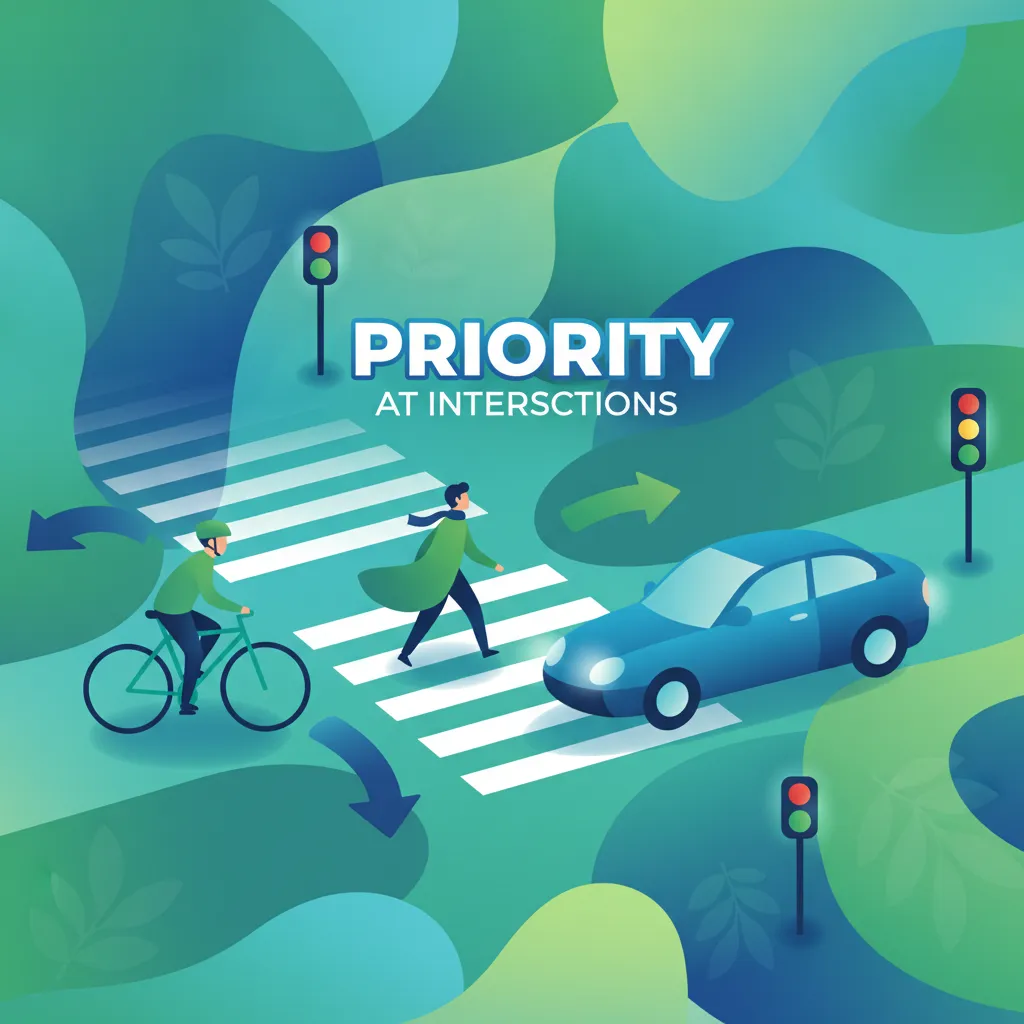
This lesson covers the general principles of priority at intersections governed by traffic signs and signals. It explains how to identify a priority road and the obligation to yield to traffic when encountering a 'dare la precedenza' (yield) or stop sign. The content also reviews the hierarchy of authority, where signals from a traffic officer override all other signs and lights.
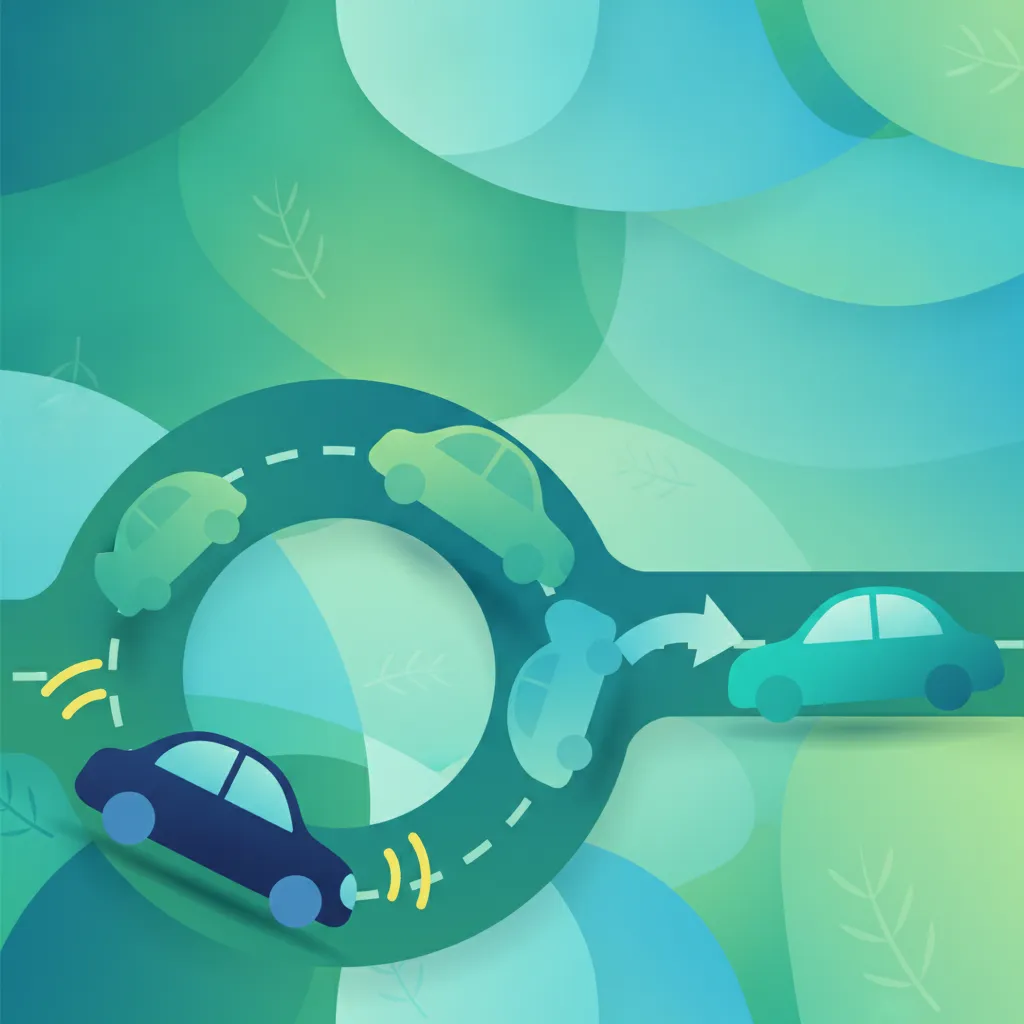
This lesson provides a step-by-step guide to navigating roundabouts safely and efficiently. It focuses on the critical rule of yielding to traffic already circulating within the roundabout before entering. You will also learn how to select the correct lane based on your intended exit and how to use your indicators to signal your maneuvers clearly.
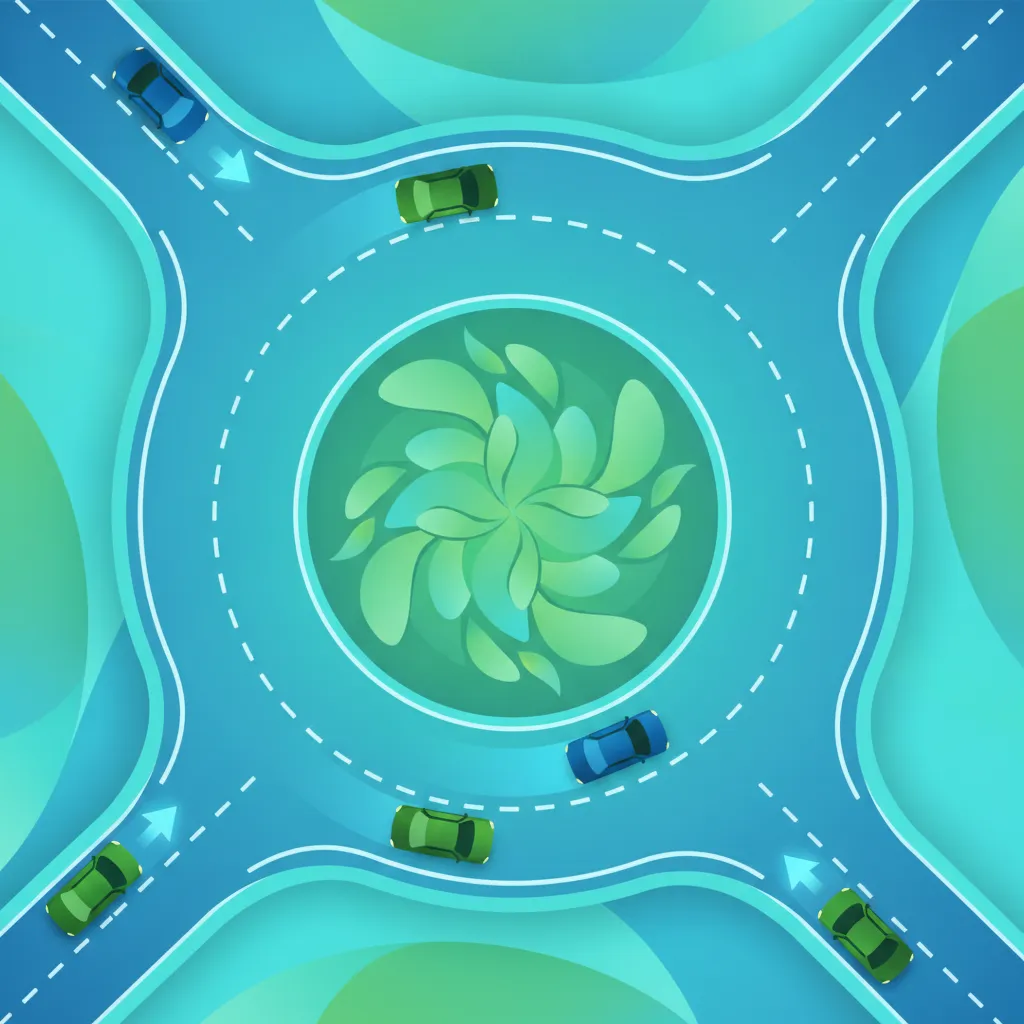
This lesson provides a step-by-step guide to safely and efficiently navigating roundabouts (rotatorie). It explains the primary rule of yielding to traffic already circulating within the roundabout before entering. The content covers correct lane positioning based on the intended exit, the proper use of turn signals when entering and exiting, and how to handle multi-lane roundabouts.
This lesson details how to safely approach and enter intersections by correctly interpreting traffic lights, stop signs, and give-way rules. It emphasizes the importance of scanning for hazards, checking blind spots, and anticipating the actions of other road users. You will learn to adjust your speed and position your vehicle correctly to navigate crossings without incident.
This lesson focuses on the crucial rule for navigating uncontrolled intersections in Italy: yielding to vehicles approaching from the right (precedenza a destra). It explains how to apply this default rule when no signs or signals are present to direct traffic flow. Learners will understand how to approach these junctions with caution, assess traffic, and proceed safely, while also learning about the few exceptions to this rule.
This lesson delivers a comprehensive explanation of right-of-way regulations at Italian intersections. It covers the interpretation of traffic light signals, the absolute requirement to stop at stop signs, and yielding at give-way signs. Furthermore, it details the default priority rules for unmarked intersections and the specific obligations a rider has towards pedestrians on crossings.
This lesson outlines the proper conduct when encountering emergency vehicles on the road or interacting with responders at an incident. It details the rules for yielding the right-of-way to ambulances, police, and fire services, ensuring they have a clear path. You will also learn how to provide clear and concise information to authorities to facilitate an effective emergency response.

This lesson explains the fundamental principles of right of way that govern interactions between different types of road users in Italy. It clarifies the legal precedence at intersections, pedestrian crossings, and when interacting with public transport like buses and trams. The content also details the absolute priority given to emergency vehicles and how to safely yield in accordance with the Codice della Strada.
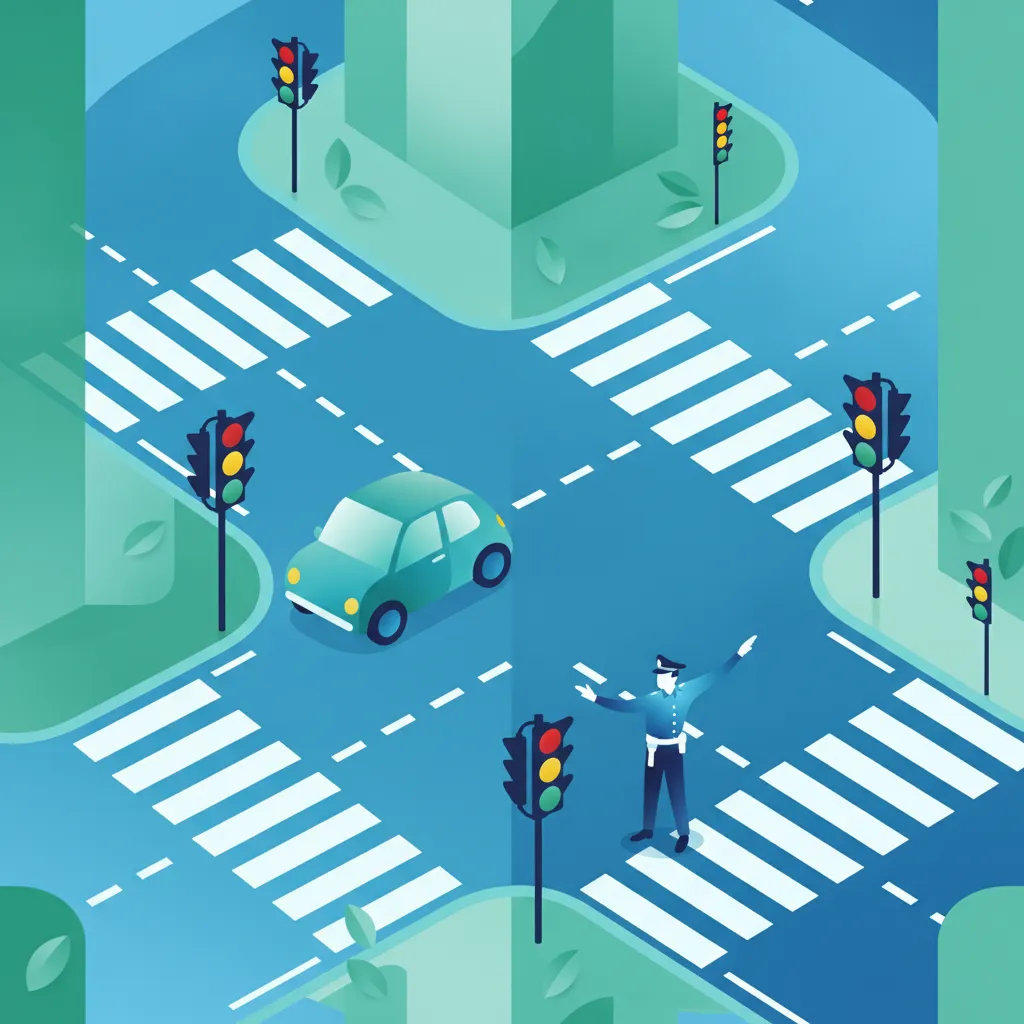
This lesson explains the function of Italian traffic light systems and the meaning of various road markings. You will learn the rules for red, amber, and green signals, including flashing lights and directional arrows. It also covers how to interpret lane lines, stop lines, and other surface markings that dictate correct vehicle positioning and movement.
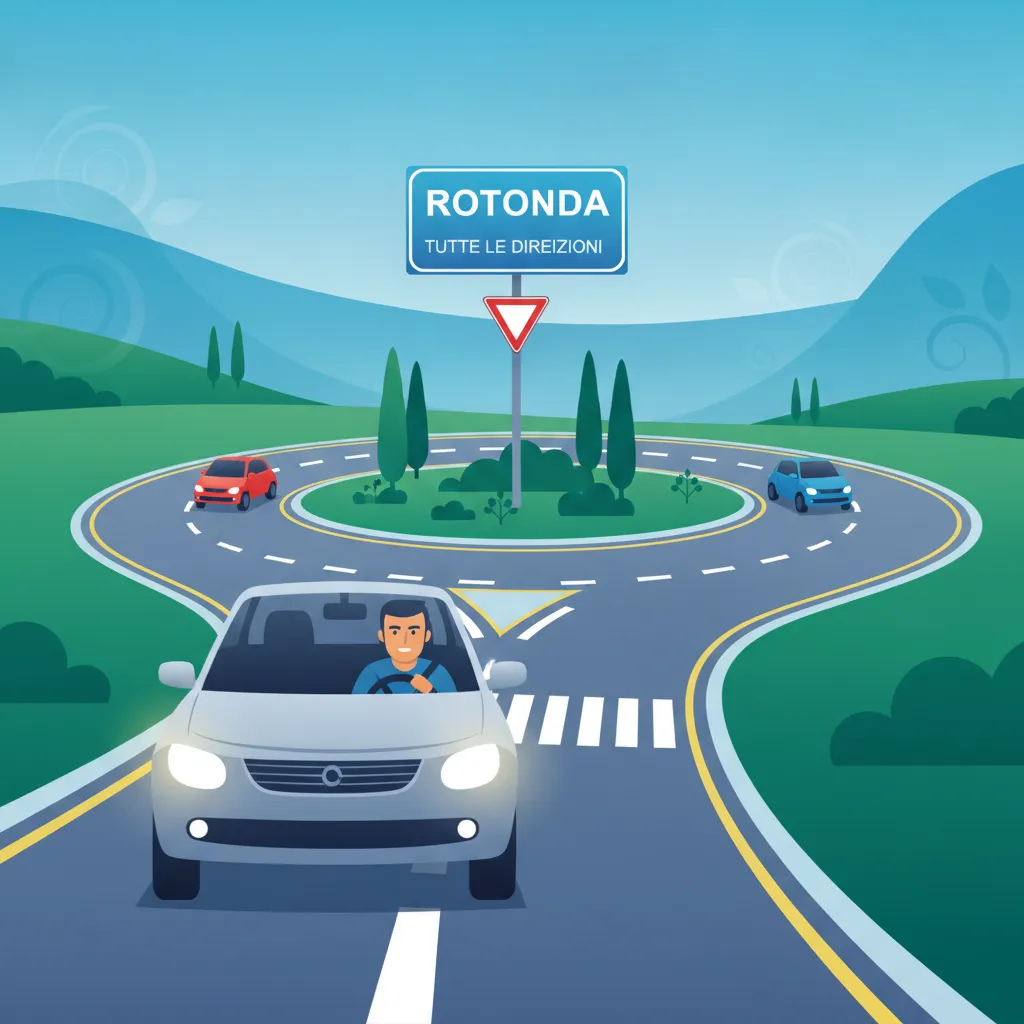
This lesson provides a step-by-step guide to safely navigating Italian roundabouts, known as rotatorie. It emphasizes the primary rule of yielding to traffic already circulating within the roundabout before entering. The content details correct lane positioning for different exits, the importance of signalling your intention to exit, and maintaining awareness of other vehicles.
Explore complex intersection scenarios and priority rules beyond the basics. Learn how traffic lights, road markings, and specific signage interact to determine right-of-way in challenging situations.
This lesson covers the general principles of priority at intersections governed by traffic signs and signals. It explains how to identify a priority road and the obligation to yield to traffic when encountering a 'dare la precedenza' (yield) or stop sign. The content also reviews the hierarchy of authority, where signals from a traffic officer override all other signs and lights.
This lesson focuses on the crucial rule for navigating uncontrolled intersections in Italy: yielding to vehicles approaching from the right (precedenza a destra). It explains how to apply this default rule when no signs or signals are present to direct traffic flow. Learners will understand how to approach these junctions with caution, assess traffic, and proceed safely, while also learning about the few exceptions to this rule.
This lesson delivers a comprehensive explanation of right-of-way regulations at Italian intersections. It covers the interpretation of traffic light signals, the absolute requirement to stop at stop signs, and yielding at give-way signs. Furthermore, it details the default priority rules for unmarked intersections and the specific obligations a rider has towards pedestrians on crossings.
This lesson details how to safely approach and enter intersections by correctly interpreting traffic lights, stop signs, and give-way rules. It emphasizes the importance of scanning for hazards, checking blind spots, and anticipating the actions of other road users. You will learn to adjust your speed and position your vehicle correctly to navigate crossings without incident.
This lesson explains the fundamental principles of right of way that govern interactions between different types of road users in Italy. It clarifies the legal precedence at intersections, pedestrian crossings, and when interacting with public transport like buses and trams. The content also details the absolute priority given to emergency vehicles and how to safely yield in accordance with the Codice della Strada.

This lesson clarifies the special priority rules for emergency vehicles and public transport. It explains the legal obligation to safely pull over and clear a path for any vehicle with active sirens and flashing lights. The content also details the absolute right-of-way that trams have in most situations and the requirement to yield to public buses signaling to pull out from a stop.
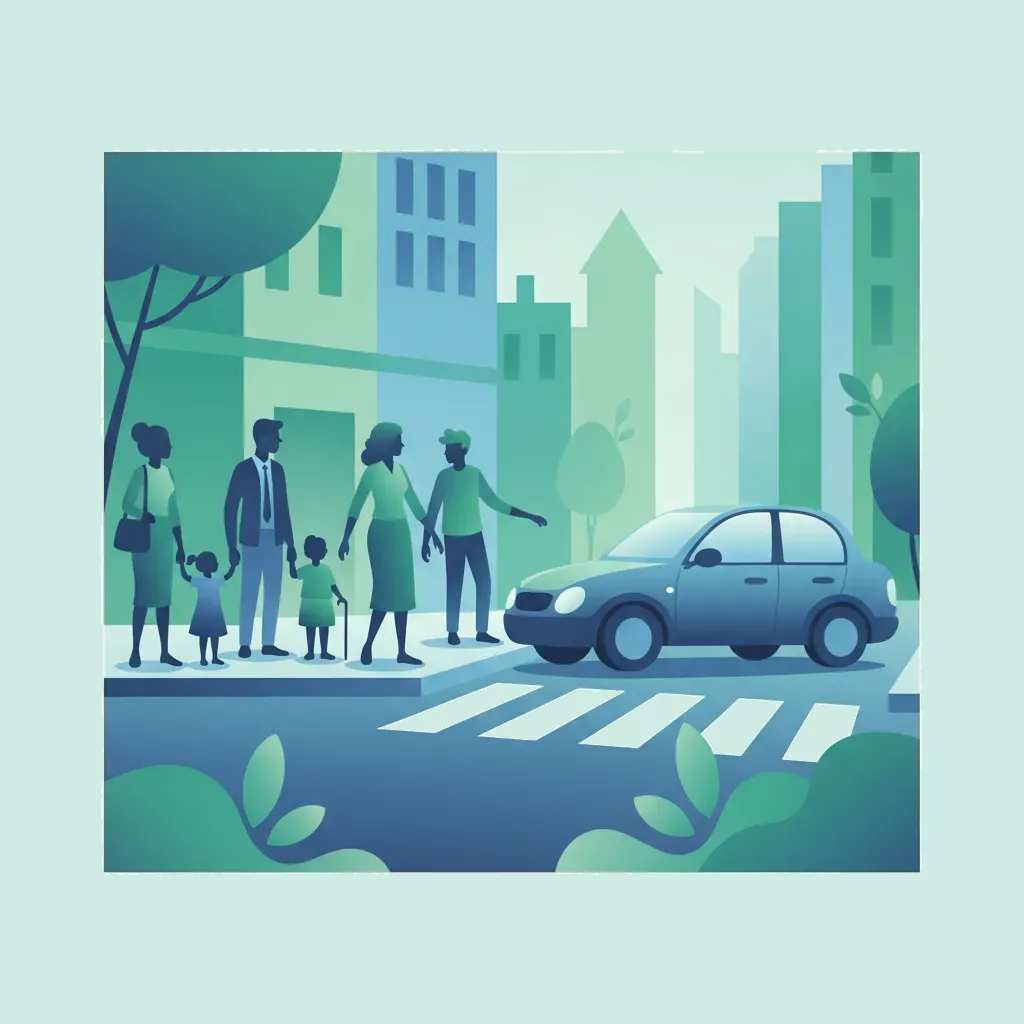
This lesson focuses on the driver's responsibility to protect pedestrians, especially at designated crossings (strisce pedonali). It reinforces the legal requirement to yield to pedestrians who are on or about to enter a crosswalk. The content also covers the importance of reducing speed and increasing vigilance in urban areas, school zones, and other places with high pedestrian activity.

This lesson provides an in-depth focus on sharing the road with the most vulnerable users. It teaches drivers to be acutely aware of pedestrians at crossings, cyclists filtering through traffic, and motorcyclists who may be in blind spots. The lesson emphasizes the importance of leaving extra space, signaling intentions clearly, and exercising extreme caution at junctions, where the majority of serious incidents occur.
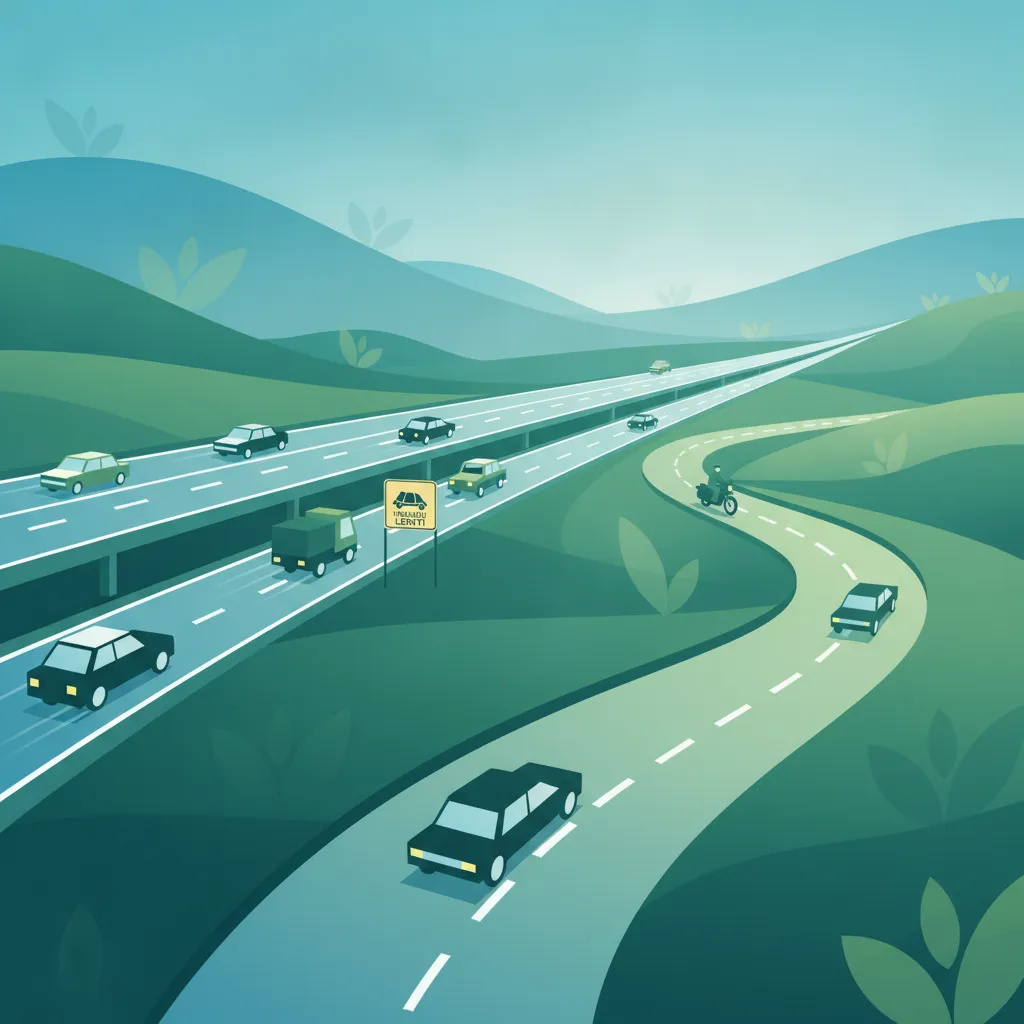
This lesson provides essential rules and techniques for driving on Italian motorways (autostrade) and major extra-urban roads. It explains how to safely merge onto the motorway from an entry ramp, the strict lane discipline required (drive right, overtake left), and how to exit correctly. The content also covers speed regulations, maintaining a safe following distance at high speed, and procedures for using service areas and handling emergencies.
Find clear answers to common questions learners have about Priority Rules at Intersections and Roundabouts. Learn how the lesson is structured, which driving theory objectives it supports, and how it fits into the overall learning path of units and curriculum progression in Italy. These explanations help you understand key concepts, lesson flow, and exam focused study goals.
In the absence of specific road signs or traffic lights, the general rule is to give priority to vehicles coming from your right. This is a fundamental principle of the Codice della Strada.
Yes. You must indicate your intention when entering a roundabout if you are turning right, but you do not need to signal for simple continuation. You must always signal before exiting the roundabout.
A Stop sign means you must come to a complete halt at the stop line or the edge of the intersection, ensuring the wheels have stopped moving before you proceed, provided it is safe to do so.
The exam often uses diagrams showing multiple vehicles at a roundabout. You must identify which vehicle must yield based on their position and any present signage or lane markings.
Start searching now to pinpoint exactly which Italian driving theory topics, road signs, or traffic rules you need to master. Use our advanced filters to build a custom practice session and ensure you're fully prepared for every aspect of your official driving licence exam.