
Logo
Italian Driving Theory Courses

Lesson 3 of the Priority, Right of Way, Intersections, Roundabouts and Railway Crossings unit

Italian Driving Theory B: Roundabouts: Navigation and Lane Discipline

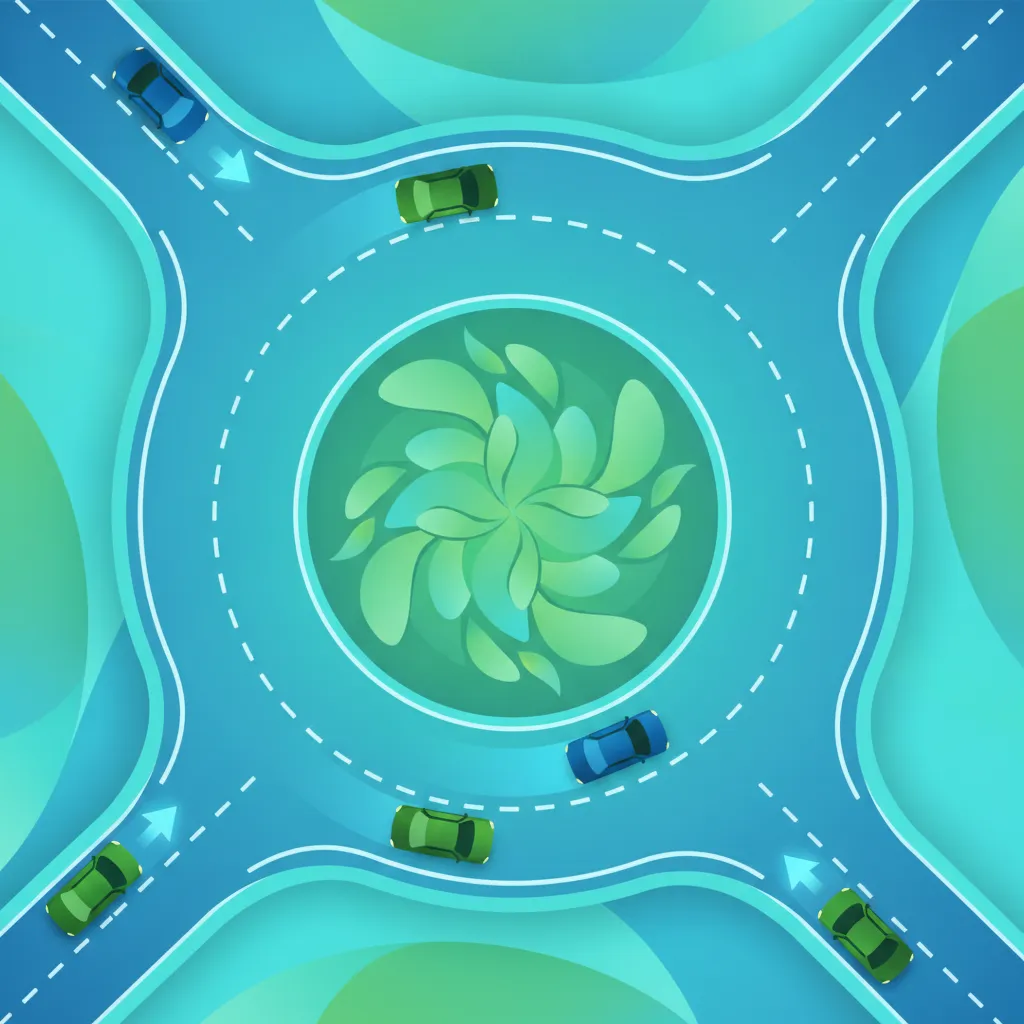
This lesson focuses on the rules and techniques for safely navigating roundabouts as required for your Italian Patente B licence. You will learn the mandatory priority rules, correct lane selection, and how to use signals effectively to communicate your intentions to other road users. This is a critical skill for both your theory exam and real-world driving in urban and suburban environments.
roundaboutspriority rulesPatente Btheory examjunctions
Italian Driving Theory B: Roundabouts: Navigation and Lane Discipline

Lesson content overview

Italian Driving Theory B

Roundabouts (Rotatorie): Essential Navigation and Lane Discipline for Italian Drivers

Navigating roundabouts, known as rotatorie in Italy, is a crucial skill for any driver, particularly for those preparing for the Italian Patente B theory test. These circular intersections are designed to improve traffic flow and reduce the severity of collisions compared to traditional intersections. However, their efficient and safe use depends entirely on drivers understanding and consistently applying specific rules regarding priority, lane positioning, and signaling.

This comprehensive lesson provides a detailed guide to safely and efficiently handling roundabouts, drawing directly from the principles of the Codice della Strada (Italian Road Code). Mastering these concepts is not only vital for passing your driving exam but also for contributing to safer and smoother traffic conditions on Italian roads.

Understanding Italian Roundabouts: The Core Principles

Roundabouts are engineered to allow continuous traffic movement, but this requires clear understanding of the right-of-way rules. The primary rule governing rotatorie in Italy dictates that vehicles already circulating within the roundabout have priority over those attempting to enter. This fundamental principle minimizes conflict points and ensures a predictable flow of traffic.

The Importance of Roundabout Mastery for Italian Drivers

Proficiency in roundabout navigation is paramount for several reasons. Firstly, it directly contributes to traffic flow efficiency, preventing congestion that can arise from confused or hesitant drivers. Secondly, correct navigation significantly aids in collision avoidance, as predictable behavior reduces the likelihood of accidents. Lastly, adherence to these rules is a legal obligation under the Codice della Strada, meaning improper navigation can lead to fines, penalties, and even license points. As roundabouts become increasingly common throughout Italy, a firm grasp of their dynamics is indispensable for safe and legal driving.

Codice della Strada: Navigating Roundabouts with Italian Law

The Codice della Strada outlines specific articles that govern behavior at roundabouts. Understanding these legal frameworks is essential for correct and compliant driving.

Codice della Strada Article 149bis: The Primary Yield Rule

Definition

Article 149bis (Codice della Strada)

This article mandates that vehicles approaching a roundabout must yield to traffic already circulating within it. This rule applies regardless of whether specific "Yield" signs are present, though they often are.

This is arguably the most critical rule for roundabouts in Italy. Upon approaching a roundabout, drivers must give way to any vehicle already inside the circular flow. This means you must slow down, prepare to stop, and only enter the roundabout when there is a safe and sufficient gap in the circulating traffic.

The presence of a Dare Precedenza (Yield) sign at the entrance to a roundabout reinforces this rule. Even without it, the general principle of yielding to circulating traffic applies in most modern Italian roundabouts. Failure to yield is a common cause of collisions and is subject to significant penalties.

Assessing Traffic and Accepting Gaps

Before entering, drivers must carefully assess the speed and density of traffic already inside the roundabout. Look not only to your left but also ahead to anticipate potential gaps. Do not assume other drivers will stop for you. You must slow down sufficiently to be able to stop safely at the yield line (or immediately before the roundabout entry) if necessary. Only proceed when you are confident you can merge into the flow without causing another vehicle to brake or swerve.

Tip

When approaching a roundabout, check your mirrors to be aware of vehicles behind you. Reduce your speed early and smoothly to allow ample time to assess the situation and select the correct lane.

Codice della Strada Article 148: Correct Use of Turn Signals

Definition

Article 148 (Codice della Strada)

This article governs the use of turn signals (indicatori di direzione), requiring drivers to clearly indicate their intended direction of travel, particularly when exiting a roundabout.

Effective communication through turn signals is vital for road safety and efficiency. In roundabouts, the use of turn signals has a very specific application:

  • When taking the first exit (turning right): Signal right upon entering the roundabout.
  • When taking any other exit (straight or left): Do not signal upon entry. Instead, signal left only just before your intended exit.
  • When exiting the roundabout: Always signal left just before the exit point to inform other drivers of your intention to leave the circular flow. This is the most crucial signaling requirement.

Signaling Your Exit

The primary function of the turn signal in a roundabout is to clearly indicate your exit intention. For example, if you intend to take the third exit (which would be considered 'left' relative to your approach), you should keep your vehicle positioned in the appropriate lane (often the inner lane in multi-lane roundabouts) and signal left only as you pass the exit before your intended one. This gives following drivers and those waiting to enter sufficient warning of your departure.

Common Signaling Misconceptions

A frequent mistake is signaling right upon entry when planning to go straight or take a later exit. This can cause confusion, as drivers waiting to enter might mistakenly think you are taking an earlier exit, leading them to enter unsafely. Always remember: signaling right only if taking the immediate first exit, otherwise signal left before your intended exit.

Codice della Strada Article 150: Lane Markings and Positioning

Definition

Article 150 (Codice della Strada)

This article defines the meaning of road markings and governs lane selection and use, which is critical for smooth roundabout navigation.

Correct lane selection before entering and maintaining lane discipline within a roundabout are essential for preventing collisions and maintaining efficient flow. Road markings and signs will often guide your lane choice.

Single-Lane Roundabout Approach

In a single-lane roundabout, your approach is simpler: you typically use the single lane available. However, you must still position your vehicle appropriately within that lane, ensuring you are not too close to the left or right edges, and always prepare to yield.

Multi-Lane Roundabout Lane Selection

Multi-lane roundabouts require careful planning of your lane choice before you enter. General guidelines for typical multi-lane roundabouts (where traffic circulates counter-clockwise):

  • For the first exit (turning right): Position your vehicle in the outer lane (the lane furthest from the center of the roundabout) as you approach.
  • For continuing straight (second exit): Depending on the roundabout design and markings, you may use either the outer or inner lane. Often, road markings will guide you. If unmarked, the outer lane is generally safer and simpler.
  • For later exits or turning left (third exit or beyond): Position your vehicle in the inner lane (the lane closest to the center of the roundabout) as you approach.

Always observe road markings and overhead signs carefully, as these provide the definitive guidance for lane choice at a specific roundabout.

Warning

Never attempt to switch lanes abruptly or cut across multiple lanes within a roundabout. This is extremely dangerous and a common cause of side-swipe collisions.

Codice della Strada Article 152: Prohibited Overtaking in Roundabouts

Definition

Article 152 (Codice della Strada)

This article prohibits overtaking other vehicles within a roundabout.

To maintain predictability and safety, overtaking another vehicle inside a roundabout is strictly forbidden. Drivers must maintain their chosen lane and proceed at a consistent speed, keeping a safe distance from the vehicle ahead. Any attempt to pass another vehicle can lead to unpredictable lane changes, collisions, and traffic disruption. This rule reinforces the need for proper lane selection before entering the roundabout.

Step-by-Step Roundabout Navigation: A Practical Guide

Navigating a roundabout can be broken down into a series of coordinated steps, ensuring safety and efficiency.

Approaching the Roundabout: Observation and Speed Control

As you approach a roundabout, observation is key. Scan for roundabout signage, lane markings, and traffic already circulating. Identify your intended exit. Simultaneously, reduce your speed well in advance. This allows you more time to react, assess the traffic situation, and select the correct lane.

Adjusting Speed for Safety

Your speed should be low enough to comfortably stop if necessary, but also allow you to merge smoothly into circulating traffic without impeding it. Entering too fast limits your decision-making time and increases the risk of collision if you misjudge a gap or if circulating traffic slows unexpectedly.

Entering the Roundabout: Yielding and Gap Acceptance

Entering the Roundabout Safely

  1. Yield: Stop at the yield line if there is circulating traffic. Always prioritize vehicles already within the roundabout.

  2. Look Left: Scan for traffic approaching from your left within the roundabout.

  3. Identify a Safe Gap: Wait for a gap in traffic that allows you to enter without causing circulating vehicles to brake or swerve.

  4. Signal (if necessary): If taking the first exit (right turn), signal right just before entering. Otherwise, do not signal on entry.

  5. Enter Smoothly: Accelerate gently into the chosen lane when the gap is safe.

Once inside, maintain your lane. Do not change lanes unless absolutely necessary and only if it can be done safely and without impeding other traffic. Keep a safe following distance from the vehicle in front of you. Continuously monitor your mirrors and surroundings for other vehicles, especially motorcycles and cyclists who may be less visible.

Executing the Exit: Final Signal and Smooth Departure

As you approach your intended exit, generally when passing the exit immediately prior to yours, signal left. This alerts other drivers to your intention to leave the roundabout. Check your mirrors and blind spots for any vehicles, particularly cyclists or motorcyclists, who might be alongside you. Steer smoothly out of the roundabout into your chosen exit lane, canceling your signal once the maneuver is complete.

Mastering Multi-Lane Roundabouts: Advanced Techniques

Multi-lane roundabouts can seem daunting, but adhering to specific rules makes them manageable.

Inner Lane vs. Outer Lane: When to Use Which

As previously mentioned under Codice della Strada Article 150, your lane choice dictates your intended path:

  • Outer Lane: Typically used for the first exit (turning right) or, sometimes, for going straight if road markings permit. It provides the most direct path out.
  • Inner Lane: Reserved for later exits (turning left or completing a U-turn). This allows outer lane traffic to exit without interference.

Always anticipate your exit well in advance to position yourself in the correct lane before entering the roundabout.

Avoiding Lane Changes Within the Roundabout

The golden rule for multi-lane roundabouts is avoid changing lanes once you are inside. Lane changes increase conflict points and the risk of side-swipe collisions. If you find yourself in the wrong lane, it is safer to proceed to an undesired exit and find a safe place to turn around rather than making a dangerous maneuver within the roundabout.

Heavy Vehicles and Wide Turns in Multi-Lane Roundabouts

Drivers of heavy vehicles, such as trucks, buses, or vehicles with trailers, must exercise extra caution. Due to their larger turning radius, they often need to occupy more space, sometimes encroaching into an adjacent lane or the outer lane even for what might typically be an inner lane exit.

If you are driving a heavy vehicle, position yourself early and cautiously. You might need to use more of the road width. Be mindful of other, smaller vehicles and ensure they are aware of your intentions. Smaller vehicles should give heavy vehicles ample space and anticipate their wider turning paths.

Common Errors and How to Avoid Them

Being aware of common mistakes can help you prevent them.

Failure to Yield: The Most Dangerous Mistake

  • Error: Entering the roundabout without giving way to vehicles already circulating.
  • Consequence: High risk of collision, particularly side-impacts or T-bone accidents, traffic disruption.
  • Prevention: Always approach slowly, be prepared to stop, and ensure a clear, safe gap before entering.

Incorrect Lane Choice and Unsafe Maneuvers

  • Error: Choosing the outer lane for a left exit, or the inner lane for an immediate right exit. This often leads to cutting across lanes.
  • Consequence: Forcing other drivers to brake or swerve, increasing the risk of side-swipe collisions.
  • Prevention: Plan your exit before entering. Observe road markings and signs for correct lane guidance. If you make a mistake, continue to the next exit and find a safe way to re-route.

Misuse or Absence of Turn Signals

  • Error: Signaling right upon entry when going straight or left, or failing to signal left before exiting.
  • Consequence: Confuses other drivers, particularly those waiting to enter, leading to incorrect assumptions and potential collisions.
  • Prevention: Remember the rule: signal right only for the first exit on entry; signal left before your intended exit for all others.

Overtaking and Unpredictable Driving

  • Error: Attempting to overtake another vehicle within the roundabout.
  • Consequence: Unsafe lane changes, side-swipes, and unpredictable movements.
  • Prevention: Maintain your lane and a safe following distance. Overtaking is prohibited in roundabouts.

Conditional Driving: Roundabouts in Different Situations

Driving conditions can significantly impact how you navigate roundabouts. Always adapt your driving style to the circumstances.

Roundabouts in Adverse Weather Conditions

In rain, snow, or ice, reduce your speed even further when approaching and navigating roundabouts. Stopping distances increase, and grip is reduced.

Tip

In poor visibility, activate your appropriate lights (e.g., dipped headlights). Be extra cautious with signaling, as turn signals might be harder to see. Increase your following distance.

Night Driving and Low Visibility

At night, ensure your headlights are on low beam to avoid dazzling other drivers, especially those waiting to enter. Look carefully for unlit vehicles, pedestrians, or cyclists. Roundabouts are often well-lit, but signage and markings may be harder to discern.

Interacting with Vulnerable Road Users (Pedestrians, Cyclists)

Roundabouts can be complex for pedestrians and cyclists. Be extra vigilant:

  • Pedestrians: May use marked or unmarked crossings near roundabout entries/exits. Always be prepared to yield to pedestrians at marked crossings.
  • Cyclists: Some roundabouts have dedicated cycle lanes; others require cyclists to share the road with vehicles. Give cyclists ample space. Avoid overtaking them just before or within the roundabout; wait until it is safe to do so well after exiting. Cyclists can be harder to see, especially in blind spots.

If you are towing a trailer, caravan, or driving a particularly long or wide vehicle, your maneuverability is reduced. You may need to take a wider path, potentially using more than one lane. Signal your intentions clearly and early, and give yourself extra space and time. Other drivers should be considerate and give such vehicles sufficient room.

Key Safety Insights and Benefits of Roundabouts

Understanding the design rationale behind roundabouts can reinforce safe driving practices.

Improved Traffic Flow and Reduced Congestion

By allowing continuous flow and eliminating fixed turning phases, roundabouts can handle more traffic than traditional intersections, especially during peak hours. This reduces delays and congestion.

Enhanced Safety: Lower Collision Severity

While collisions can still occur, the design of roundabouts generally reduces the severity of accidents. Instead of high-speed right-angle impacts, collisions are typically at lower speeds and involve glancing blows, which are less likely to result in serious injury or fatality. The predictable yielding rule also minimizes decision-making conflicts.

Essential Terminology for Roundabout Navigation

Further Learning and Practice

Mastering roundabout navigation is a cornerstone of safe and confident driving. Continue to observe roundabouts from a passenger's perspective, paying attention to the signals and lane choices of other drivers. Practice these concepts diligently, starting with single-lane roundabouts before moving to more complex multi-lane configurations.

Learn more with these articles

Check out these practice sets

Lesson recap

Quick summary before you move on

Fast revision

This lesson covers the essential rules for navigating Italian roundabouts according to the Codice della Strada. The primary rule is that you must always yield to vehicles already circulating within the roundabout before entering, regardless of whether Yield signs are present. Correct lane positioning is critical: use the outer lane for first exits and the inner lane for later exits, and never change lanes once inside. Signaling follows a specific pattern—right only for the first exit, left just before your intended exit for all other cases. The lesson also emphasizes that overtaking is prohibited within roundabouts and provides guidance for multi-lane configurations, adverse weather conditions, and interactions with vulnerable road users.


Core takeaways

Main ideas from this lesson

A short set of high-value points that capture the most important learning from this lesson.

Vehicles already circulating within a roundabout always have priority over those attempting to enter, per Article 149bis of the Codice della Strada

Signal right only when taking the first exit; for all other exits, signal left just before your intended exit point

In multi-lane roundabouts, position in the outer lane for the first exit and the inner lane for later exits or left turns

Overtaking inside a roundabout is strictly prohibited under Article 152 of the Codice della Strada

Never change lanes within a roundabout; if you enter the wrong lane, continue to the next exit rather than making a dangerous maneuver

Remember this

Details worth keeping in mind

Point 1

The Dare Precedenza (Yield) sign at a roundabout entrance reinforces the mandatory rule to yield to circulating traffic

Point 2

Lane selection must be planned before entering a roundabout; lane changes inside are prohibited and dangerous

Point 3

Your turn signal's primary function in a roundabout is to indicate your exit intention, not your entry direction

Point 4

Heavy vehicles may need to occupy more lane space due to their turning radius; give them adequate room

Point 5

Always check mirrors and blind spots for motorcycles and cyclists, who are harder to see in roundabouts

Watch for this

Frequent learner mistakes

Entering a roundabout without yielding to circulating traffic, leading to high-risk side-impact collisions

Signaling right upon entry when planning to go straight or take a later exit, which confuses other drivers

Approaching at excessive speed, which limits decision-making time and increases collision risk

Attempting to overtake another vehicle within the roundabout, which is forbidden and creates dangerous conflict points

Choosing the wrong lane before entry (e.g., outer lane for a left exit), forcing unsafe lane-cutting maneuvers

Search topics related to Roundabouts: Navigation and Lane Discipline

Explore search topics learners often look for when studying Roundabouts: Navigation and Lane Discipline. These topics reflect common questions about road rules, driving situations, safety guidance, and lesson level theory preparation for learners in Italy.

roundabout rules Italian driving theorypriority at roundabouts Italyhow to use turn signals on a roundabout ItalyPatente B exam roundabout questionslane discipline on multi-lane roundabouts Italyright of way on roundabouts Codice della Strada

Related driving theory lessons for Roundabouts: Navigation and Lane Discipline

Browse additional driving theory lessons that cover connected traffic rules, road signs, and common driving situations related to this topic. Improve your understanding of how different rules interact across everyday traffic scenarios.

Advanced Roundabout Lane Discipline and Signaling in Italian Driving Theory

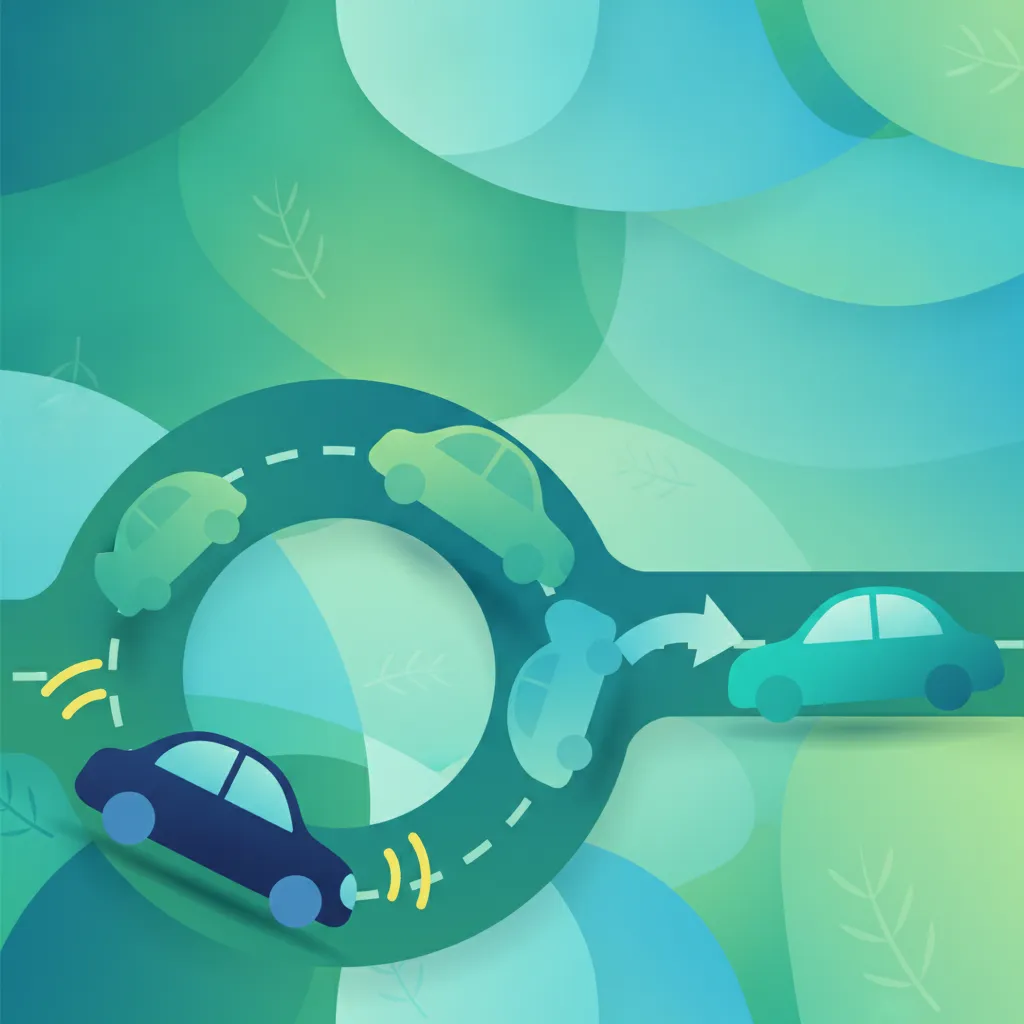
Explore complex multi-lane roundabout navigation for the Italian Patente B. Understand advanced lane selection, yielding strategies, and correct signaling for safe maneuvering in challenging Italian traffic situations.
roundaboutslane disciplinemulti-laneadvancedsignalingpriority rulesdriving theory
Navigating Roundabouts and Yielding Rules lesson image

Navigating Roundabouts and Yielding Rules

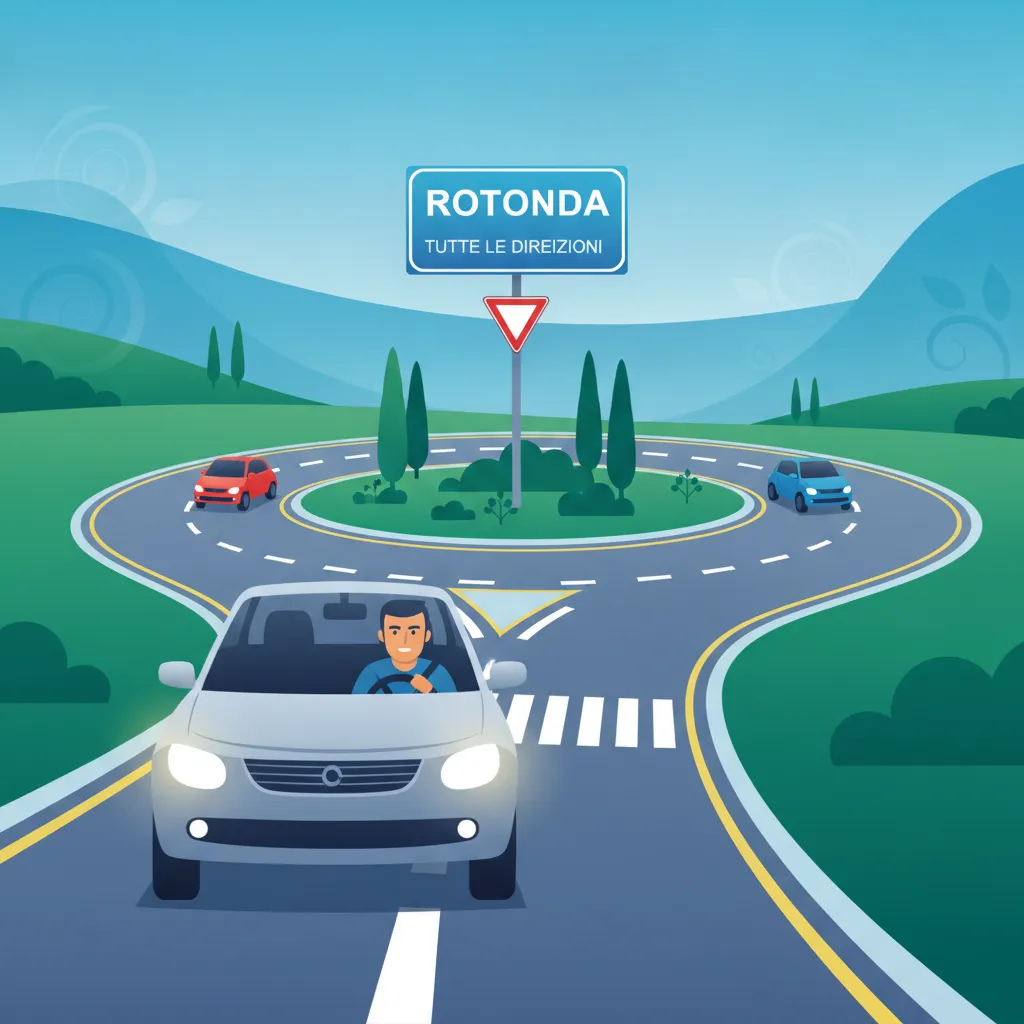
This lesson provides a step-by-step guide to navigating roundabouts safely and efficiently. It focuses on the critical rule of yielding to traffic already circulating within the roundabout before entering. You will also learn how to select the correct lane based on your intended exit and how to use your indicators to signal your maneuvers clearly.
Italian Driving Theory AMIntersections, Roundabouts, Turning and Mixed Traffic
View lesson
Navigating Rotatorie (Roundabouts) Safely lesson image

Navigating Rotatorie (Roundabouts) Safely

This lesson provides a step-by-step guide to safely navigating Italian roundabouts, known as rotatorie. It emphasizes the primary rule of yielding to traffic already circulating within the roundabout before entering. The content details correct lane positioning for different exits, the importance of signalling your intention to exit, and maintaining awareness of other vehicles.

Italian Motorcycle Theory AIntersections, Roundabouts, Overtaking and Urban Traffic
View lesson
Approaching and Entering Intersections Safely lesson image

Approaching and Entering Intersections Safely

This lesson details how to safely approach and enter intersections by correctly interpreting traffic lights, stop signs, and give-way rules. It emphasizes the importance of scanning for hazards, checking blind spots, and anticipating the actions of other road users. You will learn to adjust your speed and position your vehicle correctly to navigate crossings without incident.

Italian Driving Theory AMIntersections, Roundabouts, Turning and Mixed Traffic
View lesson
Right-of-Way Rules at Intersections and Traffic Lights lesson image

Right-of-Way Rules at Intersections and Traffic Lights

This lesson delivers a comprehensive explanation of right-of-way regulations at Italian intersections. It covers the interpretation of traffic light signals, the absolute requirement to stop at stop signs, and yielding at give-way signs. Furthermore, it details the default priority rules for unmarked intersections and the specific obligations a rider has towards pedestrians on crossings.

Italian Motorcycle Theory AIntersections, Roundabouts, Overtaking and Urban Traffic
View lesson
Priority Rules at Intersections and Roundabouts lesson image

Priority Rules at Intersections and Roundabouts

This lesson provides a detailed explanation of the priority rules that govern Italian intersections and roundabouts. You will learn to identify priority roads and correctly apply the rules for stop and give way signs. It also covers the specific procedures for entering, navigating, and exiting roundabouts, emphasizing when to yield to circulating traffic.

Italian Driving Theory AMItalian Signs, Signals, Road Markings and Priority Rules
View lesson
Turning Maneuvers and Lane Discipline lesson image

Turning Maneuvers and Lane Discipline

This lesson explains how to execute left turns, right turns, and U-turns safely while maintaining correct lane discipline. It covers interpreting road markings and arrows, selecting the proper vehicle position, and using signals in a timely manner. Performing shoulder checks to monitor blind spots before and during a turn is a key focus for preventing collisions.
Italian Driving Theory AMIntersections, Roundabouts, Turning and Mixed Traffic
View lesson
General Priority Rules at Intersections lesson image

General Priority Rules at Intersections

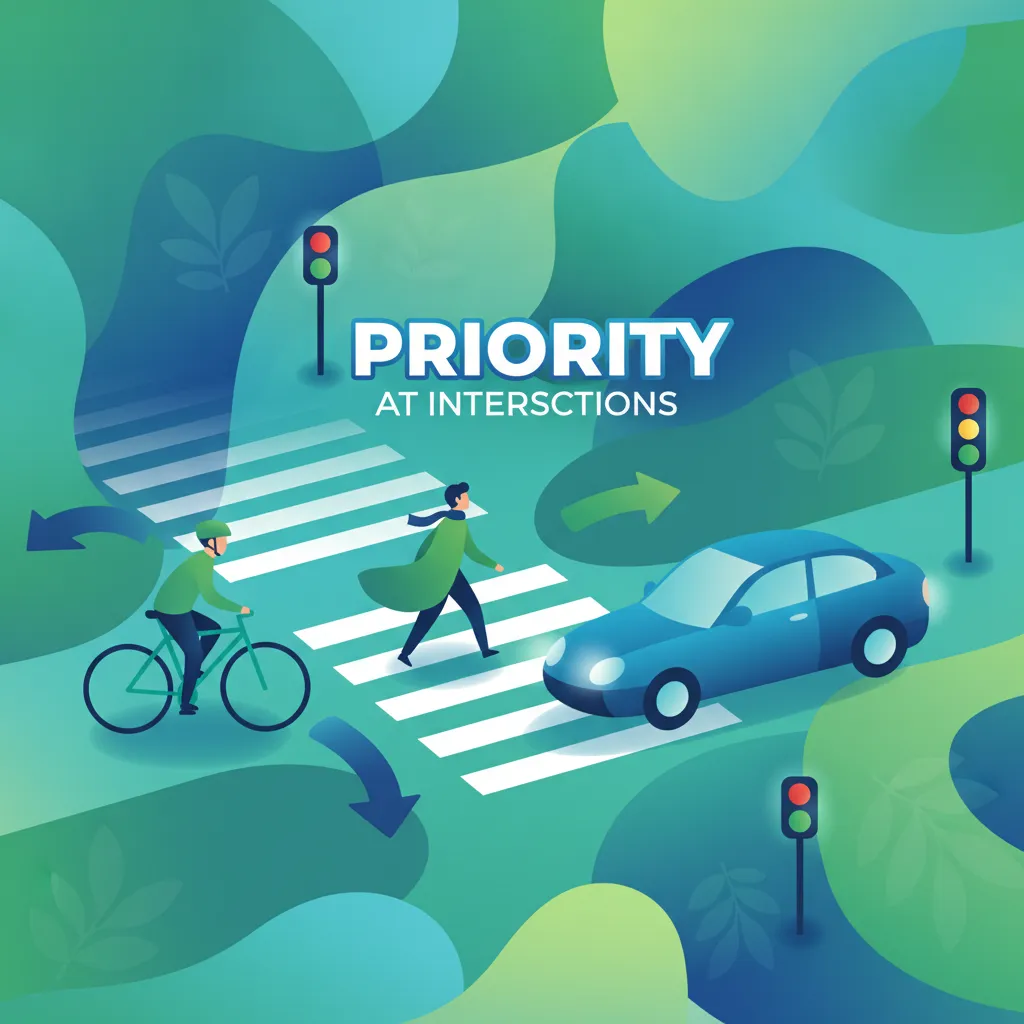
This lesson covers the general principles of priority at intersections governed by traffic signs and signals. It explains how to identify a priority road and the obligation to yield to traffic when encountering a 'dare la precedenza' (yield) or stop sign. The content also reviews the hierarchy of authority, where signals from a traffic officer override all other signs and lights.

Italian Driving Theory BPriority, Right of Way, Intersections, Roundabouts and Railway Crossings
View lesson
Driving on Autostrade and Extra-Urban Roads lesson image

Driving on Autostrade and Extra-Urban Roads

This lesson provides essential rules and techniques for driving on Italian motorways (autostrade) and major extra-urban roads. It explains how to safely merge onto the motorway from an entry ramp, the strict lane discipline required (drive right, overtake left), and how to exit correctly. The content also covers speed regulations, maintaining a safe following distance at high speed, and procedures for using service areas and handling emergencies.

Italian Driving Theory BRural Roads, Motorways, Tunnels, Weather and Environmental Driving
View lesson
Lane Discipline and Positioning in City Traffic lesson image

Lane Discipline and Positioning in City Traffic

This lesson explains the principles of maintaining proper lane discipline and strategic positioning in an urban context. It covers how to adapt your position within the lane to enhance visibility, avoid road surface hazards, and prepare for turns or lane changes. The content also provides awareness of specific urban features like restricted traffic zones (ZTL) and how to navigate them legally and safely.
Italian Motorcycle Theory AIntersections, Roundabouts, Overtaking and Urban Traffic
View lesson
Priority at Uncontrolled Intersections lesson image

Priority at Uncontrolled Intersections

This lesson focuses on the crucial rule for navigating uncontrolled intersections in Italy: yielding to vehicles approaching from the right (precedenza a destra). It explains how to apply this default rule when no signs or signals are present to direct traffic flow. Learners will understand how to approach these junctions with caution, assess traffic, and proceed safely, while also learning about the few exceptions to this rule.

Italian Driving Theory BPriority, Right of Way, Intersections, Roundabouts and Railway Crossings
View lesson

Common Mistakes and How to Avoid Them in Italian Roundabout Navigation

Learn about frequent errors drivers make in Italian roundabouts (rotatorie). This lesson focuses on understanding and avoiding issues like incorrect yielding, wrong lane choice, and signaling mistakes to ensure safer driving.

roundaboutscommon mistakessafetydriving theorypriority rulesCodice della Stradatraffic laws
Navigating Rotatorie (Roundabouts) Safely lesson image

Navigating Rotatorie (Roundabouts) Safely

This lesson provides a step-by-step guide to safely navigating Italian roundabouts, known as rotatorie. It emphasizes the primary rule of yielding to traffic already circulating within the roundabout before entering. The content details correct lane positioning for different exits, the importance of signalling your intention to exit, and maintaining awareness of other vehicles.

Italian Motorcycle Theory AIntersections, Roundabouts, Overtaking and Urban Traffic
View lesson
Navigating Roundabouts and Yielding Rules lesson image

Navigating Roundabouts and Yielding Rules

This lesson provides a step-by-step guide to navigating roundabouts safely and efficiently. It focuses on the critical rule of yielding to traffic already circulating within the roundabout before entering. You will also learn how to select the correct lane based on your intended exit and how to use your indicators to signal your maneuvers clearly.

Italian Driving Theory AMIntersections, Roundabouts, Turning and Mixed Traffic
View lesson
Turning Maneuvers and Lane Discipline lesson image

Turning Maneuvers and Lane Discipline

This lesson explains how to execute left turns, right turns, and U-turns safely while maintaining correct lane discipline. It covers interpreting road markings and arrows, selecting the proper vehicle position, and using signals in a timely manner. Performing shoulder checks to monitor blind spots before and during a turn is a key focus for preventing collisions.

Italian Driving Theory AMIntersections, Roundabouts, Turning and Mixed Traffic
View lesson
Priority Rules at Intersections and Roundabouts lesson image

Priority Rules at Intersections and Roundabouts

This lesson provides a detailed explanation of the priority rules that govern Italian intersections and roundabouts. You will learn to identify priority roads and correctly apply the rules for stop and give way signs. It also covers the specific procedures for entering, navigating, and exiting roundabouts, emphasizing when to yield to circulating traffic.

Italian Driving Theory AMItalian Signs, Signals, Road Markings and Priority Rules
View lesson
Turning Maneuvers and Signal Use lesson image

Turning Maneuvers and Signal Use

This lesson provides detailed instructions on how to correctly execute various turning maneuvers, including right turns, left turns, and U-turns where permitted. It emphasizes the importance of early signaling to communicate intentions, selecting the correct lane in advance, and adjusting speed before entering the turn. The content also covers the visual checks required before and during the maneuver to ensure it is safe to proceed.

Italian Driving Theory BObservation, Positioning, Turning, Lane Changes and Overtaking
View lesson
Approaching and Entering Intersections Safely lesson image

Approaching and Entering Intersections Safely

This lesson details how to safely approach and enter intersections by correctly interpreting traffic lights, stop signs, and give-way rules. It emphasizes the importance of scanning for hazards, checking blind spots, and anticipating the actions of other road users. You will learn to adjust your speed and position your vehicle correctly to navigate crossings without incident.

Italian Driving Theory AMIntersections, Roundabouts, Turning and Mixed Traffic
View lesson
Priority at Uncontrolled Intersections lesson image

Priority at Uncontrolled Intersections

This lesson focuses on the crucial rule for navigating uncontrolled intersections in Italy: yielding to vehicles approaching from the right (precedenza a destra). It explains how to apply this default rule when no signs or signals are present to direct traffic flow. Learners will understand how to approach these junctions with caution, assess traffic, and proceed safely, while also learning about the few exceptions to this rule.

Italian Driving Theory BPriority, Right of Way, Intersections, Roundabouts and Railway Crossings
View lesson

Frequently asked questions about Roundabouts: Navigation and Lane Discipline

Find clear answers to common questions learners have about Roundabouts: Navigation and Lane Discipline. Learn how the lesson is structured, which driving theory objectives it supports, and how it fits into the overall learning path of units and curriculum progression in Italy. These explanations help you understand key concepts, lesson flow, and exam focused study goals.

Do I always yield to vehicles on the left at a roundabout?

In Italy, you must yield to vehicles already circulating inside the roundabout unless road signs explicitly indicate a different priority rule. Always observe the signage before entering.

When do I need to use my turn signals?

You must signal your intention to exit the roundabout before you reach the exit. While entering, you should signal if you are taking the first exit, but avoid signaling to enter the roundabout itself.

Which lane should I choose at a multi-lane roundabout?

Generally, use the right lane for the first exit or going straight. Use the inner left lane if you intend to take a later exit, then move to the right lane safely before your desired exit.

What happens if I make a mistake at a roundabout during the driving test?

While this lesson focuses on the theory test, failing to follow the correct priority or lane discipline in the practical exam is a common cause for failure, as it endangers other road users.

Ready to Find Your Next Targeted Italian Driving Theory Practice Set?

Start searching now to pinpoint exactly which Italian driving theory topics, road signs, or traffic rules you need to master. Use our advanced filters to build a custom practice session and ensure you're fully prepared for every aspect of your official driving licence exam.

Search Practice Theory Sets

Continue your Italian driving theory learning journey

Italian road signsItalian article topicsSearch Italian road signsItalian driving theory homeItalian road sign categoriesItalian driving theory topicsSearch Italian theory articlesItalian driving theory coursesItalian Driving Theory B courseItalian driving theory articlesItalian driving theory practiceItalian practice set categoriesItalian Driving Theory AM courseItalian Motorcycle Theory A courseItalian driving licence proceduresSearch Italian driving theory practiceItalian driving theory terminology A–ZItalian Goods Vehicle Theory (C) courseItalian driving theory terms and glossaryRoad Users, Core Behaviour Rules and Safe Communication unit in Italian Driving Theory BObservation, Visibility, Positioning and Communication unit in Italian Driving Theory AMPatente AM, Vehicle Types and First-Rider Responsibility unit in Italian Driving Theory AMItalian Signs, Signals, Road Markings and Priority Rules unit in Italian Driving Theory AMPatente B, Training, Examination and Driver Responsibility unit in Italian Driving Theory BMotorcycle Construction, Controls, Equipment and Safety Checks unit in Italian Motorcycle Theory AA1, A2 and A Licence Scope, Progression and Rider Responsibility unit in Italian Motorcycle Theory AHeavy-Vehicle Dimensions, Masses, Axle Loads and Operating Limits unit in Italian Goods Vehicle Theory (C)Helmet, Protective Clothing, Visibility, Observation and Communication unit in Italian Motorcycle Theory AC1, C1E, C and CE Scope, Responsibilities and Professional Context unit in Italian Goods Vehicle Theory (C)Railway Crossings: Safety Procedures lesson in Priority, Right of Way, Intersections, Roundabouts and Railway CrossingsPriority at Uncontrolled Intersections lesson in Priority, Right of Way, Intersections, Roundabouts and Railway CrossingsGeneral Priority Rules at Intersections lesson in Priority, Right of Way, Intersections, Roundabouts and Railway CrossingsRoundabouts: Navigation and Lane Discipline lesson in Priority, Right of Way, Intersections, Roundabouts and Railway CrossingsSpecial Priority Situations (Emergency Vehicles, Trams) lesson in Priority, Right of Way, Intersections, Roundabouts and Railway Crossings