
This lesson provides a comprehensive, systematic approach to conducting daily vehicle inspections for goods vehicles. By mastering this procedure, you will ensure your vehicle remains roadworthy and fully compliant with the Italian Codice della Strada before you head out on the road.

Lesson content overview
For professional drivers operating heavy goods vehicles in Italy, a thorough pre-drive inspection is not merely a recommendation; it is a fundamental safety requirement and a legal obligation. This daily routine, encompassing a systematic check of critical vehicle components, serves as the first line of defense against mechanical failures that could lead to dangerous situations on the road. By diligently following a structured inspection process before every journey, drivers ensure their vehicle's roadworthiness, protect themselves and other road users, and uphold the stringent safety standards mandated by the Italian Codice della Strada (Highway Code).
This lesson provides an in-depth guide to performing a complete pre-drive inspection for vehicles requiring a C, C1, C1E, or CE license. It covers all essential checks, from tyres and brakes to fluid levels and load security, equipping aspiring and current professional drivers with the knowledge and habits necessary for safe and compliant operation.
The importance of a comprehensive vehicle inspection before every journey cannot be overstated, particularly for heavy goods vehicles. These inspections are proactive measures designed to identify and rectify potential issues before they escalate into serious hazards during operation. For commercial drivers, the stakes are significantly higher due to the sheer size, weight, and potential destructive power of their vehicles.
A meticulous pre-drive inspection directly contributes to preventing accidents caused by mechanical failures. Detecting a worn tyre, a leaking brake line, or a faulty light before departure can avert a critical incident on the road. Furthermore, the inspection ensures the vehicle complies with all technical and safety standards outlined in the Codice della Strada, minimizing the risk of fines, penalties, and legal liability in the event of an accident.
Professional drivers bear a significant responsibility for the safety of their vehicle, its cargo, and all other road users. A systematic pre-drive inspection is a cornerstone of this responsibility, demonstrating diligence and a commitment to safety. By consistently performing these checks, drivers actively mitigate risks, protect their company's assets, and uphold their professional reputation.
To ensure no critical area is overlooked, a pre-drive inspection should always follow a consistent, systematic walk-around procedure. This structured approach helps ingrain the habit and makes the inspection process efficient and thorough. Typically, a clockwise or anti-clockwise path around the vehicle is adopted, starting from the driver's side and progressively moving through all external and internal checkpoints.
A good sequence often starts inside the cab, verifying documents and basic controls, then moving to a full exterior walk-around, followed by a final internal check.
Initial Cab Checks (Before Engine Start): Verify vehicle documents (registration, insurance), driver's license, tachograph card (if applicable), and inspect the general condition of the cab, including mirrors, seat, and seatbelt.
Engine Bay (If Accessible/Required): Check fluid levels (engine oil, coolant, power steering fluid, brake fluid) and belts.
Front of Vehicle: Inspect headlights, indicators, hazard lights, windshield, wipers, and front tyres/wheels.
Driver's Side: Check side mirrors, side markers, fuel tank, and all wheels/tyres on this side.
Rear of Vehicle: Inspect brake lights, rear indicators, reverse lights, license plate lights, reflectors, load security, and rear tyres/wheels.
Passenger Side: Check all wheels/tyres on this side, side mirrors, and side guards.
Undercarriage (Visual Check): Look for any obvious leaks, dangling wires, or loose components.
Final Cab Checks (Engine Running): Verify brake air pressure, warning lights, gauges, horn, and perform a brake function test.
Each part of a heavy goods vehicle plays a vital role in its safe operation. Below, we detail the key areas requiring meticulous attention during a pre-drive inspection.
Tyres are the sole contact point between the vehicle and the road, making their condition paramount for safety, handling, and braking performance.
The amount of compressed air inside a tyre, measured in PSI (pounds per square inch) or kPa (kilopascals). It must match the vehicle manufacturer’s specifications for the specific load and speed conditions. Incorrect pressure significantly impacts safety and fuel efficiency.
Codice della Strada (Art. 149): Drivers are legally obliged to ensure their vehicle's tyres are in good condition, correctly inflated, and appropriate for the load and vehicle type. Non-compliance can lead to significant fines.
The integrity of the wheels and their fastenings is vital to keep the vehicle safely connected to its axles.
For vehicles with multiple wheels per axle (twin wheels), ensure there's no debris lodged between them that could cause overheating or damage.
Proper lighting and reflectors ensure your vehicle is visible to others and allows effective communication of your intentions. Side guards offer protection to vulnerable road users.
Codice della Strada (Art. 152): All external lighting and signaling devices must be fully functional and correctly used. Driving with faulty lights can result in fines and is a significant safety hazard.
The braking system is arguably the most critical safety system on any vehicle, especially for heavy goods vehicles that require significant stopping power.
An auxiliary braking system common in heavy vehicles that uses compressed air to create resistance in the exhaust system or driveline, helping to slow the vehicle and reduce reliance on the service brakes, especially on long descents.
Codice della Strada (Art. 153): The braking system must be in perfect working order, without leaks or excessive wear. Any fault must be rectified immediately.
Maintaining correct fluid levels is vital for the smooth and safe operation of various vehicle systems.
Always check fluid levels on a level surface and typically when the engine is cold, unless the owner's manual specifies otherwise (e.g., some automatic transmission fluids are checked when warm).
Clear and correctly adjusted mirrors are indispensable for safe manoeuvring, lane changes, and reversing, particularly given the extensive blind spots associated with heavy goods vehicles.
Proper mirror adjustment is a defensive driving technique that significantly reduces blind spots, helping to detect vulnerable road users and other vehicles.
The proper securing and distribution of cargo are critical for vehicle stability, handling, and braking performance. Incorrect loading is a frequent cause of accidents involving heavy goods vehicles.
Codice della Strada (Art. 156): Loads must be within permissible limits and secured in such a way that they cannot fall or shift, endangering other road users or compromising vehicle stability. Severe penalties apply for non-compliance.
Certain safety items are legally required to be carried in heavy goods vehicles and must be present and in good working order.
For professional drivers, merely identifying a defect is not enough; it must be documented. Maintaining a vehicle logbook or defect report is standard practice and often a legal requirement for commercial operators.
The specifics of a pre-drive inspection can vary based on external factors and the vehicle's operating conditions. Professional drivers must learn to adapt their focus accordingly.
Skipping or inadequately performing a pre-drive inspection can have severe consequences, ranging from legal penalties to catastrophic accidents.
A systematic and comprehensive pre-drive inspection is a cornerstone of professional driving in the Italian Goods Vehicle License Theory Course. It is a daily commitment to safety, legal compliance, and operational efficiency. By adhering to the principles outlined in this lesson, professional drivers effectively mitigate risks and contribute to safer roads for everyone.
Remember to:
This routine is not just about ticking boxes; it's about developing a safety-first mindset that is essential for every professional driver.
The pre-drive inspection is a legally mandated daily routine for professional drivers of heavy goods vehicles in Italy, requiring a systematic walk-around that begins with cab checks before engine start and ends with engine-running verification of brakes and gauges. Critical inspection areas include tyre pressure and tread (minimum 1.6 mm), wheel fastenings for proper torque, all external lighting and reflectors, brake system air pressure and function, fluid levels including engine oil, coolant, and brake fluid, and load security ensuring weight within GVWR limits with properly tensioned securing devices. Drivers must document all findings in the vehicle logbook and report serious defects immediately, as operating an unroadworthy vehicle carries significant legal penalties under the Codice della Strada and creates liability for accidents caused by preventable mechanical failures.
A short set of high-value points that capture the most important learning from this lesson.
A systematic clockwise or anti-clockwise walk-around inspection must be performed before every journey, covering cab, exterior, undercarriage, and final cab checks with engine running.
Tyre inspections must verify pressure (when cold), tread depth (minimum 1.6 mm legal limit in Italy), and condition including sidewalls for cuts, bulges, or embedded objects.
All external lighting systems—headlights, position lights, indicators, brake lights, and license plate lights—must be fully functional as mandated by Codice della Strada Art. 152.
Load security requires verifying total weight within GVWR limits, correct axle loads, and proper tensioning of all securing devices to prevent cargo from falling or shifting.
Any detected defects, whether minor or serious, must be recorded in the vehicle logbook and reported immediately; serious safety defects require rectification before the vehicle can be operated.
Explore all units and lessons included in this driving theory course.
Check air pressure gauges show sufficient pressure (above 6 bar for pneumatic systems) and listen for air leaks before driving.
When checking twin wheels, ensure no debris is lodged between them that could cause overheating or damage.
Fire extinguisher pressure gauge must be in the 'green' zone and not expired; spare tyre and tyre repair kit must be present.
For trailer-coupled vehicles (C1E, CE), inspection must extend to coupling mechanism, safety chains, electrical connections, and air brake lines.
In cold weather, tyre pressure can drop and air brake lines may freeze; antifreeze levels and window clearance require extra attention.
Checking tyre pressure when tyres are warm instead of cold, which gives artificially inflated readings and leads to underinflation.
Assuming a minor defect does not need to be reported or documented, creating liability issues if an incident occurs.
Failing to readjust mirrors after coupling a trailer or changing load configuration, leaving critical blind spots unaddressed.
Overlooking side guards and under-run protection barriers, which are essential safety features for protecting vulnerable road users.
Neglecting to verify the tachograph card and proper documentation, which are legal requirements for commercial driving operations.
Lesson content overview
A short set of high-value points that capture the most important learning from this lesson.
A systematic clockwise or anti-clockwise walk-around inspection must be performed before every journey, covering cab, exterior, undercarriage, and final cab checks with engine running.
Tyre inspections must verify pressure (when cold), tread depth (minimum 1.6 mm legal limit in Italy), and condition including sidewalls for cuts, bulges, or embedded objects.
All external lighting systems—headlights, position lights, indicators, brake lights, and license plate lights—must be fully functional as mandated by Codice della Strada Art. 152.
Load security requires verifying total weight within GVWR limits, correct axle loads, and proper tensioning of all securing devices to prevent cargo from falling or shifting.
Any detected defects, whether minor or serious, must be recorded in the vehicle logbook and reported immediately; serious safety defects require rectification before the vehicle can be operated.
Explore all units and lessons included in this driving theory course.
Check air pressure gauges show sufficient pressure (above 6 bar for pneumatic systems) and listen for air leaks before driving.
When checking twin wheels, ensure no debris is lodged between them that could cause overheating or damage.
Fire extinguisher pressure gauge must be in the 'green' zone and not expired; spare tyre and tyre repair kit must be present.
For trailer-coupled vehicles (C1E, CE), inspection must extend to coupling mechanism, safety chains, electrical connections, and air brake lines.
In cold weather, tyre pressure can drop and air brake lines may freeze; antifreeze levels and window clearance require extra attention.
Checking tyre pressure when tyres are warm instead of cold, which gives artificially inflated readings and leads to underinflation.
Assuming a minor defect does not need to be reported or documented, creating liability issues if an incident occurs.
Failing to readjust mirrors after coupling a trailer or changing load configuration, leaving critical blind spots unaddressed.
Overlooking side guards and under-run protection barriers, which are essential safety features for protecting vulnerable road users.
Neglecting to verify the tachograph card and proper documentation, which are legal requirements for commercial driving operations.
Explore search topics learners often look for when studying Pre-Drive Inspection Checklist. These topics reflect common questions about road rules, driving situations, safety guidance, and lesson level theory preparation for learners in Italy.
Browse additional driving theory lessons that cover connected traffic rules, road signs, and common driving situations related to this topic. Improve your understanding of how different rules interact across everyday traffic scenarios.
Understand the critical pre-drive inspection process for C, C1, C1E, and CE licenses in Italy. Learn essential checks for tyres, brakes, lights, and fluid levels to ensure vehicle roadworthiness and compliance with the Codice della Strada.

This lesson provides a comprehensive overview of the essential documentation required for both the driver and the vehicle. It covers the driver's license (patente), CQC card, vehicle registration (carta di circolazione), insurance certificate, and transport-specific documents like the cargo manifest. Learners will understand the importance of ensuring all documents are valid and readily available for inspection by authorities to avoid legal penalties and operational delays.

This lesson focuses on the specific regulations and techniques for operating a heavy vehicle on high-speed motorways. It covers mandatory lane discipline for trucks, the rules governing overtaking other heavy vehicles, and the specific speed limits that apply. Best practices for merging onto and exiting the motorway, maintaining safe following distances, and using the hard shoulder only in genuine emergencies are also detailed.
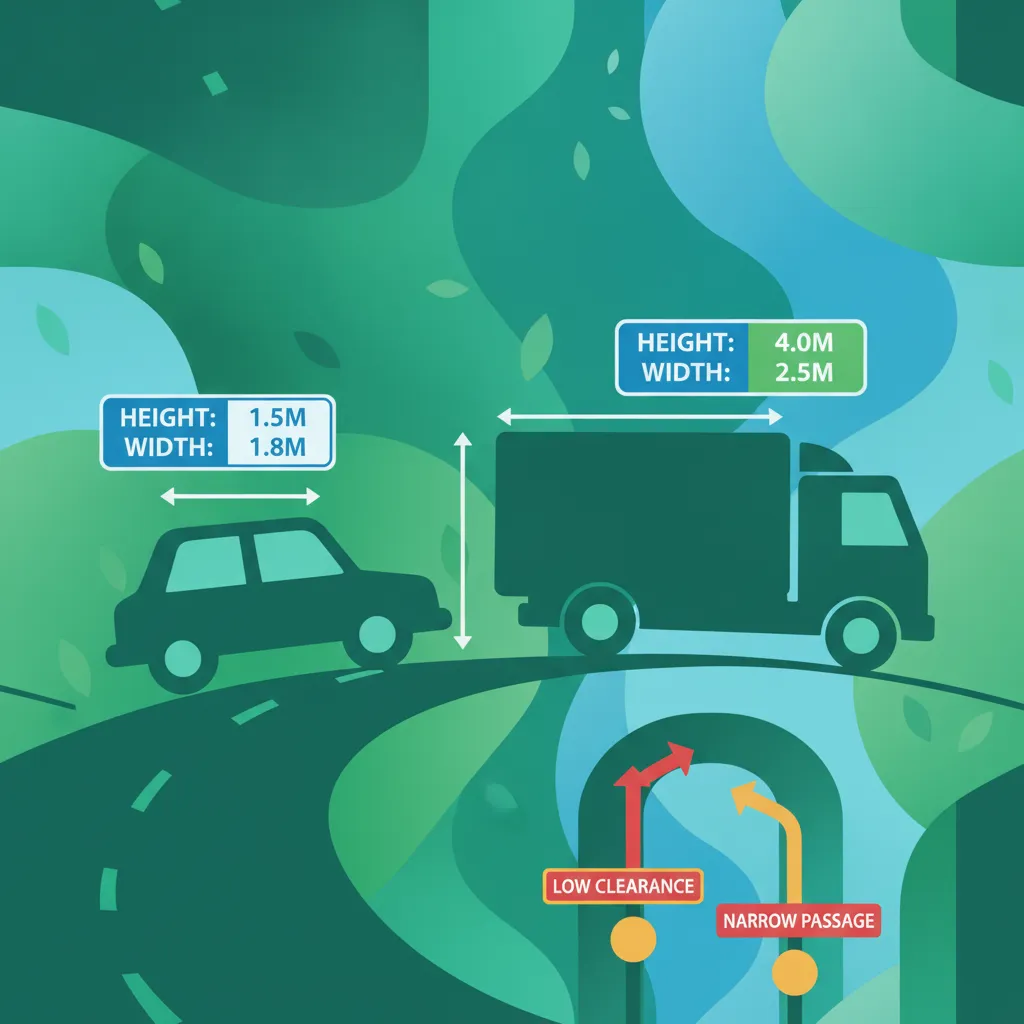
This lesson focuses on the specific dimensional limits that heavy goods vehicles must adhere to on Italian roads, as stipulated by the Codice della Strada. It covers the maximum permissible length, width, and height, explaining how these restrictions impact navigation through tunnels, under bridges, and within urban environments. Learners will also understand the conditions under which special permits for exceptional or oversized transport are required.

This lesson covers the complete set of lighting, reflective equipment, and protective guards mandated for heavy vehicles. It explains the function of each light, from headlights to side markers, and the importance of keeping them clean and operational to ensure the vehicle is visible to others. The lesson also details the legal requirements and safety purpose of side guards and rear underrun protection, which are designed to protect vulnerable road users in a collision.
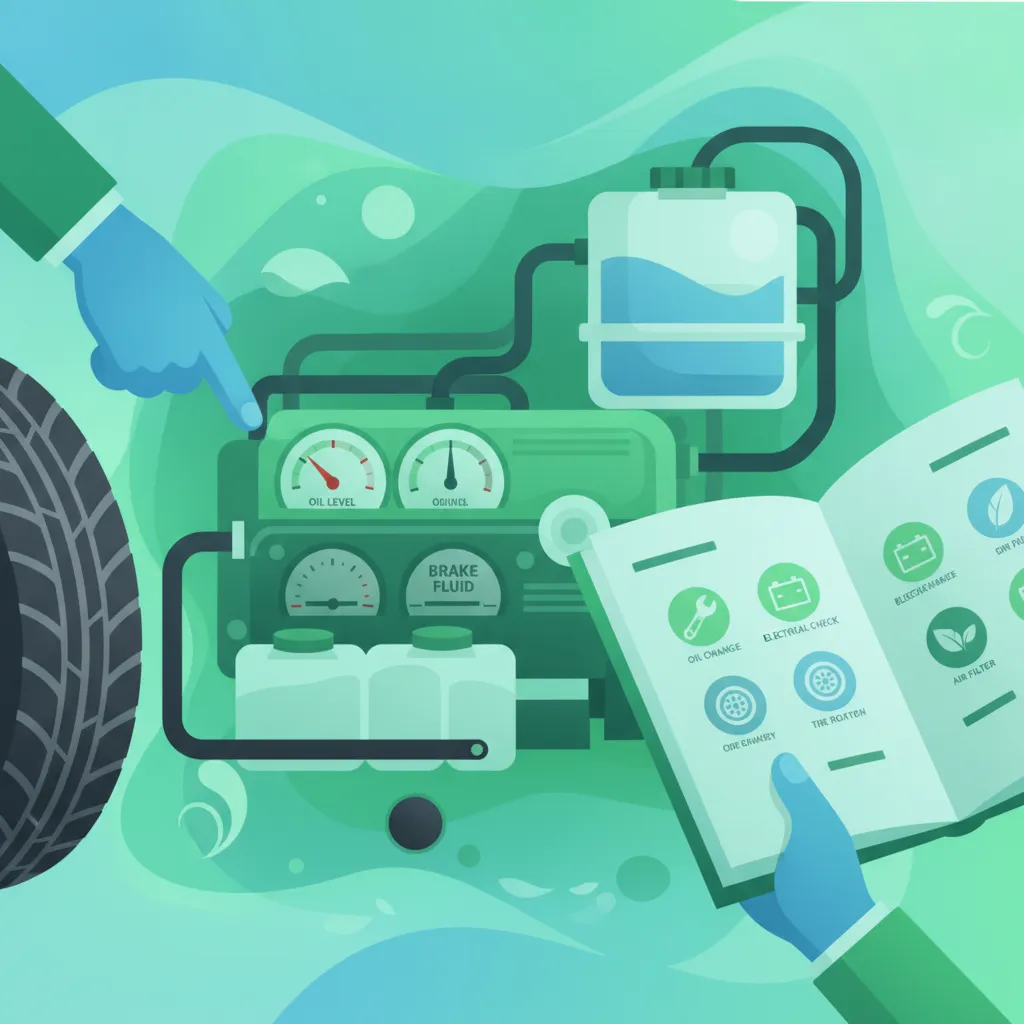
This lesson explains the difference between daily checks and long-term scheduled maintenance. It covers the legal requirement for periodic technical inspections ('revisione') to certify a vehicle's roadworthiness and the importance of adhering to manufacturer-recommended service intervals. Learners will understand their crucial role in reporting any mechanical defects promptly to ensure issues are rectified, maintaining the vehicle's safety and reliability over its service life.

This lesson delves into the specific articles of the Italian Codice della Strada that apply to heavy goods vehicles. It outlines the core legal and professional obligations of a driver, including the heightened duty of care owed to other road users and the responsibility for the vehicle's roadworthiness and load. Learners will understand the legal consequences of non-compliance, such as fines and sanctions, reinforcing the importance of adhering to all traffic regulations.

This lesson provides a step-by-step guide for managing a vehicle breakdown safely. It reinforces the procedure for stopping on the hard shoulder, activating hazard lights, and placing a warning triangle at the correct distance. The lesson emphasizes the importance of wearing high-visibility clothing, exiting the vehicle from the side away from traffic, and waiting in a safe location before contacting a roadside assistance service.

This lesson details the specific rules and safety considerations for driving through the extensive tunnels and high viaducts common in Italy. It covers pre-entry checks, maintaining a safe following distance, and the correct procedures to follow in case of a breakdown or fire inside a tunnel. The lesson also addresses the hazard of strong crosswinds on exposed viaducts and how to maintain vehicle control.

This lesson provides a detailed overview of the legal framework for load securing in Italy, focusing on the relevant articles of the Codice della Strada. It outlines the driver's legal responsibility for ensuring the load is secure and covers the standards that securing equipment must meet. Learners will be made aware of the significant fines and other penalties that can be imposed for violations, reinforcing the importance of diligent compliance.

This lesson bridges the gap between general traffic laws and their specific application to heavy goods vehicles. It examines how rules regarding speed limits, lane discipline, overtaking, and priority are modified or have special considerations for trucks due to their size, weight, and reduced maneuverability. Drivers will learn to correctly interpret road signs and signals within the context of operating a large vehicle, ensuring safe and compliant integration with other traffic.
Master the principles of securing loads and understanding their impact on vehicle stability for Italian driving theory. This lesson covers weight limits, distribution, and securing methods to prevent instability and accidents.

This lesson focuses on the practical skill of distributing the load's weight evenly across the vehicle's axles. It explains how improper placement can overload one axle while underloading another, leading to legal violations and poor vehicle handling, steering, and braking performance. Learners will understand how to create a balanced load plan that respects legal axle limits and ensures the vehicle remains stable and controllable.

This lesson introduces the core physical principles behind effective cargo restraint. It explains how different methods—such as blocking to prevent sliding, and lashing to increase pressure and friction—work to counteract the forces of acceleration, braking, and cornering. Learners will become familiar with the various types of equipment, like straps and chains, and understand the basic concepts that underpin all secure loading practices.

This lesson details the legal restrictions on the weight that can be supported by a single axle or a group of axles. It explains the importance of distributing the load correctly across the vehicle's length to prevent exceeding these limits, which can cause significant road damage and compromise vehicle safety. Learners will understand the relationship between load placement, axle pressure, and overall stability, particularly during braking and cornering.
This lesson provides a detailed overview of the legal framework for load securing in Italy, focusing on the relevant articles of the Codice della Strada. It outlines the driver's legal responsibility for ensuring the load is secure and covers the standards that securing equipment must meet. Learners will be made aware of the significant fines and other penalties that can be imposed for violations, reinforcing the importance of diligent compliance.

This lesson outlines the correct protocols for stopping to make a delivery in a public area. It covers the legal use of designated loading bays, the importance of making the vehicle highly visible with hazard lights, and ensuring that the parking brake is securely applied. The lesson stresses the need to conduct loading and unloading activities efficiently and safely, without causing undue obstruction or danger to other road users and pedestrians.

This lesson vividly illustrates the dangers of a load that moves during transit. It explains how a sudden load shift during braking can increase stopping distance or cause a jack-knife, while a shift during cornering can easily lead to a rollover. By understanding these dynamic forces, learners will appreciate the absolute necessity of ensuring every piece of cargo is properly and robustly secured before starting a journey.

This lesson prepares drivers for incidents beyond a simple breakdown, such as losing part of the load onto the roadway or dealing with a spillage. It outlines the immediate priorities: ensuring personal safety, warning other traffic of the hazard, and notifying the authorities. The lesson also covers the fundamental principles of managing an accident scene, including protecting the area, assessing for casualties, and providing essential information to emergency services.
This lesson bridges the gap between general traffic laws and their specific application to heavy goods vehicles. It examines how rules regarding speed limits, lane discipline, overtaking, and priority are modified or have special considerations for trucks due to their size, weight, and reduced maneuverability. Drivers will learn to correctly interpret road signs and signals within the context of operating a large vehicle, ensuring safe and compliant integration with other traffic.

This lesson addresses how adverse weather can compromise load securing arrangements. It explains how rain and ice can reduce the friction between the load and the vehicle bed, and how some lashing materials like webbing straps can stretch when wet, losing tension. Learners will understand the need to check and re-tighten securing equipment during journeys in bad weather and to take extra precautions to account for reduced friction.
This lesson focuses on the specific regulations and techniques for operating a heavy vehicle on high-speed motorways. It covers mandatory lane discipline for trucks, the rules governing overtaking other heavy vehicles, and the specific speed limits that apply. Best practices for merging onto and exiting the motorway, maintaining safe following distances, and using the hard shoulder only in genuine emergencies are also detailed.
Find clear answers to common questions learners have about Pre-Drive Inspection Checklist. Learn how the lesson is structured, which driving theory objectives it supports, and how it fits into the overall learning path of units and curriculum progression in Italy. These explanations help you understand key concepts, lesson flow, and exam focused study goals.
Professional drivers are legally responsible for the safety of their vehicle. Performing a daily inspection ensures compliance with the Codice della Strada and helps prevent accidents caused by mechanical failure or load issues.
You must prioritize critical systems: tyre pressure and tread depth, braking system integrity, all exterior lights and indicators, mirrors for clear visibility, and the security of your load and coupling devices.
The exam often tests your knowledge of driver responsibilities and the specific components that must be checked daily to confirm a vehicle is safe for traffic.
Beyond the increased risk of road accidents, skipping checks can lead to serious legal consequences, heavy fines, and potential suspension of your professional driving license if a defect is discovered during a roadside inspection.
Start searching now to pinpoint exactly which Italian driving theory topics, road signs, or traffic rules you need to master. Use our advanced filters to build a custom practice session and ensure you're fully prepared for every aspect of your official driving licence exam.