
This lesson guides you through the essential maintenance protocols and mandatory technical inspections required for heavy goods vehicles in Italy. You will learn the critical difference between daily driver checks and professional service intervals to ensure your vehicle complies with the Codice della Strada. Understanding these standards is vital for passing your C, C1, C1E, or CE theory examination and maintaining professional safety.
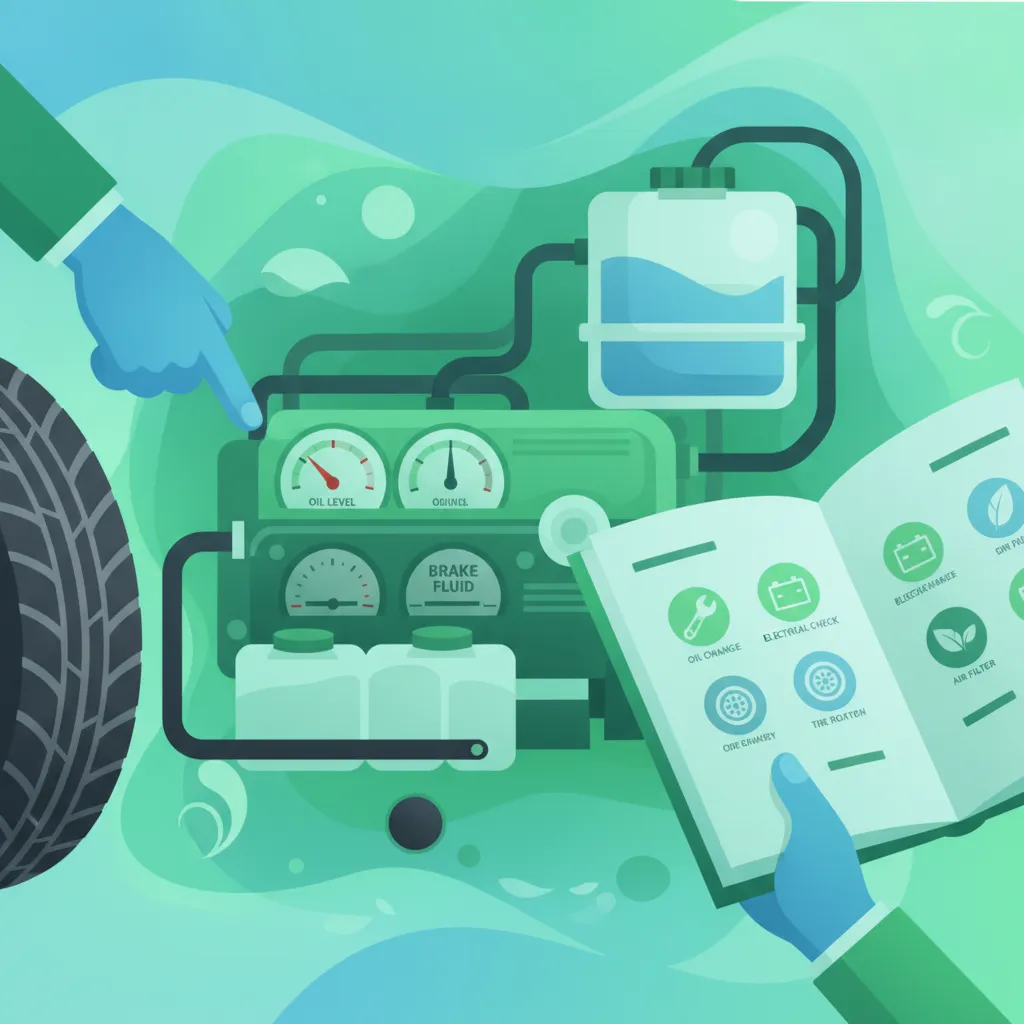
Lesson content overview
Operating a heavy goods vehicle, whether for C, C1, C1E, or CE license categories, demands an unwavering commitment to safety and compliance. A fundamental aspect of this responsibility is ensuring your vehicle is consistently roadworthy. This comprehensive lesson delves into the critical practices of vehicle maintenance, from routine daily checks to legally mandated periodic technical inspections, and the vital role professional drivers play in upholding these standards. Adhering to manufacturer service intervals and promptly reporting any mechanical defects are not merely recommendations; they are essential actions that safeguard lives, prevent costly breakdowns, and ensure compliance with Italian traffic law.
Every professional driver holds the immediate responsibility for the operational safety of their vehicle before commencing any journey. This obligation is enshrined in Italian law, specifically Article 149 of the Codice della Strada (Highway Code), which mandates daily checks. These aren't just good practice; they are a critical first line of defence against potential hazards.
Daily checks involve a series of quick, yet thorough, visual and functional inspections performed before each departure. Their primary purpose is to identify any immediate safety defects that could compromise the vehicle's operation during the upcoming trip. Unlike comprehensive scheduled maintenance, these checks focus on the essential systems that directly impact driving safety and legality.
Consider daily checks as your personal safety audit. They empower you to identify and address issues proactively, ensuring the vehicle is fit for the road before it even starts moving.
A professional driver's daily inspection checklist typically covers a range of critical components:
It's a common misunderstanding to believe a visual check alone is sufficient. Many elements require functional testing. For instance, merely looking at a headlight won't tell you if it illuminates; you must switch it on. Similarly, brake feel can only be assessed by applying the pedal. This hands-on approach ensures that systems are not only present but also working as intended.
Visually inspect around the vehicle for any obvious damage, leaks, or loose parts.
Check tyre condition and pressure on all wheels.
Test all lights and indicators, ensuring they illuminate correctly.
Verify brake pedal feel and parking brake effectiveness.
Check fluid levels for engine oil, coolant, and brake fluid.
Adjust mirrors for optimal visibility.
Confirm all mandatory safety equipment is present and accessible.
Beyond daily checks, the long-term health and roadworthiness of a heavy goods vehicle depend heavily on scheduled preventive maintenance. This systematic approach is designed to address wear and tear before it leads to mechanical failure, thereby extending the vehicle's lifespan, maintaining its performance, and reducing the risk of unexpected breakdowns.
Preventive maintenance encompasses a range of activities performed at predetermined intervals, regardless of the vehicle's apparent condition. These intervals are typically based on accumulated mileage or elapsed time, as defined by the vehicle manufacturer. The philosophy behind it is simple: it's more cost-effective and safer to replace or service components before they fail catastrophically than to react to a breakdown.
For heavy goods vehicles, preventive maintenance schedules are comprehensive and typically include:
Adhering strictly to the manufacturer's recommended preventive maintenance schedule is crucial for several reasons. Firstly, it ensures that the vehicle operates within its design parameters, optimising performance and fuel efficiency. Secondly, non-compliance can invalidate the vehicle's warranty, leading to significant financial burden for repairs that would otherwise be covered. Finally, a well-maintained vehicle is more likely to pass the periodic technical inspection (revisione), avoiding legal penalties.
Service intervals are the backbone of preventive maintenance. They are specific periods, defined by the vehicle manufacturer, after which certain components must be inspected, serviced, or replaced. These intervals are typically expressed in terms of kilometres driven or elapsed time (e.g., every 20,000 km or 12 months, whichever comes first).
Service intervals are often categorised into different levels of service:
Every service, minor or major, should be meticulously recorded in the vehicle’s service book or a digital maintenance log. This documentation serves several vital purposes:
It is critical to understand that service intervals are often dual-criteria: mileage or time. Many components, such as brake fluid, coolant, and rubber hoses, degrade over time regardless of how many kilometres the vehicle has travelled. Therefore, even a vehicle that is not frequently used still requires regular time-based maintenance to ensure its systems remain reliable and safe. Neglecting the time component of service intervals is a common misunderstanding that can lead to unexpected failures.
In Italy, all vehicles, including heavy goods vehicles, are subject to a compulsory periodic technical inspection known as the "revisione." This inspection is a legal requirement designed to ensure that vehicles continually comply with stringent safety and environmental standards throughout their operational life.
The schedule for the revisione is strictly defined by Italian law:
For specific categories of vehicles, such as those used for public transport or certain special uses, the inspection schedule might be even more frequent.
The technical inspection is comprehensive, scrutinising various aspects of the vehicle to certify its roadworthiness. Key areas of inspection include:
Operating a heavy goods vehicle without a valid revisione certificate is a serious offence under the Codice della Strada. Penalties can include substantial fines, confiscation of the vehicle registration document, and even the immediate prohibition of vehicle use until it passes inspection. Beyond legal repercussions, an uninspected vehicle poses a significant safety risk due to unaddressed defects.
Never operate a vehicle that has failed its revisione or is overdue for inspection. The legal and safety implications are severe.
Even with diligent daily checks and scheduled preventive maintenance, mechanical defects can occur unexpectedly. This is where the professional driver's role in fault reporting becomes paramount. Prompt and accurate notification of any observed defect is critical for safety and compliance.
Article 149 of the Codice della Strada explicitly obliges professional drivers to report any evident defect before commencing a journey. This isn't just about reporting a major breakdown; it extends to any abnormality, no matter how minor it may seem. Early detection prevents minor issues from escalating into major, dangerous, and costly failures.
Any deviation from normal vehicle operation should be reported immediately to the fleet manager or the designated maintenance department. This includes, but is not limited to:
Delaying reporting, assuming a defect will self-correct, or hoping it will go unnoticed, is a dangerous and irresponsible act. It compromises not only the driver's safety but also that of other road users.
The operational landscape for heavy goods vehicles in Italy is governed by a robust legal framework aimed at maximising safety and environmental responsibility. Understanding and adhering to these regulations is a core responsibility for all professional drivers.
As previously mentioned, Article 149 of the Codice della Strada is foundational. It places a direct legal obligation on professional drivers to conduct daily checks and immediately report any defects before driving. This article underscores the principle that an unroadworthy vehicle must not be operated on public roads. Failure to comply can result in severe fines and administrative sanctions.
Italy's regulations regarding vehicle maintenance and inspections are largely harmonised with European Union directives, such as Directive 2014/45/EU on periodic roadworthiness tests for motor vehicles and their trailers. These directives ensure a consistent standard of vehicle safety and environmental performance across member states. The two-year revisione schedule for heavy goods vehicles is a direct implementation of these EU requirements.
While the driver is responsible for daily checks and fault reporting, the overall responsibility for ensuring scheduled maintenance and timely revisione often falls to the vehicle owner or fleet management. Professional drivers must work in close collaboration with these entities, providing accurate information and adhering to established procedures for reporting and maintenance scheduling. This collaborative approach is essential for maintaining a safe and legally compliant fleet.
The repercussions of neglecting proper vehicle maintenance and failing to adhere to legal inspection requirements are multifaceted, ranging from immediate safety hazards to significant legal and financial penalties.
The most severe consequence of poor maintenance is the increased risk of accidents. Faulty brakes, worn tyres, defective steering, or an unstable suspension system can lead to loss of control, extended stopping distances, or catastrophic component failure, especially when carrying heavy loads or driving at speed. This directly jeopardises the safety of the driver, other road users, and the cargo.
Operating an unroadworthy vehicle in Italy carries substantial legal penalties:
Beyond fines, neglected maintenance leads to:
The demands placed on a heavy goods vehicle vary greatly depending on its operational context. Professional drivers must understand how factors like weather, road type, and load can influence maintenance needs and the performance of vehicle systems.
A heavily loaded vehicle places significantly more stress on almost every mechanical system:
In scenarios of continuous heavy loading, it may be prudent to shorten manufacturer-recommended service intervals to compensate for the increased strain on components.
Ultimately, diligent maintenance practices are inextricably linked to the overall safety of the vehicle and its operation. Every check, every service, and every reported fault contributes to a holistic safety strategy.
Regular brake inspections, fluid changes, and pad replacements ensure maximum braking efficiency and responsiveness. This is fundamental for maintaining safe stopping distances, especially for heavy vehicles.
Properly maintained steering and suspension systems provide the driver with precise control, allowing for accurate manoeuvring, stable cornering, and confident handling of unexpected road conditions.
A well-maintained suspension system is crucial for evenly distributing the vehicle's load and maintaining stability. Defects in suspension can lead to dangerous load shifts, particularly during turns or emergency braking.
A vehicle that is known to be well-maintained instils confidence in the driver. This confidence translates into safer driving practices, as the driver trusts their vehicle's ability to perform as expected in all situations. Conversely, a driver operating a vehicle with known or suspected defects will likely experience increased stress and may react less effectively in emergencies.
This lesson establishes that maintaining roadworthiness is both a legal requirement and a safety imperative for professional drivers of heavy goods vehicles in Italy. Daily inspections under Article 149 of the Codice della Strada must cover tyres, lights, brakes, fluids, steering, and mandatory safety equipment through both visual and functional checks. Scheduled preventive maintenance follows manufacturer service intervals (minor and major), with time-based criteria equally important as mileage-based ones. The mandatory revisione technical inspection occurs first at four years post-registration and then biennially, covering braking, steering, visibility, emissions, and structural integrity. Professional drivers bear legal responsibility for promptly reporting any observed defects, as early detection prevents accidents, costly breakdowns, and penalties.
A short set of high-value points that capture the most important learning from this lesson.
Daily checks under Article 149 of the Codice della Strada are a legal obligation, not optional, and must be performed before every journey.
The revisione is mandatory: first inspection four years after registration, then every two years thereafter for heavy goods vehicles.
Service intervals are dual-criteria based on either kilometres driven OR elapsed time; time-based intervals apply even to low-mileage vehicles.
Drivers must immediately report any abnormality, including unusual noises, handling changes, warning lights, or fluid leaks, regardless of perceived severity.
Neglecting maintenance can void the vehicle warranty, increase accident risk, and result in fines, document confiscation, or vehicle seizure.
Explore all units and lessons included in this driving theory course.
Tyre pressure, all lights, brake pedal feel, fluid levels, and steering play must be checked functionally, not just visually.
Minor services cover basic consumables; major services include comprehensive inspections of brakes, suspension, steering, and transmission.
Complete service documentation is essential for warranty claims, resale value, and passing the revisione inspection.
Environmental checks during revisione include exhaust emissions and noise levels, not just mechanical safety systems.
Adverse conditions (mountain roads, extreme weather, heavy loads) may require shortening manufacturer-recommended service intervals.
Assuming visual checks alone are sufficient; functional testing is required for lights, brakes, and other critical systems.
Neglecting time-based service intervals on vehicles that travel low annual mileage, leading to degraded brake fluid, coolant, and rubber components.
Delaying fault reporting because a defect seems minor, allowing small issues to escalate into dangerous failures.
Confusing minor and major service scope; skipping major service items increases the risk of undetected critical wear.
Operating a vehicle overdue for revisione, unaware that the legal and safety consequences are severe.
Lesson content overview
A short set of high-value points that capture the most important learning from this lesson.
Daily checks under Article 149 of the Codice della Strada are a legal obligation, not optional, and must be performed before every journey.
The revisione is mandatory: first inspection four years after registration, then every two years thereafter for heavy goods vehicles.
Service intervals are dual-criteria based on either kilometres driven OR elapsed time; time-based intervals apply even to low-mileage vehicles.
Drivers must immediately report any abnormality, including unusual noises, handling changes, warning lights, or fluid leaks, regardless of perceived severity.
Neglecting maintenance can void the vehicle warranty, increase accident risk, and result in fines, document confiscation, or vehicle seizure.
Explore all units and lessons included in this driving theory course.
Tyre pressure, all lights, brake pedal feel, fluid levels, and steering play must be checked functionally, not just visually.
Minor services cover basic consumables; major services include comprehensive inspections of brakes, suspension, steering, and transmission.
Complete service documentation is essential for warranty claims, resale value, and passing the revisione inspection.
Environmental checks during revisione include exhaust emissions and noise levels, not just mechanical safety systems.
Adverse conditions (mountain roads, extreme weather, heavy loads) may require shortening manufacturer-recommended service intervals.
Assuming visual checks alone are sufficient; functional testing is required for lights, brakes, and other critical systems.
Neglecting time-based service intervals on vehicles that travel low annual mileage, leading to degraded brake fluid, coolant, and rubber components.
Delaying fault reporting because a defect seems minor, allowing small issues to escalate into dangerous failures.
Confusing minor and major service scope; skipping major service items increases the risk of undetected critical wear.
Operating a vehicle overdue for revisione, unaware that the legal and safety consequences are severe.
Explore search topics learners often look for when studying Maintenance, Service Intervals, and Roadworthiness. These topics reflect common questions about road rules, driving situations, safety guidance, and lesson level theory preparation for learners in Italy.
Browse additional driving theory lessons that cover connected traffic rules, road signs, and common driving situations related to this topic. Improve your understanding of how different rules interact across everyday traffic scenarios.
Understand the driver's legal duties for daily checks and fault reporting. Learn about mandatory technical inspections (revisione) and compliance with Italian traffic law for heavy goods vehicles.

This lesson provides a comprehensive overview of the essential documentation required for both the driver and the vehicle. It covers the driver's license (patente), CQC card, vehicle registration (carta di circolazione), insurance certificate, and transport-specific documents like the cargo manifest. Learners will understand the importance of ensuring all documents are valid and readily available for inspection by authorities to avoid legal penalties and operational delays.

This lesson delves into the specific articles of the Italian Codice della Strada that apply to heavy goods vehicles. It outlines the core legal and professional obligations of a driver, including the heightened duty of care owed to other road users and the responsibility for the vehicle's roadworthiness and load. Learners will understand the legal consequences of non-compliance, such as fines and sanctions, reinforcing the importance of adhering to all traffic regulations.

This lesson provides a structured, step-by-step guide to conducting a thorough pre-drive inspection. It outlines a systematic walk-around procedure, covering critical checks of tyres, wheels, lights, brakes, fluid levels, mirrors, and load security before starting any journey. Emphasizing this daily routine helps instill the professional habit of verifying vehicle roadworthiness and identifying potential issues before they become dangerous on the road.
This lesson provides a clear overview of the legal consequences for failing to comply with road transport regulations in Italy. It covers the system of fines for common offenses like speeding, overloading, and violations of driving hours. The lesson also explains the penalty point system that can lead to license suspension and touches upon the responsibilities and potential liability of the transport company.

This lesson covers the complete set of lighting, reflective equipment, and protective guards mandated for heavy vehicles. It explains the function of each light, from headlights to side markers, and the importance of keeping them clean and operational to ensure the vehicle is visible to others. The lesson also details the legal requirements and safety purpose of side guards and rear underrun protection, which are designed to protect vulnerable road users in a collision.

This lesson examines the set of legal obligations for all drivers holding a Patente B license under the Codice della Strada. It covers mandatory responsibilities such as maintaining valid vehicle insurance, ensuring proper registration, and adhering to periodic technical inspection (revisione) schedules. The content also emphasizes the legal requirement to carry necessary documents while driving and the penalties for non-compliance.

This lesson provides a detailed overview of the legal framework for load securing in Italy, focusing on the relevant articles of the Codice della Strada. It outlines the driver's legal responsibility for ensuring the load is secure and covers the standards that securing equipment must meet. Learners will be made aware of the significant fines and other penalties that can be imposed for violations, reinforcing the importance of diligent compliance.
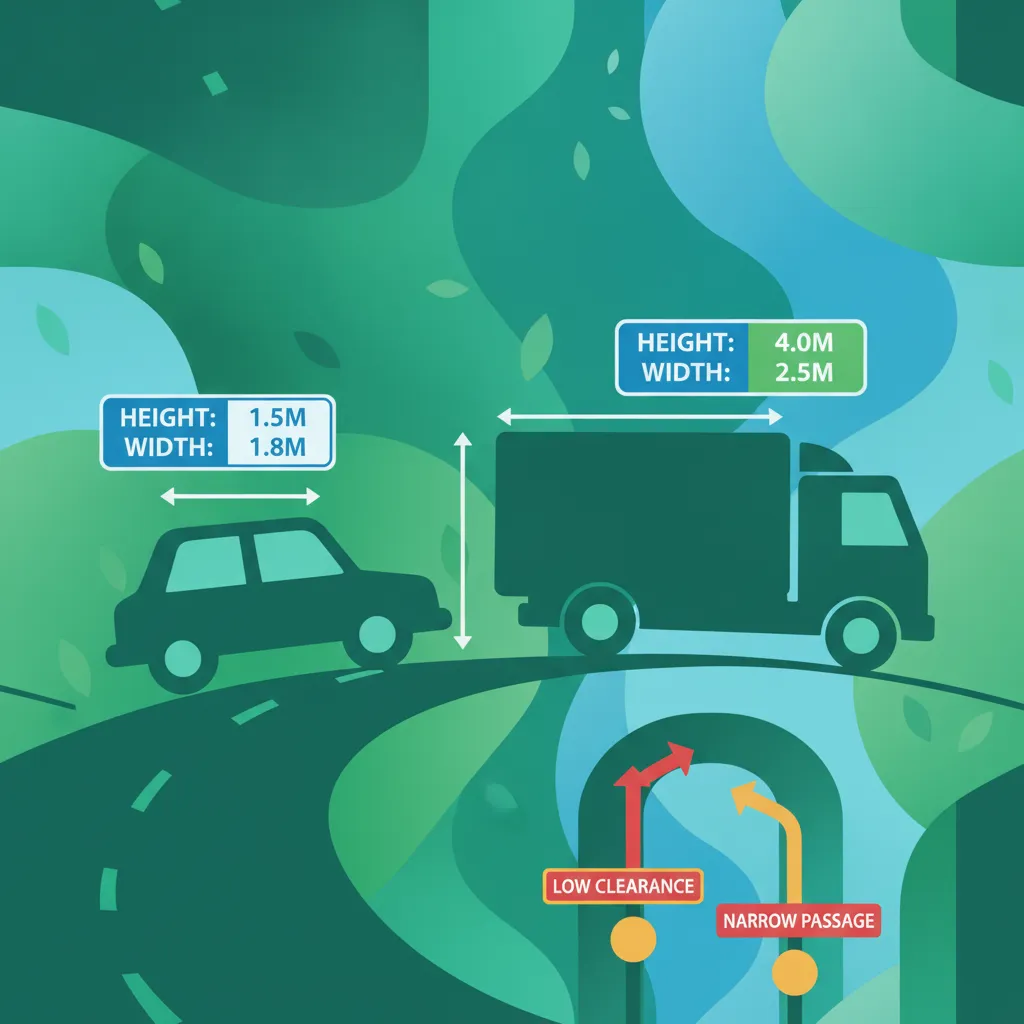
This lesson focuses on the specific dimensional limits that heavy goods vehicles must adhere to on Italian roads, as stipulated by the Codice della Strada. It covers the maximum permissible length, width, and height, explaining how these restrictions impact navigation through tunnels, under bridges, and within urban environments. Learners will also understand the conditions under which special permits for exceptional or oversized transport are required.

This lesson focuses on the specific regulations and techniques for operating a heavy vehicle on high-speed motorways. It covers mandatory lane discipline for trucks, the rules governing overtaking other heavy vehicles, and the specific speed limits that apply. Best practices for merging onto and exiting the motorway, maintaining safe following distances, and using the hard shoulder only in genuine emergencies are also detailed.

This lesson provides a step-by-step guide for managing a vehicle breakdown safely. It reinforces the procedure for stopping on the hard shoulder, activating hazard lights, and placing a warning triangle at the correct distance. The lesson emphasizes the importance of wearing high-visibility clothing, exiting the vehicle from the side away from traffic, and waiting in a safe location before contacting a roadside assistance service.
Explore scheduled maintenance tasks, understanding manufacturer service intervals for optimal vehicle health. Learn how regular servicing ensures long-term roadworthiness and reliability for C license vehicles.
This lesson provides a structured, step-by-step guide to conducting a thorough pre-drive inspection. It outlines a systematic walk-around procedure, covering critical checks of tyres, wheels, lights, brakes, fluid levels, mirrors, and load security before starting any journey. Emphasizing this daily routine helps instill the professional habit of verifying vehicle roadworthiness and identifying potential issues before they become dangerous on the road.
This lesson provides a comprehensive overview of the essential documentation required for both the driver and the vehicle. It covers the driver's license (patente), CQC card, vehicle registration (carta di circolazione), insurance certificate, and transport-specific documents like the cargo manifest. Learners will understand the importance of ensuring all documents are valid and readily available for inspection by authorities to avoid legal penalties and operational delays.
This lesson focuses on the specific dimensional limits that heavy goods vehicles must adhere to on Italian roads, as stipulated by the Codice della Strada. It covers the maximum permissible length, width, and height, explaining how these restrictions impact navigation through tunnels, under bridges, and within urban environments. Learners will also understand the conditions under which special permits for exceptional or oversized transport are required.

This lesson focuses on the logistical aspects of long-haul driving. It teaches drivers how to plan journeys to comply with legal driving hours and mandatory rest periods, using a tachograph to record activity. The lesson also covers how to plan for fuel stops and select safe and secure overnight parking locations at motorway service areas or designated truck stops.
This lesson delves into the specific articles of the Italian Codice della Strada that apply to heavy goods vehicles. It outlines the core legal and professional obligations of a driver, including the heightened duty of care owed to other road users and the responsibility for the vehicle's roadworthiness and load. Learners will understand the legal consequences of non-compliance, such as fines and sanctions, reinforcing the importance of adhering to all traffic regulations.
This lesson focuses on the specific regulations and techniques for operating a heavy vehicle on high-speed motorways. It covers mandatory lane discipline for trucks, the rules governing overtaking other heavy vehicles, and the specific speed limits that apply. Best practices for merging onto and exiting the motorway, maintaining safe following distances, and using the hard shoulder only in genuine emergencies are also detailed.
Find clear answers to common questions learners have about Maintenance, Service Intervals, and Roadworthiness. Learn how the lesson is structured, which driving theory objectives it supports, and how it fits into the overall learning path of units and curriculum progression in Italy. These explanations help you understand key concepts, lesson flow, and exam focused study goals.
A daily check is the driver's personal responsibility to inspect the vehicle's essential safety systems before every trip. The revisione is a mandatory, periodic technical inspection conducted by official authorities to certify the vehicle remains roadworthy according to the Codice della Strada.
Adhering to service intervals ensures that wear-prone parts are replaced before they fail under load. For heavy vehicles, exceeding these intervals significantly increases the risk of breakdown and affects the vehicle's structural and braking performance during critical operations.
You must record the defect immediately and report it to the fleet manager or responsible supervisor. Even minor issues can compromise roadworthiness; driving a defective vehicle can lead to legal penalties and increased safety risks.
No, professional drivers are responsible for monitoring the vehicle's condition, reporting faults, and ensuring the vehicle has valid certification. Heavy mechanical work and routine maintenance should be performed by qualified professionals according to the manufacturer's plan.
Start searching now to pinpoint exactly which Italian driving theory topics, road signs, or traffic rules you need to master. Use our advanced filters to build a custom practice session and ensure you're fully prepared for every aspect of your official driving licence exam.