
This lesson details the fundamental legal responsibilities you must uphold as a driver in Italy. It provides essential knowledge on mandatory documentation, vehicle insurance, and periodic inspection requirements (revisione) necessary for your Patente B theory exam.

Lesson content overview
Driving in Italy, especially with a Patente B license, comes with a specific set of legal responsibilities designed to ensure safety, accountability, and the proper functioning of the road system. These obligations are primarily governed by the Codice della Strada, the Italian Highway Code, which outlines the duties of every driver and vehicle owner. Understanding and adhering to these rules is not merely about avoiding fines; it is fundamental for responsible driving, managing potential liabilities, and contributing to the overall safety of all road users.
This lesson delves into the statutory and procedural requirements that all Patente B licence holders must meticulously observe. From carrying the correct documents to ensuring your vehicle meets safety standards through regular inspections, compliance safeguards you, your passengers, other road users, and your assets. Non-compliance, conversely, carries significant penalties, including monetary fines, point deductions from your licence, and in severe cases, vehicle seizure.
The legislative framework in Italy aims to achieve several critical objectives through these obligations:
These legal duties are closely connected to broader themes within the Italian Patente B Theory course, including general driver responsibility (as discussed in "Overview of Patente B Regulations" and "Examination Process and Requirements") and crucial aspects of vehicle maintenance and safety (covered in "Vehicle Technology, Safety Systems, Tyres, Lights and Roadworthiness"). Staying informed and compliant is a continuous obligation throughout your driving career.
One of the most immediate and critical legal obligations for any driver in Italy is the requirement to carry specific documents whenever operating a vehicle. These documents serve as proof of your qualification to drive and your vehicle's legal authorization for road use.
According to Article 180 of the Codice della Strada, drivers must always have the following physical documents accessible in their vehicle:
The official document certifying your qualification to drive vehicles of category B, including cars and light vans up to 3,500 kg maximum authorized mass and not more than nine seats.
Your Patente B is personal and non-transferable. It verifies your legal right to operate the vehicle you are driving.
This is the official document that identifies your vehicle. It contains crucial information such as the vehicle’s technical specifications (make, model, engine size, fuel type, maximum authorized mass), its registration number, and the names of registered owners. It also records the history of periodic technical inspections (revisione).
The libretto di circolazione is essential proof that your vehicle is registered and legally authorized to circulate on public roads. It's often updated with stickers or stamps after technical inspections.
Known in Italy as RCA (Responsabilità Civile Auto), this document proves that your vehicle is covered by mandatory third-party liability insurance. This insurance is legally required to cover damages (bodily injury and property damage) you might cause to third parties in an accident.
While the Carta Verde (Green Card) used to be the primary proof, in recent years, a simple insurance certificate provided by your insurer is usually sufficient within Italy. However, for international travel, a Carta Verde might still be advisable or required for certain non-EU countries.
During a routine traffic stop or after an incident, law enforcement officers (e.g., Polizia Stradale, Carabinieri, Polizia Locale) will request these documents. You must be able to present the physical copies immediately.
Digital Copies are Not Sufficient: A common misunderstanding is that a digital image or a copy on a mobile phone will suffice. Unless explicitly stated by evolving legislation or officially recognized digital platforms, Italian law currently requires you to carry the original physical documents. Failure to produce them on request can lead to fines and point deductions.
The Libretto di Circolazione is more than just a piece of paper; it is the official identity card for your vehicle in Italy. It confirms its legal status, technical characteristics, and history of roadworthiness.
The document details essential information about your vehicle, including:
This document is crucial for verifying that the vehicle complies with safety and environmental standards. Any modifications to the vehicle's characteristics must also be recorded on the libretto.
When you purchase a vehicle, either new or used, the libretto di circolazione must be updated to reflect the new ownership. This process, known as Passaggio di Proprietà, is mandatory and must be completed promptly. Similarly, if you change your residential address, you are legally obliged to update this information on your libretto.
New Vehicle Purchase: The dealership typically handles the initial registration and issuance of the libretto.
Used Vehicle Purchase (Passaggio di Proprietà): The transfer of ownership must be registered with the Public Motor Vehicle Registry (PRA - Pubblico Registro Automobilistico) and the Department for Terrestrial Transport (DTT - Dipartimento Trasporti Terrestri), which issues the updated libretto. This must generally be done within 60 days of purchase.
Change of Residence (Address): You must notify the PRA within 20 days of moving. A sticker with your new address will be sent for you to affix to your libretto.
Vehicle Modifications: Any significant technical changes to the vehicle (e.g., engine replacement, changes to structural components) must be approved and noted on the libretto after a specific test.
Failing to update your libretto can lead to fines and complications, particularly if the vehicle is involved in an accident or if you need to sell it. It ensures that official communications, taxes, and fines are correctly attributed.
Mandatory civil liability insurance, or RCA (Responsabilità Civile Auto), is a cornerstone of vehicle operation in Italy. Its primary purpose is to protect victims of accidents from financial loss by ensuring that funds are available to cover damages caused by an insured vehicle.
RCA insurance covers:
It does not typically cover damages to your own vehicle or injuries to yourself as the driver, unless you have purchased additional, optional coverage (e.g., Kasko, personal accident insurance).
It is a legal requirement to have an active RCA policy for any motor vehicle used on public roads, even if the vehicle is just parked. Driving without valid insurance is one of the most serious violations in Italian traffic law.
Keep Your Insurance Certificate Current: Always carry the latest insurance certificate provided by your insurer. This document confirms the policy's validity period and coverage details. While it used to be a physical sticker on the windshield, it is now primarily an internal document.
Driving without valid RCA insurance is severely penalized under Article 193 of the Codice della Strada. Penalties can include:
To ensure that vehicles remain safe and environmentally compliant throughout their lifespan, all motor vehicles in Italy are subject to compulsory periodic technical inspections, known as revisione.
The revisione is a comprehensive check of various vehicle components and systems, including:
Upon successful completion, the inspection station will update your libretto di circolazione with a stamp or sticker indicating the date of the inspection and the deadline for the next one.
The schedule for revisione is strictly defined:
Driving a vehicle with an expired revisione is prohibited and carries significant penalties:
Planning Ahead: It is the vehicle owner's responsibility to remember the revisione scadenza (inspection deadline) and schedule the inspection in time. There is no grace period for an expired revisione.
Failure to adhere to the legal obligations for Patente B holders in Italy results in various administrative sanctions aimed at deterring non-compliance and enforcing traffic laws. These penalties are outlined in the Codice della Strada and Ministerial Decrees.
The most common penalties include:
If you are unable to produce any of these mandatory physical documents upon request by authorities, you will generally face a fine, and you may be required to present the documents at a police station within a specified timeframe to avoid further fines.
If the vehicle's revisione has passed its deadline, you are driving illegally.
If the transfer of vehicle ownership is not registered with the PRA within 60 days of purchase.
If the driver's new residence is not communicated to the PRA within 20 days.
The enforcement and implications of these legal obligations can be influenced by various contextual factors. Understanding these variations helps drivers maintain full compliance in diverse situations.
While the core obligation to carry documents and ensure vehicle roadworthiness remains constant, certain conditions can heighten the risk or alter the perceived severity of non-compliance:
When driving an Italian-registered vehicle abroad, additional documentation might be necessary depending on the destination country, particularly outside the European Union.
Understanding the cause-and-effect relationships between different legal obligations highlights why comprehensive compliance is vital.
Patente B holders in Italy must carry three mandatory physical documents: their driving licence, vehicle registration certificate (Libretto di Circolazione), and insurance certificate. Vehicle registration must be updated after purchase within 60 days and after address changes within 20 days. Compulsory RCA insurance must always be active, as driving without it carries severe penalties including fines starting around €866, vehicle seizure, and licence suspension. The periodic technical inspection (Revisione) is mandatory first at 4 years after initial registration, then every 2 years thereafter. Non-compliance with any of these obligations can result in monetary fines, point deductions through the Sistema a Punti, vehicle impoundment, and in serious cases, licence suspension or revocation.
A short set of high-value points that capture the most important learning from this lesson.
Drivers must always carry three physical documents: Patente B, Libretto di Circolazione, and Certificato di Assicurazione
Digital copies or mobile phone images of documents are NOT legally sufficient in Italy
RCA (Responsabilità Civile Auto) is mandatory third-party liability insurance covering bodily injury and property damage to third parties
The periodic technical inspection (Revisione) is required first at 4 years, then every 2 years thereafter
Driving without valid insurance is among the most serious traffic violations, resulting in substantial fines, vehicle seizure, and possible licence suspension
Explore all units and lessons included in this driving theory course.
Libretto di Circolazione must be updated within 60 days of vehicle purchase (Passaggio di Proprietà) and within 20 days of changing address
Expired Revisione not only results in fines but can also void your insurance coverage in case of accident
Vehicle seizure and impoundment can occur for driving without insurance or with expired inspection
The Sistema a Punti (points system) deducts points from your licence for document and compliance violations
Ownership transfer must be registered with PRA (Pubblico Registro Automobilistico) to avoid fines up to €1,433
Assuming a photo or digital copy of documents on a phone satisfies the legal requirement to carry physical documents
Missing the Revisione deadline assuming there is a grace period before penalties apply
Believing RCA insurance covers your own vehicle or injuries to yourself (it only covers third-party damages)
Failing to update the Libretto after changing residential address within the required 20-day window
Assuming insurance validity continues after policy expiration without renewing on time
Lesson content overview
A short set of high-value points that capture the most important learning from this lesson.
Drivers must always carry three physical documents: Patente B, Libretto di Circolazione, and Certificato di Assicurazione
Digital copies or mobile phone images of documents are NOT legally sufficient in Italy
RCA (Responsabilità Civile Auto) is mandatory third-party liability insurance covering bodily injury and property damage to third parties
The periodic technical inspection (Revisione) is required first at 4 years, then every 2 years thereafter
Driving without valid insurance is among the most serious traffic violations, resulting in substantial fines, vehicle seizure, and possible licence suspension
Explore all units and lessons included in this driving theory course.
Libretto di Circolazione must be updated within 60 days of vehicle purchase (Passaggio di Proprietà) and within 20 days of changing address
Expired Revisione not only results in fines but can also void your insurance coverage in case of accident
Vehicle seizure and impoundment can occur for driving without insurance or with expired inspection
The Sistema a Punti (points system) deducts points from your licence for document and compliance violations
Ownership transfer must be registered with PRA (Pubblico Registro Automobilistico) to avoid fines up to €1,433
Assuming a photo or digital copy of documents on a phone satisfies the legal requirement to carry physical documents
Missing the Revisione deadline assuming there is a grace period before penalties apply
Believing RCA insurance covers your own vehicle or injuries to yourself (it only covers third-party damages)
Failing to update the Libretto after changing residential address within the required 20-day window
Assuming insurance validity continues after policy expiration without renewing on time
Explore search topics learners often look for when studying Legal Obligations for B Licence Holders. These topics reflect common questions about road rules, driving situations, safety guidance, and lesson level theory preparation for learners in Italy.
Browse additional driving theory lessons that cover connected traffic rules, road signs, and common driving situations related to this topic. Improve your understanding of how different rules interact across everyday traffic scenarios.
Understand the legal mandates for carrying your Patente B, vehicle registration (libretto), and insurance certificate in Italy. Learn about penalties for missing documents, expired inspections, and non-compliance with the Codice della Strada.

This lesson provides a comprehensive overview of the essential documentation required for both the driver and the vehicle. It covers the driver's license (patente), CQC card, vehicle registration (carta di circolazione), insurance certificate, and transport-specific documents like the cargo manifest. Learners will understand the importance of ensuring all documents are valid and readily available for inspection by authorities to avoid legal penalties and operational delays.
This lesson provides a clear overview of the legal consequences for failing to comply with road transport regulations in Italy. It covers the system of fines for common offenses like speeding, overloading, and violations of driving hours. The lesson also explains the penalty point system that can lead to license suspension and touches upon the responsibilities and potential liability of the transport company.

This lesson provides a comprehensive review of the legal consequences for violating traffic laws in Italy. It reinforces the workings of the points system, explaining how different offenses lead to deductions and how a total loss of points results in license revocation. The content also covers the scale of monetary fines for various infractions and the conditions under which a driver's license may be temporarily suspended.

This lesson provides a detailed overview of the legal framework for load securing in Italy, focusing on the relevant articles of the Codice della Strada. It outlines the driver's legal responsibility for ensuring the load is secure and covers the standards that securing equipment must meet. Learners will be made aware of the significant fines and other penalties that can be imposed for violations, reinforcing the importance of diligent compliance.

This lesson provides a thorough examination of the Italian motorcycle theory test's structure and content. It details the number of questions, the multiple-choice format, and the minimum score required to pass for the A1, A2, and A license categories. The content is designed to prepare learners for the specific knowledge areas and administrative procedures involved in taking the official exam.
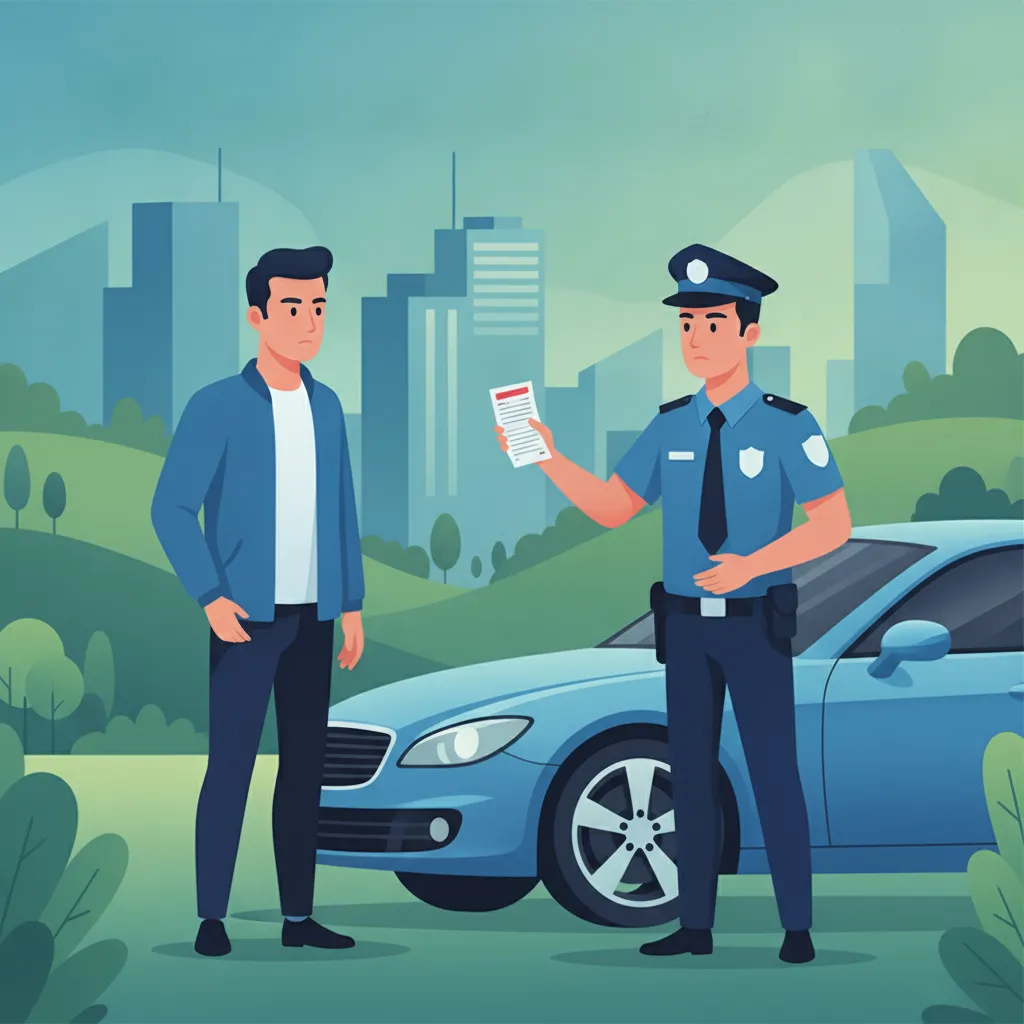
This lesson provides a clear overview of the legal penalties for traffic violations in Italy. It explains the structure of fines and the penalty point system that can lead to license suspension or revocation. The content also touches on more severe consequences, including criminal liability for incidents causing injury, to emphasize the importance of lawful riding.

This lesson defines the scope of the Italian Patente B license according to the Codice della Strada. It clarifies the specific types of vehicles, including maximum weight and passenger capacity, that can be operated. The content also details the official requirements for applicants, such as minimum age, necessary health certifications, and vision standards needed to qualify for the license.
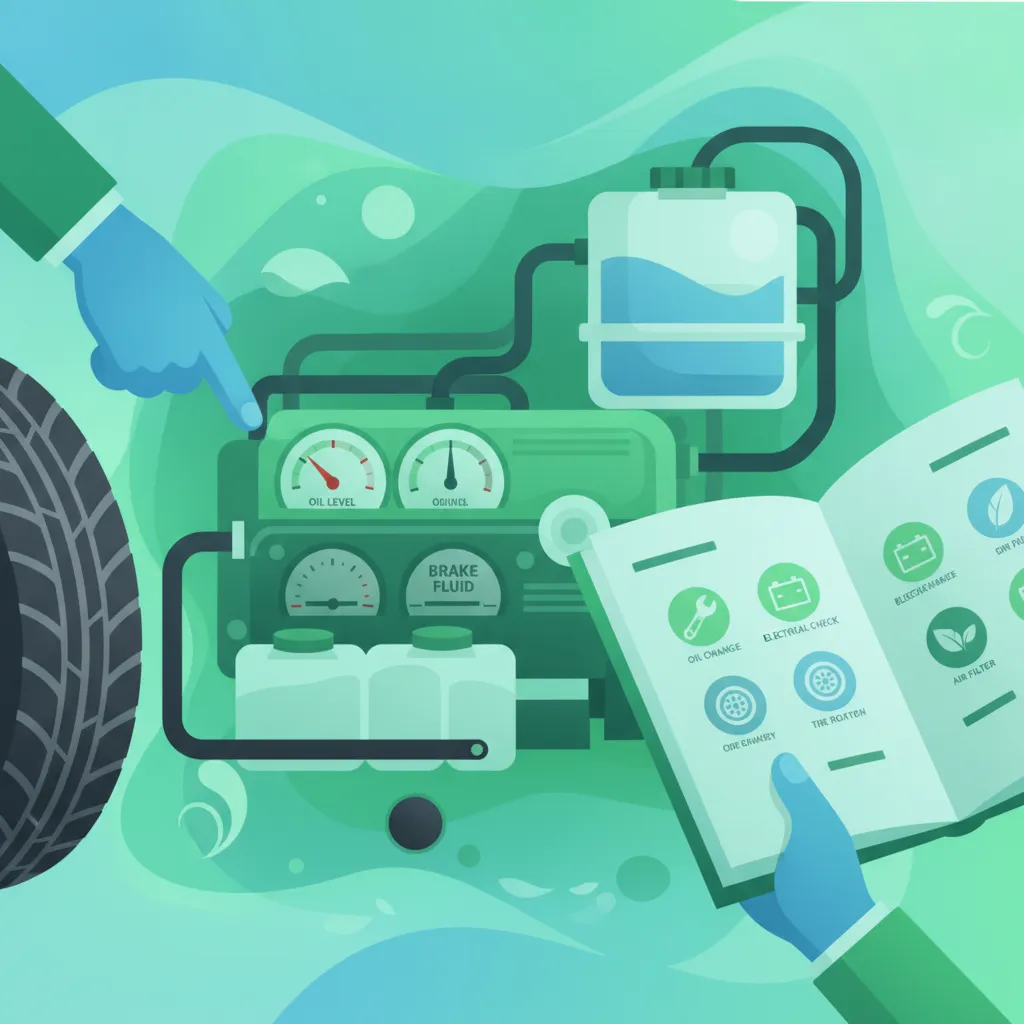
This lesson explains the difference between daily checks and long-term scheduled maintenance. It covers the legal requirement for periodic technical inspections ('revisione') to certify a vehicle's roadworthiness and the importance of adhering to manufacturer-recommended service intervals. Learners will understand their crucial role in reporting any mechanical defects promptly to ensure issues are rectified, maintaining the vehicle's safety and reliability over its service life.
This lesson focuses on the comprehensive duties of a motorcyclist, from ensuring vehicle and equipment legality to following traffic regulations. It covers key obligations mandated by the Codice della Strada, such as mandatory insurance coverage and adherence to environmental rules. The material reinforces the importance of responsible road conduct and the legal consequences of non-compliance.

This lesson covers the driver's legal responsibility for ensuring the safety of all passengers. It details the mandatory use of seat belts (cinture di sicurezza) for all occupants in both front and rear seats. The content provides a thorough explanation of the laws regarding child restraint systems, covering the different types of car seats required based on a child's age, weight, and height, and how to install them correctly.
Explore essential Italian vehicle compliance rules including registration (libretto di circolazione), mandatory RCA insurance, and the schedule and importance of periodic technical inspections (revisione) for road safety.
This lesson explains the difference between daily checks and long-term scheduled maintenance. It covers the legal requirement for periodic technical inspections ('revisione') to certify a vehicle's roadworthiness and the importance of adhering to manufacturer-recommended service intervals. Learners will understand their crucial role in reporting any mechanical defects promptly to ensure issues are rectified, maintaining the vehicle's safety and reliability over its service life.
This lesson provides a comprehensive overview of the essential documentation required for both the driver and the vehicle. It covers the driver's license (patente), CQC card, vehicle registration (carta di circolazione), insurance certificate, and transport-specific documents like the cargo manifest. Learners will understand the importance of ensuring all documents are valid and readily available for inspection by authorities to avoid legal penalties and operational delays.
This lesson focuses on the comprehensive duties of a motorcyclist, from ensuring vehicle and equipment legality to following traffic regulations. It covers key obligations mandated by the Codice della Strada, such as mandatory insurance coverage and adherence to environmental rules. The material reinforces the importance of responsible road conduct and the legal consequences of non-compliance.

This lesson details the continuous duties of a Patente AM license holder beyond passing the exam. It covers the importance of regular vehicle maintenance, including checks on tires, brakes, and lights. The lesson also reinforces the legal obligation to maintain valid insurance and registration while adhering to all traffic laws for personal and public safety.
This lesson covers the driver's legal responsibility for ensuring the safety of all passengers. It details the mandatory use of seat belts (cinture di sicurezza) for all occupants in both front and rear seats. The content provides a thorough explanation of the laws regarding child restraint systems, covering the different types of car seats required based on a child's age, weight, and height, and how to install them correctly.

This lesson delves into the specific articles of the Italian Codice della Strada that apply to heavy goods vehicles. It outlines the core legal and professional obligations of a driver, including the heightened duty of care owed to other road users and the responsibility for the vehicle's roadworthiness and load. Learners will understand the legal consequences of non-compliance, such as fines and sanctions, reinforcing the importance of adhering to all traffic regulations.
This lesson provides a thorough examination of the Italian motorcycle theory test's structure and content. It details the number of questions, the multiple-choice format, and the minimum score required to pass for the A1, A2, and A license categories. The content is designed to prepare learners for the specific knowledge areas and administrative procedures involved in taking the official exam.

This lesson covers the complete set of lighting, reflective equipment, and protective guards mandated for heavy vehicles. It explains the function of each light, from headlights to side markers, and the importance of keeping them clean and operational to ensure the vehicle is visible to others. The lesson also details the legal requirements and safety purpose of side guards and rear underrun protection, which are designed to protect vulnerable road users in a collision.

This lesson provides a structured, step-by-step guide to conducting a thorough pre-drive inspection. It outlines a systematic walk-around procedure, covering critical checks of tyres, wheels, lights, brakes, fluid levels, mirrors, and load security before starting any journey. Emphasizing this daily routine helps instill the professional habit of verifying vehicle roadworthiness and identifying potential issues before they become dangerous on the road.
This lesson details the importance of adhering to a motorcycle's recommended maintenance schedule to ensure safety and reliability. It explains the typical service intervals for changing critical fluids like oil and brake fluid, as well as replacing wear-and-tear items such as brake pads and tyres. The content highlights how preventative maintenance is key to identifying potential issues before they become hazardous.
Find clear answers to common questions learners have about Legal Obligations for B Licence Holders. Learn how the lesson is structured, which driving theory objectives it supports, and how it fits into the overall learning path of units and curriculum progression in Italy. These explanations help you understand key concepts, lesson flow, and exam focused study goals.
You are legally required to carry your valid driving licence while operating a vehicle. If you fail to produce it upon request by traffic authorities, you may be subject to administrative fines as stipulated by the Codice della Strada.
In Italy, a new vehicle must undergo its first technical inspection (revisione) four years after its initial registration, and every two years thereafter. Failure to do this on time is a serious offence that can lead to vehicle suspension.
Yes, having valid civil liability insurance (RC Auto) is a mandatory legal obligation for all vehicles on public roads. Without it, you are prohibited from driving, and the vehicle may be seized.
Yes, you must have the original registration document (Carta di Circolazione) with you at all times when driving. Photocopies are generally not accepted as a replacement for the original during traffic checks.
Start searching now to pinpoint exactly which Italian driving theory topics, road signs, or traffic rules you need to master. Use our advanced filters to build a custom practice session and ensure you're fully prepared for every aspect of your official driving licence exam.