
This lesson introduces eco-driving principles, focusing on techniques to improve fuel efficiency and reduce environmental impact while driving in Poland. You'll learn how small changes in your driving habits, like maintaining a steady speed and anticipating traffic, can lead to significant savings and a smaller carbon footprint. This final lesson in the unit consolidates your understanding of responsible driving, preparing you not only for the Category B theory exam but also for sustainable real-world driving.
Lesson content overview
Driving is an essential skill, and mastering it involves more than just controlling a vehicle and following traffic rules. It also means understanding how to drive responsibly, efficiently, and with minimal environmental impact. This lesson introduces eco-driving (also known as fuel-efficient driving), a systematic approach that optimises the interaction between the driver, the vehicle, and the traffic environment to minimise fuel consumption, reduce emissions, and enhance overall road safety.
For anyone preparing for the Polish Category B driving theory test, understanding eco-driving is crucial. Not only does it align with Poland's environmental policies and legal obligations regarding vehicle roadworthiness, but it also directly contributes to safer driving practices, reduced vehicle wear, and significant cost savings on fuel. This knowledge builds upon your understanding of vehicle controls, speed management, and the legal duty to maintain a roadworthy vehicle, all covered in earlier stages of your Polish Driving Theory – Comprehensive Category B License Preparation.
Eco-driving is a proactive driving style focused on efficiency and sustainability without compromising safety. It is founded on the principle that energy is conserved, meaning that smoother accelerations, reduced aerodynamic drag, and optimal engine loading directly translate to lower fuel burn. By adopting these techniques, drivers can achieve substantial reductions in fuel consumption and vehicle emissions, contributing to cleaner air and a healthier environment.
Beyond the ecological benefits, eco-driving also offers significant economic advantages. Reduced fuel consumption directly lowers running costs, while smoother driving habits decrease wear and tear on critical vehicle components such as brakes, tires, and the engine itself, leading to fewer repairs and a longer vehicle lifespan.
The core logic of eco-driving is rooted in basic physics and energy management:
Mastering eco-driving involves integrating several key principles into your daily driving habits. Each principle works synergistically with the others to maximise fuel efficiency and safety.
Anticipatory driving is the cornerstone of eco-driving and safe driving generally. It involves continuously observing the traffic environment ahead to predict changes and adjust your speed smoothly before they occur. This reduces the need for sudden braking or acceleration, which are major fuel consumers and safety risks.
Maintaining a constant speed within legal limits, without frequent acceleration and deceleration cycles, is vital for fuel efficiency. Fluctuating speeds place varying loads on the engine, leading to increased fuel consumption and wear.
Engine braking refers to using the engine's compression to slow the vehicle rather than relying solely on the friction brakes. This is achieved by lifting your foot off the accelerator while remaining in gear. Coasting involves allowing the vehicle to roll without fuel injection, often by remaining in gear with no throttle input or, in some cases, by briefly shifting into neutral.
When driving downhill, select a gear that prevents your vehicle from accelerating uncontrollably and allows you to maintain speed without heavy braking. This is safer and preserves your brakes.
Choosing the correct gear is crucial for fuel efficiency. The goal is to keep the engine operating within its most efficient RPM (Revolutions Per Minute) band, typically around 1500–2500 RPM for most passenger cars, while still providing sufficient power.
Driving in a gear that is too high for the current speed, causing the engine to struggle, vibrate, and operate below its optimal RPM range, leading to inefficiency and potential damage.
Idling means the engine is running while the vehicle is stationary. This consumes fuel unnecessarily and generates emissions.
A well-maintained vehicle runs more efficiently. Regular checks and servicing ensure that all systems operate as designed, preventing increased fuel consumption due to mechanical issues.
Every kilogram added to a vehicle increases its inertia, meaning more energy (and thus fuel) is required to accelerate and maintain speed.
Heating, ventilation, and air conditioning (HVAC) systems draw power directly from the engine, increasing fuel consumption.
Several Polish traffic laws and regulations support the principles of eco-driving, reinforcing the importance of responsible vehicle operation.
Always verify the exact wording and article numbers in the most current version of Polish traffic laws and local ordinances, as they can be subject to amendments.
Vehicle Roadworthiness (Art. 30, Polish Road Traffic Act):
Overloading Prohibition (Art. 91, Polish Traffic Act):
Neutral Coasting (Polish Regulation on vehicle operation, § 2-29):
Periodic Technical Inspection (Przegląd Techniczny):
Understanding common pitfalls can help you consciously develop better habits.
Eco-driving principles remain constant, but their application must adapt to varying environmental and traffic conditions.
Adopting eco-driving principles leads to a cascade of positive outcomes for the driver, the vehicle, and the environment.
Understanding these terms is key to mastering eco-driving.
Eco-driving is more than just a set of techniques; it's a philosophy of responsible and efficient vehicle operation. By integrating anticipatory scanning, steady-speed maintenance, efficient gear selection, engine braking, minimal idling, proper vehicle maintenance, thoughtful load management, and smart climate control, you can significantly reduce your fuel consumption and environmental footprint. These practices not only save money and extend vehicle life but also contribute to safer roads for everyone, aligning perfectly with the goals of comprehensive Category B license preparation in Poland. Mastery of eco-driving builds on fundamental knowledge of vehicle controls, speed management, and adapting to adverse weather, preparing you for a lifetime of efficient and safe driving.
Eco-driving is a proactive driving style focused on fuel efficiency and safety, based on anticipating traffic flow, maintaining steady speeds, and keeping the engine in its optimal RPM range. Key techniques include engine braking rather than neutral coasting, early gear shifts, minimising idling beyond 30 seconds, and ensuring proper vehicle maintenance including correct tire pressure. Polish law mandates roadworthy vehicles (Art. 30) and prohibits overloading (Art. 91), both of which directly impact fuel consumption. Consistent application of these principles can reduce fuel consumption by up to 15%, lower running costs, extend vehicle life, and contribute to safer roads and reduced environmental impact.
A short set of high-value points that capture the most important learning from this lesson.
Anticipatory driving is the cornerstone of eco-driving: scan 200m ahead in urban areas and 500m on highways to predict traffic changes and avoid unnecessary braking.
Engine braking (keeping the car in gear when decelerating) is generally more fuel-efficient than coasting in neutral because modern fuel-injection engines cut fuel supply completely when decelerating in gear.
Maintaining a steady speed within legal limits, ideally slightly below the maximum on motorways (e.g., 110 km/h instead of 130 km/h), significantly reduces aerodynamic drag and fuel consumption.
Proper vehicle maintenance—including correct tire pressure, regular oil changes, and removing unnecessary roof racks—is mandatory under Polish law (Art. 30) and directly affects fuel efficiency.
Early up-shifting to keep engine RPM in the optimal 1500–2500 range reduces fuel waste without compromising performance or safety.
Explore all units and lessons included in this driving theory course.
Under-inflated tires by just 0.3 Bar (5 psi) can increase fuel consumption by up to 3%; check tire pressure weekly and inflate to manufacturer specifications.
Coasting in neutral is permitted in Poland only when it does not compromise vehicle control, but engine braking is usually more efficient for modern vehicles.
Polish law prohibits overloading a vehicle beyond its maximum permissible weight (Art. 91), which increases fuel consumption and is a safety hazard.
If stationary for more than 15–30 seconds, switching off the engine saves fuel; many Polish cities also have local ordinances restricting extended idling.
Eco-driving techniques can reduce fuel consumption by up to 15% on mixed trips while also extending vehicle component lifespan.
Leaving roof racks or bike carriers mounted when not in use, which increases aerodynamic drag by 5–10% and wastes fuel unnecessarily.
Believing that coasting in neutral always saves more fuel than engine braking; in reality, modern engines cut fuel entirely during in-gear deceleration, making engine braking more efficient.
Staying in lower gears at high RPMs, thinking more power means safer driving; this wastes fuel and increases engine wear without safety benefit.
Failing to adjust eco-driving technique for slippery conditions—engine braking is less effective on snow or ice, and neutral coasting should be avoided entirely on descents.
Using cruise control in stop-and-go traffic, causing unnecessary acceleration and braking that wastes fuel and increases wear.
Lesson content overview
A short set of high-value points that capture the most important learning from this lesson.
Anticipatory driving is the cornerstone of eco-driving: scan 200m ahead in urban areas and 500m on highways to predict traffic changes and avoid unnecessary braking.
Engine braking (keeping the car in gear when decelerating) is generally more fuel-efficient than coasting in neutral because modern fuel-injection engines cut fuel supply completely when decelerating in gear.
Maintaining a steady speed within legal limits, ideally slightly below the maximum on motorways (e.g., 110 km/h instead of 130 km/h), significantly reduces aerodynamic drag and fuel consumption.
Proper vehicle maintenance—including correct tire pressure, regular oil changes, and removing unnecessary roof racks—is mandatory under Polish law (Art. 30) and directly affects fuel efficiency.
Early up-shifting to keep engine RPM in the optimal 1500–2500 range reduces fuel waste without compromising performance or safety.
Explore all units and lessons included in this driving theory course.
Under-inflated tires by just 0.3 Bar (5 psi) can increase fuel consumption by up to 3%; check tire pressure weekly and inflate to manufacturer specifications.
Coasting in neutral is permitted in Poland only when it does not compromise vehicle control, but engine braking is usually more efficient for modern vehicles.
Polish law prohibits overloading a vehicle beyond its maximum permissible weight (Art. 91), which increases fuel consumption and is a safety hazard.
If stationary for more than 15–30 seconds, switching off the engine saves fuel; many Polish cities also have local ordinances restricting extended idling.
Eco-driving techniques can reduce fuel consumption by up to 15% on mixed trips while also extending vehicle component lifespan.
Leaving roof racks or bike carriers mounted when not in use, which increases aerodynamic drag by 5–10% and wastes fuel unnecessarily.
Believing that coasting in neutral always saves more fuel than engine braking; in reality, modern engines cut fuel entirely during in-gear deceleration, making engine braking more efficient.
Staying in lower gears at high RPMs, thinking more power means safer driving; this wastes fuel and increases engine wear without safety benefit.
Failing to adjust eco-driving technique for slippery conditions—engine braking is less effective on snow or ice, and neutral coasting should be avoided entirely on descents.
Using cruise control in stop-and-go traffic, causing unnecessary acceleration and braking that wastes fuel and increases wear.
Explore search topics learners often look for when studying Eco-Driving Principles and Fuel-Efficient Behaviour. These topics reflect common questions about road rules, driving situations, safety guidance, and lesson level theory preparation for learners in Poland.
Browse additional driving theory lessons that cover connected traffic rules, road signs, and common driving situations related to this topic. Improve your understanding of how different rules interact across everyday traffic scenarios.
Understand how regular vehicle maintenance, including tire pressure and engine tuning, directly impacts fuel economy and emissions. Learn essential checks for eco-driving compliance in Poland.
This lesson introduces the principles of eco-driving, a set of techniques designed to minimize fuel consumption and emissions. It explains how factors like smooth acceleration, maintaining a steady speed, and anticipating traffic flow can lead to significant fuel savings. Learners will understand the benefits of reducing unnecessary idling, using cruise control effectively on appropriate terrain, and planning routes to avoid congestion, contributing to both economic and environmental sustainability.
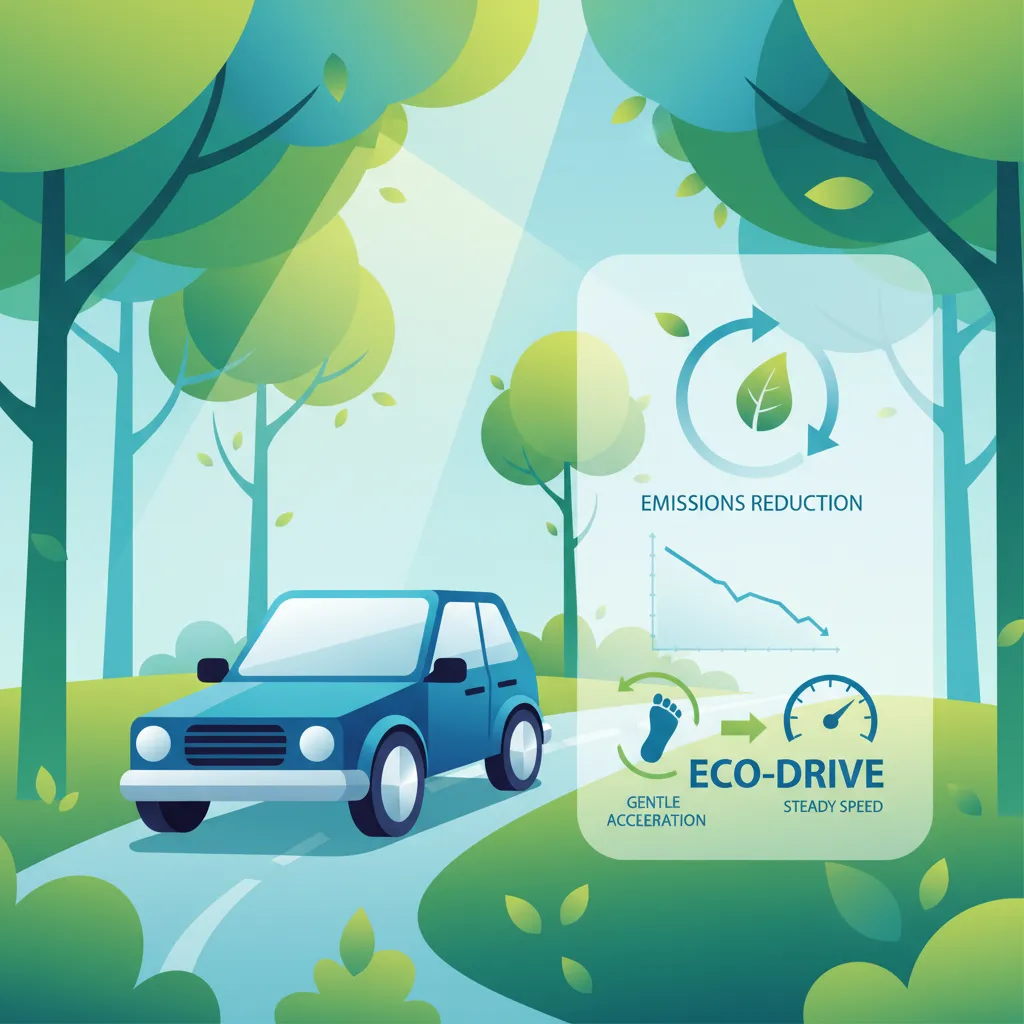
This final lesson consolidates the principles of eco-driving and places them in the wider context of environmental responsibility. It recaps techniques like smooth acceleration and braking, maintaining correct tire pressure, and removing unnecessary weight from the vehicle. The goal is to instill driving habits that are not only economical but also contribute to reducing pollution and conserving resources.
This lesson introduces routine vehicle safety checks that every driver should perform. It covers how to check tire pressure and tread depth, verify essential fluid levels like oil and coolant, and ensure all lights are operational. Performing these simple inspections regularly helps prevent breakdowns and enhances overall road safety for everyone.
In this lesson, learners focus on the essential maintenance tasks required to keep a motorcycle in optimal condition across seasonal changes. The content outlines a comprehensive pre-ride checklist that includes tyre pressure verification, brake fluid inspection, battery performance checks, and chain lubrication. Learners will also study the selection of appropriate seasonal tyres and oil viscosity adjustments, helping prevent mechanical failures and enhance rider safety.
Master anticipatory driving, steady speed control, and efficient gear selection to save fuel and reduce your environmental impact. Learn eco-driving strategies for Polish roads.
This lesson introduces the principles of eco-driving, a set of techniques designed to minimize fuel consumption and emissions. It explains how factors like smooth acceleration, maintaining a steady speed, and anticipating traffic flow can lead to significant fuel savings. Learners will understand the benefits of reducing unnecessary idling, using cruise control effectively on appropriate terrain, and planning routes to avoid congestion, contributing to both economic and environmental sustainability.
This final lesson consolidates the principles of eco-driving and places them in the wider context of environmental responsibility. It recaps techniques like smooth acceleration and braking, maintaining correct tire pressure, and removing unnecessary weight from the vehicle. The goal is to instill driving habits that are not only economical but also contribute to reducing pollution and conserving resources.
This lesson provides practical methods for maintaining a safe buffer zone behind the vehicle in front. It explains the 'two-second rule' as a minimum following distance in good conditions and how to increase it to three or more seconds in adverse weather. This skill is critical for allowing enough time to react and brake safely to avoid rear-end collisions.
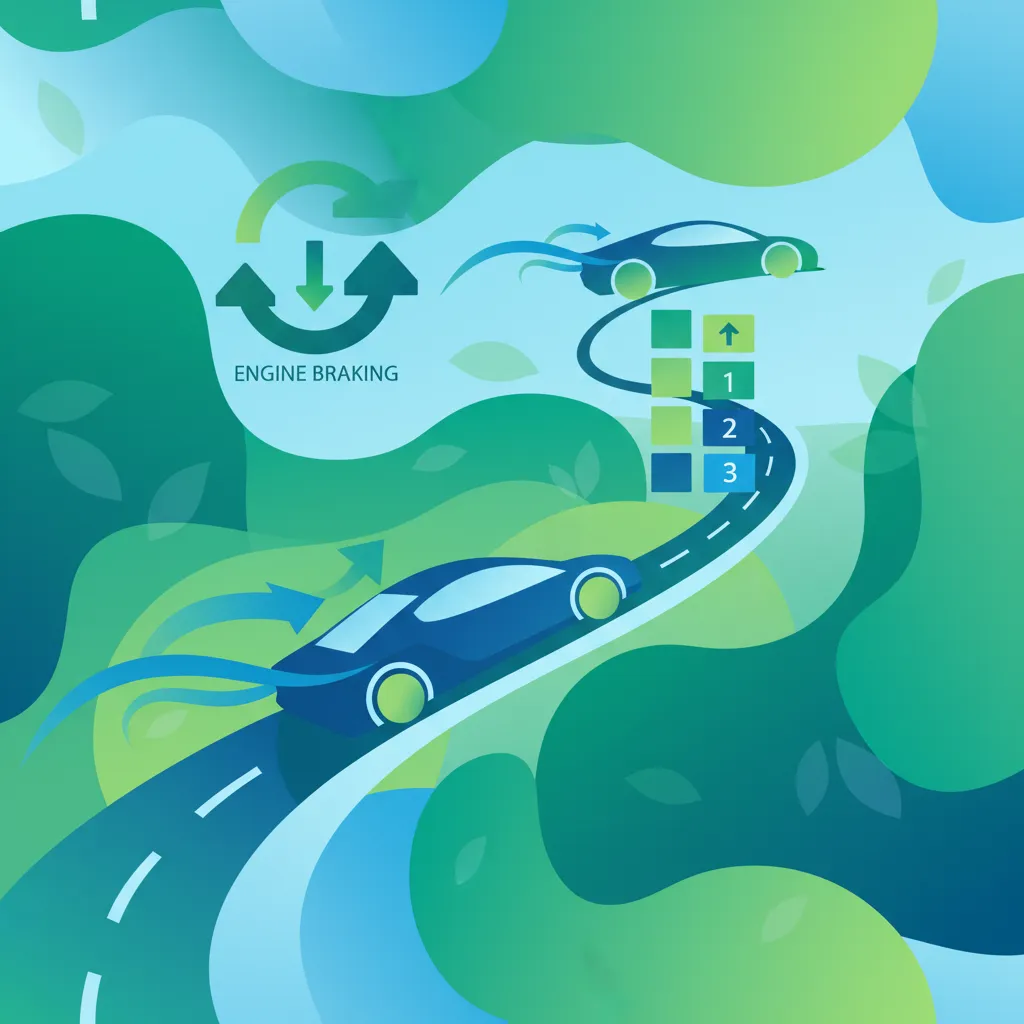
This lesson focuses on optimizing powertrain performance through skilled driving techniques. It teaches learners how to select the correct gears and shift points by understanding the engine's torque curve, which is crucial for both efficient acceleration and fuel economy. Additionally, the content details the proper application of engine braking and retarders to control speed on descents, preserving the service brakes and maintaining vehicle control without excessive fuel use.
In this lesson, learners explore riding on rural and countryside roads, where road markings may be sparse and surface conditions varied. The content covers safe overtaking in single-lane sections, interaction with agricultural vehicles and animals, and the handling of gravel or uneven surfaces. Learners will also study the importance of anticipating curves and adjusting speed to light conditions, equipping them with the skills needed for safe countryside travel.
Find clear answers to common questions learners have about Eco-Driving Principles and Fuel-Efficient Behaviour. Learn how the lesson is structured, which driving theory objectives it supports, and how it fits into the overall learning path of units and curriculum progression in Poland. These explanations help you understand key concepts, lesson flow, and exam focused study goals.
No, eco-driving is not about driving below the speed limit. It's about driving smoothly, anticipating traffic, maintaining a steady speed appropriate for conditions, and avoiding sudden acceleration or braking. The goal is to maximize efficiency, not to minimize speed.
Anticipating traffic, like looking far ahead for traffic lights or slow-downs, allows you to gradually release the accelerator instead of braking suddenly. This uses the car's momentum, often allowing you to avoid a complete stop and subsequent acceleration, which consumes much more fuel, especially in urban areas of Poland.
Yes, absolutely. A well-maintained vehicle, with correctly inflated tires, clean air filters, and regular engine servicing, operates far more efficiently. This directly reduces fuel consumption and emissions, making it a core aspect of eco-driving, and a potential topic for questions in the Polish theory test.
Beyond saving fuel and money, eco-driving reduces wear and tear on your vehicle's components, such as brakes and tires, leading to lower maintenance costs. It also promotes a smoother, safer driving style, reducing the risk of accidents and contributing to a more relaxed driving experience on Polish roads.
Yes, even with an automatic transmission, you can practice eco-driving. Focus on smooth acceleration, anticipating traffic to avoid harsh braking, and maintaining a consistent speed. Many modern automatic cars also have eco-modes that optimize gear changes for fuel efficiency.
Build custom practice sessions tailored precisely to your needs. Focus on areas requiring improvement, review specific Polish road signs, or master complex traffic rules to ensure full preparation for your official driving license exam.