
This lesson introduces key eco-driving principles essential for Polish Category C HGV drivers. You'll learn how to adopt fuel-efficient strategies that not only reduce operational costs and environmental impact but also enhance driving safety. Understanding these techniques is crucial for both your theory exam and responsible heavy vehicle operation on Polish roads.
Lesson content overview
Driving a heavy goods vehicle (HGV) effectively involves more than just mastering its size and power; it also requires adopting intelligent driving techniques that minimize fuel consumption and environmental impact. This lesson delves into the principles of eco-driving, a systematic approach designed to optimize the interaction between vehicle dynamics, traffic conditions, and the road environment. For professional drivers aiming for their Polish Category C Heavy Goods Vehicle Theory certification, understanding these strategies is crucial not only for passing the exam but also for achieving significant operational savings, enhancing safety, and contributing to environmental sustainability.
Eco-driving, or ecological driving, refers to a set of driving behaviors and techniques aimed at reducing fuel consumption, minimizing emissions, and decreasing wear and tear on vehicle components, all while maintaining high safety standards. For heavy goods vehicles, where fuel costs represent a substantial portion of operational expenses, mastering eco-driving principles translates directly into significant financial savings and improved profitability. It also aligns with increasingly stringent environmental regulations in Poland and across the European Union, such as the Euro VI emission standards.
A systematic approach to driving that prioritizes fuel efficiency, reduced emissions, and minimized vehicle wear through smooth, anticipatory, and optimized driving techniques.
The benefits extend beyond economics and ecology. Smooth, controlled driving reduces the likelihood of abrupt maneuvers, thereby lowering accident risk and promoting a safer working environment for the driver and other road users. This systematic approach builds directly upon foundational knowledge of vehicle technical specifications, speed management, braking dynamics, and load management, integrating these elements into a cohesive strategy for responsible and efficient HGV operation.
Fuel consumption in a heavy goods vehicle is a complex interplay of various physical factors and driver inputs. At its core, fuel is consumed to overcome resistance forces and generate the kinetic energy required for movement. By understanding these fundamentals, drivers can identify opportunities to reduce unnecessary fuel expenditure.
Fuel efficiency in HGVs is often measured in terms of Specific Fuel Consumption (SFC), which quantifies the amount of fuel used per unit of engine power output (typically grams per kilowatt-hour, g/kWh). Modern diesel engines for Category C vehicles are designed to operate most efficiently within a specific RPM (revolutions per minute) range, often between 1,200 and 1,800 RPM. Staying within this "sweet spot" minimizes SFC and thus fuel use.
Another concept is Vehicle Specific Power (VSP), which represents the power demand per unit mass of the vehicle. Higher VSP indicates greater power demand, directly translating to higher fuel consumption. Drivers can influence VSP by avoiding aggressive acceleration and deceleration, which create high power demands. Gentle throttle inputs and maintaining momentum are key to keeping VSP low and fuel efficiency high. For instance, maintaining 85 km/h on a flat motorway in a higher gear (e.g., 9th) will result in significantly lower fuel consumption than accelerating frequently to 100 km/h in a lower gear.
Aerodynamic drag is the resistance a vehicle encounters from the air as it moves. This force is proportional to the square of the vehicle's speed, meaning that even a small increase in speed can lead to a disproportionately large increase in drag. Key factors influencing aerodynamic drag include the vehicle's frontal area (A) and its drag coefficient (Cd), which is a measure of its shape's slipperiness through the air.
For Category C vehicles, their large frontal area makes them particularly susceptible to aerodynamic drag, especially at higher speeds typical of motorways. External accessories, unsecured loads protruding from the vehicle body, or even unfavorable side winds can significantly increase both the effective frontal area and the drag coefficient, thereby raising fuel demand. Polish road regulations, specifically Article 5-14 of the road traffic law, prohibit unsecured external loads that could obstruct visibility or increase drag, reinforcing the importance of proper loading for both safety and fuel economy. A truck with a roof-mounted box, for example, can experience up to 5% higher fuel consumption at 90 km/h compared to an unloaded variant.
Rolling resistance is the energy loss that occurs as tyres deform and flex due to the weight of the vehicle and friction with the road surface. This resistance is a constant factor in fuel consumption, but it can be significantly influenced by a few key variables.
The most critical factor is tyre pressure. Under-inflated tyres have a larger contact patch with the road, leading to increased deformation and higher rolling resistance. This not only wastes fuel but also generates excessive heat, which can lead to premature tyre wear and even blowouts. Manufacturer-recommended tyre pressure, often ranging from 85 to 95 psi for heavy trucks, must be meticulously maintained. Polish regulations require tyres to be within legal pressure ranges and not excessively worn. For instance, a drop of just 0.7 bar (approximately 10 psi) in tyre pressure can increase fuel consumption by up to 2% per 100 km.
Other factors influencing rolling resistance include tyre type (aggressive tread patterns increase resistance) and road surface condition (rougher surfaces naturally increase friction and resistance). Regular checks of tyre pressure and condition are essential preventative measures for any professional driver.
Adopting specific driving behaviors can dramatically improve fuel efficiency in Category C vehicles. These principles are interconnected, and their combined application yields the greatest benefits.
Rapid acceleration demands a large amount of power from the engine, pushing it out of its most efficient RPM range and into a zone of higher specific fuel consumption. Smooth acceleration, on the other hand, involves a gradual increase in vehicle speed, utilizing the optimal RPM range and shifting gears early.
When starting from a standstill or accelerating to merge onto a highway, drivers should aim to increase speed progressively, rather than "flooring it." This means engaging an early gear shift, allowing the engine to operate at lower, more efficient RPMs, typically around 1,200-1,800 RPM for diesel trucks. Maintaining momentum is also key; drivers should avoid situations that require hard braking followed by rapid acceleration. Gentle acceleration and anticipation of traffic flow are far more fuel-efficient than sudden bursts of speed.
Kinetic energy is lost every time a vehicle accelerates and then decelerates. Therefore, keeping the vehicle's speed as constant as feasible within legal limits is a cornerstone of eco-driving. This reduces the number of acceleration and deceleration cycles, saving fuel.
On long, flat sections of motorways or expressways, where traffic flow is consistent, cruise control can be a highly effective tool for maintaining a steady speed. It reduces driver workload and optimizes throttle input more precisely than a human driver often can. Polish regulations permit the use of cruise control only on motorways and expressways where speed limits are constant and not lower than 50 km/h. It should be deactivated on urban roads, winding routes, and steep gradients where constant speed is impractical or unsafe.
Using cruise control on sloping roads or in heavy traffic can be counterproductive to fuel efficiency. On descents, it may cause the engine to over-rev to maintain speed, while in traffic, it can lead to frequent, abrupt braking and acceleration.
For Category C vehicles in Poland, the maximum permissible speed is generally 80 km/h on motorways and expressways, and 70 km/h on other roads. Cruise control settings must always adhere to these limits.
Anticipatory driving is about reading the road ahead and predicting traffic movements to adjust speed and gear changes in advance. This proactive approach allows drivers to smooth out their driving, avoid unnecessary braking, and utilize the vehicle's momentum.
By constantly scanning far ahead, observing brake lights, traffic signals, and road signs, drivers can make informed decisions. For example, spotting brake lights two vehicles ahead provides sufficient time to release the accelerator and allow the truck to coast in neutral or engine brake gently. This reduces the need for heavy braking and subsequent acceleration, significantly saving fuel. This technique also allows for maintaining safe following distances without violating traffic rules.
Optimized gear selection is crucial for keeping the engine within its efficient RPM band. Drivers should select the highest gear that provides sufficient torque for the required speed and load without "lugging" the engine (operating at too low RPM, causing strain). This typically means upshifting early when accelerating and utilizing higher gears for cruising. Knowledge of the vehicle’s specific gear-ratio map is essential.
Engine braking involves using the engine's resistance to slow the vehicle down, rather than solely relying on the service brakes. This is achieved by reducing accelerator input and, if necessary, downshifting to a lower gear. Many Category C vehicles are also equipped with exhaust brakes or "Jake brakes" which further enhance engine braking capabilities. Engine braking helps preserve the service brakes, reduces wear, and can contribute to fuel efficiency by avoiding unnecessary acceleration later. On long downhill gradients (e.g., 5% grade), downshifting to gear 3 and using engine braking is a safe and fuel-efficient way to control speed, preventing brake overheating. However, caution is advised on icy roads, where aggressive engine braking could lead to wheel lock.
Idling occurs when the engine runs while the vehicle is stationary. While it might seem negligible, idling consumes fuel without providing any motion and generates unnecessary emissions. For heavy goods vehicles, minimizing idling time is a straightforward way to save fuel.
Common scenarios for idling include waiting at loading docks, rest stops, or in heavy traffic. While brief stops at traffic lights often necessitate keeping the engine running for quick restarts, prolonged waits are opportunities for fuel savings. Polish law allows engine shutdown during mandatory stops when the vehicle is safely parked, though this cannot be stopped at traffic lights where vehicle motion is required. Local city ordinances may even prohibit idling for more than 3 minutes in urban zones to reduce air pollution. For instance, shutting off the engine during a 10-minute wait at a loading dock can save up to 0.5 litres of diesel.
If stationary for more than 30 seconds to a minute, especially in urban environments or at loading bays, consider turning off the engine. Modern engines are designed to handle frequent starts and stops.
The route chosen can significantly impact fuel consumption. Routes with smoother traffic flow, fewer elevation changes, and minimal stop-and-go situations are inherently more fuel-efficient. Each acceleration from a standstill requires a substantial amount of fuel, so minimizing these cycles is key.
Professional drivers should utilize GPS systems with real-time traffic data to identify and avoid congestion. Considering the time of day and knowing alternate routes can also help circumvent fuel-wasting bottlenecks. For instance, choosing a route that adds a few extra kilometers but avoids a perpetually congested city centre can result in lower overall fuel consumption and faster journey times.
While primarily a safety and legal concern, proper load distribution and securement also play a role in fuel efficiency. An optimally balanced load reduces rolling resistance by evenly distributing weight across all axles, preventing excessive strain on any single tyre or axle. This also contributes to vehicle stability and handling.
Conversely, an improperly secured load can shift during transit, affecting the vehicle's balance and potentially increasing rolling resistance. Loads that protrude unnecessarily from the vehicle's profile can also increase aerodynamic drag, especially at higher speeds. Polish regulations (Rozporządzenie Ministra Infrastruktury) establish maximum permissible axle loads and mandate proper cargo securement to prevent movement, ensuring both safety and optimal vehicle performance. Evenly distributing weight across axles can reduce tyre wear and potentially lower fuel consumption by 1-2% over long distances.
Eco-driving principles are not just suggestions; many are intertwined with legal requirements designed to promote road safety and environmental protection within Poland and the EU. Adherence to these regulations is mandatory for all Category C drivers.
Compliance with these rules is fundamental for professional drivers, ensuring safe, legal, and environmentally responsible operation of heavy goods vehicles.
Effective eco-driving requires adapting techniques to varying environmental and operational contexts.
The adoption of eco-driving strategies yields substantial benefits across multiple dimensions:
Eco-driving for Category C heavy goods vehicles is a holistic approach to driving that integrates a deep understanding of vehicle mechanics, physics, and traffic regulations with thoughtful, proactive driving techniques. Mastering these strategies not only ensures compliance with Polish and EU road safety and environmental regulations but also provides tangible economic benefits for professional drivers and transport companies.
The core of eco-driving lies in smoothness (acceleration, braking), anticipation (traffic flow, road features), and optimization (gear selection, speed, load). By consistently applying these principles, drivers can significantly reduce fuel consumption, lower emissions, extend the lifespan of their vehicles, and contribute to safer roads. This lesson builds upon critical knowledge covered in other sections of the Polish Category C Heavy Goods Vehicle Theory curriculum, including speed management, stopping distances, braking techniques, adaptation to weather, and load management, forming an essential part of responsible professional driving.
Eco-driving for Polish Category C HGV drivers is a systematic approach combining smooth vehicle operation, strategic anticipation, and mechanical optimization to minimize fuel consumption and emissions. Key techniques include maintaining engine RPM within the 1,200–1,800 sweet spot, using cruise control only on appropriate roads, applying engine braking on descents, and managing idling time. Fuel efficiency is heavily influenced by aerodynamic drag (which rises with speed squared), tyre pressure (critical for rolling resistance), and load distribution across axles. Polish regulations—including the Road Traffic Act, EU Euro VI emission standards, and speed limits of 80 km/h on motorways—frame these practices as both economic necessities and legal obligations for professional HGV operation.
A short set of high-value points that capture the most important learning from this lesson.
Eco-driving integrates vehicle mechanics, physics, and traffic regulations to reduce fuel consumption while maintaining safety for Category C HGVs.
Diesel engines operate most efficiently between 1,200 and 1,800 RPM; staying within this range minimizes Specific Fuel Consumption (SFC) and fuel waste.
Aerodynamic drag increases proportionally with the square of speed, making 80 km/h significantly more fuel-efficient than higher speeds for trucks.
Anticipatory driving—reading the road ahead and adjusting speed and gear accordingly—eliminates unnecessary braking and acceleration cycles.
Proper tyre pressure (85–95 psi for heavy trucks) reduces rolling resistance; even a 0.7 bar drop can increase fuel consumption by up to 2% per 100 km.
Explore all units and lessons included in this driving theory course.
Polish regulations restrict cruise control to motorways and expressways with constant speed limits not lower than 50 km/h; it must be deactivated on slopes or in heavy traffic.
Engine braking on long downgrades preserves service brakes and avoids fuel-wasting acceleration afterward, but requires caution on icy roads.
Idling for more than 30–60 seconds wastes fuel; modern engines handle frequent starts better than prolonged idling.
Maximum speed for Category C vehicles is 80 km/h on motorways and 70 km/h on other roads; eco-driving means maintaining these limits consistently.
Loads must be secured within the vehicle outline; protruding cargo increases drag and fuel consumption, and may violate Polish traffic law (Art. 5-14).
Aggressive acceleration pushes the engine out of its efficient RPM band, dramatically increasing specific fuel consumption per unit of power.
Using cruise control on steep gradients or in heavy traffic causes the engine to over-rev or trigger frequent braking, negating fuel savings.
Allowing the engine to 'lug' by staying in too high a gear at low RPM strains the engine and increases fuel consumption.
Neglecting tyre pressure checks; under-inflated tyres significantly increase rolling resistance and fuel waste without obvious symptoms.
Failing to anticipate traffic conditions, leading to repeated heavy braking followed by acceleration—the most fuel-inefficient driving pattern.
Lesson content overview
A short set of high-value points that capture the most important learning from this lesson.
Eco-driving integrates vehicle mechanics, physics, and traffic regulations to reduce fuel consumption while maintaining safety for Category C HGVs.
Diesel engines operate most efficiently between 1,200 and 1,800 RPM; staying within this range minimizes Specific Fuel Consumption (SFC) and fuel waste.
Aerodynamic drag increases proportionally with the square of speed, making 80 km/h significantly more fuel-efficient than higher speeds for trucks.
Anticipatory driving—reading the road ahead and adjusting speed and gear accordingly—eliminates unnecessary braking and acceleration cycles.
Proper tyre pressure (85–95 psi for heavy trucks) reduces rolling resistance; even a 0.7 bar drop can increase fuel consumption by up to 2% per 100 km.
Explore all units and lessons included in this driving theory course.
Polish regulations restrict cruise control to motorways and expressways with constant speed limits not lower than 50 km/h; it must be deactivated on slopes or in heavy traffic.
Engine braking on long downgrades preserves service brakes and avoids fuel-wasting acceleration afterward, but requires caution on icy roads.
Idling for more than 30–60 seconds wastes fuel; modern engines handle frequent starts better than prolonged idling.
Maximum speed for Category C vehicles is 80 km/h on motorways and 70 km/h on other roads; eco-driving means maintaining these limits consistently.
Loads must be secured within the vehicle outline; protruding cargo increases drag and fuel consumption, and may violate Polish traffic law (Art. 5-14).
Aggressive acceleration pushes the engine out of its efficient RPM band, dramatically increasing specific fuel consumption per unit of power.
Using cruise control on steep gradients or in heavy traffic causes the engine to over-rev or trigger frequent braking, negating fuel savings.
Allowing the engine to 'lug' by staying in too high a gear at low RPM strains the engine and increases fuel consumption.
Neglecting tyre pressure checks; under-inflated tyres significantly increase rolling resistance and fuel waste without obvious symptoms.
Failing to anticipate traffic conditions, leading to repeated heavy braking followed by acceleration—the most fuel-inefficient driving pattern.
Explore search topics learners often look for when studying Eco-Driving and Fuel-Efficient Strategies. These topics reflect common questions about road rules, driving situations, safety guidance, and lesson level theory preparation for learners in Poland.
Browse additional driving theory lessons that cover connected traffic rules, road signs, and common driving situations related to this topic. Improve your understanding of how different rules interact across everyday traffic scenarios.
Learn how strategic route planning, real-time traffic data, and avoiding congestion can significantly improve fuel efficiency and reduce operational costs for Category C vehicles in Poland. Essential theory for economical HGV operation.

This lesson equips drivers with the skills to operate a large vehicle within the challenging confines of an urban environment. It addresses how to navigate narrow streets, deal with traffic calming measures, and manage frequent stop-and-go situations while being vigilant for pedestrians and other road users. The content also emphasizes the importance of meticulous route planning to avoid unsuitable roads and the use of anticipation to maintain smooth progress and minimize disruption in congested areas.
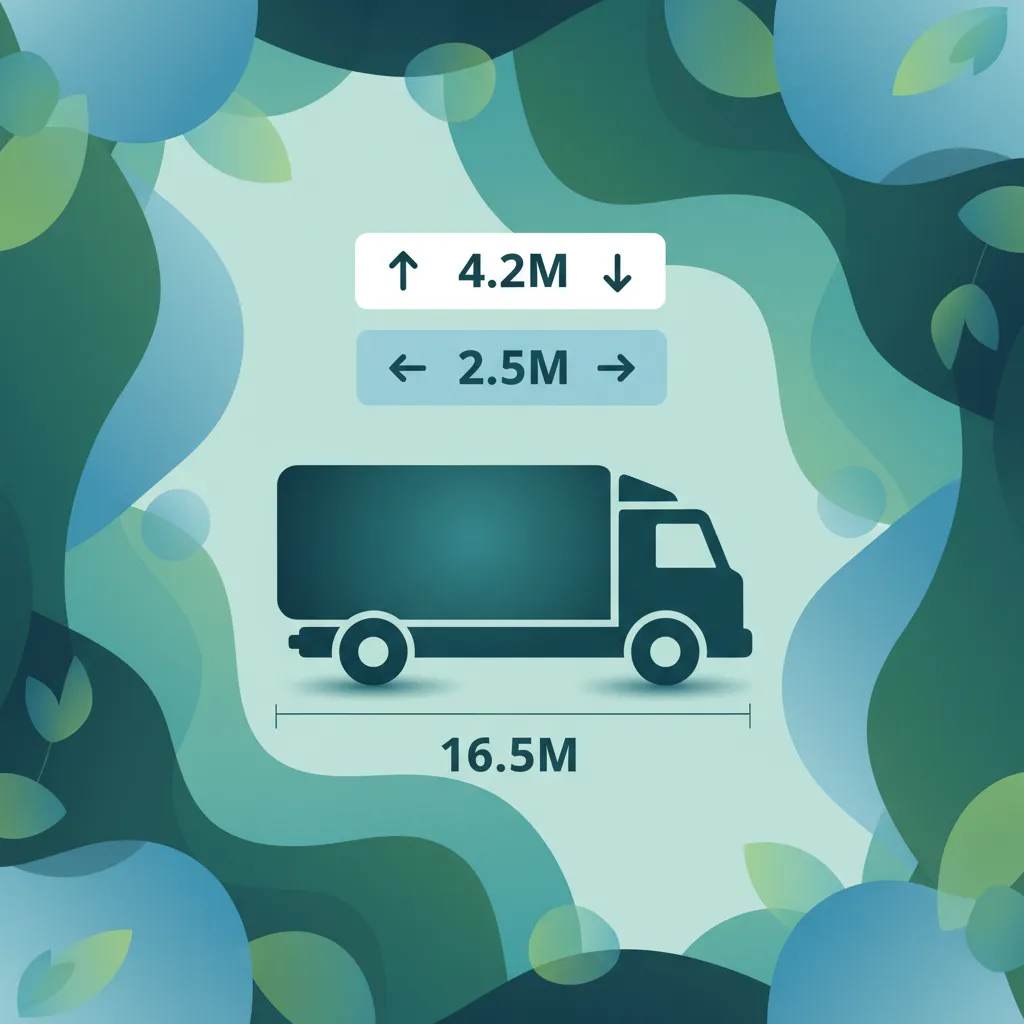
This lesson concentrates on the specific road signs that are of utmost importance to HGV drivers. It details how to interpret signs indicating maximum permissible weight, axle load, vehicle height, and overall length. Understanding these restrictions is crucial for effective route planning to avoid bridges with low clearance, roads with weight limits, or tunnels that cannot accommodate the vehicle's dimensions, thus preventing accidents and infrastructure damage.
This lesson introduces the concept of eco-driving, a style that promotes fuel efficiency and reduces environmental impact. It teaches techniques such as maintaining a steady speed, anticipating traffic flow to avoid unnecessary braking, and ensuring the vehicle is well-maintained. These simple habits can lead to significant savings on fuel and reduce a driver's carbon footprint.
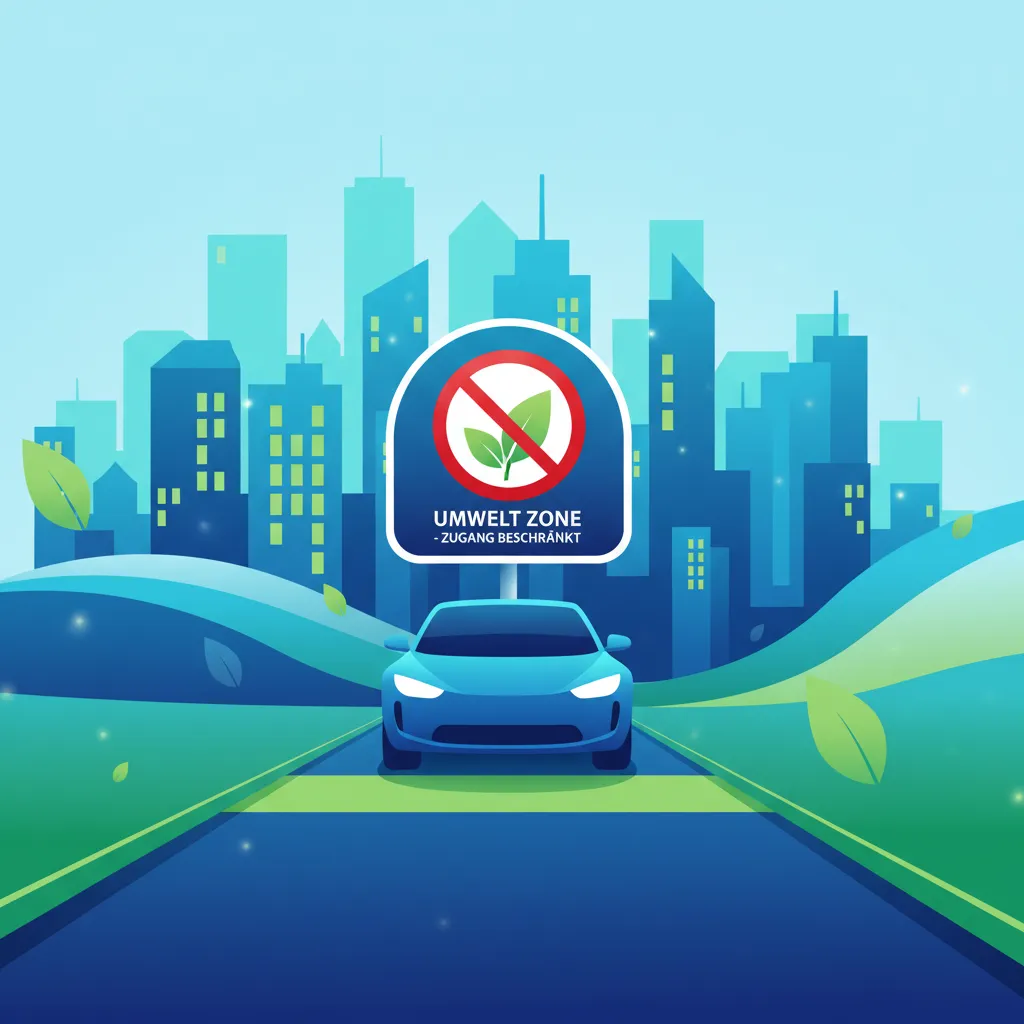
This lesson addresses the increasingly common restrictions on HGV access to urban areas and designated low-emission zones. It explains how to identify these zones through specific signage and understand the criteria for entry, which may be based on the vehicle's emission standard or subject to time-of-day limitations. Learners will become familiar with the necessity of obtaining special permits for city center deliveries and the legal consequences of violating these access regulations.
This lesson focuses on the specific challenges HGVs face when navigating roundabouts. It details the correct procedure for approach, including selecting the appropriate lane based on the intended exit and yielding to traffic already circulating. The content emphasizes the need to account for the vehicle's large turning radius and off-tracking to avoid encroaching on adjacent lanes or mounting curbs, ensuring a smooth and safe passage through the roundabout.
This lesson outlines the statutory speed limits that professional drivers of Category C vehicles must adhere to on Polish roads. It clearly distinguishes the maximum permitted speeds in built-up areas, on single carriageways, and on motorways. The content also explains how to interpret road signs that may indicate temporary or vehicle-specific speed restrictions, ensuring drivers remain compliant with the law and avoid penalties from speed enforcement measures.
This lesson explains the specialized techniques required for initiating movement and bringing a heavy, loaded truck to a halt. It emphasizes fine clutch and throttle control to overcome inertia without causing driveline stress or cargo shift. Learners will also study methods for smooth, gradual braking that account for the vehicle's significant momentum, ensuring safety, passenger comfort, and the integrity of the cargo while minimizing wear on the braking system.
This lesson provides comprehensive guidelines for safely transporting agricultural equipment, focusing on proper load securing techniques and weight distribution calculations. It discusses route planning that accounts for road conditions, bridge weight capacities, and seasonal obstacles like mud or snow. The lesson also emphasizes the use of protective equipment and regular compliance verification for safe operations.
This lesson explores the environmental impact of HGV operations and the regulations designed to mitigate it. It covers modern emission control systems and standards (e.g., Euro 6), and the importance of compliance with rules governing noise pollution. The content reinforces eco-driving techniques as a primary method for reducing fuel consumption and emissions, promoting the driver's role in achieving more sustainable and environmentally friendly logistics operations.

This lesson provides an overview of the key EU regulations that harmonize the road transport industry across member states. It focuses on the standardized rules for drivers' hours and rest periods, which are designed to combat fatigue and enhance safety. The content also explains the principles of cabotage—the transport of goods within one member state by a haulier from another—and the necessary documentation for smooth and legal cross-border operations.
Explore how factors like load distribution, tyre pressure, and aerodynamic drag directly influence fuel consumption in heavy goods vehicles. Understand the physics behind eco-driving for Polish driving theory compliance.
This lesson introduces the concept of eco-driving, a style that promotes fuel efficiency and reduces environmental impact. It teaches techniques such as maintaining a steady speed, anticipating traffic flow to avoid unnecessary braking, and ensuring the vehicle is well-maintained. These simple habits can lead to significant savings on fuel and reduce a driver's carbon footprint.
This lesson outlines the statutory speed limits that professional drivers of Category C vehicles must adhere to on Polish roads. It clearly distinguishes the maximum permitted speeds in built-up areas, on single carriageways, and on motorways. The content also explains how to interpret road signs that may indicate temporary or vehicle-specific speed restrictions, ensuring drivers remain compliant with the law and avoid penalties from speed enforcement measures.
This lesson provides a detailed breakdown of vehicle classifications relevant to the Category C licence. It explains the concept of 'dopuszczalna masa całkowita' (permissible total weight) and how it defines a vehicle's category. Learners will identify different truck types, such as rigid vehicles, based on their axle configurations and understand the specific roadworthiness and registration requirements for each class, ensuring correct vehicle operation under the law.

This lesson provides an in-depth look at the transmission and drivetrain systems in heavy trucks. It explains the differences between manual and automated manual transmissions and details the function of components like the clutch, drive shafts, and differential. Learners will study effective gear shifting strategies that account for load and terrain, ensuring efficient power delivery, improved fuel economy, and reduced mechanical wear on the entire drivetrain system.
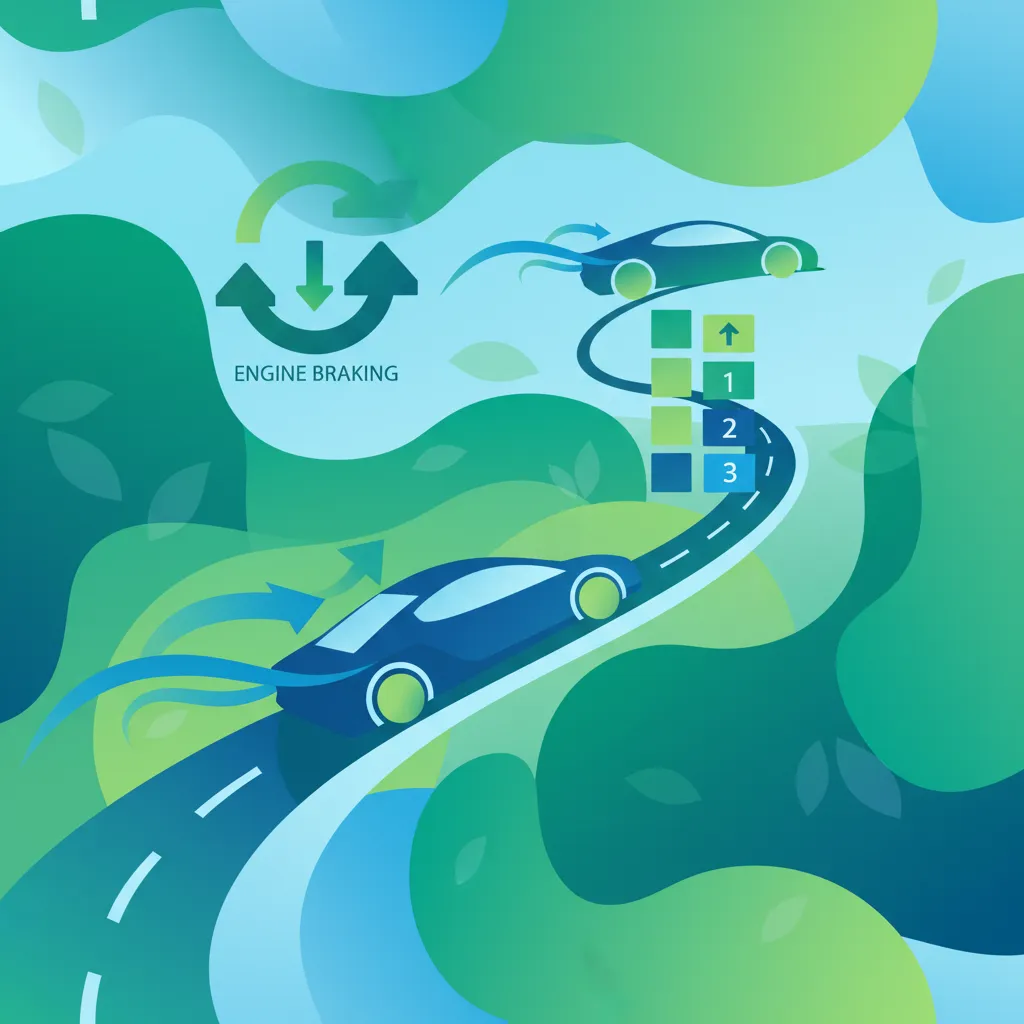
This lesson focuses on optimizing powertrain performance through skilled driving techniques. It teaches learners how to select the correct gears and shift points by understanding the engine's torque curve, which is crucial for both efficient acceleration and fuel economy. Additionally, the content details the proper application of engine braking and retarders to control speed on descents, preserving the service brakes and maintaining vehicle control without excessive fuel use.
This lesson defines the scope of vehicles permitted under a Category B licence, primarily passenger cars up to 3,500 kg maximum permissible mass. It clarifies the rules on seating capacity and the regulations for towing trailers, distinguishing between a standard B licence and a B+E entitlement. Understanding these classifications ensures drivers operate vehicles legally and safely.

This lesson provides an overview of powertrain technologies in modern buses, including diesel, hybrid, and electric systems. It covers the function of engines and transmissions and their impact on acceleration and fuel economy. Emphasis is placed on understanding emissions standards like Euro 6 and the principles of efficient power management.
This final lesson consolidates the principles of eco-driving and places them in the wider context of environmental responsibility. It recaps techniques like smooth acceleration and braking, maintaining correct tire pressure, and removing unnecessary weight from the vehicle. The goal is to instill driving habits that are not only economical but also contribute to reducing pollution and conserving resources.
This lesson provides practical methods for maintaining a safe buffer zone behind the vehicle in front. It explains the 'two-second rule' as a minimum following distance in good conditions and how to increase it to three or more seconds in adverse weather. This skill is critical for allowing enough time to react and brake safely to avoid rear-end collisions.
This lesson details the speed limits applicable to buses in Poland across urban, rural, and motorway settings. It emphasizes how vehicle size and passenger load influence safe operating speeds and required stopping distances. The content also covers speed-control device usage and practical techniques for maintaining consistent speed while ensuring passenger comfort.
Find clear answers to common questions learners have about Eco-Driving and Fuel-Efficient Strategies. Learn how the lesson is structured, which driving theory objectives it supports, and how it fits into the overall learning path of units and curriculum progression in Poland. These explanations help you understand key concepts, lesson flow, and exam focused study goals.
No, eco-driving for Category C HGVs isn't about driving slower but driving smarter. It emphasizes smooth acceleration, maintaining steady speeds within limits, and anticipating traffic to avoid unnecessary braking and accelerating, which saves fuel without compromising safety or journey times.
Anticipating traffic allows you to avoid sudden braking and acceleration. By looking far ahead and reacting early to changes, you can maintain momentum, use engine braking more effectively, and reduce the need for harsh deceleration, significantly cutting down fuel consumption in your Category C vehicle.
Cruise control can be fuel-efficient on flat or gently undulating motorways, helping maintain a steady speed. However, on hilly terrain, it can cause the engine to work harder than necessary, using more fuel. For optimal efficiency in a Polish HGV, it's often better to manage speed manually on varied gradients.
For Category C HGV drivers in Poland, eco-driving significantly reduces fuel consumption, leading to lower emissions of CO2 and other pollutants. This contributes to better air quality and helps meet environmental regulations, aligning with sustainable transport practices crucial for modern logistics.
Build custom practice sessions tailored precisely to your needs. Focus on areas requiring improvement, review specific Polish road signs, or master complex traffic rules to ensure full preparation for your official driving license exam.