
This lesson focuses on the unique challenges of riding on rural and countryside roads in Poland. We’ll cover how to safely navigate less predictable environments, where road markings might be minimal and surfaces varied, preparing you for specific scenarios on your Category A theory exam.
Lesson content overview
Jazda motocyklem po drogach wiejskich i terenach pozamiejskich w Polsce stanowi unikalne wyzwanie, które wymaga od kierowcy szczególnej uwagi i adaptacji. W przeciwieństwie do jazdy miejskiej, gdzie dominują jasne oznakowania i przewidywalne schematy ruchu, drogi wiejskie charakteryzują się często minimalnym oznakowaniem poziomym, zmienną szerokością pasów, a także niejednorodnymi warunkami nawierzchni. Niniejsza lekcja ma na celu przygotowanie kandydatów na prawo jazdy kategorii A do bezpiecznego i świadomego poruszania się w tym środowisku, minimalizując ryzyko wypadków i kolizji.
Zrozumienie specyfiki dróg wiejskich jest kluczowe dla każdego motocyklisty w Polsce. Drogi te stanowią znaczną część sieci komunikacyjnej i są często miejscem wypadków związanych z utratą kontroli nad pojazdem, spowodowaną zmianami nawierzchni lub błędnie ocenionymi manewrami wyprzedzania. Poprawne opanowanie wiedzy i umiejętności z tej lekcji jest niezbędne do bezpiecznej jazdy i spełnienia wymagań prawnych dla posiadaczy prawa jazdy kategorii A.
Drogi wiejskie i pozamiejskie w Polsce różnią się znacząco od dróg miejskich czy autostrad. Ich specyfika wymusza na motocyklistach przyjęcie odmiennego modelu myślenia i strategii jazdy. Zrozumienie tych różnic to pierwszy krok do bezpiecznego poruszania się po terenach wiejskich.
Wyróżniamy kilka typów dróg wiejskich, które napotka motocyklista:
Na drogach wiejskich oznakowanie poziome (linie na jezdni) jest często minimalne, słabo widoczne lub całkowicie brakujące. To oznacza, że motocyklista musi polegać na własnej ocenie sytuacji, antycypować potencjalne zagrożenia i interpretować środowisko drogi. Oznakowanie pionowe (znaki drogowe) może być również rzadsze lub mniej widoczne z powodu roślinności czy braku oświetlenia.
Jednym z najważniejszych aspektów bezpiecznej jazdy po drogach wiejskich jest umiejętność ciągłej adaptacji prędkości do panujących warunków. Ograniczenia prędkości na znakach drogowych to jedynie maksymalne dopuszczalne wartości, a nie zalecenia. Prawo o ruchu drogowym wyraźnie nakazuje (Art. 5/28 p. 1 ust. 2) kierującemu pojazdem jazdę z prędkością zapewniającą panowanie nad pojazdem, z uwzględnieniem warunków, w jakich ruch się odbywa.
Wyprzedzanie na drogach wiejskich to manewr, który wiąże się ze zwiększonym ryzykiem ze względu na ograniczoną widoczność i zmienną szerokość jezdni. Prawo o ruchu drogowym (Art. 22 cust. 3) jasno określa, że wyprzedzanie jest zabronione tam, gdzie widoczność jest niewystarczająca.
150 metrów wolnej drogi przed sobą, zanim rozpoczniesz wyprzedzanie, zwłaszcza na drogach jednojezdniowych.30 metrów od wyprzedzanego pojazdu.Na drogach wiejskich często spotyka się pojazdy rolnicze oraz zwierzęta hodowlane. Każde z tych spotkań wymaga specjalnych środków ostrożności.
Ciągniki, kombajny, przyczepy rolnicze – to częsty widok na polskich drogach wiejskich. Charakteryzują się one:
Zasady: Prawo o ruchu drogowym nakazuje (Art. 5/7) ustąpienie pierwszeństwa pojazdom rolniczym w określonych sytuacjach, np. gdy włączają się do ruchu z drogi gruntowej na asfaltową, jeśli nie ma innych znaków drogowych regulujących pierwszeństwo. Zawsze zakładaj, że kierowca pojazdu rolniczego może nie widzieć motocyklisty lub błędnie ocenić jego prędkość. Zachowaj duży odstęp i bądź gotów do hamowania.
Zwierzęta są nieprzewidywalne. Mogą nagle pojawić się na drodze z lasu, z pola lub zza zabudowań.
A-18b (Zwierzęta dzikie) i zmniejsz prędkość w obszarach leśnych, zwłaszcza o zmierzchu i świcie.Drogi wiejskie rzadko oferują idealnie gładki asfalt. Motocyklista musi być przygotowany na jazdę po różnorodnych, często wymagających nawierzchniach.
Zmniejsz prędkość: To najważniejsza zasada. Niska prędkość daje więcej czasu na reakcję i pozwala utrzymać kontrolę.
Płynność: Unikaj gwałtownych przyspieszeń, hamowań i skrętów. Wszystkie ruchy powinny być miękkie i płynne.
Lekkie hamowanie: Na szutrze czy piasku używaj przede wszystkim tylnego hamulca, delikatnie. Przedni hamulec na luźnej nawierzchni bardzo łatwo blokuje koło.
Wyprostowany motocykl: Staraj się utrzymywać motocykl w jak najbardziej pionowej pozycji. Minimalizuj pochylenie w zakrętach.
Stopy na podnóżkach: Choć kuszące jest opuszczenie stóp, aby "ratować" się przed upadkiem, na luźnej nawierzchni znacznie stabilniej jest utrzymać obie stopy na podnóżkach, co pozwala kontrolować środek ciężkości.
Antycypacyjne prowadzenie motocykla jest kluczowe w każdym środowisku, ale na drogach wiejskich nabiera szczególnego znaczenia ze względu na liczne "ślepłe" zakręty (blind corners) i brak jasnych wskazówek dotyczących toru jazdy.
3-5 sekund jazdy. Pozwala to na wczesne wykrycie zakrętów, dziur, zwierząt czy pojazdów.W warunkach słabego oświetlenia, charakterystycznych dla dróg wiejskich bez latarni, odpowiednie użycie świateł i kierunkowskazów jest absolutnie kluczowe dla bezpieczeństwa motocyklisty.
Prawem o ruchu drogowym (Art. 31/5), światła mijania są obowiązkowe od zmierzchu do świtu, a także w ciągu dnia w warunkach ograniczonej widoczności (mgła, deszcz, zachmurzenie).Prawem o ruchu drogowym (Art. 31/4), światła drogowe należy przyciemnić (przełączyć na mijania) w odległości 150 metrów od nadjeżdżającego pojazdu, a także w przypadku jazdy za innym pojazdem, aby nie oślepiać jego kierowcy przez lusterka.Warunki pogodowe i oświetleniowe mają ogromny wpływ na bezpieczeństwo jazdy, zwłaszcza na drogach wiejskich.
aquaplaning, czyli utrata kontaktu opon z nawierzchnią.20-30%, zwiększ odstęp od poprzedzającego pojazdu, używaj delikatnych ruchów kierownicą i hamulców.Znajomość i przestrzeganie polskich przepisów jest fundamentalne dla bezpieczeństwa i legalności jazdy. Poniżej przedstawiono najważniejsze artykuły dotyczące jazdy na drogach wiejskich.
150 metrów od pojazdu, a także gdy zbliża się do pojazdu poprzedzającego, jeżeli kierujący tym pojazdem może być oślepiony.2 sekundy w idealnych warunkach, a więcej w trudnych.Rozpoznanie typowych błędów popełnianych na drogach wiejskich jest kluczowe dla ich unikania.
150 metrów wolnej drogi przed sobą. Jeśli masz wątpliwości, nie wyprzedzaj.A-18b (Zwierzęta dzikie), szczególnie o zmierzchu i świcie.Jazda na drogach wiejskich i pozamiejskich wymaga od motocyklisty stałej koncentracji, elastyczności i umiejętności szybkiej adaptacji do zmieniających się warunków. Pamiętaj o tych kluczowych zasadach:
150 metrów, zawsze sygnalizuj i zachowaj bezpieczny odstęp.150 metrów od nadjeżdżającego ruchu.2 sekundy odstępu, a w trudnych warunkach 3 sekundy lub więcej.Prawa o ruchu drogowym, szczególnie tych dotyczących prędkości, wyprzedzania, pierwszeństwa i oświetlenia.Rural riding in Poland presents distinct challenges because road markings are often minimal or worn away, forcing riders to continuously assess conditions and adjust speed accordingly. Key hazards include agricultural vehicles moving slowly with limited driver visibility, unpredictable wildlife on the road, and frequently varied surfaces such as gravel, sand, mud, or potholes. Overtaking is permitted only when at least 150 metres of clear visibility exists, and riders must signal early, accelerate briskly, and maintain a safe gap before returning to lane. When riding on loose or uneven surfaces, keep the motorcycle upright, use gentle throttle control, favour the rear brake, and keep both feet on the pegs. Polish traffic law mandates dipped headlights from dusk to dawn, correct use of high beam, and strict adherence to priority rules for agricultural vehicles, with riders expected to anticipate blind corners and adapt speed for curves, weather, and reduced lighting conditions.
A short set of high-value points that capture the most important learning from this lesson.
Rural roads have minimal or worn markings, so riders must rely on their own judgment and anticipate hazards rather than following lane lines.
Always adjust speed to surface conditions, visibility, weather, and road geometry—posted limits are maximums, not recommendations.
Safe overtaking on single-lane rural roads requires at least 150 metres of clear visibility ahead before beginning the maneuver.
Agricultural vehicles are slow, wide, and unpredictable—assume the driver cannot see you and be ready to yield or brake.
On loose surfaces like gravel or sand, use gentle throttle input, favour rear braking, and keep both feet on the pegs for stability.
Explore all units and lessons included in this driving theory course.
Watch for warning sign A-18b (Wild animals) and reduce speed in forested areas, especially at dusk and dawn when wildlife is most active.
Agricultural vehicles entering from unpaved field roads have priority according to Polish traffic law when no other signs regulate the situation.
Dipped headlights are mandatory from dusk until dawn and during daylight when visibility is reduced by fog, rain, or heavy cloud.
High beam must be dipped at least 150 metres before oncoming traffic and when following another vehicle to avoid blinding the driver.
Maintain a minimum 2-second gap in good conditions, extending to 3 seconds or more on wet, gravel, or poorly lit roads.
Attempting to overtake around blind corners, hillcrests, or at intersections where visibility is insufficient—always wait for 150m clear sightline.
Riding too fast on gravel, sand, or mud and then attempting emergency braking, which easily locks the wheels on loose surfaces.
Failing to dip high beam within 150 metres of oncoming traffic, which is both dangerous and violates the Prawo o ruchu drogowym.
Putting a foot down on wet or uneven surfaces reduces stability; keep both feet on the pegs and let the tyres maintain balance.
Ignoring priority rules when agricultural vehicles enter from field roads, leading to dangerous conflicts with slow-moving machinery.
Lesson content overview
A short set of high-value points that capture the most important learning from this lesson.
Rural roads have minimal or worn markings, so riders must rely on their own judgment and anticipate hazards rather than following lane lines.
Always adjust speed to surface conditions, visibility, weather, and road geometry—posted limits are maximums, not recommendations.
Safe overtaking on single-lane rural roads requires at least 150 metres of clear visibility ahead before beginning the maneuver.
Agricultural vehicles are slow, wide, and unpredictable—assume the driver cannot see you and be ready to yield or brake.
On loose surfaces like gravel or sand, use gentle throttle input, favour rear braking, and keep both feet on the pegs for stability.
Explore all units and lessons included in this driving theory course.
Watch for warning sign A-18b (Wild animals) and reduce speed in forested areas, especially at dusk and dawn when wildlife is most active.
Agricultural vehicles entering from unpaved field roads have priority according to Polish traffic law when no other signs regulate the situation.
Dipped headlights are mandatory from dusk until dawn and during daylight when visibility is reduced by fog, rain, or heavy cloud.
High beam must be dipped at least 150 metres before oncoming traffic and when following another vehicle to avoid blinding the driver.
Maintain a minimum 2-second gap in good conditions, extending to 3 seconds or more on wet, gravel, or poorly lit roads.
Attempting to overtake around blind corners, hillcrests, or at intersections where visibility is insufficient—always wait for 150m clear sightline.
Riding too fast on gravel, sand, or mud and then attempting emergency braking, which easily locks the wheels on loose surfaces.
Failing to dip high beam within 150 metres of oncoming traffic, which is both dangerous and violates the Prawo o ruchu drogowym.
Putting a foot down on wet or uneven surfaces reduces stability; keep both feet on the pegs and let the tyres maintain balance.
Ignoring priority rules when agricultural vehicles enter from field roads, leading to dangerous conflicts with slow-moving machinery.
Explore search topics learners often look for when studying Rural and Countryside Riding. These topics reflect common questions about road rules, driving situations, safety guidance, and lesson level theory preparation for learners in Poland.
Browse additional driving theory lessons that cover connected traffic rules, road signs, and common driving situations related to this topic. Improve your understanding of how different rules interact across everyday traffic scenarios.
Explore advanced strategies for navigating Polish rural roads. Learn to safely manage interactions with agricultural vehicles, anticipate hazards like wildlife, and handle varied road surfaces for Category A licence theory.

This lesson focuses on the unique demands of urban riding within Polish cities, addressing traffic lights, pedestrian zones, one-way streets, and the presence of tram tracks. Learners will study safe lane positioning on narrow roads, blind-spot management, and how to share the road with buses and cyclists. The content also covers strategies for navigating stop-and-go traffic, anticipating signal changes, and maintaining visibility in dense urban environments.

This lesson explores the unique characteristics of driving on rural roads. It highlights potential hazards such as sharp, unbanked curves, poor road surfaces, and limited visibility due to hills and vegetation. The content teaches drivers to anticipate these conditions and adjust their speed and position to navigate safely.
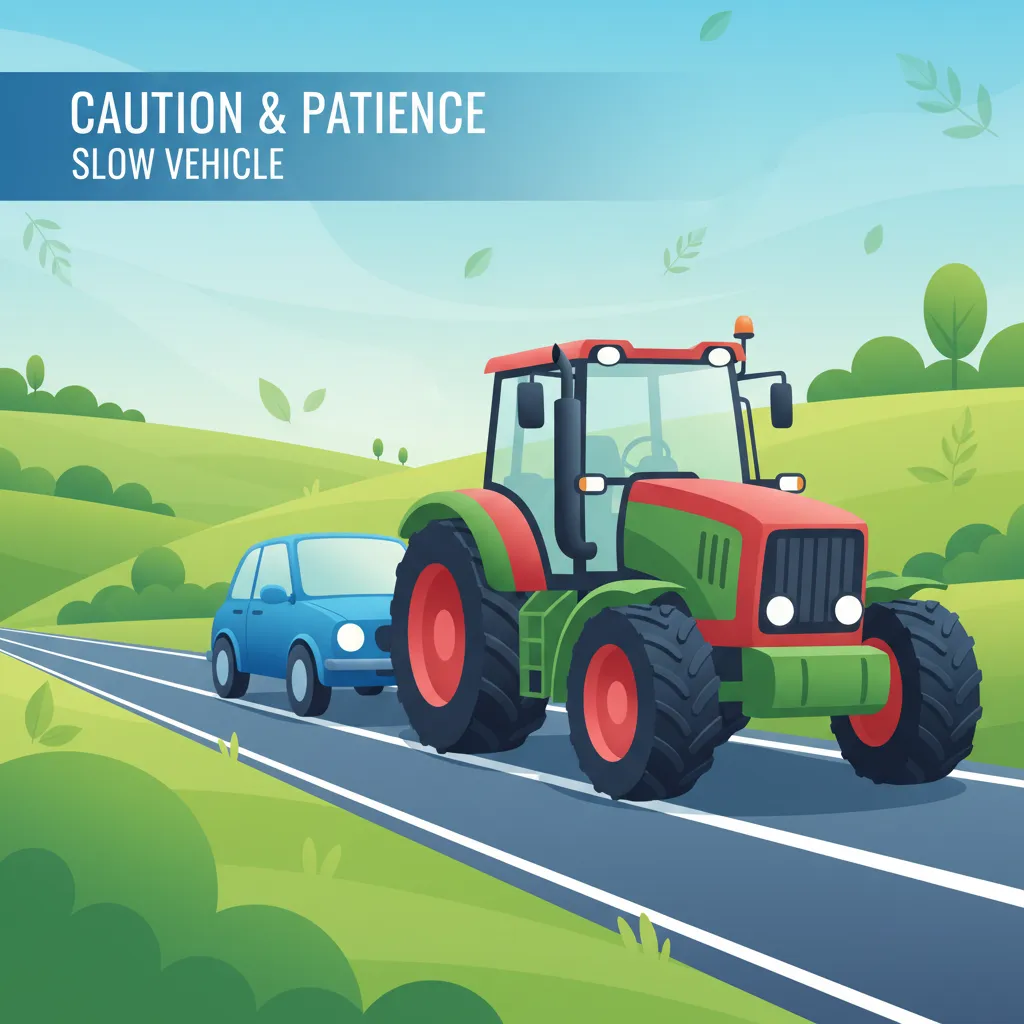
This lesson addresses encounters with slow-moving vehicles, such as tractors, which are common on rural roads. It teaches drivers to be patient, maintain a safe following distance, and only overtake when it is absolutely safe and legal to do so. Recognizing the large size and limited maneuverability of such vehicles is crucial for avoiding accidents.
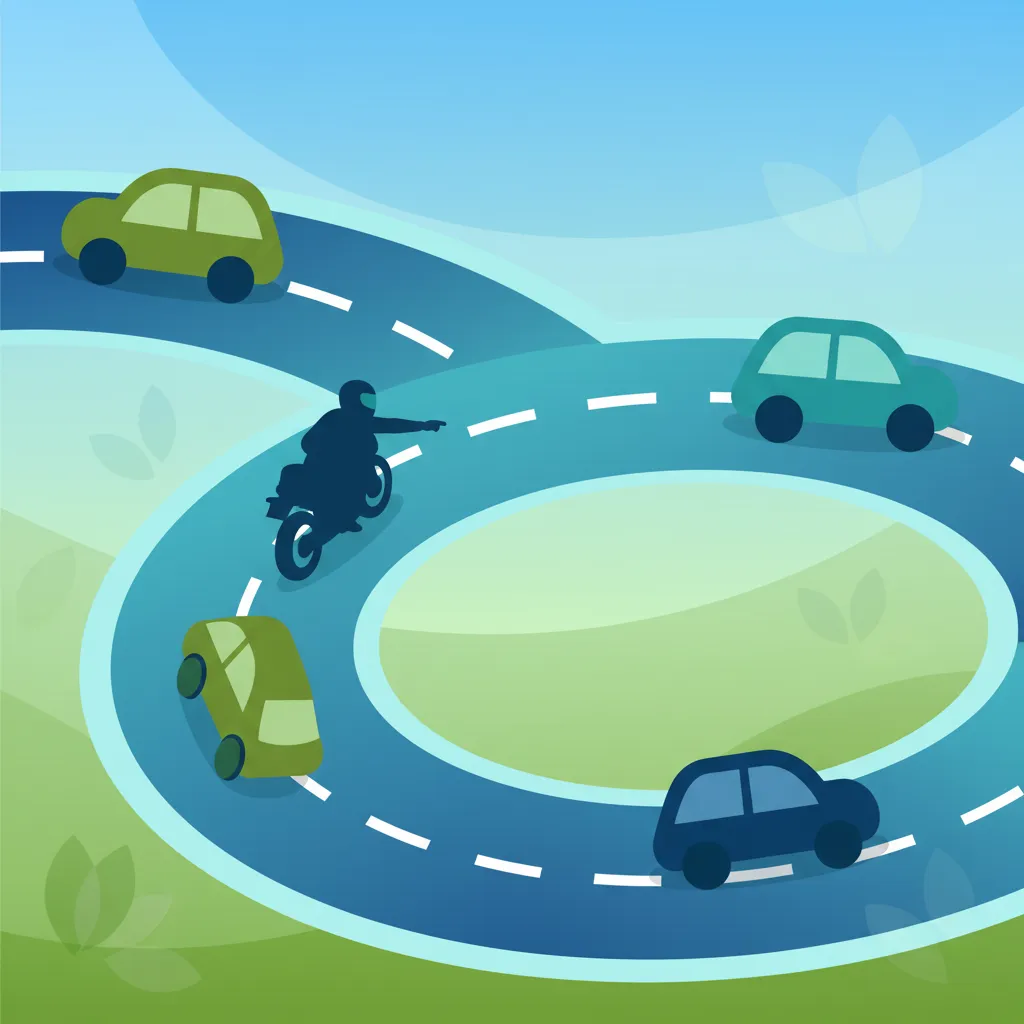
This lesson focuses on the proper techniques for negotiating roundabouts, which are common in Polish urban environments. Learners will learn the correct approach to entering a roundabout, yielding to circulating traffic, selecting the appropriate lane, and signaling intentions when exiting. The lesson also discusses speed adaptation for safe circulation and blind-spot checks before changing lanes within the roundabout, ensuring smooth and legal navigation.

This lesson examines the specific rules and etiquette for riding on Polish motorways and high-speed highways, focusing on proper lane positioning, entry via acceleration lanes, and maintaining appropriate following distances. Learners will study overtaking protocols at high speeds, proper use of deceleration lanes for exits, and techniques for aerodynamic positioning. The content also covers safe lane changes and emergency lane usage to ensure efficient travel.

This lesson examines the variety of pavement markings that define lane structures, traffic flow, and special zones on Polish roads. Learners will study solid and broken lines, lane division markings, and the distinct symbols for bicycle lanes, bus lanes, and tram tracks, all of which affect motorcyclist positioning. The lesson also addresses surface texture indicators that signal changing road conditions, enabling riders to maintain correct lane discipline.
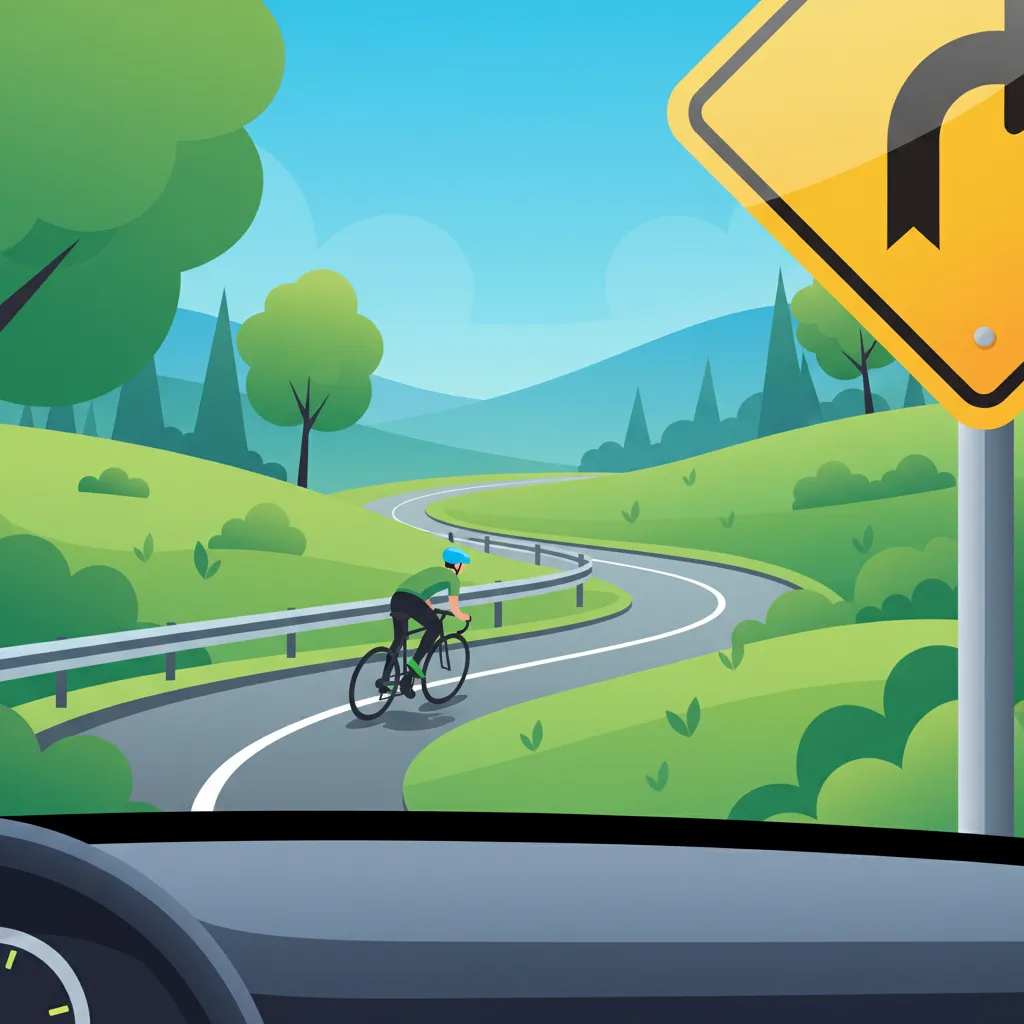
In this lesson, learners study warning signs that alert drivers to potential hazards, focusing on those that are particularly relevant to motorcyclists. The content includes signs indicating curves, slippery surfaces, animal crossings, tram tracks, and construction zones, each requiring specific riding adjustments. The lesson teaches riders how to interpret these signs to anticipate hazards, adjust speed appropriately, and maintain a safe distance from potential dangers.

This lesson introduces the fundamental principles of right-of-way on Polish roads, explaining how priority road signs determine the flow of traffic at intersections. Learners will explore the hierarchy of vehicle classes and the specific obligations that arise when approaching a yield line or a give-way sign. The content details the legal precedence of main road traffic over secondary road traffic, helping riders safely navigate intersections and avoid right-of-way infractions.

In this lesson, learners explore the complexities of winter riding, including snow-covered roads, ice patches, and the impact of low temperatures on both the rider and the motorcycle. The content addresses the use of ABS and traction control on slippery surfaces and the need for appropriate tyre pressure. Learners will also learn about appropriate clothing layers, frostbite prevention, and how to adjust riding technique for safe cornering and braking on ice.
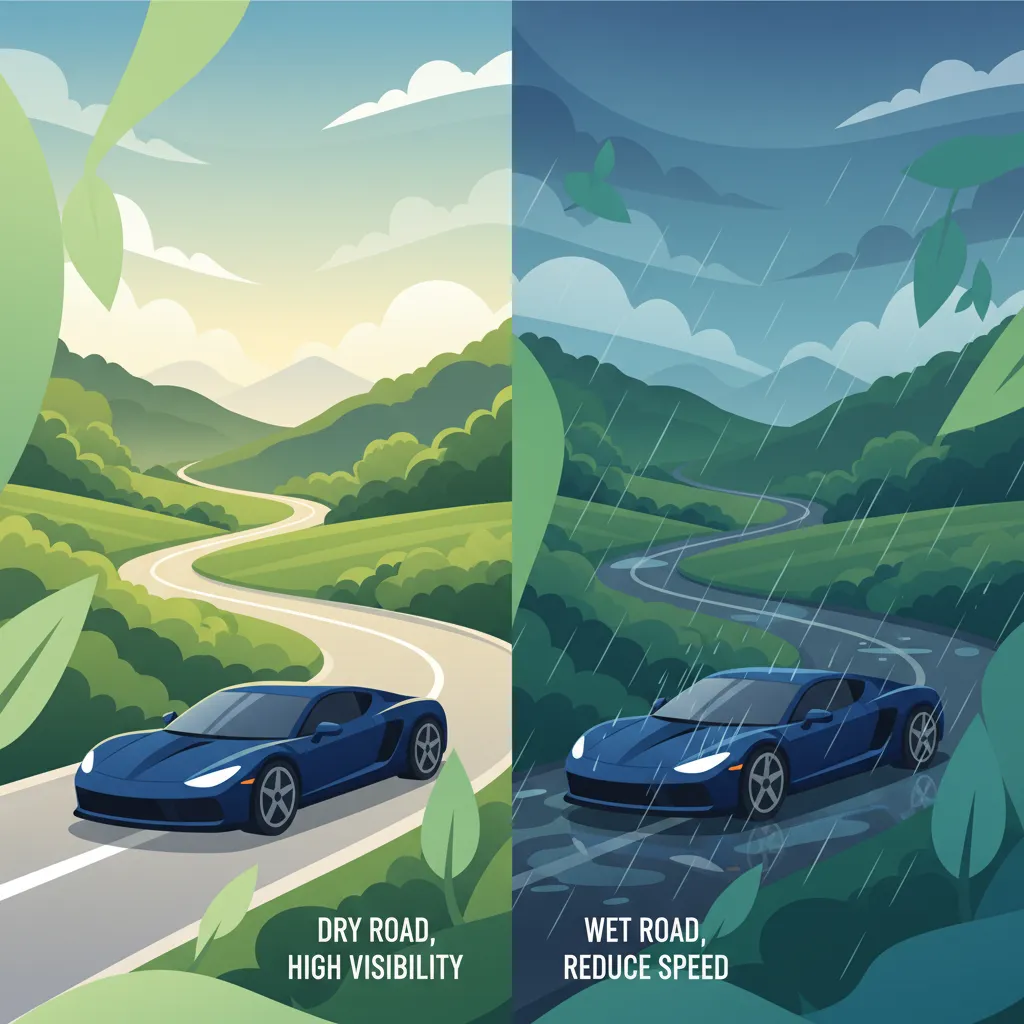
In this lesson, learners examine how environmental conditions such as rain, wind, ice, and reduced visibility necessitate adjustments in riding speed. The content provides guidelines for assessing road surfaces, judging appropriate cornering speeds, and reducing speed proactively in adverse weather. Learners will understand the impact of temperature on tyre performance and the need to increase safety margins, mastering adaptive speed management to maintain control.
Understand typical errors made when riding on countryside roads in Poland. Learn how to avoid hazards like poor surfaces, unexpected farm vehicles, and low visibility, based on Polish driving theory for Category A.
This lesson explores the unique characteristics of driving on rural roads. It highlights potential hazards such as sharp, unbanked curves, poor road surfaces, and limited visibility due to hills and vegetation. The content teaches drivers to anticipate these conditions and adjust their speed and position to navigate safely.
In this lesson, learners study warning signs that alert drivers to potential hazards, focusing on those that are particularly relevant to motorcyclists. The content includes signs indicating curves, slippery surfaces, animal crossings, tram tracks, and construction zones, each requiring specific riding adjustments. The lesson teaches riders how to interpret these signs to anticipate hazards, adjust speed appropriately, and maintain a safe distance from potential dangers.
This lesson focuses on the unique demands of urban riding within Polish cities, addressing traffic lights, pedestrian zones, one-way streets, and the presence of tram tracks. Learners will study safe lane positioning on narrow roads, blind-spot management, and how to share the road with buses and cyclists. The content also covers strategies for navigating stop-and-go traffic, anticipating signal changes, and maintaining visibility in dense urban environments.

This lesson outlines strategies for planning escape routes and adopting protective positioning to avoid potential collisions. Learners will study the concept of a defensive riding line that maximizes visibility and provides an optimal safety corridor. The content emphasizes maintaining adequate distance buffers, choosing lanes that reduce exposure to hazards, and preparing for emergency maneuvers such as swift swerves, allowing riders to react quickly in critical situations.
This lesson focuses on the proper techniques for negotiating roundabouts, which are common in Polish urban environments. Learners will learn the correct approach to entering a roundabout, yielding to circulating traffic, selecting the appropriate lane, and signaling intentions when exiting. The lesson also discusses speed adaptation for safe circulation and blind-spot checks before changing lanes within the roundabout, ensuring smooth and legal navigation.
This lesson introduces defensive driving principles for rural settings, teaching learners how to continually scan the environment and anticipate potential hazards. It discusses the unique challenges posed by slow-moving agricultural traffic, field entrances, and unpredictable farm equipment maneuvers. The lesson emphasizes proactive decision-making and early brake application to avoid collisions in mixed traffic.

In this lesson, learners focus on the identification and management of blind spots that affect motorcyclists, particularly when sharing the road with larger vehicles such as trucks and buses. The content covers the use of side mirrors, head-turn techniques, and optimal rider positioning to minimize blind-spot exposure. Learners will also study the characteristics of blind spots at intersections and during overtaking maneuvers to reduce collision risk.
This lesson examines the specific rules and etiquette for riding on Polish motorways and high-speed highways, focusing on proper lane positioning, entry via acceleration lanes, and maintaining appropriate following distances. Learners will study overtaking protocols at high speeds, proper use of deceleration lanes for exits, and techniques for aerodynamic positioning. The content also covers safe lane changes and emergency lane usage to ensure efficient travel.

In this lesson, learners examine defensive overtaking practices, focusing on when and how to safely pass other road users. The content covers speed differential calculations, appropriate passing distances, and the importance of maintaining clear visibility during overtaking. Learners will also study the impact of road curvature, traffic flow, and lane selection on overtaking safety, allowing them to minimize risks associated with passing maneuvers.

This lesson prepares drivers for the event of a vehicle breakdown on a motorway or expressway. It details the correct procedure: pulling over to the emergency lane, activating hazard lights, and placing the warning triangle at the legally required distance. The importance of wearing a reflective vest when outside the vehicle is also a key safety point.
Find clear answers to common questions learners have about Rural and Countryside Riding. Learn how the lesson is structured, which driving theory objectives it supports, and how it fits into the overall learning path of units and curriculum progression in Poland. These explanations help you understand key concepts, lesson flow, and exam focused study goals.
Key hazards include agricultural vehicles that may be slow-moving or unpredictable, animals straying onto the road, loose surfaces like gravel or mud, poor visibility around bends, and unpredictable oncoming traffic due to narrow lanes. Polish theory exams often test your awareness of these specific risks.
Always ensure it is safe and legal to overtake. Check for oncoming traffic and give yourself ample space. Be aware that agricultural vehicles may turn unexpectedly or move erratically. Wait for a clear, safe opportunity and give plenty of room when passing. This scenario is common in Polish theory exam questions.
On loose surfaces, reduce your speed significantly and avoid sudden braking or steering. Keep your body relaxed and upright, looking where you want to go. Maintaining a steady throttle can help with stability. Polish theory exam questions will assess your understanding of how grip is reduced on such surfaces.
As light fades or during twilight, visibility decreases significantly. You need to anticipate bends and potential hazards earlier by slowing down. Roads can also become more slippery, especially with dew or after rain. Always be prepared to stop within the distance you can see clearly.
Yes, be especially vigilant for livestock (cattle, sheep) and wild animals (deer, boars), particularly at dawn and dusk. Reduce speed and be prepared to brake or take evasive action if animals enter the road. Polish theory exam questions will often present scenarios involving animals.
Build custom practice sessions tailored precisely to your needs. Focus on areas requiring improvement, review specific Polish road signs, or master complex traffic rules to ensure full preparation for your official driving license exam.