
Welcome to the 'Vehicle Classification and Category Definitions' lesson, a key part of your Polish Category C HGV theory curriculum. Understanding how vehicles are classified is fundamental to legal operation and road safety. This lesson will clarify the definitions and legal distinctions that determine which vehicles require a Category C licence, preparing you for important exam questions.

Lesson content overview
Driving heavy goods vehicles (HGVs) in Poland requires a profound understanding of vehicle classification. This lesson details the legal definitions and categories crucial for operating trucks under a Polish Category C licence. Correct classification is not merely an administrative formality; it is fundamental to road safety, compliance with legal weight limits, and the protection of infrastructure. Misunderstanding these classifications can lead to serious legal penalties, increased accident risks, and damage to the vehicle or public roads.
This chapter will guide you through the primary parameters used for vehicle classification, such as dopuszczalna masa całkowita (permissible total weight) and various axle configurations. We will explore how these parameters define different vehicle types – rigid trucks, tractor units, and combination vehicles – and how they relate to specific licence categories, mandatory technical inspections, and registration requirements in Poland. A solid grasp of these concepts forms the bedrock for safe and lawful HGV operation, underpinning later topics on load management, vehicle dynamics, and advanced driving maneuvers.
The most critical factor in classifying a heavy goods vehicle in Poland, and indeed across the European Union, is its Dopuszczalna Masa Całkowita (DMc), or permissible total weight. This metric represents the absolute maximum mass a vehicle is legally allowed to have when fully loaded and ready for operation on public roads.
The maximum mass a vehicle may have when fully loaded, including its own weight, cargo, passengers, fuel, and accessories, as specified by the manufacturer and legally approved by the relevant registration authority. This is often referred to as Gross Vehicle Weight Rating (GVWR) in other contexts.
The DMc is not merely a manufacturer's recommendation; it is a legally binding limit established during the vehicle's homologation process. It accounts for the structural integrity of the chassis, the capacity of the axles, the efficiency of the braking system, and the vehicle's overall performance capabilities under maximum stress. Adhering to the DMc is paramount for ensuring safe vehicle dynamics, preventing excessive wear on vehicle components, and protecting road infrastructure such as bridges and paved surfaces from damage due to overloading.
To fully understand DMc, it's essential to distinguish its constituent parts:
For example, if a rigid truck has a DMc of 12 tonnes and its masa własna is 5 tonnes, then its MDDL is 7 tonnes. This means the driver can load up to 7 tonnes of cargo. Exceeding this MDDL would result in the vehicle's total mass surpassing its DMc, leading to an overloaded vehicle.
Polish law, specifically provisions within the Road Traffic Act (Prawo o ruchu drogowym), mandates strict compliance with a vehicle's DMc. Operating an overloaded vehicle is a serious offense with significant legal consequences. These can include:
A common misunderstanding among drivers is confusing the vehicle's masa własna with its DMc, or assuming that payload can be increased by simply removing optional equipment. The DMc is a fixed, legal limit, and any modifications affecting it require re-homologation and re-registration.
Beyond DMc, the arrangement and type of a vehicle's axles play a crucial role in its classification, load-bearing capacity, and operational characteristics. Axle configuration directly influences how weight is distributed, affecting braking performance, manoeuvrability, and compliance with specific road regulations.
An axle (oś) is a structural component that houses a wheel pair and transmits power or supports weight. HGVs can feature various axle configurations:
Axles can also be categorised by their function:
The number and spacing of axles profoundly influence how a vehicle's total weight is distributed across the road surface. More axles, particularly closely spaced tandem or tridem axles, allow for a more even spread of the load, which has several benefits:
Conversely, improper load distribution, even within the overall DMc, can lead to individual axles being overloaded. For instance, placing too much cargo at the very rear of a rigid truck can heavily burden the rearmost axle, even if the total weight remains below DMc.
Polish law, as outlined in the Road Traffic Act, specifies maximum permissible loads for individual axles and axle groups. These limits are designed to protect infrastructure and ensure safe vehicle operation. Exceeding these axle load limits, even if the overall DMc is not surpassed, can lead to:
Drivers must always verify that their cargo is distributed evenly and within the limits specified for each axle or axle group on their vehicle's registration certificate.
The Polish Category C licence is specifically designed for heavy goods vehicles, but the type of vehicle you operate significantly dictates the required licence subcategory. HGVs are broadly categorised into rigid vehicles, tractor units, and combination vehicles, each with distinct operational characteristics and licence requirements.
A rigid vehicle (samochód ciężarowy) is a single, integral unit where the engine, cab, and cargo area are all mounted on the same fixed chassis. This means the cargo platform is an inherent part of the vehicle structure and cannot be detached.
Common configurations for rigid vehicles include:
Practical Meaning: With a rigid vehicle, all the load is carried directly on the vehicle's own platform. There is no separate trailer to consider for load distribution, although proper weight distribution across the vehicle's axles is still crucial.
Licence Requirement: To drive a rigid vehicle with a DMc greater than 3.5 tonnes, a Category C licence is generally required. If the DMc is between 3.5 tonnes and 7.5 tonnes, a Category C1 licence may suffice.
A tractor unit (ciągnik siodłowy) is a powerful vehicle specifically designed to pull one or more trailers, but it does not carry cargo itself (beyond a small amount of personal effects or emergency equipment). Its defining feature is the fifth-wheel coupling (siodło) located behind the cab, which allows a semi-trailer to be securely attached and articulated.
Practical Meaning: Tractor units are the driving force of articulated lorries. The tractor itself can have a relatively high DMc, but its primary function is to provide traction and braking power for the much heavier semi-trailer. The combined mass of the tractor and its trailer(s) will determine the necessary licence category.
Licence Requirement: Driving a standalone tractor unit with a DMc over 3.5 tonnes requires a Category C licence. However, if a trailer with a permissible mass exceeding 750 kg is attached, a Category C+E licence becomes mandatory.
A combination vehicle (ciągnik z przyczepą or z naczepą) consists of a tractor unit pulling one or more trailers or semi-trailers. This setup allows for much larger payloads and greater flexibility in transporting goods.
Practical Meaning: Operating a combination vehicle is more complex than a rigid truck due to the articulation point(s), varying lengths, and dynamic behaviour of the trailer. Load distribution must be carefully managed across both the tractor's axles and the trailer's axles.
Licence Requirement: If the trailer or semi-trailer has a dopuszczalna masa całkowita (DMc) exceeding 750 kg, a Category C+E licence is required. This is a crucial distinction, as a standard Category C licence does not permit towing heavier trailers. Both the tractor unit and the trailer must have their own valid registration and technical inspection. The combined DMc of the entire combination vehicle must also be respected and cannot exceed the sum of individual DMc limits for each component.
The Polish Category C licence is part of a broader system designed to match driver qualifications with vehicle capabilities.
Holding the correct licence category is a non-negotiable legal requirement. Driving a vehicle or combination vehicle for which you are not properly licensed is a serious offense that can lead to severe penalties, including fines, licence suspension, and even criminal charges in the event of an accident.
Beyond correct classification and appropriate licensing, all heavy goods vehicles operating on Polish roads must undergo regular technical inspections (przegląd techniczny). This mandatory check is crucial for ensuring roadworthiness, safety, and environmental compliance.
A technical inspection is a comprehensive examination performed by an authorised inspection station (Stacja Kontroli Pojazdów). Its primary purposes are to:
The inspection covers a wide range of elements, from visible components like bodywork and lights to more complex systems such as brake efficiency, exhaust gas composition, and structural integrity.
The frequency of technical inspections for HGVs in Poland depends on the vehicle's age and type:
It is the responsibility of the vehicle owner and operator to ensure that the inspection is carried out within the specified timeframe. An expired technical inspection is considered a serious infringement.
Failure to pass a technical inspection, or operating a vehicle with an expired inspection certificate, carries significant implications:
Regular maintenance and timely inspections are not just legal obligations; they are fundamental practices for safe and responsible heavy goods vehicle operation.
Every heavy goods vehicle in Poland must be legally registered and display appropriate number plates. This serves as official identification, allowing authorities to monitor compliance with regulations and ensuring that the vehicle's key characteristics are accurately recorded.
The registration certificate (dowód rejestracyjny) is the primary legal document for any vehicle. For HGVs, it contains crucial information, including:
This certificate must always be carried by the driver when operating the vehicle and must accurately reflect the vehicle's current state and legal specifications.
Polish number plates serve as immediate visual identification. While most private vehicles use white plates with black characters, commercial vehicles historically had different colour conventions. Currently, all newly registered vehicles in Poland, including commercial ones, receive white plates with black characters and a blue EU strip. However, specific types of commercial vehicles or older registrations might still display distinct plates.
Regardless of colour, number plates must be clearly displayed at both the front and rear of the vehicle. For combination vehicles, the tractor unit and each trailer or semi-trailer must display its own, correctly matched number plates.
Incorrect or outdated information on the registration certificate or mismatched number plates can lead to significant legal issues:
It is critical that all details on the dowód rejestracyjny are accurate and up-to-date, and that the physical number plates correspond to the vehicle being operated.
Understanding vehicle classification is not just about memorising definitions; it's about applying this knowledge to prevent common operational errors and mitigate risks on the road. Many violations stem from a lack of awareness regarding DMc, axle loads, or licence requirements.
The most frequent and dangerous violation in HGV operation is overloading, either by exceeding the overall DMc or by disproportionately distributing weight, leading to overloaded individual axles.
Never load cargo beyond the vehicle's DMc or individual axle load limits. Always verify the weight of your cargo and ensure balanced distribution to maintain vehicle stability and braking performance.
Another critical area for compliance involves matching driver qualifications with vehicle types and ensuring all components of a combination vehicle are legally registered.
Vehicle classification also informs how drivers must adapt to various road conditions and environmental factors.
Every rule regarding vehicle classification, from DMc to axle loads and inspection frequency, is rooted in fundamental safety principles and legal reasoning designed to protect drivers, other road users, and public infrastructure.
In essence, the comprehensive system of vehicle classification and associated regulations is a meticulously designed framework to ensure that heavy goods vehicles operate safely, efficiently, and responsibly within their physical and legal parameters.
This lesson covers the essential framework for classifying heavy goods vehicles under Polish law, centred on the concept of Dopuszczalna Masa Całkowita (DMc) — the maximum permissible total weight. It distinguishes between rigid vehicles, tractor units, and combination vehicles, explaining how each affects licensing requirements (C, C1, C+E). The lesson details axle configurations (single, tandem, tridem) and their role in load distribution and road safety. Key legal obligations include respecting both overall DMc and individual axle load limits, maintaining current technical inspections at mandated intervals, and ensuring all vehicles display correct registration certificates. Understanding these classifications is vital for passing theory exam questions and for operating HGVs legally and safely in Poland.
A short set of high-value points that capture the most important learning from this lesson.
Dopuszczalna Masa Całkowita (DMc) is the legally binding maximum weight a vehicle may have when fully loaded, including cargo, fuel, and passengers.
Vehicle classification is determined by DMc, axle configuration, and vehicle type, each requiring specific Polish licence categories for legal operation.
Rigid vehicles have a fixed integral chassis, while tractor units use a fifth-wheel coupling to pull trailers; combination vehicles require C+E licence when trailer DMc exceeds 750 kg.
Polish licence categories distinguish between vehicle types: C1 (3.5–7.5t), C (over 3.5t, light trailer only), and C+E (combination vehicles with heavy trailers).
Technical inspections (przegląd techniczny) are mandatory for HGVs, with intervals varying by vehicle age to verify roadworthiness and compliance with registration data.
Explore all units and lessons included in this driving theory course.
DMc minus masa własna (empty weight) equals MDDL (Maximum Permissible Load), the cargo weight limit.
Category C licence alone does not permit towing trailers with DMc exceeding 750 kg; C+E is required for heavy trailers.
Tandem and tridem axle configurations distribute weight across multiple axles to increase payload and reduce road wear.
Each axle and axle group has individual load limits separate from overall DMc; uneven distribution can overload a single axle even within total weight.
Technical inspection frequency for HGVs: first after 3 years, then every 2 years until age 10, then annually.
Confusing the vehicle's masa własna (empty weight) with its DMc, leading to incorrect assumptions about how much cargo can be loaded.
Assuming a Category C licence allows pulling any trailer, when in fact trailers exceeding 750 kg DMc require C+E endorsement.
Believing that as long as total vehicle weight is within DMc, axle load limits cannot be violated through improper cargo distribution.
Operating an HGV with an expired technical inspection without realising this invalidates insurance and can result in vehicle immobilisation.
Failing to verify that the dowód rejestracyjny matches the vehicle's current specifications after modifications or axle changes.
Lesson content overview
A short set of high-value points that capture the most important learning from this lesson.
Dopuszczalna Masa Całkowita (DMc) is the legally binding maximum weight a vehicle may have when fully loaded, including cargo, fuel, and passengers.
Vehicle classification is determined by DMc, axle configuration, and vehicle type, each requiring specific Polish licence categories for legal operation.
Rigid vehicles have a fixed integral chassis, while tractor units use a fifth-wheel coupling to pull trailers; combination vehicles require C+E licence when trailer DMc exceeds 750 kg.
Polish licence categories distinguish between vehicle types: C1 (3.5–7.5t), C (over 3.5t, light trailer only), and C+E (combination vehicles with heavy trailers).
Technical inspections (przegląd techniczny) are mandatory for HGVs, with intervals varying by vehicle age to verify roadworthiness and compliance with registration data.
Explore all units and lessons included in this driving theory course.
DMc minus masa własna (empty weight) equals MDDL (Maximum Permissible Load), the cargo weight limit.
Category C licence alone does not permit towing trailers with DMc exceeding 750 kg; C+E is required for heavy trailers.
Tandem and tridem axle configurations distribute weight across multiple axles to increase payload and reduce road wear.
Each axle and axle group has individual load limits separate from overall DMc; uneven distribution can overload a single axle even within total weight.
Technical inspection frequency for HGVs: first after 3 years, then every 2 years until age 10, then annually.
Confusing the vehicle's masa własna (empty weight) with its DMc, leading to incorrect assumptions about how much cargo can be loaded.
Assuming a Category C licence allows pulling any trailer, when in fact trailers exceeding 750 kg DMc require C+E endorsement.
Believing that as long as total vehicle weight is within DMc, axle load limits cannot be violated through improper cargo distribution.
Operating an HGV with an expired technical inspection without realising this invalidates insurance and can result in vehicle immobilisation.
Failing to verify that the dowód rejestracyjny matches the vehicle's current specifications after modifications or axle changes.
Explore search topics learners often look for when studying Vehicle Classification and Category Definitions. These topics reflect common questions about road rules, driving situations, safety guidance, and lesson level theory preparation for learners in Poland.
Browse additional driving theory lessons that cover connected traffic rules, road signs, and common driving situations related to this topic. Improve your understanding of how different rules interact across everyday traffic scenarios.
Learn the official Polish and EU classifications for heavy goods vehicles (HGVs) relevant to Category C licences. This lesson details Dopuszczalna Masa Całkowita (DMC) and axle configurations, explaining how they define vehicle types like rigid trucks and tractor units for legal operation.
This lesson outlines the statutory speed limits that professional drivers of Category C vehicles must adhere to on Polish roads. It clearly distinguishes the maximum permitted speeds in built-up areas, on single carriageways, and on motorways. The content also explains how to interpret road signs that may indicate temporary or vehicle-specific speed restrictions, ensuring drivers remain compliant with the law and avoid penalties from speed enforcement measures.

This lesson defines the scope of vehicles permitted under a Category B licence, primarily passenger cars up to 3,500 kg maximum permissible mass. It clarifies the rules on seating capacity and the regulations for towing trailers, distinguishing between a standard B licence and a B+E entitlement. Understanding these classifications ensures drivers operate vehicles legally and safely.
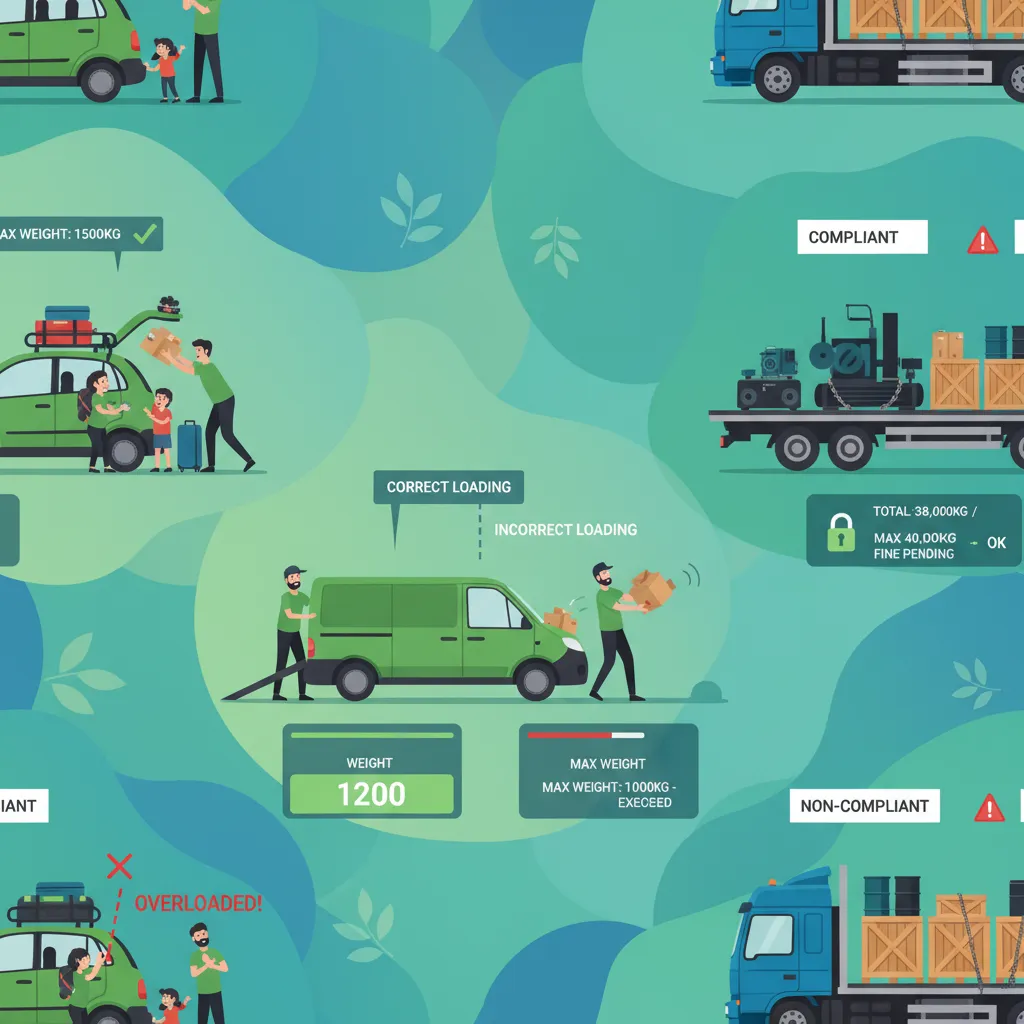
This lesson introduces the legal framework governing vehicle and axle weight limits in Poland and the EU. Learners will understand how to determine a vehicle's maximum permissible payload and interpret official load charts and documentation. The content covers the importance of correct weight distribution to avoid exceeding individual axle limits and explains the serious legal and safety consequences of operating an overloaded vehicle.
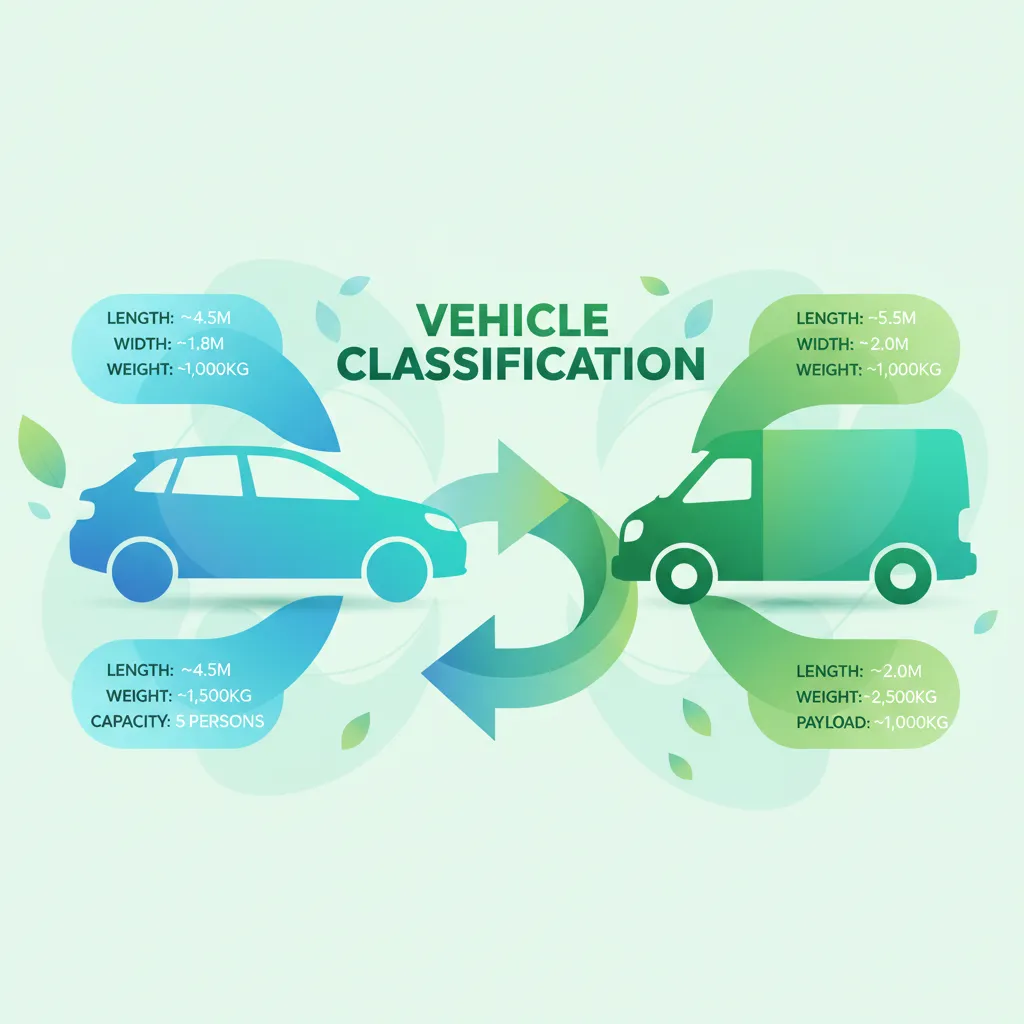
This lesson focuses on the precise classification of agricultural vehicles as defined by Polish law, differentiating between tractors, forestry machines, and trailers. It examines the legal parameters such as maximum permissible weight, width, height, and length that affect roadworthiness certifications. The lesson clarifies terminology used in official documents, ensuring learners can correctly identify the vehicles they are permitted to operate.

This lesson examines the signs that convey dimensional and weight restrictions, which are vital for safe tractor and trailer operation. It outlines how to read width, height, and weight limit signs and the legal implications of exceeding these limits. The lesson provides guidance on planning loads to comply with bridge and road classification restrictions found across Polish rural networks.

This lesson outlines the essential legal paperwork associated with freight transport. It details the purpose and content of key documents like the load manifest, cargo declaration, and official weight certificates. Learners will understand their legal responsibility to verify that all documentation is accurate and complete before departure, and the importance of maintaining proper records for potential inspections by transport authorities or for cross-border customs procedures.
This lesson introduces the various classes of passenger vehicles under Category D, detailing differences between standard, articulated, and minibuses. It covers key dimensional parameters like length, wheelbase, and turning circle that affect urban navigation. Learners will also understand passenger capacity calculations and weight distribution for safe, compliant operation.
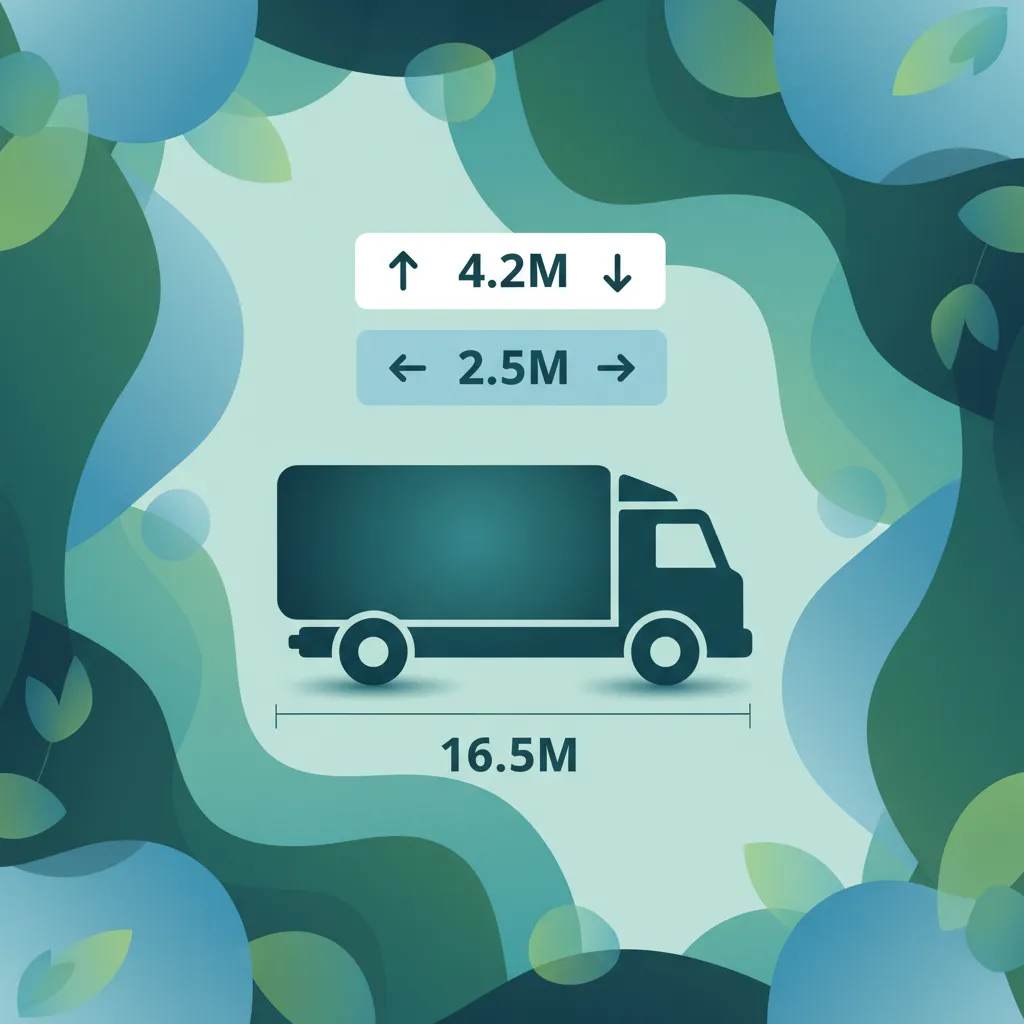
This lesson concentrates on the specific road signs that are of utmost importance to HGV drivers. It details how to interpret signs indicating maximum permissible weight, axle load, vehicle height, and overall length. Understanding these restrictions is crucial for effective route planning to avoid bridges with low clearance, roads with weight limits, or tunnels that cannot accommodate the vehicle's dimensions, thus preventing accidents and infrastructure damage.
Understand the specific Polish driving licence categories (C, C1, C+E) required for operating different heavy goods vehicles. This lesson covers vehicle registration, crucial documentation like the dowód rejestracyjny, and the mandatory technical inspection process for ensuring roadworthiness.
This lesson outlines the statutory speed limits that professional drivers of Category C vehicles must adhere to on Polish roads. It clearly distinguishes the maximum permitted speeds in built-up areas, on single carriageways, and on motorways. The content also explains how to interpret road signs that may indicate temporary or vehicle-specific speed restrictions, ensuring drivers remain compliant with the law and avoid penalties from speed enforcement measures.
This lesson defines the scope of vehicles permitted under a Category B licence, primarily passenger cars up to 3,500 kg maximum permissible mass. It clarifies the rules on seating capacity and the regulations for towing trailers, distinguishing between a standard B licence and a B+E entitlement. Understanding these classifications ensures drivers operate vehicles legally and safely.
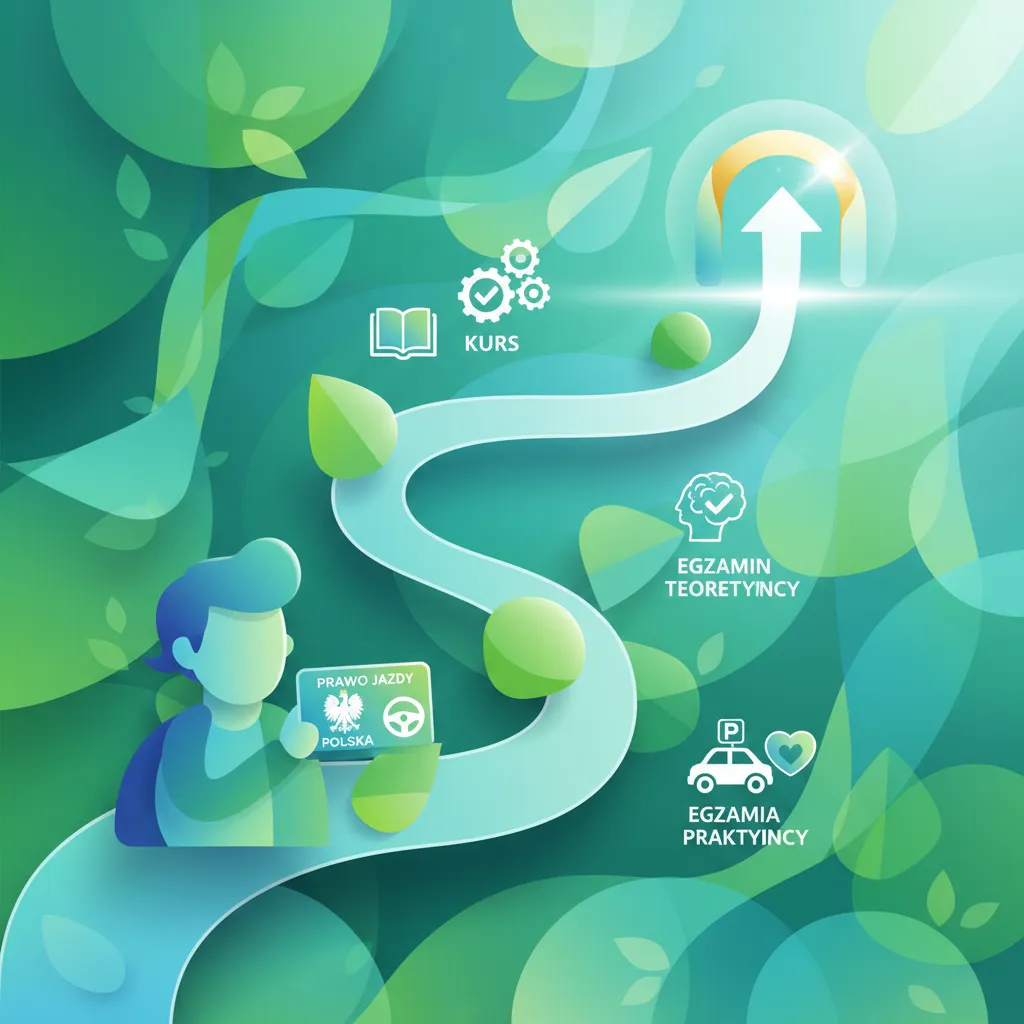
This lesson details the structured pathway to acquiring a Polish Category C driving licence. It explains the necessary eligibility criteria, such as holding a valid Category B licence and meeting the minimum age requirement. Learners will understand the sequence of the licensing process, from submitting the initial application to passing both the theoretical and practical examinations, ensuring full awareness of the regulatory journey to becoming a professional HGV driver.
This lesson examines the compulsory training structure for professional Category C drivers. It outlines the required components of certified training programs, including both theoretical instruction and practical driving experience. Learners will understand the standards for competence assessment, the structure of the official licensing examinations, and the legal obligation to maintain accurate training records to demonstrate compliance with professional driver qualifications.
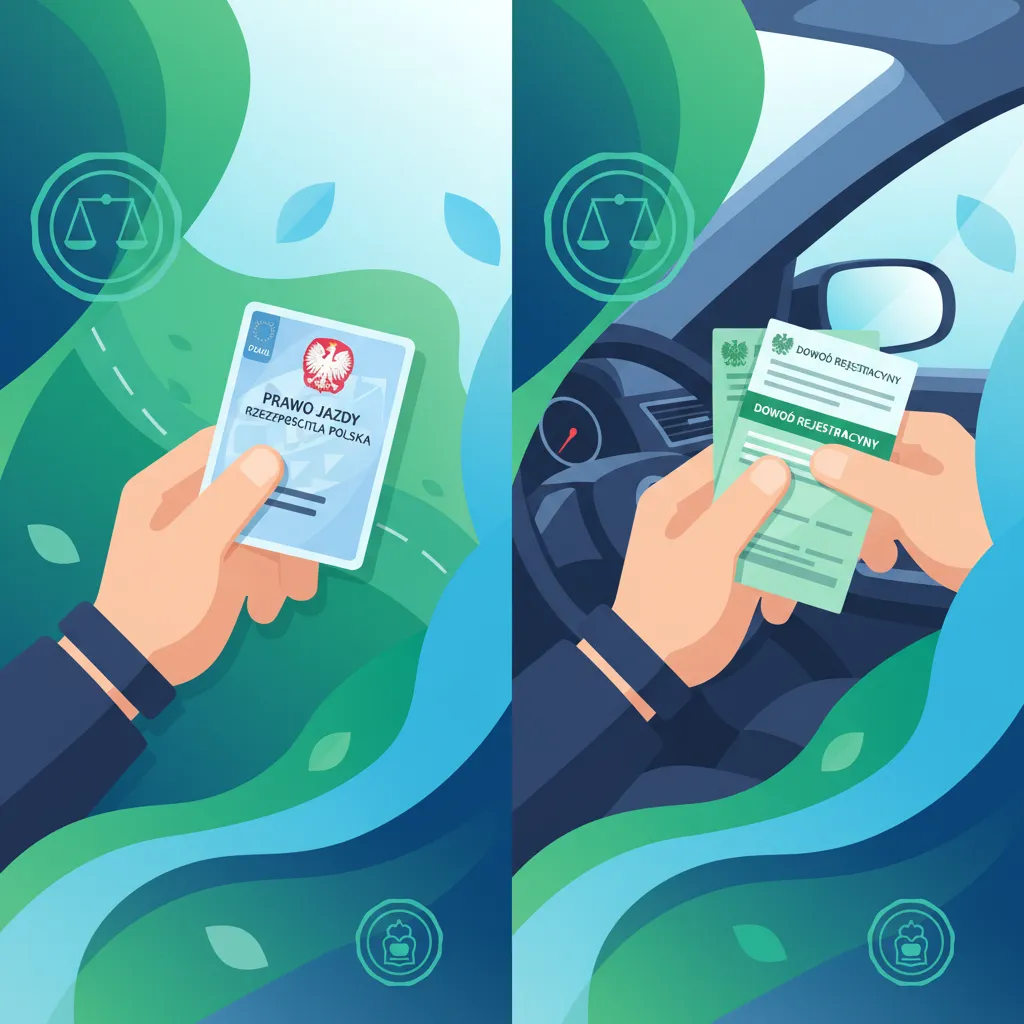
This lesson focuses on the critical documentation every professional driver must carry and maintain. It covers the driver's licence, vehicle registration, and tachograph records, explaining their legal importance and proper management. Learners will also study the requirements for transport permits, cargo declarations, and safety inspection reports, ensuring full compliance with Polish and EU regulations to avoid penalties and operational delays during roadside checks.

This lesson focuses on the stringent health standards mandated for operating heavy goods vehicles. It details the required medical assessments, including vision, cardiovascular, and neurological checks, that prospective drivers must pass. Learners will understand the process of obtaining a medical certificate, the requirements for periodic renewals to ensure ongoing fitness for duty, and the legal implications of failing to meet these essential health criteria for professional driving.
This lesson outlines the essential legal paperwork associated with freight transport. It details the purpose and content of key documents like the load manifest, cargo declaration, and official weight certificates. Learners will understand their legal responsibility to verify that all documentation is accurate and complete before departure, and the importance of maintaining proper records for potential inspections by transport authorities or for cross-border customs procedures.
This lesson concentrates on the specific road signs that are of utmost importance to HGV drivers. It details how to interpret signs indicating maximum permissible weight, axle load, vehicle height, and overall length. Understanding these restrictions is crucial for effective route planning to avoid bridges with low clearance, roads with weight limits, or tunnels that cannot accommodate the vehicle's dimensions, thus preventing accidents and infrastructure damage.
This lesson explains the scope of the Category T licence, distinguishing it from other categories and outlining the vehicles covered, such as agricultural and forestry vehicles. It details the legal basis for operating these vehicles on public roads, including specific provisions in the Prawo o ruchu drogowym. Learners will understand the regulatory environment defining where and how Category T vehicles may be driven within Poland.
Find clear answers to common questions learners have about Vehicle Classification and Category Definitions. Learn how the lesson is structured, which driving theory objectives it supports, and how it fits into the overall learning path of units and curriculum progression in Poland. These explanations help you understand key concepts, lesson flow, and exam focused study goals.
'Dopuszczalna masa całkowita' (DMC), or permissible total weight, is the maximum legally allowed weight of a vehicle including its load. For Category C licences, understanding DMC is crucial because it defines the specific classes of heavy goods vehicles you are permitted to drive and is a frequent topic in the theory exam, often determining licensing requirements and operational rules.
A standard Category C licence typically allows you to drive vehicles with a DMC exceeding 3,500 kg, excluding buses. Specific weight thresholds and axle configurations determine the exact vehicle classes covered. This lesson will detail these classifications and their corresponding weight limits as per Polish regulations.
Category C covers various heavy goods vehicles, primarily focusing on rigid trucks (vehicles with a fixed chassis and body, not articulated). This includes different types of lorries and vans designed for carrying goods. We will explore their typical configurations and how they are defined by Polish traffic law.
Yes, articulated lorries (tractor units with semi-trailers) typically fall under Category C+E. This lesson focuses on the classification of rigid vehicles, which are the primary domain of the standard Category C licence. Understanding this distinction is key for the theory exam.
Vehicle classification, particularly based on DMC and axle configuration, dictates a vehicle's required periodic technical inspections, registration category, and insurance. Heavier vehicles often have more stringent requirements to ensure safety and compliance with road infrastructure limits.
Build custom practice sessions tailored precisely to your needs. Focus on areas requiring improvement, review specific Polish road signs, or master complex traffic rules to ensure full preparation for your official driving license exam.