
This lesson details the crucial speed limits for Category C vehicles in Poland. Understanding and adhering to these limits is vital for safe operation and passing your theory exam. We'll cover different road types and specific signage to ensure you drive compliantly.
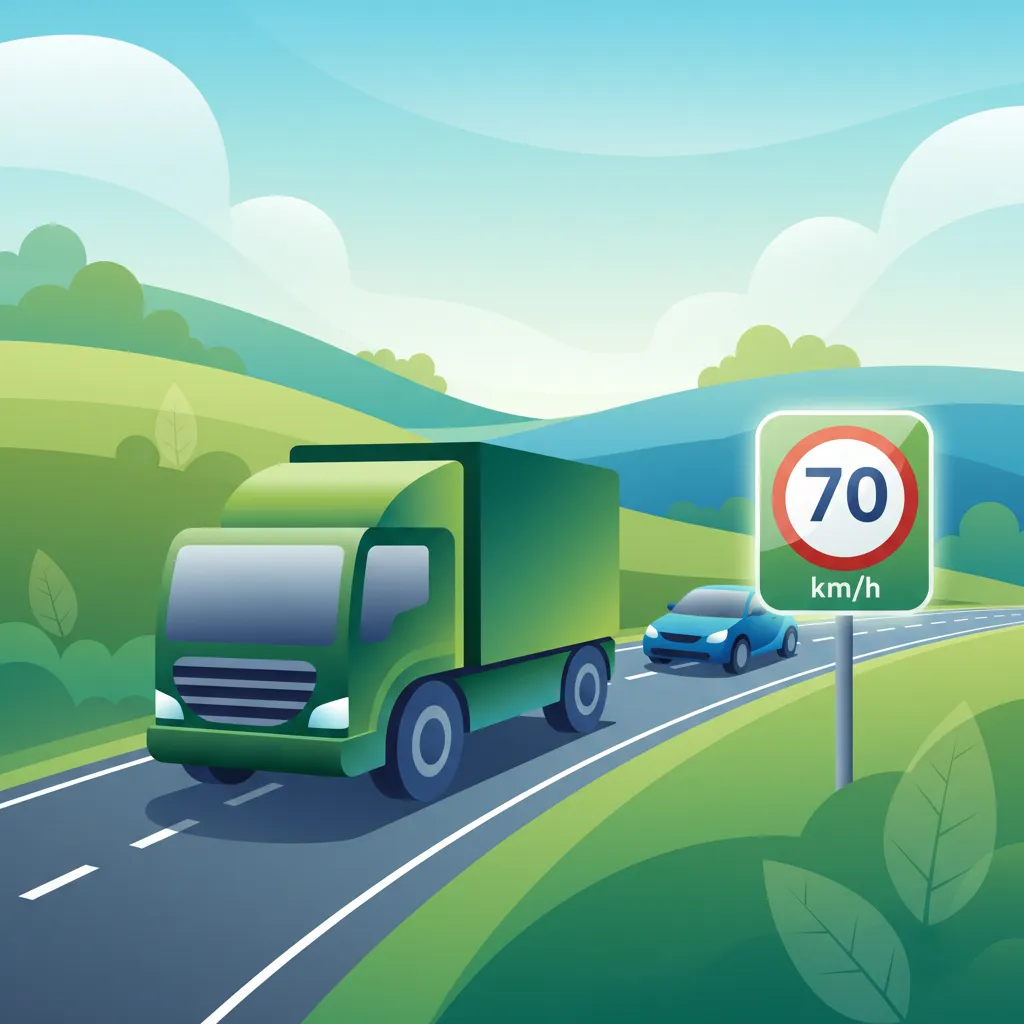
Lesson content overview
Driving a Category C heavy goods vehicle (HGV) in Poland requires a thorough understanding of specific speed limits designed to ensure road safety for larger, heavier vehicles. Unlike passenger cars, trucks have different performance characteristics, including longer braking distances and reduced maneuverability, which necessitate stricter regulations. This lesson, part of the Polish Category C Heavy Goods Vehicle Theory curriculum, details these statutory limits, explains how to interpret vehicle-specific road signs, and highlights the importance of adhering to these rules for both legal compliance and safety.
Speed compliance is a critical aspect of safe and legal HGV operation. The maximum permissible speeds for Category C vehicles are not arbitrary; they are meticulously defined by the Polish Road Traffic Act (Ustawa Prawo o ruchu drogowym) and its implementing regulations. These laws are designed to mitigate the severity of accidents involving heavy vehicles, which carry significantly more kinetic energy due to their mass. Mastering these limits is essential for passing the Category C theory exam and for responsible professional driving on Polish roads. This knowledge forms a foundational element for understanding related topics such as stopping distances, braking techniques, and effective interpretation of road signage.
The principles governing speed limits for Category C vehicles are rooted in the physical realities of heavy transport. High mass, coupled with the need for extended braking distances, means that trucks must operate at lower speeds than passenger cars to maintain equivalent safety margins.
Statutory speed limits are the default maximums that apply unless overridden by specific road signs. These limits are non-negotiable, and exceeding them can lead to significant penalties.
For Category C vehicles, these limits often appear as a sign with a truck silhouette, indicating a speed restriction that applies solely to HGVs. Such signs always supersede general speed limits for other vehicles.
Temporary restrictions are crucial for adapting to dynamic situations such as roadworks, adverse weather, or special events. Drivers must always obey these limits for the specified duration.
Modern Category C vehicles are mandated to have a speed limiter, a technical device that physically prevents the vehicle from exceeding a certain speed, usually 80 km/h. Drivers must ensure this device is functional and correctly calibrated.
Understanding where and when specific speed limits apply is paramount for professional drivers. Polish regulations differentiate speed limits based on the type of road and whether the vehicle is operating within or outside a built-up area.
Within built-up areas, also known as urban zones, speed limits are generally lower to protect pedestrians, cyclists, and other vulnerable road users. For Category C vehicles, the maximum speed is uniformly set, irrespective of the time of day or other vehicles.
The definition of a built-up area is typically marked by specific road signs indicating the beginning and end of such a zone (e.g., D-42 "Built-up area" and D-43 "End of built-up area").
Category C vehicles must not exceed 50 km/h in any built-up area. This limit is mandatory and applies universally across all urban environments in Poland. This specific rule for trucks reinforces safety in densely populated areas where potential for collisions with vulnerable road users is higher.
Drivers often assume the general 50 km/h limit applies to all vehicles, which is true. However, the critical point for trucks is that any lower posted limit must also be strictly observed. Forgetting the specific implication for heavy vehicles can lead to violations.
For example, if a truck is delivering goods on a city street, even if it feels clear, a speed of 55 km/h constitutes a violation. The correct speed must be 50 km/h or lower if indicated by a sign.
Outside built-up areas, speed limits for Category C vehicles are also specific and often differ from those for passenger cars. Polish law applies a consistent default maximum speed for HGVs across various open-road categories.
Regardless of whether it is a single carriageway, a dual carriageway (expresowa, droga główna), or a motorway (autostrada), the standard speed limit for Category C vehicles in Poland is 80 km/h. This uniform limit simplifies compliance but often leads to misunderstandings, especially on motorways where passenger cars are permitted to travel at much higher speeds.
It is a common misconception that trucks can travel faster on motorways, perhaps at 100 km/h or more. In Poland, unless a specific road sign indicates otherwise, the 80 km/h limit applies to Category C vehicles on all open roads, including motorways.
This 80 km/h limit balances the need for efficient transport with the safety requirements for heavy vehicles. The extended stopping distances and reduced maneuverability of trucks at higher speeds make stricter limits crucial on all types of open roads. A truck traveling at 90 km/h on a motorway is exceeding the legal limit, increasing the risk of an accident and incurring penalties.
Road signs play a critical role in dynamically adjusting speed limits beyond the default statutory rules. Category C drivers must be particularly vigilant in recognizing and obeying signs that specifically apply to their vehicle type or impose temporary restrictions.
Some road sections require speed limits tailored precisely for heavy vehicles due to specific road characteristics, such as steep descents, sharp curves, or areas with specific environmental concerns. These limits are indicated by a distinctive sign.
This sign, typically circular with a red border and a numerical value, will also feature a silhouette of a truck. When encountered, the displayed speed is the absolute maximum for Category C vehicles, even if a general speed limit sign for all vehicles (without the truck symbol) indicates a higher speed. These signs can be permanent fixtures or temporary, for example, during road maintenance.
For instance, on a dual carriageway with a general speed limit of 100 km/h, if a sign with a truck symbol indicates 60 km/h, a truck must reduce its speed to 60 km/h, while passenger cars may continue at 100 km/h. Ignoring this truck-specific sign is a serious violation.
Road conditions can change rapidly due to construction, maintenance, or severe weather. Temporary speed restrictions are introduced to manage these changes safely, and they apply to all vehicles unless explicitly stated otherwise. These signs often include additional information, such as dates, times, or specific conditions.
Temporary speed limit signs are usually easily identifiable and may include elements like an hourglass symbol, flashing lights, or a specific date range printed below the limit. They are typically employed in:
Temporary limits, even if only for a short distance or duration, always supersede all other standing speed limits. Drivers must immediately adjust their speed upon seeing such a sign and maintain it until the restriction is explicitly lifted by an "End of temporary speed limit" sign or by passing the activity area.
For example, a construction zone might display a temporary sign with a truck symbol indicating "40 km/h." In such a scenario, Category C vehicles must strictly adhere to 40 km/h until the end of the restricted zone.
All Category C vehicles in Poland are legally required to be equipped with a functional speed limiter. This is an electronic or mechanical device that acts as a physical safeguard, preventing the vehicle from exceeding a predetermined maximum speed. For most modern HGVs, this limiter is set to 80 km/h, aligning with the default open-road speed limit.
The speed limiter is checked during mandatory vehicle technical inspections to ensure it is calibrated correctly and is operational. Tampering with or disabling a speed limiter is illegal and can result in severe penalties, including inspection failure, fines, and potentially a driving ban.
While a speed limiter helps enforce the 80 km/h default, it does not automatically adapt to lower posted temporary or vehicle-specific speed limits. Drivers are still fully responsible for manually adjusting their speed to comply with these lower restrictions, even if it means driving well below the limiter's set maximum.
For instance, if a truck with an 80 km/h limiter encounters a sign indicating 60 km/h for trucks, the driver must reduce speed manually to 60 km/h, even though the limiter would allow up to 80 km/h. Failure to do so is a violation.
Adherence to speed limits is not merely a recommendation; it is a legal obligation under Polish traffic law. The specific articles of the Polish Road Traffic Act provide the foundation for these regulations.
The primary legislative acts governing speed limits for Category C vehicles in Poland are:
Understanding these legal frameworks underscores the importance of compliance, as these rules are directly enforceable by law enforcement agencies.
Exceeding the speed limit in Poland, particularly with a Category C vehicle, carries significant legal consequences. Penalties are typically graduated, meaning the severity increases with the degree of speed excess.
Common penalties include:
The higher mass and potential for damage make speeding in an HGV a particularly serious offense, often attracting higher penalties than for passenger cars exceeding the limit by the same margin.
While statutory limits provide the legal maximum, a responsible professional driver understands that these are not always the safe operating speeds. Various conditions demand further speed reduction to ensure safety.
Driving conditions are rarely ideal, and a prudent driver constantly assesses environmental factors to adjust speed accordingly, even if it means going well below the posted limit.
Always drive at a speed that allows you to stop safely within the distance you can see clearly ahead. This principle is fundamental, especially for heavy vehicles in challenging conditions.
The state of the Category C vehicle itself also influences safe operating speeds.
The rationale behind lower speed limits for heavy goods vehicles is firmly grounded in physics, human psychology, and accident statistics:
Despite clear regulations, professional drivers sometimes make mistakes regarding speed limits. Awareness of these common violations and adhering to best practices can prevent incidents and penalties.
Understanding theoretical rules is one thing; applying them in real-world scenarios is another. Here are practical examples demonstrating correct and incorrect behavior.
To deepen your understanding and ensure full compliance, consider these resources:
Category C heavy goods vehicles in Poland are subject to specific speed limits that differ from passenger car rules. In built-up areas, the maximum is 50 km/h, while on all open roads the default limit is 80 km/h, including motorways. Truck-specific speed signs displaying a truck silhouette supersede general limits and must always be obeyed. Speed limiters set to 80 km/h are mandatory but do not replace the driver's obligation to manually reduce speed when lower limits are posted. Exceeding these limits results in graduated penalties including fines, penalty points, and potential license suspension, with heavier penalties for larger speed excesses.
A short set of high-value points that capture the most important learning from this lesson.
In built-up areas, Category C vehicles must not exceed 50 km/h, regardless of road type or time of day.
On all open roads outside built-up areas (single carriageways, dual carriageways, motorways), the default speed limit for Category C vehicles is 80 km/h.
Truck-specific speed signs with a vehicle silhouette always supersede the general statutory limits and apply exclusively to heavy goods vehicles.
A speed limiter (typically set to 80 km/h) is legally required in Category C vehicles but does not automatically adjust for lower posted limits.
Temporary speed restrictions, such as those in construction zones, always supersede all other standing speed limits for their stated duration.
Explore all units and lessons included in this driving theory course.
Built-up area limit for trucks is 50 km/h (not 60 km/h or any higher value).
Open road limit for Category C vehicles is 80 km/h, even on motorways where passenger cars may travel faster.
When a truck-specific sign shows a lower limit than the general limit, obey the truck-specific sign.
Speed limiter enforcement does not replace the driver's responsibility to manually reduce speed for lower posted limits.
Temporary speed restrictions (construction zones, adverse weather) are binding and must be obeyed immediately upon seeing the sign.
Exceeding 50 km/h in built-up areas by relying on GPS devices that may display passenger car limits.
Driving at 90 km/h or more on motorways, confusing the higher car limit with the truck limit.
Ignoring truck-specific speed signs and assuming the general limit applies, leading to violations on specific road sections.
Failing to manually reduce speed below the speed limiter's 80 km/h setting when a lower limit is posted.
Resuming maximum speed too early after passing construction zones, before the 'End of temporary speed restriction' sign.
Lesson content overview
A short set of high-value points that capture the most important learning from this lesson.
In built-up areas, Category C vehicles must not exceed 50 km/h, regardless of road type or time of day.
On all open roads outside built-up areas (single carriageways, dual carriageways, motorways), the default speed limit for Category C vehicles is 80 km/h.
Truck-specific speed signs with a vehicle silhouette always supersede the general statutory limits and apply exclusively to heavy goods vehicles.
A speed limiter (typically set to 80 km/h) is legally required in Category C vehicles but does not automatically adjust for lower posted limits.
Temporary speed restrictions, such as those in construction zones, always supersede all other standing speed limits for their stated duration.
Explore all units and lessons included in this driving theory course.
Built-up area limit for trucks is 50 km/h (not 60 km/h or any higher value).
Open road limit for Category C vehicles is 80 km/h, even on motorways where passenger cars may travel faster.
When a truck-specific sign shows a lower limit than the general limit, obey the truck-specific sign.
Speed limiter enforcement does not replace the driver's responsibility to manually reduce speed for lower posted limits.
Temporary speed restrictions (construction zones, adverse weather) are binding and must be obeyed immediately upon seeing the sign.
Exceeding 50 km/h in built-up areas by relying on GPS devices that may display passenger car limits.
Driving at 90 km/h or more on motorways, confusing the higher car limit with the truck limit.
Ignoring truck-specific speed signs and assuming the general limit applies, leading to violations on specific road sections.
Failing to manually reduce speed below the speed limiter's 80 km/h setting when a lower limit is posted.
Resuming maximum speed too early after passing construction zones, before the 'End of temporary speed restriction' sign.
Explore search topics learners often look for when studying Speed Limits Specific to Category C Vehicles. These topics reflect common questions about road rules, driving situations, safety guidance, and lesson level theory preparation for learners in Poland.
Browse additional driving theory lessons that cover connected traffic rules, road signs, and common driving situations related to this topic. Improve your understanding of how different rules interact across everyday traffic scenarios.
Explore detailed explanations of special speed limits for Category C heavy goods vehicles in Poland. Covers restrictions in construction zones, adverse weather, and other specific scenarios beyond standard urban and motorway limits, ensuring compliance with Polish traffic regulations.
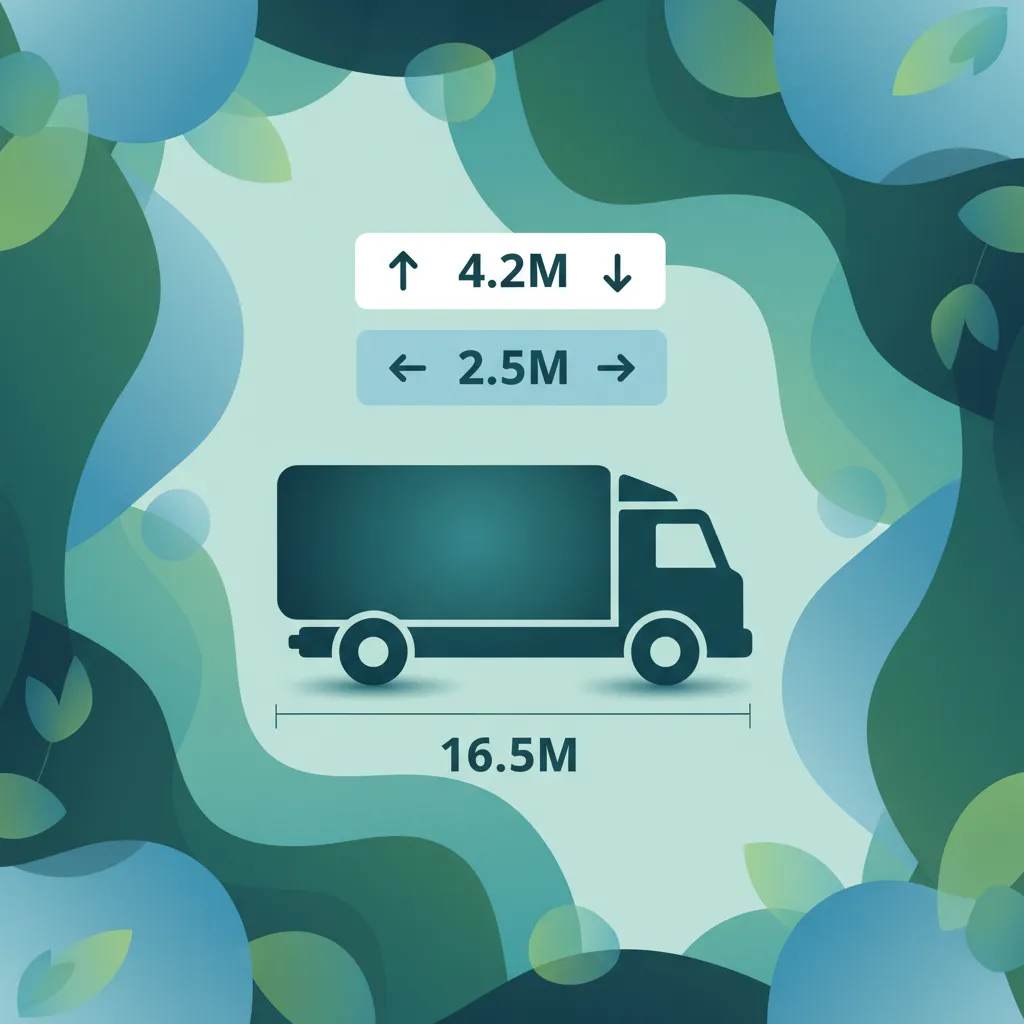
This lesson concentrates on the specific road signs that are of utmost importance to HGV drivers. It details how to interpret signs indicating maximum permissible weight, axle load, vehicle height, and overall length. Understanding these restrictions is crucial for effective route planning to avoid bridges with low clearance, roads with weight limits, or tunnels that cannot accommodate the vehicle's dimensions, thus preventing accidents and infrastructure damage.

This lesson addresses the increasingly common restrictions on HGV access to urban areas and designated low-emission zones. It explains how to identify these zones through specific signage and understand the criteria for entry, which may be based on the vehicle's emission standard or subject to time-of-day limitations. Learners will become familiar with the necessity of obtaining special permits for city center deliveries and the legal consequences of violating these access regulations.

This lesson provides a comprehensive breakdown of the right-of-way rules that govern intersections. It explains the clear directives given by traffic lights, stop signs, and yield signs, and clarifies the procedures at unmarked or uncontrolled intersections, where the 'priority to the right' rule often applies. Learners will understand the legal hierarchy of these rules to make correct, safe, and predictable decisions when navigating through any junction, reducing the risk of conflict with other traffic.

This lesson provides a detailed breakdown of vehicle classifications relevant to the Category C licence. It explains the concept of 'dopuszczalna masa całkowita' (permissible total weight) and how it defines a vehicle's category. Learners will identify different truck types, such as rigid vehicles, based on their axle configurations and understand the specific roadworthiness and registration requirements for each class, ensuring correct vehicle operation under the law.

This lesson details the specific protocols for overtaking and changing lanes in a heavy goods vehicle. It explains the importance of calculating sufficient space and speed differential before committing to a pass, while constantly being aware of the large blind spots around the truck. The content also covers procedures for safely merging onto highways and maintaining correct lane positioning to facilitate smooth and predictable traffic flow for all road users.
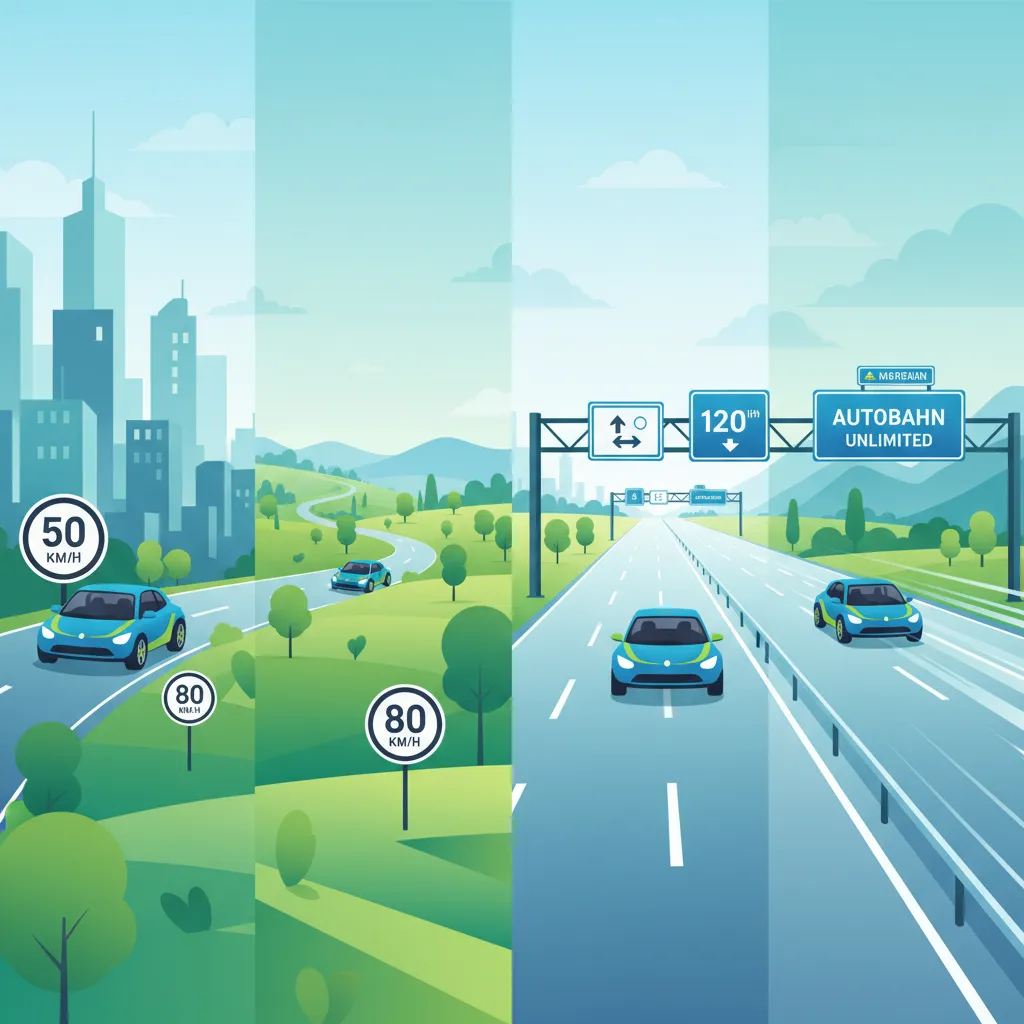
This lesson details the statutory speed limits for different road environments in Poland. It covers the 50 km/h limit in built-up areas (obszar zabudowany), as well as the higher limits for rural roads, expressways, and motorways. Understanding these default limits is fundamental for legal and safe driving across the country.

This lesson examines the signs that convey dimensional and weight restrictions, which are vital for safe tractor and trailer operation. It outlines how to read width, height, and weight limit signs and the legal implications of exceeding these limits. The lesson provides guidance on planning loads to comply with bridge and road classification restrictions found across Polish rural networks.
This lesson details the speed limits applicable to buses in Poland across urban, rural, and motorway settings. It emphasizes how vehicle size and passenger load influence safe operating speeds and required stopping distances. The content also covers speed-control device usage and practical techniques for maintaining consistent speed while ensuring passenger comfort.
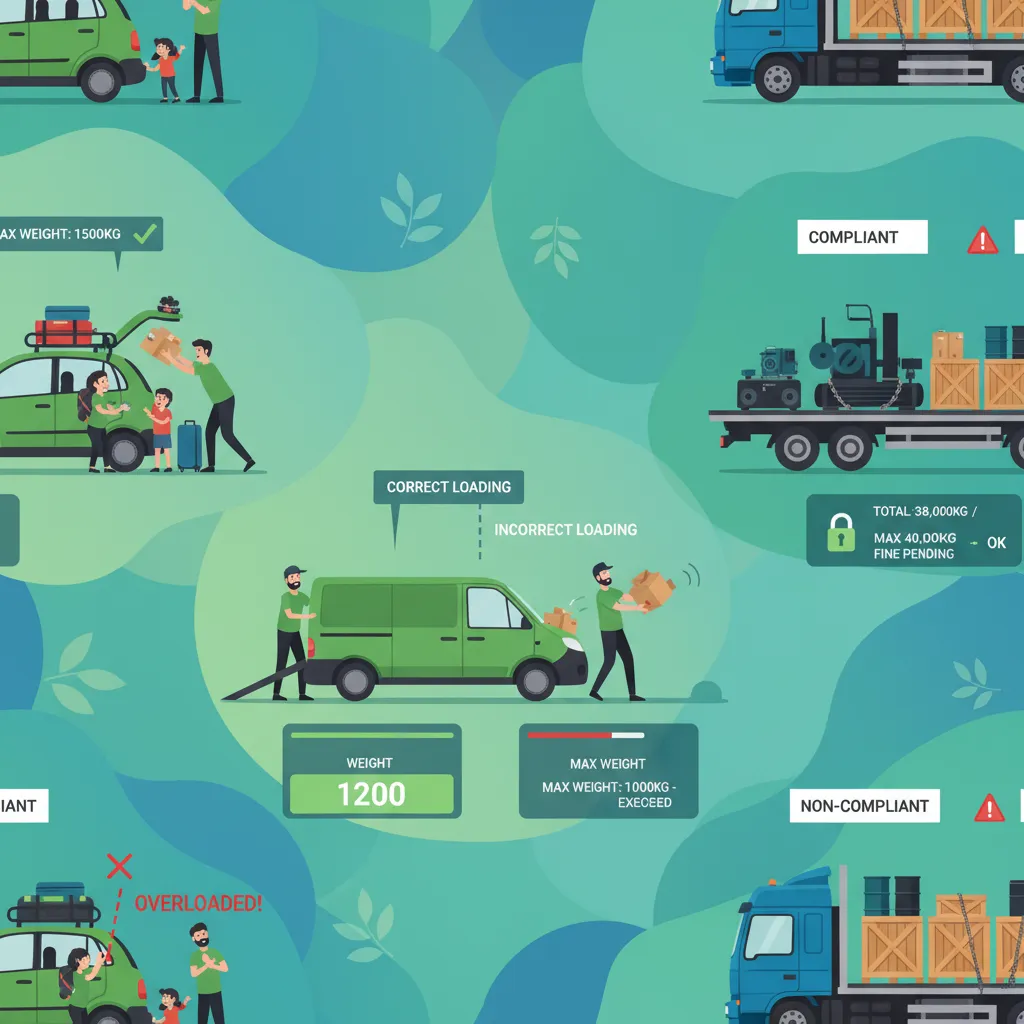
This lesson introduces the legal framework governing vehicle and axle weight limits in Poland and the EU. Learners will understand how to determine a vehicle's maximum permissible payload and interpret official load charts and documentation. The content covers the importance of correct weight distribution to avoid exceeding individual axle limits and explains the serious legal and safety consequences of operating an overloaded vehicle.

This lesson teaches drivers how to adapt their speed, following distance, and control inputs to safely navigate adverse conditions. It covers the challenges posed by rain, snow, and ice, explaining the loss of traction and the increased risk of skidding or aquaplaning. The content provides specific strategies for driving in fog, which reduces visibility, and strong crosswinds, which can affect the stability of a high-sided vehicle, promoting a proactive and defensive driving mindset.
Understand the legal basis for Category C heavy goods vehicle speed limits in Poland. This lesson explains the relevant sections of the Road Traffic Act, associated regulations, and the penalties for violations, providing essential knowledge for professional drivers.
This lesson concentrates on the specific road signs that are of utmost importance to HGV drivers. It details how to interpret signs indicating maximum permissible weight, axle load, vehicle height, and overall length. Understanding these restrictions is crucial for effective route planning to avoid bridges with low clearance, roads with weight limits, or tunnels that cannot accommodate the vehicle's dimensions, thus preventing accidents and infrastructure damage.
This lesson provides a detailed breakdown of vehicle classifications relevant to the Category C licence. It explains the concept of 'dopuszczalna masa całkowita' (permissible total weight) and how it defines a vehicle's category. Learners will identify different truck types, such as rigid vehicles, based on their axle configurations and understand the specific roadworthiness and registration requirements for each class, ensuring correct vehicle operation under the law.
This lesson provides a comprehensive breakdown of the right-of-way rules that govern intersections. It explains the clear directives given by traffic lights, stop signs, and yield signs, and clarifies the procedures at unmarked or uncontrolled intersections, where the 'priority to the right' rule often applies. Learners will understand the legal hierarchy of these rules to make correct, safe, and predictable decisions when navigating through any junction, reducing the risk of conflict with other traffic.
This lesson details the specific protocols for overtaking and changing lanes in a heavy goods vehicle. It explains the importance of calculating sufficient space and speed differential before committing to a pass, while constantly being aware of the large blind spots around the truck. The content also covers procedures for safely merging onto highways and maintaining correct lane positioning to facilitate smooth and predictable traffic flow for all road users.
This lesson introduces the legal framework governing vehicle and axle weight limits in Poland and the EU. Learners will understand how to determine a vehicle's maximum permissible payload and interpret official load charts and documentation. The content covers the importance of correct weight distribution to avoid exceeding individual axle limits and explains the serious legal and safety consequences of operating an overloaded vehicle.

This lesson outlines the essential legal paperwork associated with freight transport. It details the purpose and content of key documents like the load manifest, cargo declaration, and official weight certificates. Learners will understand their legal responsibility to verify that all documentation is accurate and complete before departure, and the importance of maintaining proper records for potential inspections by transport authorities or for cross-border customs procedures.

This lesson focuses on the stringent health standards mandated for operating heavy goods vehicles. It details the required medical assessments, including vision, cardiovascular, and neurological checks, that prospective drivers must pass. Learners will understand the process of obtaining a medical certificate, the requirements for periodic renewals to ensure ongoing fitness for duty, and the legal implications of failing to meet these essential health criteria for professional driving.
This lesson addresses the increasingly common restrictions on HGV access to urban areas and designated low-emission zones. It explains how to identify these zones through specific signage and understand the criteria for entry, which may be based on the vehicle's emission standard or subject to time-of-day limitations. Learners will become familiar with the necessity of obtaining special permits for city center deliveries and the legal consequences of violating these access regulations.

This lesson provides an overview of the key EU regulations that harmonize the road transport industry across member states. It focuses on the standardized rules for drivers' hours and rest periods, which are designed to combat fatigue and enhance safety. The content also explains the principles of cabotage—the transport of goods within one member state by a haulier from another—and the necessary documentation for smooth and legal cross-border operations.
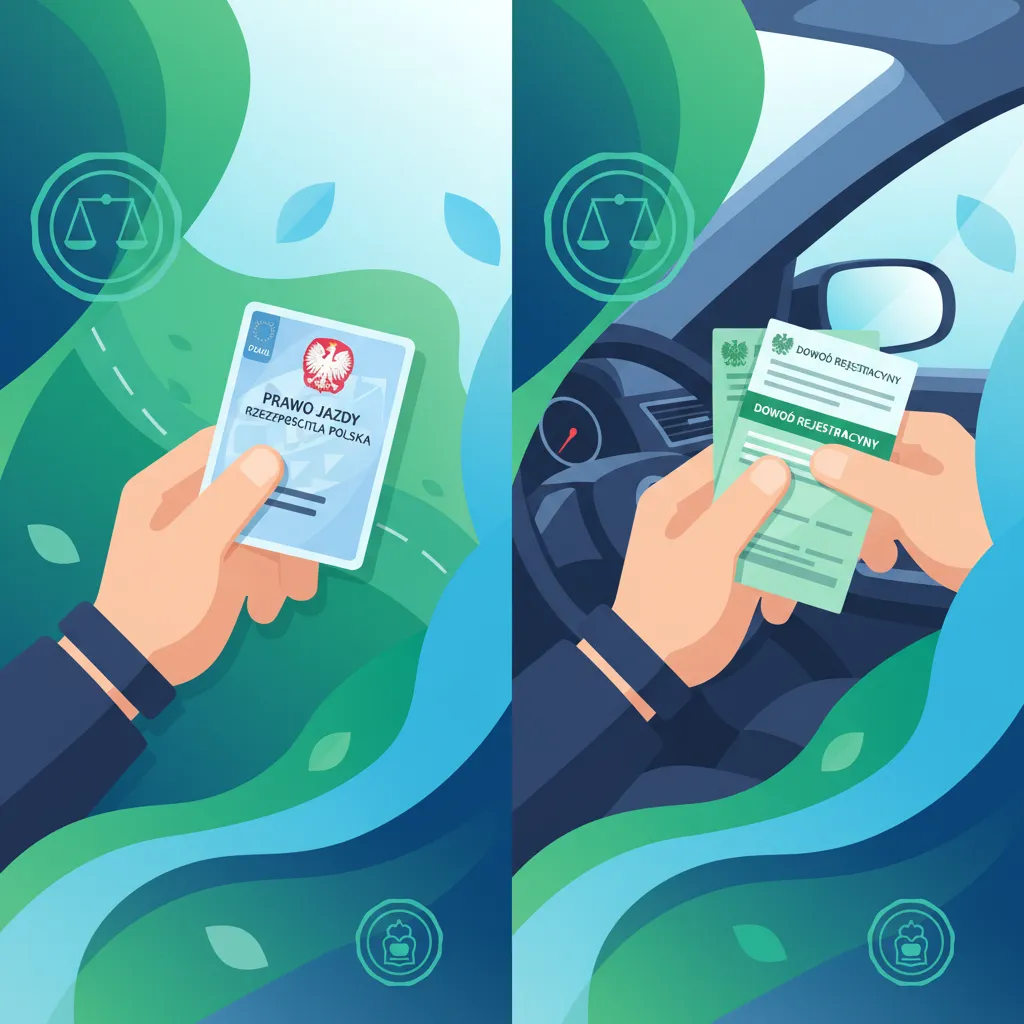
This lesson focuses on the critical documentation every professional driver must carry and maintain. It covers the driver's licence, vehicle registration, and tachograph records, explaining their legal importance and proper management. Learners will also study the requirements for transport permits, cargo declarations, and safety inspection reports, ensuring full compliance with Polish and EU regulations to avoid penalties and operational delays during roadside checks.
Find clear answers to common questions learners have about Speed Limits Specific to Category C Vehicles. Learn how the lesson is structured, which driving theory objectives it supports, and how it fits into the overall learning path of units and curriculum progression in Poland. These explanations help you understand key concepts, lesson flow, and exam focused study goals.
In built-up areas in Poland, the general speed limit for Category C vehicles (heavy goods vehicles) is 50 km/h. It's crucial to remember this limit applies unless specific signs indicate otherwise. Always be vigilant for signage that may impose lower or, in rare cases, higher temporary limits.
Yes, there are. Outside built-up areas, the standard speed limit for Category C vehicles on single carriageways is 70 km/h. On dual carriageways (like express roads or motorways that are not fully restricted access), the limit is typically 80 km/h, but always check for specific signs.
On Polish motorways, Category C vehicles are permitted to travel at a maximum speed of 80 km/h. This limit ensures a safer speed differential between slower-moving heavy vehicles and other traffic. Specific signage may sometimes indicate variations, but 80 km/h is the standard maximum.
Temporary speed restriction signs, often indicated by yellow backgrounds or specific wording, must be strictly adhered to by Category C drivers. These signs are usually placed due to road works, hazardous conditions, or specific events. They override the general speed limits and failing to comply can result in significant penalties.
The legal speed limit itself is determined by the vehicle category and road type, not directly by the load it carries. However, the weight and distribution of the load significantly impact the vehicle's handling, braking, and stability. Therefore, while the limit remains the same, drivers must adjust their actual speed according to road conditions, traffic, and the specific characteristics of their load for safety.
Build custom practice sessions tailored precisely to your needs. Focus on areas requiring improvement, review specific Polish road signs, or master complex traffic rules to ensure full preparation for your official driving license exam.