
Welcome to the 'Engine, Transmission, and Powertrain Overview' lesson as part of the Polish Category D Driving Licence Theory Course. This section delves into the heart of modern buses, exploring the technologies that make them move. Understanding these systems is crucial for safe, efficient, and compliant operation, directly preparing you for key sections of your theory exam.
Lesson content overview
Operating a bus safely and efficiently requires a deep understanding of its powertrain – the system that generates and transmits power to the wheels. For professional drivers undertaking the Polish Category D Driving Licence Theory Course, this knowledge is fundamental. It not only ensures compliance with stringent technical and environmental regulations but also contributes directly to passenger safety, operational economy, and the longevity of the vehicle.
The powertrain is the heart of any bus, responsible for converting stored energy (from fuel or electricity) into the mechanical force that propels the vehicle. This intricate system comprises several interconnected components, primarily the engine or motor, the transmission, and the final drive. Each part plays a crucial role in determining the bus's performance, fuel efficiency, and environmental impact.
Understanding how these systems interact is vital for several reasons. It enables drivers to make informed decisions regarding gear selection and speed control, which directly influences fuel consumption and adherence to emission standards like Euro 6. Furthermore, it allows for proactive management of the vehicle under various loads and environmental conditions, preventing mechanical stress and enhancing overall safety. This lesson builds upon foundational knowledge of bus classifications and dimensions and provides essential context for subsequent topics such as braking systems and safe maneuvering.
The engine or motor is the initial source of motive power in a bus, and modern fleet operations utilize diverse technologies. These choices dictate fueling infrastructure, maintenance requirements, and environmental performance.
Diesel Internal Combustion Engines (ICE) have historically been the backbone of the bus industry due to their robust torque output and fuel efficiency over long distances. They operate on the principle of compression ignition, where air is compressed to a high temperature, igniting the atomized diesel fuel injected into the cylinder. Diesel engines are known for their durability and power, making them suitable for heavy loads and varied routes, from city streets to intercity highways. However, they require sophisticated exhaust after-treatment systems to meet modern emission standards.
Hybrid powertrains represent a significant step towards greener transport, integrating a conventional internal combustion engine (often diesel) with an electric motor and battery system. This combination allows for more flexible and efficient operation, particularly in urban environments with frequent stops and starts. Hybrid buses can operate in several configurations:
Battery-Electric Motors (BEM) power fully electric buses, relying solely on electricity stored in high-voltage battery packs. These vehicles produce zero tailpipe emissions, making them ideal for urban areas seeking to improve air quality. Electric motors provide instant torque, resulting in smooth and quiet acceleration, which enhances passenger comfort. The operational range of electric buses is continuously improving with advances in battery technology, though charging infrastructure and battery management remain critical considerations for fleet operators.
The transmission system is critical for optimizing the engine's output, translating its power into usable torque and speed at the wheels. It allows the engine to operate within its most efficient RPM (revolutions per minute) range across varying vehicle speeds and loads.
Manual gearboxes require the driver to manually select gears using a gear lever and a clutch pedal. While less common in modern city buses due to driver fatigue in stop-and-go traffic, they are still found in some applications, particularly older or smaller intercity coaches. The 'synchromesh' system allows for smoother gear changes by synchronizing the speeds of the gears before engagement. Mastering a manual gearbox requires skill and coordination to ensure smooth acceleration, proper engine braking, and efficient fuel consumption.
Automatic transmissions (AT) are widely preferred in city buses due to their ease of use, reduced driver workload, and ability to maintain optimal engine RPMs. These systems typically use planetary gear sets and hydraulic controls to shift gears automatically. A key component is the torque converter, a fluid coupling that transfers rotational power from the engine to the transmission. It allows the engine to idle while the vehicle is stationary without disengaging the drive, and it smoothly multiplies torque during acceleration, enhancing drivability in congested urban environments.
Automated Manual Transmissions (AMT) combine the mechanical efficiency of a manual gearbox with the convenience of automatic shifting. In an AMT, electronic actuators manage the clutch and gear changes, eliminating the need for a clutch pedal. This design often results in better fuel efficiency compared to traditional automatic transmissions, as it avoids the inherent power losses associated with a torque converter. AMTs reduce driver fatigue on longer routes while offering a performance profile similar to a manual gearbox.
Continuously Variable Transmissions (CVT) offer an infinite number of gear ratios within a given range, typically using a system of belts or pulleys. This allows the engine to operate at its most efficient RPM for any given speed, leading to very smooth acceleration and potentially superior fuel economy. While less common in heavy-duty buses compared to passenger cars, some specialized bus applications may utilize CVTs for specific operational advantages, such as extremely smooth power delivery.
Beyond the engine and transmission, several other components are integral to the powertrain's operation, each contributing to the bus's ability to move efficiently and safely. A failure in any of these parts can have significant implications for vehicle performance and safety.
As discussed, this is the primary component generating mechanical energy. Whether a diesel engine or an electric motor, its function is to convert either fuel or electrical energy into rotational motion, providing the force needed to drive the bus.
In systems equipped with a clutch (manual and AMT), this component is responsible for engaging and disengaging the engine from the transmission. This allows for smooth gear changes and prevents the engine from stalling when the vehicle stops. The gearbox, or transmission, then modifies the engine's torque and speed to deliver appropriate power to the drive wheels, enabling the bus to accelerate, maintain speed, and climb inclines effectively.
The drive shaft (or propeller shaft) transmits the rotational torque from the gearbox to the rear axle. At the rear axle, the differential receives this torque. The differential is a crucial component that splits the torque between the drive wheels and allows them to rotate at different speeds, which is essential when the bus turns a corner. Without a differential, both wheels would have to turn at the same speed, causing one wheel to drag or slip. The final drive ratio, often integrated into the differential, provides the final reduction in speed and increase in torque before power reaches the wheels.
The powertrain relies on several ancillary systems for proper function:
Environmental protection is a critical aspect of modern transport, and strict emission standards govern heavy-duty vehicles, including buses. The Euro 6 standard is particularly significant for bus drivers and operators in Poland and across the European Union.
Euro 6 is an EU regulation that sets stringent limits on the permissible exhaust emissions from heavy-duty vehicles, including buses. Its primary goal is to protect air quality and public health by significantly reducing harmful pollutants. Key pollutants regulated under Euro 6 include:
To achieve Euro 6 compliance, diesel buses are equipped with advanced exhaust after-treatment technologies:
As a professional bus driver, you play a direct role in maintaining the effectiveness of these emission control systems. This includes:
Fuel economy is a critical operational consideration for bus operators, impacting both financial costs and environmental footprint. Professional bus drivers have a significant influence on a bus's fuel and energy consumption through their driving style and decision-making.
Numerous factors affect how much fuel or electricity a bus consumes:
Understanding an engine's torque and power curves is key to efficient driving. These curves illustrate the engine's output characteristics at different RPMs. For most diesel bus engines, the most efficient range (often called the "green zone") is typically between 1200 and 1800 RPM. By selecting the appropriate gear, drivers can keep the engine within this optimal range, maximizing torque for acceleration while minimizing fuel consumption.
In hybrid and electric buses, regenerative braking is a powerful tool for energy recovery. Instead of dissipating kinetic energy as heat through friction brakes, the electric motor acts as a generator during deceleration. This converts the bus's momentum back into electrical energy, which is then stored in the battery.
The weight of the bus, including passengers and cargo, profoundly influences how the powertrain performs. Professional drivers must always be aware of load limits and adjust their driving accordingly to ensure safety and prevent mechanical stress.
Every bus has a specified Maximum Permissible Total Weight, known as the Gross Vehicle Weight (GVW), determined by the manufacturer and regulated by law. For a typical city bus, this might be around 18 tonnes. This limit includes the bus's empty weight, the weight of fuel, and the maximum permissible weight of passengers and their luggage. Exceeding the GVW is not only illegal under the Polish Road Traffic Act but also dangerous.
Overloading a bus places immense strain on the entire powertrain and other vehicle systems:
When operating a bus that is fully or heavily loaded, drivers must adjust their driving style:
Operating a bus in Poland involves adherence to specific legal regulations and industry best practices to ensure safety, environmental compliance, and economic efficiency.
All buses used for public transport in Poland that exceed 3 tonnes of permissible gross vehicle weight must undergo a mandatory technical inspection (badania techniczne) every year.
This inspection ensures that all vehicle systems, including the powertrain and emission controls, are in proper working order and comply with current technical standards. Failing to pass this inspection or operating a bus without a valid inspection certificate is illegal and can result in significant penalties.
Professional bus drivers frequently encounter specific challenges related to powertrain management. Being aware of these common violations and edge cases can prevent damage, improve safety, and optimize operational costs.
Effective powertrain management requires continuous adaptation to various external factors and the vehicle's internal state.
Applying theoretical knowledge to real-world driving situations is crucial for safe and efficient bus operation.
Setting: City center, moderate traffic, dry conditions, requiring frequent stops and starts. Decision Point: Selecting the appropriate gear after each stop to maintain momentum and efficiency. Correct Behavior: The driver consistently selects 2nd gear after each stop, allowing the engine to operate smoothly around 1500–2000 RPM, providing optimal torque for acceleration without lugging or excessive clutch use. Incorrect Behavior: The driver attempts to start in 3rd gear, causing the engine to lug, resulting in jerky acceleration, increased fuel consumption, and premature clutch wear.
Setting: Mountainous road with steep, winding inclines and descents. Decision Point: Managing power modes and gear selection for climbing and descending. Correct Behavior: Before a steep climb, the driver engages "Power" mode (if available) to ensure both the ICE and electric motor contribute maximum force, and downshifts to 4th or 3rd gear to keep the engine RPM within its efficient band. On descents, the driver downshifts to use engine braking and maximizes regenerative braking. Incorrect Behavior: The driver stays in "Eco" mode and a higher gear, causing the bus to lose speed significantly on the incline, straining the engine, or overheating the brakes on the descent.
Setting: Snowy morning, ambient temperature -5 °C. The bus has been parked overnight. Decision Point: Proper starting and initial driving procedure. Correct Behavior: The driver waits for the glow plug pre-heat cycle (typically indicated by a dashboard light turning off) before starting the engine. They then drive gently, avoiding high RPMs, until the engine reaches its optimal operating temperature, minimizing cold-start soot buildup and engine wear. Incorrect Behavior: The driver starts the bus immediately and accelerates hard, leading to a smoky exhaust, potential DPF clogging, and increased wear on cold engine components.
Setting: Dual-carriageway, dry weather, cruising at 80 km/h with occasional deceleration. Decision Point: Optimizing energy recovery during deceleration. Correct Behavior: The driver keeps regenerative braking active. During gentle decelerations, the bus slows primarily through energy recovery, efficiently recharging the batteries and reducing wear on friction brakes. Incorrect Behavior: The driver intentionally switches off regenerative braking, leading to higher electricity consumption and faster wear of the traditional brake pads, increasing operational costs.
Setting: City route with passenger capacity exceeding legal limits (e.g., 150% of rated capacity). Decision Point: Adjusting driving style to compensate for excessive load. Correct Behavior: The driver reduces overall speed, increases following distances, shifts to lower gears earlier for acceleration, and monitors engine temperature vigilantly. They avoid sudden maneuvers and are extra cautious when braking. Incorrect Behavior: The driver attempts to maintain normal speed and driving style, leading to increased engine strain, brake fade, longer stopping distances, and a significant safety risk to passengers and other road users.
The profound impact of powertrain knowledge extends beyond mere technical comprehension; it is a cornerstone of professional, safe, and efficient bus operation.
Physics of Torque and Power: Understanding how engine torque and power translate into vehicle motion is critical. Higher torque at lower engine speeds provides better acceleration for heavy vehicles, but exceeding design limits can lead to drivetrain damage. The driver's ability to utilize the engine's optimal torque band directly impacts acceleration, climbing ability, and overall vehicle dynamics, which are crucial for safe maneuvers.
Human Factors and Driver Fatigue: Modern automatic and automated manual transmissions reduce driver workload, particularly in demanding urban environments. This reduction in fatigue allows drivers to maintain better situational awareness, make quicker decisions, and operate the bus more smoothly and safely. However, even with automation, the driver's role in monitoring systems and adapting to conditions remains paramount.
Psychology of Feedback and Warning Systems: Dashboard indicators for engine temperature, oil pressure, AdBlue levels, and DPF status provide vital feedback. A driver trained to understand and respond promptly to these alerts can prevent minor issues from escalating into major breakdowns, ensuring reliability and preventing potentially dangerous situations on the road.
Data-Driven Trends and Operational Benefits: Studies consistently demonstrate that proper powertrain management significantly impacts operational costs and environmental performance. For example, effective use of automatic transmissions and regenerative braking can lead to substantial reductions in fuel consumption and brake wear, directly benefiting fleet operators and contributing to a greener transport sector. Compliance with Euro 6 emission standards means a substantial reduction in pollutants, directly improving urban air quality and public health.
Interdependencies within the Curriculum: This lesson on powertrains provides foundational knowledge that underpins many other aspects of the Polish Category D Driving Licence Theory Course. It connects directly with understanding Gross Vehicle Weight and bus dimensions from Lesson 2.1. Crucially, it forms the basis for effective use of braking systems (Lesson 2.3), as engine braking and regenerative braking interact with air brakes and retarders. Furthermore, powertrain knowledge is essential for executing safe maneuvering techniques and urban operations (Lesson 5), where smooth acceleration, deceleration, and precise speed control are paramount for passenger comfort and safety.
This lesson covers the essential powertrain technologies for modern buses, including diesel internal combustion engines, hybrid systems (series, parallel, and power-split configurations), and battery-electric motors. It explains how transmissions—including manual, automatic, automated manual, and continuously variable types—optimize engine output for different driving conditions. Key topics include Euro 6 emission compliance requirements, which mandate DPF and SCR after-treatment systems, and the critical role drivers play in monitoring these systems. The lesson emphasizes efficient power management through optimal gear selection to keep engines within their torque band, the benefits of regenerative braking in hybrid and electric buses, and the safety implications of vehicle load limits as defined by Polish Road Traffic Act regulations.
A short set of high-value points that capture the most important learning from this lesson.
The powertrain converts stored energy into motive force through the engine/motor, transmission, and final drive, with each component affecting performance and fuel efficiency
Modern buses use diesel ICE, hybrid (series, parallel, power-split), and battery-electric powertrains, each with distinct operational characteristics and efficiency profiles
Euro 6 emission standards mandate strict limits on NOx (0.46 g/kWh) and particulate matter (0.01 g/kWh), requiring DPF and SCR systems in diesel buses
Efficient driving keeps diesel engines within the 1200-1800 RPM optimal range, using appropriate gear selection for acceleration, climbing, and engine braking on descents
Exceeding Gross Vehicle Weight (GVW) is illegal and dangerous, causing increased engine strain, brake overheating, and longer stopping distances
Explore all units and lessons included in this driving theory course.
DPF regeneration must be completed when indicated; ignoring alerts leads to clogged filters and expensive repairs
AdBlue (urea solution) is mandatory for Euro 6 diesel buses to reduce NOx emissions through Selective Catalytic Reduction
Hybrid and electric buses recover energy through regenerative braking, which is most effective during smooth, gradual deceleration
The torque converter in automatic transmissions allows the engine to idle while the vehicle is stationary and multiplies torque during acceleration
In cold weather, diesel glow plugs require completion of the pre-heat cycle before starting to minimize wear and emissions
Riding the clutch in stop-and-go traffic causes rapid wear of clutch components and increases fuel consumption
Descending steep hills in too high a gear causes engine over-revving, which can lead to catastrophic engine failure
Using Eco-mode when higher power is needed (e.g., motorway overtaking) results in insufficient acceleration and unsafe situations
Starting a cold diesel engine without allowing glow plug pre-heat to complete increases wear and cold-start emissions
Ignoring engine temperature, oil pressure, or emission control warning lights can escalate minor issues into major breakdowns
Lesson content overview
A short set of high-value points that capture the most important learning from this lesson.
The powertrain converts stored energy into motive force through the engine/motor, transmission, and final drive, with each component affecting performance and fuel efficiency
Modern buses use diesel ICE, hybrid (series, parallel, power-split), and battery-electric powertrains, each with distinct operational characteristics and efficiency profiles
Euro 6 emission standards mandate strict limits on NOx (0.46 g/kWh) and particulate matter (0.01 g/kWh), requiring DPF and SCR systems in diesel buses
Efficient driving keeps diesel engines within the 1200-1800 RPM optimal range, using appropriate gear selection for acceleration, climbing, and engine braking on descents
Exceeding Gross Vehicle Weight (GVW) is illegal and dangerous, causing increased engine strain, brake overheating, and longer stopping distances
Explore all units and lessons included in this driving theory course.
DPF regeneration must be completed when indicated; ignoring alerts leads to clogged filters and expensive repairs
AdBlue (urea solution) is mandatory for Euro 6 diesel buses to reduce NOx emissions through Selective Catalytic Reduction
Hybrid and electric buses recover energy through regenerative braking, which is most effective during smooth, gradual deceleration
The torque converter in automatic transmissions allows the engine to idle while the vehicle is stationary and multiplies torque during acceleration
In cold weather, diesel glow plugs require completion of the pre-heat cycle before starting to minimize wear and emissions
Riding the clutch in stop-and-go traffic causes rapid wear of clutch components and increases fuel consumption
Descending steep hills in too high a gear causes engine over-revving, which can lead to catastrophic engine failure
Using Eco-mode when higher power is needed (e.g., motorway overtaking) results in insufficient acceleration and unsafe situations
Starting a cold diesel engine without allowing glow plug pre-heat to complete increases wear and cold-start emissions
Ignoring engine temperature, oil pressure, or emission control warning lights can escalate minor issues into major breakdowns
Explore search topics learners often look for when studying Engine, Transmission, and Powertrain Overview. These topics reflect common questions about road rules, driving situations, safety guidance, and lesson level theory preparation for learners in Poland.
Browse additional driving theory lessons that cover connected traffic rules, road signs, and common driving situations related to this topic. Improve your understanding of how different rules interact across everyday traffic scenarios.
Understand the core components of bus powertrains, including diesel, hybrid, and electric engines, and various transmission types. Learn how these systems impact performance, fuel economy, and emissions for your Polish Category D theory knowledge.

This lesson provides an in-depth look at the transmission and drivetrain systems in heavy trucks. It explains the differences between manual and automated manual transmissions and details the function of components like the clutch, drive shafts, and differential. Learners will study effective gear shifting strategies that account for load and terrain, ensuring efficient power delivery, improved fuel economy, and reduced mechanical wear on the entire drivetrain system.
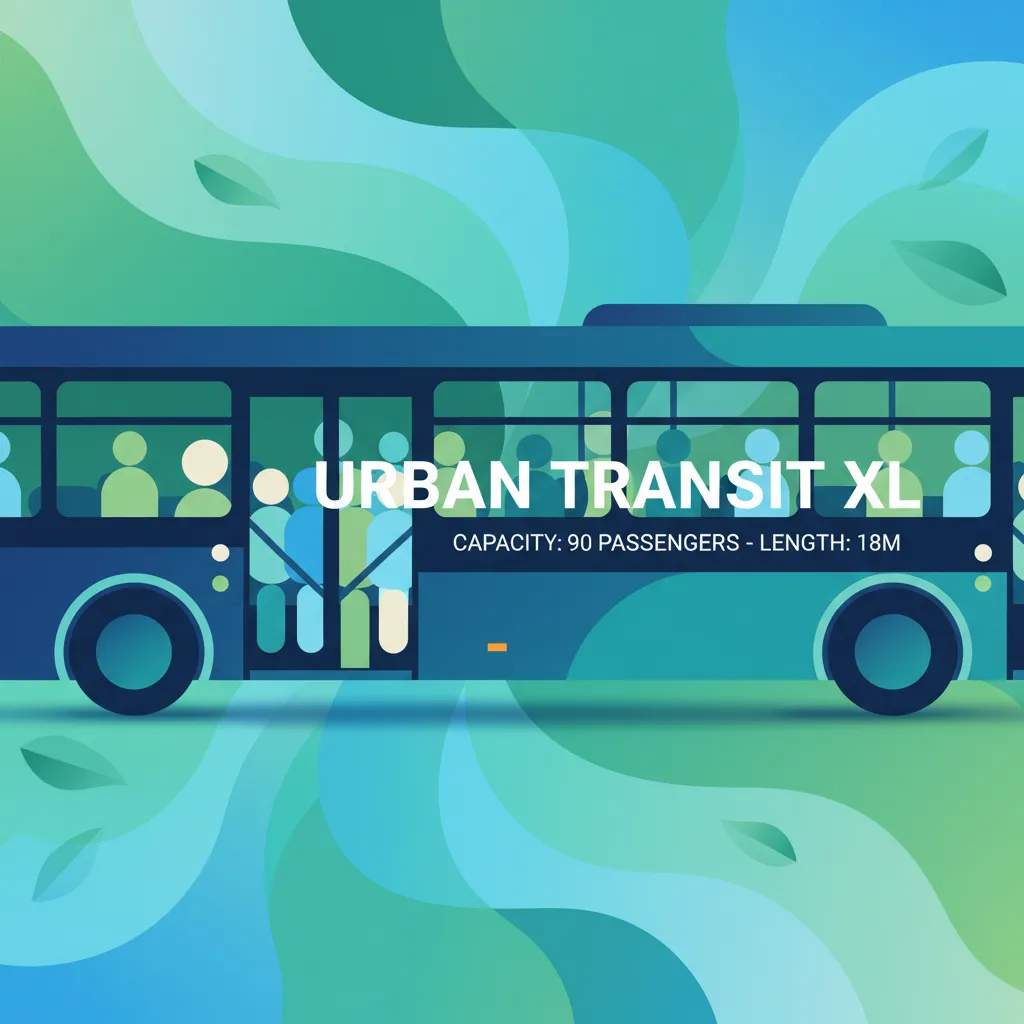
This lesson introduces the various classes of passenger vehicles under Category D, detailing differences between standard, articulated, and minibuses. It covers key dimensional parameters like length, wheelbase, and turning circle that affect urban navigation. Learners will also understand passenger capacity calculations and weight distribution for safe, compliant operation.
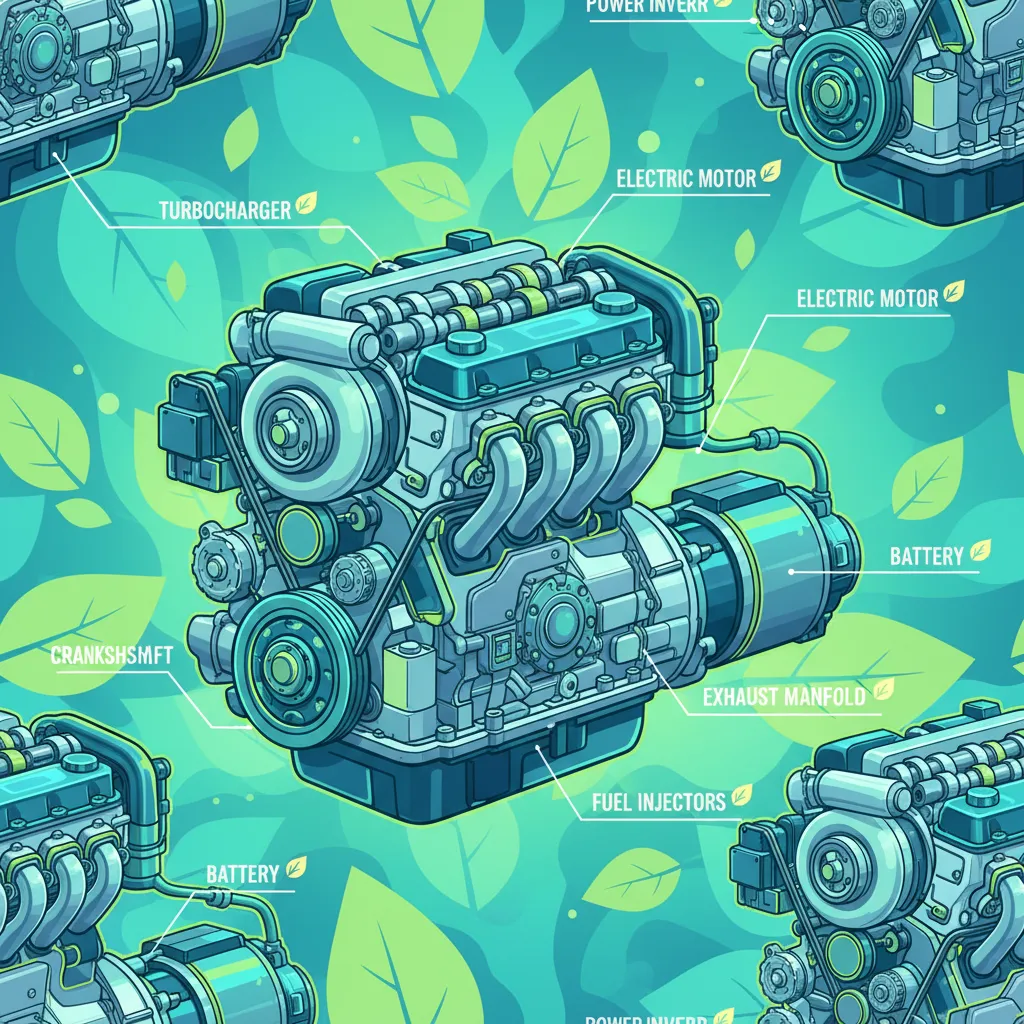
This lesson introduces the fundamental principles of the diesel engines that power Category C vehicles. It covers key concepts such as torque, horsepower, fuel injection, and the role of turbocharging in generating power efficiently. Learners will also analyze how the powertrain transfers energy to the wheels and understand the practical application of engine braking as a primary method for controlling vehicle speed, especially on long descents, to reduce wear on service brakes.
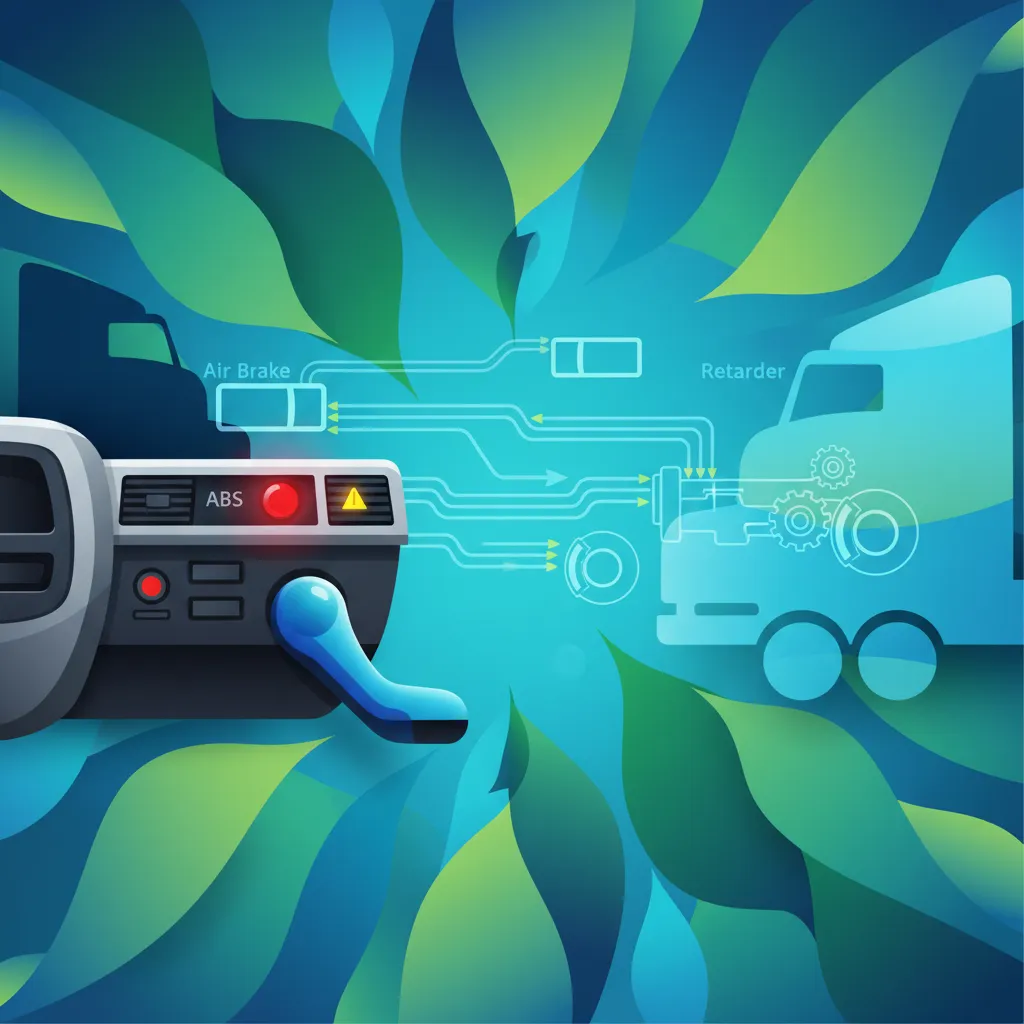
This lesson covers the braking mechanisms specific to large passenger vehicles, focusing on air brake systems and retarders. Learners will understand the components and operation of service and parking brakes, as well as the function of ABS and ESC. It also addresses strategies for emergency braking and the importance of regular maintenance for optimal performance.
This lesson details the speed limits applicable to buses in Poland across urban, rural, and motorway settings. It emphasizes how vehicle size and passenger load influence safe operating speeds and required stopping distances. The content also covers speed-control device usage and practical techniques for maintaining consistent speed while ensuring passenger comfort.

This lesson details the operation of a vehicle's pedals and transmission. It explains the distinct functions of the accelerator, brake, and clutch, and contrasts the operation of manual and automatic gearboxes. Proper gear selection for different driving situations is covered to optimize fuel efficiency and vehicle performance.

This lesson teaches the fundamentals of safely reversing a bus using mirrors, cameras, and alarms. It covers low-speed control essential for depot navigation, where precise steering is required to avoid collisions. Specific techniques for handling articulated buses and coordinating with ground staff are also discussed to ensure safe maneuvers.
This lesson teaches techniques for delivering a comfortable ride by managing acceleration and braking to minimize sudden movements. It emphasizes progressive braking and gentle throttle application, especially with standing passengers. The content also discusses how vehicle suspension and speed modulation contribute to overall passenger comfort and satisfaction.

This lesson details the exact requirements to qualify for a Category D driving licence. It covers the minimum age, the mandatory medical examinations for health fitness, and the hierarchy of prerequisite licences like Category B and C. You will also learn about the accredited training process and the necessary documentation for certification.
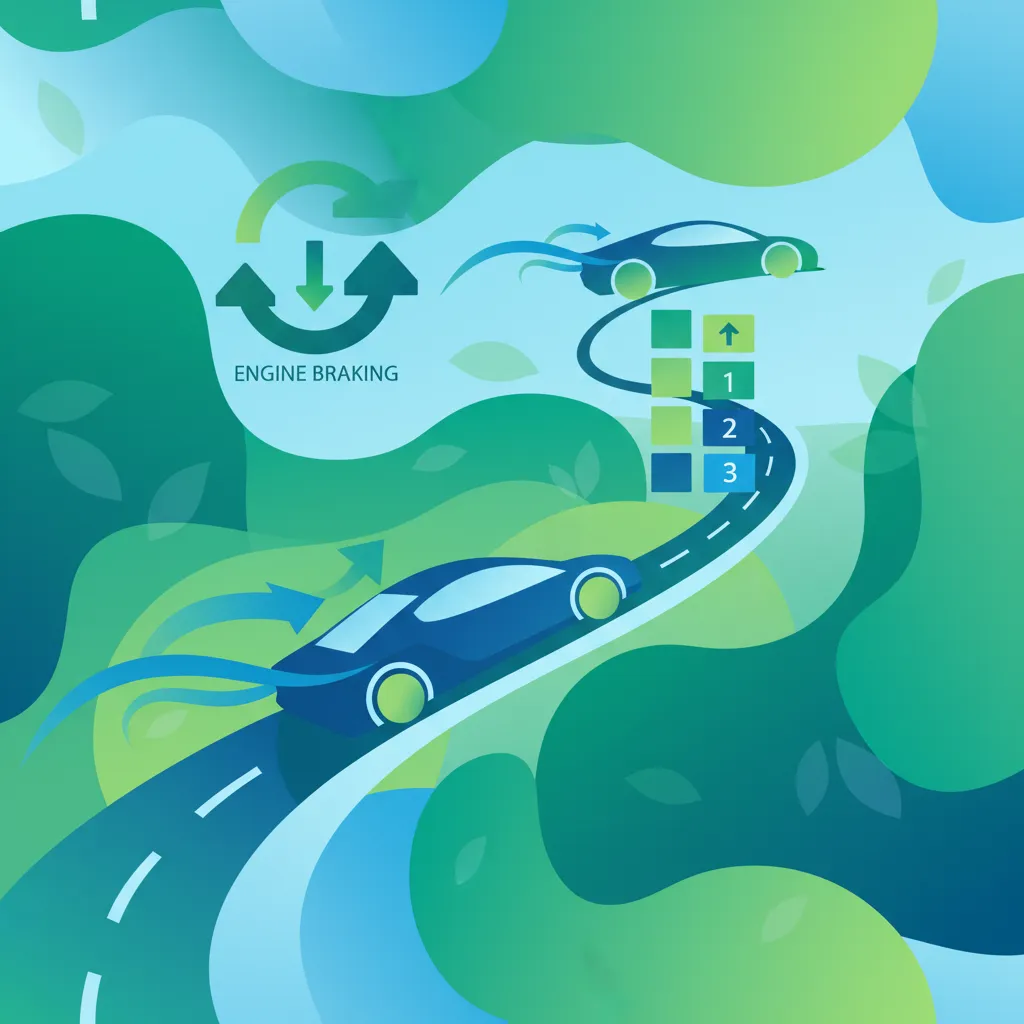
This lesson focuses on optimizing powertrain performance through skilled driving techniques. It teaches learners how to select the correct gears and shift points by understanding the engine's torque curve, which is crucial for both efficient acceleration and fuel economy. Additionally, the content details the proper application of engine braking and retarders to control speed on descents, preserving the service brakes and maintaining vehicle control without excessive fuel use.
Master Euro 6 emission standards, understand DPF and SCR systems, and learn driving techniques for optimal fuel economy and efficient power management in buses. Essential knowledge for Polish Category D theory.
This lesson details the speed limits applicable to buses in Poland across urban, rural, and motorway settings. It emphasizes how vehicle size and passenger load influence safe operating speeds and required stopping distances. The content also covers speed-control device usage and practical techniques for maintaining consistent speed while ensuring passenger comfort.
This lesson introduces the principles of eco-driving, a set of techniques designed to minimize fuel consumption and emissions. It explains how factors like smooth acceleration, maintaining a steady speed, and anticipating traffic flow can lead to significant fuel savings. Learners will understand the benefits of reducing unnecessary idling, using cruise control effectively on appropriate terrain, and planning routes to avoid congestion, contributing to both economic and environmental sustainability.
This lesson introduces the various classes of passenger vehicles under Category D, detailing differences between standard, articulated, and minibuses. It covers key dimensional parameters like length, wheelbase, and turning circle that affect urban navigation. Learners will also understand passenger capacity calculations and weight distribution for safe, compliant operation.
This lesson explores the environmental impact of HGV operations and the regulations designed to mitigate it. It covers modern emission control systems and standards (e.g., Euro 6), and the importance of compliance with rules governing noise pollution. The content reinforces eco-driving techniques as a primary method for reducing fuel consumption and emissions, promoting the driver's role in achieving more sustainable and environmentally friendly logistics operations.
This lesson covers the braking mechanisms specific to large passenger vehicles, focusing on air brake systems and retarders. Learners will understand the components and operation of service and parking brakes, as well as the function of ABS and ESC. It also addresses strategies for emergency braking and the importance of regular maintenance for optimal performance.
This lesson explores the physiological and psychological aspects of driver fatigue, covering its warning signs and strategies for maintaining concentration. It outlines the legal framework for work-time limits and mandatory rest periods, monitored via tachograph. Practical advice on schedule planning and nutrition is provided to help sustain alertness and reduce accident risk.
This lesson provides a comprehensive overview of EU working-time regulations for professional bus drivers. It covers maximum daily driving hours, mandatory breaks, and weekly rest periods to prevent fatigue. You will learn the function of the tachograph for recording driving times and the legal responsibility to maintain accurate records for compliance.
This lesson introduces the concept of eco-driving, a style that promotes fuel efficiency and reduces environmental impact. It teaches techniques such as maintaining a steady speed, anticipating traffic flow to avoid unnecessary braking, and ensuring the vehicle is well-maintained. These simple habits can lead to significant savings on fuel and reduce a driver's carbon footprint.
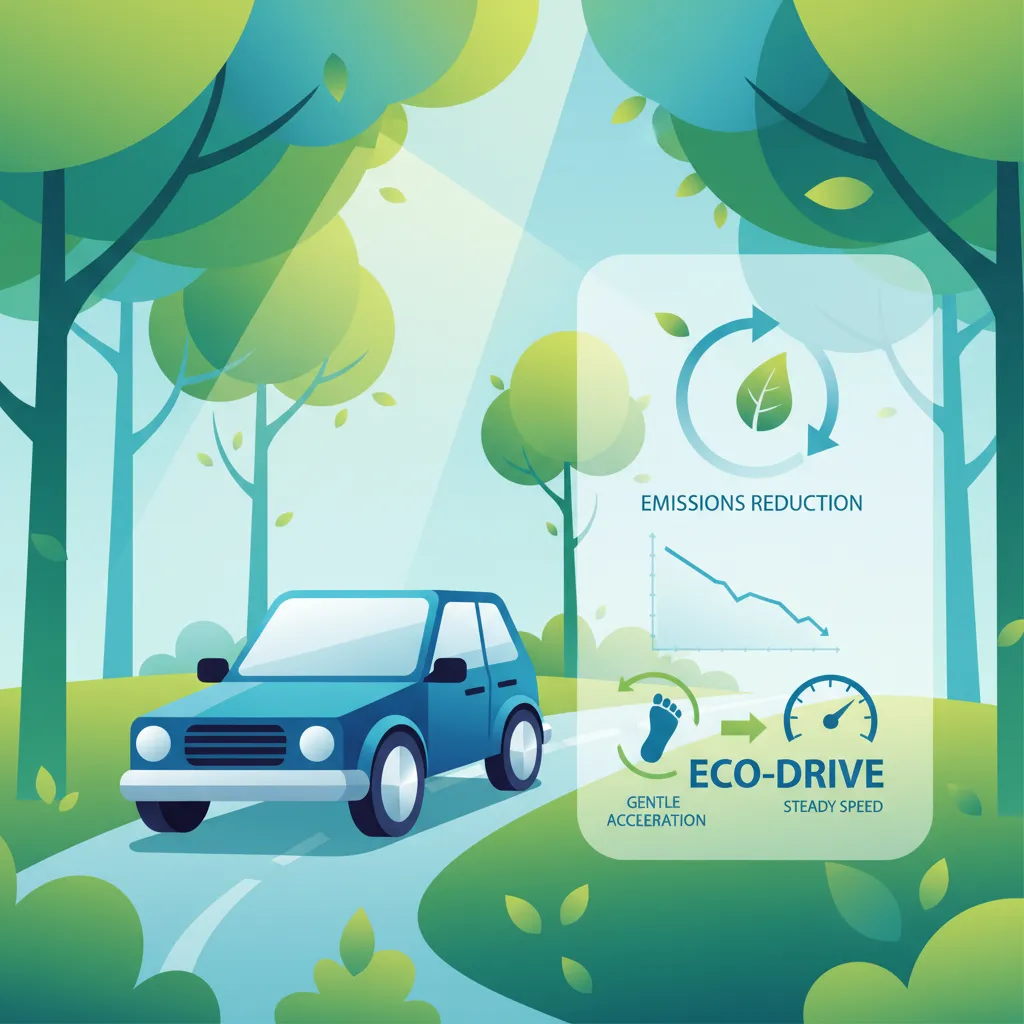
This final lesson consolidates the principles of eco-driving and places them in the wider context of environmental responsibility. It recaps techniques like smooth acceleration and braking, maintaining correct tire pressure, and removing unnecessary weight from the vehicle. The goal is to instill driving habits that are not only economical but also contribute to reducing pollution and conserving resources.

This lesson introduces defensive driving strategies tailored for bus operation, emphasizing hazard perception and risk management. Learners will study techniques for continuous situational awareness and maintaining safe following distances for adequate reaction time. The content covers emergency maneuvers and interaction with vulnerable road users to reduce accident likelihood.
Find clear answers to common questions learners have about Engine, Transmission, and Powertrain Overview. Learn how the lesson is structured, which driving theory objectives it supports, and how it fits into the overall learning path of units and curriculum progression in Poland. These explanations help you understand key concepts, lesson flow, and exam focused study goals.
Diesel buses use an internal combustion engine burning diesel fuel. Hybrid buses combine a diesel engine with an electric motor and battery, offering improved fuel efficiency and reduced emissions. Electric buses run solely on electricity stored in batteries, producing zero tailpipe emissions and offering a quieter ride.
Euro 6 is a European Union standard that sets strict limits on pollutants like nitrogen oxides (NOx) and particulate matter (PM) emitted by vehicle engines. For buses, meeting these standards is mandatory to reduce air pollution, especially in urban areas, and is a key topic tested in the theory exam.
The transmission manages the power from the engine to the wheels. An appropriately geared transmission allows the engine to operate within its optimal range, improving acceleration and enabling efficient fuel use. Modern buses often use automatic or automated manual transmissions designed for heavy vehicles to enhance both performance and economy.
A retarder is a supplementary braking system that helps slow the vehicle down without heavily relying on the main service brakes. It's particularly useful for managing speed on descents, reducing brake wear and preventing overheating. It works by using hydraulic or electromagnetic resistance.
Yes, the Polish Category D theory exam includes questions about vehicle characteristics, including powertrain systems, emissions, and efficiency. A solid understanding of these topics is necessary to pass, especially for professional drivers who will operate these vehicles daily.
Build custom practice sessions tailored precisely to your needs. Focus on areas requiring improvement, review specific Polish road signs, or master complex traffic rules to ensure full preparation for your official driving license exam.