
Welcome to the lesson on Seating Position, Controls, and Ergonomics for bus drivers. This module is crucial for understanding how to optimize your driving environment for safety and comfort. It forms the foundation for effective vehicle operation and directly impacts your performance and well-being during long journeys, preparing you for specific challenges tested in the Category D exam.
Lesson content overview
Operating a passenger bus requires not only skill and adherence to traffic laws but also an optimal physical setup that supports the driver throughout long shifts. The careful adjustment of your seating position, the proper reach to vehicle controls, and an understanding of ergonomic principles are fundamental to ensuring safety, minimizing fatigue, and maintaining peak performance. This lesson will guide aspiring professional bus drivers through the essential aspects of establishing a comfortable and safe posture, ensuring precise control, and reducing physical strain during extended periods behind the wheel.
The driver's compartment in a bus is a workplace where comfort directly translates into safety and efficiency. Poor seating posture or inadequate control reach can lead to driver fatigue, slower reaction times, and an increased risk of musculoskeletal injuries over time. For a Category D bus driver, who often operates large vehicles with many passengers over varying routes and durations, ergonomics is not just about personal comfort; it's a critical safety factor.
A correctly adjusted driver's environment allows for an unobstructed view of the road, mirrors, and instrument panel, enabling quick and accurate responses to dynamic traffic situations. It also supports the body's natural alignment, reducing the physical stress that can accumulate during extended periods of driving. This proactive approach to driver positioning is essential for preventing accidents, maintaining legal compliance, and fostering a long, healthy career in professional transport.
Effective driver ergonomics is built upon several core principles that ensure a harmonious interaction between the driver and the vehicle. These principles guide the adjustments necessary to create an optimal driving environment, improving comfort, control, and overall safety.
The scientific study of designing equipment and workplaces to fit the user’s body and capabilities, aiming to maximize efficiency, comfort, and safety.
The vertical positioning of your seat cushion is the first and most critical adjustment. Your seat height should allow your knees to be slightly bent, typically at an angle of 120-130 degrees, when the pedals are fully depressed. This ensures you can apply appropriate force to the pedals without stretching or lifting your heel from the floor. Equally important, the correct seat height provides a clear, unobstructed line of sight to the road ahead, the instrument cluster, and all mirrors. You should be able to see the road via the windshield and side windows without having to crane your neck.
Setting the seat too low can obscure the view of the immediate road ahead or parts of the dashboard, while setting it too high might reduce headroom and distort the perception of vehicle dimensions. Both scenarios compromise safety.
Your backrest angle plays a crucial role in maintaining spinal health and reducing fatigue. The ideal angle for most drivers is typically between 100-110 degrees from the horizontal, allowing your elbows to remain slightly bent when holding the steering wheel. This angle supports the natural S-curve of your spine, particularly in the lower back. Modern bus seats often include adjustable lumbar support, which allows you to fine-tune the contour of the backrest to provide firm, yet comfortable, support to your lower spine.
Over-reclining can lead to slouching, reducing steering precision and increasing strain on your shoulders and neck. Conversely, an overly upright position can put excessive pressure on your spinal discs. Proper lumbar support distributes pressure evenly, preventing discomfort and maintaining alertness over long journeys.
The position of the steering wheel involves both its reach (horizontal distance from your chest) and tilt (angle). When your hands are positioned at the 9 and 3 o'clock positions on the steering wheel, your arms should have a slight bend, forming an angle of approximately 100-120 degrees. This allows for precise steering inputs without over-extension or cramping your shoulder movement. The steering wheel should be at a height that allows you to see the instrument cluster clearly, typically around chest height, without obscuring your view of the road.
Adjusting the wheel too close can make rapid steering corrections awkward and may pose a safety risk in the event of an airbag deployment. Too far, and you'll find yourself stretching, leading to fatigue and reduced control effectiveness.
The relationship between your feet and the pedals—accelerator, brake, and clutch (if applicable)—is fundamental for vehicle control. Your pedal reach should allow your heel to rest comfortably on the floor, enabling you to fully depress each pedal using primarily ankle and foot movement, without having to lift your entire foot or stretch excessively.
This ensures maximum leverage and control, critical for smooth acceleration, precise braking, and efficient clutch operation in manual transmission buses. Relying solely on your toes to operate the pedals reduces control and can lead to slower reaction times and inefficient force application, especially in emergency braking situations.
Once your seat and steering wheel are correctly positioned, the next crucial step is to adjust all mirrors: the interior rearview mirror, and the exterior side and blind-spot mirrors. Mirror field of view must be optimized to provide a clear view of the rear, sides, and critical blind spot zones around the bus. This adjustment is not a one-time task; it must be re-evaluated and recalibrated whenever your seating position changes or when there are significant changes in passenger load.
The goal is to minimize head movement required to check mirrors. You should be able to scan your mirrors with minimal head rotation, ideally no more than 15 degrees from your forward gaze, to maintain situational awareness. Neglecting mirror adjustment can create dangerous blind spots, making lane changes or maneuvering in tight spaces perilous.
While seat and steering wheel adjustments are driver-specific, the control layout consistency refers to the standardized placement of essential vehicle controls within the driver's reach. This includes the instrument cluster (speedometer, fuel gauge, tachometer), indicator stalks, gear selector, hazard lights, and windshield wiper controls. A consistent, intuitive layout is crucial for minimizing cognitive load and preventing distraction, as it allows the driver to operate controls instinctively without having to look away from the road.
Professional bus manufacturers design these layouts with ergonomics in mind, typically placing frequently used controls within easy reach of the hands when they are on the steering wheel, or requiring minimal movement. Any customisation beyond manufacturer specifications could inadvertently introduce confusion and reduce response times in critical moments.
Buses carry varying numbers of passengers and sometimes cargo, which directly impacts the vehicle's weight and suspension. This leads to vehicle sag, where the chassis drops due to the increased load. As a consequence, the driver's eye level relative to the windshield and mirrors can change. Therefore, load-dependent adjustment is a mandatory principle: you must re-check and, if necessary, adjust your seat height and mirror positions after any significant change in passenger load.
Failing to do so can compromise your sightlines, introduce new blind spots, and alter your perception of distances, potentially leading to errors. This adjustment ensures that your established ergonomic settings and visibility remain optimal regardless of the bus’s current state.
Polish law, aligned with broader EU directives, mandates specific conditions for the driver’s environment to ensure safety and operational efficiency. These regulations are designed to protect the driver's health and enhance road safety for all users.
Under Polish Road Traffic Act (Prawo o ruchu drogowym) and the Rozporządzenie Ministra Infrastruktury w sprawie warunków technicznych pojazdów (Regulation of the Minister of Infrastructure on technical conditions of vehicles), it is mandatory that:
Polish regulations explicitly state that all Category D vehicles must be designed such that pedals are reachable without the driver having to stand up or stretch with arms. This ensures that drivers can safely modulate vehicle speed, braking, and clutch engagement with precision and without compromising their posture or control over the steering wheel. Similarly, all other essential controls, such as indicator stalks and gear selectors, must be easily accessible to prevent distraction.
The Polish Road Traffic Act, particularly Article 31, underscores the importance of proper mirror adjustment. It requires that side mirrors must be adjusted to provide a view of adjacent lanes without requiring the driver to turn their head more than 15 degrees from the forward gaze. This rule is crucial for maintaining continuous situational awareness, especially in urban traffic or during lane changes on highways. It directly aims to minimize "head-turning" blind spots.
While some aspects are legally binding, EU Directive 2008/96 and related Polish guidelines also provide strong recommendations for the ergonomic design of the driver’s cabin. These often include:
Always consult the vehicle's manual for specific instructions on adjusting seats, mirrors, and steering wheel in your particular bus model, as adjustment mechanisms can vary.
Ignoring ergonomic principles and legal requirements can lead to serious safety issues and potential legal penalties. Here are some common violations and their dangerous consequences:
The optimal ergonomic setup is not static; it requires continuous minor adjustments based on the prevailing driving conditions. Being aware of these contextual variations allows for proactive adjustments that maintain safety and comfort.
As discussed, significant changes in passenger load (e.g., leaving a busy city stop with a full bus, or starting a route nearly empty) cause vehicle sag. This directly affects your eye line and the relative position of controls. Your seat height and mirror angles must be re-adjusted to compensate, ensuring that your field of view and reach to controls remain consistent.
When operating near schools, pedestrian crossings, or in areas with high vulnerable road user traffic, maintaining a slightly more upright posture can enhance your ability to actively scan surroundings. This improved vigilance helps in anticipating sudden movements from children or cyclists, allowing for quicker, safer reactions.
The meticulous attention to seating position and control ergonomics has profound implications for a bus driver's performance and the overall safety of passengers and other road users.
A properly adjusted seat and control environment minimizes the biomechanical stress on the driver's body. When the spine is supported, arms are relaxed, and pedals are easily reachable, muscle strain is significantly reduced. This reduction in physical discomfort directly translates to less fatigue over extended driving periods. Lower fatigue levels, in turn, lead to improved concentration, allowing the driver to maintain focus on the road and react effectively to hazards. Studies show a clear correlation between good ergonomics and sustained driver alertness.
Every fraction of a second counts in an emergency. Optimal pedal reach ensures that the driver can fully and quickly depress the brake or accelerator without hesitation. A steering wheel positioned for comfortable arm bend facilitates precise and swift steering corrections. These optimized physical interfaces minimize the temporal gap between the driver's perception of a hazard and their physical action to avoid it, directly contributing to shorter stopping distances and more controlled maneuvers.
Professional bus drivers spend many hours seated, making them particularly susceptible to musculoskeletal issues such as back pain, neck strain, and shoulder discomfort. Correct ergonomic setup, especially the use of lumbar support and maintaining a neutral spinal posture, significantly reduces the cumulative muscular strain on the body. This proactive approach not only enhances daily comfort but also prevents chronic injuries, thereby extending a driver's career and ensuring their long-term well-being.
Regular breaks and stretching exercises, combined with proper ergonomic adjustments, form a comprehensive strategy for preventing driver fatigue and musculoskeletal problems.
Understanding these principles becomes clearer through practical examples.
To ensure a safe, comfortable, and efficient driving experience for professional bus drivers, always adhere to these key ergonomic principles:
By consistently applying these ergonomic principles, you will enhance your ability to control the bus precisely, reduce the risk of fatigue and injury, and ultimately operate your vehicle more safely and efficiently.
This lesson covers the essential ergonomic setup for bus drivers, emphasizing that proper seat height, backrest angle, steering wheel position, and pedal reach directly impact safety, comfort, and reaction time. Key measurements include knee angle of 120-130° at full pedal depression, backrest recline of 100-110°, and steering wheel arm bend of 100-120° when gripping at 9-and-3. Polish regulations mandate adjustable driver seats and mirror positioning requiring minimal head movement (15° maximum). Load-dependent adjustments are mandatory after significant passenger load changes due to vehicle sag. Proper ergonomics reduces fatigue, prevents musculoskeletal injuries, and enhances hazard perception for safer Category D bus operation.
A short set of high-value points that capture the most important learning from this lesson.
Optimal seat height requires knees at 120-130° angle with full pedal depression while maintaining clear forward visibility through the windshield and mirrors.
Backrest angle of 100-110° combined with lumbar support maintains the natural S-curve of the spine, reducing fatigue during extended driving periods.
Steering wheel must be positioned so arms have a slight bend at the 9-and-3 grip position, enabling precise control without shoulder strain.
Mirror adjustment must cover blind spots with no more than 15° head rotation from forward gaze to maintain continuous situational awareness.
Load-dependent adjustments are mandatory after significant passenger load changes to compensate for vehicle sag and maintain optimal sightlines and control reach.
Explore all units and lessons included in this driving theory course.
Seat height provides clear view of road, instrument cluster, and mirrors with thighs roughly parallel to the floor and heels resting on the floor for pedal operation.
Backrest angle between 100-110° from horizontal supports the spine's natural curve; over-reclining causes slouching while too upright strains spinal discs.
Steering wheel angle and reach must allow slightly bent arms (100-120° elbow angle) when hands are at 9-and-3 positions on the wheel.
Polish law (Article 31 of Prawo o ruchu drogowym) mandates that side mirrors be adjusted without requiring more than 15° head turn from forward gaze.
When vehicle load increases, chassis sag lowers the driver's eye level relative to the windshield and mirrors, requiring seat height and mirror recalibration.
Failing to readjust seat height and mirrors after passenger load changes, which creates blind spots and obstructs forward visibility due to vehicle sag.
Setting the seat too far from pedals, forcing the driver to stretch or lift the entire foot, which delays braking response and reduces control effectiveness.
Over-reclining the backrest beyond 110° on long routes, reducing steering precision and increasing shoulder and neck fatigue.
Neglecting to check mirror angles in adverse weather conditions, where water or dirt can obscure views that were previously adequate.
Assuming seat and mirror settings remain correct after any significant change in vehicle load or passenger count.
Lesson content overview
A short set of high-value points that capture the most important learning from this lesson.
Optimal seat height requires knees at 120-130° angle with full pedal depression while maintaining clear forward visibility through the windshield and mirrors.
Backrest angle of 100-110° combined with lumbar support maintains the natural S-curve of the spine, reducing fatigue during extended driving periods.
Steering wheel must be positioned so arms have a slight bend at the 9-and-3 grip position, enabling precise control without shoulder strain.
Mirror adjustment must cover blind spots with no more than 15° head rotation from forward gaze to maintain continuous situational awareness.
Load-dependent adjustments are mandatory after significant passenger load changes to compensate for vehicle sag and maintain optimal sightlines and control reach.
Explore all units and lessons included in this driving theory course.
Seat height provides clear view of road, instrument cluster, and mirrors with thighs roughly parallel to the floor and heels resting on the floor for pedal operation.
Backrest angle between 100-110° from horizontal supports the spine's natural curve; over-reclining causes slouching while too upright strains spinal discs.
Steering wheel angle and reach must allow slightly bent arms (100-120° elbow angle) when hands are at 9-and-3 positions on the wheel.
Polish law (Article 31 of Prawo o ruchu drogowym) mandates that side mirrors be adjusted without requiring more than 15° head turn from forward gaze.
When vehicle load increases, chassis sag lowers the driver's eye level relative to the windshield and mirrors, requiring seat height and mirror recalibration.
Failing to readjust seat height and mirrors after passenger load changes, which creates blind spots and obstructs forward visibility due to vehicle sag.
Setting the seat too far from pedals, forcing the driver to stretch or lift the entire foot, which delays braking response and reduces control effectiveness.
Over-reclining the backrest beyond 110° on long routes, reducing steering precision and increasing shoulder and neck fatigue.
Neglecting to check mirror angles in adverse weather conditions, where water or dirt can obscure views that were previously adequate.
Assuming seat and mirror settings remain correct after any significant change in vehicle load or passenger count.
Explore search topics learners often look for when studying Seating Position, Controls, and Ergonomics. These topics reflect common questions about road rules, driving situations, safety guidance, and lesson level theory preparation for learners in Poland.
Browse additional driving theory lessons that cover connected traffic rules, road signs, and common driving situations related to this topic. Improve your understanding of how different rules interact across everyday traffic scenarios.
Deepen your understanding of advanced driver ergonomics for Category D vehicles. Learn how precise adjustments to seating, controls, and mirrors optimize safety, reduce fatigue, and enhance control, especially in complex Polish traffic conditions.

This lesson teaches techniques for delivering a comfortable ride by managing acceleration and braking to minimize sudden movements. It emphasizes progressive braking and gentle throttle application, especially with standing passengers. The content also discusses how vehicle suspension and speed modulation contribute to overall passenger comfort and satisfaction.

This lesson introduces defensive driving strategies tailored for bus operation, emphasizing hazard perception and risk management. Learners will study techniques for continuous situational awareness and maintaining safe following distances for adequate reaction time. The content covers emergency maneuvers and interaction with vulnerable road users to reduce accident likelihood.

This lesson focuses on how different passenger loads alter a vehicle's dynamics. It explains the shift in the center of gravity and its effect on suspension, acceleration, and braking. Learners will study techniques to anticipate and compensate for these handling changes, ensuring speed and cornering are adjusted for passenger comfort and safety.

This lesson teaches the fundamentals of safely reversing a bus using mirrors, cameras, and alarms. It covers low-speed control essential for depot navigation, where precise steering is required to avoid collisions. Specific techniques for handling articulated buses and coordinating with ground staff are also discussed to ensure safe maneuvers.

This lesson focuses on the vehicle's steering system and the importance of a correct driving posture. It explains effective steering techniques, such as the hand-over-hand method, and the role of power steering in vehicle control. Proper adjustment of the seat, mirrors, and steering wheel is detailed to ensure driver comfort, safety, and responsiveness.

This lesson focuses on the practical considerations of cornering large buses, particularly articulated models. It examines turning radius, the effect of the articulation joint, and the importance of maintaining appropriate speed for passenger stability. The content also outlines lane positioning strategies for intersections to avoid over-steering or under-steering.

This lesson covers the braking mechanisms specific to large passenger vehicles, focusing on air brake systems and retarders. Learners will understand the components and operation of service and parking brakes, as well as the function of ABS and ESC. It also addresses strategies for emergency braking and the importance of regular maintenance for optimal performance.
This lesson explores the physiological and psychological aspects of driver fatigue, covering its warning signs and strategies for maintaining concentration. It outlines the legal framework for work-time limits and mandatory rest periods, monitored via tachograph. Practical advice on schedule planning and nutrition is provided to help sustain alertness and reduce accident risk.
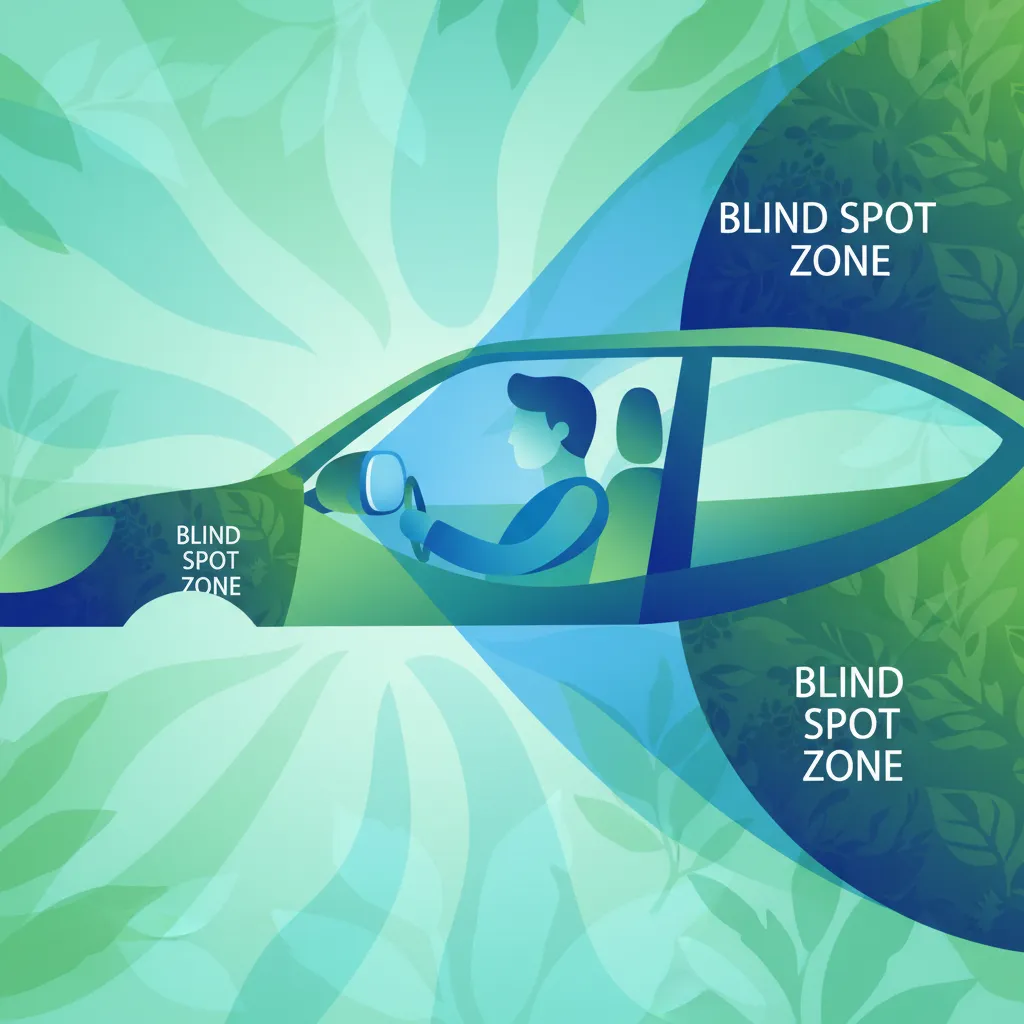
This lesson details the precise adjustment of interior and exterior mirrors to compensate for a bus's large blind spots. Learners will understand how to achieve maximum coverage of rear and side zones through proper mirror setup. It also addresses how passenger load and lighting conditions affect visibility and provides guidelines for maintaining clear sightlines.
Understand the specific Polish legal regulations and technical requirements governing bus driver seating, control accessibility, and visibility. Ensure compliance with traffic law for safe and legal operation of Category D vehicles.

This lesson details the exact requirements to qualify for a Category D driving licence. It covers the minimum age, the mandatory medical examinations for health fitness, and the hierarchy of prerequisite licences like Category B and C. You will also learn about the accredited training process and the necessary documentation for certification.
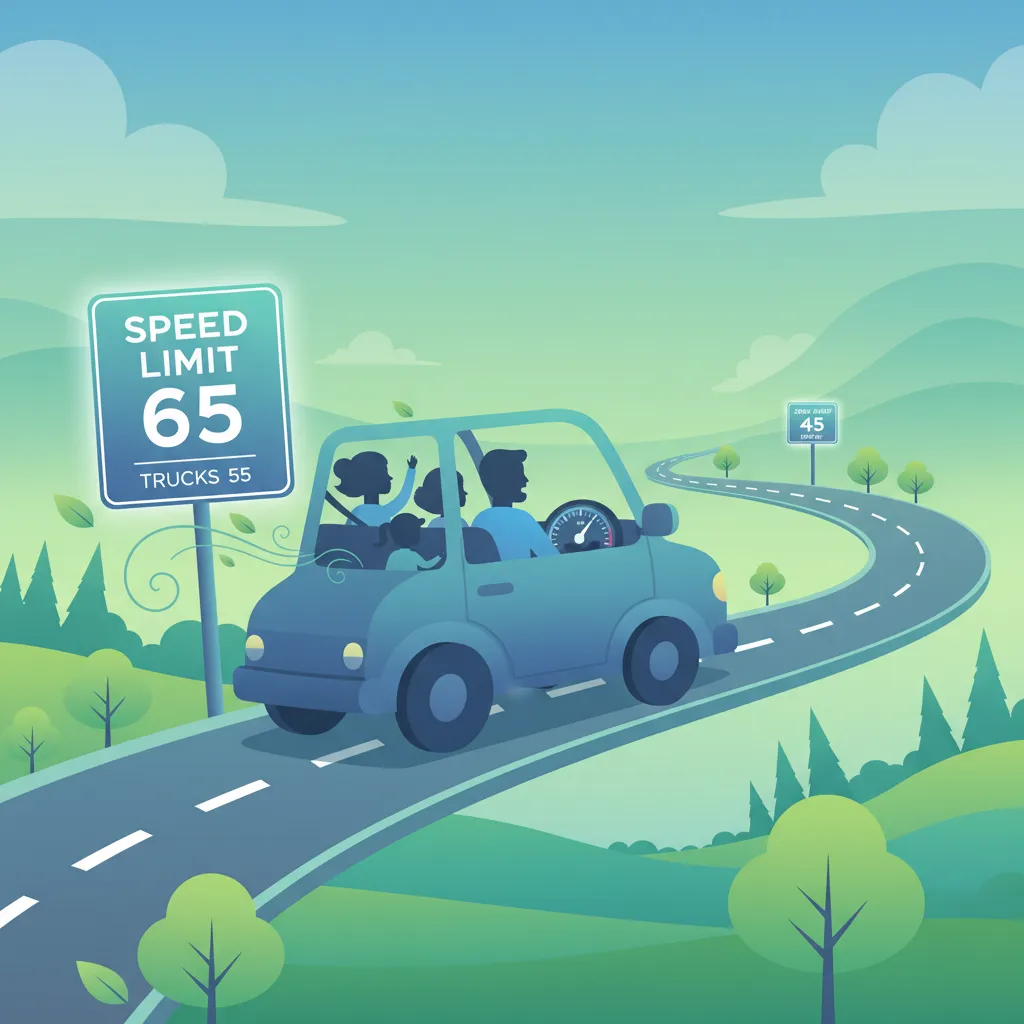
This lesson details the speed limits applicable to buses in Poland across urban, rural, and motorway settings. It emphasizes how vehicle size and passenger load influence safe operating speeds and required stopping distances. The content also covers speed-control device usage and practical techniques for maintaining consistent speed while ensuring passenger comfort.

This lesson focuses on the key provisions of the Polish road traffic act relevant to public transport. It explains the legal classification of buses, mandatory safety equipment, and the hierarchy of road users. Learners will understand the specific obligations of bus drivers, potential penalties for non-compliance, and the required operational documentation.

This lesson introduces the various classes of passenger vehicles under Category D, detailing differences between standard, articulated, and minibuses. It covers key dimensional parameters like length, wheelbase, and turning circle that affect urban navigation. Learners will also understand passenger capacity calculations and weight distribution for safe, compliant operation.
This lesson provides a step-by-step process for safe passenger boarding and alighting, emphasizing clear communication and the correct use of wheelchair ramps. Learners will study the legal requirements for assisting passengers with reduced mobility, including securing wheelchairs. The content also covers time management at stops and safety checks before departure.

This lesson details the specific driving adjustments needed for adverse weather. It focuses on how rain, snow, and ice affect vehicle dynamics and driver perception. Learners will study techniques to prevent hydroplaning, use winter tires effectively, and increase following distances on slippery surfaces while using safety systems like fog lights.
This lesson explores the physiological and psychological aspects of driver fatigue, covering its warning signs and strategies for maintaining concentration. It outlines the legal framework for work-time limits and mandatory rest periods, monitored via tachograph. Practical advice on schedule planning and nutrition is provided to help sustain alertness and reduce accident risk.

This lesson explores the priority hierarchy for buses at different intersections, roundabouts, and pedestrian crossings. Learners will understand how traffic signals and signs affect their approach and how to safely navigate roundabouts with correct lane discipline. Special attention is given to yielding to pedestrians, especially near bus stops.
This lesson details the precise adjustment of interior and exterior mirrors to compensate for a bus's large blind spots. Learners will understand how to achieve maximum coverage of rear and side zones through proper mirror setup. It also addresses how passenger load and lighting conditions affect visibility and provides guidelines for maintaining clear sightlines.

This lesson focuses on the stringent health standards mandated for operating heavy goods vehicles. It details the required medical assessments, including vision, cardiovascular, and neurological checks, that prospective drivers must pass. Learners will understand the process of obtaining a medical certificate, the requirements for periodic renewals to ensure ongoing fitness for duty, and the legal implications of failing to meet these essential health criteria for professional driving.
Find clear answers to common questions learners have about Seating Position, Controls, and Ergonomics. Learn how the lesson is structured, which driving theory objectives it supports, and how it fits into the overall learning path of units and curriculum progression in Poland. These explanations help you understand key concepts, lesson flow, and exam focused study goals.
The most critical factor is ensuring you can comfortably and safely operate all the main controls – accelerator, brake, clutch (if applicable), and steering wheel – without stretching or straining. Clear visibility of the road, mirrors, and instruments is also paramount, achieved through proper seat height and angle.
While the direct adjustment of your seat isn't usually changed by passenger load, the load can affect the vehicle's suspension and ride height. This might subtly alter your perception of the road and vehicle dynamics, reinforcing the need for a consistently correct and aware driving posture established during setup.
Bus drivers spend long hours seated, making lumbar support crucial for maintaining the natural curve of the lower spine. Proper lumbar support helps prevent back pain, reduces fatigue, and allows for better concentration by minimizing physical discomfort.
Yes, absolutely. Sitting too low can restrict your view of the road ahead and crucial traffic elements, while sitting too high might obstruct your view over the vehicle and potentially cause discomfort with the roof or sun visor. Both extremes can negatively impact your ability to perceive hazards and control the vehicle effectively.
Polish traffic law and vehicle safety standards mandate that drivers must have an unobstructed view and be able to operate controls safely. While specific seat adjustment instructions aren't detailed for every scenario, the core principle is to achieve a safe, ergonomic setup that ensures control and visibility, as tested in the Category D theory exam.
Build custom practice sessions tailored precisely to your needs. Focus on areas requiring improvement, review specific Polish road signs, or master complex traffic rules to ensure full preparation for your official driving license exam.