
Welcome to the 'Identifying and Managing Blind Spots' lesson, part of the 'Hazard Perception and Defensive Riding Strategies' unit for Category A motorcycle licence preparation. Understanding and mitigating blind spots is crucial for safe riding in Poland, especially when sharing the road with larger vehicles. This lesson builds on basic road awareness and will help you prepare for exam questions related to visibility and hazard avoidance.

Lesson content overview
Jazda na motocyklu wymaga ciągłej świadomości otoczenia, a jednym z największych wyzwań są martwe pola – obszary niewidoczne dla kierowców innych pojazdów. W ramach kompleksowego przygotowania do egzaminu teoretycznego na prawo jazdy kategorii A w Polsce, niniejsza lekcja dostarczy Ci wiedzy i umiejętności niezbędnych do identyfikacji i bezpiecznego manewrowania w okolicach tych stref, ze szczególnym uwzględnieniem interakcji z większymi pojazdami, takimi jak ciężarówki i autobusy. Zrozumienie, gdzie te strefy istnieją i jak na nie reagować, jest kluczowe dla Twojego bezpieczeństwa i płynności ruchu drogowego.
Martwe pole (ang. blind spot) to obszar wokół pojazdu, który nie jest widoczny ani w lusterkach kierowcy, ani bezpośrednio z jego pozycji za kierownicą. Te "niewidzialne" strefy stanowią jedno z głównych źródeł kolizji z udziałem motocykli, ponieważ motocykliści, ze względu na swoje mniejsze rozmiary, są szczególnie narażeni na przeoczenie przez innych uczestników ruchu. Dla kierowcy ciężarówki czy autobusu, motocykl może zniknąć z pola widzenia na wiele sekund, co stwarza ogromne ryzyko podczas zmiany pasa, skrętu czy wyprzedzania.
Zdolność do wykrywania, przewidywania i bezpiecznego poruszania się wokół martwych pól jest fundamentalna dla każdego motocyklisty. Opanowanie technik zarządzania nimi nie tylko zmniejsza ryzyko wypadku, ale także poprawia ogólny przepływ ruchu i pozwala spełnić prawne wymogi bezpieczeństwa na polskich drogach. Wiedza ta buduje na podstawach skanowania i świadomości sytuacyjnej, które są kluczowymi elementami defensywnej jazdy.
Martwe pola nie są jednolite i ich rozmiar oraz kształt zależą od wielu czynników, w tym od konstrukcji pojazdu, jego wielkości, ustawienia lusterek, a nawet od warunków drogowych i pogodowych. Dla motocyklisty kluczowe jest zrozumienie, gdzie te strefy się znajdują i jak unikać w nich pozostawania.
Obszar wokół pojazdu, który jest niewidoczny dla kierowcy za pomocą lusterek lub bezpośredniego wzroku, stwarzając ryzyko ukrycia się innych uczestników ruchu.
Im większy pojazd, tym większe i bardziej niebezpieczne są jego martwe pola.
Gdy motocyklista znajdzie się w tych strefach, kierowca większego pojazdu może nieświadomie zmienić pas, skręcić lub przyspieszyć, co może prowadzić do poważnej kolizji. Zrozumienie, gdzie te strefy występują, pozwala motocykliście przyjąć odpowiednie pozycjonowanie, techniki skanowania i wyboru czasu manewru, aby pozostać widocznym.
Aktywne zarządzanie widocznością to podstawa bezpiecznej jazdy na motocyklu. Obejmuje ono szereg technik, które zwiększają szansę, że inni kierowcy zauważą Cię na drodze.
Lusterka są Twoimi "dodatkowymi oczami", ale mają swoje ograniczenia. Używanie ich prawidłowo to więcej niż tylko sporadyczne spojrzenia.
Pamiętaj o "zasadzie 3 sekund" podczas jazdy za innymi pojazdami. To minimalna bezpieczna odległość, która zapewnia czas na reakcję i zwiększa Twoją widoczność w lusterkach kierowcy jadącego przed Tobą.
Odwrócenie głowy, zwane również sprawdzeniem przez ramię (shoulder check), to szybki, celowy ruch głowy i tułowia, mający na celu bezpośrednie spojrzenie w obszar martwego pola, uzupełniając informacje z lusterek. Jest to absolutnie niezbędna technika dla każdego motocyklisty.
Sprawdź lusterko wsteczne, aby ocenić ruch za Tobą.
Sprawdź lusterko boczne w kierunku, w którym zamierzasz się poruszać.
Włącz kierunkowskaz z wyprzedzeniem (co najmniej 3 sekundy, zgodnie z polskimi przepisami).
Wykonaj szybki, zdecydowany obrót głowy i ramion (ok. 90 stopni, jeśli to możliwe) w kierunku martwego pola, aby bezpośrednio zobaczyć, czy nic tam się nie znajduje. Upewnij się, że ruch jest krótki i nie destabilizuje toru jazdy.
Po potwierdzeniu bezpieczeństwa, wykonaj manewr.
Częstym błędem jest niekompletny obrót głowy (tylko rzut oka) lub całkowite zaniechanie tego manewru. Bez pełnego sprawdzenia przez ramię, możesz przeoczyć motocyklistę, rowerzystę, a nawet mały samochód.
Defensywna pozycja na drodze to świadome wybieranie takiego miejsca w pasie ruchu, które maksymalizuje Twoją widoczność dla innych użytkowników drogi, jednocześnie minimalizując ekspozycję na ich martwe pola.
Martwe pola stają się szczególnie niebezpieczne w określonych, dynamicznych sytuacjach na drodze, takich jak skrzyżowania czy manewry wyprzedzania.
Skrzyżowania to miejsca o wysokim ryzyku kolizji, a martwe pola potęgują to zagrożenie. Niezależnie od tego, czy jedziesz prosto, czy skręcasz, musisz być świadomy, gdzie mogą Cię przeoczyć inni kierowcy.
Wyprzedzanie jest jednym z najbardziej ryzykownych manewrów, a obecność martwych pól znacząco zwiększa to ryzyko, zwłaszcza podczas wyprzedzania dużych pojazdów.
Pamiętaj o "zasadzie lusterka" podczas wyprzedzania dużych pojazdów: jeśli nie widzisz wszystkich lusterek bocznych wyprzedzanego pojazdu, to prawdopodobnie on nie widzi Ciebie w pełni.
Warunki pogodowe i ogólna widoczność mają bezpośredni wpływ na rozmiar i percepcję martwych pól. Zmniejszona widoczność skutecznie powiększa te strefy, wymagając od motocyklistów jeszcze większej ostrożności.
Polskie przepisy ruchu drogowego nakładają na wszystkich uczestników obowiązek unikania stwarzania zagrożenia i zapewnienia bezpieczeństwa. Motocykliści muszą stosować techniki defensywnej jazdy, aby zminimalizować ryzyko związane z ich mniejszą widocznością.
| Regulacja (Kodeks Drogowy) | Treść Przepisu | Zastosowanie | Status Prawny | Uzasadnienie |
|---|---|---|---|---|
| Art. 22 § 1 (Prawo o ruchu drogowym) | Kierujący pojazdem jest obowiązany zawczasu i wyraźnie sygnalizować zamiar zmiany kierunku jazdy lub pasa ruchu oraz zaprzestać sygnalizowania niezwłocznie po wykonaniu manewru. | Wszystkie manewry zmiany kierunku jazdy lub pasa ruchu. | Obowiązkowe | Daje innym kierowcom odpowiedni czas na zauważenie i reakcję na zamierzony manewr motocyklisty, co zapobiega nagłym wjeżdżaniom w martwe pola. |
| Art. 24 § 1 (Prawo o ruchu drogowym) | Kierujący pojazdem jest obowiązany przed wyprzedzaniem upewnić się w szczególności, czy ma odpowiednią widoczność i dostateczne miejsce do wyprzedzania bez utrudnienia komukolwiek ruchu. | Wszystkie sytuacje wyprzedzania, na każdym typie drogi. | Obowiązkowe | Zapobiega kolizjom spowodowanym przez niewidoczne pojazdy w martwym polu. Motocyklista musi być pewien, że jest widoczny dla wyprzedzanego pojazdu i ma wystarczająco miejsca, by uniknąć wjechania w jego martwe pole. |
| Art. 25 § 1 (Prawo o ruchu drogowym) | Kierujący pojazdem, zbliżając się do skrzyżowania, jest obowiązany zachować szczególną ostrożność i ustąpić pierwszeństwa pojazdowi nadjeżdżającemu z prawej strony. | Na skrzyżowaniach równorzędnych oraz w określonych sytuacjach pierwszeństwa. | Obowiązkowe | Zapewnia porządek na skrzyżowaniach i zmniejsza ryzyko konfliktów. Motocyklista musi przewidzieć, że inni kierowcy mogą go nie zauważyć, zwłaszcza podczas skręcania. |
| Rozporządzenie ws. warunków technicznych pojazdów (Dz.U. 2016 poz. 2022) | Wymaga, aby pojazdy były wyposażone w lusterka zapewniające odpowiednie pole widzenia, a kierowca miał możliwość prawidłowego ustawienia i używania tych lusterek. | Wszystkie pojazdy mechaniczne. | Obowiązkowe | Zapewnia kierowcom (w tym motocyklistom) odpowiednie narzędzia do monitorowania otoczenia. Ważne jest, aby motocykliści również mieli prawidłowo ustawione lusterka. |
Zarządzanie martwymi polami to przede wszystkim unikanie typowych błędów, które mogą prowadzić do niebezpiecznych sytuacji.
Skuteczne zarządzanie martwymi polami wymaga adaptacji do zmieniających się warunków.
Zrozumienie konsekwencji swoich działań jest kluczowe dla bezpiecznej jazdy.
Ta lekcja bazuje na wiedzy zdobytej w poprzednich modułach Polskiego Kursu Motocyklowego Kategoria A i stanowi fundament dla kolejnych.
| Powiązana Lekcja | Wymagana Wiedza Kluczowa |
|---|---|
| 3. Znaki, Oznakowanie Drogowe i Nawierzchnia | Rozumienie oznaczeń pasów ruchu, znaków "zakaz wyprzedzania" i wskazówek dotyczących nawierzchni, które wpływają na pozycjonowanie motocykla. |
| 4. Zasady Pierwszeństwa i Nawigacja na Skrzyżowaniach | Zrozumienie zasad pierwszeństwa na skrzyżowaniach, aby przewidzieć scenariusze martwych pól podczas manewrów skrętu. |
| 5. Zarządzanie Prędkością, Drogi Hamowania i Hamowanie | Umiejętność oceny bezpiecznej prędkości do wyprzedzania i utrzymywania odpowiednich odstępów, co jest kluczowe dla szybkiego opuszczenia martwych pól. |
| 8.1 Skanowanie i Techniki Świadomości Sytuacyjnej | Umiejętności systematycznego skanowania wzrokowego, które są podstawą wykrywania martwych pól i budowania świadomości o otoczeniu pojazdów. |
Ta lekcja przygotowuje również do późniejszych modułów dotyczących Defensywnego Wyprzedzania (8.4) i Planowania Dróg Ucieczki i Pozycji Ochronnej (8.3), dostarczając niezbędnych podstaw widoczności do bezpiecznego planowania trasy.
Efektywne zarządzanie martwymi polami to złożona umiejętność, która łączy teorię z praktyką.
Opanowanie tych aspektów jest niezbędne dla każdego motocyklisty w Polsce, aby jeździć bezpiecznie, pewnie i zgodnie z przepisami.
This lesson covers the critical skill of identifying and managing blind spots for motorcycle riders in Polish traffic. It explains the three types of blind spots (side, rear, front) and how vehicle size affects their extent, emphasizing that larger vehicles like trucks and buses create the most dangerous blind zones for motorcyclists. The lesson teaches essential techniques including proper mirror adjustment and checking intervals, mandatory shoulder checks before lane changes or overtaking, and defensive lane positioning to maximize visibility. Key scenarios addressed include navigating blind spots at intersections where turning vehicles pose risks, and safe overtaking procedures for large vehicles that ensure continuous visibility throughout the maneuver. Polish traffic regulations are referenced to reinforce the legal requirements around signaling, overtaking, and visibility obligations.
A short set of high-value points that capture the most important learning from this lesson.
Blind spots are areas around vehicles not visible in mirrors or direct view, with side, rear, and front variants that vary by vehicle size
Motorcycle mirrors have inherent limitations and must always be supplemented with shoulder checks before any maneuver
Larger vehicles like trucks and buses create extensive blind spots that can hide a motorcycle for seconds
Defensive positioning means occupying the lane position that keeps you visible in other drivers' mirrors while minimizing time spent in their blind zones
Environmental conditions like rain, fog, and darkness effectively enlarge blind spots, requiring increased distance and reduced speed
Explore all units and lessons included in this driving theory course.
Always perform a shoulder check (head turn) after mirror checks and before lane changes, overtaking, or turns - mirrors alone are insufficient
When overtaking large vehicles, maintain at least 1 meter lateral gap and stay visible in their mirrors throughout the entire maneuver
Apply the 3-second rule when following other vehicles to ensure adequate reaction time and visibility in their mirrors
At intersections, establish eye contact with other drivers; if you cannot see their eyes, they likely cannot see you
Polish law (Art. 22, 24, 25) requires proper signaling before maneuvers and verification of visibility before overtaking
Riding too close to the curb, which places you in the left blind spot of overtaking vehicles
Relying solely on mirrors and skipping shoulder checks entirely
Overtaking large vehicles without confirming you remain visible in the driver's mirrors
Entering an intersection when a turning vehicle's blind spot could hide you, especially with trucks making wide right turns
Stopping too close behind large vehicles at intersections where the driver cannot see you through mirrors or windshield
Lesson content overview
A short set of high-value points that capture the most important learning from this lesson.
Blind spots are areas around vehicles not visible in mirrors or direct view, with side, rear, and front variants that vary by vehicle size
Motorcycle mirrors have inherent limitations and must always be supplemented with shoulder checks before any maneuver
Larger vehicles like trucks and buses create extensive blind spots that can hide a motorcycle for seconds
Defensive positioning means occupying the lane position that keeps you visible in other drivers' mirrors while minimizing time spent in their blind zones
Environmental conditions like rain, fog, and darkness effectively enlarge blind spots, requiring increased distance and reduced speed
Explore all units and lessons included in this driving theory course.
Always perform a shoulder check (head turn) after mirror checks and before lane changes, overtaking, or turns - mirrors alone are insufficient
When overtaking large vehicles, maintain at least 1 meter lateral gap and stay visible in their mirrors throughout the entire maneuver
Apply the 3-second rule when following other vehicles to ensure adequate reaction time and visibility in their mirrors
At intersections, establish eye contact with other drivers; if you cannot see their eyes, they likely cannot see you
Polish law (Art. 22, 24, 25) requires proper signaling before maneuvers and verification of visibility before overtaking
Riding too close to the curb, which places you in the left blind spot of overtaking vehicles
Relying solely on mirrors and skipping shoulder checks entirely
Overtaking large vehicles without confirming you remain visible in the driver's mirrors
Entering an intersection when a turning vehicle's blind spot could hide you, especially with trucks making wide right turns
Stopping too close behind large vehicles at intersections where the driver cannot see you through mirrors or windshield
Explore search topics learners often look for when studying Identifying and Managing Blind Spots. These topics reflect common questions about road rules, driving situations, safety guidance, and lesson level theory preparation for learners in Poland.
Browse additional driving theory lessons that cover connected traffic rules, road signs, and common driving situations related to this topic. Improve your understanding of how different rules interact across everyday traffic scenarios.
Explore complex real-world scenarios involving blind spots for motorcyclists in Poland. Learn advanced tactics for managing blind spots around large vehicles at intersections and during challenging maneuvers. This lesson builds on foundational knowledge of mirror use and rider positioning.
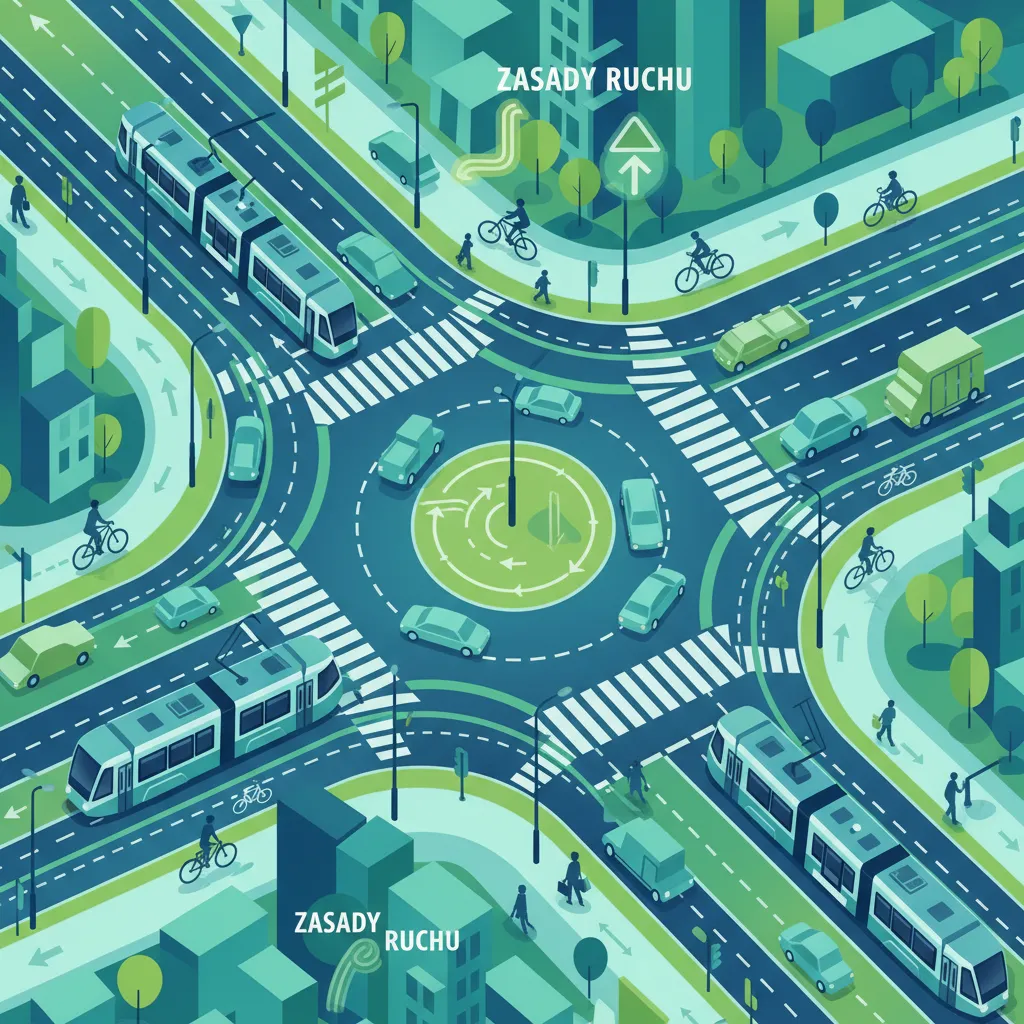
In this lesson, learners investigate complex junctions and intersections found across urban, rural, and highway environments, focusing on multi-lane configurations, traffic light coordination, and roundabout navigation. The content emphasizes priority rules, blind-spot assessment when merging, and safe lane selection for turning maneuvers. Learners will also consider interactions with cyclists and pedestrians, and the importance of adjusting approach speed for safe navigation.

This lesson teaches systematic visual scanning techniques that enhance situational awareness while riding a motorcycle. Learners will explore forward and peripheral vision strategies, the importance of regular rear-view checks, and methods for anticipating hazards through environmental cues. The content outlines scanning patterns that allow riders to monitor traffic flow, detect lane changes, and assess vehicle speeds, enabling them to identify potential dangers early.
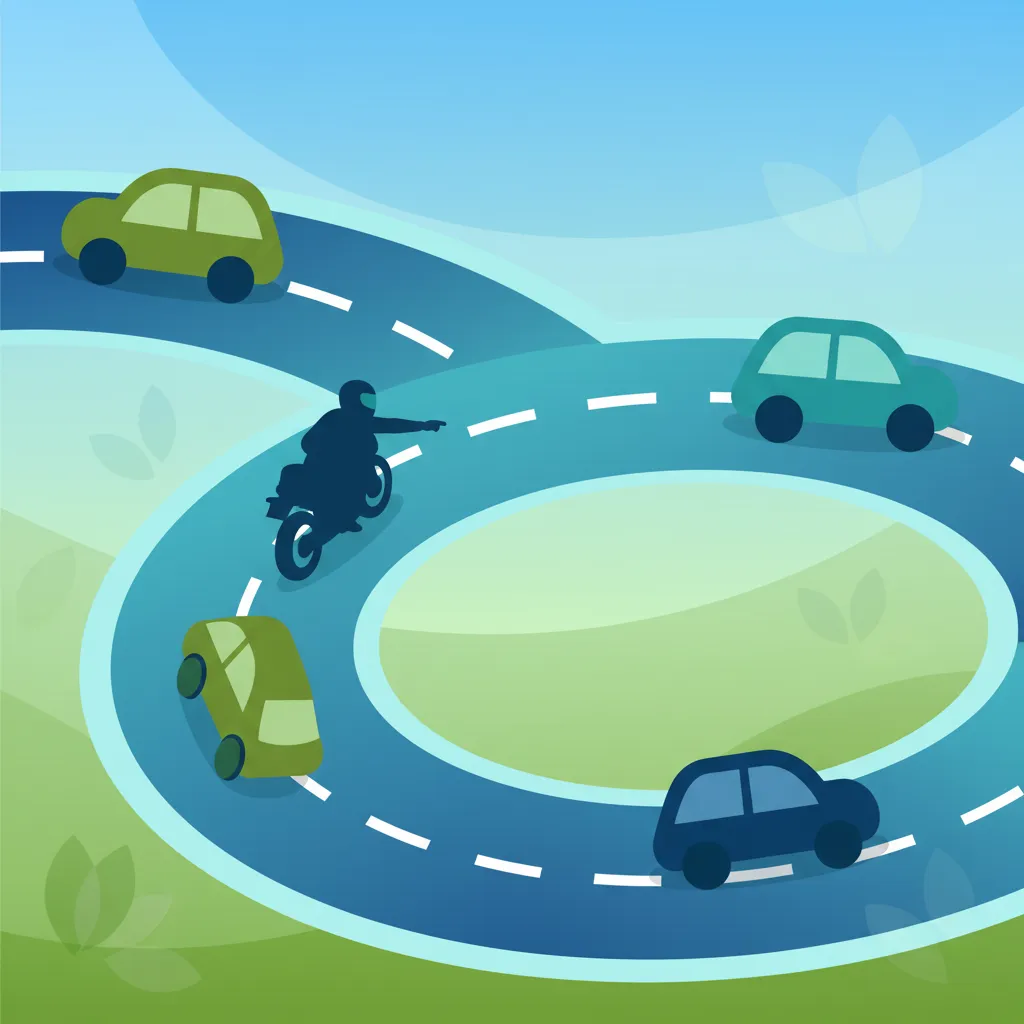
This lesson focuses on the proper techniques for negotiating roundabouts, which are common in Polish urban environments. Learners will learn the correct approach to entering a roundabout, yielding to circulating traffic, selecting the appropriate lane, and signaling intentions when exiting. The lesson also discusses speed adaptation for safe circulation and blind-spot checks before changing lanes within the roundabout, ensuring smooth and legal navigation.

In this lesson, learners study warning signs that alert drivers to potential hazards, focusing on those that are particularly relevant to motorcyclists. The content includes signs indicating curves, slippery surfaces, animal crossings, tram tracks, and construction zones, each requiring specific riding adjustments. The lesson teaches riders how to interpret these signs to anticipate hazards, adjust speed appropriately, and maintain a safe distance from potential dangers.

This lesson examines the responsibilities of motorcyclists when approaching pedestrian crossings and interacting with cyclists, emphasizing the marked right-of-way for pedestrians at zebra crossings. Learners will study how to determine safe passing distances, adjust speed, and use visual cues such as eye contact to ensure pedestrians have cleared the crossing. The content also covers interactions with cyclists sharing the road, highlighting the need for anticipation and adequate passing gaps.

This lesson outlines strategies for planning escape routes and adopting protective positioning to avoid potential collisions. Learners will study the concept of a defensive riding line that maximizes visibility and provides an optimal safety corridor. The content emphasizes maintaining adequate distance buffers, choosing lanes that reduce exposure to hazards, and preparing for emergency maneuvers such as swift swerves, allowing riders to react quickly in critical situations.
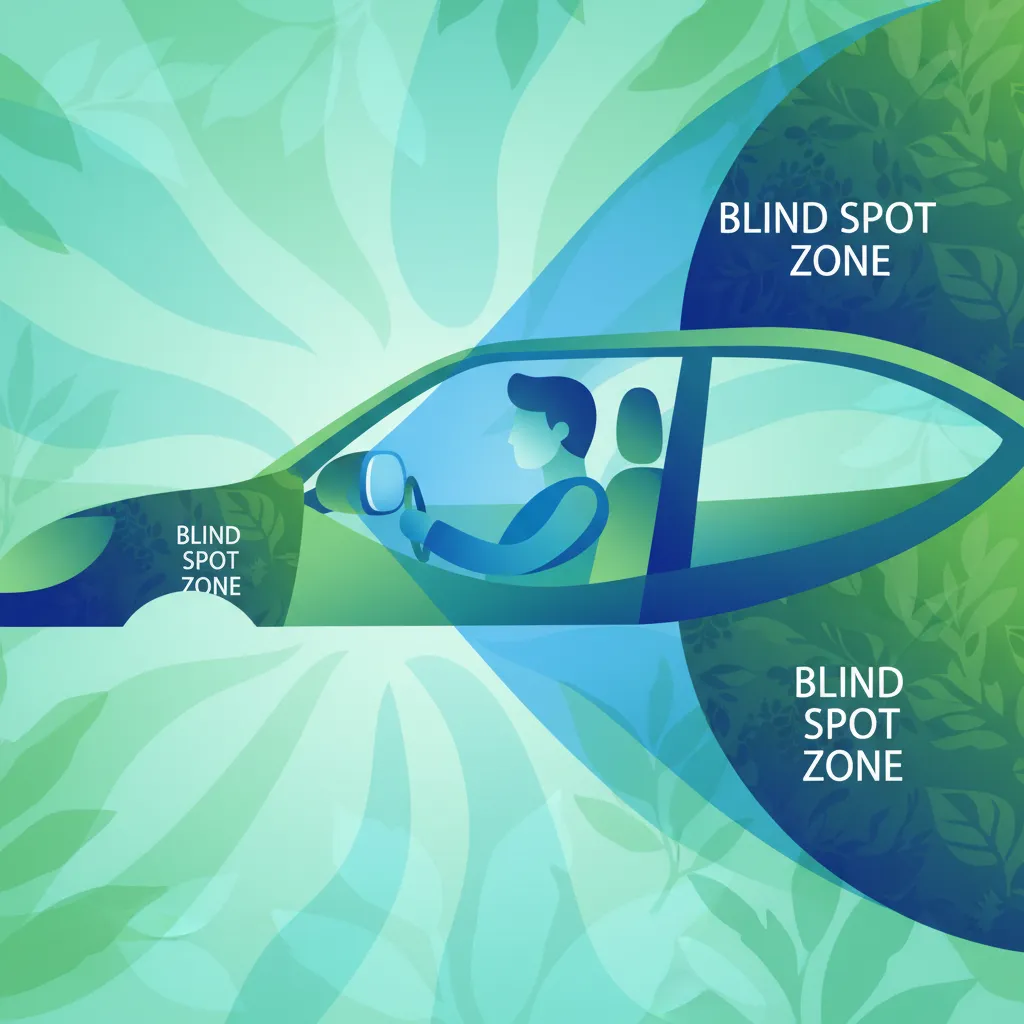
This lesson details the precise adjustment of interior and exterior mirrors to compensate for a bus's large blind spots. Learners will understand how to achieve maximum coverage of rear and side zones through proper mirror setup. It also addresses how passenger load and lighting conditions affect visibility and provides guidelines for maintaining clear sightlines.

This lesson addresses environmental factors that impact rider visibility, such as low light, night conditions, fog, and glare from headlights. Learners will explore strategies for riding safely in reduced visibility, including the use of reflective gear, proper headlamp settings, and appropriate eye protection. The content also covers hazard detection techniques in adverse weather and how to adjust speed to maintain safety, enhancing rider safety across all conditions.

This lesson focuses on the unique demands of urban riding within Polish cities, addressing traffic lights, pedestrian zones, one-way streets, and the presence of tram tracks. Learners will study safe lane positioning on narrow roads, blind-spot management, and how to share the road with buses and cyclists. The content also covers strategies for navigating stop-and-go traffic, anticipating signal changes, and maintaining visibility in dense urban environments.
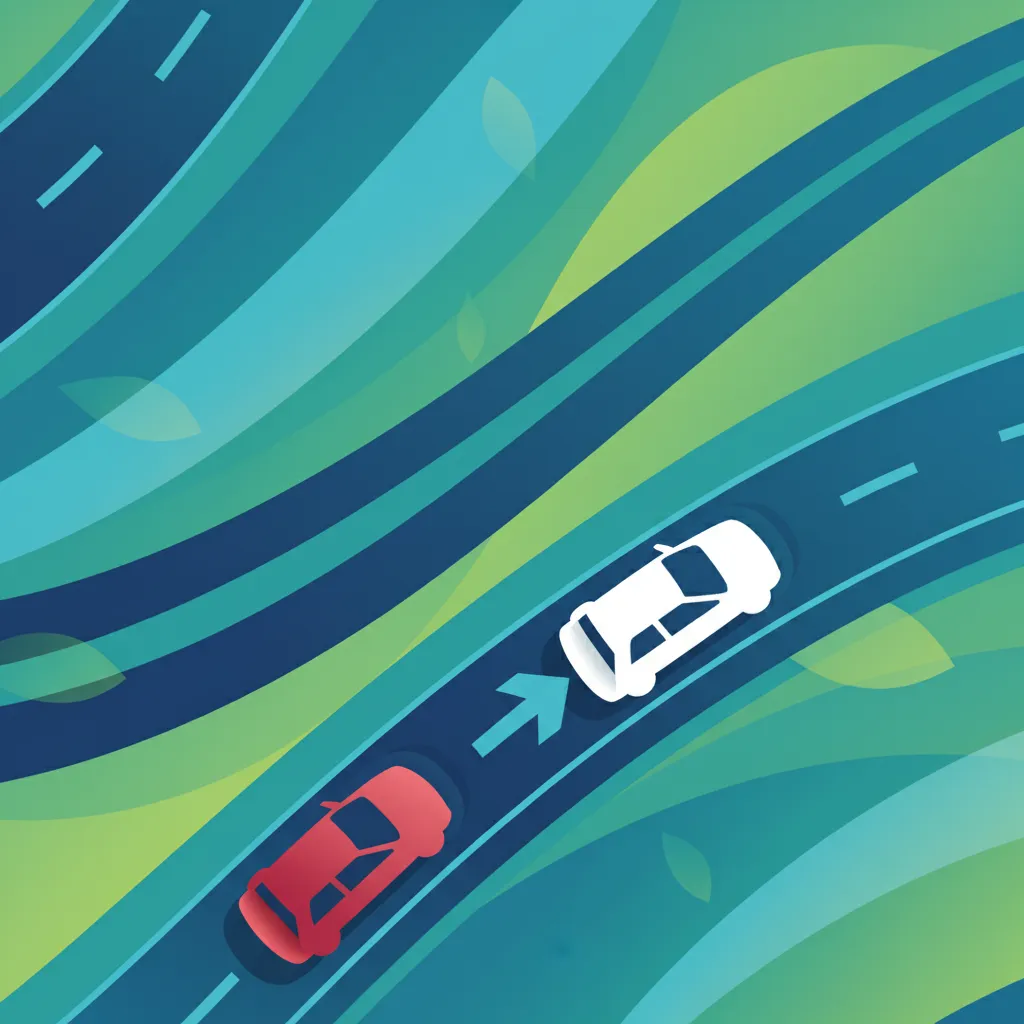
In this lesson, learners focus on the complex task of merging onto highways and changing lanes at high speeds, following Polish highway regulations. The content covers the use of acceleration lanes for building speed, selecting appropriate gaps, and positioning the motorcycle safely within traffic flow. It also highlights blind-spot monitoring, proper signaling, and the importance of maintaining a safety margin when entering or exiting lanes for hazard-free highway integration.
Understand the typical errors and risky behaviors motorcyclists make regarding blind spots. This theory lesson focuses on common mistakes in mirror checks, head turns, and rider positioning, explaining why they are dangerous and how to avoid them in Polish traffic conditions.
This lesson details the precise adjustment of interior and exterior mirrors to compensate for a bus's large blind spots. Learners will understand how to achieve maximum coverage of rear and side zones through proper mirror setup. It also addresses how passenger load and lighting conditions affect visibility and provides guidelines for maintaining clear sightlines.
This lesson emphasizes the importance of systematic observation for safe driving. It teaches how to correctly adjust and use rearview and side mirrors to monitor traffic, and explains why shoulder checks are essential for detecting hazards in blind spots. These techniques are fundamental for safe lane changes, turns, and overall situational awareness.
This lesson teaches systematic visual scanning techniques that enhance situational awareness while riding a motorcycle. Learners will explore forward and peripheral vision strategies, the importance of regular rear-view checks, and methods for anticipating hazards through environmental cues. The content outlines scanning patterns that allow riders to monitor traffic flow, detect lane changes, and assess vehicle speeds, enabling them to identify potential dangers early.
This lesson addresses environmental factors that impact rider visibility, such as low light, night conditions, fog, and glare from headlights. Learners will explore strategies for riding safely in reduced visibility, including the use of reflective gear, proper headlamp settings, and appropriate eye protection. The content also covers hazard detection techniques in adverse weather and how to adjust speed to maintain safety, enhancing rider safety across all conditions.

This lesson focuses on the principles of maintaining a safe following distance behind other road users, introducing the two-second and three-second rules as guidelines. Learners will learn how to estimate safe gaps based on speed, road conditions, and traffic density, and understand the importance of a reaction-time buffer to prevent rear-end collisions. The lesson also covers techniques for visual distance estimation, promoting safe tailgating avoidance.
Find clear answers to common questions learners have about Identifying and Managing Blind Spots. Learn how the lesson is structured, which driving theory objectives it supports, and how it fits into the overall learning path of units and curriculum progression in Poland. These explanations help you understand key concepts, lesson flow, and exam focused study goals.
Blind spots are areas around your motorcycle that you cannot see directly or with your mirrors. For motorcyclists in Poland, these are especially critical when near larger vehicles like trucks and buses, which have significantly larger blind zones. Understanding these areas is key to avoiding potential collisions.
In theory exam scenarios, you'll be tested on your knowledge of proper technique. This involves checking mirrors first, then performing a quick, deliberate head turn over your shoulder (without losing control of the vehicle). This head turn is essential for spotting hazards, like other vehicles, that are hidden from your mirrors.
Your position within a lane, or relative to other vehicles, can either minimise or exacerbate blind spot issues. For instance, staying out of a truck's largest blind spots by positioning yourself where the driver can see you (e.g., slightly ahead or to the side, not directly behind) significantly enhances your safety.
At intersections, blind spots can obscure crossing traffic or pedestrians. When overtaking, a blind spot might hide a vehicle accelerating or changing lanes. In Poland, as elsewhere, anticipating these unseen threats through diligent observation and positioning is vital for preventing accidents.
While blind spot mirrors can offer a wider field of vision, they do not replace the need for proper rider positioning and head checks. They can be a useful supplementary tool, but relying on them alone is not a safe strategy and may not align with the expectations for the Polish theory exam.
Build custom practice sessions tailored precisely to your needs. Focus on areas requiring improvement, review specific Polish road signs, or master complex traffic rules to ensure full preparation for your official driving license exam.