Obtaining your A1 motorcycle licence in Switzerland begins with a solid understanding of the theoretical assessment conducted at the cantonal traffic office. This guide walks you through the eligibility criteria, the structure of the exam, and the vital legal distinctions regarding power and age limits. By mastering these traffic conventions, you will gain the knowledge necessary to pass your theory test and progress confidently toward your motorcycle licence.
Article content overview
Embarking on the journey to obtain your motorcycle licence in Switzerland is an exciting milestone. Whether you are aiming for the freedom of a lightweight commuter bike or preparing for higher-powered motorcycling, the Category A1 licence is the standard starting point. To succeed, you must first navigate the official Swiss driving theory assessment. This guide provides a clear roadmap to understanding the requirements, the registration process, and the core knowledge needed to pass the exam at your local cantonal traffic office.
The Swiss driving system categorizes two-wheeled vehicles to ensure that riders gradually gain experience. The Category A1 licence is specifically designed for small-displacement motorcycles and scooters. Recent legislative updates have aligned Swiss rules more closely with European standards to enhance road safety and clarity.
Depending on your age, the power of the motorcycle you are permitted to ride varies significantly. It is crucial to understand these distinctions, as they form the basis of the legal framework you will be tested on.
| Age Requirement | Vehicle Classification | Power/Engine Limit |
|---|---|---|
| From 15 years | Small motorcycles | Max. 50cc / 4kW |
| From 16 years | Category A1 | Max. 125cc / 11kW |
If you already hold a valid Swiss Category B (car) driving licence, you are exempt from the formal theory test. However, you must still complete the mandatory basic motorcycle course (Grundkurs) to ensure you possess the specific skills required for two-wheeler safety.
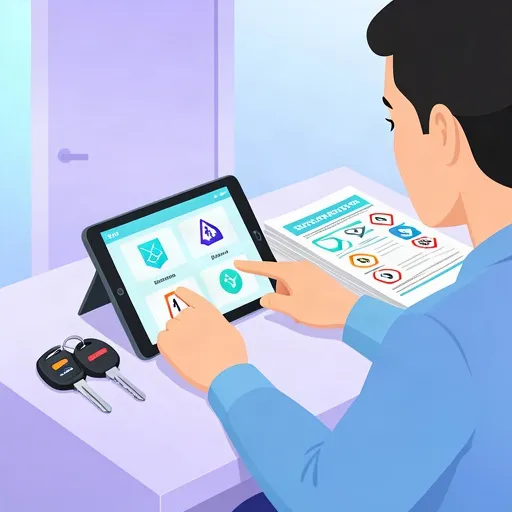
The Swiss theory exam is a standardized, written assessment conducted on tablets at your cantonal traffic office (Strassenverkehrsamt / Office de la circulation / Ufficio della circolazione). For Category A1, the test is identical to the Car (Category B) theory exam. You will face 50 multiple-choice questions that cover traffic laws, road signs, and situational awareness.
To pass, you must demonstrate a deep understanding of Swiss road conventions rather than relying on rote memorization. The scoring system is strict: you must achieve at least 135 out of 150 possible points to be successful.
The First Aid course, mandatory for all first-time driving licence applicants in Switzerland. This certificate must not be older than six years when you submit your application for a learner's permit.
Success in the theory exam depends on how well you interpret complex traffic situations. You will encounter questions regarding priority, the meaning of road signs, and the hazards associated with sharing the road with public transport and cyclists.
You must recognize that in Switzerland, the "right-before-left" rule is fundamental at unmarked intersections. However, always remain vigilant for exceptions, such as major roads marked with specific priority signage.
Preparation is the most significant factor in your success. Because the exam is tablet-based, using a digital learning platform that simulates the official test environment is highly recommended. This allows you to get comfortable with the interface and the way questions are phrased by the authorities.
Ensure you have your official authorization document (Zulassungsbewilligung) and a valid photo ID ready. Arriving at the traffic office well-prepared minimizes anxiety and allows you to focus entirely on the traffic logic required by the exam.
The Swiss Category A1 motorcycle theory exam shares the same format as the Category B car exam: 50 tablet-based multiple-choice questions requiring 135 out of 150 points to pass. Eligibility depends on age, with 15-year-olds limited to 50cc/4kW machines and 16-year-olds permitted up to 125cc/11kW under the A1 licence. Before taking the exam, candidates must complete the Nothelferkurs, pass an eye test, and submit an application to their cantonal traffic office; Category B licence holders are exempt from the theory test but must still complete the mandatory Grundkurs. Key study topics include Swiss priority rules, road signs, and hazard awareness, with particular attention to the right-before-left principle at unmarked intersections and exceptions for signed priority roads.
A short set of high-value points that capture the most important ideas from this article.
The Category A1 licence permits motorcycles up to 125cc and 11kW for riders from age 16, while 15-year-olds are limited to 50cc and 4kW machines.
The theory exam is identical to the Category B car exam: 50 multiple-choice questions on a tablet, requiring 135 out of 150 points to pass.
If you already hold a valid Swiss Category B licence, you are exempt from the theory test but must still complete the mandatory basic motorcycle course (Grundkurs).
Swiss priority at unmarked intersections follows the right-before-left rule, but always watch for major roads with priority signage that override this standard.
Your First Aid certificate (Nothelferkurs) must be no older than six years when you submit your learner's permit application.
Passing score: 135/150 points on the tablet-based exam at the cantonal Strassenverkehrsamt.
Age 16 with A1 licence: max 125cc engine or 11kW power output.
Age 15 with small motorcycle permit: max 50cc engine or 4kW power output.
Step order: Nothelferkurs → eye test → submit application → pass theory exam → receive permit → complete Grundkurs.
Category B licence holders bypass the theory test for A1 but must still take the mandatory motorcycle training course.
Assuming the A1 theory exam is different from the Category B exam when it is actually identical in format and content.
Believing you can skip the basic motorcycle course (Grundkurs) if you already hold a car licence—the course remains mandatory.
Confusing the age-based power limits and riding a motorcycle that exceeds your licence category's permitted output.
Forgetting that the First Aid certificate expires after six years and submitting an outdated certificate with your application.
Overlooking priority signage at intersections and assuming the right-before-left rule always applies.
Article content overview
A short set of high-value points that capture the most important ideas from this article.
The Category A1 licence permits motorcycles up to 125cc and 11kW for riders from age 16, while 15-year-olds are limited to 50cc and 4kW machines.
The theory exam is identical to the Category B car exam: 50 multiple-choice questions on a tablet, requiring 135 out of 150 points to pass.
If you already hold a valid Swiss Category B licence, you are exempt from the theory test but must still complete the mandatory basic motorcycle course (Grundkurs).
Swiss priority at unmarked intersections follows the right-before-left rule, but always watch for major roads with priority signage that override this standard.
Your First Aid certificate (Nothelferkurs) must be no older than six years when you submit your learner's permit application.
Passing score: 135/150 points on the tablet-based exam at the cantonal Strassenverkehrsamt.
Age 16 with A1 licence: max 125cc engine or 11kW power output.
Age 15 with small motorcycle permit: max 50cc engine or 4kW power output.
Step order: Nothelferkurs → eye test → submit application → pass theory exam → receive permit → complete Grundkurs.
Category B licence holders bypass the theory test for A1 but must still take the mandatory motorcycle training course.
Assuming the A1 theory exam is different from the Category B exam when it is actually identical in format and content.
Believing you can skip the basic motorcycle course (Grundkurs) if you already hold a car licence—the course remains mandatory.
Confusing the age-based power limits and riding a motorcycle that exceeds your licence category's permitted output.
Forgetting that the First Aid certificate expires after six years and submitting an outdated certificate with your application.
Overlooking priority signage at intersections and assuming the right-before-left rule always applies.
Explore related topics, search based questions, and concepts that learners often look up when studying Swiss A1 Theory Exam Guide. These themes reflect real search intent and help you understand how this topic connects to wider driving theory knowledge in Switzerland.
Find clear and practical answers to common questions learners often have about Swiss A1 Theory Exam Guide. This section helps explain difficult points, remove confusion, and reinforce the key driving theory concepts that matter for learners in Switzerland.
Yes, the basic theory exam is identical for both Category A1 and Category B. If you already hold a valid Category B licence, you are exempt from taking this theory exam.
The minimum age is 15 for motorcycles up to 50cc/4kW, and 16 for motorcycles up to 125cc/11kW.
You must bring an official photo ID and your permit authorization document (the yellow sheet provided by your cantonal traffic office) to the exam session.
The test consists of 50 questions conducted on a tablet at the cantonal traffic office, requiring a passing score of 135 out of 150 points.
Yes, a valid First Aid course is a mandatory requirement for your first licence application in Switzerland, unless you already hold another category like B.
Continue your learning journey by searching our extensive library of Swiss driving theory articles. Explore additional topics, review specific road rules, or deepen your understanding of official traffic procedures to excel in your exam and drive safely in Switzerland.