
This lesson guides professional drivers through the essential techniques for safe docking and loading area maneuvers. You will learn how to handle heavy vehicle dimensions, master reversing safety, and coordinate effectively with ground staff to ensure incident-free operations.

Lesson content overview
Safe and efficient docking is one of the most demanding tasks for a professional goods vehicle driver. Whether navigating a massive semi-trailer (CE license) into an industrial warehouse bay or maneuvering a light goods vehicle (C1 license) into a tight urban delivery lane in Turkey, precision is non-negotiable.
Docking operations involve moving heavy, high-dimension vehicles in close proximity to fixed structures, warehouse personnel, and other vehicles. Under the Turkish Highway Traffic Regulation (Karayolları Trafik Yönetmeliği), drivers bear a strict legal and professional responsibility to execute these maneuvers without causing danger, obstruction, or damage to public and private infrastructure.
To safely align a heavy goods vehicle with a loading dock, a driver must select the appropriate maneuver based on the layout of the loading bay, traffic conditions, and available space.
Straight docking is the most straightforward alignment technique, typically used when there is ample space in front of the loading bay. The driver positions the vehicle directly in line with the dock, far enough forward to ensure the tractor and trailer are completely straight before engaging the reverse gear. This allows the driver to back up in a straight line, minimizing the need for radical steering adjustments.
In congested industrial parks or tight urban spaces, straight docking is rarely an option. Drivers must often perform angled docking:
When docking multi-axle trucks or drawbar trailers, drivers must account for "off-tracking" (the path deviation between the front and rear wheels) and trailer swing. Multi-axle configurations require wider turning radii and generate more tire scrub, which can resist low-speed turning efforts on high-friction warehouse surfaces.
Pre-Survey the Site: Stop the vehicle in a safe area, exit the cab, and inspect the docking bay on foot (Get Out and Look - GOAL). Check for debris, dock leveler alignment, and overhead clearance.
Establish the Setup Position: Drive past the dock to position your vehicle at the optimal angle. Whenever possible, set up the maneuver so that you are reversing toward the driver's side (left-side reverse) to maximize direct visibility.
Align Reference Points: Use physical markings on the pavement, dock seals, or neighboring parked trailers as visual guides.
Reverse with Micro-Adjustments: Back up slowly, making small steering inputs. Over-steering is the most common cause of trailer jackknifing and misalignment.
Reversing is a high-risk operation for goods vehicles. When backing into a docking area, speed must be kept exceptionally low—typically at a slow walking pace (under 5 km/h).
Always check that your vehicle's air brake pressure is at the safe operating level before performing repeated, tight-angle low-speed maneuvers. Frequent braking during docking can deplete air reserves, potentially causing the safety spring brakes to lock up unexpectedly.
Engage the lowest reverse gear to utilize maximum engine braking and torque. Maintain a steady, crawl speed without sudden acceleration. In manual transmission heavy vehicles, control the vehicle speed primarily with precise clutch modulation (feathering) rather than heavy throttle use. For automatic vehicles, use gentle, progressive brake pressure to control the creep speed.
While reverse cameras and proximity sensors are excellent modern driving aids, they must never replace side mirrors. Adjust both your flat and convex mirrors to monitor:
A spotter (manevracı or işaretçi) is a valuable asset during complex docking maneuvers. However, a spotter is only useful if there is a clear, pre-agreed system of communication.
Any sudden, rapid waving of both arms by the spotter, or any loss of visibility of the spotter, must be interpreted immediately by the driver as an emergency stop command.
A professional driver must maintain 360-degree situational awareness in loading zones. Warehouses and delivery docks are dynamic environments with high volumes of pedestrian and industrial traffic.
In Turkey, professional drivers must strictly adhere to the rules set forth by the Turkish Highway Traffic Regulation (Karayolları Trafik Yönetmeliği) regarding vehicle loading and unloading zones (Yükleme-Boşaltma Alanları).
According to Section 10/2 of the Turkish Highway Traffic Regulation, goods vehicles must vacate active loading/unloading zones within 10 minutes once the physical loading or unloading process has been completed. Remaining stationary in these designated zones beyond this timeframe is a traffic violation. It causes unnecessary urban congestion and may result in administrative fines or towing.
In major Turkish metropolitan areas like Istanbul, Ankara, and Izmir, municipal transport coordination centers (UKOME) enforce strict hours for urban deliveries.
The forces exerted on a vehicle during docking can destabilize its load if it is not correctly secured.
As a vehicle backs up and strikes the dock bumpers, the deceleration force can cause unsecured pallets or loose cargo to slide forward or backward. This can cause the vehicle to tilt, damage the rear roll-up doors, or spill cargo onto the dock workers when the doors are opened. Always ensure cargo is secured with ratchet straps, load bars, or netting (yük sabitleme ekipmanları) before initiating docking maneuvers.
If you are uncoupling a trailer at a dock, ensure the support legs (landing gear) are fully lowered and placed on stable ground (use spreader plates if the asphalt is hot or soft). Apply the trailer parking brake and place wheel chocks (tekerlek takozu) under the trailer wheels to prevent "dock walk"—the gradual forward movement of the trailer caused by the repetitive entry and exit of heavy forklifts.
Leaving the loading area requires the same level of care and precision as entering it.
Verify Loading Completeness: Ensure the dock plate (leveler) has been retracted, warehouse doors are closed, and the cargo area doors are locked or secured.
Remove Stabilizing Devices: Retrieve wheel chocks, unlock any automatic dock vehicle restraints, and ensure the trailer support legs are fully raised and locked in the transport position.
Check Blind Spots and Clearance: Scan the area around the tractor and trailer for pedestrians, warehouse staff, or forklift traffic.
Signal and Exit Slowly: Pull forward smoothly at low speed, checking both mirrors to ensure the trailer tracks cleanly out of the dock without swinging into adjacent parked vehicles or structural columns.
Operating conditions change how a driver must approach docking. Adapt your technique to the environment:
| Environmental Factor | Risk Generated | Required Driver Adaptation |
|---|---|---|
| Rain, Snow, or Ice | Slick dock surfaces, loss of traction, obscured mirrors. | Use lower gears, apply brakes gently, and clear mirrors of water or ice before reversing. Use sand or salt on the dock path if ice is present. |
| Night Operations | Severely reduced visibility of dock lines, spotters, and obstacles. | Turn on vehicle work lights or auxiliary reverse lamps. Ensure your spotter is wearing a reflective high-visibility vest and uses a flashlight to signal. |
| Tight Urban Bays | Narrow streets, double-parked cars, heavy pedestrian traffic. | Position warning cones if blocking a lane. Engage a spotter to manage pedestrian flow safely clear of your blind spots. |
| Industrial Parks | High volume of fast-moving trucks, multiple docking lanes. | Maintain absolute lane discipline. Yield to other reversing vehicles and use hazard lights (dörtlü ikaz lambaları) throughout the maneuver. |
This lesson covers the essential techniques and regulations for professional drivers performing docking operations in Turkey. Three main docking methods exist—straight back-in, 45-degree angled, and 90-degree alley dock—each requiring specific alignment strategies and mirror monitoring points. Critical safety protocols include the GOAL pre-survey method, maintaining walking pace speed (under 5 km/h), and strict spotter communication rules where any loss of visual contact demands an immediate stop. Turkish law requires goods vehicles to vacate loading zones within 10 minutes of completing operations, and major metropolitan areas enforce Red Zone restrictions with municipal permit requirements. Beyond maneuver technique, drivers must account for cargo stability, wheel chocking during trailer uncoupling, and environmental factors such as rain, night operations, and industrial park traffic density.
A short set of high-value points that capture the most important learning from this lesson.
Safe docking requires selecting the appropriate maneuver based on bay layout: straight docking for ample space, angled for moderate constraints, and 90-degree alley dock for tight industrial bays.
The GOAL principle (Get Out And Look) must be applied before reversing into any unfamiliar loading area to identify hazards, debris, and overhead clearance.
Speed during docking must remain below 5 km/h (walking pace) to allow adequate reaction time for micro-adjustments.
Turkish Highway Traffic Regulation mandates a 10-minute maximum stoppage time in loading zones once unloading is complete, with fines for violations.
Multi-axle and articulated vehicles require accounting for off-tracking and trailer swing, where rear wheels follow a different path than front wheels during turns.
Explore all units and lessons included in this driving theory course.
Spotter rule: if visual contact is lost for even one second, stop immediately and do not resume until contact is re-established.
The spotter must never stand directly behind the reversing vehicle or between the trailer and dock; position them to the side, clear of pinch points.
Off-tracking means rear wheels of turning vehicles do not follow the front wheels' path, requiring wider turning radii for multi-axle vehicles.
In major Turkish cities (Istanbul, Ankara, Izmir), restricted Red Zones require municipal loading permits displayed on the windshield during peak hours.
Use left-side reverse (back toward driver's side) whenever possible for maximum direct visibility through mirrors.
Over-steering during reverse docking is the most common cause of trailer jackknifing and misalignment with the dock.
Relying solely on cameras and proximity sensors instead of maintaining continuous mirror checks for rear dual wheels and trailer side body.
Failing to check overhead clearance before backing in; a loaded trailer may clear an obstruction but rise and strike it after unloading.
Not securing cargo with ratchet straps or load bars before docking, risking cargo shift and vehicle tilt during deceleration.
Assuming the spotter will signal an emergency; drivers must also immediately stop if visual contact with the spotter is lost.
Lesson content overview
A short set of high-value points that capture the most important learning from this lesson.
Safe docking requires selecting the appropriate maneuver based on bay layout: straight docking for ample space, angled for moderate constraints, and 90-degree alley dock for tight industrial bays.
The GOAL principle (Get Out And Look) must be applied before reversing into any unfamiliar loading area to identify hazards, debris, and overhead clearance.
Speed during docking must remain below 5 km/h (walking pace) to allow adequate reaction time for micro-adjustments.
Turkish Highway Traffic Regulation mandates a 10-minute maximum stoppage time in loading zones once unloading is complete, with fines for violations.
Multi-axle and articulated vehicles require accounting for off-tracking and trailer swing, where rear wheels follow a different path than front wheels during turns.
Explore all units and lessons included in this driving theory course.
Spotter rule: if visual contact is lost for even one second, stop immediately and do not resume until contact is re-established.
The spotter must never stand directly behind the reversing vehicle or between the trailer and dock; position them to the side, clear of pinch points.
Off-tracking means rear wheels of turning vehicles do not follow the front wheels' path, requiring wider turning radii for multi-axle vehicles.
In major Turkish cities (Istanbul, Ankara, Izmir), restricted Red Zones require municipal loading permits displayed on the windshield during peak hours.
Use left-side reverse (back toward driver's side) whenever possible for maximum direct visibility through mirrors.
Over-steering during reverse docking is the most common cause of trailer jackknifing and misalignment with the dock.
Relying solely on cameras and proximity sensors instead of maintaining continuous mirror checks for rear dual wheels and trailer side body.
Failing to check overhead clearance before backing in; a loaded trailer may clear an obstruction but rise and strike it after unloading.
Not securing cargo with ratchet straps or load bars before docking, risking cargo shift and vehicle tilt during deceleration.
Assuming the spotter will signal an emergency; drivers must also immediately stop if visual contact with the spotter is lost.
Explore search topics learners often look for when studying Docking and Loading Area Operations. These topics reflect common questions about road rules, driving situations, safety guidance, and lesson level theory preparation for learners in Turkey.
Browse additional driving theory lessons that cover connected traffic rules, road signs, and common driving situations related to this topic. Improve your understanding of how different rules interact across everyday traffic scenarios.
Learn the theory behind managing wide turning radii, trailer off-tracking, and lane occupancy for heavy goods vehicles. This guide explains how to navigate tight turns and complex urban environments safely while adhering to official Turkish traffic regulations and vehicle dimension requirements.

This lesson focuses on the critical importance of lane discipline and proper lane usage for large goods vehicles. Learners will understand the challenges posed by wider vehicle dimensions, the necessity of maintaining adequate lane occupancy, and the need for precise lane keeping. Emphasis is placed on selecting appropriate lanes, adhering to traffic flow, and ensuring general highway safety.
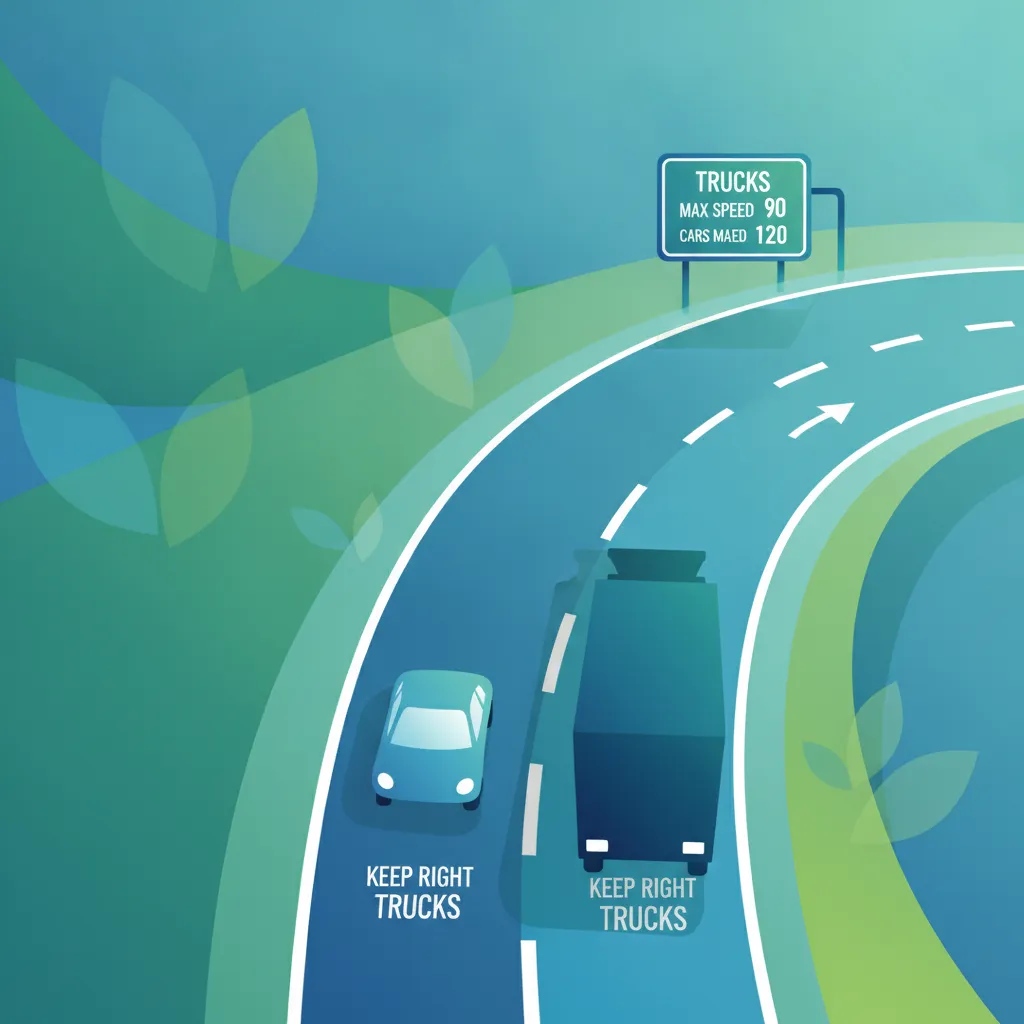
This lesson addresses the specific considerations for goods vehicle operation on highways and expressways, covering speed limits, lane discipline, safe merging, and overtaking. Learners will learn how to adapt to traffic flow, manage heavy vehicle dynamics at higher speeds, and ensure safe operation. The lesson emphasizes the importance of vigilance and proper lane usage to prevent accidents.

This lesson focuses on the challenges and techniques required when maneuvering goods vehicles in confined spaces such as loading docks, narrow streets, and urban environments. It addresses the importance of spatial awareness, precision driving, and understanding vehicle dimensions to avoid collisions. Learners will explore strategies for effective parking, reversing, and handling blind spots safely.

This lesson focuses on the importance of maintaining safe following distances for goods vehicles, taking into account longer braking distances and increased load. Learners will learn how to calculate appropriate gaps based on speed, road conditions, and vehicle dynamics. The lesson emphasizes safe following practices to prevent rear-end collisions and improve overall traffic safety in Turkey.

Learners will explore the fundamentals of maintaining correct lane discipline, focusing on appropriate lane positioning, understanding lane markings, and executing lane changes safely. Emphasis is placed on the unique considerations for large passenger vehicles within the lane, such as width and maneuverability. The lesson also addresses the impact of proper lane discipline on overall traffic flow and safety.

This lesson explores effective turning strategies for goods vehicles, focusing on managing the larger turn radius required due to vehicle size and load. Learners will understand how to approach corners safely, adjust speed, use signals appropriately, and compensate for off-tracking. The lesson also highlights how load distribution impacts turning dynamics and the importance of vehicle control.
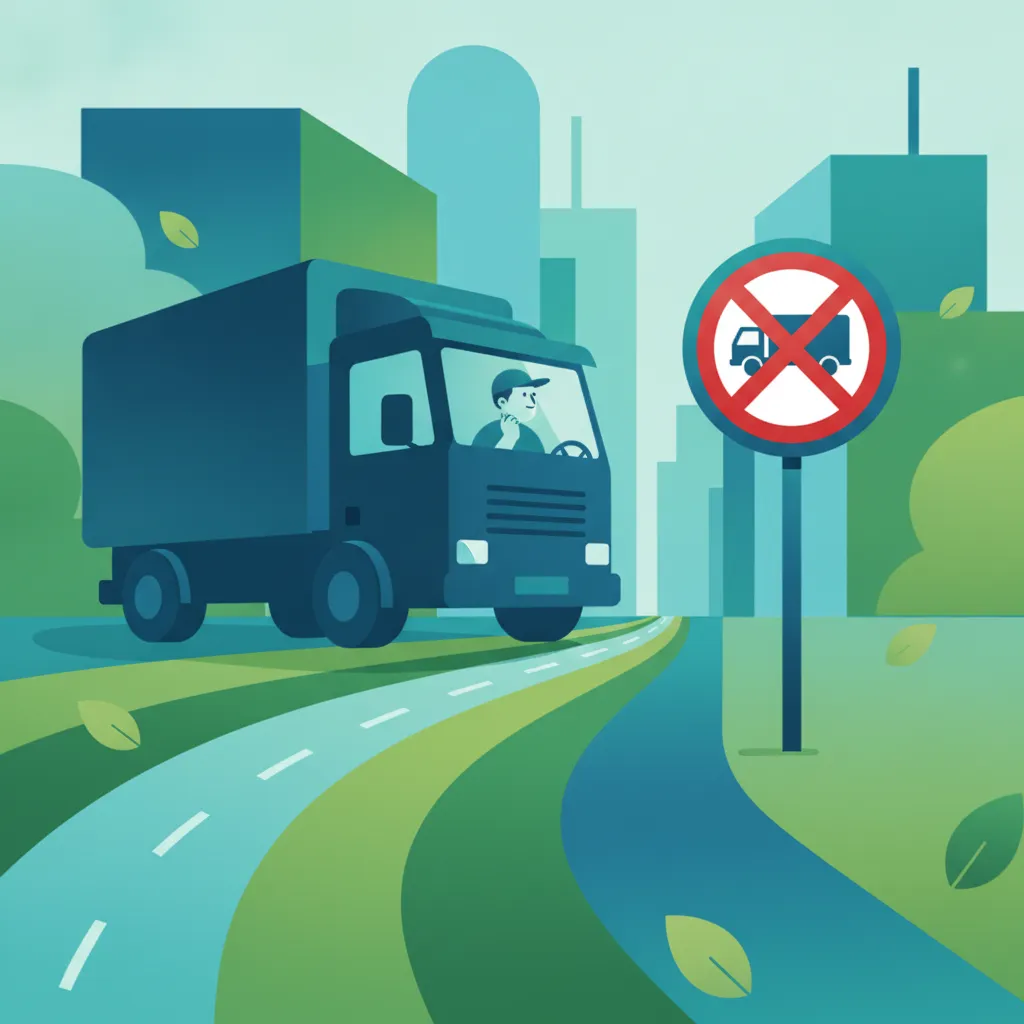
This lesson focuses on the various access restrictions imposed on heavy goods vehicles within Turkish road networks. Learners will understand the reasons for restrictions such as low bridge clearances, tunnel usage, construction zones, and urban delivery area limitations. The lesson also covers how to recognize and comply with legal notices and signage indicating restricted commercial zones.

This lesson examines the specific road space requirements necessary for large goods vehicles to operate safely and efficiently. Topics include the need for adequate lane width, lateral clearance, and turning lanes to accommodate wider and longer vehicles. Learners will explore the proper use of shoulders, overtaking procedures, and the impact of large vehicles on overall road capacity in traffic.
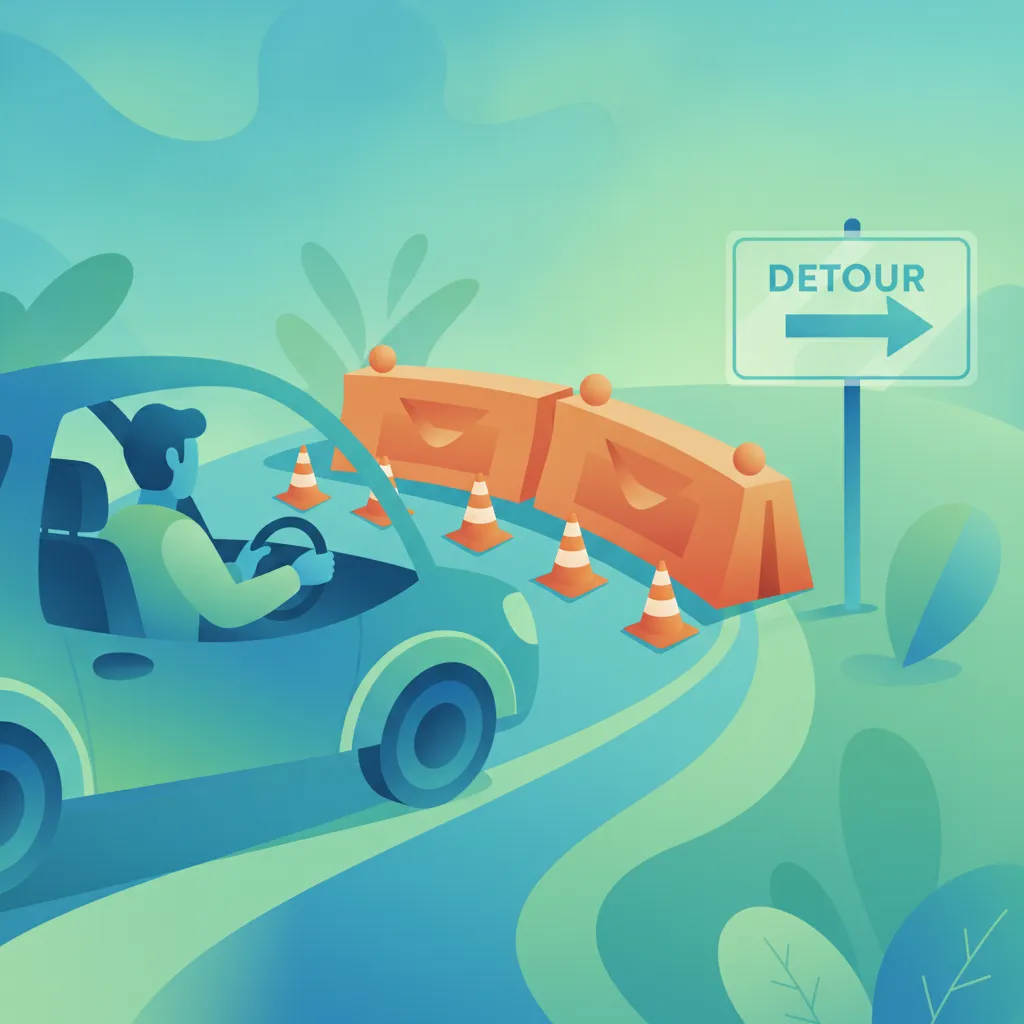
This lesson focuses on effectively managing road closures and detours that affect goods vehicle routes. Learners will explore strategies for obtaining real-time information, updating navigation systems, and planning alternate routes to maintain efficiency and compliance. Emphasis is placed on safety considerations, communication with dispatch centers, and adhering to traffic management.
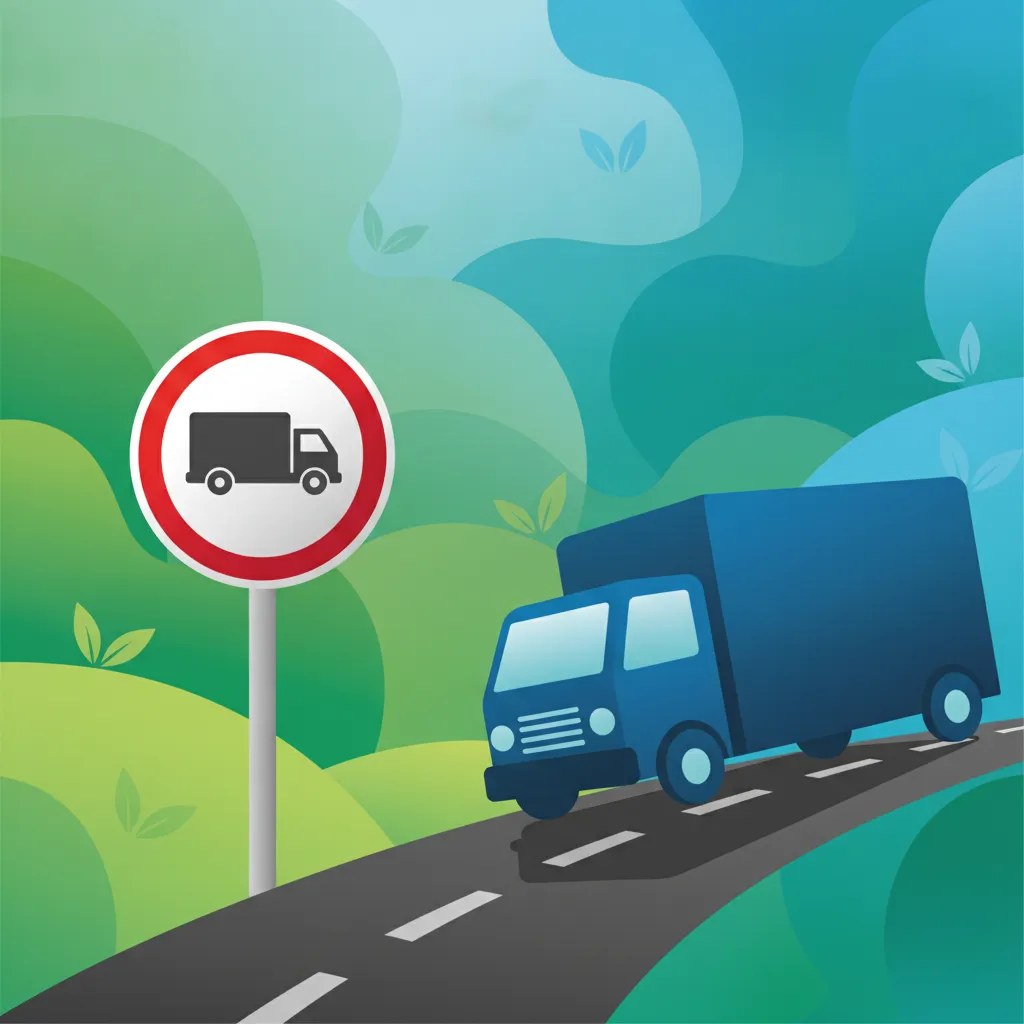
This lesson focuses on traffic signs and road markings that are specifically relevant to goods vehicles in Turkey. Learners will become familiar with signs indicating prohibited routes, weight limits, height restrictions, hazardous material transport, and lane usage regulations. The lesson emphasizes the importance of accurately interpreting these signs to ensure compliance with traffic laws.
Understand the essential pre-trip safety checks for goods vehicles, including brakes, mirrors, lighting, and cargo security. This lesson provides a theoretical overview of how to perform thorough inspections to ensure compliance with Turkish traffic laws and maintain vehicle safety during operations.
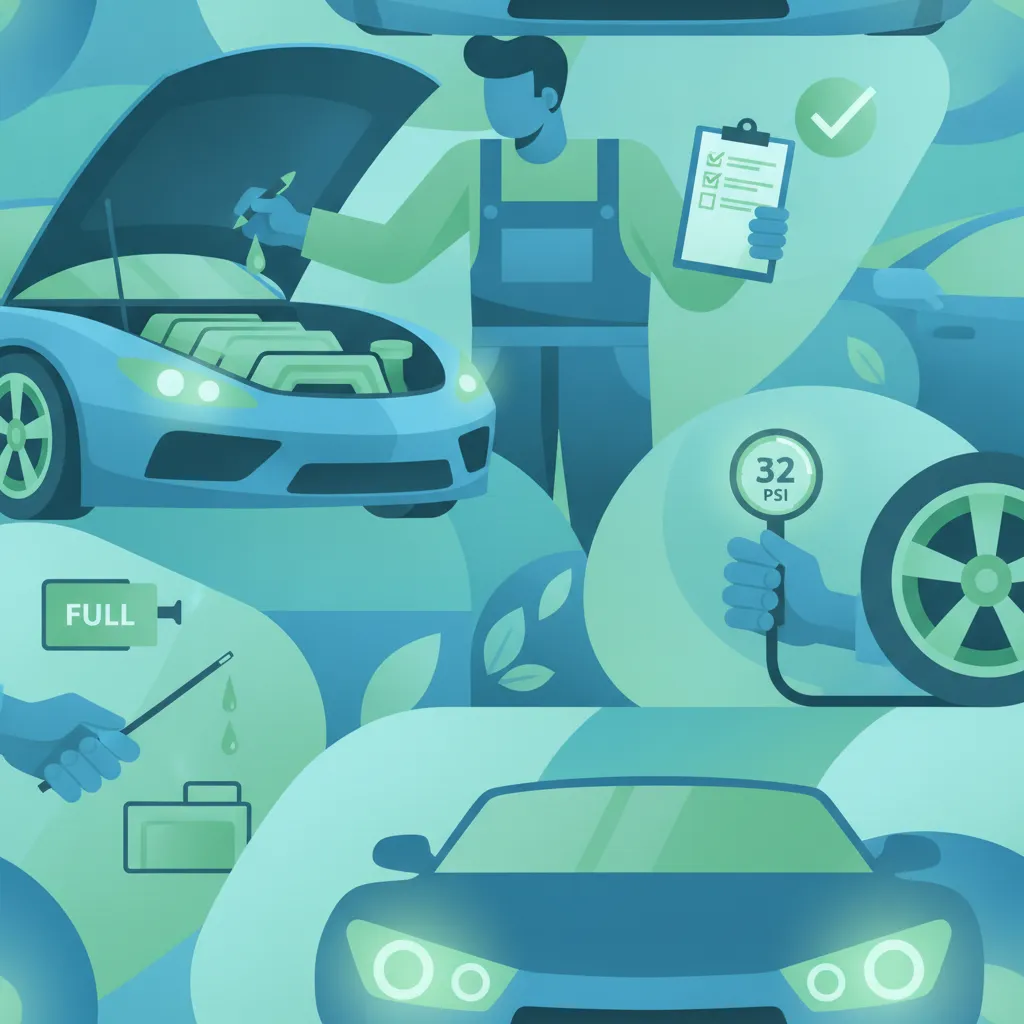
This lesson outlines the essential components of a comprehensive pre-trip vehicle inspection for goods vehicles. It covers the visual and functional checks required for tyres, brakes, lights, mirrors, coupling mechanisms, fluid levels, and vital documentation. The lesson emphasizes the importance of conducting thorough inspections before each trip to identify safety hazards and prevent accidents.

This lesson focuses on the critical safety checks for tyres, brakes, lights, and mirrors on goods vehicles. Learners will learn how to assess tyre pressure, tread depth, and overall condition, ensuring optimal road grip and handling. The lesson also covers brake inspection techniques to identify wear or malfunction, ensuring effective stopping power and proper functionality of signalling systems.
This lesson focuses on traffic signs and road markings that are specifically relevant to goods vehicles in Turkey. Learners will become familiar with signs indicating prohibited routes, weight limits, height restrictions, hazardous material transport, and lane usage regulations. The lesson emphasizes the importance of accurately interpreting these signs to ensure compliance with traffic laws.
This lesson focuses on the various access restrictions imposed on heavy goods vehicles within Turkish road networks. Learners will understand the reasons for restrictions such as low bridge clearances, tunnel usage, construction zones, and urban delivery area limitations. The lesson also covers how to recognize and comply with legal notices and signage indicating restricted commercial zones.

This lesson focuses on routine vehicle inspections, fluid level checks, and basic preventive maintenance tasks every driver should perform. It details the indicators on the dashboard instrument panel and how to react to critical engine warning lights. Motorists will learn to recognize mechanical faults before they lead to dangerous road breakdowns.
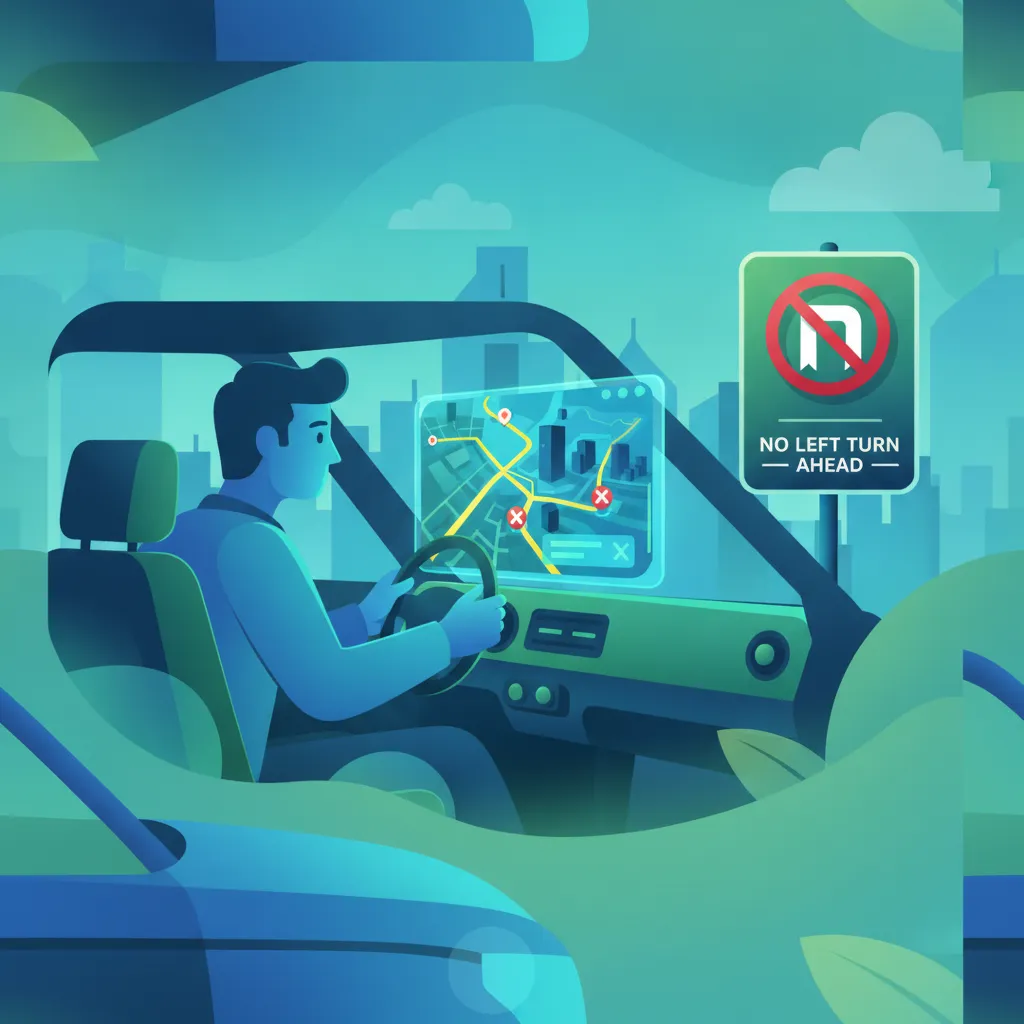
This lesson explores the legal and practical aspects of route planning for goods vehicles, emphasizing the importance of selecting suitable routes that adhere to road restrictions. Learners will learn how to identify roads with weight limits, height clearance, and prohibited zones for heavy vehicles. They will also discover how to use navigation systems and truck-specific GPS effectively.

This lesson provides a detailed overview of the classification system for goods vehicles in Turkey, focusing on the specific dimensional limits for each category. Learners will become familiar with the maximum allowable length, width, and height for these vehicles, as defined by Turkish law. Understanding these limits is crucial for ensuring compliance with road regulations and avoiding serious violations.
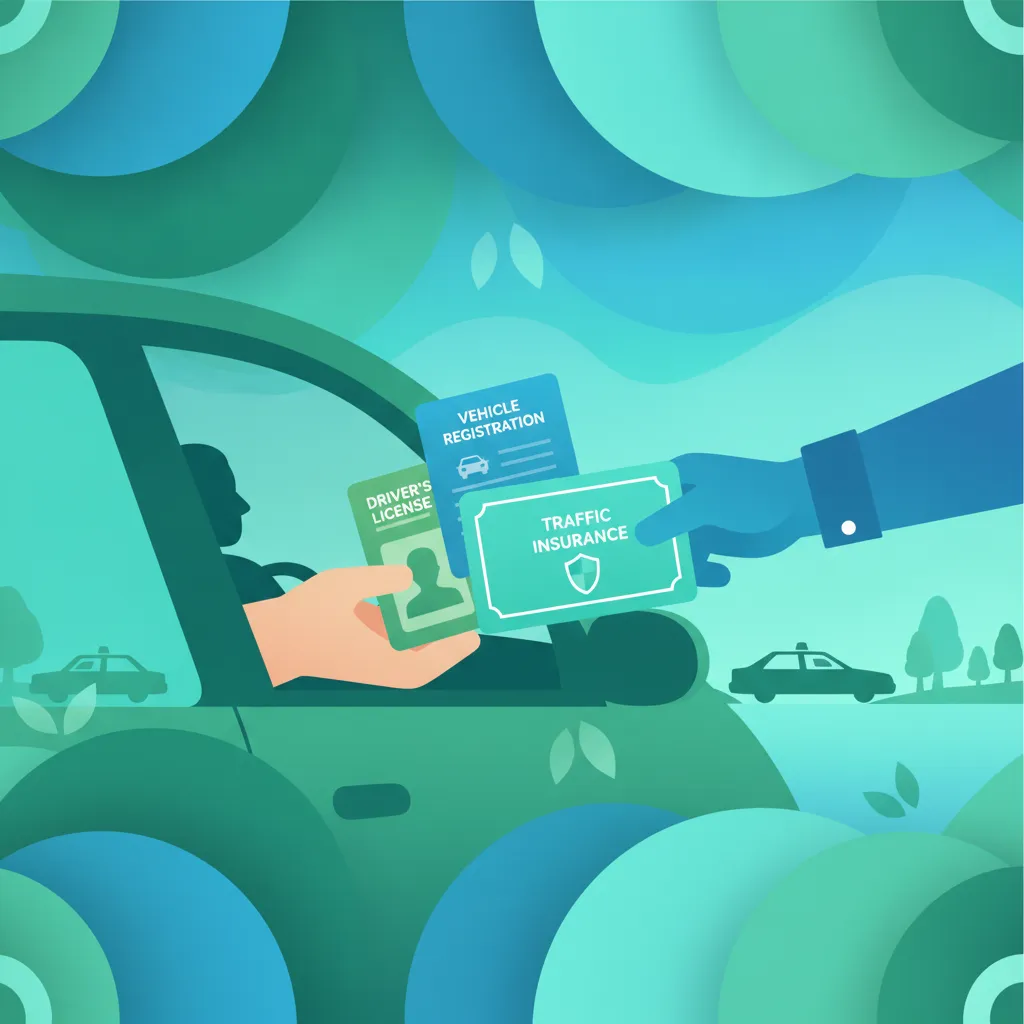
This lesson emphasizes the critical importance of maintaining accurate and up-to-date documentation for professional goods vehicle operation. It covers essential documents such as driver's licences, vehicle registration, logbooks, cargo permits, and inspection certificates. Learners will understand the legal requirements for record keeping and the role of tachographs in monitoring driver activity.
Find clear answers to common questions learners have about Docking and Loading Area Operations. Learn how the lesson is structured, which driving theory objectives it supports, and how it fits into the overall learning path of units and curriculum progression in Turkey. These explanations help you understand key concepts, lesson flow, and exam focused study goals.
Even with modern cameras and mirrors, heavy vehicles have significant blind spots. A spotter provides a crucial external perspective, ensuring you avoid pedestrians and infrastructure that you cannot see from the driver's seat.
The most common error is failing to account for the vehicle's tail swing or off-tracking. Many learners forget that the rear of the trailer follows a different path than the tractor, which can lead to collisions with loading bay columns.
While docking is often considered a private operation, the Turkish Highway Traffic Regulation emphasizes the duty of care for professional drivers. You may face exam questions about safe maneuvering speed and the legal obligation to ensure the loading area is clear before moving.
Use our comprehensive practice search to find exactly the Turkish driving theory questions you need to master. Whether reviewing specific road signs, traffic rules, or first aid scenarios, select your perfect practice set and boost your confidence for the official ehliyet sınavı.