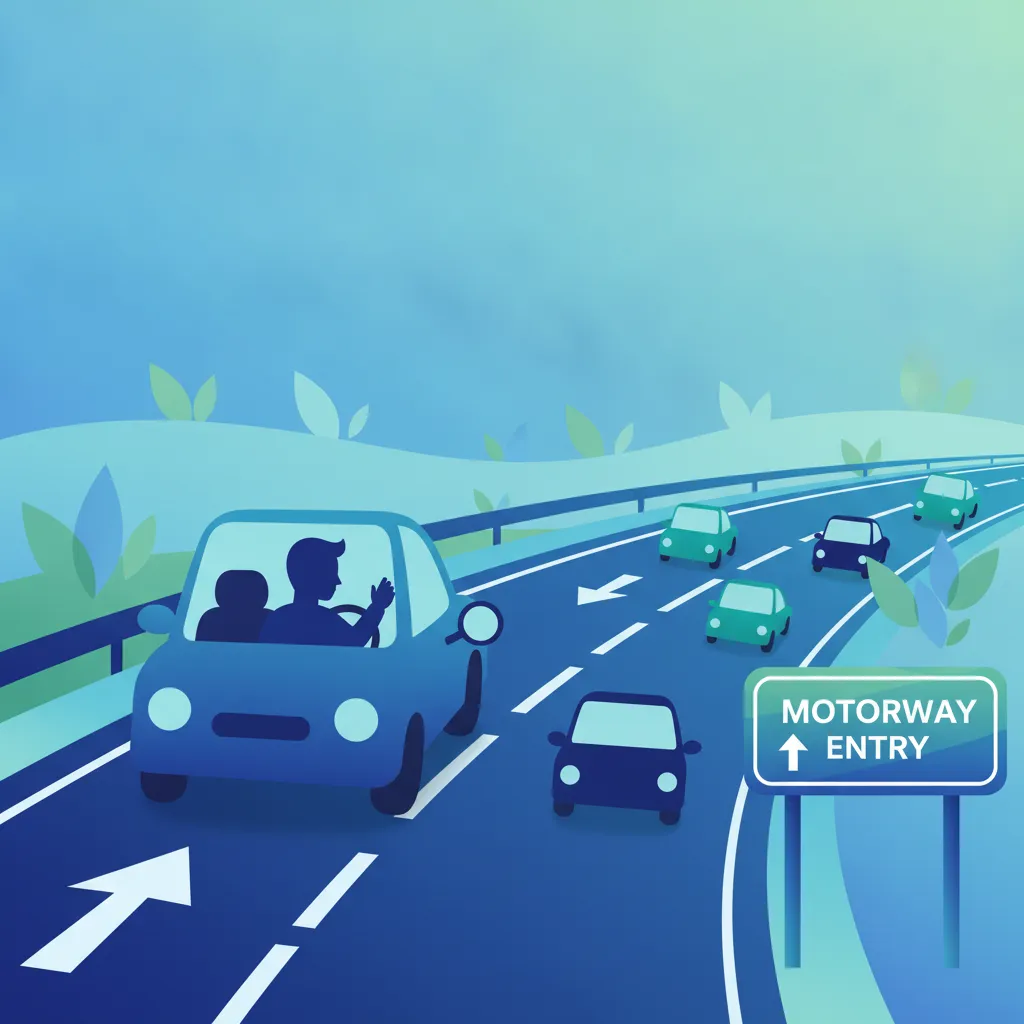
This lesson teaches you the critical skills required to safely merge onto main roads and motorways. You will learn to use the acceleration lane to match traffic speed, ensuring you can integrate into fast-moving flows without disruption or risk.
Lesson content overview
Mastering the transition from a slip road onto a high-speed motorway (autoroute) or a dual carriageway (voie rapide) is one of the most critical skills tested in the French Category B driving licence theory exam (Examen de l'Éthique Générale or ETG). Navigating this manoeuvre safely requires a precise mix of vehicle control, acute observation, and strict adherence to the Code de la route.
Entering a flow of traffic travelling at speeds of up to 130 km/h presents significant safety challenges. The primary objective when merging is to integrate your vehicle seamlessly into the traffic stream without causing existing drivers to brake, swerve, or alter their course. This lesson explores the legal rules, physical requirements, and psychological factors necessary to execute a flawless merge on French roads.
The acceleration lane, known in French as the voie d'insertion, is a dedicated lane running parallel to the main carriageway. Its physical design is engineered specifically to give entering drivers the space and time necessary to increase their speed to match that of the circulating traffic before they attempt to merge.
Under normal driving conditions on an autoroute, traffic in the right-hand lane travels between 90 km/h and 130 km/h. Entering this flow at a low speed (such as 50 or 60 km/h) creates a highly dangerous speed differential, forcing vehicles behind to brake violently or make emergency lane changes. The voie d'insertion eliminates this hazard by acting as a transitional runway where you can safely run through your gears and build momentum.
In French traffic law, the hierarchy of priority at merging points is absolute: vehicles already circulating on the main carriageway have the right of way. As a merging driver, you must yield priority (céder le passage).
When you are on the voie d'insertion, you do not have the right to force your way into traffic. If traffic is heavy, you must adapt your speed within the lane to find a suitable gap. You cannot assume that drivers on the motorway will slow down or move over to let you in, although polite and cooperative drivers often will shift to the left lane if it is safe and clear to do so.
Do not force entry! Forcing your way onto a main carriageway and causing an oncoming vehicle to brake abruptly is considered a serious traffic violation (refusal to yield priority), which can result in an immediate fine and loss of points on your licence.
To execute a safe merge, you must coordinate your physical controls with systematic observation. The French driving curriculum breaks this down into a structured sequence.
Observe Early: As soon as you enter the slip road and the main highway becomes visible, begin checking your interior rearview mirror and your left side mirror to assess the density and speed of the traffic on the main road.
Signal Your Intention (Clignotant): Activate your left indicator (clignotant gauche) early. This signals to drivers on the main carriageway that you intend to join them, allowing them to anticipate your move.
Accelerate Decisively: Push firmly on the accelerator. Pressing down on the gas pedal allows you to reach a speed compatible with the main road (e.g., 110–130 km/h on motorways, or 80–110 km/h on dual carriageways) before you reach the end of the lane.
Check the Blind Spot (Angle Mort): Just before committing to the merge, perform a quick, decisive over-the-shoulder check to your left. This ensures there is no motorcycle or low-profile vehicle hiding in your blind spot.
Merge and Deactivate Signal: Smoothly steer across the wide broken line into the right-hand lane of the main road. Once fully integrated, cancel your indicator.
Merging safely relies on your ability to judge speed differentials and calculate spatial gaps accurately.
At high speeds, distances shrink rapidly. A vehicle travelling at 130 km/h covers approximately 36 metres per second. When assessing a gap in your left mirror, you must evaluate both physical distance and the speed at which the trailing vehicle is closing in on you.
The transition from the entry ramp to the main carriageway is heavily guided by specific road markings. Understanding these visual cues is essential for passing the ETG theory test.
The line separating the acceleration lane from the main road consists of thick, closely spaced broken white lines. These lines signal that you are alongside an acceleration lane. You are legally allowed to cross these lines to merge as soon as you have established a safe speed and identified a gap.
In some shorter or older merging lanes, you may encounter layout arrows painted on the road surface pointing to the left. These arrows warn you that the acceleration lane is coming to an end and that you must merge immediately.
Avoiding common pitfalls is key to both driving safety and passing your theory exam.
| Common Violation / Mistake | Dangerous Outcome | Correct Action |
|---|---|---|
| Stopping in the acceleration lane | High risk of a severe rear-end collision from behind; impossible to accelerate to highway speed from a stop. | Maintain forward momentum, adjust speed dynamically, and use the full length of the lane. |
| Merging at a very low speed | Forces vehicles on the main road to brake abruptly, risking multi-car pileups. | Accelerate firmly to match the speed of the traffic flow before merging. |
| Neglecting the blind spot check | Side-swipe collisions with vehicles (especially motorcycles) traveling in your blind spot. | Always perform a quick physical head-turn to the left before steering onto the main road. |
| Crossing solid white lines early | Illegal lane change across solid markings, catching highway drivers by surprise. | Stay within the slip road boundaries until the solid line changes to a broken line. |
| Forgetting to cancel the indicator | Confuses drivers behind into thinking you intend to change lanes again to the middle or fast lane. | Ensure your turn signal automatically cancels, or manually switch it off immediately after merging. |
The physical rules of merging change dramatically depending on environmental factors and the state of your vehicle.
Rain, fog, and snow alter both traction and visibility on French highways.
If you are driving a heavily loaded vehicle or towing a caravan/trailer:
To help you prepare for the Category B theory exam, study these essential terms and definitions:
Now that you have mastered the theory of merging onto main roads and motorways, you can progress to related high-speed driving manoeuvres. Understanding how to manage your position on high-speed roads naturally leads to the rules governing overtaking and maintaining safe following distances.
To test your comprehension of the rules of the voie d'insertion, priority regulations, and speed matching under the French Code de la route, proceed to the dedicated practice questions below.
Explore all units and lessons included in this driving theory course.
Lesson content overview
Explore all units and lessons included in this driving theory course.
Explore search topics learners often look for when studying Merging onto Main Roads and Motorways. These topics reflect common questions about road rules, driving situations, safety guidance, and lesson level theory preparation for learners in France.
Browse additional driving theory lessons that cover connected traffic rules, road signs, and common driving situations related to this topic. Improve your understanding of how different rules interact across everyday traffic scenarios.
Understand the legal requirements and safety protocols for performing safe overtaking manoeuvres on French motorways. This lesson details correct lane discipline, signal usage, and how to maintain safe following distances while passing other vehicles in various traffic conditions on high-speed road networks.

This lesson covers the strict legal conditions under which you may overtake other vehicles on French roads, including necessary visibility criteria. You will master the step-by-step process of checking rearview mirrors, performing head checks, signaling, and maintaining a safe speed differential during the pass. It also details when overtaking is strictly forbidden, such as before intersections, near pedestrian crossings, or across solid lines.

Overtaking must always be executed quickly and safely, without forcing other drivers to alter their speed or direction. This lesson teaches the strict rule of passing on the left and the rare exceptions where passing on the right is permitted. You will learn to read road signs and markings that prohibit overtaking and how to calculate a safe speed margin to complete your pass.
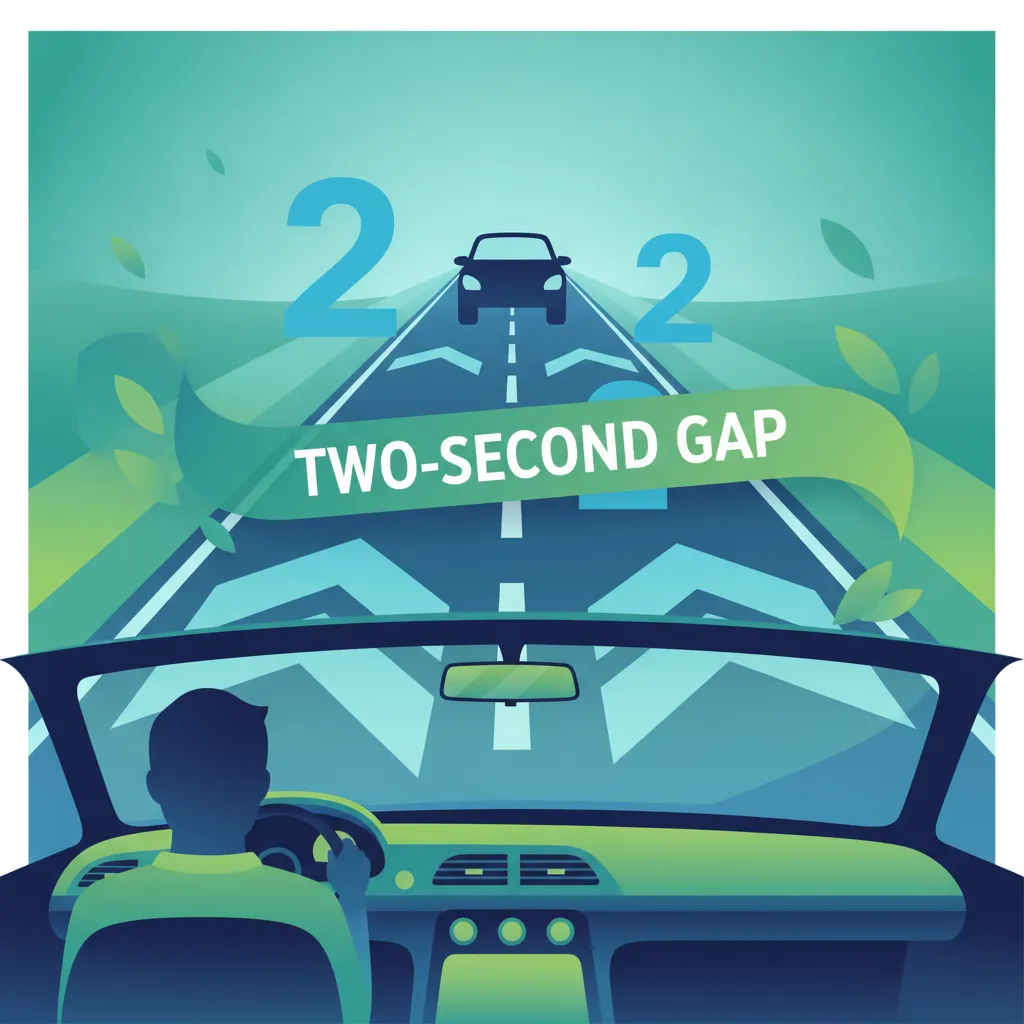
Maintaining a safe distance behind the lead vehicle is essential to prevent rear-end collisions during sudden braking maneuvers. This lesson teaches you the two-second safety rule and how to calculate this gap at different highway speeds. You will also study unique safety margin requirements, such as maintaining minimum distance intervals in road tunnels or doubling your following distance on wet roads.

French motorways (autoroutes) are fast, controlled-access roads with unique laws regulating lane discipline and emergencies. This lesson teaches standard lane-use: cruising in the right lane and reserving the middle or left lanes exclusively for passing. You will study emergency procedures, the use of orange emergency call boxes, safety barrier rules, and navigating toll booths (peages) safely.
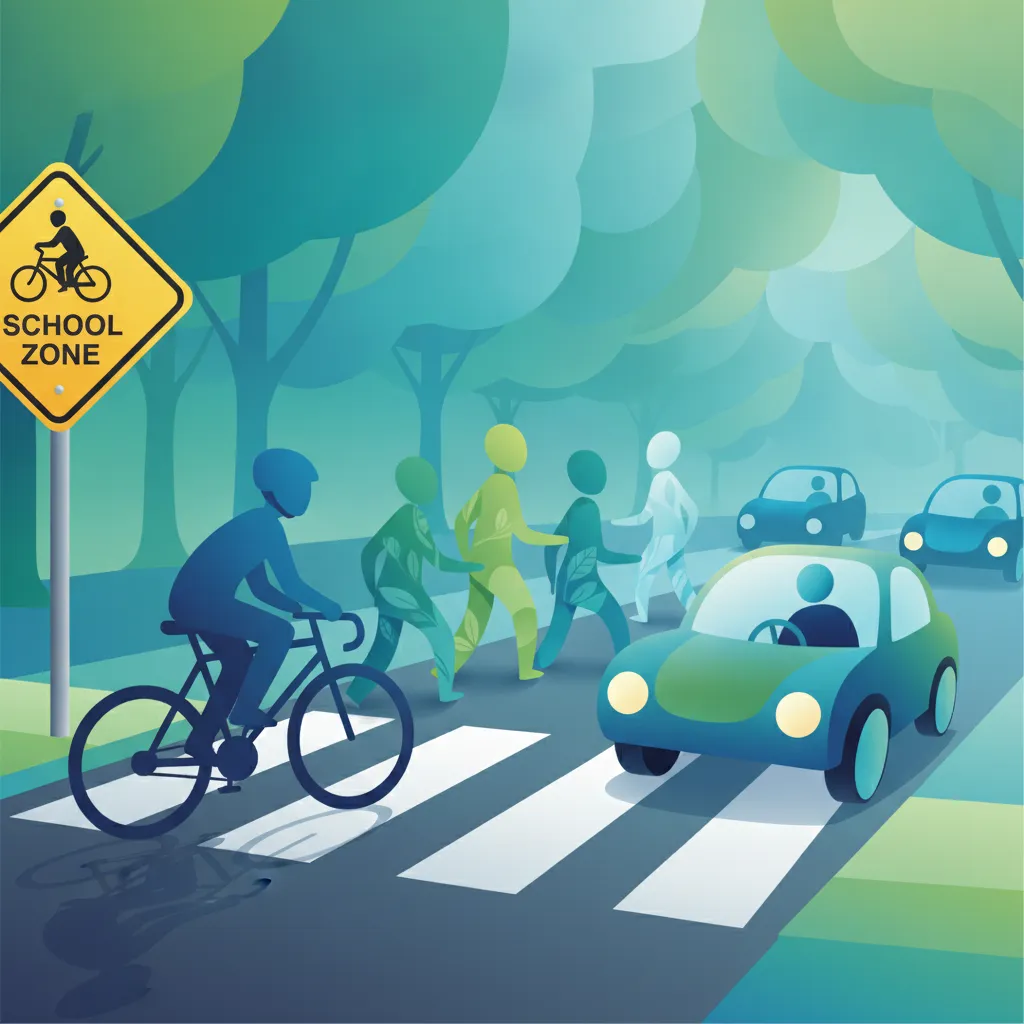
This lesson focuses on the legal requirement to yield to pedestrians on or about to step onto zebra crossings, a major focus of French road safety. You will learn how to approach school zones and pedestrian islands with heightened vigilance and reduced speed. Additionally, the lesson explores shared urban spaces, explaining how to maintain safe lateral distances when overtaking cyclists or personal electric scooters.
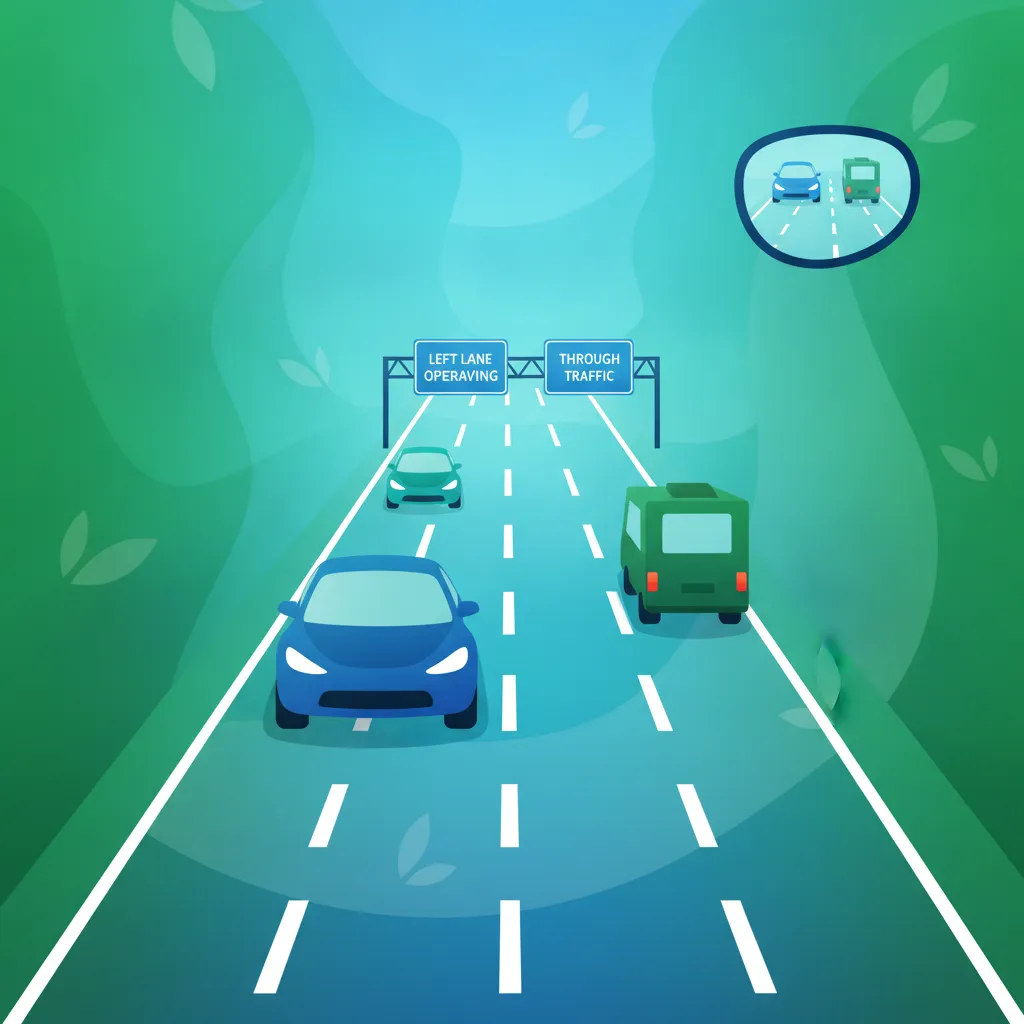
This lesson covers the rules of driving passenger vehicles on high-speed French motorways (autoroutes). Learners will study entry-ramp merging protocols, lane restrictions for vehicles over 3.5 tonnes, and motorway-specific speed limits. The lesson also highlights the correct use of toll booths (péages), emergency hard-shoulder safety procedures, and accessing dedicated coach rest areas.
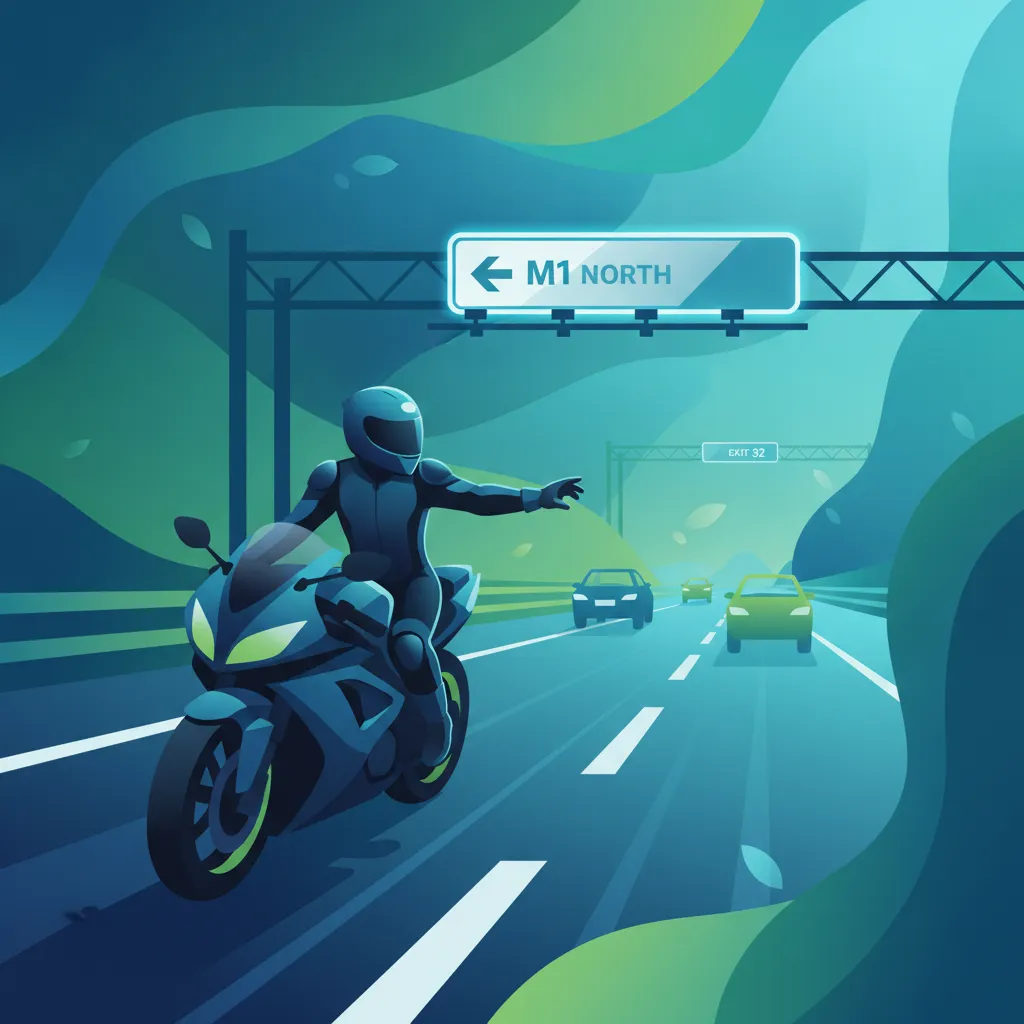
This lesson details how to safely enter, cruise on, and exit French motorways, known as autoroutes, which feature high-speed traffic flows. You will master the process of matching highway speeds in the acceleration lane and performing blind spot checks before merging. The lesson also explains correct lane positioning to avoid aerodynamic turbulences from large semi-trucks, and how to safely prepare for decelerating at exit ramps.
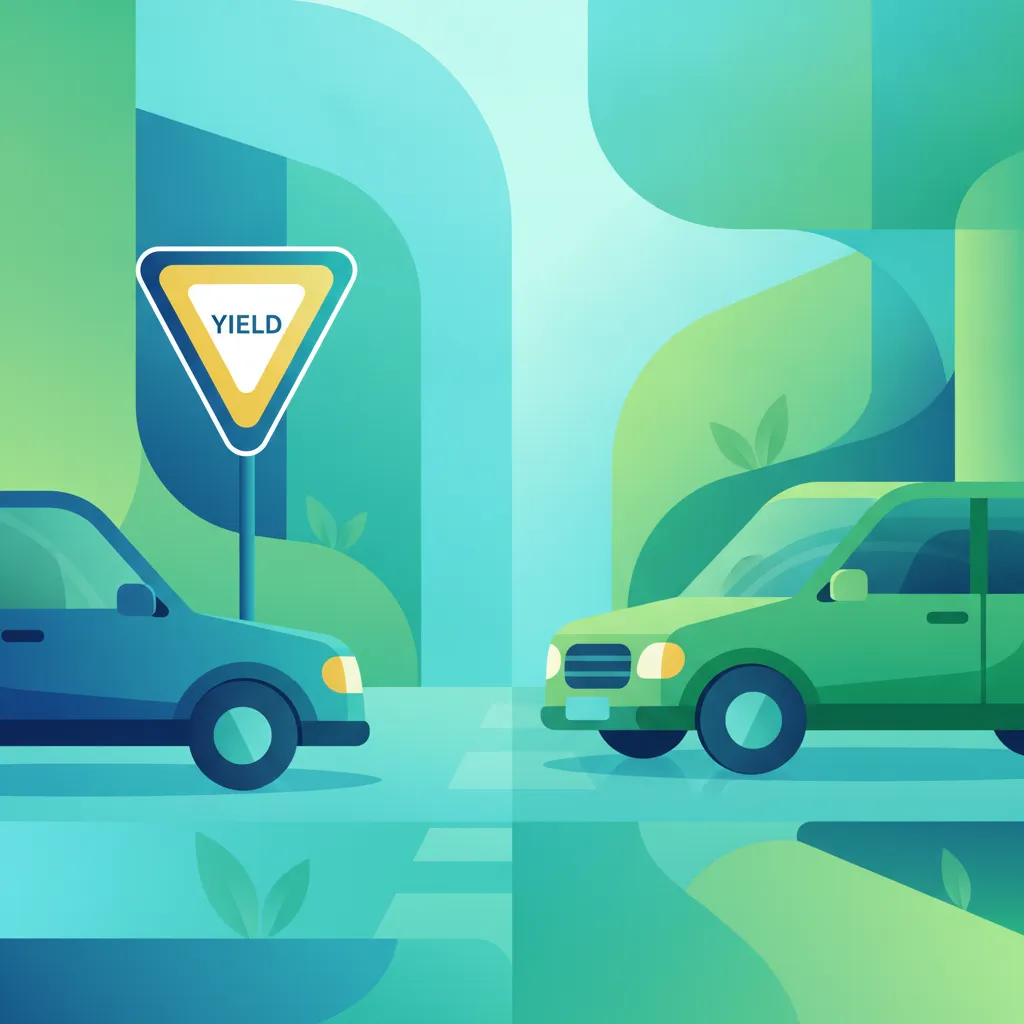
This lesson provides a comprehensive breakdown of priority rules under French law, with special focus on the default rule of priorité à droite. You will learn to recognize when this rule applies, even in the absence of explicit signage, and how to verify that entering vehicles see you. It also explains how to read priority road indicators, stop signs, and yield signs, helping you manage right-of-way safely and confidently.
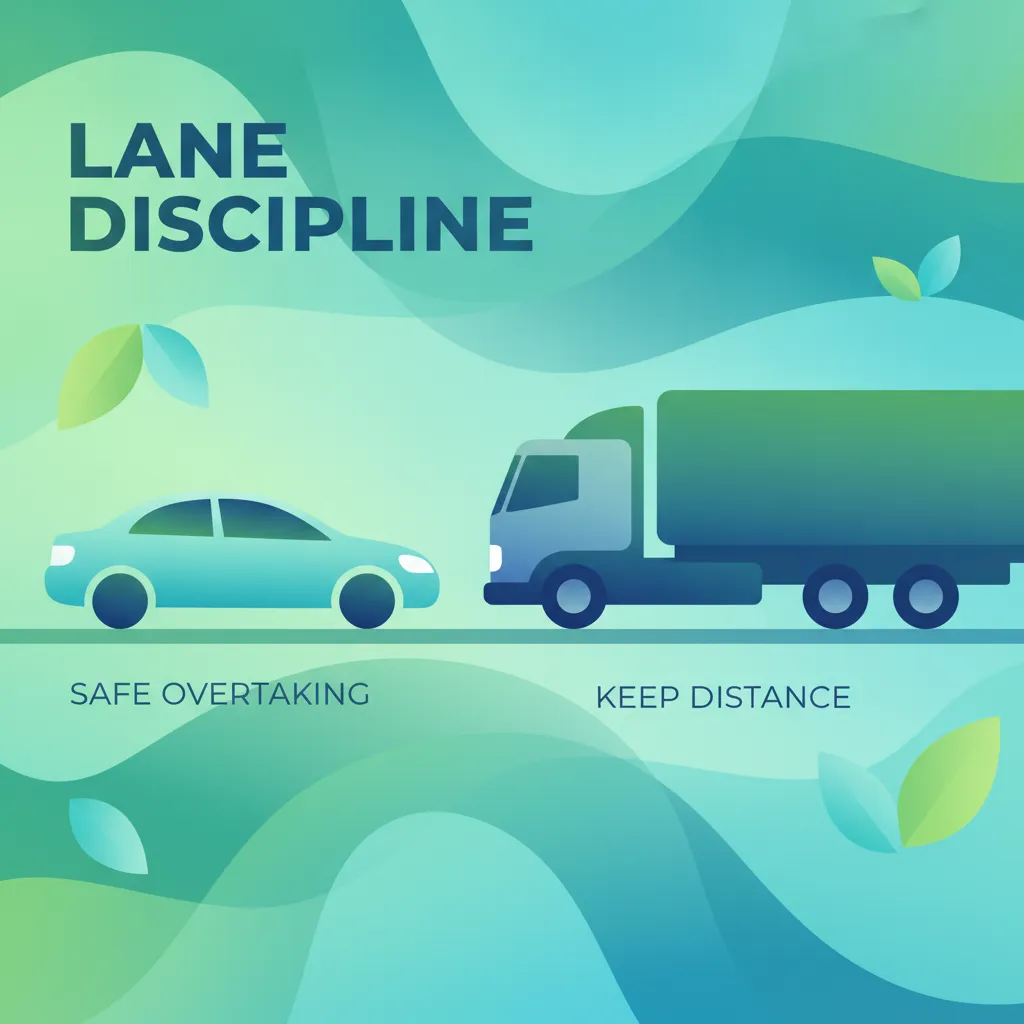
This lesson focuses on the specific considerations for operating goods vehicles on French motorways, including lane selection, speed management, and proper merging techniques. Learners will understand the importance of maintaining lane discipline, using appropriate overtaking practices, and respecting motorway-specific speed limits for heavy vehicles. The content also covers the use of emergency lanes and the handling of traffic flow.

Longitudinal road markings are painted along the length of the road to divide lanes and regulate overtaking maneuvers. This lesson teaches the strict legal prohibition of crossing solid white lines and the specific spacing of broken lines that permit lane changes. You will also learn how to interpret dual lines, warning arrows, and how to maintain proper lane discipline in heavy traffic.
Learn how to anticipate potential hazards and select safe speeds when driving on different French road networks. This guide covers how environmental factors, visibility, and traffic density influence your ability to react to sudden changes and maintain control of your vehicle in challenging driving environments.
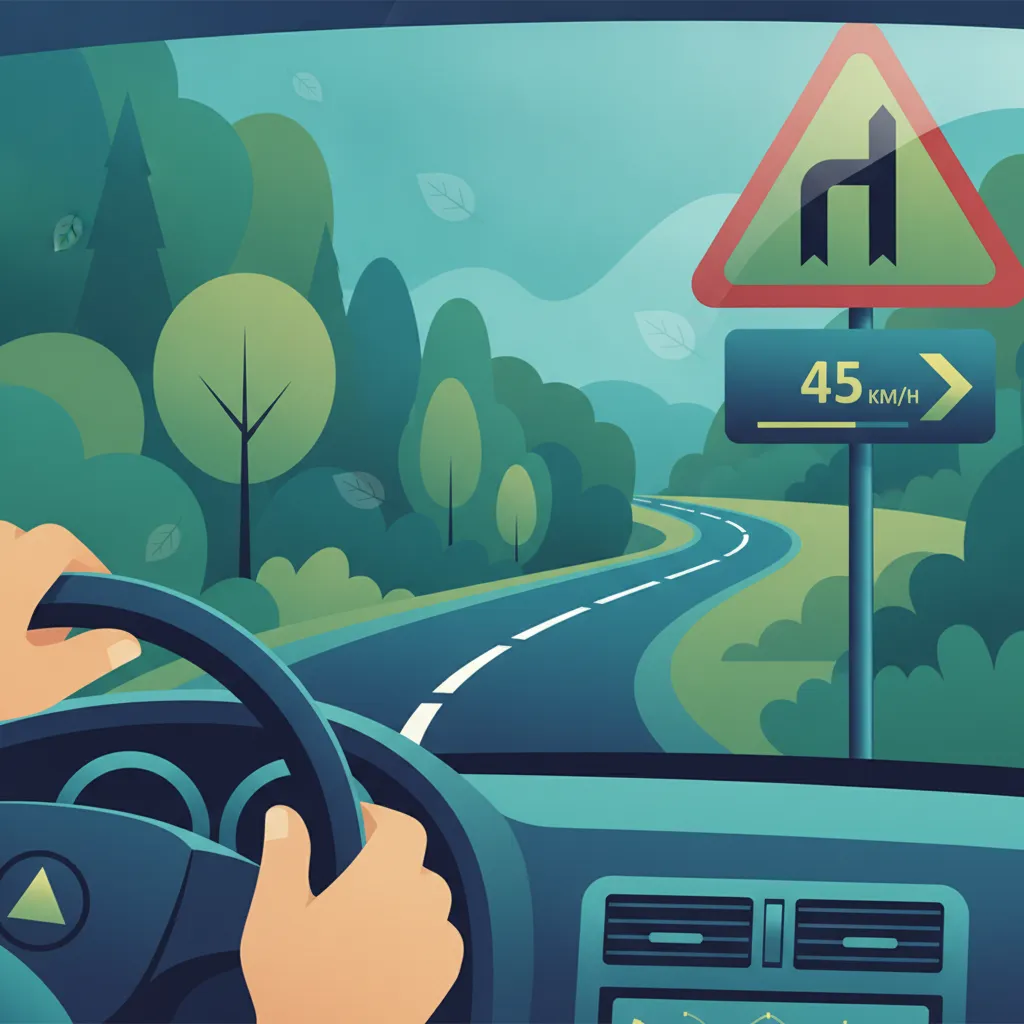
The legal speed limit is a maximum threshold, not a target speed that is always safe to maintain. This lesson teaches you how to select an appropriate, safe speed based on visibility, traffic congestion, and road topography. You will learn how to negotiate blind turns, approach summits with caution, and reduce speeds in heavy traffic to ensure you always maintain complete control of your vehicle.

This lesson focuses on the skill of adjusting speed according to real-time road conditions, visibility, and traffic density. Learners will learn to assess factors such as weather, road surface quality, and pedestrian activity to determine a safe riding speed under French regulatory expectations. By mastering adaptive speed control, riders can enhance safety and reduce the likelihood of accidents caused by inappropriate speed.

Proactive drivers scan the road constantly, detecting potential dangers before they turn into real-world emergency situations. This lesson teaches scanning techniques, the use of rear-view mirrors, and the interpretation of visual cues from other road users. You will learn to anticipate hazards like child play near roads, merging vehicles, and sudden lane changes, helping you drive defensively.

Adverse weather reduces tyre traction and limits visibility, dramatically raising the risk of multi-car accidents on highways. This lesson details speed reductions required during rainfall, techniques for avoiding aquaplaning, and demisting windshields for visibility. You will learn how to maintain extra stopping distance on snow-covered roads and the correct headlight adjustments to make during fog.

Learners will develop the ability to anticipate potential hazards on the road, enhancing reaction times and defensive riding strategies. The lesson emphasizes constant scanning, early identification of threats such as sudden stops, pedestrian crossings, or unexpected lane changes, and appropriate response measures. By cultivating proactive risk assessment, AM riders can significantly reduce accident likelihood.
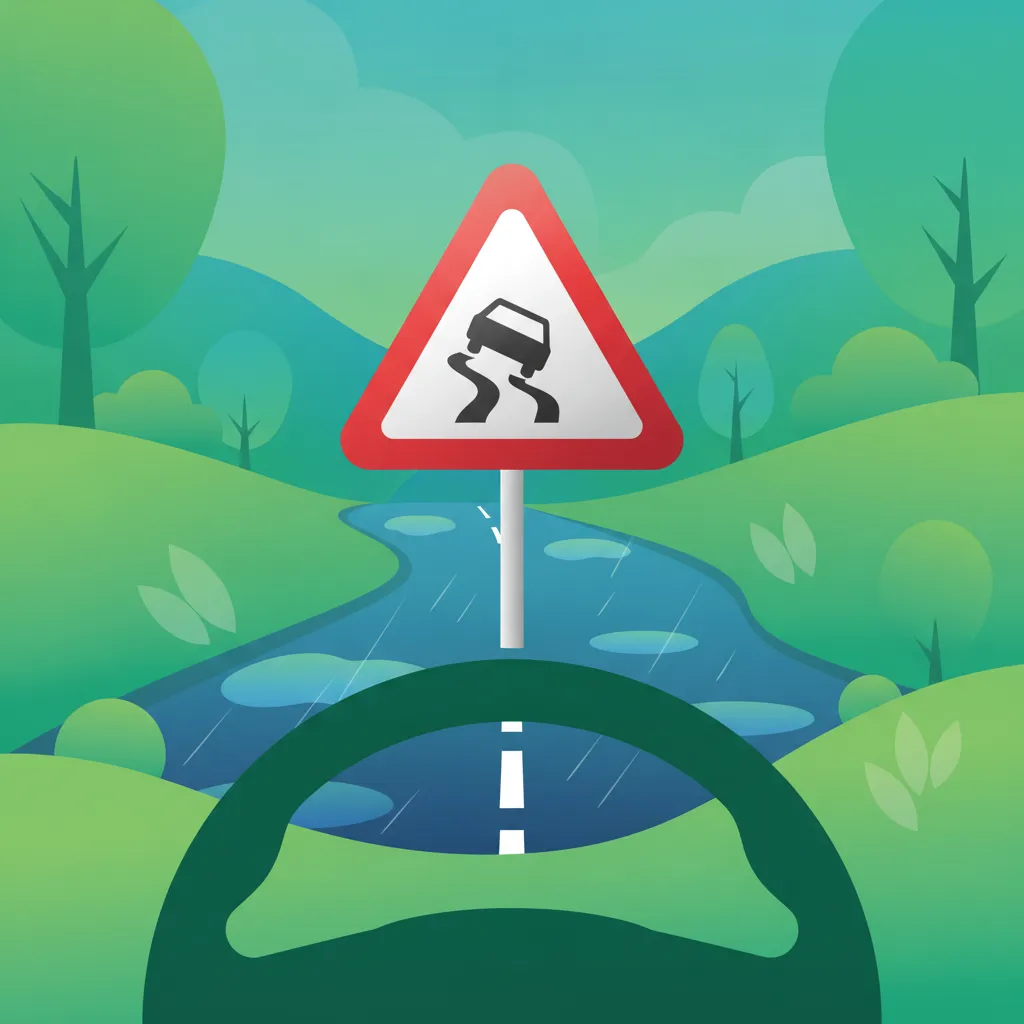
Warning signs on French roads are triangular with a red border, designed to alert drivers to upcoming dangers. This lesson teaches you how to interpret warnings for sharp curves, slippery surfaces, narrowing lanes, and wildlife or animal crossing hazards. You will understand the safety adjustments needed when approaching school zones, active roadworks, or crossings where vulnerable pedestrians are present.
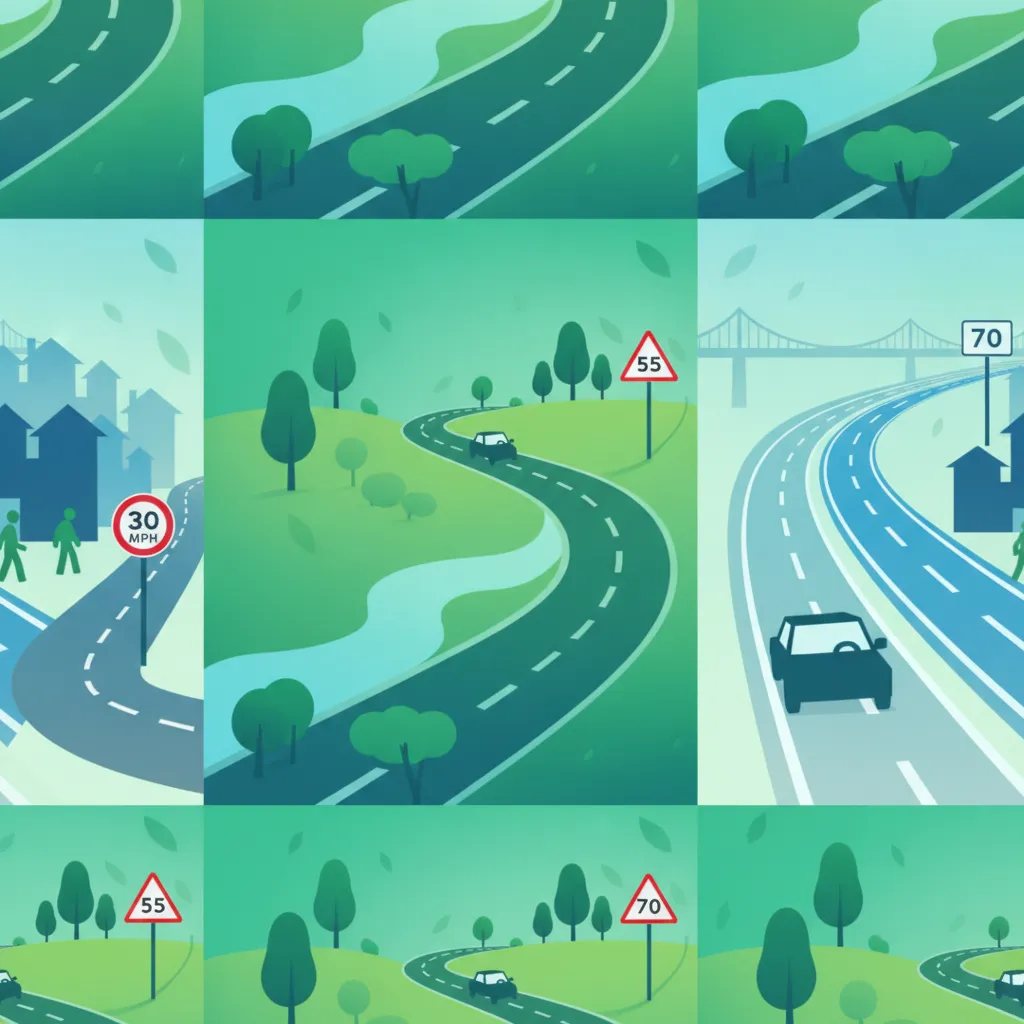
Speed limits in France are strictly regulated based on road category, weather conditions, and the driver's licensing status. This lesson covers standard speeds: 50 km/h in urban areas, 80 km/h on two-lane rural roads, 110 km/h on dual carriageways, and 130 km/h on motorways. You will also learn how these limits drop during rain or fog, and the reduced speed limits applicable to probationary drivers.
Maintaining a safe distance behind the lead vehicle is essential to prevent rear-end collisions during sudden braking maneuvers. This lesson teaches you the two-second safety rule and how to calculate this gap at different highway speeds. You will also study unique safety margin requirements, such as maintaining minimum distance intervals in road tunnels or doubling your following distance on wet roads.

Rural roads account for a high percentage of severe accidents due to narrow widths, winding geometries, and sudden hazards. This lesson teaches strategies for negotiating sharp bends, handling agricultural machinery, and reacting to wildlife warning signs. You will learn to manage your vehicle's lane placement on roads with soft shoulders and understand speed limits on rural networks.
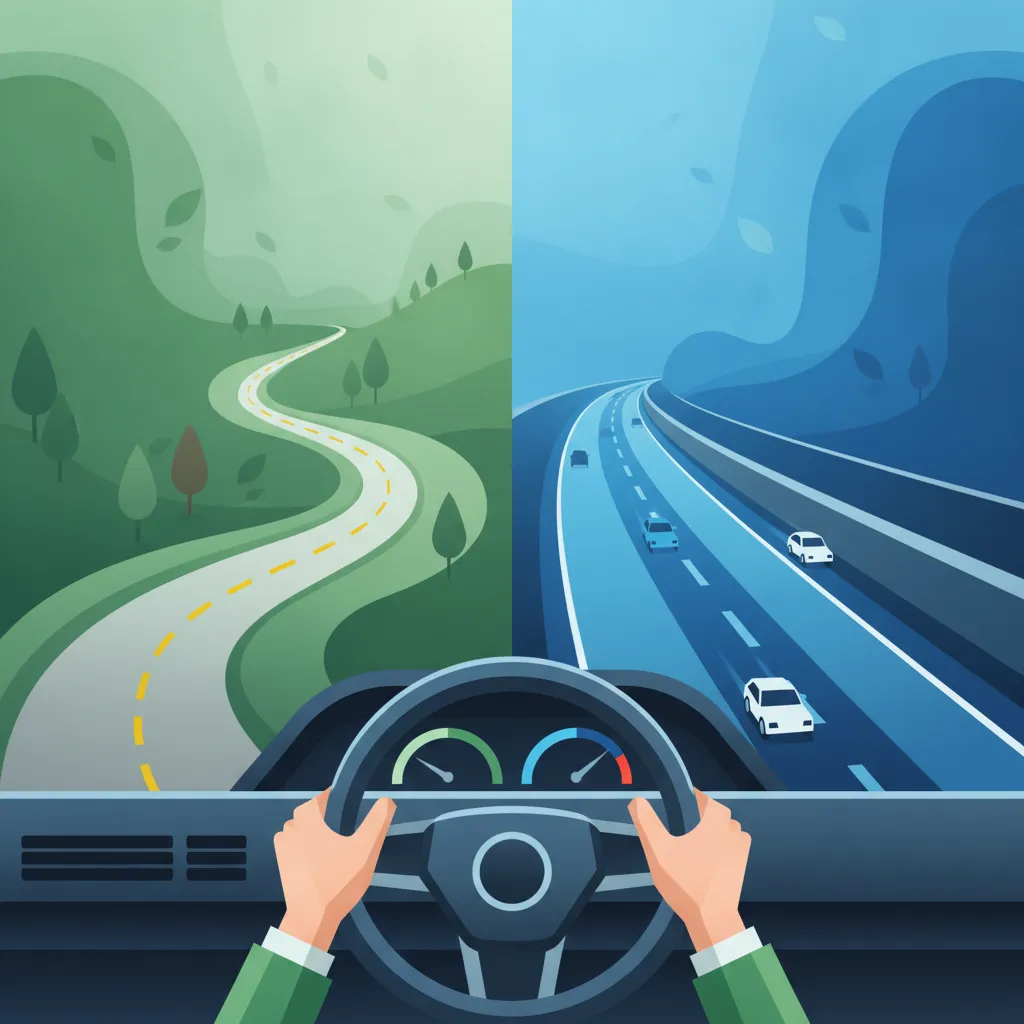
This lesson details the specific legal speed limits for passenger transport vehicles on motorways, rural trunk roads, and urban streets under French law. Drivers will learn how speed limits shift depending on overall vehicle weight, towing arrangements, and poor weather conditions like heavy rain. Developing a proactive approach to speed management helps maintain stable vehicle control and ensures full regulatory compliance.
Find clear answers to common questions learners have about Merging onto Main Roads and Motorways. Learn how the lesson is structured, which driving theory objectives it supports, and how it fits into the overall learning path of units and curriculum progression in France. These explanations help you understand key concepts, lesson flow, and exam focused study goals.
No. Vehicles already on the motorway have priority. You must adjust your speed and time your merge to join the traffic flow without forcing others to brake or change lanes.
The acceleration lane (voie d'insertion) allows you to reach a speed that matches the existing traffic on the motorway, making the merge safer and smoother for everyone.
If you cannot find a safe gap, continue along the acceleration lane while maintaining speed. If necessary, you may have to stop at the end of the lane, though this should be avoided by planning your entry speed early.
You should signal as soon as you enter the acceleration lane to clearly communicate your intention to merge to both the drivers on the motorway and those behind you.
Ready to focus your study? Use the practice search to find exactly the French driving theory questions you need for the Code de la route and permis de conduire ETG. Refine your knowledge on specific topics or challenging rules to boost your confidence and exam readiness.