
Logo
Italian Driving Theory Courses

Lesson 2 of the Intersections, Roundabouts, Overtaking and Urban Traffic unit

Italian Motorcycle Theory A: Navigating Rotatorie (Roundabouts) Safely

This lesson guides you through the complexities of navigating Italian rotatorie, ensuring you understand the legal requirements and safety practices for motorcycle riders. By mastering these rules, you will gain the confidence needed to handle roundabouts safely in both city and rural environments, which is a key component of the Italian motorcycle theory exam.
roundaboutsrotatoriepriority rulesmotorcycle theoryexam preparation
Italian Motorcycle Theory A: Navigating Rotatorie (Roundabouts) Safely

Lesson content overview

Italian Motorcycle Theory A

Navigating Italian Rotatorie (Roundabouts) Safely for Motorcycle Riders

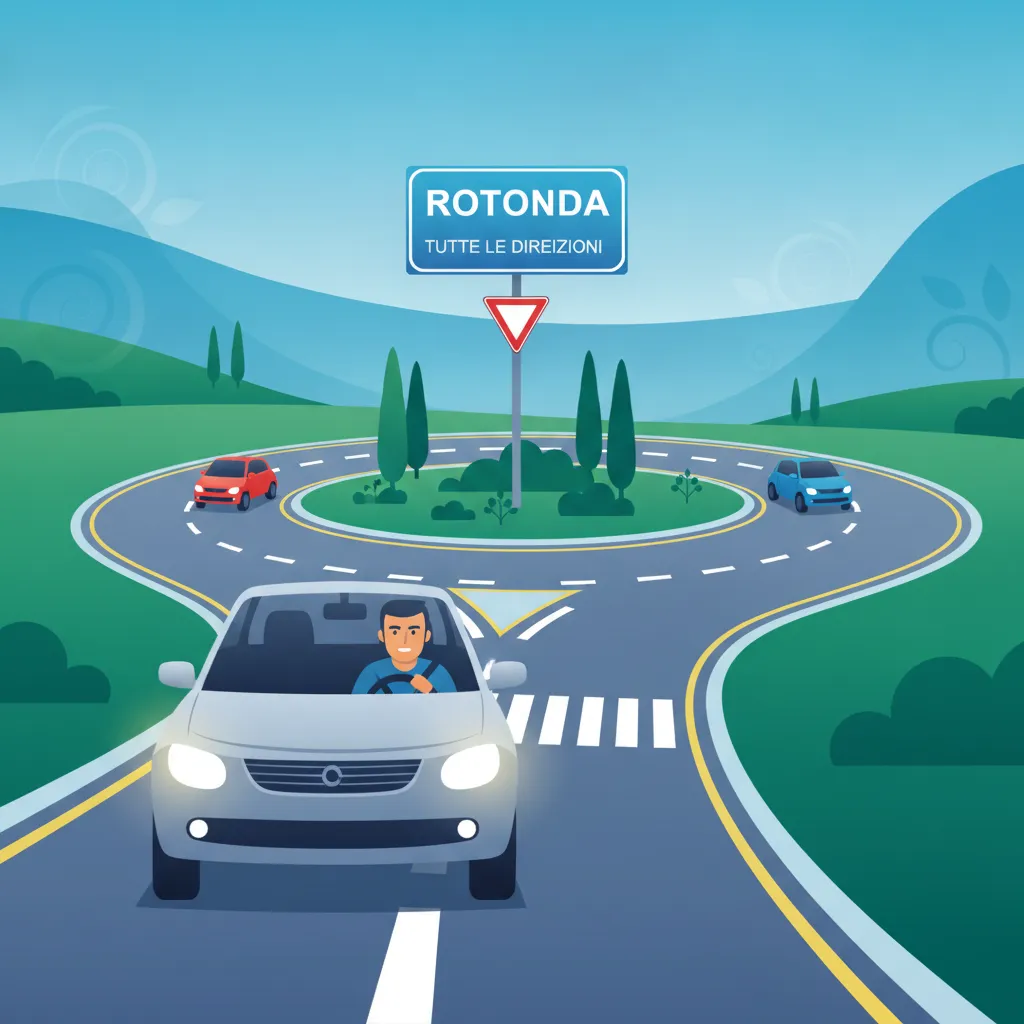
Roundabouts, known as rotatorie in Italy, are a ubiquitous feature of the Italian road network, designed to improve traffic flow and enhance safety at intersections. For motorcycle riders, mastering the art of navigating these circular junctions is not only a legal requirement under the Codice della Strada (Italian Road Code) but also a critical skill for ensuring a safe and efficient journey. This lesson provides a comprehensive guide to understanding the specific rules, lane discipline, signalling protocols, and situational awareness necessary for confidently and safely riding through Italian roundabouts.

The Importance of Mastering Roundabout Navigation in Italy

Successfully navigating a rotatoria requires a combination of observation, anticipation, and adherence to specific rules, particularly the primary principle of yielding to circulating traffic. A clear understanding of these principles reduces the risk of collisions, minimizes congestion, and fosters predictable behavior among all road users. For riders of motorcycle categories A1, A2, and A, this skill is fundamental to safe urban driving, given the unique handling characteristics of motorcycles and their vulnerability in multi-vehicle environments. Proper technique ensures continuous movement, which is the main advantage of roundabouts over traditional intersections with traffic lights.

Fundamental Rules of Italian Roundabouts: Yielding and Priority

The most crucial aspect of roundabout navigation in Italy is understanding and applying the rules of priority. Unlike some other countries, the standard rule in Italy is to give way to vehicles already circulating within the roundabout.

Priority to Circulating Traffic: The Golden Rule

The paramount rule when approaching an Italian rotatoria is to grant priority to vehicles that are already inside and circulating. This means that if traffic is present within the roundabout, you must slow down, prepare to stop, and wait for a safe gap before entering. This rule is designed to prevent conflicts and maintain a smooth, continuous flow of traffic within the circular junction. Failure to yield is a common cause of accidents at roundabouts.

Understanding the "Yield" (Dare Precedenza) Obligation

When you see a "Dare Precedenza" (Yield) sign at the entrance to a roundabout, it explicitly reinforces your obligation to yield to traffic already in the roundabout. Even in the absence of a specific sign, the general principle of priority to vehicles already on the carriageway applies, and most Italian roundabouts operate under this rule. Always assume you must yield unless clearly indicated otherwise by specific road signs or traffic lights, which is rare for rotatorie.

Key Codice della Strada Articles for Roundabout Priority

The Italian Highway Code reinforces these rules:

  • Article 37: Generally states the priority of a vehicle already on the carriageway, which in the context of roundabouts applies to circulating traffic.
  • Article 41: Addresses right-of-way at intersections with priority signs, such as the "Dare Precedenza" sign, making it legally binding to yield.

Correct Lane Positioning for Different Exits in Multi-Lane Roundabouts

Effective lane discipline is vital for safe and predictable roundabout navigation, especially in rotatorie with multiple lanes. Choosing the correct lane before entering the roundabout minimizes the need for internal lane changes, which can be hazardous.

Positioning for the First Exit (Right Turn)

If you intend to take the first exit (an immediate right turn), you should position your motorcycle in the rightmost lane as you approach the roundabout. Maintain this position throughout the maneuver and prepare to signal your exit.

Positioning for the Second Exit (Straight Ahead)

For the second exit, which typically corresponds to going "straight ahead," you should generally use the right lane upon entry. However, in some larger roundabouts or those with complex markings, you might be directed to the central or even a left lane if the roundabout is designed to spiral out. Always observe road markings and signs carefully. Once inside, you typically stay in the right lane or move towards it if you entered a more central lane.

Positioning for Third and Subsequent Exits (Left Turn/U-Turn)

If you plan to take the third exit, any subsequent exit, or make a U-turn (effectively taking a "left turn" around the roundabout), you should position your motorcycle in the leftmost lane available on approach. Maintain this inner position as you circulate, gradually moving to the right lane only as you pass the exit before your intended exit, preparing to signal and exit.

Pre-Entry Lane Selection: Avoiding Internal Lane Changes

The safest practice is to select your lane well in advance of the roundabout. Changing lanes inside a busy roundabout significantly increases the risk of collision, as it can confuse other drivers and force sudden braking or evasive action. Road markings and overhead signs before the roundabout often provide clear guidance on which lane to use for specific exits.

Effective Signalling and Communication at Roundabouts

Clear communication of your intentions to other road users is paramount for safety and smooth traffic flow. In Italy, signalling your exit from a roundabout is mandatory.

Mandatory Signalling Before Exiting

The Codice della Strada, specifically Article 122, requires drivers to use their turn signals to indicate their intention to exit a roundabout. This is not optional; it is a legal requirement. Signalling allows drivers behind you and those waiting to enter to anticipate your actions, reducing uncertainty and preventing potential accidents.

When and How to Signal

  • For the first exit (immediate right): Activate your right turn signal before entering the roundabout, as you would for any right turn.
  • For the second exit (straight ahead) or subsequent exits: Do not signal upon entry. Instead, activate your right turn signal as you pass the exit immediately before the one you intend to take. This signals your imminent departure, giving ample warning to other drivers.
  • For making a U-turn or taking the last exit: You may consider using your left turn signal upon entry to indicate you will be circulating for a longer period, then switch to your right signal as you pass the exit before your intended one.

Tip

For motorcycle riders, ensuring your turn signals are visible is crucial. Make sure they are not obscured by your body position or luggage.

The Role of Turn Signals in Preventing Collisions

Turn signals are a primary form of communication on the road. By clearly indicating your intentions, you help other drivers:

  • Predict your path: Reducing the likelihood of them cutting you off or colliding with you.
  • Adjust their speed: Allowing them to slow down or accelerate appropriately.
  • Enter the roundabout safely: If they know you are exiting, they can plan their entry.

Managing Speed and Maintaining Control in Rotatorie

Speed management is critical for safe roundabout navigation, especially on a motorcycle. The reduced speed allows for better observation, increased reaction time, and improved vehicle control.

Appropriate Speed for Entry and Circulation

As you approach a rotatoria, reduce your speed significantly. Many urban roundabouts in Italy have a default or signed speed limit of 30 km/h, unless otherwise indicated. Maintain a low, controlled speed while circulating within the roundabout. This allows you to react to sudden braking from vehicles ahead, unexpected lane changes, or the presence of vulnerable road users. Entering at excessive speed can lead to loss of control, especially when leaning into the turn, and drastically reduces your ability to react to hazards.

Note

Maintaining a steady throttle through the turn can help maintain motorcycle stability. Avoid sudden acceleration or braking while leaning.

Adapting Speed to Road and Weather Conditions

Your speed must always be appropriate for the prevailing conditions. On wet, icy, or uneven road surfaces, or in conditions of reduced visibility (fog, heavy rain, night), you must reduce your speed even further. Traction is reduced on slippery surfaces, making controlled cornering more challenging for motorcycles. Adjusting your speed provides a greater margin of safety.

Yielding to Vulnerable Road Users: Cyclists and Pedestrians

Motorcycle riders share the road with many users, some of whom are more vulnerable. Roundabouts are often points of interaction with cyclists and pedestrians, requiring extra vigilance.

Interacting with Cyclists in Roundabouts

Cyclists may travel within the roundabout itself, often using the outermost part of the lane or dedicated cycle lanes if present. Always assume cyclists might be present and give them ample space. If a cyclist is already circulating, they have priority. Avoid overtaking cyclists aggressively inside the roundabout, as this can force them into unsafe positions or make them lose balance. When exiting, check for cyclists alongside you who might be continuing around the roundabout.

Pedestrian Crossings at Roundabout Exits

Pedestrian crossings are frequently located at the exit points of roundabouts. Under Article 146 of the Codice della Strada, you must yield to pedestrians who are crossing or intending to cross at marked pedestrian crossings. Be particularly attentive at night or in adverse weather, when pedestrians may be less visible. Slow down as you approach exits and be prepared to stop if pedestrians are present.

Common Mistakes and Best Practices for Motorcycle Riders

Understanding common pitfalls can help you avoid them and enhance your safety when navigating rotatorie.

Avoiding Common Violations

  • Entering without yielding: Always check to your left (in Italy) for circulating traffic and wait for a safe gap. Never force your way in.
  • Changing lanes inside the roundabout: Plan your lane choice before entry. Abrupt lane changes within the roundabout are dangerous and often illegal if not explicitly permitted by markings.
  • Exiting without signalling: This is a mandatory rule. Failure to signal leaves other drivers guessing your intentions, increasing accident risk.
  • Exceeding roundabout speed limits: High speed reduces reaction time and increases the risk of losing control, especially for motorcycles which are more susceptible to road imperfections.
  • Ignoring vulnerable users: Always yield to cyclists within the roundabout and pedestrians at crossings. Their safety is your responsibility.
  • Late lane selection: Committing to your exit lane too late causes panic and unsafe maneuvers.

Motorcycle-Specific Considerations

Motorcycles have unique characteristics that riders must consider:

  • Balance and stability: Low speeds in roundabouts require good balance and smooth throttle control.
  • Visibility: Motorcycles can be harder for other drivers to spot. Ensure your lights are on (even during the day) and be aware of other vehicles' blind spots. Perform head checks before lane changes or exiting.
  • Road surfaces: Manhole covers, painted lines, or wet leaves in roundabouts can be particularly slippery for two wheels. Exercise extra caution.

Adapting to Varying Conditions: Nighttime, Rain, and Road Surfaces

Driving conditions significantly impact safe roundabout navigation. Motorcycle riders must be prepared to adjust their approach.

In rain, fog, or heavy winds, reduce your speed substantially. Braking distances increase, and visibility decreases. Maintain a greater following distance from other vehicles. Heavy crosswinds in larger roundabouts can affect motorcycle stability.

Low Visibility and Nighttime Driving

At night, use your dipped beam headlights (low beams) to illuminate the roundabout signs and road markings. Be extra vigilant for pedestrians and cyclists, who may be poorly lit. Your perception of speed and distance can be altered in the dark, so approach with greater caution.

Impact of Road Surface on Motorcycle Handling

Wet, oily, or gravelly surfaces within a roundabout can drastically reduce tire grip. Tar snakes, worn asphalt, or painted road markings also become extremely slippery when wet. Reduce your speed, avoid sudden braking or acceleration, and make smooth, gradual steering inputs to maintain traction and control. Heavier motorcycles or those carrying passengers and luggage may require earlier braking before entry due to increased momentum.

To summarize the main legal points under the Codice della Strada:

  • Priority: Always yield to vehicles already circulating inside the rotatoria (Art. 37, 41).
  • Signalling: Mandatory use of the right turn signal before exiting any roundabout (Art. 122).
  • Vulnerable Users: Mandatory to yield to pedestrians at marked crossings (Art. 146) and to cyclists travelling within the roundabout.
  • Lane Usage: Observe road markings and signs for lane selection before entering multi-lane roundabouts.
  • Speed: Adhere to posted speed limits, typically 30 km/h in urban roundabouts unless otherwise indicated.

Final Safety Insights and Summary

Mastering roundabout navigation is a cornerstone of safe riding in Italy. By consistently applying the core principles, you contribute to your own safety and the efficiency of the road system.

  • Prioritize Safety: The primary goal is to avoid collisions. This is achieved through predictable actions and constant awareness.
  • Be Predictable: Other drivers rely on your signals and lane choices to anticipate your movements. A predictable rider is a safe rider.
  • Continuous Observation: Always scan your surroundings – mirrors, blind spots, approaching traffic, and potential hazards like pedestrians and cyclists.
  • Control Your Speed: Appropriate speed is your best friend in a roundabout, allowing you time to react and maintain control.
  • Adapt and Adjust: Never assume conditions are perfect. Always adapt your riding to weather, road surface, traffic density, and visibility.

By integrating these practices, motorcycle riders can confidently and safely navigate Italian rotatorie, contributing to smoother traffic flow and reducing accident risks.

Learn more with these articles

Check out these practice sets


Search topics related to Navigating Rotatorie (Roundabouts) Safely

Explore search topics learners often look for when studying Navigating Rotatorie (Roundabouts) Safely. These topics reflect common questions about road rules, driving situations, safety guidance, and lesson level theory preparation for learners in Italy.

Italian theory test roundabout priority ruleshow to drive on roundabouts in Italyrotatorie lane discipline for motorcyclesmotorcycle theory exam questions roundaboutssignaling when leaving a roundabout Italyright of way at roundabouts Codice della StradaA1 A2 A license theory roundabouts guide

Related driving theory lessons for Navigating Rotatorie (Roundabouts) Safely

Browse additional driving theory lessons that cover connected traffic rules, road signs, and common driving situations related to this topic. Improve your understanding of how different rules interact across everyday traffic scenarios.

Advanced Roundabout Navigation and Scenarios for Italian Driving Theory

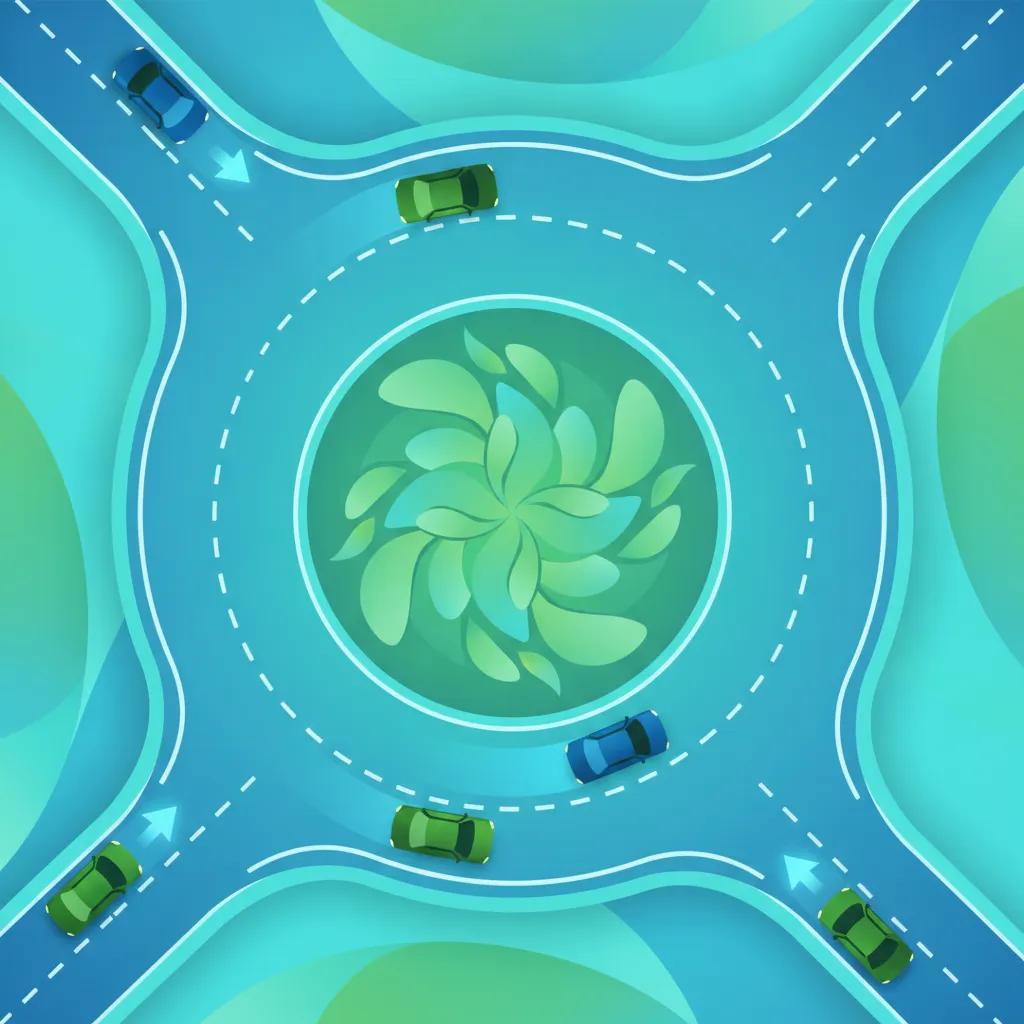
Explore complex roundabout scenarios and advanced navigation techniques for motorcycles in Italy. Understand right-of-way subtleties, lane changes, and common hazard situations to enhance your driving theory knowledge.
roundaboutsrotatorieadvanced rulesscenariosmotorcycle driving theoryurban trafficItaly
Roundabouts: Navigation and Lane Discipline lesson image

Roundabouts: Navigation and Lane Discipline

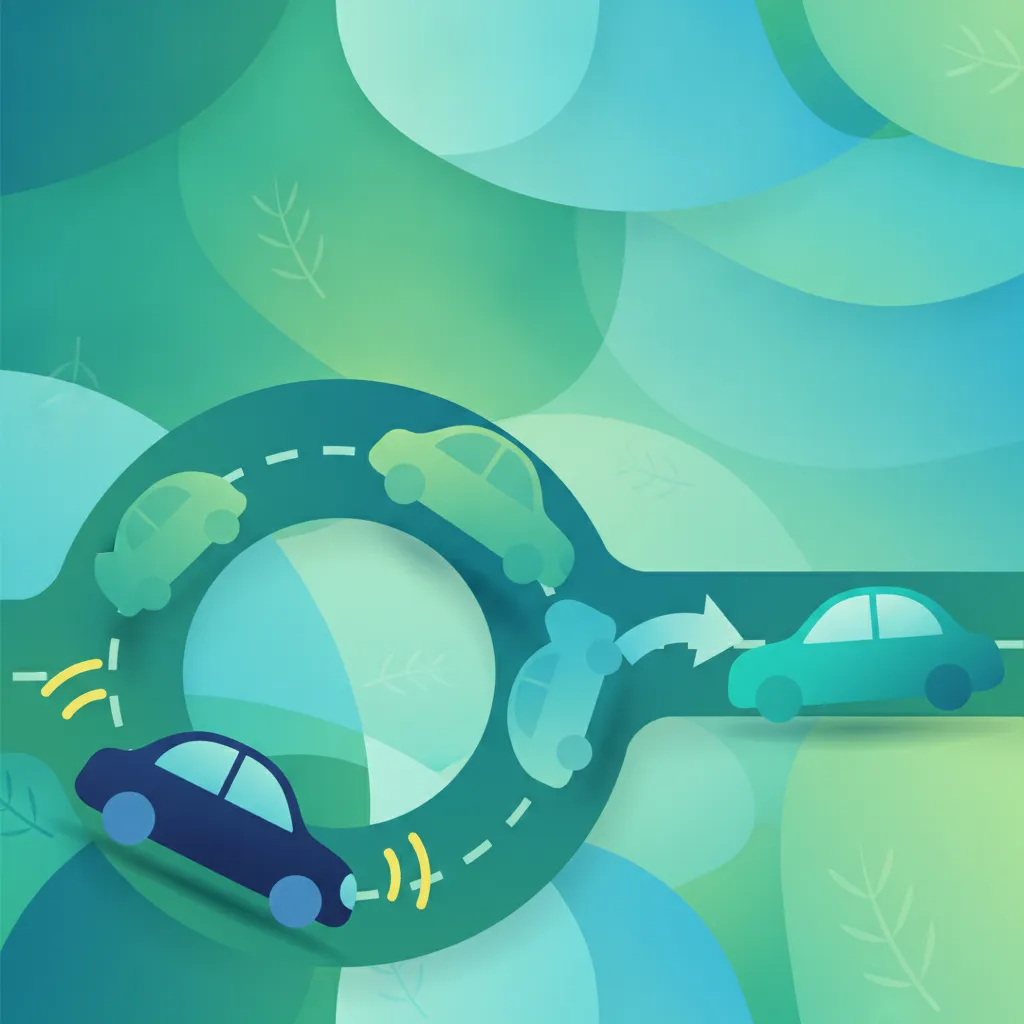
This lesson provides a step-by-step guide to safely and efficiently navigating roundabouts (rotatorie). It explains the primary rule of yielding to traffic already circulating within the roundabout before entering. The content covers correct lane positioning based on the intended exit, the proper use of turn signals when entering and exiting, and how to handle multi-lane roundabouts.
Italian Driving Theory BPriority, Right of Way, Intersections, Roundabouts and Railway Crossings
View lesson
Navigating Roundabouts and Yielding Rules lesson image

Navigating Roundabouts and Yielding Rules

This lesson provides a step-by-step guide to navigating roundabouts safely and efficiently. It focuses on the critical rule of yielding to traffic already circulating within the roundabout before entering. You will also learn how to select the correct lane based on your intended exit and how to use your indicators to signal your maneuvers clearly.

Italian Driving Theory AMIntersections, Roundabouts, Turning and Mixed Traffic
View lesson
Managing Mixed Traffic and Roadworks lesson image

Managing Mixed Traffic and Roadworks

This lesson equips riders to safely manage the challenges posed by road construction zones. It explains how to interpret temporary signage, navigate lane closures or diversions, and maintain heightened awareness for surface hazards like gravel or steel plates. The content emphasizes the need to reduce speed and increase following distances to safely share the road with large construction vehicles and workers.

Italian Motorcycle Theory ARural Roads, Mountain Roads, Motorways, Tunnels and Complex Traffic
View lesson
Overtaking Techniques in Urban Settings lesson image

Overtaking Techniques in Urban Settings

This lesson addresses the increased complexity of overtaking in urban environments with dense traffic and frequent intersections. It stresses the importance of thorough observation, including mirror and blind spot checks, to ensure a safe gap is available. The content covers judging speed differentials and the necessity of clear signalling to execute the maneuver without causing conflict with other road users.

Italian Motorcycle Theory AIntersections, Roundabouts, Overtaking and Urban Traffic
View lesson
Lane Discipline and Positioning in City Traffic lesson image

Lane Discipline and Positioning in City Traffic

This lesson explains the principles of maintaining proper lane discipline and strategic positioning in an urban context. It covers how to adapt your position within the lane to enhance visibility, avoid road surface hazards, and prepare for turns or lane changes. The content also provides awareness of specific urban features like restricted traffic zones (ZTL) and how to navigate them legally and safely.
Italian Motorcycle Theory AIntersections, Roundabouts, Overtaking and Urban Traffic
View lesson
Right-of-Way Rules at Intersections and Traffic Lights lesson image

Right-of-Way Rules at Intersections and Traffic Lights

This lesson delivers a comprehensive explanation of right-of-way regulations at Italian intersections. It covers the interpretation of traffic light signals, the absolute requirement to stop at stop signs, and yielding at give-way signs. Furthermore, it details the default priority rules for unmarked intersections and the specific obligations a rider has towards pedestrians on crossings.
Italian Motorcycle Theory AIntersections, Roundabouts, Overtaking and Urban Traffic
View lesson
Motorcycle Conduct on Autostrade (Motorways) lesson image

Motorcycle Conduct on Autostrade (Motorways)

This lesson provides a comprehensive guide to riding on high-speed motorways, or autostrade. It details the correct procedures for safely merging into traffic from an entry ramp and exiting via a deceleration lane. The content reinforces strict lane discipline, rules for overtaking, and the importance of maintaining a significantly larger following distance to compensate for higher speeds and potential wind gusts.

Italian Motorcycle Theory ARural Roads, Mountain Roads, Motorways, Tunnels and Complex Traffic
View lesson
Approaching and Entering Intersections Safely lesson image

Approaching and Entering Intersections Safely

This lesson details how to safely approach and enter intersections by correctly interpreting traffic lights, stop signs, and give-way rules. It emphasizes the importance of scanning for hazards, checking blind spots, and anticipating the actions of other road users. You will learn to adjust your speed and position your vehicle correctly to navigate crossings without incident.

Italian Driving Theory AMIntersections, Roundabouts, Turning and Mixed Traffic
View lesson
Turning Maneuvers and Lane Discipline lesson image

Turning Maneuvers and Lane Discipline

This lesson explains how to execute left turns, right turns, and U-turns safely while maintaining correct lane discipline. It covers interpreting road markings and arrows, selecting the proper vehicle position, and using signals in a timely manner. Performing shoulder checks to monitor blind spots before and during a turn is a key focus for preventing collisions.

Italian Driving Theory AMIntersections, Roundabouts, Turning and Mixed Traffic
View lesson
Riding on Narrow Country Roads and Hairpin Bends lesson image

Riding on Narrow Country Roads and Hairpin Bends

This lesson provides specific strategies for riding on narrow rural roads, which often feature poor surfaces and limited sightlines. It details the techniques for approaching and navigating hairpin bends, including selecting the correct line, managing speed before entry, and using appropriate gear selection. The content emphasizes anticipating oncoming traffic and potential hazards hidden around blind corners for enhanced safety.

Italian Motorcycle Theory ARural Roads, Mountain Roads, Motorways, Tunnels and Complex Traffic
View lesson

Common Mistakes and Vulnerable User Interactions in Italian Roundabouts

Learn to avoid frequent errors when navigating Italian roundabouts and understand how to safely interact with cyclists and pedestrians. Focus on priority rules and defensive riding techniques for motorcycles.

roundaboutsrotatoriecommon mistakesvulnerable userscyclistspedestrianspriority rulesmotorcycle safety
Navigating Roundabouts and Yielding Rules lesson image

Navigating Roundabouts and Yielding Rules

This lesson provides a step-by-step guide to navigating roundabouts safely and efficiently. It focuses on the critical rule of yielding to traffic already circulating within the roundabout before entering. You will also learn how to select the correct lane based on your intended exit and how to use your indicators to signal your maneuvers clearly.

Italian Driving Theory AMIntersections, Roundabouts, Turning and Mixed Traffic
View lesson
Roundabouts: Navigation and Lane Discipline lesson image

Roundabouts: Navigation and Lane Discipline

This lesson provides a step-by-step guide to safely and efficiently navigating roundabouts (rotatorie). It explains the primary rule of yielding to traffic already circulating within the roundabout before entering. The content covers correct lane positioning based on the intended exit, the proper use of turn signals when entering and exiting, and how to handle multi-lane roundabouts.

Italian Driving Theory BPriority, Right of Way, Intersections, Roundabouts and Railway Crossings
View lesson
Interactions with Pedestrians, Cyclists, and Two-Wheelers lesson image

Interactions with Pedestrians, Cyclists, and Two-Wheelers

This lesson provides an in-depth focus on sharing the road with the most vulnerable users. It teaches drivers to be acutely aware of pedestrians at crossings, cyclists filtering through traffic, and motorcyclists who may be in blind spots. The lesson emphasizes the importance of leaving extra space, signaling intentions clearly, and exercising extreme caution at junctions, where the majority of serious incidents occur.
Italian Goods Vehicle Theory (C)Urban Deliveries, Vulnerable Road Users and Restricted Environments
View lesson
Interaction with Vulnerable Road Users lesson image

Interaction with Vulnerable Road Users

This lesson provides critical guidance on how to safely share the road with vulnerable users, including pedestrians, cyclists, motorcyclists, and children. It highlights the importance of increased awareness in specific areas like school zones and crosswalks. The content teaches techniques for maintaining a safe lateral distance when overtaking, checking blind spots thoroughly, and anticipating the often unpredictable movements of these users.

Italian Driving Theory BRoad Users, Core Behaviour Rules and Safe Communication
View lesson
Interaction with Pedestrians, Cyclists, and Trams lesson image

Interaction with Pedestrians, Cyclists, and Trams

This lesson is dedicated to fostering awareness and safe interaction with vulnerable road users commonly found in cities. It details the legal priority of pedestrians at crossings and the importance of giving ample space to cyclists. Additionally, it covers the specific hazards associated with tram tracks and the need to be vigilant around public transport vehicles like buses and taxis.

Italian Motorcycle Theory AIntersections, Roundabouts, Overtaking and Urban Traffic
View lesson
Right-of-Way Rules at Intersections and Traffic Lights lesson image

Right-of-Way Rules at Intersections and Traffic Lights

This lesson delivers a comprehensive explanation of right-of-way regulations at Italian intersections. It covers the interpretation of traffic light signals, the absolute requirement to stop at stop signs, and yielding at give-way signs. Furthermore, it details the default priority rules for unmarked intersections and the specific obligations a rider has towards pedestrians on crossings.

Italian Motorcycle Theory AIntersections, Roundabouts, Overtaking and Urban Traffic
View lesson
Managing Mixed Traffic and Roadworks lesson image

Managing Mixed Traffic and Roadworks

This lesson equips riders to safely manage the challenges posed by road construction zones. It explains how to interpret temporary signage, navigate lane closures or diversions, and maintain heightened awareness for surface hazards like gravel or steel plates. The content emphasizes the need to reduce speed and increase following distances to safely share the road with large construction vehicles and workers.

Italian Motorcycle Theory ARural Roads, Mountain Roads, Motorways, Tunnels and Complex Traffic
View lesson
Motorcyclists, Scooter Riders, and Two-Wheelers lesson image

Motorcyclists, Scooter Riders, and Two-Wheelers

This lesson addresses the specific challenges of sharing the road with two-wheeled motor vehicles like motorcycles and scooters. It highlights their reduced visibility and stability compared to cars, requiring drivers to double-check blind spots and maintain a greater following distance. The content also discusses common behaviors like lane filtering and the need for drivers to be predictable and signal intentions clearly.

Italian Driving Theory BVulnerable Road Users, Public Transport and Special Traffic Situations
View lesson
Pedestrians and Crossings lesson image

Pedestrians and Crossings

This lesson focuses on the driver's responsibility to protect pedestrians, especially at designated crossings (strisce pedonali). It reinforces the legal requirement to yield to pedestrians who are on or about to enter a crosswalk. The content also covers the importance of reducing speed and increasing vigilance in urban areas, school zones, and other places with high pedestrian activity.

Italian Driving Theory BVulnerable Road Users, Public Transport and Special Traffic Situations
View lesson
Overtaking Techniques in Urban Settings lesson image

Overtaking Techniques in Urban Settings

This lesson addresses the increased complexity of overtaking in urban environments with dense traffic and frequent intersections. It stresses the importance of thorough observation, including mirror and blind spot checks, to ensure a safe gap is available. The content covers judging speed differentials and the necessity of clear signalling to execute the maneuver without causing conflict with other road users.

Italian Motorcycle Theory AIntersections, Roundabouts, Overtaking and Urban Traffic
View lesson

Frequently asked questions about Navigating Rotatorie (Roundabouts) Safely

Find clear answers to common questions learners have about Navigating Rotatorie (Roundabouts) Safely. Learn how the lesson is structured, which driving theory objectives it supports, and how it fits into the overall learning path of units and curriculum progression in Italy. These explanations help you understand key concepts, lesson flow, and exam focused study goals.

Do I always have to yield to traffic already in the roundabout?

Yes, unless there is specific signage indicating otherwise, the general rule is that you must yield to vehicles already circulating within the roundabout before entering.

Which lane should I use when taking the third exit?

Generally, you should position yourself in the right lane if you are exiting early, or the left lane if you are taking a later exit, while ensuring you move to the right lane safely before exiting.

Is it mandatory to use the turn signal when exiting a roundabout?

Yes, you must signal your intention to exit the roundabout by using your right turn signal well in advance to inform other drivers of your path.

How do I handle a multi-lane roundabout on a motorcycle?

Maintain a clear position, avoid riding in the blind spots of larger vehicles, and ensure your movements between lanes are deliberate, signaled, and checked with shoulder glances.

Ready to Find Your Next Targeted Italian Driving Theory Practice Set?

Start searching now to pinpoint exactly which Italian driving theory topics, road signs, or traffic rules you need to master. Use our advanced filters to build a custom practice session and ensure you're fully prepared for every aspect of your official driving licence exam.

Search Practice Theory Sets

Continue your Italian driving theory learning journey

Italian road signsItalian article topicsSearch Italian road signsItalian driving theory homeItalian road sign categoriesItalian driving theory topicsSearch Italian theory articlesItalian driving theory coursesItalian Driving Theory B courseItalian driving theory articlesItalian driving theory practiceItalian practice set categoriesItalian Driving Theory AM courseItalian Motorcycle Theory A courseItalian driving licence proceduresSearch Italian driving theory practiceItalian driving theory terminology A–ZItalian Goods Vehicle Theory (C) courseItalian driving theory terms and glossaryRoad Users, Core Behaviour Rules and Safe Communication unit in Italian Driving Theory BObservation, Visibility, Positioning and Communication unit in Italian Driving Theory AMPatente AM, Vehicle Types and First-Rider Responsibility unit in Italian Driving Theory AMItalian Signs, Signals, Road Markings and Priority Rules unit in Italian Driving Theory AMPatente B, Training, Examination and Driver Responsibility unit in Italian Driving Theory BMotorcycle Construction, Controls, Equipment and Safety Checks unit in Italian Motorcycle Theory AA1, A2 and A Licence Scope, Progression and Rider Responsibility unit in Italian Motorcycle Theory AHeavy-Vehicle Dimensions, Masses, Axle Loads and Operating Limits unit in Italian Goods Vehicle Theory (C)Helmet, Protective Clothing, Visibility, Observation and Communication unit in Italian Motorcycle Theory AOvertaking Techniques in Urban Settings lesson in Intersections, Roundabouts, Overtaking and Urban TrafficC1, C1E, C and CE Scope, Responsibilities and Professional Context unit in Italian Goods Vehicle Theory (C)Navigating Rotatorie (Roundabouts) Safely lesson in Intersections, Roundabouts, Overtaking and Urban TrafficLane Discipline and Positioning in City Traffic lesson in Intersections, Roundabouts, Overtaking and Urban TrafficInteraction with Pedestrians, Cyclists, and Trams lesson in Intersections, Roundabouts, Overtaking and Urban TrafficRight-of-Way Rules at Intersections and Traffic Lights lesson in Intersections, Roundabouts, Overtaking and Urban Traffic