
This lesson focuses on the essential skills required to share the road safely with vulnerable road users such as pedestrians, cyclists, and motorcyclists. You will learn to anticipate their movements, maintain appropriate distances, and apply defensive driving techniques in high-risk areas like school zones and city centers.
Lesson content overview
Driving is a privilege that comes with significant responsibility, especially when sharing the road with those who are most vulnerable. This lesson, crucial for anyone preparing for their Italian Patente B theory test, provides essential guidance on safely interacting with pedestrians, cyclists, motorcyclists, and children. Understanding the unique challenges and legal protections for these vulnerable road users (VRUs) is paramount for preventing accidents and ensuring the safety of all.
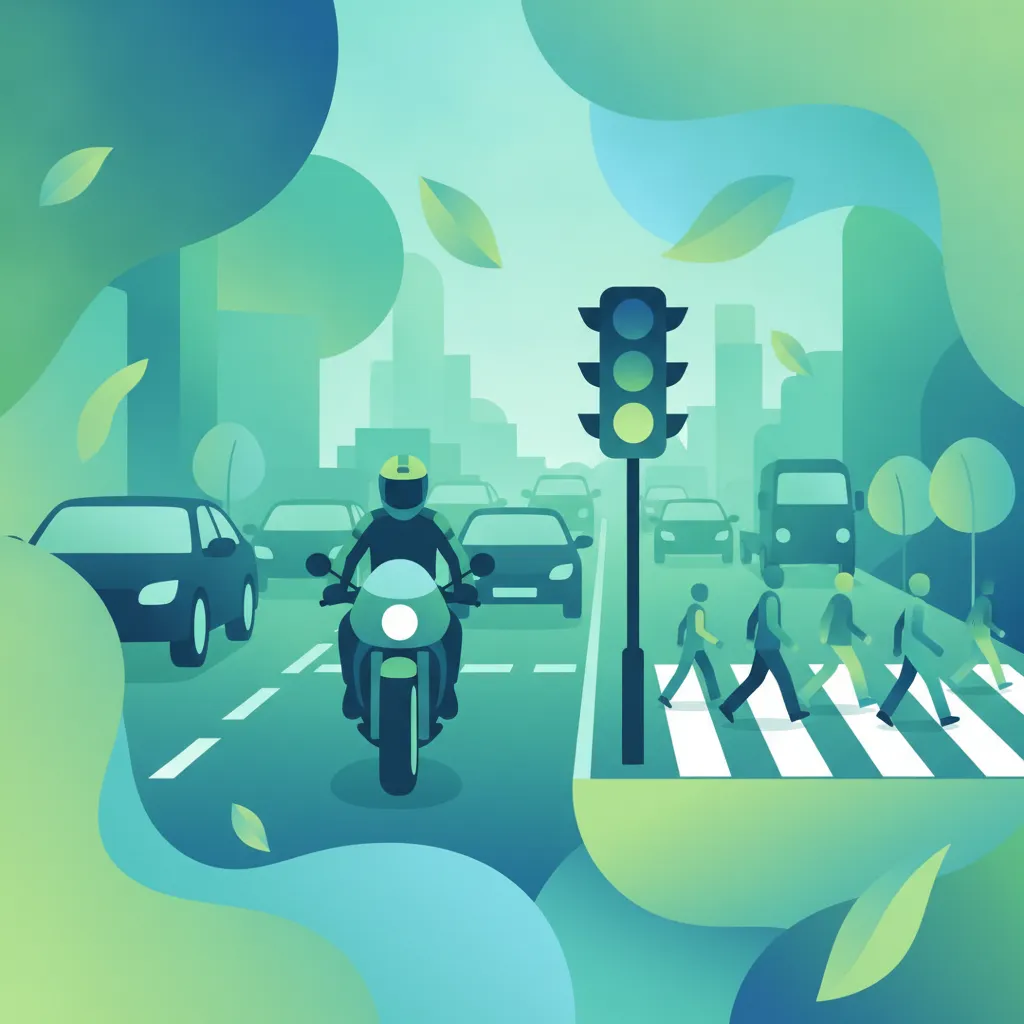
Vulnerable Road Users (VRUs) are defined as road users who lack the protection of an enclosed vehicle, making them significantly more susceptible to serious injury or fatality in the event of a collision. This group includes pedestrians, cyclists, motorcyclists, and children.
Drivers must develop heightened awareness and adopt specific behaviors to mitigate risks in various road environments, particularly in high-risk zones like school areas, pedestrian crossings, and residential streets. This requires anticipating unpredictable movements, maintaining safe distances, and rigorously checking blind spots, all while adhering to the specific rules of the Codice della Strada.
Vulnerable road users, by their nature, are less visible and less protected than occupants of cars or trucks. Their movements can sometimes be unpredictable, especially with children or those distracted. Recognizing this inherent vulnerability is the first step towards defensive driving.
The physical differences, such as vehicle mass and braking capabilities, mean that any collision involving a motor vehicle and a VRU almost invariably results in serious consequences for the VRU. The Italian legal framework, like many others, places a greater onus on drivers to protect these individuals, dictating how drivers must adjust their speed, positioning, and observation techniques. A basic understanding of road hierarchy, right-of-way principles, and defensive driving is fundamental to mastering this aspect of safe driving.
Successful coexistence on the road hinges on a set of core principles designed to prevent accidents and protect the most exposed individuals. Adhering to these principles is not just good practice, but often a legal requirement under the Codice della Strada.
Certain areas inherently present a higher risk due to the frequent presence of vulnerable road users. These include school zones, pedestrian crossings, residential streets, and parks. In such locations, mandatory heightened attention is required. This heightened vigilance reduces your reaction time and helps you anticipate sudden, unpredictable behaviors from VRUs.
Implications for Drivers:
When passing any vulnerable road user, especially cyclists and motorcyclists, it is crucial to maintain a minimum safe lateral distance. This distance provides a buffer, allowing for sudden movements by the VRU or unexpected changes in the road surface. It prevents side-swipe collisions and respects the legal requirements for overtaking.
For cyclists in Italy, the Codice della Strada generally requires drivers to maintain a lateral distance of at least 1.5 meters when overtaking, particularly on roads where lane width allows. If the lane is too narrow to provide this distance safely, you must change lanes or wait for a safe opportunity to pass.
For motorcyclists, while they share many rights and duties with other motor vehicles, their smaller profile still demands increased attention. When overtaking a motorcyclist, maintain at least 1 meter of lateral distance, especially if the lane width exceeds 3.5 meters. If the lane is narrower, changing lanes is the safest approach.
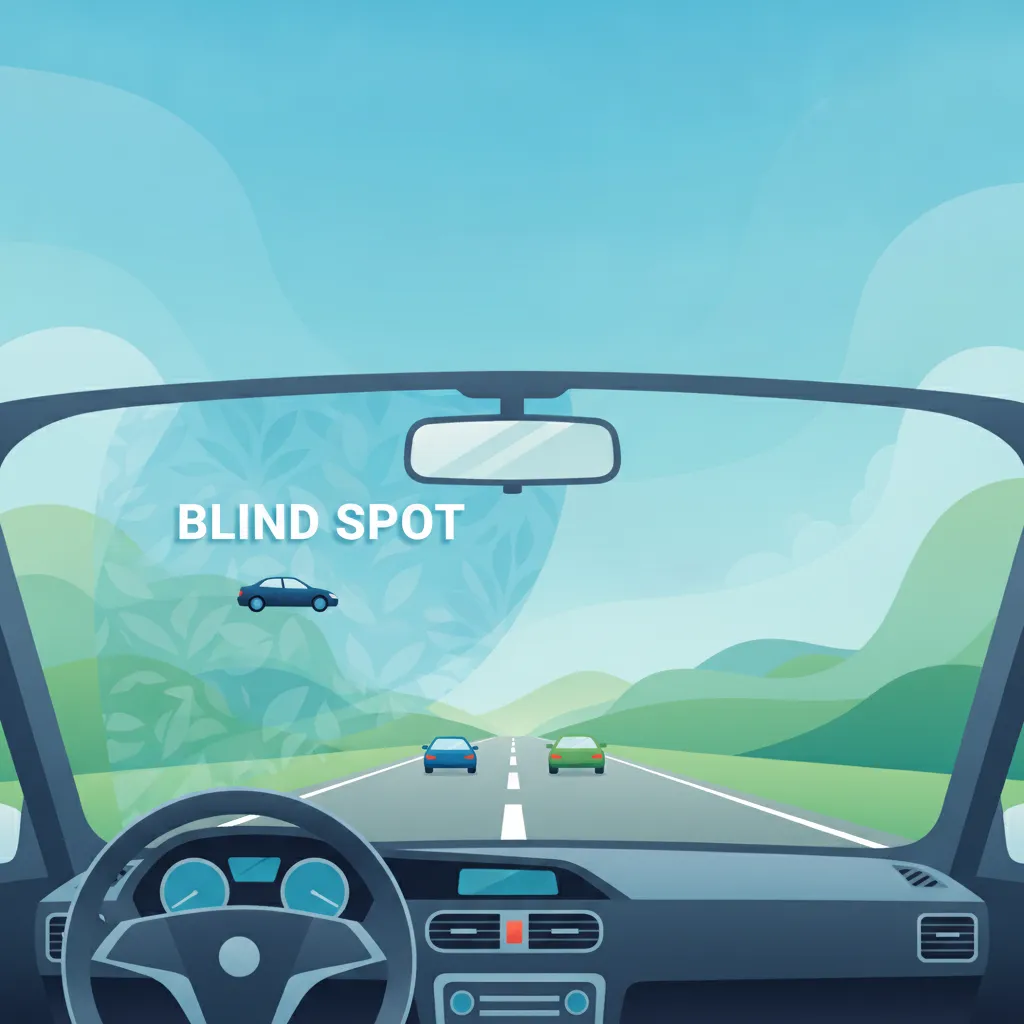
Vehicle mirrors, no matter how well-adjusted, have inherent blind spots – areas around your vehicle that are not visible. For vulnerable road users, who are smaller and can move quickly, these blind spots pose a significant danger. Systematic scanning of these areas is essential before any lane change, turn, or maneuver.
How to Perform a Thorough Blind Spot Check:
Adjust your mirrors correctly to minimize blind spots, but understand they won't eliminate them entirely.
Before signaling a lane change or turn, check your rear-view and side mirrors.
Crucially, perform a quick, deliberate head turn (often referred to as a "shoulder check") to glance into the area not covered by your mirrors on the side you intend to move towards.
Ensure your path is clear of any VRUs before proceeding with the maneuver.
Over-reliance on mirrors alone is a common mistake that can lead to collisions with cyclists or motorcyclists, who might be riding alongside your vehicle, unseen.
Vulnerable road users, particularly children and sometimes cyclists, may exhibit unpredictable or erratic behavior. Children might dart into the road after a ball, cyclists might swerve to avoid a pothole, or pedestrians might unexpectedly step off a curb while distracted.
As a driver, you must account for these possibilities. This means:
Understanding and respecting right-of-way rules is fundamental. In designated situations, the law mandates that drivers give priority to vulnerable road users. This is not merely a courtesy but a legal obligation designed to protect those who are most exposed.
For instance, at zebra crossings (pedestrian crossings marked with white stripes), pedestrians have the absolute right-of-way. Drivers must stop fully before the stop line and allow pedestrians to cross safely, even if they are just waiting to cross. Failure to yield can result in significant legal penalties and, more importantly, put lives at risk.
Simply following the posted speed limit is often insufficient, especially when VRUs are present or conditions are less than ideal. You must adjust your travel speed dynamically according to the road type, traffic density, visibility, and the presence of VRUs. This ensures you have adequate stopping distance and an enhanced reaction window.
In areas with a high presence of VRUs, such as residential streets or near shopping centers, your speed should be reduced significantly, even if there isn't a specific posted limit. The goal is always to drive at a speed that allows you to stop safely within the visible distance ahead, particularly when a hazard might suddenly appear.
Each category of vulnerable road user presents unique considerations for drivers. Tailoring your approach to pedestrians, cyclists, motorcyclists, and children is essential for comprehensive road safety.
Pedestrians are persons traveling on foot, including those using mobility aids. In Italy, they have specific rights, especially at designated crossings.
A marked pedestrian crossing with thick white stripes on the roadway, giving priority to pedestrians. Drivers must stop before the stop line if a pedestrian is crossing or waiting to cross.
Key Rules for Pedestrians:
Common misunderstandings include assuming pedestrians will wait for a vehicle to pass or not yielding at unsignalized rural crosswalks. Always err on the side of caution and assume pedestrians might not see your vehicle.
Cyclists, whether on pedal-powered bicycles, e-bikes, or cargo bikes, have the right to use the roadway. They may ride in dedicated cycle lanes, on the shoulder, or, where no specific facilities are provided, directly on the roadway.
Key Rules for Cyclists:
Motorcyclists, including riders of scooters and mopeds, have the same rights and duties as drivers of other motor vehicles. However, their smaller size, open-air exposure, and lack of protective cage make them highly vulnerable in a collision.
Key Rules for Motorcyclists:
Children, generally defined as pedestrians under the age of 14, are the most unpredictable group of road users. Their perception of danger, ability to judge speed and distance, and understanding of traffic rules are still developing.
Key Rules for Children:
Certain road environments and vehicle limitations demand extra vigilance and specific driving techniques to safeguard vulnerable road users.
School zones are areas around educational institutions where specific rules are enforced to protect children. These zones are usually clearly marked with signage and sometimes flashing beacons.
Rules and Best Practices in School Zones:
Beyond zebra crossings, drivers will encounter other situations where pedestrians or cyclists have priority or share space.
Blind spots are areas around your vehicle that cannot be seen using your mirrors. Their size and location vary depending on the vehicle type (e.g., larger for vans, SUVs, or vehicles with trailers). For VRUs, who are smaller, blind spots are particularly dangerous.
How to Mitigate Blind Spot Risks:
Adherence to rules concerning vulnerable road users is strictly enforced under the Italian Codice della Strada. Violations can lead to significant penalties, including fines, points deduction from your license, and in severe cases, license suspension or even criminal charges if an accident results in injury or death.
Failing to yield to pedestrians at a zebra crossing, for example, can result in a fine and the deduction of six points from your Patente B. Exceeding the speed limit in a school zone also carries fines and point deductions, with the severity increasing based on how much the limit was exceeded.
Drivers are legally responsible for anticipating potential hazards and taking all necessary precautions to prevent collisions with vulnerable road users. This proactive approach is foundational to Italian driving law.
Safe interaction with VRUs is not static; it requires dynamic adaptation to various external factors and specific circumstances.
Poor weather conditions significantly reduce visibility and increase stopping distances, making it harder to spot VRUs.
The characteristics of the road directly influence VRU presence and risk.
The type and condition of your vehicle also play a role.
The time of day affects both VRU patterns and visibility.
Mastering the interaction with vulnerable road users is a cornerstone of safe and responsible driving, especially when preparing for your Italian Patente B theory test. It goes beyond merely following rules; it involves a mindset of constant vigilance, empathy, and proactive hazard perception. By consistently applying principles of increased awareness, maintaining safe distances, diligent blind spot checks, and anticipating unpredictable movements, you contribute significantly to a safer road environment for everyone. Remember, the road is a shared space, and every driver holds the power to protect its most vulnerable participants.
This lesson covers safe driver interaction with vulnerable road users (VRUs) including pedestrians, cyclists, motorcyclists, and children, as required for the Italian Patente B exam. Key legal requirements include mandatory lateral distances of 1.5 meters for cyclists and 1 meter for motorcyclists when overtaking, and absolute priority for pedestrians at zebra crossings. The lesson emphasizes defensive driving techniques such as systematic blind spot checks, anticipating unpredictable movements, and adjusting speed dynamically based on VRU presence. Specific high-risk zones like school areas require reduced speeds (typically 30 km/h) and increased vigilance. Violations carry legal penalties including fines and point deductions under the Codice della Strada.
A short set of high-value points that capture the most important learning from this lesson.
Vulnerable road users lack vehicle protection and require drivers to exercise heightened awareness and precautionary measures.
Italian law mandates a minimum 1.5-meter lateral distance when overtaking cyclists and 1 meter for motorcyclists; change lanes if the lane is too narrow to maintain these distances safely.
Zebra crossings give pedestrians absolute right-of-way; drivers must stop fully before the stop line and remain stopped until pedestrians have cleared.
Blind spots are particularly dangerous for VRUs; mirrors alone are insufficient and a shoulder check (head turn) is mandatory before any lane change or turn.
Children under 14 are the most unpredictable VRUs because their perception, judgment, and traffic understanding are still developing.
Explore all units and lessons included in this driving theory course.
Always perform a deliberate shoulder check to verify blind spots are clear, as mirrors cannot show all areas around the vehicle.
School zones in Italy require reducing speed to 30 km/h regardless of whether children are visibly present.
Cyclists may swerve to avoid potholes or drain grates; always give them extra space and anticipate sudden movements.
At signalized intersections, drivers turning must yield to pedestrians crossing on a green pedestrian phase.
Drivers are legally responsible for anticipating hazards and taking precautions to prevent collisions with VRUs under the Codice della Strada.
Relying solely on mirrors without performing a head turn check, leading to collisions with cyclists or motorcyclists in blind spots.
Assuming pedestrians will wait for vehicles to pass rather than yielding to them at crossings, especially at unsignalized locations.
Failing to reduce speed in school zones when children are not immediately visible, as children may dart out unexpectedly.
Not maintaining the required lateral distance when overtaking cyclists because the lane appears wide enough without changing lanes.
Attempting to overtake cyclists within their dedicated cycle lane rather than changing lanes to pass safely.
Lesson content overview
A short set of high-value points that capture the most important learning from this lesson.
Vulnerable road users lack vehicle protection and require drivers to exercise heightened awareness and precautionary measures.
Italian law mandates a minimum 1.5-meter lateral distance when overtaking cyclists and 1 meter for motorcyclists; change lanes if the lane is too narrow to maintain these distances safely.
Zebra crossings give pedestrians absolute right-of-way; drivers must stop fully before the stop line and remain stopped until pedestrians have cleared.
Blind spots are particularly dangerous for VRUs; mirrors alone are insufficient and a shoulder check (head turn) is mandatory before any lane change or turn.
Children under 14 are the most unpredictable VRUs because their perception, judgment, and traffic understanding are still developing.
Explore all units and lessons included in this driving theory course.
Always perform a deliberate shoulder check to verify blind spots are clear, as mirrors cannot show all areas around the vehicle.
School zones in Italy require reducing speed to 30 km/h regardless of whether children are visibly present.
Cyclists may swerve to avoid potholes or drain grates; always give them extra space and anticipate sudden movements.
At signalized intersections, drivers turning must yield to pedestrians crossing on a green pedestrian phase.
Drivers are legally responsible for anticipating hazards and taking precautions to prevent collisions with VRUs under the Codice della Strada.
Relying solely on mirrors without performing a head turn check, leading to collisions with cyclists or motorcyclists in blind spots.
Assuming pedestrians will wait for vehicles to pass rather than yielding to them at crossings, especially at unsignalized locations.
Failing to reduce speed in school zones when children are not immediately visible, as children may dart out unexpectedly.
Not maintaining the required lateral distance when overtaking cyclists because the lane appears wide enough without changing lanes.
Attempting to overtake cyclists within their dedicated cycle lane rather than changing lanes to pass safely.
Explore search topics learners often look for when studying Interaction with Vulnerable Road Users. These topics reflect common questions about road rules, driving situations, safety guidance, and lesson level theory preparation for learners in Italy.
Browse additional driving theory lessons that cover connected traffic rules, road signs, and common driving situations related to this topic. Improve your understanding of how different rules interact across everyday traffic scenarios.
Explore specific scenarios and legal requirements for interacting with vulnerable road users in high-risk Italian zones. Understand rules for school areas, pedestrian crossings, and shared paths to ensure safety for all.

This lesson provides an in-depth focus on sharing the road with the most vulnerable users. It teaches drivers to be acutely aware of pedestrians at crossings, cyclists filtering through traffic, and motorcyclists who may be in blind spots. The lesson emphasizes the importance of leaving extra space, signaling intentions clearly, and exercising extreme caution at junctions, where the majority of serious incidents occur.
This lesson addresses the critical responsibility of protecting vulnerable road users, such as pedestrians, cyclists, and motorcyclists, who are most at risk in a collision with a heavy vehicle. It teaches drivers to be hyper-aware in urban settings, to anticipate the unpredictable movements of VRUs, and to provide ample space, especially when turning at junctions. A key focus is on scanning for VRUs in blind spots before moving off or making any maneuver.
This lesson focuses on the driver's responsibility to protect pedestrians, especially at designated crossings (strisce pedonali). It reinforces the legal requirement to yield to pedestrians who are on or about to enter a crosswalk. The content also covers the importance of reducing speed and increasing vigilance in urban areas, school zones, and other places with high pedestrian activity.

This lesson is dedicated to fostering awareness and safe interaction with vulnerable road users commonly found in cities. It details the legal priority of pedestrians at crossings and the importance of giving ample space to cyclists. Additionally, it covers the specific hazards associated with tram tracks and the need to be vigilant around public transport vehicles like buses and taxis.
This lesson details the correct procedures for interacting with public transport and school buses. It explains the rules for dedicated bus lanes, the absolute priority of trams, and the legal requirement to yield to buses pulling out from a stop. The content also covers the specific laws requiring drivers to stop when a school bus is loading or unloading passengers, to ensure child safety.
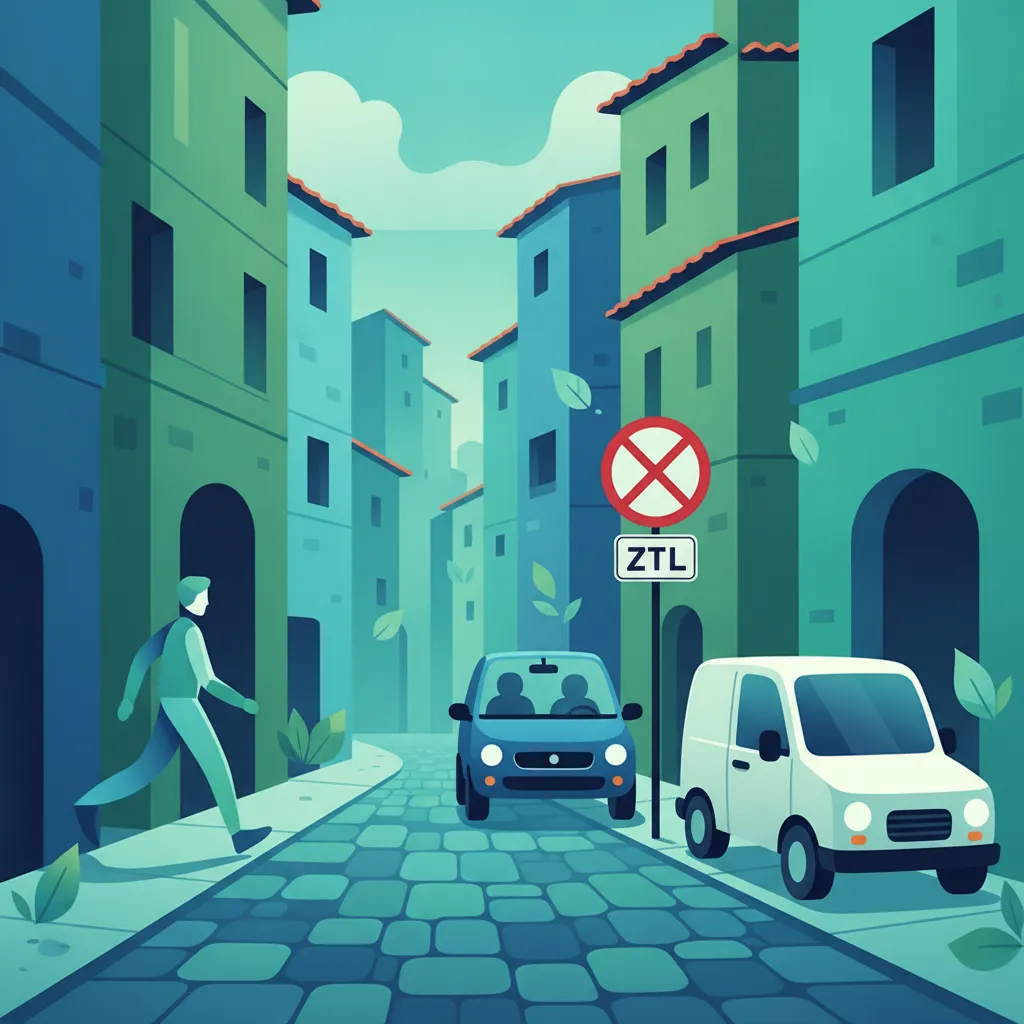
This lesson explains the rules for special urban traffic situations common in Italy. It provides a detailed explanation of Limited Traffic Zones (ZTL), including how to recognize the signage and understand the access restrictions to avoid fines. The content also offers guidance on navigating the narrow and complex streets of historic centers and safely maneuvering around frequently stopping delivery vehicles.
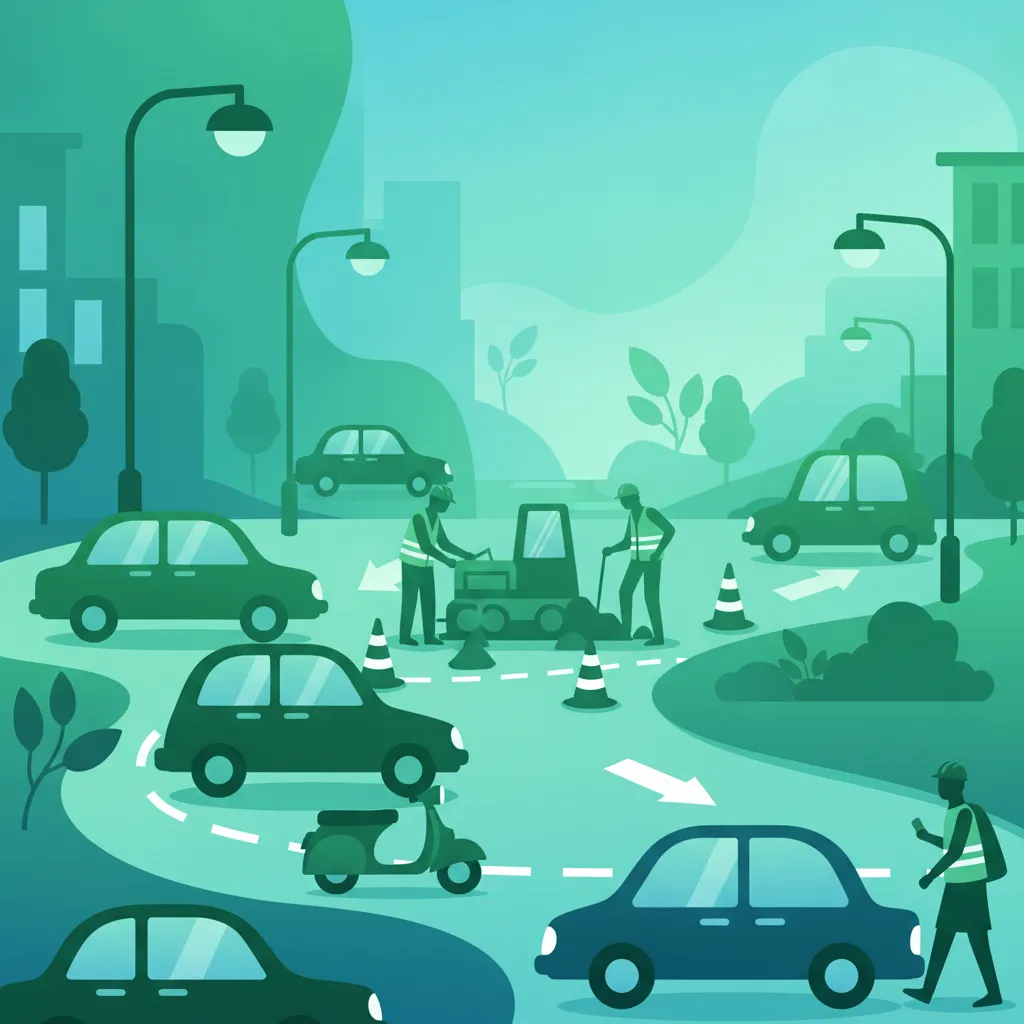
This lesson equips riders to safely manage the challenges posed by road construction zones. It explains how to interpret temporary signage, navigate lane closures or diversions, and maintain heightened awareness for surface hazards like gravel or steel plates. The content emphasizes the need to reduce speed and increase following distances to safely share the road with large construction vehicles and workers.
This lesson focuses on the principle of 'appropriate speed' in urban environments, which often means driving slower than the legal maximum. It explains how to assess the environment for potential hazards—such as schools, parked cars, and busy intersections—and adjust speed accordingly to allow for adequate reaction time. Maintaining a safe, consistent speed reduces the need for harsh braking and contributes to a safer environment for everyone.

This lesson addresses the specific challenges of sharing the road with two-wheeled motor vehicles like motorcycles and scooters. It highlights their reduced visibility and stability compared to cars, requiring drivers to double-check blind spots and maintain a greater following distance. The content also discusses common behaviors like lane filtering and the need for drivers to be predictable and signal intentions clearly.

This lesson clarifies the special priority rules for emergency vehicles and public transport. It explains the legal obligation to safely pull over and clear a path for any vehicle with active sirens and flashing lights. The content also details the absolute right-of-way that trams have in most situations and the requirement to yield to public buses signaling to pull out from a stop.
Learn the critical Italian highway code rules for maintaining safe lateral distances when overtaking cyclists and motorcyclists. Improve hazard perception through thorough blind spot checks and anticipation techniques.
This lesson addresses two key aspects of defensive riding: maintaining a safe buffer and performing overtaking maneuvers. It details how to use time-based rules, such as the two-second rule, to ensure adequate following distance for reaction. The content also provides a structured approach to overtaking, covering observation, signalling, speed management, and ensuring sufficient clearance before returning to the lane.

This lesson addresses the increased complexity of overtaking in urban environments with dense traffic and frequent intersections. It stresses the importance of thorough observation, including mirror and blind spot checks, to ensure a safe gap is available. The content covers judging speed differentials and the necessity of clear signalling to execute the maneuver without causing conflict with other road users.
This lesson provides an in-depth focus on sharing the road with the most vulnerable users. It teaches drivers to be acutely aware of pedestrians at crossings, cyclists filtering through traffic, and motorcyclists who may be in blind spots. The lesson emphasizes the importance of leaving extra space, signaling intentions clearly, and exercising extreme caution at junctions, where the majority of serious incidents occur.
This lesson addresses the specific challenges of sharing the road with two-wheeled motor vehicles like motorcycles and scooters. It highlights their reduced visibility and stability compared to cars, requiring drivers to double-check blind spots and maintain a greater following distance. The content also discusses common behaviors like lane filtering and the need for drivers to be predictable and signal intentions clearly.
This lesson highlights the large blind spots—or 'no-zones'—that exist to the front, back, and sides of a heavy vehicle, where smaller vehicles, cyclists, and pedestrians can disappear from view. It teaches proactive scanning techniques, the importance of anticipating hazards, and how to use mirrors and direct vision effectively to manage these high-risk areas. Awareness and mitigation of blind spots are crucial for preventing collisions, especially in urban traffic.

This lesson explains the rules and best practices for safely sharing the road with cyclists. It covers the importance of respecting dedicated bike lanes and maintaining a safe lateral distance (at least 1.5 meters) when overtaking. The content also teaches drivers to be vigilant for cyclists, especially at intersections and when opening car doors, to prevent common types of collisions.
This lesson is dedicated to fostering awareness and safe interaction with vulnerable road users commonly found in cities. It details the legal priority of pedestrians at crossings and the importance of giving ample space to cyclists. Additionally, it covers the specific hazards associated with tram tracks and the need to be vigilant around public transport vehicles like buses and taxis.
This lesson addresses the critical responsibility of protecting vulnerable road users, such as pedestrians, cyclists, and motorcyclists, who are most at risk in a collision with a heavy vehicle. It teaches drivers to be hyper-aware in urban settings, to anticipate the unpredictable movements of VRUs, and to provide ample space, especially when turning at junctions. A key focus is on scanning for VRUs in blind spots before moving off or making any maneuver.

This lesson provides comprehensive guidance on the rules and best practices for safe overtaking. It explains how to assess whether it is legal and safe to pass, considering road markings, signs, and the distance of oncoming traffic. The content details the correct procedure, including signaling, accelerating, maintaining a safe distance during the maneuver, and returning to the original lane safely.
This lesson teaches riders how to strategically position their vehicle within a lane for maximum visibility to others. It explains how to avoid riding in the blind spots of larger vehicles and how to maintain a safe buffer zone. Proper positioning enhances a rider's presence on the road and is a key component of defensive driving in mixed traffic.
Find clear answers to common questions learners have about Interaction with Vulnerable Road Users. Learn how the lesson is structured, which driving theory objectives it supports, and how it fits into the overall learning path of units and curriculum progression in Italy. These explanations help you understand key concepts, lesson flow, and exam focused study goals.
You must always leave enough lateral space to account for any sudden movements by the cyclist. While specific measurements vary by circumstance, you should provide as much space as possible, ideally at least 1.5 meters, especially at higher speeds.
Yes, if a pedestrian has stepped onto the crossing or shows a clear intent to cross, you are legally required to stop and yield. Never overtake a vehicle that has slowed down or stopped at a pedestrian crossing.
Always assume children may behave unpredictably. Slow down significantly when you see signs for schools, parks, or playgrounds, and be prepared to stop immediately if a child runs into the road.
Motorcyclists are smaller and more agile than cars, making them easy to lose in a vehicle's blind spots, particularly when turning or changing lanes. Always perform a physical head check in addition to using your mirrors.
Start searching now to pinpoint exactly which Italian driving theory topics, road signs, or traffic rules you need to master. Use our advanced filters to build a custom practice session and ensure you're fully prepared for every aspect of your official driving licence exam.