
This lesson explores the critical safety procedures for operating your motorcycle after dark on Belgian roads. You will learn to correctly manipulate your lighting to maintain visibility, strategies to mitigate the effects of glare, and essential techniques for managing physical fatigue to stay alert during night rides.
Lesson content overview
Riding a motorcycle after sunset presents a unique set of challenges that demand heightened awareness, specific skills, and adherence to crucial safety protocols. Reduced visibility, the dazzling effect of other vehicles' lights, and the increased risk of rider fatigue all contribute to a significantly more demanding riding environment. This comprehensive chapter explores the essential techniques for navigating the roads safely after dark, focusing on proper lighting usage, effective glare management, and strategies to combat the onset of fatigue. By mastering these elements, you can significantly enhance your safety and the safety of others during night rides on Belgian roads.
Nighttime conditions fundamentally alter the riding experience, primarily due to diminished visibility. Both the rider's ability to see hazards and other road users' ability to spot a motorcycle are compromised. Human eyes are less effective in low light, leading to a natural reduction in visual acuity and depth perception. Moreover, the stark contrast between illuminated and unlit areas can create temporary "blind spots" as your eyes struggle to adapt. Understanding these inherent limitations is the first step towards developing robust night riding strategies.
Proper use of your motorcycle's lighting system is paramount for safety at night. Your headlights serve two critical functions: illuminating the road ahead for your visibility and ensuring other road users can see you. Misusing headlights can not only impair your own vision but also create dangerous glare for others, leading to delayed reactions and increased accident risk.
Low beam headlights, also known as dipped beams, are your primary lighting mode for most night riding scenarios. They project a focused, downward-sloping beam that provides sufficient illumination for typical speeds while preventing the light from directly striking the eyes of other drivers.
Using low beams ensures that you maintain visibility without becoming a hazard to others. It is the default and legally required setting in most conditions where other vehicles or vulnerable road users are present.
High beam headlights, also often called main beams, are designed to extend your visibility range significantly, allowing you to see further down the road and react earlier to potential hazards. However, their powerful illumination can be blinding to others if used improperly.
When to Use High Beam:
Crucial Rule: Dimming High Beams: It is a fundamental safety and legal requirement to dim your high beams to low beams immediately when:
Failure to dim your high beams is not only a common violation but also a significant safety risk that can lead to head-on collisions or rear-end accidents. Always prioritize the safety and visibility of other road users.
When switching from high beam to low beam, slightly reduce your speed. Your effective stopping distance might now exceed your visible range, and slowing down allows more time to react to hazards that were previously illuminated by the high beam.
Regularly check that both your low and high beam headlights are functioning correctly and are properly aligned. Misaligned headlights can either fail to illuminate the road adequately or cause glare even when on low beam. Ensure your headlight lenses are clean; dirt or grime can significantly reduce their effectiveness.
Glare is a common and dangerous phenomenon during night riding, occurring when intense light overwhelms your eyes' ability to adapt, temporarily reducing your vision. It can come from various sources and significantly impair your ability to perceive hazards.
Coping with glare requires proactive strategies to protect your vision and maintain control of your motorcycle.
Shift Your Gaze (Peripheral Vision): Instead of looking directly into oncoming headlights, slightly shift your gaze towards the right-hand edge of your lane or the white line marking the shoulder. This allows you to use your peripheral vision to track your lane position while avoiding the direct blinding effect.
Reduce Speed: As glare reduces your effective visibility range, decreasing your speed is a critical safety measure. This gives you more time to react to unseen hazards once the glare subsides.
Increase Following Distance: If you are behind a vehicle with overly bright or misaligned taillights, or if you encounter glare from a vehicle behind you via your mirrors, increase your following distance to create a larger safety buffer.
Keep Your Visor and Windscreen Clean: A dirty visor or windscreen can magnify glare and create streaks that further obscure your vision. Always ensure they are spotlessly clean before a night ride. Consider an anti-glare visor or glasses.
Avoid Over-Illumination: Resist the temptation to use your high beams aggressively when you encounter glare. While it might seem counter-intuitive, adding more light to an already glary situation can worsen the effect on your own eyes as they struggle to adapt to extreme light contrasts.
Fatigue is a significant factor in road accidents, and its risk is substantially elevated during night riding. The body's natural circadian rhythm promotes sleepiness after dark, making riders more susceptible to lapses in concentration, slower reaction times, and impaired judgment.
It is crucial to be honest with yourself about your physical and mental state. Common signs of fatigue include:
If you experience any of these symptoms, you are already fatigued and should take immediate action.
Preventing fatigue starts before your ride, and managing it requires proactive steps during your journey.
Specific rules govern night riding in Belgium, primarily concerning lighting. The overarching principle is to ensure maximum visibility for all road users while preventing glare.
Riding with headlights off, even if due to a malfunction, is extremely dangerous and illegal. If your headlights fail at night, you must pull over safely and not continue your journey until they are repaired.
Being aware of typical pitfalls can help you prevent dangerous situations:
Night riding isn't a monolithic experience; conditions vary significantly and require flexible adaptation of your techniques.
In cities and towns, street lighting often provides ample illumination. The primary concerns here are:
Focus on defensive riding, maintaining a safe following distance, and being extra vigilant for vulnerable road users.
Unlit rural roads are where high beams come into their own, but also where the risks of wildlife, unexpected road debris, and sharp turns are amplified.
Rain complicates night riding significantly, creating a multitude of reflected glare points and further reducing visibility.
Reduce your speed considerably, increase following distances, and be extra smooth with all controls. Ensure your waterproof gear is effective to stay warm and focused.
The consequences of fatigue are severe and well-documented. Riding while excessively tired significantly impairs your:
These impairments can turn a minor misjudgment into a serious accident. Always prioritize your safety and the safety of others by ensuring you are alert and rested before and during any night ride.
Consider equipping your motorcycle with auxiliary lights, if legal and properly installed, to enhance your visibility to others and improve your peripheral vision. However, ensure they comply with Belgian regulations regarding brightness and aiming to avoid causing glare.
Night riding is an inherently higher-risk activity that demands a disciplined approach and a thorough understanding of its unique challenges. By consistently applying the correct headlight usage, actively managing glare, and diligently preventing fatigue, you can significantly enhance your safety and confidence when riding after dark. Always remember that your ability to see and be seen are the twin pillars of safe night riding. Stay vigilant, stay rested, and ride responsibly.
Night riding requires mastering three core competencies: proper headlight usage where low beams serve as the default setting with high beams reserved strictly for unlit roads without traffic; proactive glare management using peripheral vision, reduced speed, and clean optics; and vigilant fatigue prevention through adequate rest, regular breaks every 1.5-2 hours, and immediate response to drowsiness symptoms. Belgian law mandates headlights from dusk till dawn and requires dimming when encountering other road users. Night conditions demand adaptive techniques—urban riding focuses on vulnerable road users and distracted drivers, rural riding emphasizes wildlife hazards and sharp curves on unlit roads, and rainy nights require lower speeds with increased following distances due to reflected glare and reduced traction.
A short set of high-value points that capture the most important learning from this lesson.
Low beam (dipped beam) headlights are the default setting when other road users are present, including in urban areas, when oncoming traffic exists, or when following vehicles.
High beams (main beams) should only be used on unlit roads with no other vehicles nearby, and must be dimmed immediately when approaching or following other traffic.
When managing glare, shift your gaze slightly toward the right edge of your lane or road markings using peripheral vision rather than looking directly at oncoming headlights.
Fatigue symptoms during night rides include repeated yawning, heavy eyelids, lane drifting, missing road signs, and difficulty maintaining focus—all require immediate rest.
Night speed must always match your visible range with low beams; if you cannot stop within the illuminated distance, you are riding too fast.
Explore all units and lessons included in this driving theory course.
Low beams are mandatory in built-up areas, with oncoming traffic, and when following other vehicles; high beams are conditional on unlit roads with no other users.
Always dim high beams to low beams as soon as you see oncoming headlights or approach a vehicle from behind.
Keep your visor and windscreen spotlessly clean to prevent magnified glare and streaks at night.
Take breaks every 1.5 to 2 hours during long night rides; a 15-20 minute power nap can restore alertness but avoid naps over 30 minutes to prevent grogginess.
In rainy night conditions, use only low beams as wet surfaces create intense reflected glare that high beams will worsen.
Failing to dim high beams when approaching oncoming vehicles, causing dangerous glare that can lead to head-on collisions.
Riding at speeds inappropriate for the visibility range of low beams after switching from high beams.
Ignoring early signs of fatigue and continuing to ride, which impairs reaction time and judgment similarly to drunk driving.
Using high beams in urban areas or when following other vehicles, creating glare for other road users and reducing overall safety.
Riding with dirty visors or windscreens, which amplifies glare and significantly reduces visibility at night.
Lesson content overview
A short set of high-value points that capture the most important learning from this lesson.
Low beam (dipped beam) headlights are the default setting when other road users are present, including in urban areas, when oncoming traffic exists, or when following vehicles.
High beams (main beams) should only be used on unlit roads with no other vehicles nearby, and must be dimmed immediately when approaching or following other traffic.
When managing glare, shift your gaze slightly toward the right edge of your lane or road markings using peripheral vision rather than looking directly at oncoming headlights.
Fatigue symptoms during night rides include repeated yawning, heavy eyelids, lane drifting, missing road signs, and difficulty maintaining focus—all require immediate rest.
Night speed must always match your visible range with low beams; if you cannot stop within the illuminated distance, you are riding too fast.
Explore all units and lessons included in this driving theory course.
Low beams are mandatory in built-up areas, with oncoming traffic, and when following other vehicles; high beams are conditional on unlit roads with no other users.
Always dim high beams to low beams as soon as you see oncoming headlights or approach a vehicle from behind.
Keep your visor and windscreen spotlessly clean to prevent magnified glare and streaks at night.
Take breaks every 1.5 to 2 hours during long night rides; a 15-20 minute power nap can restore alertness but avoid naps over 30 minutes to prevent grogginess.
In rainy night conditions, use only low beams as wet surfaces create intense reflected glare that high beams will worsen.
Failing to dim high beams when approaching oncoming vehicles, causing dangerous glare that can lead to head-on collisions.
Riding at speeds inappropriate for the visibility range of low beams after switching from high beams.
Ignoring early signs of fatigue and continuing to ride, which impairs reaction time and judgment similarly to drunk driving.
Using high beams in urban areas or when following other vehicles, creating glare for other road users and reducing overall safety.
Riding with dirty visors or windscreens, which amplifies glare and significantly reduces visibility at night.
Explore search topics learners often look for when studying Night Riding: Lighting, Glare, and Fatigue. These topics reflect common questions about road rules, driving situations, safety guidance, and lesson level theory preparation for learners in Belgium.
Browse additional driving theory lessons that cover connected traffic rules, road signs, and common driving situations related to this topic. Improve your understanding of how different rules interact across everyday traffic scenarios.
Explore advanced strategies for motorcycle night riding in Belgium. Deepen your understanding of complex lighting scenarios, managing glare in diverse conditions, and advanced fatigue countermeasures for safer rides after dark.
This lesson focuses on techniques and equipment designed to enhance a rider's visibility on the road. It covers the effective use of reflective materials on clothing and the motorcycle itself, as well as the legal requirements for lighting under Belgian law. You will learn strategies to improve your conspicuity during the day, at night, and in adverse weather conditions.
This lesson focuses on the unique hazards associated with riding after dark. It emphasizes the importance of a fully functional lighting system and the use of reflective gear to be seen by others. The content explains how darkness affects depth perception and peripheral vision, requiring riders to reduce their speed to compensate for shorter sight distances and potential fatigue.
This lesson focuses on the specific challenges of riding in adverse conditions such as rain, fog, and darkness, which severely reduce visibility. It provides practical strategies for riders to increase their own conspicuity through the use of lights and reflective gear. The content also explains how to adapt riding behavior, such as reducing speed and increasing following distance, to safely manage these high-risk situations.

This lesson provides a comprehensive overview of the mandatory lighting systems for all Category AM vehicles under Belgian law. It details the required functions of headlamps, rear lights, brake lights, and turn signals, explaining their importance for communication and visibility. Learners will understand the legal standards for this equipment and how to perform simple pre-ride checks to ensure all lights are functioning correctly.
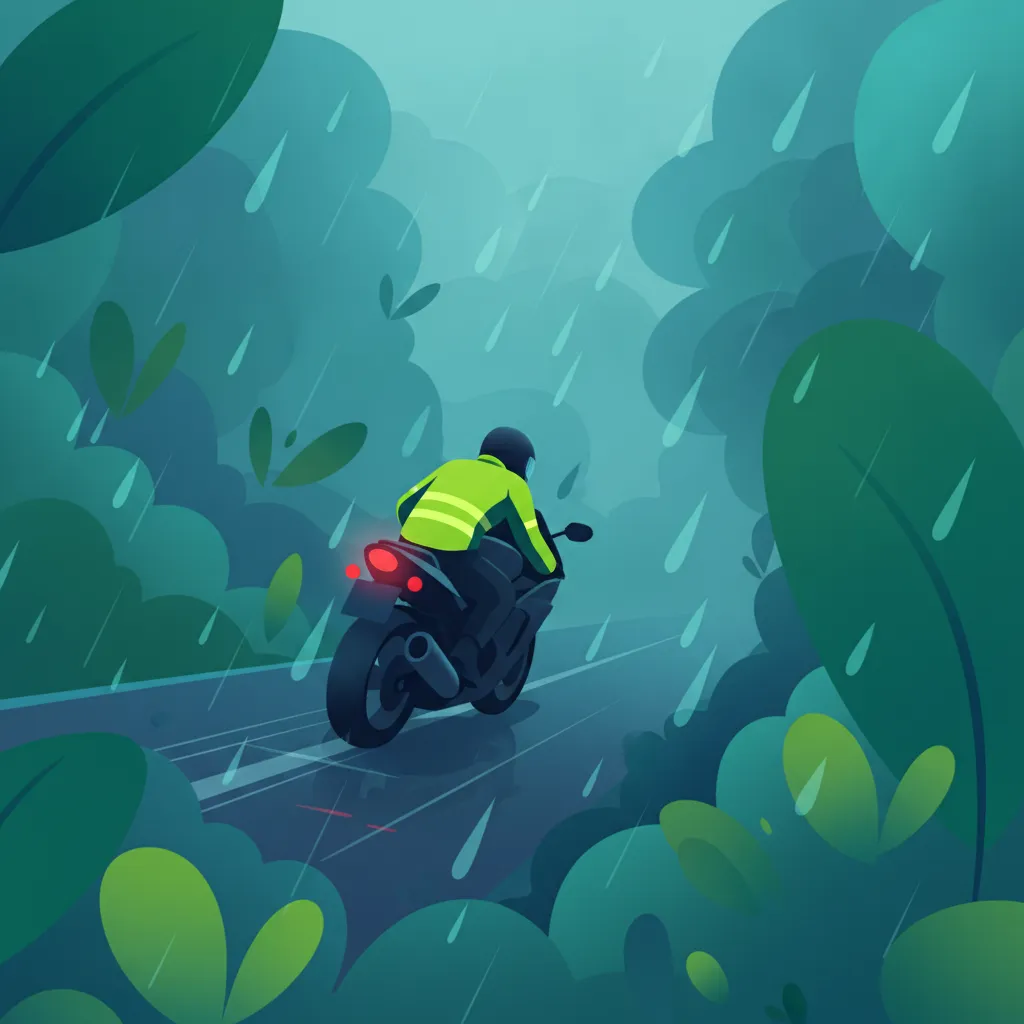
This lesson details the specific precautions and techniques required for riding in rain and fog. It explains how water on the road affects tyre grip and braking distances, and how to avoid aquaplaning. You will learn the correct use of lights to be seen in low visibility and how to adjust your speed and following distance accordingly.
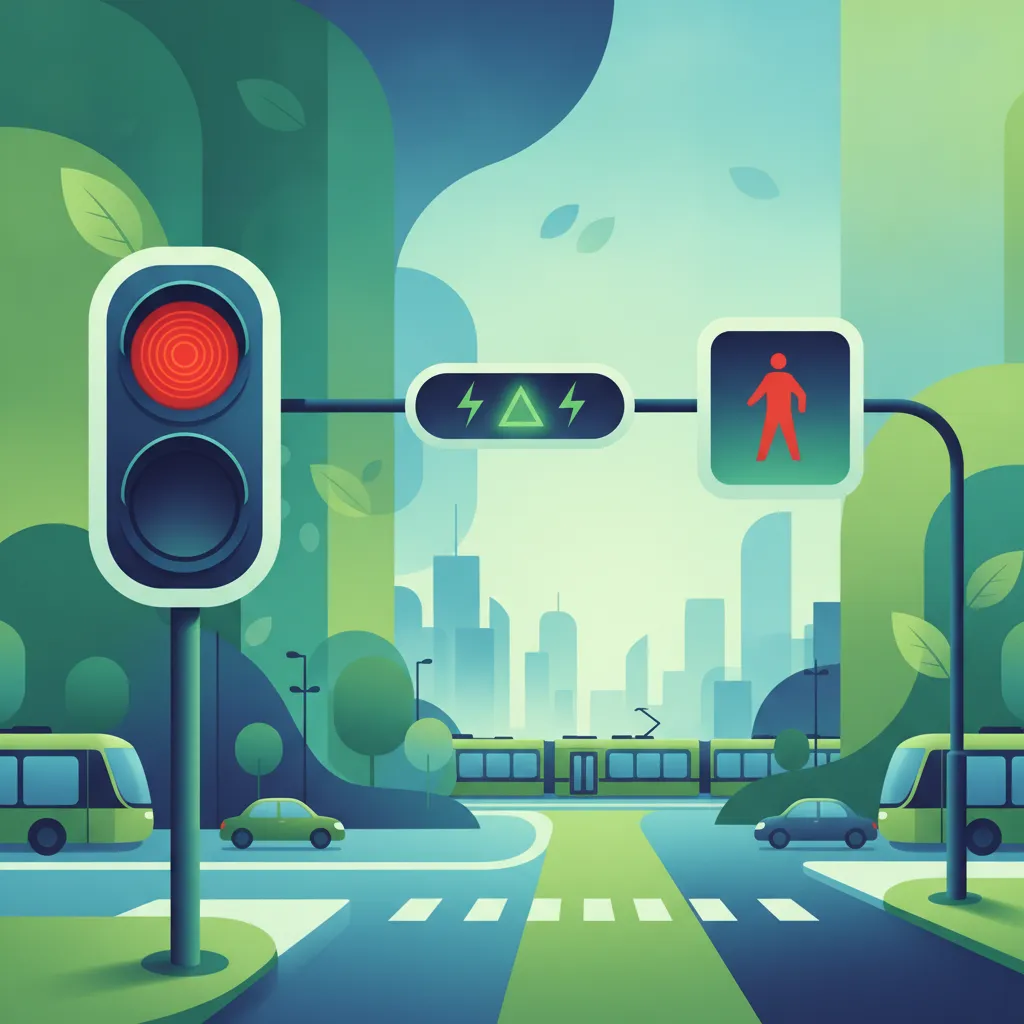
This lesson examines the operation of traffic light systems in Belgium, clarifying the meaning of red, amber, and green signals, including flashing lights and directional arrows. It details a motorcyclist's legal obligations when approaching and navigating signal-controlled intersections. The content also addresses specialized signals for pedestrians and trams that riders must recognize and respond to correctly.

This lesson explains how clothing choices significantly enhance a rider's visibility to other road users. It details the benefits of wearing bright, fluorescent colors for daytime conspicuity and the function of retro-reflective materials for nighttime safety. The content provides practical guidance on selecting appropriate apparel and maintaining its reflective properties to ensure maximum effectiveness.
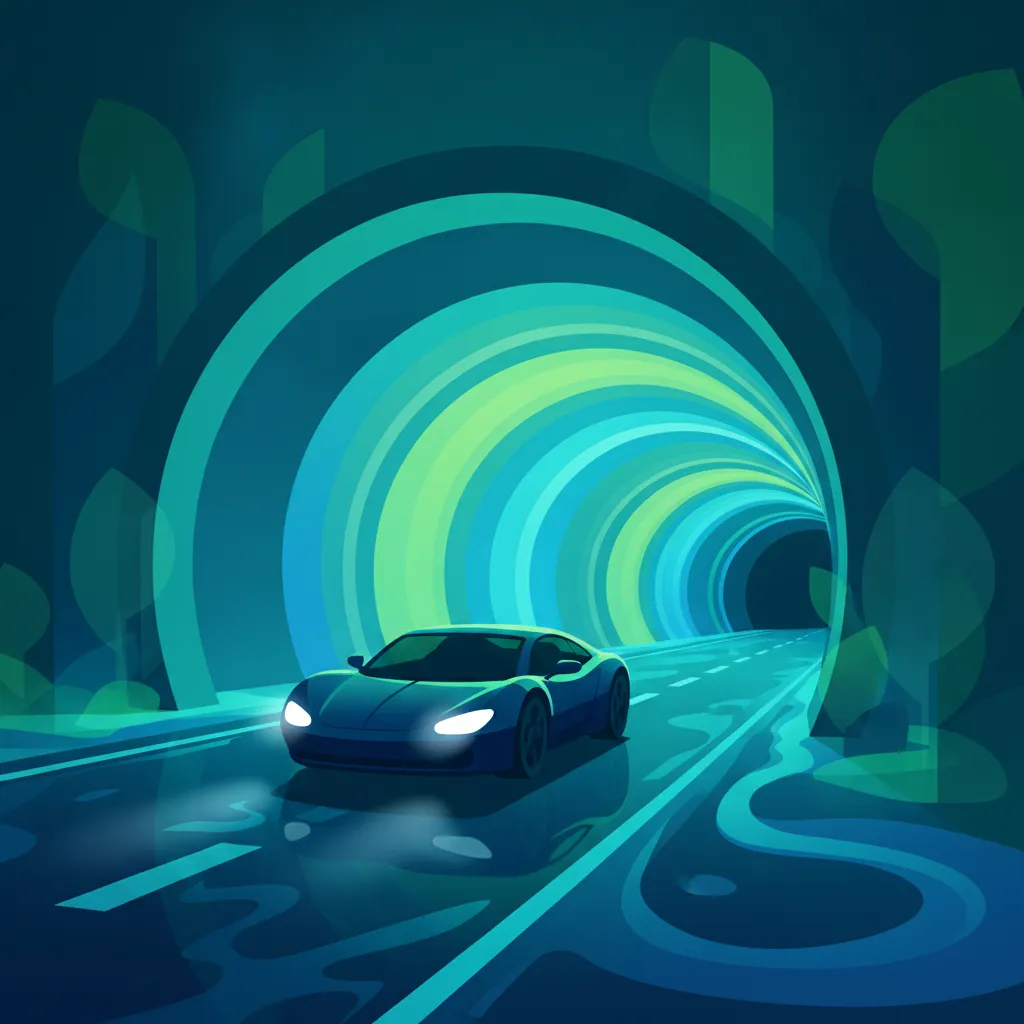
Night driving presents unique challenges, including reduced visibility and glare from oncoming vehicles. This lesson covers proper headlight usage, eye adaptation, and techniques for driving safely at night. It also addresses tunnel navigation, focusing on speed limits, appropriate lighting, and understanding emergency procedures inside tunnels.
Identify and avoid common pitfalls in night riding, including lighting misuse and fatigue. Learn to adapt your techniques for urban, rural, and wet conditions as per Belgian driving theory.
This lesson focuses on the unique hazards associated with riding after dark. It emphasizes the importance of a fully functional lighting system and the use of reflective gear to be seen by others. The content explains how darkness affects depth perception and peripheral vision, requiring riders to reduce their speed to compensate for shorter sight distances and potential fatigue.
This lesson details the specific precautions and techniques required for riding in rain and fog. It explains how water on the road affects tyre grip and braking distances, and how to avoid aquaplaning. You will learn the correct use of lights to be seen in low visibility and how to adjust your speed and following distance accordingly.
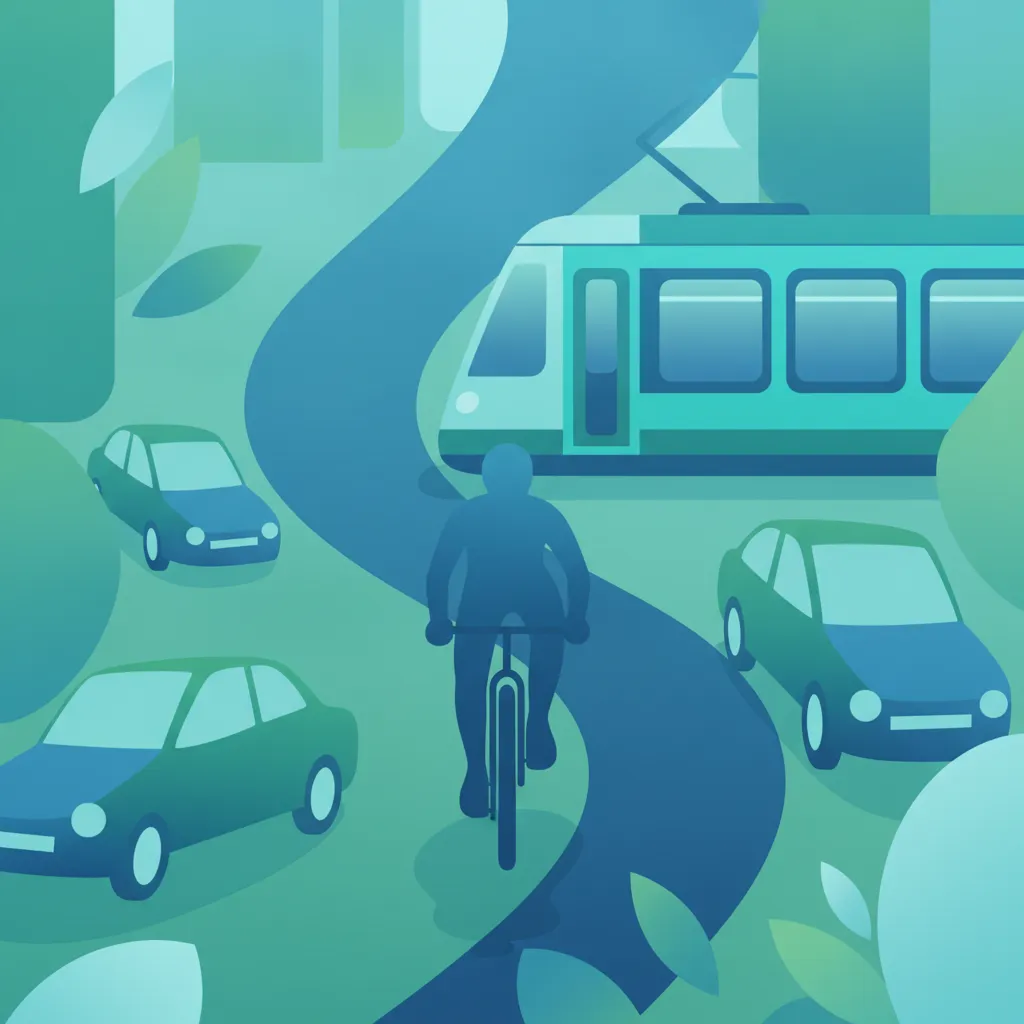
This lesson explores the unique challenges presented by dense urban environments, including riding in heavy traffic and navigating narrow streets. It provides strategies for positioning your motorcycle to avoid the 'dooring zone' of parked cars and to maintain visibility. You will learn defensive riding techniques to anticipate sudden actions from other drivers in congested conditions.

This lesson trains you to actively scan the road ahead for surface hazards that can compromise traction, such as oil spills, wet leaves, and loose gravel. It provides strategies for safely navigating these hazards, including avoidance maneuvers and gentle control inputs. You will also learn how to handle unexpected encounters with potholes and other road imperfections.
This lesson provides crucial advice for riding in rainy conditions, a frequent occurrence in Belgium. It explains how water on the road surface dramatically reduces tire grip, extends stopping distances, and creates a risk of hydroplaning. Riders will learn how to adjust their speed, increase following distances, and manage reduced visibility from rain and road spray to maintain safety.
This lesson focuses on the specific challenges of riding in adverse conditions such as rain, fog, and darkness, which severely reduce visibility. It provides practical strategies for riders to increase their own conspicuity through the use of lights and reflective gear. The content also explains how to adapt riding behavior, such as reducing speed and increasing following distance, to safely manage these high-risk situations.
This lesson focuses on techniques and equipment designed to enhance a rider's visibility on the road. It covers the effective use of reflective materials on clothing and the motorcycle itself, as well as the legal requirements for lighting under Belgian law. You will learn strategies to improve your conspicuity during the day, at night, and in adverse weather conditions.
This lesson details a motorcyclist's obligations when approaching various types of crossings, including marked pedestrian and bicycle lanes. It emphasizes the legal requirement to yield to vulnerable road users and the importance of thorough visual checks before proceeding. You will learn how to maintain a safe distance and anticipate the movements of pedestrians and cyclists in urban areas.
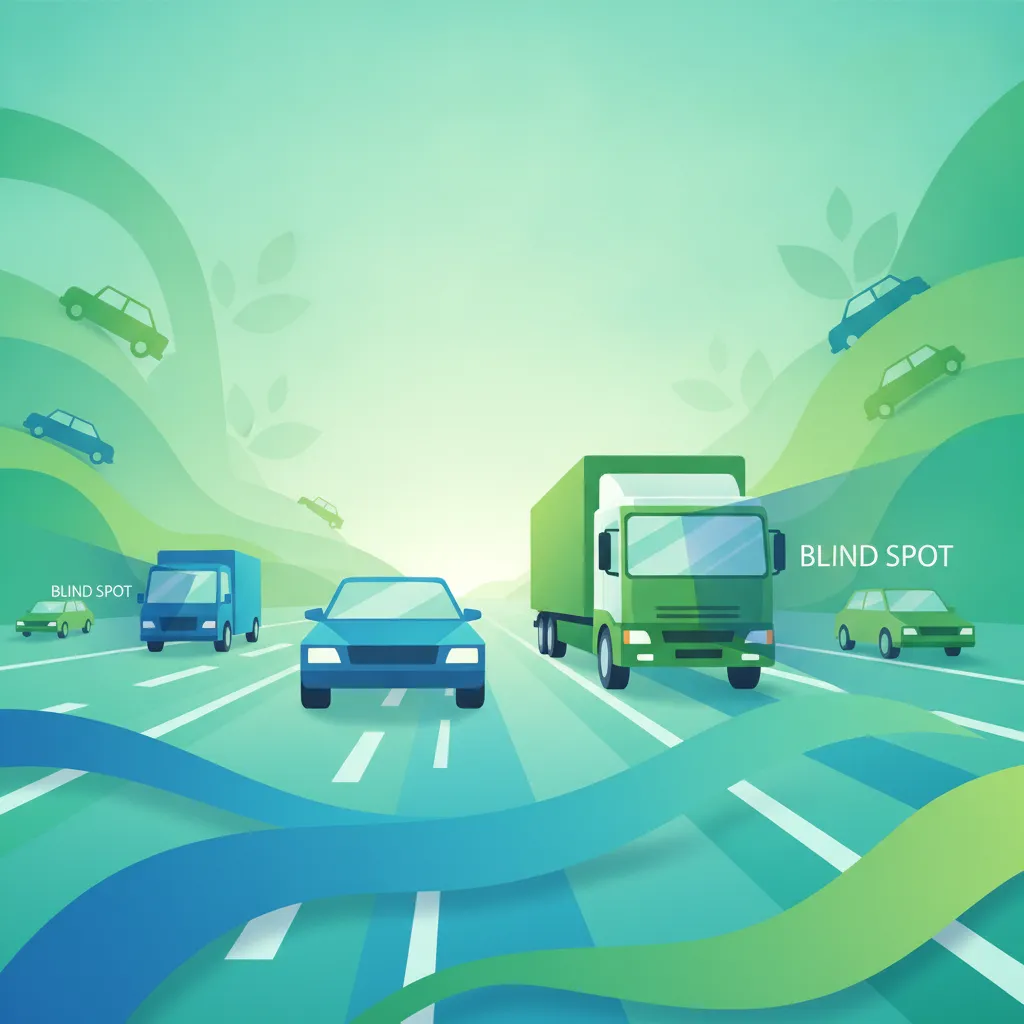
This lesson focuses on recognizing and staying out of the blind spots of other vehicles, especially large trucks and buses where 'no-zones' are significant. It provides practical strategies for managing your position on the road to ensure you remain visible to other drivers at all times. You will learn to anticipate lane changes and other maneuvers from vehicles that may not be aware of your presence.
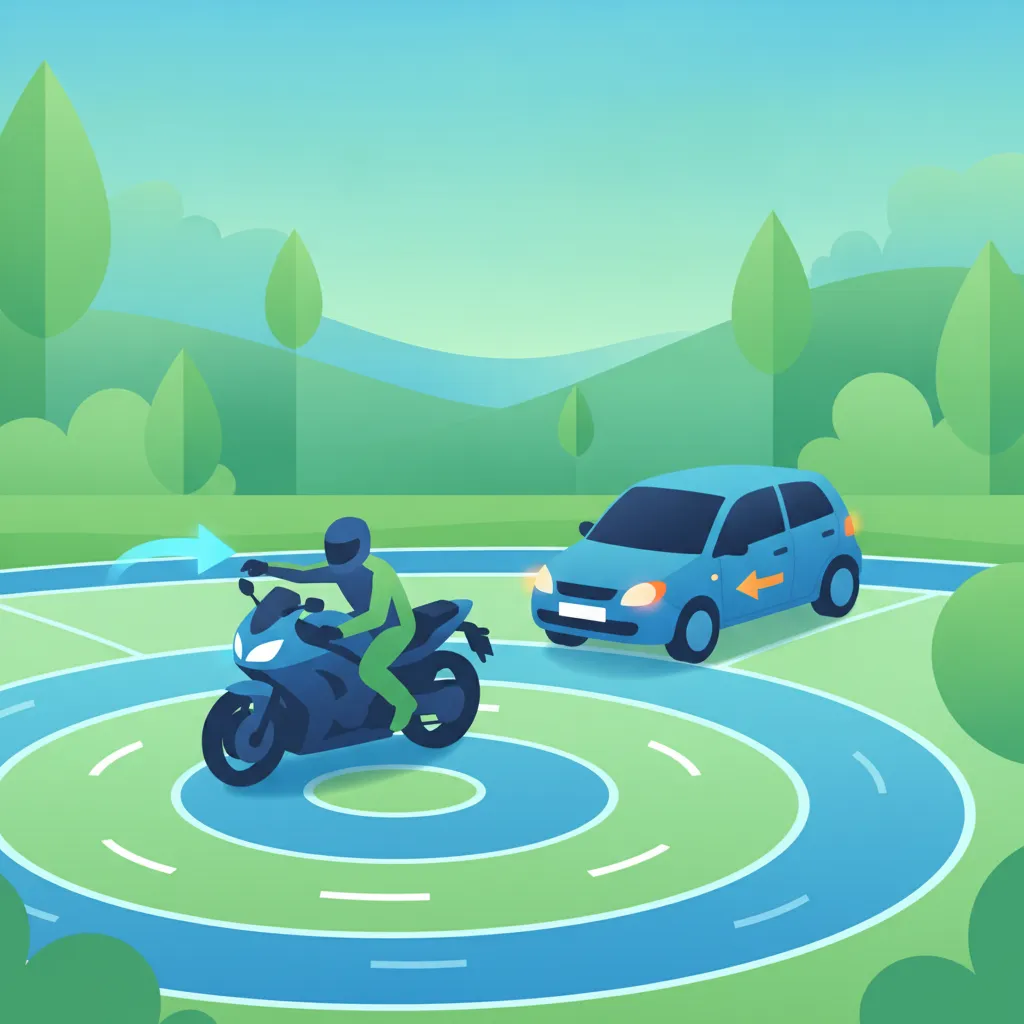
This lesson offers specific strategies for motorcyclists navigating roundabouts in Belgium. It covers the rules for entering the roundabout, including yielding to circulating traffic, and how to choose the correct lane for your intended exit. The content stresses the importance of clear signaling and maintaining awareness of other vehicles during entry and exit maneuvers.
Find clear answers to common questions learners have about Night Riding: Lighting, Glare, and Fatigue. Learn how the lesson is structured, which driving theory objectives it supports, and how it fits into the overall learning path of units and curriculum progression in Belgium. These explanations help you understand key concepts, lesson flow, and exam focused study goals.
You must switch to low beam immediately when you are within a certain distance of an oncoming vehicle, when following another vehicle closely, or when street lighting provides sufficient visibility to avoid dazzling other road users.
Avoid looking directly at the headlights of oncoming vehicles. Instead, shift your focus slightly to the right side of the road and use the white lane markings to maintain your position while remaining aware of the oncoming traffic's proximity.
Yes, motorcyclists are at higher risk because they are more exposed and require more physical input and balance to control the vehicle. Even minor fatigue can significantly slow your reaction times and impair your ability to keep the motorcycle balanced and stable.
If weather conditions like rain or fog further reduce visibility at night, you must adjust your speed downwards, increase your following distance, and ensure your lighting is fully functional and set correctly to enhance your visibility to others.
Ready to focus your Belgian driving theory revision? Utilize our powerful search tool to pinpoint exact topics, road signs, or difficulty levels. Engage with practice questions that directly address your learning needs and solidify your understanding of Belgian traffic laws for your upcoming exam.