
This lesson covers the critical procedures for riding your motorcycle on Belgian motorways, ensuring you can merge, travel, and exit safely. It builds on your knowledge of traffic rules to help you handle high-speed environments and complex lane management. This is essential preparation for both the theory exam and your future practical riding.

Lesson content overview
Motorways represent a unique and often challenging environment for motorcyclists. Characterized by high speeds, dense traffic, and the need for constant vigilance, they demand a distinct set of skills and adherence to specific rules. This comprehensive lesson, tailored for the Belgian Motorcycle Theory Course (Licence A, A1, and A2), provides detailed guidance on safely entering, navigating, and exiting motorways. By mastering these techniques, riders can significantly enhance their safety and contribute to smoother traffic flow.
Motorways are designed for efficient, high-speed travel, making them fundamentally different from urban roads or provincial routes. For motorcyclists, the stakes are higher due to less protection and the critical need to be seen and understood by other road users. Proper entry, strict lane discipline, and strategic exit planning are not merely suggestions; they are indispensable strategies to mitigate risks and ensure a safe journey.
Navigating a motorway requires more than just knowing the speed limit; it involves understanding the dynamics of high-speed traffic and applying fundamental principles of defensive riding. These principles ensure you integrate smoothly, maintain safety, and avoid dangerous situations.
On motorways, vehicles travel at much higher average speeds, often around 120 km/h in Belgium. This reduces the time available to react to hazards, makes misjudgments more costly, and demands extended observation distances. Traffic density can also be significant, requiring constant awareness of surrounding vehicles.
Successful motorway riding hinges on several core principles:
Entering a motorway requires a precise sequence of actions to integrate safely into high-speed traffic. This process begins on the slip road and continues through the acceleration lane to the merging zone.
A short road that allows vehicles to accelerate and join the main carriageway of a motorway or dual carriageway.
A slip road, also known as an on-ramp, is specifically designed to provide vehicles with the space needed to accelerate before merging onto the motorway. It transitions from local roads to the high-speed environment of the motorway. Riders must use this space effectively to build up speed.
The specific section of a slip road where vehicles increase their speed to match that of the main motorway traffic, prior to merging.
The acceleration lane is the critical final segment of the slip road. Its purpose is to allow you to reach a speed that is consistent with, or slightly higher than, the traffic in the lane you intend to merge into. Failing to accelerate adequately is a common and dangerous mistake, as it forces motorway traffic to slow down or swerve, creating a significant hazard.
Observe Early: As you enter the slip road, immediately begin observing the motorway traffic. Pay close attention to the speed and density of vehicles in the lane you plan to enter.
Accelerate Decisively: Use the full length of the acceleration lane to build speed. For motorcyclists, this often means opening the throttle firmly and smoothly. Your goal is to match the speed of the traffic you are joining.
Identify a Gap: While accelerating, actively look for a safe and sufficient gap in the traffic. This involves using your mirrors and performing quick, decisive head checks for blind spots.
Signal Your Intentions: Once you have identified a safe gap and are matching speed, activate your left turn signal to indicate your intention to merge.
Merging is the final act of entering the motorway, requiring precision and awareness. The goal is to "slide in" rather than cut in, ensuring a smooth transition without causing other drivers to brake or swerve.
Never stop at the end of an acceleration lane unless absolutely unavoidable (e.g., due to a complete standstill of motorway traffic). Stopping can be extremely dangerous as vehicles behind you may not anticipate it.
Before merging:
Good lane discipline is paramount on motorways to ensure continuous traffic flow and reduce the risk of collisions. This means understanding and adhering to the rules for using different lanes.
In Belgium, as in many European countries, the general rule on motorways is to keep to the leftmost available lane unless you are overtaking. This principle applies to all vehicles, including motorcycles. The right lanes are primarily for overtaking slower traffic. After completing an overtaking maneuver, you should return to the leftmost lane as soon as it is safe to do so, provided it does not impede traffic.
A lane, typically to the right of the leftmost lane on a motorway, designated for passing slower vehicles. It is usually marked by a broken white line.
Overtaking lanes are specifically for passing. You should only move into an overtaking lane when you need to pass a vehicle travelling at a slower speed. Once you have safely overtaken and have sufficient space, signal your intention and move back to the leftmost lane. Hogging the overtaking lane (staying in it for extended periods without actively overtaking) is poor lane discipline, can frustrate other drivers, and is illegal.
A lane where specific actions, such as overtaking, are prohibited, often indicated by road signs. On motorways, the leftmost lane is generally considered the "mandatory" or default lane for travel, and continuous overtaking is prohibited within it.
While less common as a explicitly signed concept in Belgium, the leftmost lane functions as the primary travel lane. Overtaking within this lane itself is generally not practiced; rather, you use the lanes to the right to perform the overtaking action. Be aware of any road signs that may specifically prohibit overtaking in certain lanes or sections, especially during roadworks or in congested areas.
This sign, when combined with specific lane markings, would explicitly restrict overtaking. Always be vigilant for such signage.
Exiting a motorway requires as much precision as entering it. Planning ahead and using the deceleration lane correctly are key to a safe departure.
The most critical aspect of exiting a motorway is planning. You should be aware of your intended exit well in advance, typically by noting roadside signs indicating upcoming exits. This allows you to make necessary lane changes smoothly and without panic. Start observing exit signs several kilometres before your planned exit.
A lane designed for vehicles to gradually reduce their speed before leaving the main carriageway of a motorway via an exit ramp.
Deceleration lanes are specifically designed to allow you to slow down without affecting the speed of traffic remaining on the motorway.
Signal Early: Once you've confirmed your exit, activate your right turn signal well in advance (at least 3 seconds before the maneuver, ideally even earlier if traffic permits). This alerts other drivers to your intentions.
Move into the Lane: Smoothly move into the deceleration lane. Do not wait until the last possible moment to cross solid white lines that separate the main carriageway from the exit lane.
Begin Decelerating: Once fully within the deceleration lane, begin to reduce your speed. The length of this lane provides ample space to slow down to a safe speed for the upcoming exit ramp without needing to brake sharply.
Maintain Observation: Continue to check your mirrors and surroundings, as other vehicles may also be entering or exiting.
The final section of road that allows vehicles to leave a motorway or dual carriageway and transition to a local road network.
Exit ramps often have significantly lower speed limits than the motorway, and some may have sharp curves. It is crucial to have already reduced your speed considerably in the deceleration lane before entering the ramp itself.
Beyond the mechanics of entry and exit, several critical safety considerations are unique to motorway riding, especially for motorcyclists.
Areas around a vehicle that cannot be seen using the rearview or side mirrors alone, often where a vehicle travelling alongside might be hidden.
Motorcycles are particularly vulnerable in blind spots. Larger vehicles, such as trucks and cars, have significant blind spots where a motorcycle can be completely invisible. Before every lane change or overtaking maneuver, you must perform a thorough head check (a quick glance over your shoulder) to confirm the lane is clear. Relying solely on mirrors is insufficient and dangerous.
Visibility on motorways can change rapidly due to light conditions or weather.
Motorways in adverse weather conditions present increased risks due to high speeds and reduced traction.
In heavy rain or fog, ensure your reflective gear is visible and consider turning on your hazard warning lights if your speed is significantly lower than the flow of traffic, but only if it is safe and allowed by local regulations.
Trucks and lorries have even larger blind spots than cars. When riding near them on a motorway:
Adherence to Belgian traffic laws is not just about avoiding penalties; it's about ensuring safety for yourself and everyone else on the road.
Being aware of common pitfalls can help you avoid them and ride more safely.
Safe and efficient motorway riding for your Belgian motorcycle licence involves a blend of technical skill, keen observation, and strict adherence to traffic laws.
By integrating these practices into your riding, you will be a safer and more competent motorcyclist on Belgian motorways, ready for your Licence A, A1, or A2 exam.
This lesson covers the essential procedures for safe motorway riding on Belgian motorways, specifically for motorcycle licence candidates (A, A1, A2). It details the correct sequence for merging onto motorways using acceleration lanes, emphasizes strict lane discipline requiring riders to keep left unless overtaking, and outlines proper exit planning with early signalling and use of deceleration lanes. Key safety points include mandatory blind spot head checks, adaptations for weather and larger vehicles, and adherence to the 120 km/h speed limit. The content also highlights common mistakes such as merging too slowly, neglecting head checks, and poor exit planning, providing practical guidance for both the theory exam and real-world riding.
A short set of high-value points that capture the most important learning from this lesson.
Use the full acceleration lane to match motorway traffic speed before merging, never stop at the end of the slip road.
On Belgian motorways, ride in the leftmost lane and only use right lanes for overtaking, then return promptly.
Plan your exit several kilometres ahead, signal at least 3 seconds early, and use deceleration lanes to slow safely.
Always perform head checks for blind spots before lane changes—mirrors alone are insufficient on a motorcycle.
Reduce speed and increase following distance in adverse weather; use dipped beams in fog and rain.
Explore all units and lessons included in this driving theory course.
The general motorway speed limit in Belgium is 120 km/h for motorcycles, but adjust for conditions and signage.
Merging should feel like 'sliding in' smoothly without forcing other vehicles to brake.
Trucks have larger blind spots—if you cannot see the driver in their mirror, they cannot see you.
Never hog the overtaking lane; return to the leftmost lane as soon as it is safe after passing.
Exit ramps often have lower speed limits and tighter curves—slow down in the deceleration lane before entering.
Failing to accelerate sufficiently on the slip road, creating a dangerous speed differential with motorway traffic.
Forgetting to perform head checks and relying solely on mirrors before changing lanes or merging.
Waiting until the last moment to move into the deceleration lane and cutting across lanes abruptly.
Using high beams in fog or heavy rain, which creates glare and worsens visibility for everyone.
Staying in the overtaking lane after completing a pass instead of returning to the leftmost lane.
Lesson content overview
A short set of high-value points that capture the most important learning from this lesson.
Use the full acceleration lane to match motorway traffic speed before merging, never stop at the end of the slip road.
On Belgian motorways, ride in the leftmost lane and only use right lanes for overtaking, then return promptly.
Plan your exit several kilometres ahead, signal at least 3 seconds early, and use deceleration lanes to slow safely.
Always perform head checks for blind spots before lane changes—mirrors alone are insufficient on a motorcycle.
Reduce speed and increase following distance in adverse weather; use dipped beams in fog and rain.
Explore all units and lessons included in this driving theory course.
The general motorway speed limit in Belgium is 120 km/h for motorcycles, but adjust for conditions and signage.
Merging should feel like 'sliding in' smoothly without forcing other vehicles to brake.
Trucks have larger blind spots—if you cannot see the driver in their mirror, they cannot see you.
Never hog the overtaking lane; return to the leftmost lane as soon as it is safe after passing.
Exit ramps often have lower speed limits and tighter curves—slow down in the deceleration lane before entering.
Failing to accelerate sufficiently on the slip road, creating a dangerous speed differential with motorway traffic.
Forgetting to perform head checks and relying solely on mirrors before changing lanes or merging.
Waiting until the last moment to move into the deceleration lane and cutting across lanes abruptly.
Using high beams in fog or heavy rain, which creates glare and worsens visibility for everyone.
Staying in the overtaking lane after completing a pass instead of returning to the leftmost lane.
Explore search topics learners often look for when studying Motorway Riding: Entry, Lane Discipline, and Exits. These topics reflect common questions about road rules, driving situations, safety guidance, and lesson level theory preparation for learners in Belgium.
Browse additional driving theory lessons that cover connected traffic rules, road signs, and common driving situations related to this topic. Improve your understanding of how different rules interact across everyday traffic scenarios.
Learn about frequent errors motorcyclists make on Belgian motorways, including issues with entry, lane discipline, and exits. Understand common hazards like blind spots and adverse weather to improve your safety and exam readiness.

This lesson offers specific strategies for motorcyclists navigating roundabouts in Belgium. It covers the rules for entering the roundabout, including yielding to circulating traffic, and how to choose the correct lane for your intended exit. The content stresses the importance of clear signaling and maintaining awareness of other vehicles during entry and exit maneuvers.

This lesson trains you to actively scan the road ahead for surface hazards that can compromise traction, such as oil spills, wet leaves, and loose gravel. It provides strategies for safely navigating these hazards, including avoidance maneuvers and gentle control inputs. You will also learn how to handle unexpected encounters with potholes and other road imperfections.

This lesson provides a step-by-step guide to executing a safe overtaking maneuver in compliance with Belgian law. It covers the necessary pre-maneuver checks, proper signaling, and how to accurately judge the speed and distance of oncoming traffic. You will learn the correct procedure for passing a vehicle and safely returning to your original lane.

This lesson explores the unique challenges presented by dense urban environments, including riding in heavy traffic and navigating narrow streets. It provides strategies for positioning your motorcycle to avoid the 'dooring zone' of parked cars and to maintain visibility. You will learn defensive riding techniques to anticipate sudden actions from other drivers in congested conditions.

This lesson details a motorcyclist's obligations when approaching various types of crossings, including marked pedestrian and bicycle lanes. It emphasizes the legal requirement to yield to vulnerable road users and the importance of thorough visual checks before proceeding. You will learn how to maintain a safe distance and anticipate the movements of pedestrians and cyclists in urban areas.

This lesson focuses on the legal responsibilities mandated for all motorcyclists in Belgium, emphasizing strict adherence to the traffic code. It details a rider's obligation to conduct risk assessments, comply with speed limits, and maintain high safety standards. The content also clarifies the legal liability associated with traffic infractions and the importance of carrying correct documentation at all times.
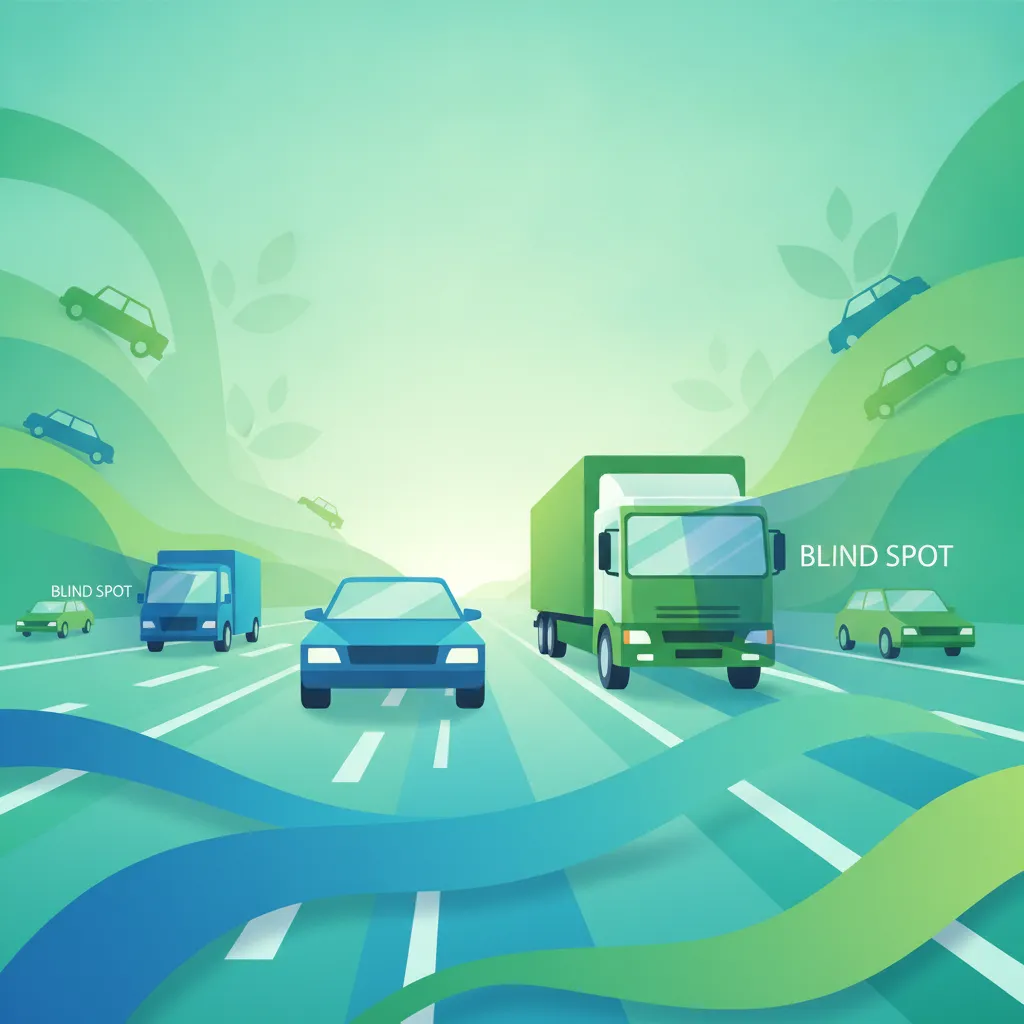
This lesson focuses on recognizing and staying out of the blind spots of other vehicles, especially large trucks and buses where 'no-zones' are significant. It provides practical strategies for managing your position on the road to ensure you remain visible to other drivers at all times. You will learn to anticipate lane changes and other maneuvers from vehicles that may not be aware of your presence.

This lesson details the specific rights and responsibilities of motorcyclists within the Belgian road system, focusing on the correct application of priority rules and safe overtaking. It covers the legal requirements for signaling intentions and adhering to proper road etiquette to ensure smooth traffic flow. The content emphasizes how riders must balance their rights with their safety obligations toward all other road users.
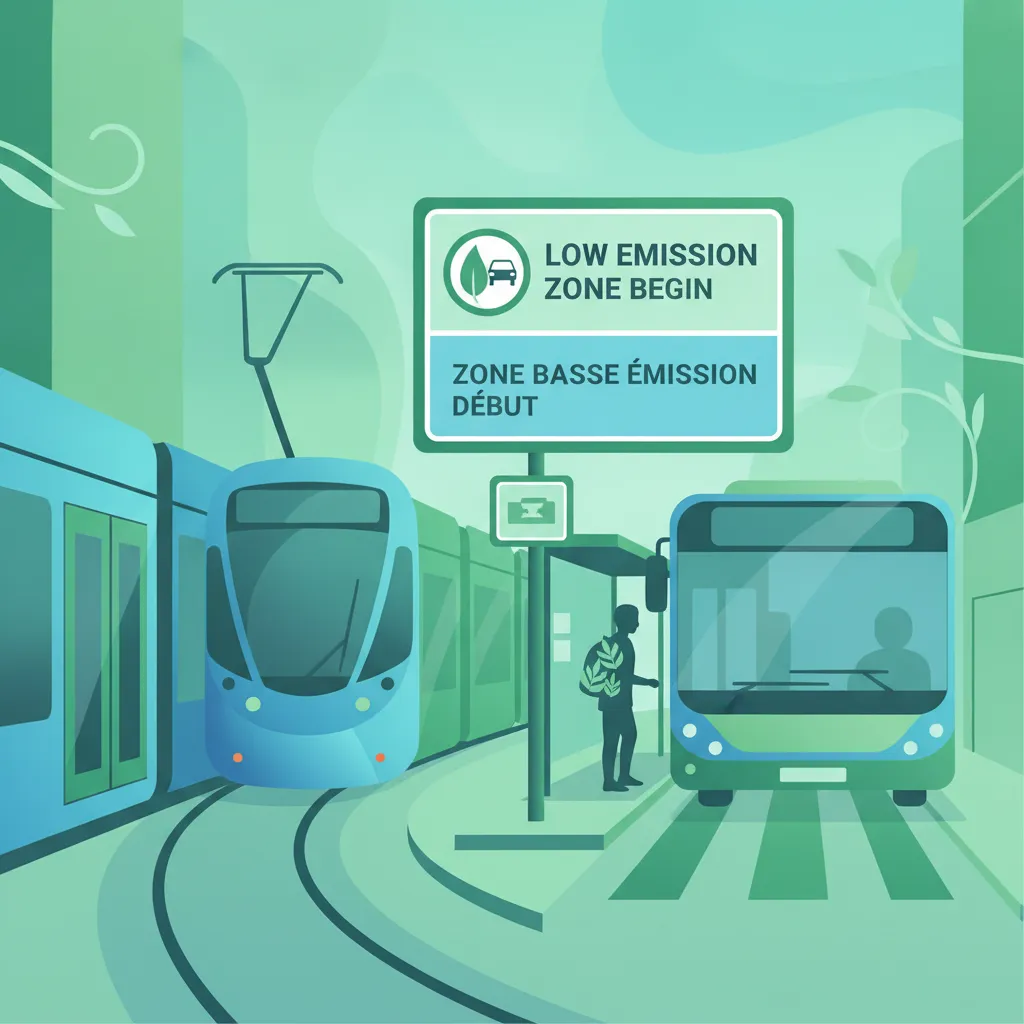
This lesson addresses unique traffic environments and special zones commonly found in Belgian urban areas. It clarifies the specific regulations concerning tramways, including where trams have absolute priority, and the conditions under which motorcycles may use bus lanes. The lesson also explains how to identify and comply with restrictions in low-emission zones.
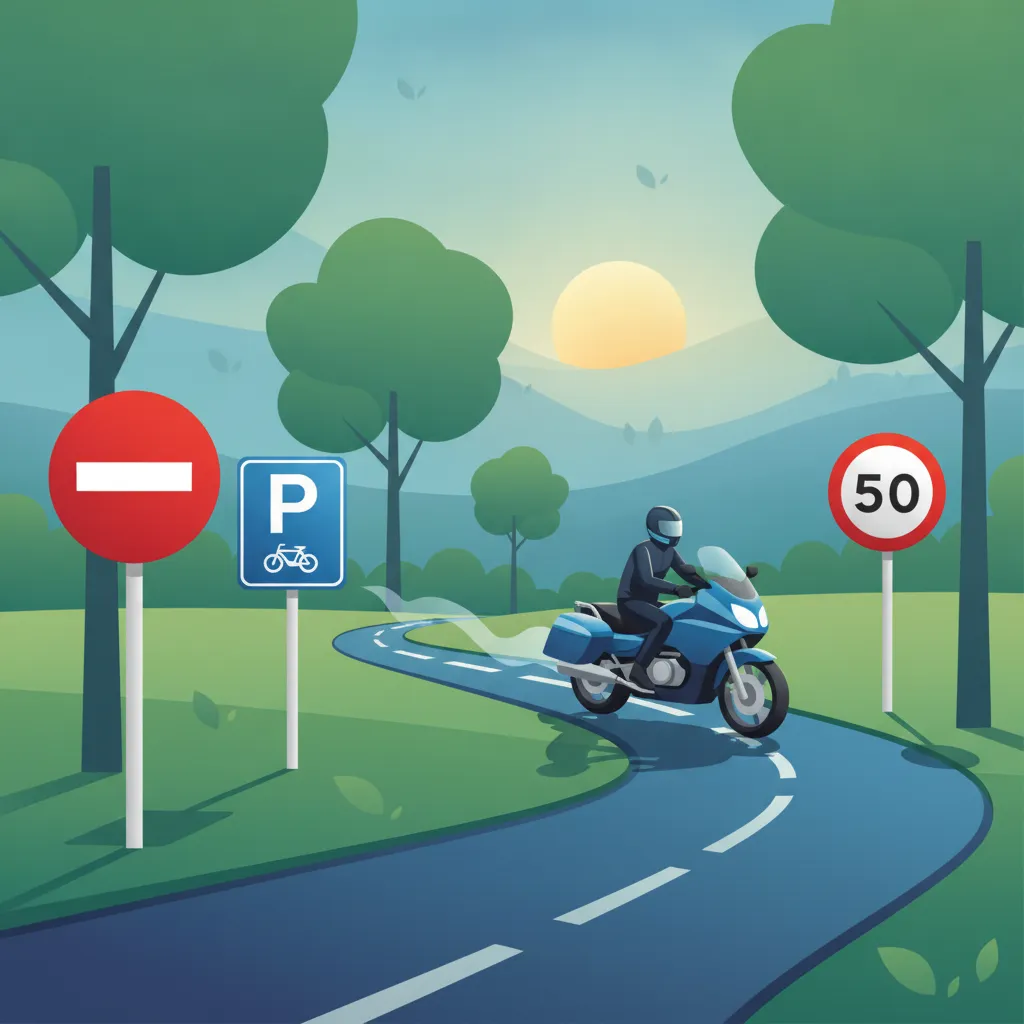
This lesson focuses on the correct identification and interpretation of regulatory and informative road signs that are particularly relevant to motorcyclists. It covers signs that dictate speed limits, prohibit overtaking, and indicate compulsory routes or turns. You will learn to recognize different sign categories based on their distinct shapes and colors as defined by Belgian traffic law.
Explore advanced techniques for motorcycle motorway riding in Belgium, focusing on nuanced lane changes, speed management in traffic, and navigating complex scenarios. Enhance your understanding of Belgian traffic laws for a safer ride.

This lesson provides a step-by-step guide to executing turns and lane changes safely and efficiently. It covers the critical sequence of checking mirrors, signaling intent, and performing a head check for blind spots before any maneuver. Learners will also understand how to manage their speed and balance during cornering to maintain full control of the vehicle.
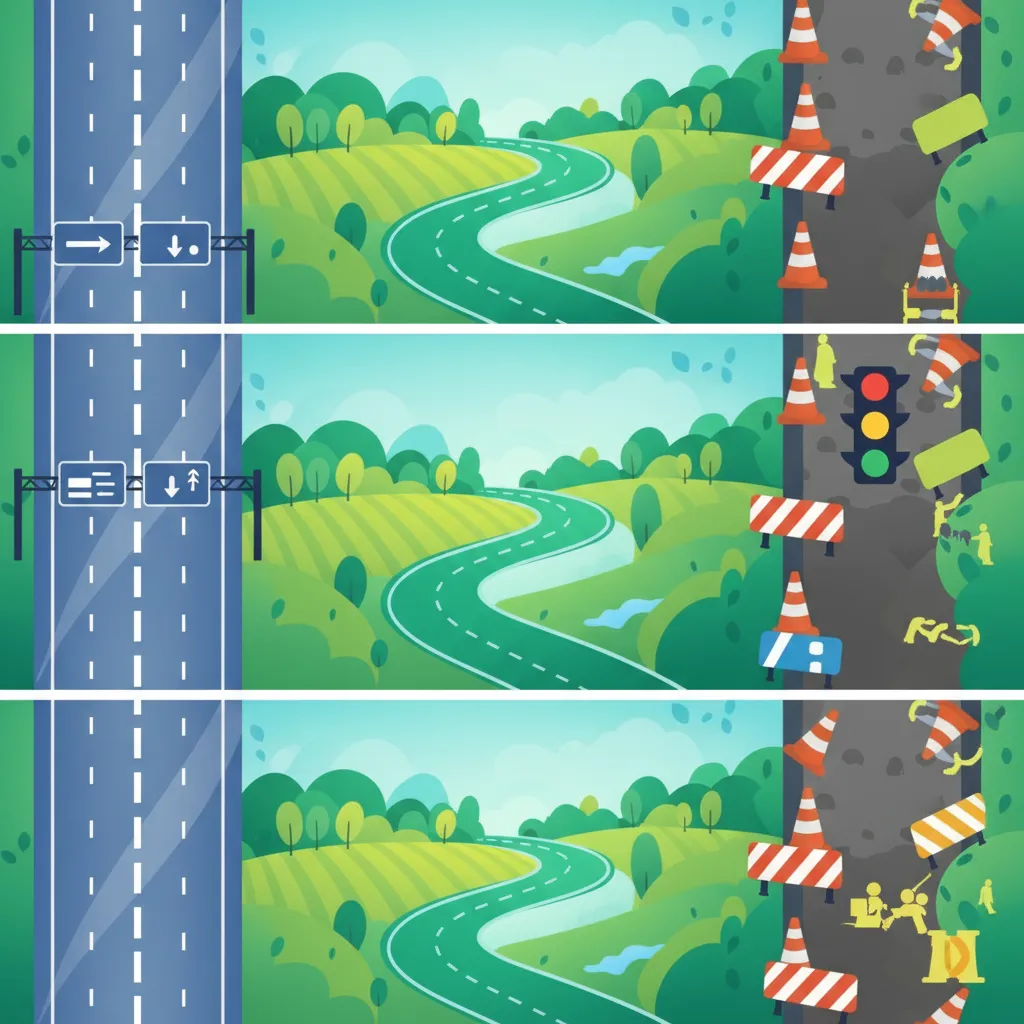
This lesson covers the specific challenges of driving on motorways, rural roads, and navigating roadworks. Learners will review lane discipline on high-speed roads and identify hazards common to rural roads, such as sharp bends and wildlife. It also explains the importance of adjusting speed and following temporary signage in construction zones.

The focus of this lesson is on maintaining proper lane discipline, especially on motorways and other high-speed roads. Learners will explore the rules for changing lanes, overtaking, and positioning in the correct lane based on speed and traffic flow. Emphasis is placed on safe merging techniques and adherence to all lane markings for fluid traffic movement.
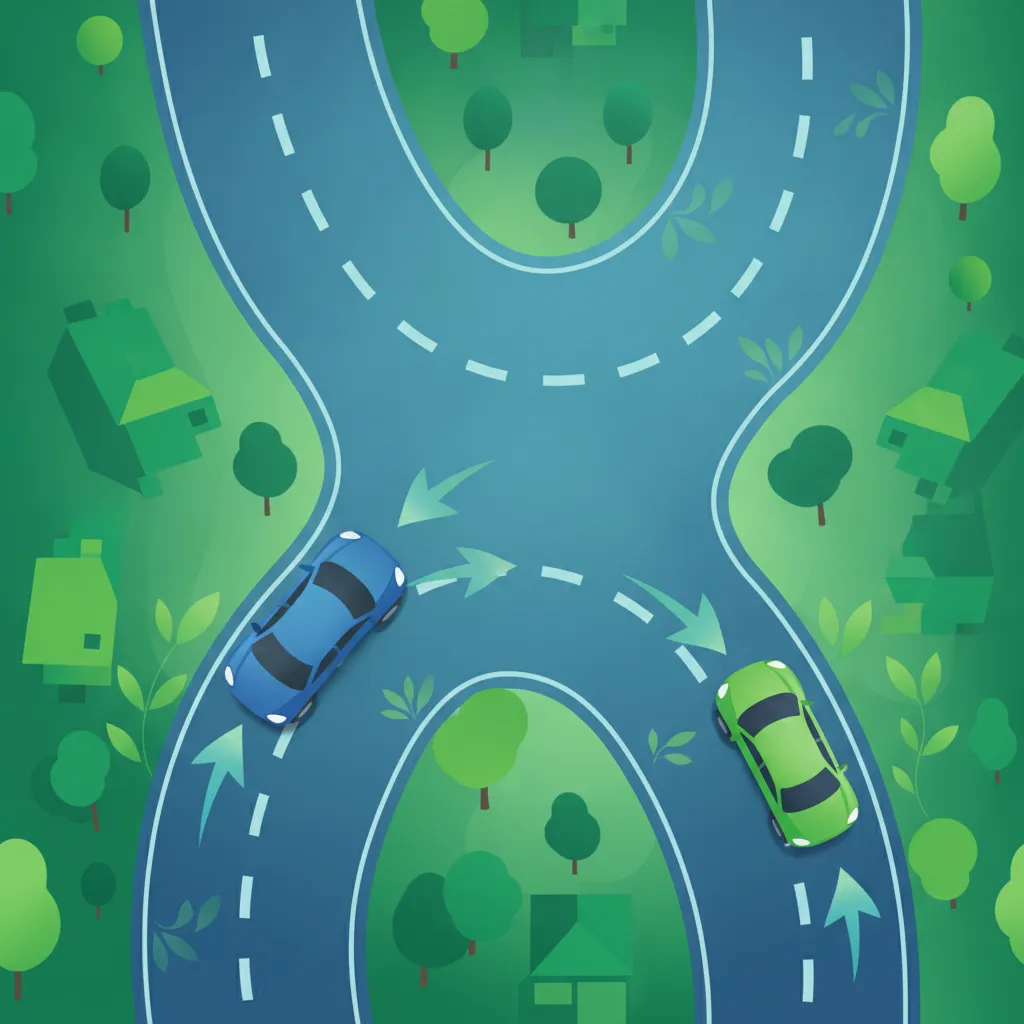
This lesson focuses on basic manoeuvres, covering the proper use of indicators, safe lane positioning, and correct steering for turns. Learners will study the importance of checking blind spots and maintaining appropriate speed for a smooth transition when changing lanes. It also addresses turning at intersections and signaling intentions clearly to other road users.
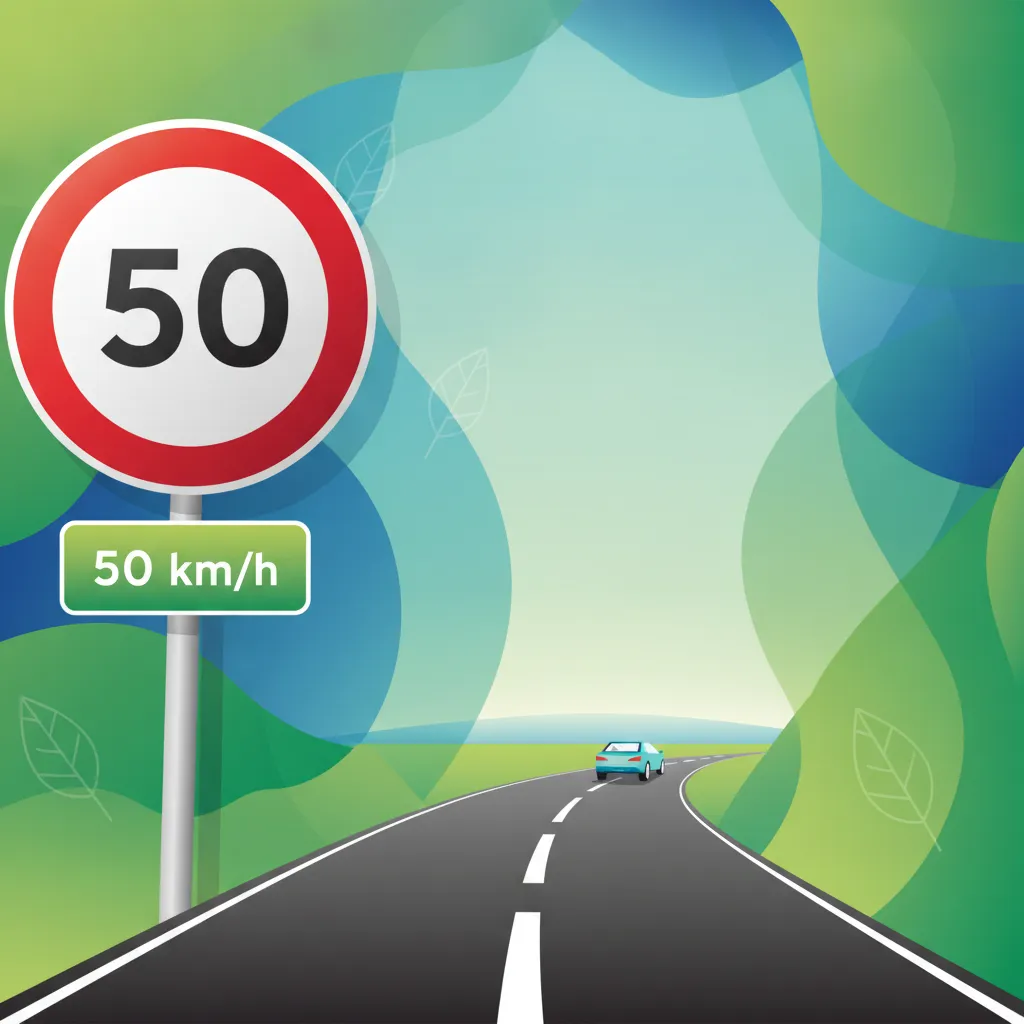
This lesson covers the principles of effective speed management, which involves more than just adhering to the posted limit. It explains how to choose a speed that is appropriate for the prevailing traffic, road, and weather conditions. The content details the legal speed limits for different types of roads in Belgium and the severe consequences of speeding.
This lesson offers specific strategies for motorcyclists navigating roundabouts in Belgium. It covers the rules for entering the roundabout, including yielding to circulating traffic, and how to choose the correct lane for your intended exit. The content stresses the importance of clear signaling and maintaining awareness of other vehicles during entry and exit maneuvers.
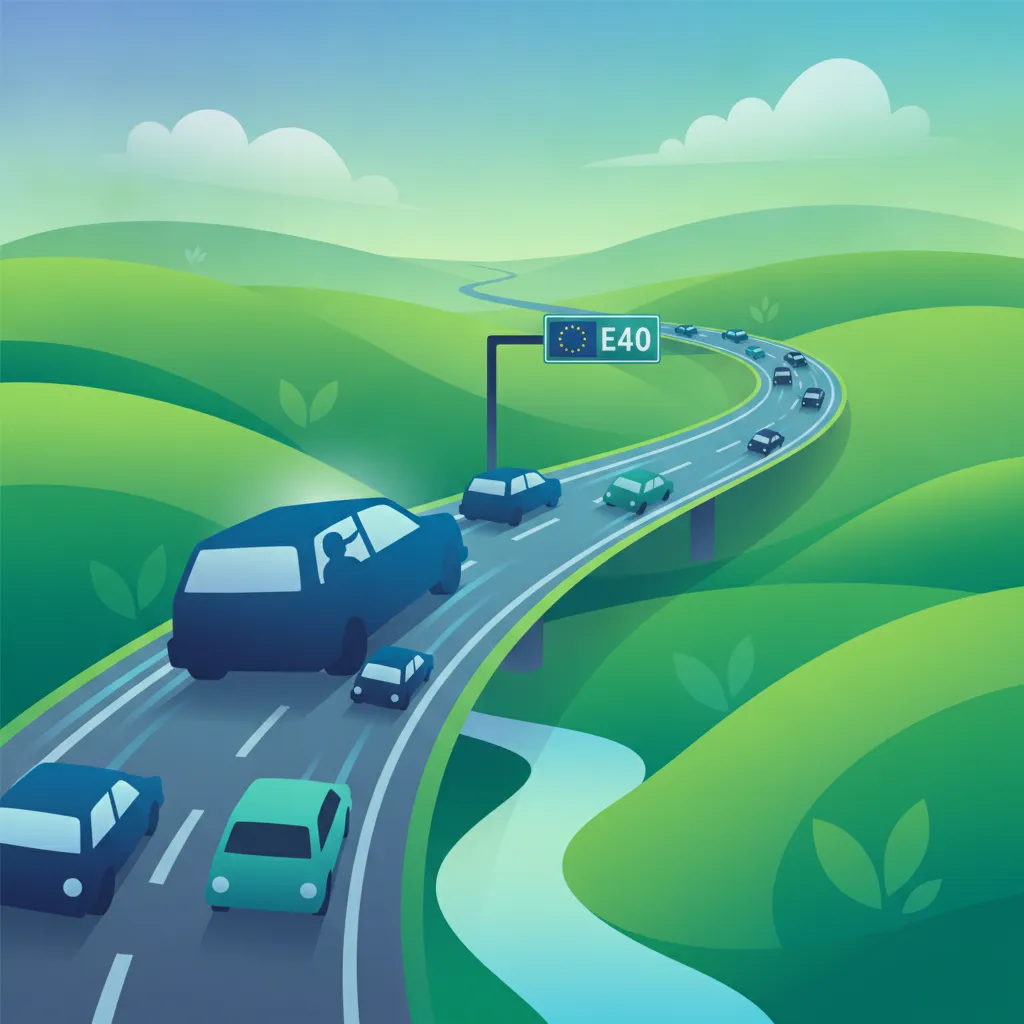
Merging onto motorways requires understanding the dynamics of fast-moving traffic. This lesson covers the correct use of entrance ramps, acceleration lanes, and the technique of matching speed with the flow of traffic. Learners will practice safe merging procedures, including selecting an appropriate gap and yielding to mainline traffic when necessary.
This lesson provides a step-by-step guide to executing a safe overtaking maneuver in compliance with Belgian law. It covers the necessary pre-maneuver checks, proper signaling, and how to accurately judge the speed and distance of oncoming traffic. You will learn the correct procedure for passing a vehicle and safely returning to your original lane.

Overtaking safely is a critical driving skill. This lesson explains where and how overtaking is permitted in Belgium, the importance of correct signaling, and maintaining a sufficient speed differential. Learners will understand the rules for passing on motorways and single-carriageway roads, and how to identify zones where overtaking is prohibited.
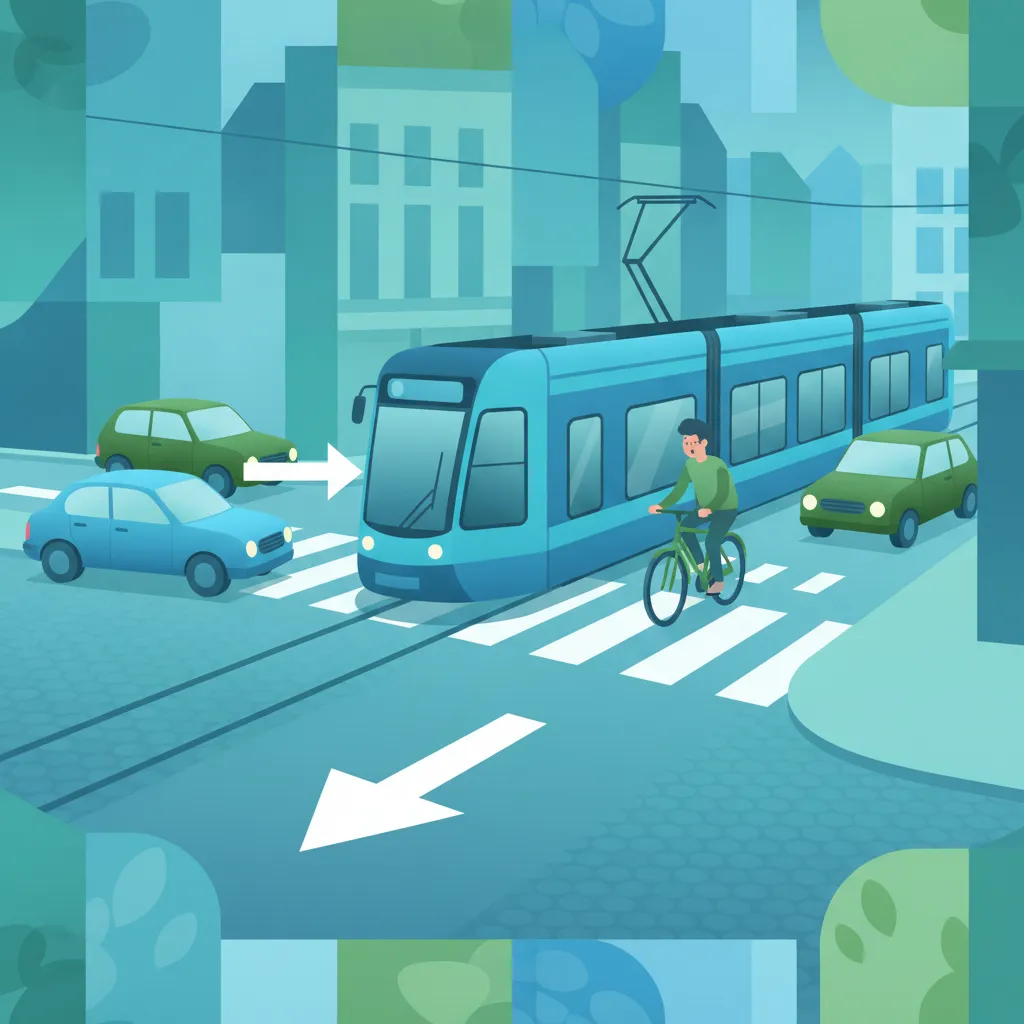
This lesson delves into the complex priority rules that govern Belgian roadways, with a strong focus on the default 'priority from the right' principle. It explains how to interpret priority signs, such as 'give way' and 'stop', and apply the correct right-of-way at various types of junctions. You will learn the hierarchy of road users and the specific rules for yielding in different traffic scenarios.
Find clear answers to common questions learners have about Motorway Riding: Entry, Lane Discipline, and Exits. Learn how the lesson is structured, which driving theory objectives it supports, and how it fits into the overall learning path of units and curriculum progression in Belgium. These explanations help you understand key concepts, lesson flow, and exam focused study goals.
The emergency lane is strictly for emergencies or breakdowns. It must never be used for overtaking or to bypass traffic jams, as this is a serious traffic violation and dangerous for motorcyclists.
You should check your mirrors and signal your intention to change lanes well before the exit sign, typically several hundred metres, ensuring you have enough time to safely move to the right-most lane without forcing other drivers to brake.
Generally, the standard speed limit for cars and motorcycles on Belgian motorways is 120 km/h, unless signs indicate a lower limit due to road conditions, weather, or high traffic density.
Lane splitting or filtering is highly restricted and generally unsafe on motorways. Always adhere to lane discipline and only overtake on the left, ensuring you maintain a clear space from other vehicles.
Ready to focus your Belgian driving theory revision? Utilize our powerful search tool to pinpoint exact topics, road signs, or difficulty levels. Engage with practice questions that directly address your learning needs and solidify your understanding of Belgian traffic laws for your upcoming exam.