
Explore comprehensive explanations of all essential Belgian driving theory topics and road rules. This section clarifies key concepts, traffic laws, and specific scenarios crucial for passing your official Belgian driving licence exam. Gain a deep understanding of priority rules, road signs, and local traffic conventions, equipping you with the knowledge to navigate Belgian roads safely. Prepare effectively for your theory test by mastering these fundamental principles and concepts.

Navigate our comprehensive directory to master essential traffic rules, priority situations, and complex road signs required for your exam. Target your preparation by focusing on specific Belgian driving theory subjects to ensure total road confidence.
10 topics
8 topics
6 topics
5 topics
3 topics
2 topics
2 topics
1 topic
1 topic
1 topic
1 topic
1 topic
Dive into essential Belgian driving theory topics to prepare for your exam. Search for specific traffic rules or explore our structured set of subjects for comprehensive exam study.
Filter by category
8 theory topics found
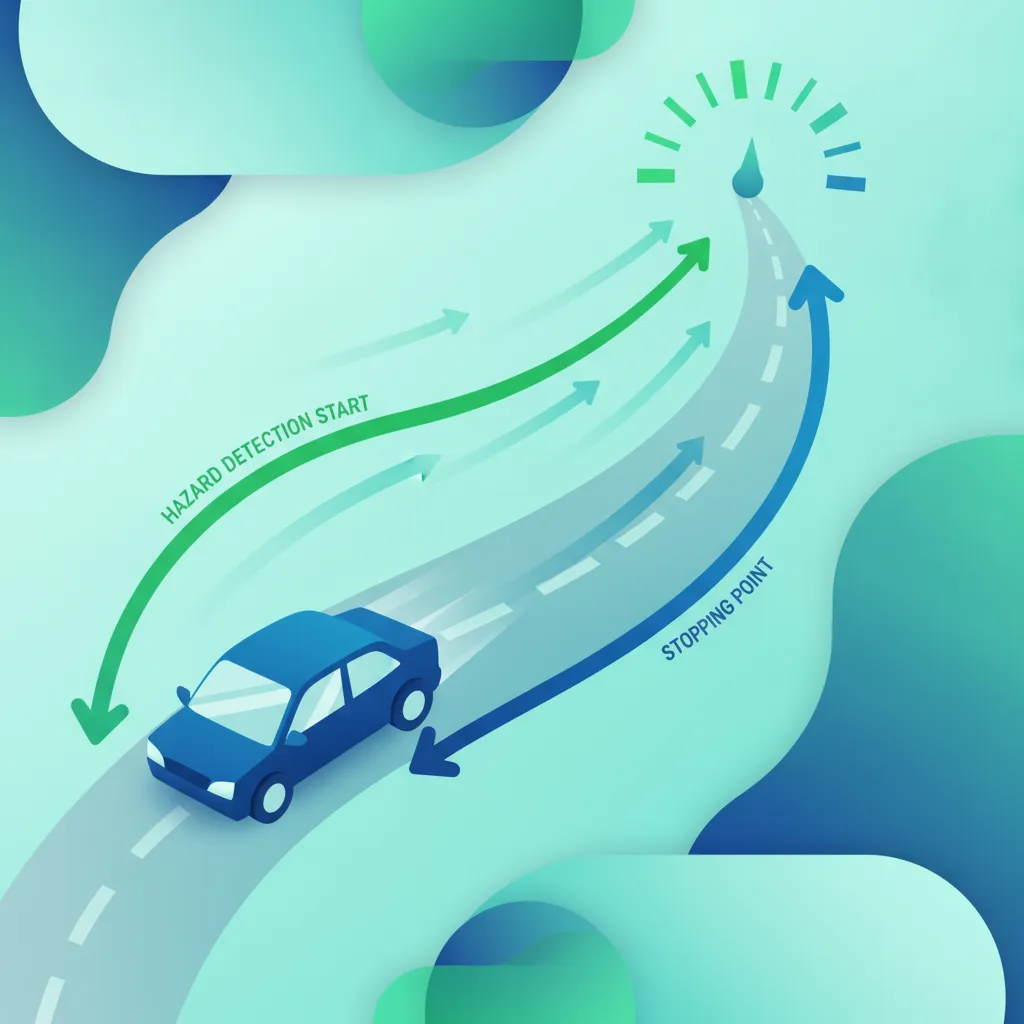
Your total stopping distance is the sum of your reaction distance and your braking distance. Understanding how speed influences both is vital for safe driving and passing your Belgian theory exam. This page explains the physics behind this relationship and why faster speeds reduce your margin for error on Belgian roads.
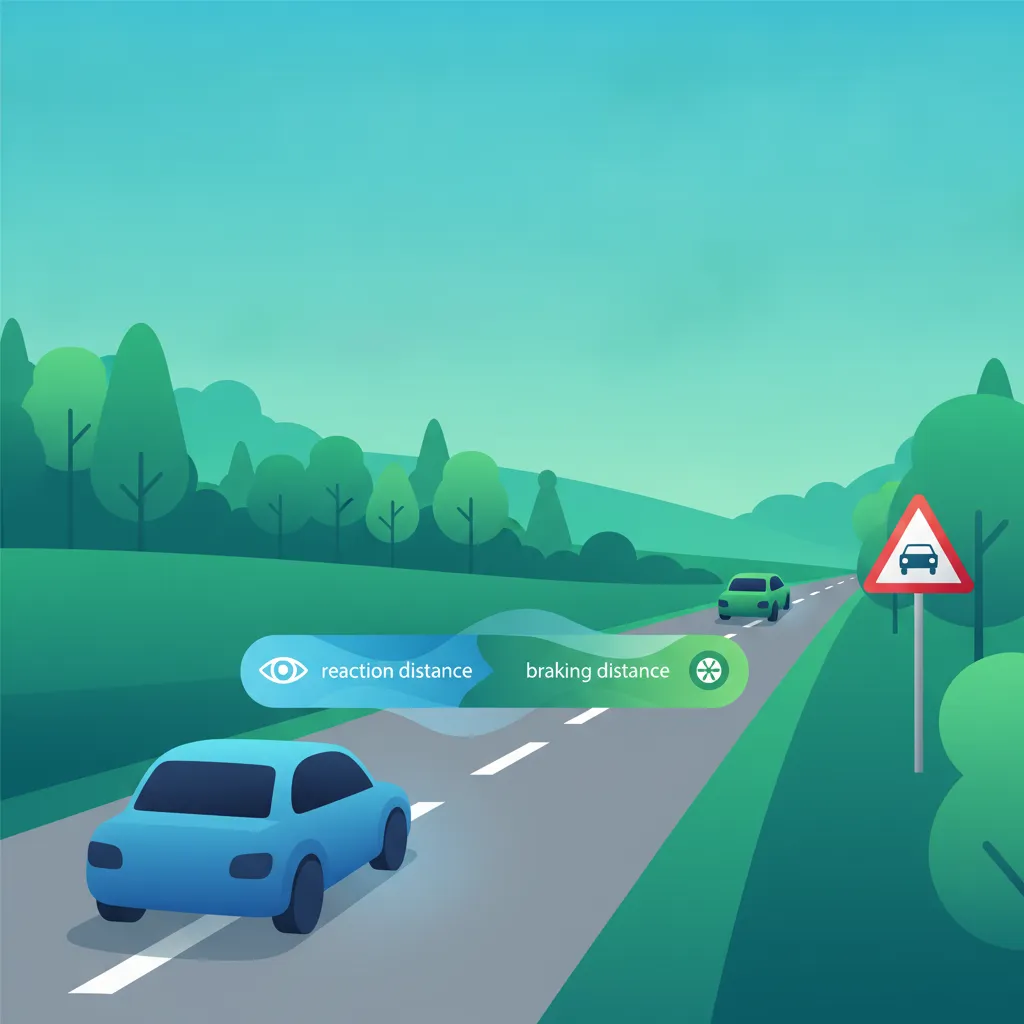
Stopping distance is the total distance your vehicle travels from the moment you detect a hazard until it comes to a complete stop. This includes both your reaction distance and the subsequent braking distance. In Belgium, understanding these components is fundamental for safe driving, adapting to varying road conditions, and successfully passing your theory exam, as even slight increases in speed dramatically extend the distance needed to stop.
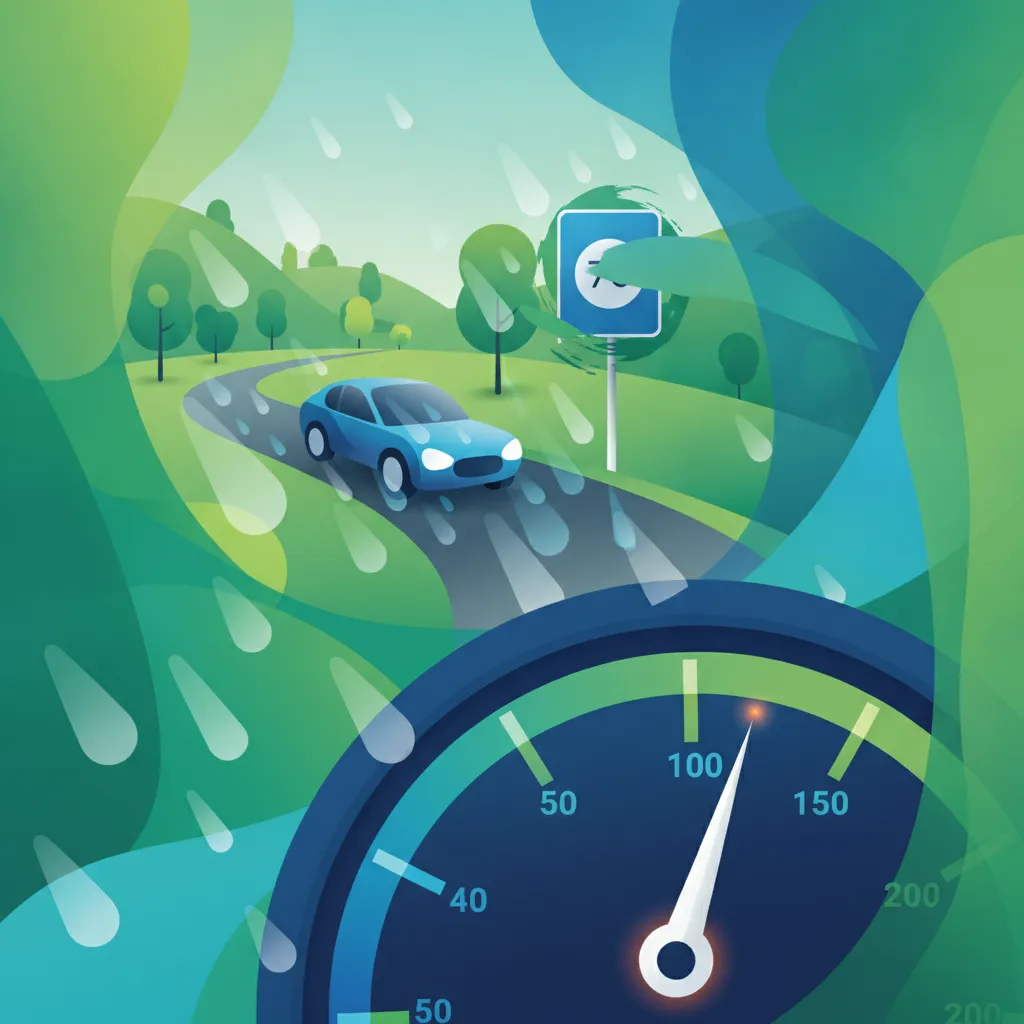
Driving at a safe speed means continuously adjusting your vehicle's speed to match prevailing road, weather, and traffic conditions. It's about more than just obeying the posted speed limit; it's about making informed decisions to ensure you can react to hazards and stop safely within the visible distance ahead. This principle is a cornerstone of defensive driving in Belgium and essential for road safety.
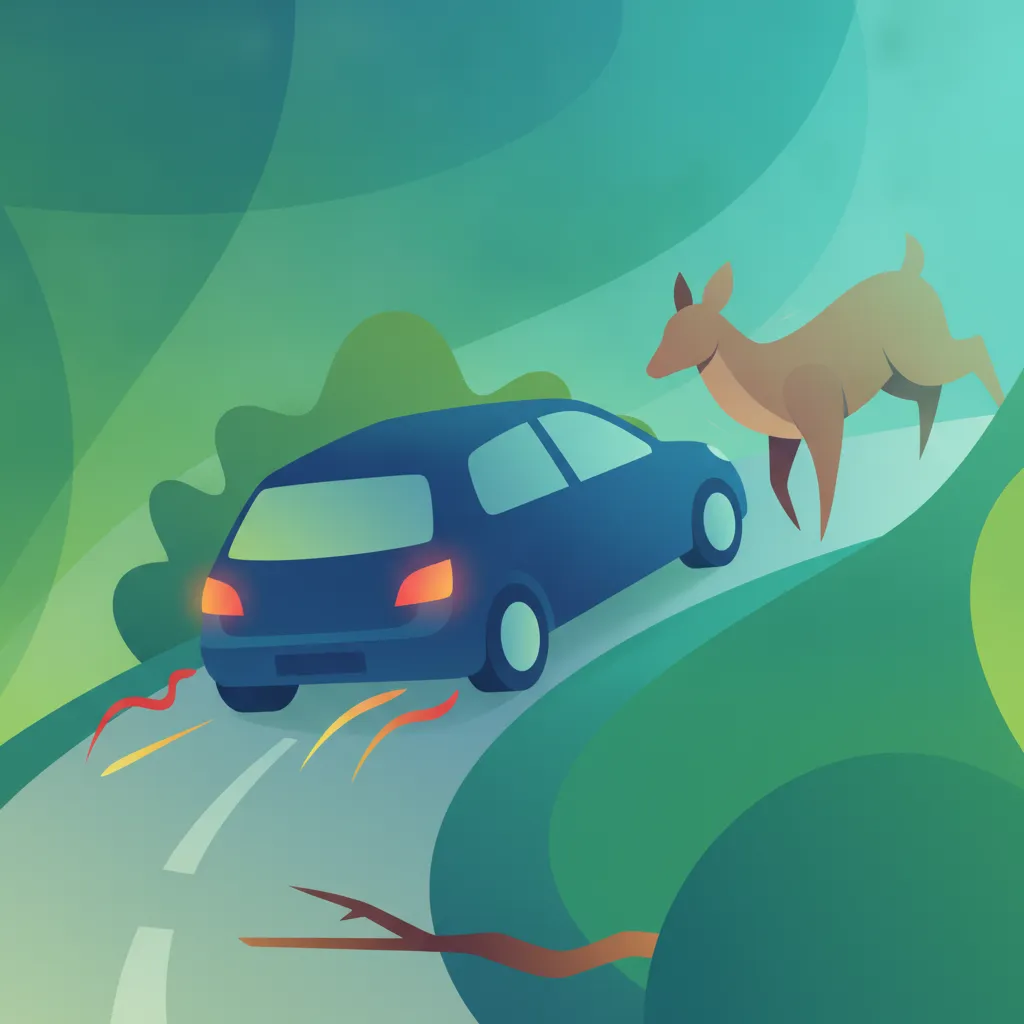
Emergency braking refers to the rapid and forceful application of your vehicle's brakes when an immediate hazard demands an instant stop. In Belgian traffic, situations requiring emergency braking can arise without warning, such as a sudden pedestrian, an unexpected obstacle, or another vehicle braking sharply. This page clarifies the correct technique, how modern systems like ABS assist, and why a quick, decisive reaction is paramount for safety and passing your theory exam.
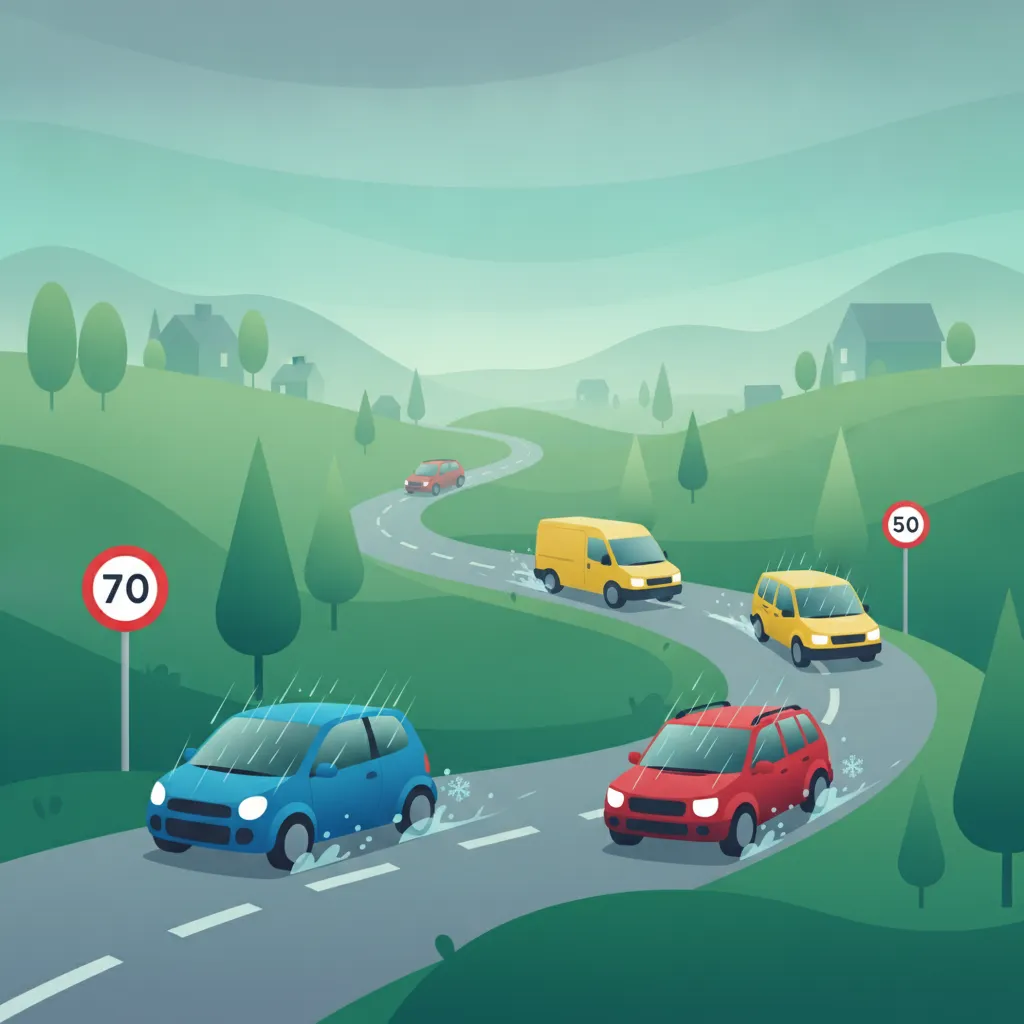
Speed limits are a fundamental aspect of Belgian traffic law, setting the maximum legal speed for different road types and areas. However, merely adhering to the posted limit is insufficient; drivers must also constantly adapt their speed based on prevailing road, weather, traffic, and visibility conditions. This page clarifies these distinctions and emphasizes the critical role of appropriate speed in preventing accidents.

The following distance refers to the critical space drivers must maintain between their vehicle and the one ahead. In Belgium, the 'Wegcode' (Road Code) requires a sufficient safety distance, generally interpreted as at least two seconds for speeds above 50 km/h. This ensures you have enough time to react and stop safely, avoiding dangerous situations and potential penalties.
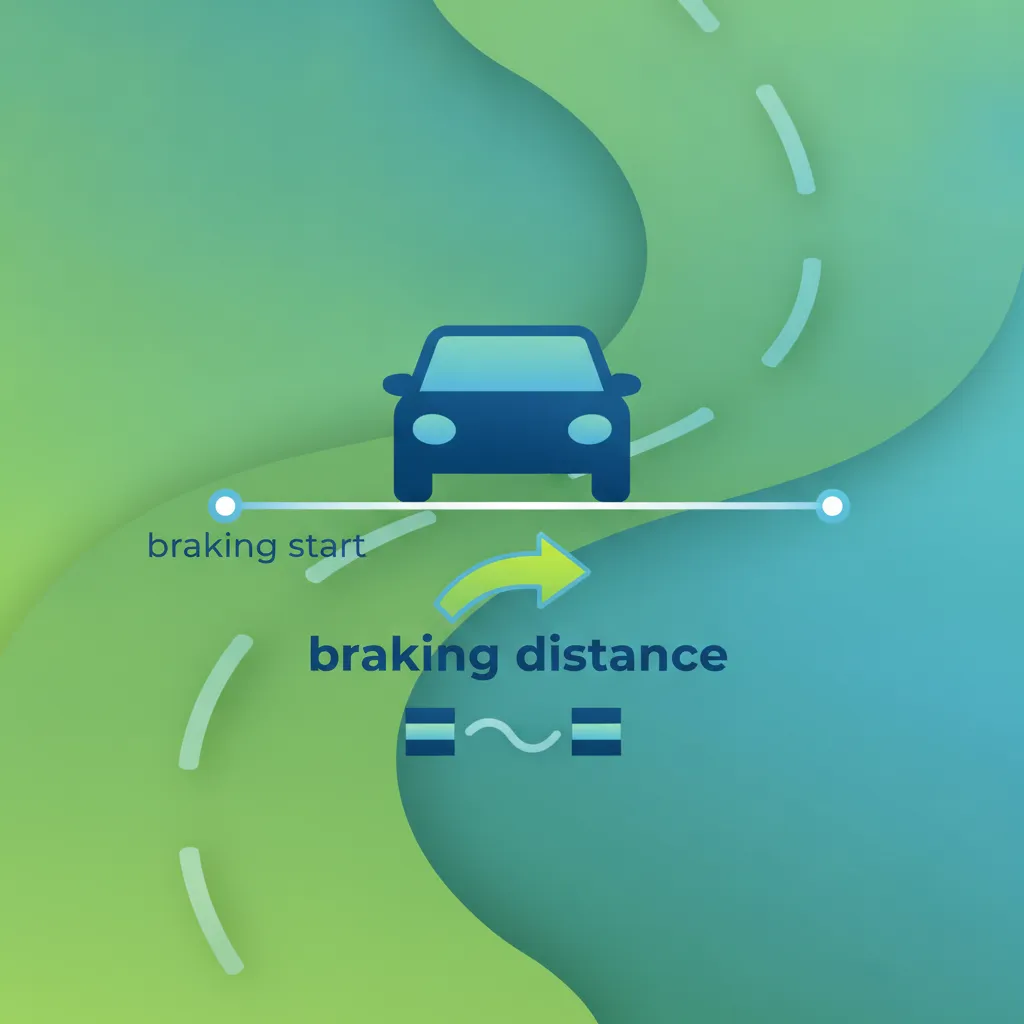
Braking distance is the critical measurement of how far your vehicle travels once you engage the brakes until it comes to a complete stop. This distance is not constant; it dramatically changes based on your speed, the road surface, and your vehicle's condition. For your Belgian driving theory test, it's essential to understand these influencing factors and how to adjust your driving to ensure adequate stopping capacity in all conditions.
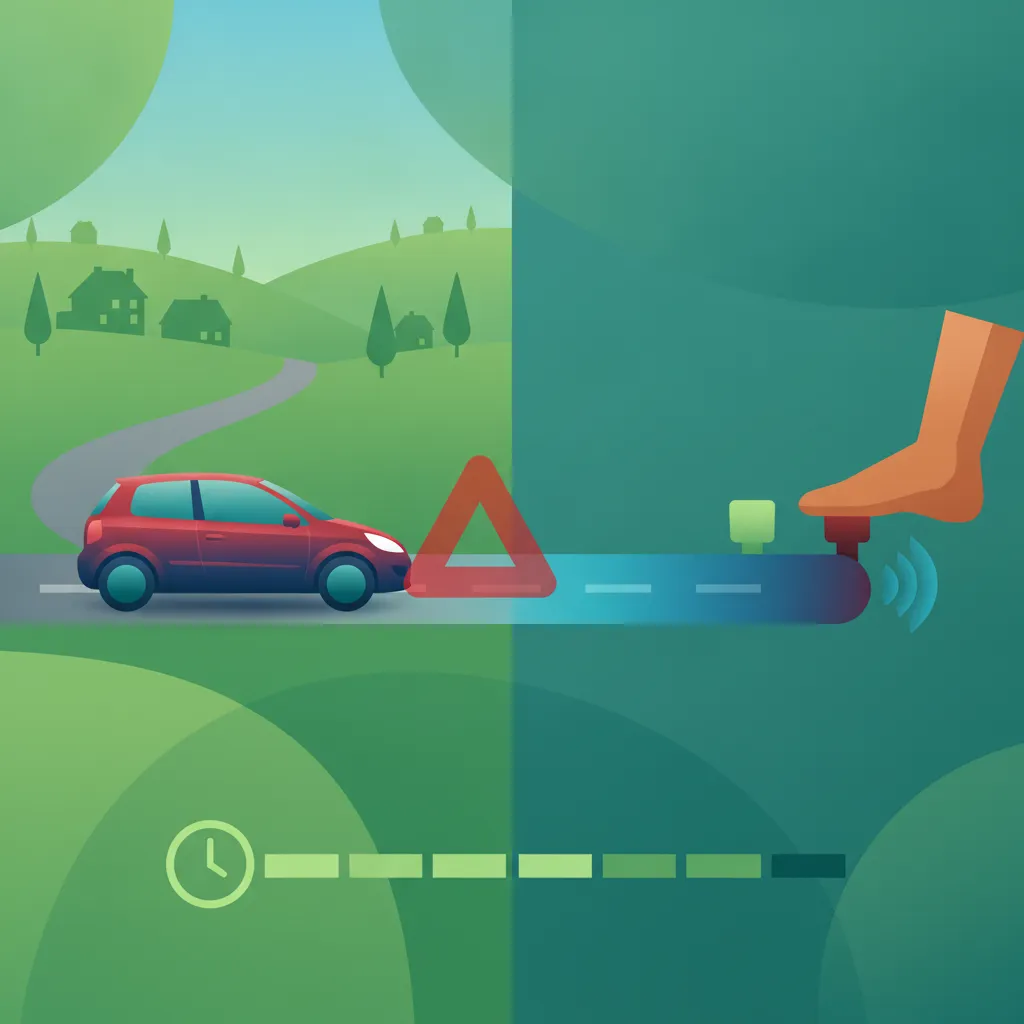
Reaction distance is the meters your vehicle covers from the moment you identify a hazard until you physically start to apply the brakes. It's a critical component of safe driving in Belgium, directly influenced by your speed, alertness, and various internal and external factors. Understanding this concept is fundamental for hazard perception and maintaining adequate safety margins on Belgian roads.
Explore our library of Belgian driving theory articles. Discover clear explanations on priority rules and hazard perception, gaining essential knowledge for your exam and confident driving on Belgian roads.
Belgian Driving Theory Articles & Guides