
This lesson explores the psychological and physical challenges new drivers face, helping you transition from a student to a responsible road user. You will learn how to identify common traps like overconfidence and peer pressure, which are key themes in both the Danish theory exam and real-world safety.

Lesson content overview
Embarking on your journey to obtain a Danish Category B driving license marks a significant step towards independence and mobility. However, new drivers, often termed novice drivers, inherently face a higher risk of accidents compared to their experienced counterparts. This lesson for the Danish Driving License Theory Course: Category B Preparation focuses on the specific challenges and risks new drivers encounter, such as overconfidence, the sway of peer pressure, and the debilitating effects of fatigue. By understanding these factors, you can proactively develop responsible driving habits and lay a strong foundation for a safe and confident driving career.
The initial period after passing your driving test is crucial. While you've demonstrated competence during your practical exam, real-world driving involves a vast array of unpredictable situations that only experience can truly prepare you for. Novice driver risks stem from a complex interplay of inexperience, psychological biases, external social influences, and physiological factors. These elements can collectively amplify the probability of errors and lead to dangerous situations, particularly during the critical first few months or years of independent driving. Recognizing these underlying mechanisms is the first step towards anticipating and preventing unsafe behaviors.
Understanding the specific risks is paramount. This section delves into the primary challenges faced by those new to the road and outlines strategies to mitigate them effectively.
The Overconfidence Effect is a cognitive bias where drivers tend to overestimate their own driving abilities and, conversely, underestimate the inherent risks associated with certain maneuvers or traffic situations. This can lead to a false sense of security and a willingness to take unnecessary chances.
A psychological tendency for individuals, especially novice drivers, to believe their driving skills are superior to their actual level of competence, leading them to underestimate risks.
Novice drivers might believe they can handle complex actions, such as high-speed overtaking or navigating heavy traffic, without sufficient judgment or experience. This misjudgment of vehicle capabilities and an underestimation of traffic complexity can result in driving too fast for conditions or failing to maintain adequate following distances. A common misunderstanding is the belief that "I've never had an accident, so I'm safe," which ignores the role of chance and past luck rather than genuine skill in avoiding incidents. For example, a 19-year-old driver attempting a high-speed lane change on a motorway before gaining sufficient experience demonstrates this effect. Adhering strictly to speed limits and other traffic rules is essential, regardless of how comfortable or skilled one might feel.
Developing Realistic Self-Assessment: Regularly reflect on your driving performance. Were you truly in control, or did you get lucky? Seek feedback from experienced drivers and always err on the side of caution, especially in challenging conditions.
Peer pressure describes the influence exerted by friends or passengers that can encourage a driver to engage in risky behaviors, such as speeding, aggressive driving, or other violations of traffic laws. This social factor can often override personal safety considerations and lead to choices that a driver might not make alone.
The social influence, often from friends or passengers, that encourages a driver to engage in risky or rule-breaking behaviors while driving.
Peer pressure can manifest directly, with passengers explicitly challenging a driver's caution ("You can't drive that fast?"), or indirectly, through a desire to impress or conform to group expectations. This can tempt novice drivers to violate traffic laws for social acceptance, leading to actions like speeding, ignoring traffic signals, or making unnecessary overtaking maneuvers. A common misunderstanding is thinking that "driving is more fun with friends," which can inadvertently lead to disregarding safety for the sake of social dynamics. Consider a scenario where a group of friends encourages a driver to exceed speed limits to keep pace with another car or to reach a destination faster. Recognizing and resisting such pressure is a critical aspect of responsible driving.
Prioritizing Safety over Social Acceptance: Remember that you are responsible for the safety of everyone in your vehicle and other road users. Your primary duty is to drive safely and legally, not to impress or conform.
Fatigue is a state of physical and mental tiredness that significantly reduces a driver's alertness, slows reaction times, and impairs decision-making abilities. It is a major contributing factor to accidents, especially among novice drivers who may be balancing school, work, and social activities, often leading to sleep deprivation.
A state of physical and mental exhaustion that reduces alertness, impairs concentration, slows reaction times, and negatively affects decision-making while driving.
Fatigue can be physical (tired muscles), mental (reduced concentration), or cumulative (resulting from long-term sleep deprivation). Its practical implications include decreased alertness, slower reaction times, difficulty maintaining a consistent lane position, and even microsleeps, where a driver briefly falls asleep without realizing it. Many novice drivers mistakenly believe they can "push through" tiredness for a few minutes and still drive safely. However, driving while fatigued is as dangerous as driving under the influence of alcohol. For example, a young driver returning from a late-night event might feel sleepy but continues to drive, putting themselves and others at extreme risk. Danish traffic laws stipulate that drivers must not operate a vehicle when unfit to do so, which includes being excessively tired.
Recognize the Signs: Be aware of drowsiness, frequent yawning, heavy eyelids, difficulty concentrating, or drifting out of your lane.
Take Breaks: On long trips, plan regular breaks every two hours. Get out of the car, stretch, and walk around.
Rest Before Driving: Ensure you get adequate sleep (7-9 hours for most adults) before a long or important drive.
Avoid Driving at Peak Drowsiness Times: For most people, this is between 2:00 AM and 6:00 AM, and in the early afternoon.
Pull Over Safely: If you feel too tired to drive, find a safe place to pull over and rest, or arrange for alternative transportation.
Responsibility Awareness is the conscious acknowledgment of one’s fundamental duty to ensure safety for oneself, passengers, and all other road users. This principle encourages proactive risk management and the consistent formation of safe driving habits from the very beginning of your driving career.
The conscious understanding and commitment to one's duty to ensure the safety of themselves, their passengers, and all other road users, alongside strict adherence to traffic laws.
This encompasses personal responsibility, such as regularly checking your vehicle's condition; responsibility towards passengers, ensuring they are safely secured with seatbelts; and responsibility towards vulnerable road users like cyclists and pedestrians. Practical application involves proactively adjusting speed to prevailing conditions, actively avoiding distractions, and making sure all safety systems are in proper working order. A common misconception is thinking, "If nothing happens to me, it’s okay," which ignores potential liability and the severe consequences of negligence. For instance, a responsible driver will always check that all mirrors are correctly positioned and seatbelts are fastened before beginning a journey. This forms the bedrock for adopting defensive driving practices consistently.
Defensive Driving Mindset: Responsibility awareness is a core component of defensive driving, which emphasizes anticipating potential hazards and making safe, informed decisions to avoid collisions, regardless of others' actions.
Adhering to the specific rules and regulations is not just a legal obligation but a cornerstone of responsible driving in Denmark. Novice drivers must be particularly diligent in understanding and following these laws.
Understanding typical pitfalls can help you avoid them. Here are common violations made by novice drivers and the correct, safe behaviors.
Driving conditions are rarely static. Novice drivers must learn to adapt their behavior to various environmental and contextual factors that can heighten risk.
Understanding how certain actions lead to predictable consequences reinforces the importance of responsible behavior.
Effective risk management is not isolated; it builds upon and contributes to other essential driving competencies. This lesson explicitly connects to:
Applying theoretical knowledge to real-world situations is key to developing safe driving habits.
The transition from learner to independent driver is exciting, but it requires a conscious effort to develop a proactive safety mindset. Novice drivers face elevated risks due to factors like overconfidence, the influence of peer pressure, and the dangers of fatigue. A truly responsible driver in Denmark will consistently adhere to speed limits, avoid all forms of distraction, honestly recognize their personal limits, and ensure their vehicle is always in optimal condition. By understanding and actively mitigating these risks, you not only reduce your personal likelihood of being involved in an accident but also contribute to the overall safety of Danish roads, promoting long-term safe driving habits for everyone.
This lesson has built upon your prior knowledge of observation skills, speed management, and identifying urban hazards. The principles discussed here will serve as a crucial foundation for understanding the legal consequences of impaired driving and how to react effectively in emergency situations, topics you will explore in subsequent modules.
This lesson addresses the three primary psychological risks for novice drivers: overconfidence (underestimating risks while overestimating abilities), peer pressure (social influence causing risky driving decisions), and fatigue (reducing alertness and reaction times comparable to alcohol impairment). It provides practical mitigation strategies including a five-step fatigue management plan, explains responsibility awareness across personal, passenger, and vulnerable road user domains, and connects these behavioral factors to Danish traffic law compliance. The content emphasizes that safe driving requires honest self-assessment, proactive hazard perception, and consistent adherence to speed limits and safety rules regardless of social pressure or perceived skill level.
A short set of high-value points that capture the most important learning from this lesson.
Novice drivers face elevated accident risk due to inexperience combined with psychological biases like overconfidence, peer susceptibility, and fatigue
Overconfidence leads to underestimating risks and overestimating abilities, making drivers take unnecessary chances
Peer pressure from passengers can override personal safety judgment, leading to speeding, aggressive driving, or traffic violations
Fatigue impairs driving as severely as alcohol; microsleeps can occur without the driver realizing it
Responsible driving requires proactive risk management, honest self-assessment, and consistent safety habits from the start
Explore all units and lessons included in this driving theory course.
Fatigue management: take breaks every two hours, get 7-9 hours sleep before driving, and avoid 2AM-6AM driving if possible
Overconfidence thrives on luck masquerading as skill; always follow speed limits regardless of how confident you feel
Danish law requires drivers to be fit to drive, which explicitly includes not being excessively tired
Seatbelt use is mandatory for all occupants regardless of trip length or perceived risk
Responsibility awareness means duty to yourself, passengers, cyclists, pedestrians, and all other road users
Believing 'I've never had an accident, so I'm safe' conflates luck with skill and ignores accumulated risk
Thinking you can 'push through' fatigue for a few minutes underestimates the danger of microsleeps
Failing to check mirrors, blind spots, and signals thoroughly before any maneuver due to overconfidence
Prioritizing social dynamics over safety when passengers encourage speeding or aggressive driving
Not adjusting speed and following distance for weather, load, or road type conditions
Lesson content overview
A short set of high-value points that capture the most important learning from this lesson.
Novice drivers face elevated accident risk due to inexperience combined with psychological biases like overconfidence, peer susceptibility, and fatigue
Overconfidence leads to underestimating risks and overestimating abilities, making drivers take unnecessary chances
Peer pressure from passengers can override personal safety judgment, leading to speeding, aggressive driving, or traffic violations
Fatigue impairs driving as severely as alcohol; microsleeps can occur without the driver realizing it
Responsible driving requires proactive risk management, honest self-assessment, and consistent safety habits from the start
Explore all units and lessons included in this driving theory course.
Fatigue management: take breaks every two hours, get 7-9 hours sleep before driving, and avoid 2AM-6AM driving if possible
Overconfidence thrives on luck masquerading as skill; always follow speed limits regardless of how confident you feel
Danish law requires drivers to be fit to drive, which explicitly includes not being excessively tired
Seatbelt use is mandatory for all occupants regardless of trip length or perceived risk
Responsibility awareness means duty to yourself, passengers, cyclists, pedestrians, and all other road users
Believing 'I've never had an accident, so I'm safe' conflates luck with skill and ignores accumulated risk
Thinking you can 'push through' fatigue for a few minutes underestimates the danger of microsleeps
Failing to check mirrors, blind spots, and signals thoroughly before any maneuver due to overconfidence
Prioritizing social dynamics over safety when passengers encourage speeding or aggressive driving
Not adjusting speed and following distance for weather, load, or road type conditions
Explore search topics learners often look for when studying Risks for Novice Drivers and Responsible Behavior. These topics reflect common questions about road rules, driving situations, safety guidance, and lesson level theory preparation for learners in Denmark.
Browse additional driving theory lessons that cover connected traffic rules, road signs, and common driving situations related to this topic. Improve your understanding of how different rules interact across everyday traffic scenarios.
Understand the serious legal ramifications of common novice driver risks like overconfidence, peer pressure, and fatigue in Denmark. Learn about driving law compliance and responsible behavior for new drivers to avoid penalties and ensure road safety.
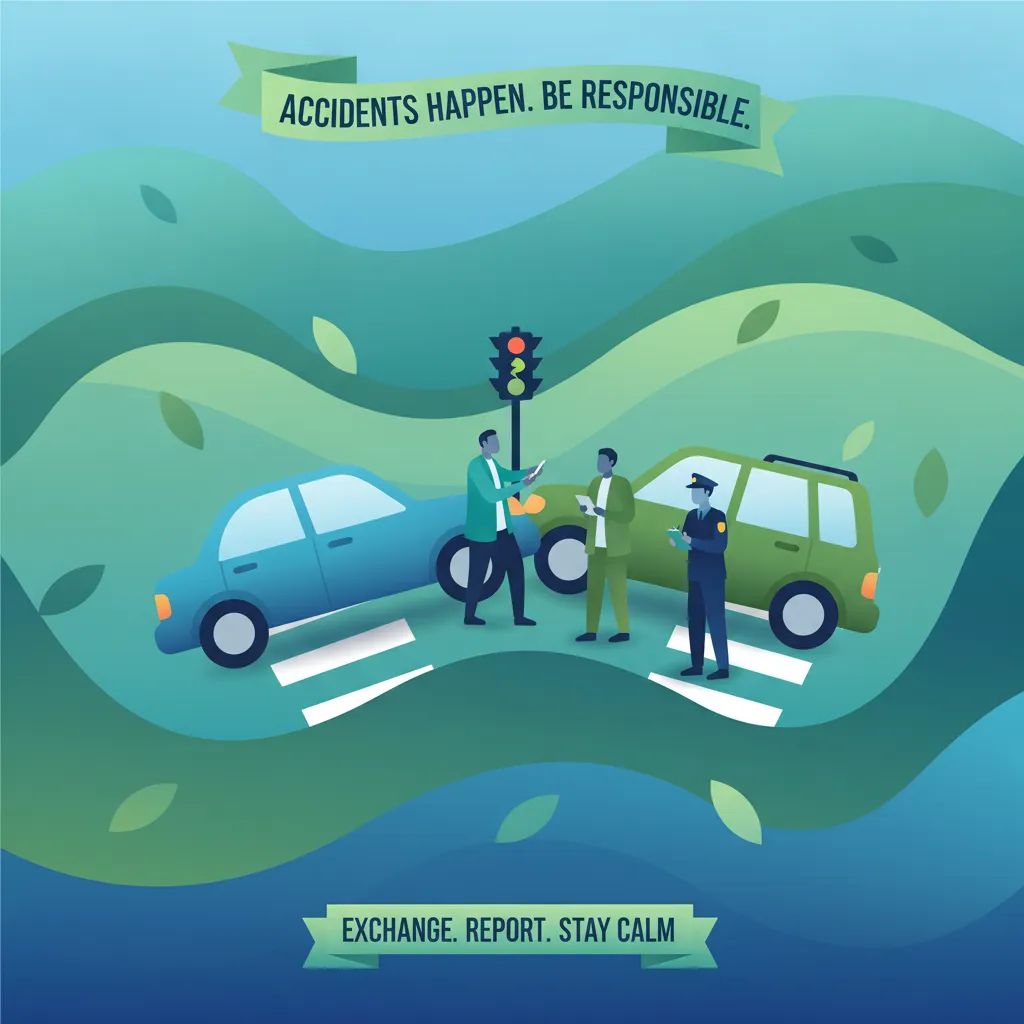
This lesson outlines the legal responsibilities of a rider involved in a traffic accident. It explains the legal duty to stop, render aid, and report the incident to the police and insurance providers. The content covers the concepts of liability and the potential legal consequences following an accident.
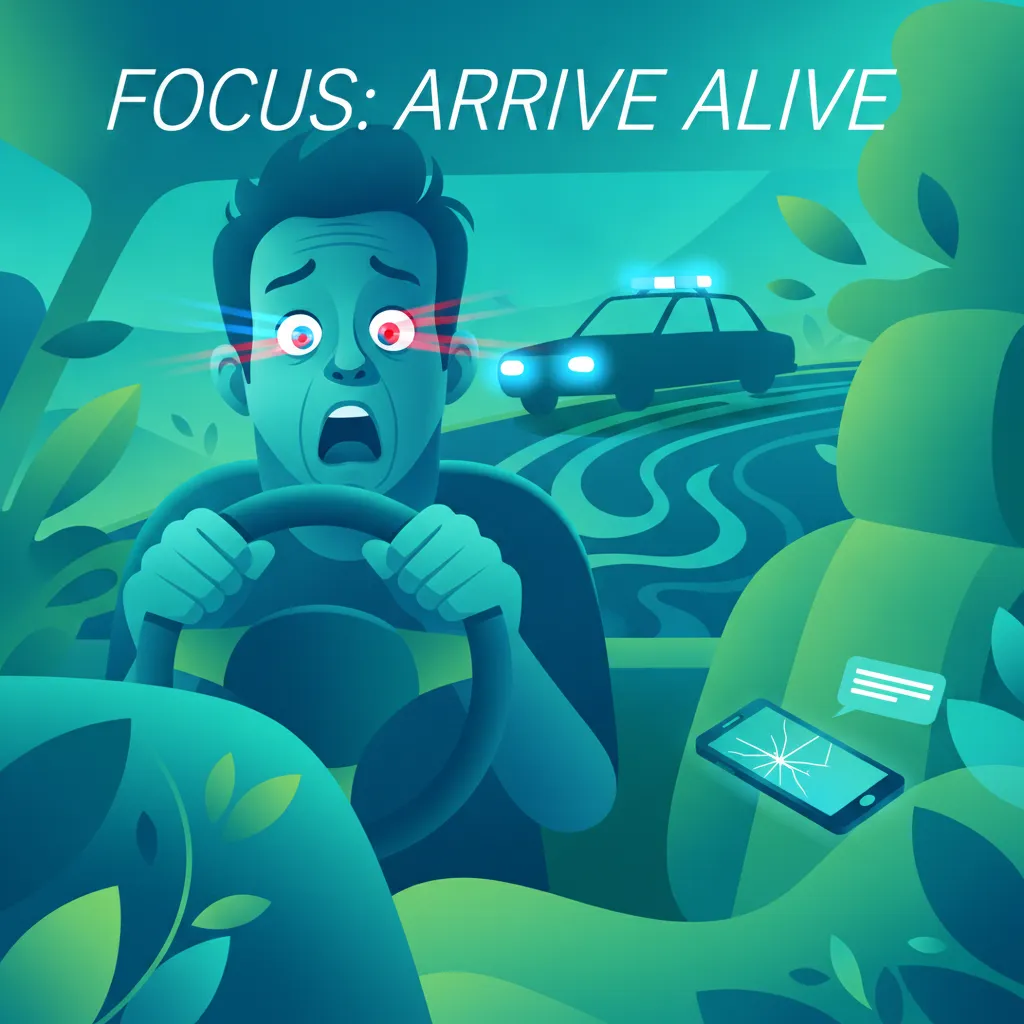
This lesson details the legal blood alcohol concentration (BAC) limit in Denmark and explains the zero-tolerance policy for driving under the influence of illegal drugs. It covers the serious legal consequences, which can include heavy fines, license suspension, and even imprisonment. The content also emphasizes the significant dangers and legal ramifications of distracted driving, particularly mobile phone use.
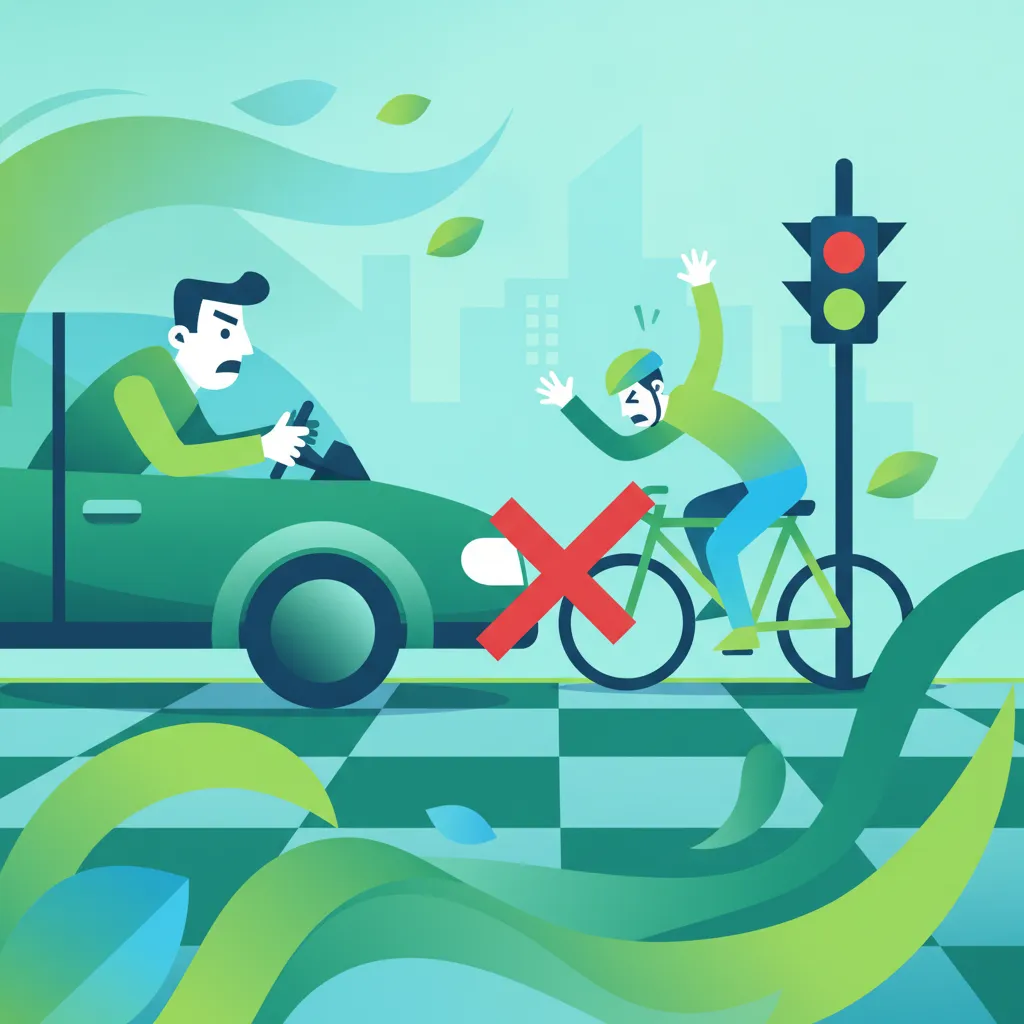
This lesson identifies common high-risk behaviors, including riding while impaired by alcohol, drugs, or fatigue. It details the strict legal limits in Denmark and the severe penalties for violations. The dangers of distraction, particularly from mobile phones, are also explained as a significant cause of accidents.
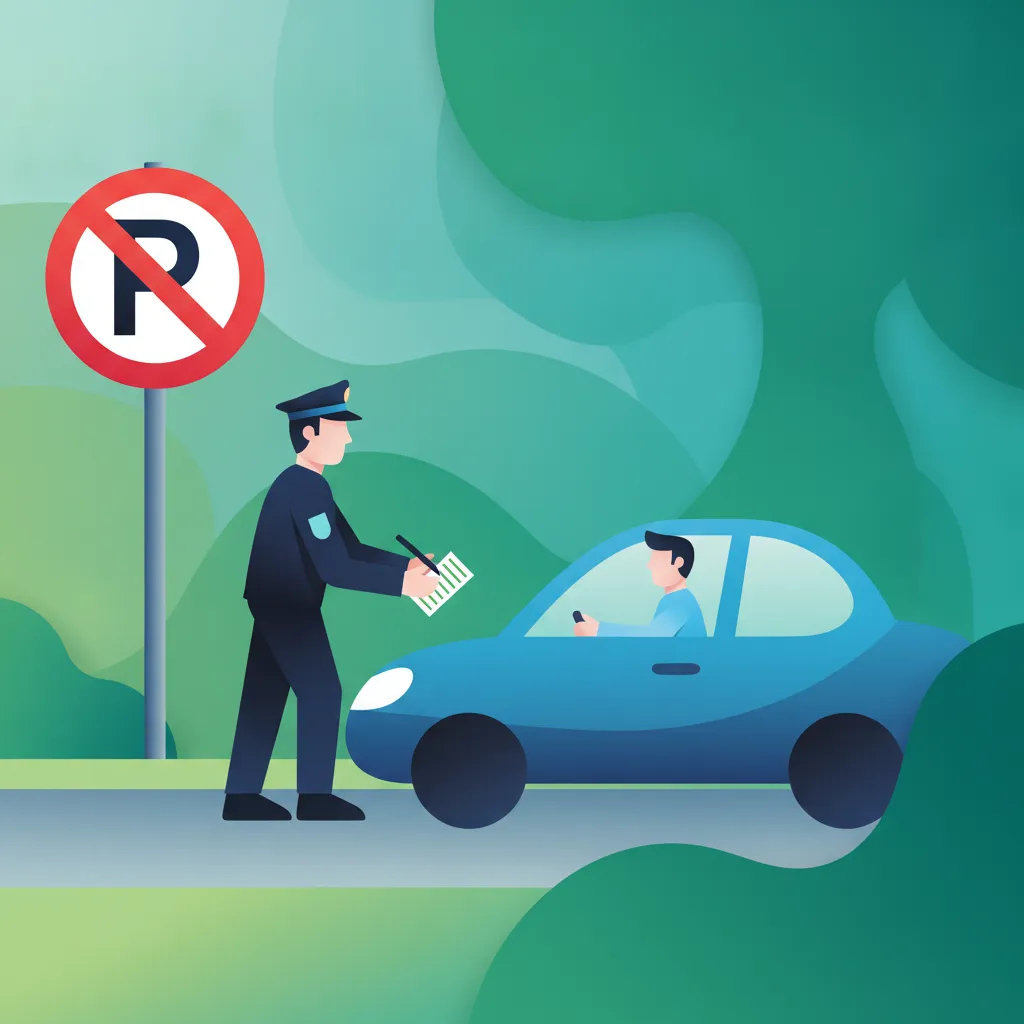
This lesson provides a clear overview of the penalties associated with breaking traffic laws as a motorcyclist. It details the Danish penalty point system ('klip i kørekortet') and the conditions that can lead to fines or licence revocation. Understanding these consequences reinforces the importance of lawful riding.

This lesson details the legal consequences for professional drivers who commit traffic infractions. It explains the Danish system of fines and penalty points for various offenses, from speeding to load security violations, and outlines the conditions that can lead to license suspension. The content underscores the professional and legal obligation to uphold traffic law at all times to maintain a clean driving record.

This lesson provides an overview of the Danish legal system as it applies to motorcyclists. It details the consequences of traffic violations, including fines, penalty points, and potential licence suspension. Learners will also understand their legal responsibilities concerning insurance coverage and procedures to follow in the event of a collision.

This lesson covers the immediate actions to take at the scene of an accident. It explains how and when to call the Danish emergency number 112, and what information to provide to the operator. The content also includes the principles of securing an accident scene to prevent further incidents and basic first aid concepts.
Find clear answers to common questions learners have about Risks for Novice Drivers and Responsible Behavior. Learn how the lesson is structured, which driving theory objectives it supports, and how it fits into the overall learning path of units and curriculum progression in Denmark. These explanations help you understand key concepts, lesson flow, and exam focused study goals.
The theory test assesses not just knowledge of rules, but also your ability to recognize hazardous situations where driver behavior is the main factor. Understanding your own limitations as a novice is a critical part of being a safe driver in Denmark.
Fatigue significantly increases reaction time and reduces awareness. In the context of the exam, you should always choose answers that prioritize taking a break or avoiding driving when tired, as this is a legal and safety requirement.
As a licensed driver, you are legally responsible for the vehicle and all passengers. The correct behavior is to ignore pressure, maintain a safe speed, and prioritize adherence to Danish traffic laws above social influence.
Many test questions are designed to catch drivers who assume a situation is safe when it is not. You must always maintain a defensive mindset and assume other road users might make mistakes, regardless of your own skill level.
Use our powerful search tool to pinpoint specific Danish driving theory topics, road signs, or traffic situations you need to review. Start exploring relevant practice sets now to reinforce your knowledge and build confidence for your upcoming driving licence exam.