
This lesson explores the legal obligations and potential consequences of traffic violations for motorcycle riders in Denmark. It builds on your foundational knowledge to ensure you understand the gravity of road rules and the specific legal penalties applicable to A1, A2, and A licence holders.
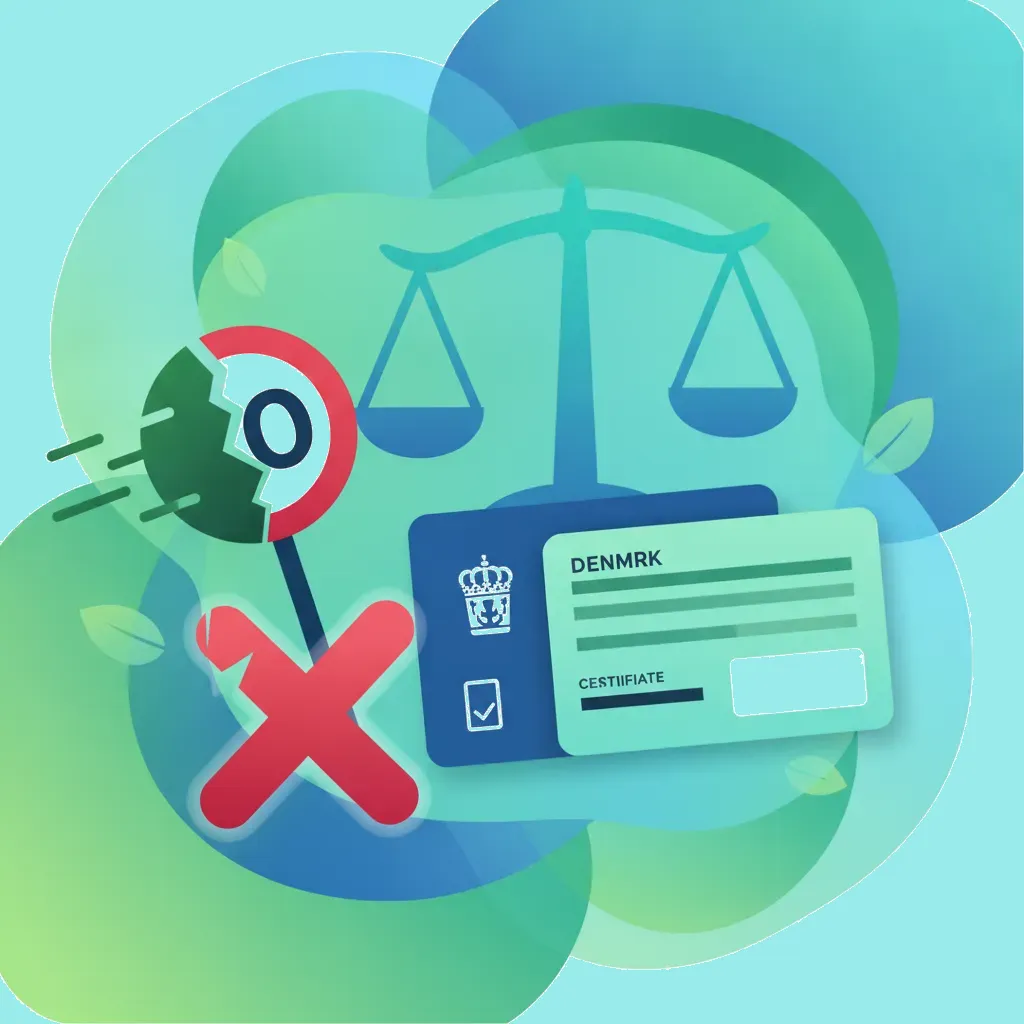
Lesson content overview
Navigating the roads of Denmark on a motorcycle requires not only skill and awareness but also a comprehensive understanding of the legal framework that governs all road users. As part of your Danish Motorcycle Theory education, this lesson provides a detailed overview of the legal responsibilities of motorcyclists, the consequences of traffic violations, and the essential procedures to follow in the event of an accident. Familiarity with these laws is paramount for ensuring your safety, the safety of others, and for avoiding severe penalties that could impact your riding privileges.
The Danish legal system, primarily through the Færdselsloven (Danish Traffic Law) and related regulations, establishes a clear set of rules designed to promote road safety, fairness, and accountability. This framework ensures that all road users, including motorcyclists, adhere to specific standards of conduct. Non-compliance can lead to a range of penalties, from monetary fines and penalty points to the temporary or permanent suspension of your motorcycle licence. Understanding these regulations is not just about avoiding punishment; it's about fostering responsible riding habits and contributing to a safer traffic environment for everyone.
The Færdselsloven, or Danish Traffic Law, serves as the fundamental legal document that outlines the rights and obligations of all participants in Danish road traffic. This comprehensive law covers virtually every aspect of road use, from vehicle registration and licensing requirements to specific rules for various road users, including motorcyclists. For riders, the Færdselsloven dictates critical aspects such as speed limits, rules for overtaking, mandatory use of lights, and general conduct on the road.
This legislation is designed to create an orderly and safe traffic flow. It provides the legal basis for all traffic rules that motorcyclists must strictly observe. For example, specific sections within the Færdselsloven detail the permissible speed limits for motorcycles on different road types, requirements for helmet use, and appropriate lane positioning. It is a common misunderstanding to assume that personal judgment can override these written laws; however, the law is absolute and applies universally. Adhering to these rules is not merely a suggestion but a legal obligation with significant implications for road safety and your riding licence.
The Færdselsloven is continuously updated to reflect changes in traffic conditions, technology, and safety research. Staying informed about current legislation is an ongoing responsibility for all drivers.
Denmark operates a comprehensive penalty point system designed to deter repeat traffic offenses and identify high-risk drivers, including motorcyclists. This system assigns points to a driver's record for specific traffic violations, with the number of points varying based on the severity of the infraction. The primary purpose of this system is to encourage safer driving behaviour by imposing escalating consequences for recurring legal breaches.
Points accumulated on your licence are typically logged for a period of three years from the date of the offense. Understanding how this system works is crucial because accumulating a certain number of points within a specific timeframe can lead directly to the suspension of your riding licence. For instance, minor infractions such as exceeding the speed limit by a specific margin may result in two penalty points, while more serious violations like running a red light or unsafe overtaking could accrue four points. It is a common misconception that penalty points are merely temporary records that do not affect your future licence status; in reality, they have direct and significant consequences for your ability to legally operate a motorcycle.
A numerical value assigned to a driver's licence for specific traffic offenses, designed to monitor and deter unsafe driving behavior.
In addition to penalty points, traffic violations in Denmark almost invariably result in monetary fines. These fines are direct financial consequences for breaking traffic laws and are a key component of the enforcement mechanism. The amount of a fine can vary significantly depending on the nature and severity of the offense.
Many minor infractions, such as small parking violations or not using appropriate lights, are subject to fixed fines, meaning the amount is predetermined. However, for more serious offenses, or those that repeatedly occur, fines can be variable and may even be influenced by the offender's income, particularly in cases involving more severe criminal charges related to traffic. All fines are payable to the state treasury within a set period, and failure to pay can lead to further legal complications and increased penalties. It is incorrect to believe that fines are optional or can be disregarded if penalty points are also accrued; both are distinct consequences that apply simultaneously or independently. For example, riding without a helmet carries a substantial fixed fine, alongside potential penalty points.
One of the most severe consequences for repeated or very serious traffic violations is the suspension or, in extreme cases, permanent revocation of your motorcycle licence. Licence suspension means the temporary withdrawal of your legal right to drive a motorcycle for a specified period. This measure is implemented to protect public safety by removing dangerous or habitually non-compliant drivers from the roads.
The penalty point system directly links to licence suspension. Generally, accumulating six penalty points within a three-year period will lead to a provisional suspension. Further points, such as reaching nine or twelve points, can result in longer, full suspensions. The duration of a suspension can range from one month to several years, depending on the severity and frequency of the offenses. After a suspension period, a driver may be required to undergo a re-examination, additional training, or both, to regain their licence. Expecting to continue riding after your licence has been suspended without facing further legal consequences, including heavy fines and potential imprisonment, is a grave misunderstanding.
The temporary withdrawal of a driver's legal right to operate a motor vehicle, imposed as a consequence of serious or repeated traffic violations.
Provisional Suspension (6 points): Often triggers after accumulating six penalty points within three years. This may involve a warning or a short initial suspension period, often with a requirement to retake a theory or practical test.
Full Suspension (9-12 points): Reaching higher thresholds, such as nine or twelve points, typically leads to more substantial suspension periods, often several months. Regaining the licence after a full suspension almost always requires passing both a theory and practical driving test again.
Immediate Suspension: For very severe offenses, such as driving under the influence of alcohol or drugs, or extremely reckless driving, police can immediately confiscate your licence on the spot, even before a court ruling.
A fundamental legal responsibility for all motorcyclists in Denmark is the requirement to carry at least third-party liability insurance, known as ansvarsforsikring. This insurance is not optional; it is mandatory by law for any vehicle registered and driven on public roads in Denmark. The primary purpose of third-party liability insurance is to provide financial protection for victims of accidents by covering damages caused to other persons, vehicles, or property. It ensures that those who suffer harm due to your actions on the road receive appropriate compensation.
This mandatory coverage does not typically cover damages to your own motorcycle or personal injuries to yourself as the rider. For comprehensive protection of your own vehicle and personal well-being, you would need to acquire additional, optional insurance policies, such as comprehensive coverage (kasko) and personal accident insurance. You are legally required to be able to provide proof of valid insurance at all times when riding. Failure to insure your motorcycle can result in severe legal penalties, including substantial fines and potential impoundment of your vehicle, in addition to leaving you personally liable for all damages in the event of an accident.
Mandatory insurance in Denmark that covers damages and injuries caused by the insured vehicle to other persons, vehicles, or property, but not to the insured vehicle or rider.
Being involved in a motorcycle collision, regardless of its severity, can be a stressful experience. However, it is crucial to remember that there are specific legal obligations and procedures you must follow immediately after an accident. These steps ensure proper documentation, facilitate legal and insurance processes, and prioritize safety.
Failing to stop, provide assistance, or report an accident where required can lead to serious legal consequences, including fines and criminal charges.
Stop Immediately: You are legally obliged to stop your motorcycle immediately and safely at the scene of the accident.
Secure the Scene: Turn off your engine, activate your hazard warning lights, and if safe to do so, place a warning triangle (though not mandatory for motorcycles, it's good practice for larger incidents if available) to alert other traffic. Prioritize your safety and the safety of others.
Provide Assistance: If anyone is injured, you have a legal and ethical duty to provide immediate assistance. Call emergency services (112) without delay if there are injuries, significant damage, or if the situation is dangerous.
Exchange Information: With other parties involved, exchange personal details (name, address, phone number), vehicle details (make, model, registration number), and insurance information. Do not admit fault at the scene.
Document the Scene: If possible and safe, take photos or videos of the accident scene, including vehicle positions, damage, road conditions, and any relevant road signs or markings. Note down the time, date, and weather conditions.
Report to Police (If Necessary): You are legally required to report accidents to the police if there are personal injuries, if significant material damage has occurred, or if the other party leaves the scene. Even for minor incidents, if you cannot exchange details or suspect foul play, contact the police.
Report to Insurance Company: Inform your insurance company as soon as possible, regardless of who you believe is at fault. They will guide you through the claims process.
Understanding the most frequent traffic violations and their associated penalties is a practical way to prevent legal issues and enhance your safety on Danish roads. Many of these common breaches lead to fines and penalty points, with some potentially resulting in licence suspension.
Traffic laws and their enforcement can sometimes have contextual variations based on surrounding conditions. While the core rules remain constant, factors such as weather, road type, and the presence of vulnerable users can influence legal obligations and how a situation might be judged.
Adhering to the legal framework for motorcyclists in Denmark has a profound and multifaceted impact on overall road safety. The laws are not arbitrary; they are meticulously crafted based on extensive research and accident statistics, aiming to mitigate risks and protect all road users.
By understanding and internalizing these legal principles, motorcyclists not only avoid fines and penalties but also actively contribute to a safer, more predictable, and more respectful road environment.
The legal framework governing motorcyclists in Denmark is designed to ensure safety, order, and accountability on the roads. At its core is the Færdselsloven, which outlines the rules and responsibilities for every rider. Key obligations include the mandatory use of a certified helmet, maintaining valid third-party liability insurance (ansvarsforsikring), strict adherence to speed limits, and proper use of lights in all conditions.
Violations of these laws are met with a structured penalty system comprising monetary fines and penalty points. Accumulating points can lead directly to the temporary suspension of your motorcycle licence, requiring potential re-examination to regain your riding privileges. In the unfortunate event of a collision, specific procedures must be followed: stopping, providing assistance, exchanging details with other parties, and reporting the incident to the police and your insurance company if injuries occur or damage is significant. By understanding and diligently adhering to these legal requirements, you not only prevent severe legal penalties but also significantly contribute to a safer and more harmonious traffic environment for everyone on Danish roads.
This lesson covers the Danish legal framework for motorcyclists centered on the Færdselsloven, which establishes mandatory rules including helmet use, valid third-party insurance, and proper light usage. The penalty point system assigns 2-4 points per violation, with accumulating 6 points within three years triggering provisional licence suspension and higher thresholds resulting in full suspension or immediate confiscation for severe offenses. Learners must understand that traffic fines and penalty points apply independently and simultaneously, and that post-accident procedures require stopping safely, providing assistance, exchanging details, documenting the scene, and reporting to police when injuries, significant damage, or unavailable exchanges occur. Compliance with these laws is essential for both passing the Danish theory exam and ensuring road safety.
A short set of high-value points that capture the most important learning from this lesson.
The Færdselsloven (Danish Traffic Law) is the primary legal framework governing all road users, including motorcyclists, and must be strictly adhered to
Denmark's penalty point system assigns 2-4 points per violation, with 6 points triggering provisional suspension and higher thresholds leading to full suspension
Third-party liability insurance (ansvarsforsikring) is mandatory for all motorcycles on Danish roads and must be provable at all times
After any collision involving injury, significant damage, or unavailable exchange of details, police reporting is legally required
The legal blood alcohol limit for riding in Denmark is 0.5 permille, with immediate licence confiscation for violations
Explore all units and lessons included in this driving theory course.
Penalty points remain on your record for 3 years from the date of the offense, not from the date you learn about them
Provisional suspension occurs at 6 points, full suspension at 9-12 points, and immediate confiscation is possible for severe offenses like DUI
Helmet use is mandatory for both rider and passenger without exception, regardless of road type or distance
You must stop, provide assistance, exchange details, and document any accident scene, but never admit fault at the scene
Headlights are mandatory at all times in Denmark, both day and night
Assuming penalty points are merely temporary records with no real consequences for licence status
Believing fines can be ignored or are optional when penalty points are also accrued—both apply simultaneously
Continuing to ride after licence suspension thinking it carries no further legal consequences
Assuming mandatory third-party insurance covers your own injuries or motorcycle damage—it only covers damages to others
Failing to report minor accidents to police when details cannot be exchanged, not realizing this is a legal requirement
Lesson content overview
A short set of high-value points that capture the most important learning from this lesson.
The Færdselsloven (Danish Traffic Law) is the primary legal framework governing all road users, including motorcyclists, and must be strictly adhered to
Denmark's penalty point system assigns 2-4 points per violation, with 6 points triggering provisional suspension and higher thresholds leading to full suspension
Third-party liability insurance (ansvarsforsikring) is mandatory for all motorcycles on Danish roads and must be provable at all times
After any collision involving injury, significant damage, or unavailable exchange of details, police reporting is legally required
The legal blood alcohol limit for riding in Denmark is 0.5 permille, with immediate licence confiscation for violations
Explore all units and lessons included in this driving theory course.
Penalty points remain on your record for 3 years from the date of the offense, not from the date you learn about them
Provisional suspension occurs at 6 points, full suspension at 9-12 points, and immediate confiscation is possible for severe offenses like DUI
Helmet use is mandatory for both rider and passenger without exception, regardless of road type or distance
You must stop, provide assistance, exchange details, and document any accident scene, but never admit fault at the scene
Headlights are mandatory at all times in Denmark, both day and night
Assuming penalty points are merely temporary records with no real consequences for licence status
Believing fines can be ignored or are optional when penalty points are also accrued—both apply simultaneously
Continuing to ride after licence suspension thinking it carries no further legal consequences
Assuming mandatory third-party insurance covers your own injuries or motorcycle damage—it only covers damages to others
Failing to report minor accidents to police when details cannot be exchanged, not realizing this is a legal requirement
Explore search topics learners often look for when studying Legal Framework and Penalties. These topics reflect common questions about road rules, driving situations, safety guidance, and lesson level theory preparation for learners in Denmark.
Browse additional driving theory lessons that cover connected traffic rules, road signs, and common driving situations related to this topic. Improve your understanding of how different rules interact across everyday traffic scenarios.
Understand the specific traffic violations on Danish roads for motorcyclists, including their associated fines, penalty points, and potential licence suspension. Learn your legal obligations and the consequences of non-compliance.
This lesson provides a clear overview of the penalties associated with breaking traffic laws as a motorcyclist. It details the Danish penalty point system ('klip i kørekortet') and the conditions that can lead to fines or licence revocation. Understanding these consequences reinforces the importance of lawful riding.
This lesson details the legal consequences for professional drivers who commit traffic infractions. It explains the Danish system of fines and penalty points for various offenses, from speeding to load security violations, and outlines the conditions that can lead to license suspension. The content underscores the professional and legal obligation to uphold traffic law at all times to maintain a clean driving record.
This lesson identifies common high-risk behaviors, including riding while impaired by alcohol, drugs, or fatigue. It details the strict legal limits in Denmark and the severe penalties for violations. The dangers of distraction, particularly from mobile phones, are also explained as a significant cause of accidents.

This lesson examines the specific risks inherent to motorcycling, emphasizing a rider's vulnerability due to reduced physical protection compared to other vehicles. It covers the heightened severity of injuries in accidents and the critical role of protective gear in mitigating harm. Learners will understand how to adopt defensive strategies, such as proper road positioning, to counteract these risks.
This lesson details the function and meaning of traffic light signals in Denmark. It covers the standard red, amber, and green sequences, as well as special signals like flashing amber lights and green arrows for turning. The content also explains signals specific to cyclists and pedestrians that moped riders must observe at intersections.
This lesson defines the fundamental responsibilities of a motorcyclist, which extend beyond simple rule-following. It emphasizes the duty of care required to operate safely, including practicing defensive riding techniques and proactively identifying potential hazards. The content focuses on the importance of maintaining visibility and communicating intentions clearly to ensure safe interactions in traffic.
This lesson introduces the primary categories of Danish road signs and their legal implications. It covers regulatory signs that dictate mandatory actions or prohibitions, and warning signs that indicate upcoming hazards. Correct interpretation of these signs is fundamental for lawful and safe riding on Danish roads.
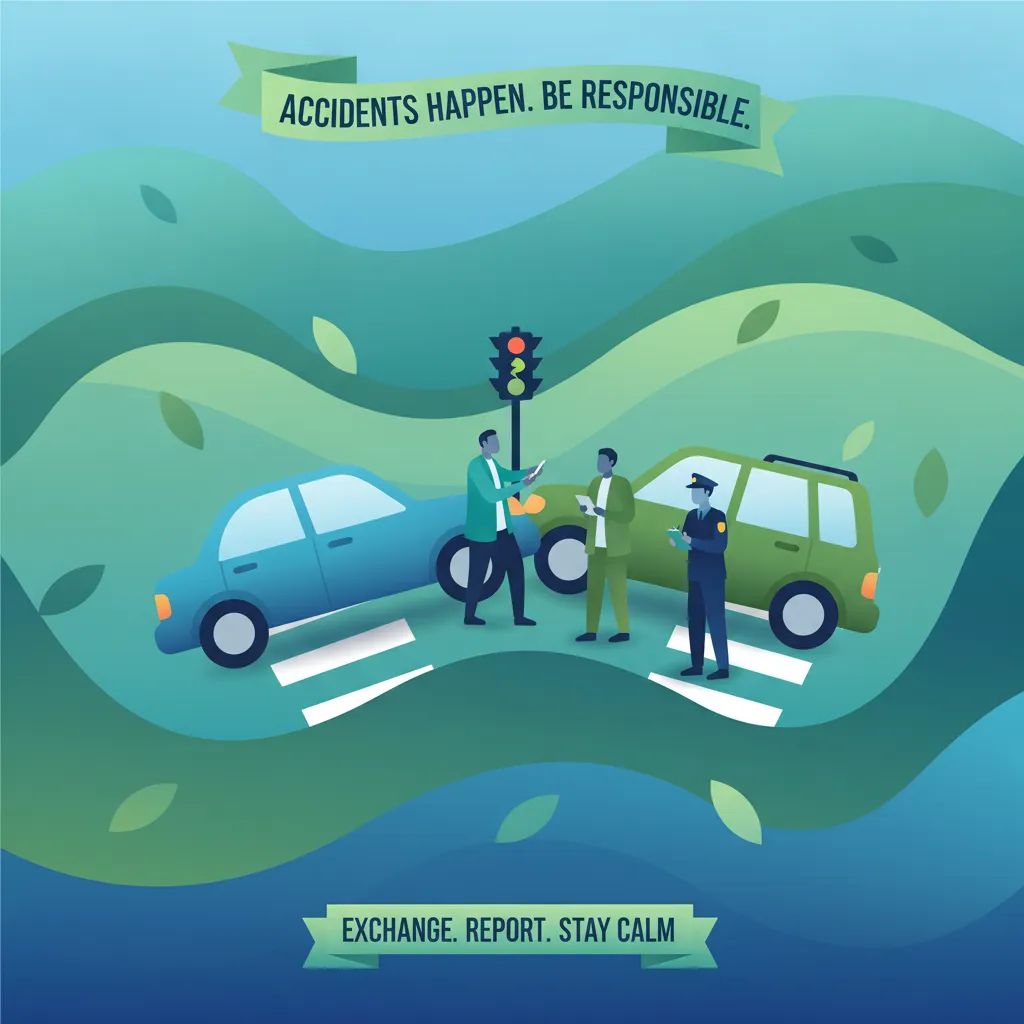
This lesson outlines the legal responsibilities of a rider involved in a traffic accident. It explains the legal duty to stop, render aid, and report the incident to the police and insurance providers. The content covers the concepts of liability and the potential legal consequences following an accident.
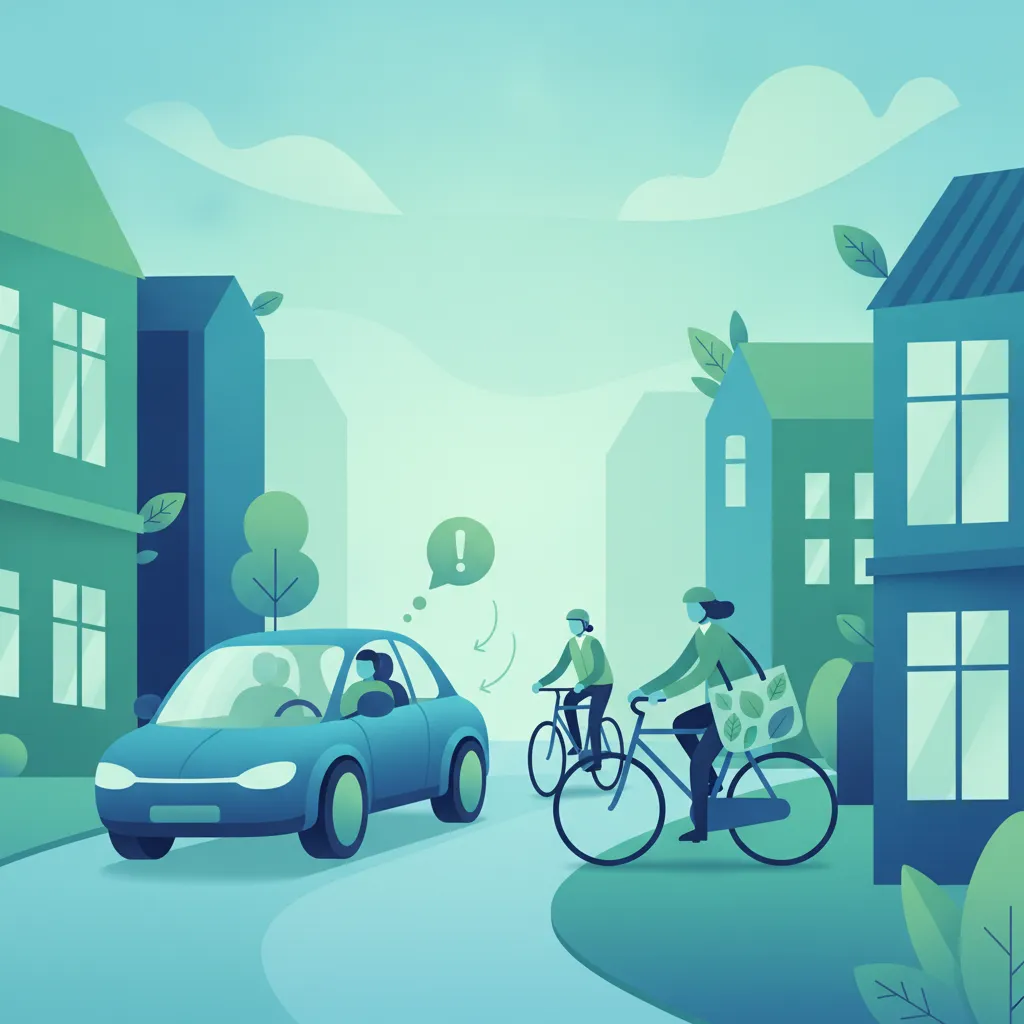
This lesson focuses on safe interactions with Denmark's large population of cyclists and other vulnerable road users. It covers the rules for passing cyclists, yielding at pedestrian crossings, and the specific hazard of turning across a bike lane. Developing heightened awareness for these interactions is critical for urban riding.
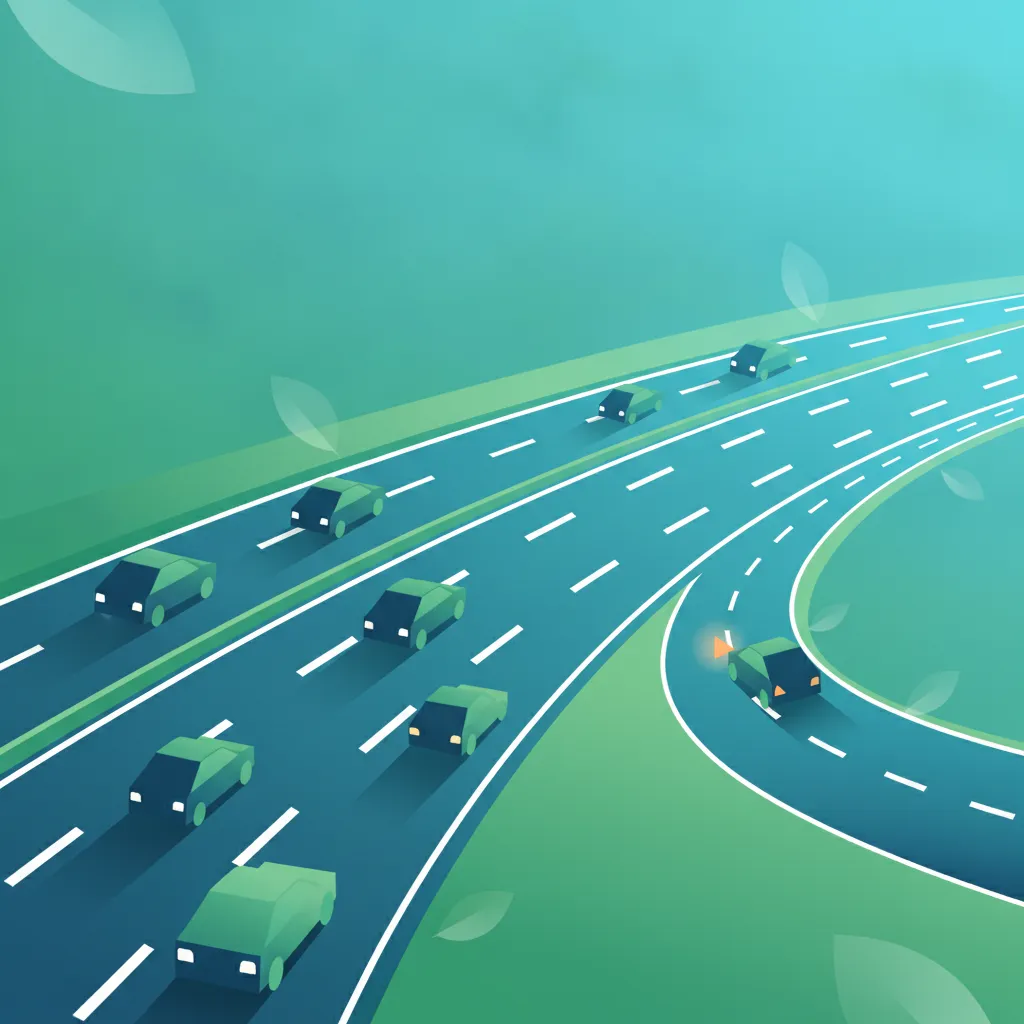
This lesson provides a guide to motorway riding, a high-speed and demanding environment. It details the process for using acceleration lanes to merge smoothly, maintaining proper lane discipline, and preparing for exits well in advance. Key safety principles like the two-second rule are reinforced for this context.
Learn about the mandatory third-party liability insurance for motorcycles in Denmark and the essential legal procedures to follow after a collision, including securing the scene and reporting requirements.
This lesson outlines the legal responsibilities of a rider involved in a traffic accident. It explains the legal duty to stop, render aid, and report the incident to the police and insurance providers. The content covers the concepts of liability and the potential legal consequences following an accident.
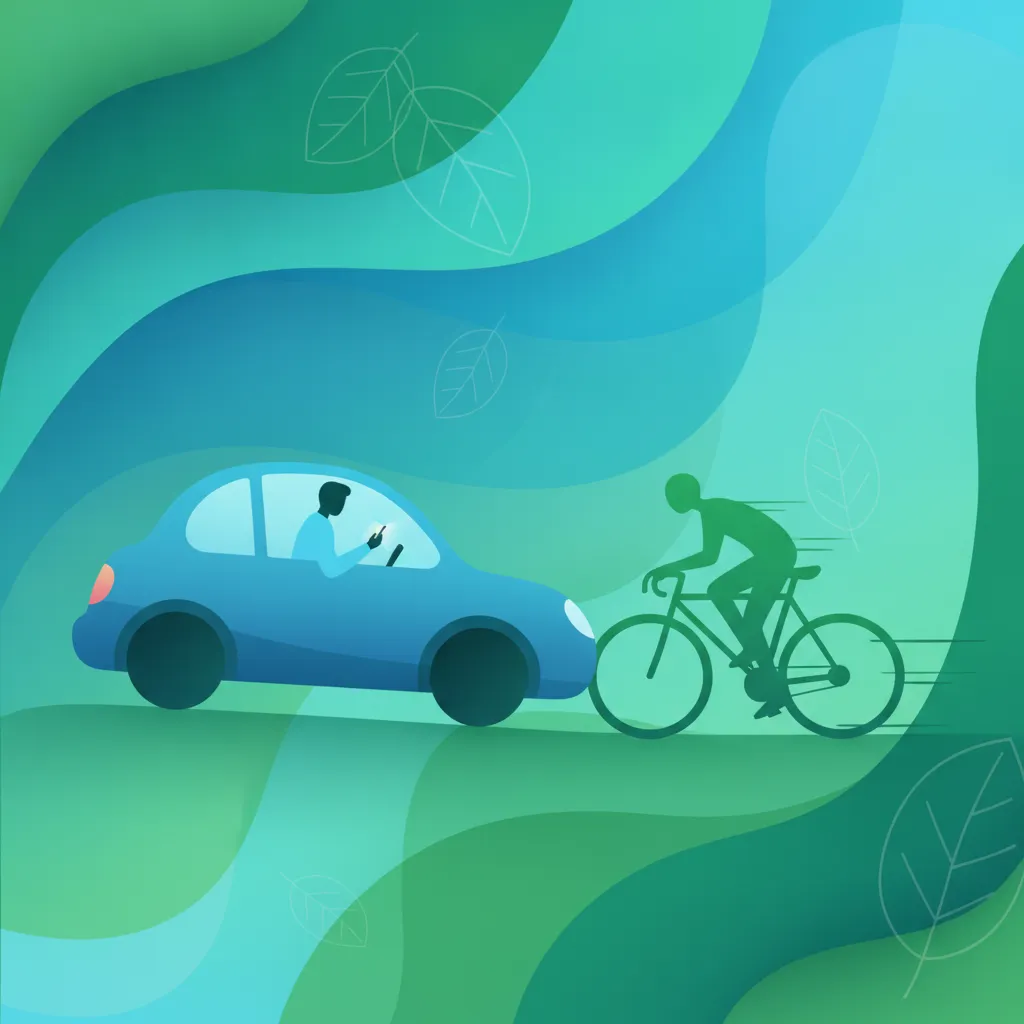
This lesson prepares riders for the unfortunate event of a crash. It covers the crucial first steps to take, including ensuring personal safety, making the accident scene visible to prevent further collisions, and assessing for injuries. Understanding these immediate priorities can significantly impact the outcome of an emergency situation.
This lesson defines the fundamental responsibilities of a motorcyclist, which extend beyond simple rule-following. It emphasizes the duty of care required to operate safely, including practicing defensive riding techniques and proactively identifying potential hazards. The content focuses on the importance of maintaining visibility and communicating intentions clearly to ensure safe interactions in traffic.
This lesson provides a clear overview of the penalties associated with breaking traffic laws as a motorcyclist. It details the Danish penalty point system ('klip i kørekortet') and the conditions that can lead to fines or licence revocation. Understanding these consequences reinforces the importance of lawful riding.
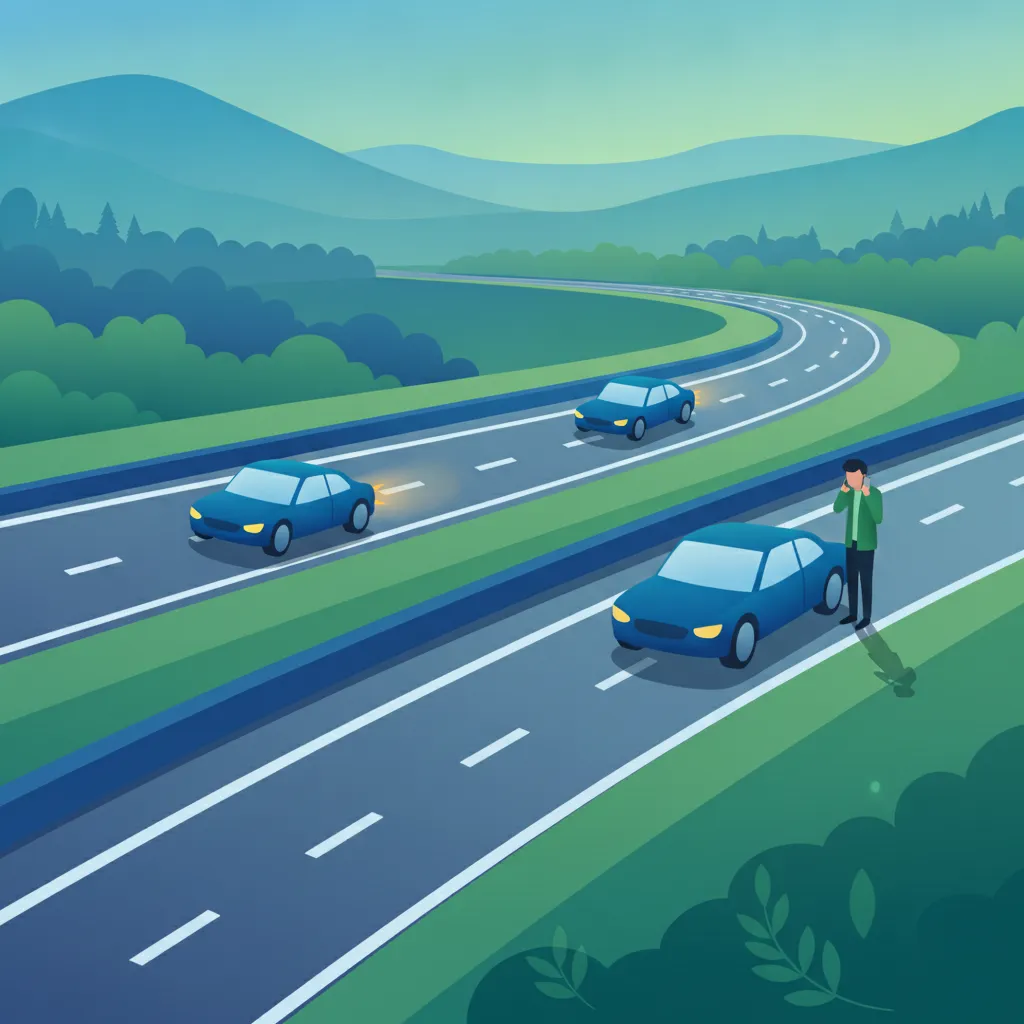
This lesson covers the immediate actions to take at the scene of an accident. It explains how and when to call the Danish emergency number 112, and what information to provide to the operator. The content also includes the principles of securing an accident scene to prevent further incidents and basic first aid concepts.

This final lesson provides essential, life-saving information for accident response. It covers the basics of first aid, such as managing bleeding and checking for consciousness, which can be critical until professional help arrives. It also details how to provide clear, concise information to the emergency operator when calling 112.
This lesson examines the specific risks inherent to motorcycling, emphasizing a rider's vulnerability due to reduced physical protection compared to other vehicles. It covers the heightened severity of injuries in accidents and the critical role of protective gear in mitigating harm. Learners will understand how to adopt defensive strategies, such as proper road positioning, to counteract these risks.
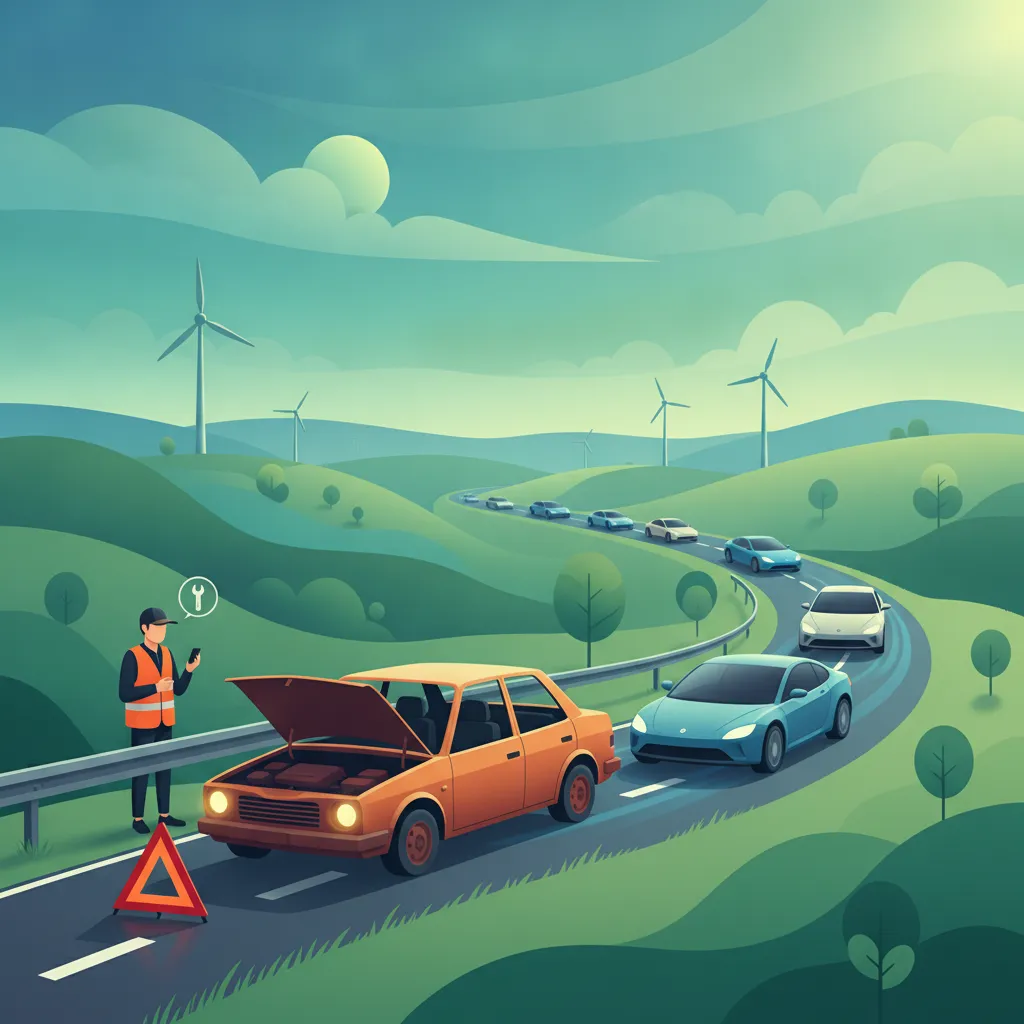
This lesson outlines a step-by-step procedure for managing a mechanical breakdown on the road. It covers moving the motorcycle to a safe location, using hazard lights, and wearing high-visibility clothing. The goal is to ensure personal safety while minimizing disruption and danger to other traffic.
This lesson focuses on the core safety duties of a stor knallert rider. It explains the legal requirement for wearing a helmet and the benefits of other protective gear. The content also covers essential pre-ride checks, including brakes, tyres, and lights, to ensure the vehicle is in safe operating condition.
Find clear answers to common questions learners have about Legal Framework and Penalties. Learn how the lesson is structured, which driving theory objectives it supports, and how it fits into the overall learning path of units and curriculum progression in Denmark. These explanations help you understand key concepts, lesson flow, and exam focused study goals.
Exceeding speed limits can result in fines, and depending on the severity, can lead to a conditional suspension or withdrawal of your motorcycle license. The Danish police utilize a point system where repeated offenses lead to stricter penalties.
New riders are subject to a probationary period where committing certain traffic violations can lead to a mandatory re-test or even the loss of the license. It is crucial to strictly adhere to traffic laws during this phase.
You must immediately stop your motorcycle, secure the scene to prevent further danger, and provide assistance to injured persons. You are also legally required to exchange insurance information with other involved parties and report serious accidents to the police.
While the core traffic laws are the same, the penalties for riding a motorcycle that exceeds your specific license power-to-weight category (e.g., riding an A-category bike with an A2 license) can result in severe legal consequences, including heavy fines and immediate license revocation.
Use our powerful search tool to pinpoint specific Danish driving theory topics, road signs, or traffic situations you need to review. Start exploring relevant practice sets now to reinforce your knowledge and build confidence for your upcoming driving licence exam.