
This lesson details the essential requirements for selecting, wearing, and maintaining a motorcycle helmet for A1, A2, and A license holders in Denmark. It covers the critical safety standards you must recognize to ensure maximum protection and legal compliance during your training and on the road.

Lesson content overview
For every motorcyclist, the helmet stands as the single most critical piece of safety equipment. Its primary purpose is to protect your head from injury during an accident, significantly reducing the risk and severity of head trauma. This lesson provides a comprehensive guide to understanding, selecting, fitting, maintaining, and replacing your motorcycle helmet, ensuring you meet legal requirements and ride with maximum protection.
A motorcycle helmet acts as a vital protective barrier, designed to absorb impact energy during a crash and prevent penetration from sharp objects. It is engineered to distribute the force of an impact over a larger area, minimizing concentrated pressure on the skull. Beyond impact protection, helmets can also enhance visibility for other road users through their color and reflective elements, contributing to overall road safety. The importance of helmets is intrinsically linked to broader safety practices, including the use of other protective clothing and adherence to safe riding techniques, all aimed at reducing the inherent risks of motorcycling.
Different types of motorcycle helmets offer varying levels of protection, comfort, and functionality, catering to diverse riding styles and conditions. Understanding these differences is key to selecting a helmet that best suits your specific needs.
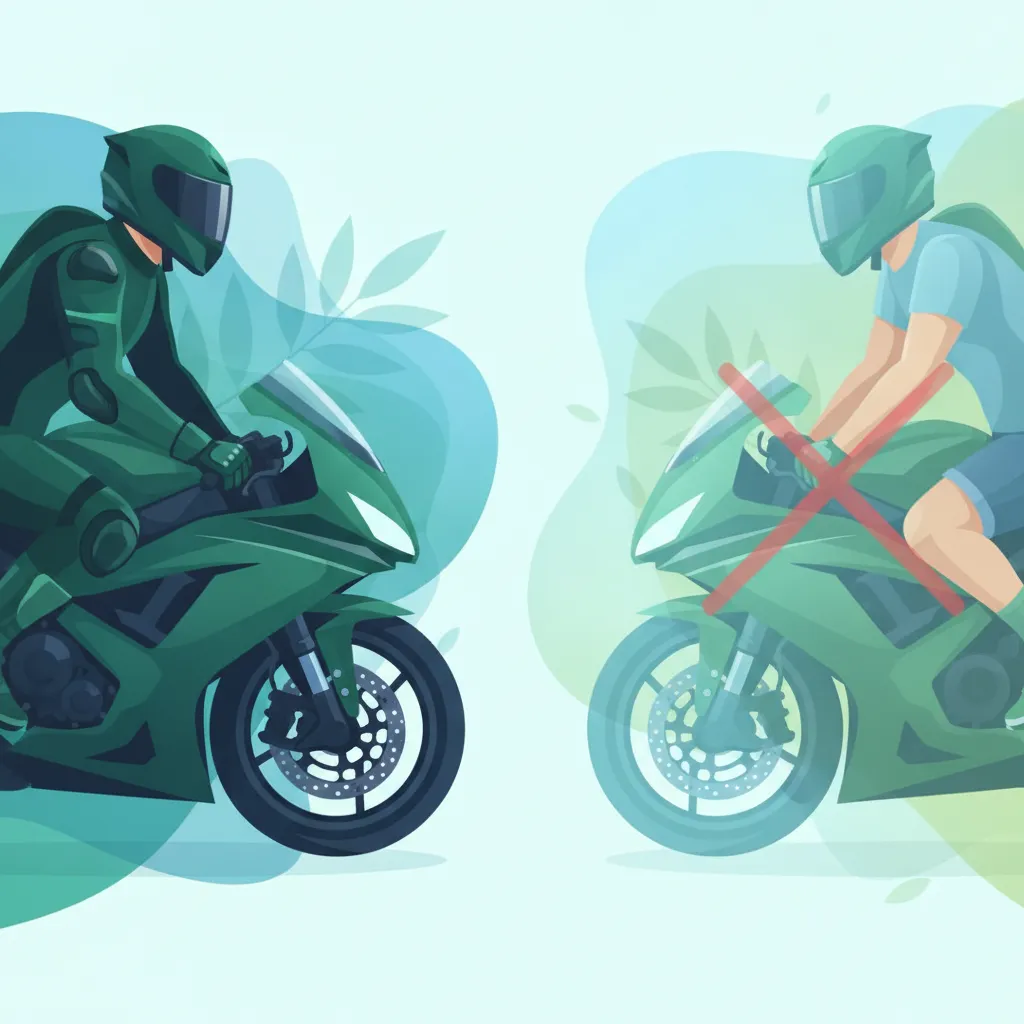
Full-face helmets offer the highest level of protection by covering the entire head, including the chin and jaw area. They feature a fixed chin bar and a movable visor, providing complete facial protection from impact, wind, dust, and rain. This design is highly preferred for high-speed riding, long distances, and adverse weather conditions due to its superior aerodynamics, noise reduction, and comprehensive safety features. While some riders might mistakenly believe that modular helmets offer equivalent protection, a true full-face helmet often provides a more rigid, integrated structure designed for maximum energy absorption.
Open-face helmets, also known as "three-quarter" helmets, cover the top, back, and sides of the head but leave the face entirely exposed. While they offer excellent peripheral vision and a sense of freedom, they provide significantly less protection against facial impacts compared to full-face or modular helmets. Many riders using open-face helmets choose to wear goggles or separate visors to protect their eyes from wind, debris, and insects. These helmets are generally more suitable for low-speed urban riding or scooter use where facial protection from impacts might be perceived as a lower priority, though the risk remains. It's a misunderstanding to believe an open-face helmet offers equivalent protection in all scenarios.
Off-road helmets, such as motocross helmets, are specifically designed for the unique demands of dirt riding and off-road environments. They typically feature an elongated chin bar for improved airflow, a large peak (visor) to shield from sun glare and roost (debris kicked up by other riders), and a wider eyeport to accommodate goggles. These helmets are often lighter and prioritize ventilation. While excellent for their intended purpose, they are generally not ideal for high-speed road riding due to increased wind resistance from the peak and chin bar, which can cause neck fatigue and reduced aerodynamics. Their protection profile is tailored for different impact types compared to road helmets.
An improperly fitting helmet can be as dangerous as no helmet at all. A helmet that is too loose can shift during an impact, exposing vulnerable areas of the head, while one that is too tight can cause discomfort and distraction. Proper fit is paramount for optimal energy absorption and retention during a crash.
Helmet sizing is primarily determined by your head circumference. To measure, use a flexible tape measure and wrap it around the largest part of your head, typically about 2.5 cm (one inch) above your eyebrows and ears. This measurement, usually in centimeters, can then be cross-referenced with the specific manufacturer's size chart. It is important to note that helmet sizes can vary slightly between brands, so always consult the chart for the specific helmet you intend to purchase. Relying solely on visual appearance or assuming a size from a different brand will fit identically is a common mistake.
A correctly sized helmet should feel very snug initially, with even pressure distributed around your head and cheeks. It should not feel painful or create pressure points, but a slight pressure on your cheeks is normal.
Put the helmet on and fasten the chin strap. Ensure it sits level on your head and your eyes are centered in the eyeport.
Try to move the helmet from side to side and up and down with your hands. There should be minimal movement (no more than an inch) and your scalp should move with the helmet.
Hold the chin bar (or front of the helmet) and try to pull the helmet upwards off your head. It should not come off.
If the helmet moves excessively or can be easily removed, it is too large. If it causes painful pressure points or restricts your vision, it is too small.
A new helmet might feel a bit tight at first, but the comfort padding will compress slightly over a short break-in period, typically within a few hours of wear, leading to a comfortable yet secure fit. Choosing a larger size for immediate comfort is a common mistake that compromises safety.
Even the best helmet offers no protection if it comes off during an accident. The retention system, commonly a chin strap, is designed to keep the helmet securely on your head. Correct fastening is as important as proper fit.
The chin strap must always be tightened snugly. Once fastened, you should be able to fit only one finger, or at most two fingers, between the strap and your chin. It should feel firm but not uncomfortably restrictive. The strap should not be loose enough to allow the helmet to rotate or be pulled off your head. A common violation is riders loosening or removing the chin strap at traffic lights, which can be dangerous if a sudden stop or impact occurs. Always ensure the strap is tight before setting off and remains so throughout your ride.
While the fundamental purpose remains the same, helmet retention systems come in a few common designs:
Regardless of the type, the system must be easy to use but ultimately secure, preventing the helmet from being dislodged in a crash. Never assume a decorative buckle is sufficient; only approved retention systems provide reliable safety.
Regular maintenance and proper care are essential to preserve your helmet's structural integrity, functionality, and lifespan. Neglecting these aspects can degrade the helmet's safety performance over time.
For general cleaning of the helmet's exterior shell, use mild soap and lukewarm water with a soft cloth. Avoid harsh chemicals, abrasive cleaners, or solvents, as these can degrade the helmet's shell material (e.g., polycarbonate, fiberglass) and coatings, including the visor. The interior padding often includes removable, washable liners. These should be hand-washed with mild soap or a specialized helmet interior cleaner and air-dried completely before reinstallation. Visors should be cleaned carefully with water and a microfibre cloth to prevent scratches and maintain optical clarity; some visors have special anti-fog or anti-scratch coatings that can be damaged by improper cleaning.
Periodically inspect both the interior and exterior of your helmet for signs of wear or damage.
Proper storage helps prevent material degradation. Always store your helmet away from direct sunlight and extreme temperatures (both hot and cold). Prolonged exposure to UV light can weaken the shell materials and cause the foam liner to deteriorate. Store it in a cool, dry place, ideally in a helmet bag, to protect it from dust, scratches, and accidental falls. Avoid hanging your helmet by the chin strap, as this can deform the padding over time.
A helmet has a finite lifespan, regardless of its apparent condition. Knowing when to replace it is crucial for ensuring continued protection.
The energy-absorbing foam liner within the helmet is designed to crush and dissipate energy upon impact. Once this compression occurs, even if not visible from the outside, the liner's protective properties are compromised, and it cannot provide the same level of protection in a subsequent impact. Therefore, regardless of how minor a fall or collision might seem, a helmet that has sustained an impact should be replaced without hesitation.
Most helmet manufacturers recommend replacing a helmet every five years from its date of manufacture or production date (often indicated on a label inside the helmet), or after three years of regular use. This recommendation exists because the materials that make up a helmet – including the resins, adhesives, and foam liners – can degrade over time due to exposure to sweat, oils from skin, environmental pollutants, and especially UV light.
Even without an impact, these materials can lose their effectiveness, making the helmet less able to protect you in a crash. Regular inspection for signs of UV damage, such as faded paint, brittle plastic components, or degraded interior fabrics, is essential.
In Denmark, as in most European countries, strict regulations govern the use of motorcycle helmets. These laws are in place to drastically reduce the severity of head injuries, which are a leading cause of fatality and serious injury in motorcycle accidents.
All motorcyclists, including those riding A1, A2, and A class motorcycles, are legally required to wear an approved motorcycle helmet. The primary approval standard accepted in Denmark and throughout the European Economic Area is ECE R22.05. This standard certifies that the helmet has undergone rigorous testing for impact absorption, penetration resistance, chin strap retention, and peripheral vision.
For example, a rider wearing a full-face ECE-approved helmet, properly fastened, on a Danish highway is demonstrating correct application of the law. Conversely, using a non-approved decorative helmet, or riding with the chin strap undone, constitutes an incorrect and illegal application.
While child riders are generally allowed on motorcycles in Denmark, specific restrictions apply to ensure their safety:
These rules are mandatory and are designed to protect children, whose physical development makes them more vulnerable to the forces and risks associated with motorcycling.
Riding without an approved helmet or with an improperly fastened helmet is a serious offense in Denmark. The consequences can include significant fines and, in some cases, points on your license. More importantly, the personal consequences of being involved in an accident without proper head protection can be catastrophic, leading to severe brain injuries, permanent disability, or death.
Understanding helmet types and regulations is the foundation, but applying this knowledge in diverse riding scenarios ensures practical safety.
The helmet is your most vital piece of motorcycle safety equipment. Making an informed choice and adhering to proper usage and maintenance protocols will significantly reduce your risk of severe injury.
This lesson covers the essential knowledge for selecting, fitting, and maintaining a motorcycle helmet in Denmark. Full-face helmets provide superior protection compared to open-face designs, and all helmets must meet ECE R22.05 standards to be legal. Proper fit requires measuring head circumference and testing for minimal movement, while the chin strap must always remain tightly fastened. Helmets must be replaced after any impact regardless of visible damage and typically every five years due to material degradation from UV exposure and sweat. Understanding these principles is critical for both exam preparation and real-world rider safety.
A short set of high-value points that capture the most important learning from this lesson.
Full-face helmets offer the highest level of protection by covering the entire head and chin area, making them superior to open-face or modular designs for maximum safety.
A helmet must fit snugly with minimal movement (no more than an inch) and your scalp should move with it when tested side to side.
In Denmark, all motorcycle helmets must carry ECE R22.05 certification, which verifies impact absorption, penetration resistance, and retention system effectiveness.
Helmets must be replaced immediately after any impact, even without visible damage, because the energy-absorbing foam liner loses its protective properties after compression.
The chin strap must remain tightly fastened throughout the entire ride, not just at highway speeds.
Explore all units and lessons included in this driving theory course.
ECE R22.05 is the mandatory European safety standard for motorcycle helmets in Denmark and throughout the EEA.
Replace helmets every five years from manufacture date or after three years of regular use, due to material degradation from UV exposure and sweat.
Modular helmets provide convenience but the chin bar must be securely locked in the full-face position while riding at any speed.
Never loosen or remove the chin strap at traffic lights or during stops; the helmet cannot protect if it comes off during an unexpected event.
Check both interior EPS foam and exterior shell regularly for cracks, compression, or deterioration that compromises safety.
Choosing a helmet that is too large for immediate comfort, which allows dangerous movement during an impact.
Loosening or unbuckling the chin strap during short stops, thinking low-speed situations are safe.
Using non-approved decorative or novelty helmets because they look acceptable or are comfortable.
Continuing to use a helmet beyond its recommended lifespan or after minor falls because no damage is visible.
Riding with an open visor at highway speeds, which creates wind resistance and exposes the face to debris.
Lesson content overview
A short set of high-value points that capture the most important learning from this lesson.
Full-face helmets offer the highest level of protection by covering the entire head and chin area, making them superior to open-face or modular designs for maximum safety.
A helmet must fit snugly with minimal movement (no more than an inch) and your scalp should move with it when tested side to side.
In Denmark, all motorcycle helmets must carry ECE R22.05 certification, which verifies impact absorption, penetration resistance, and retention system effectiveness.
Helmets must be replaced immediately after any impact, even without visible damage, because the energy-absorbing foam liner loses its protective properties after compression.
The chin strap must remain tightly fastened throughout the entire ride, not just at highway speeds.
Explore all units and lessons included in this driving theory course.
ECE R22.05 is the mandatory European safety standard for motorcycle helmets in Denmark and throughout the EEA.
Replace helmets every five years from manufacture date or after three years of regular use, due to material degradation from UV exposure and sweat.
Modular helmets provide convenience but the chin bar must be securely locked in the full-face position while riding at any speed.
Never loosen or remove the chin strap at traffic lights or during stops; the helmet cannot protect if it comes off during an unexpected event.
Check both interior EPS foam and exterior shell regularly for cracks, compression, or deterioration that compromises safety.
Choosing a helmet that is too large for immediate comfort, which allows dangerous movement during an impact.
Loosening or unbuckling the chin strap during short stops, thinking low-speed situations are safe.
Using non-approved decorative or novelty helmets because they look acceptable or are comfortable.
Continuing to use a helmet beyond its recommended lifespan or after minor falls because no damage is visible.
Riding with an open visor at highway speeds, which creates wind resistance and exposes the face to debris.
Explore search topics learners often look for when studying Helmet Selection and Proper Use. These topics reflect common questions about road rules, driving situations, safety guidance, and lesson level theory preparation for learners in Denmark.
Browse additional driving theory lessons that cover connected traffic rules, road signs, and common driving situations related to this topic. Improve your understanding of how different rules interact across everyday traffic scenarios.
Understand the legal requirements for motorcycle helmets in Denmark, including mandatory standards like ECE R22.05. Learn about helmet type approvals and consequences of non-compliance for your A1, A2, or A license.
This lesson explains the critical role of specialized protective clothing in rider safety. It details the features of motorcycle jackets, pants, gloves, and boots, focusing on abrasion resistance and impact protection. Learners will understand how to identify gear that meets official CE certification standards for maximum safety.

This lesson focuses on the core safety duties of a stor knallert rider. It explains the legal requirement for wearing a helmet and the benefits of other protective gear. The content also covers essential pre-ride checks, including brakes, tyres, and lights, to ensure the vehicle is in safe operating condition.

This lesson examines the specific risks inherent to motorcycling, emphasizing a rider's vulnerability due to reduced physical protection compared to other vehicles. It covers the heightened severity of injuries in accidents and the critical role of protective gear in mitigating harm. Learners will understand how to adopt defensive strategies, such as proper road positioning, to counteract these risks.
Learn essential tips for maintaining your motorcycle helmet, including proper cleaning, storage, and crucial advice on when to replace it due to age or impact. Ensure optimal protection for your rides in Denmark.

This lesson details the systematic pre-ride inspection process that all motorcyclists must perform. It covers critical safety checks, including verifying correct tyre pressure, assessing brake pad wear, and ensuring all lights are functional. Regular completion of these checks is essential for preventing mechanical failures and ensuring rider safety.
This lesson explains the critical role of specialized protective clothing in rider safety. It details the features of motorcycle jackets, pants, gloves, and boots, focusing on abrasion resistance and impact protection. Learners will understand how to identify gear that meets official CE certification standards for maximum safety.
This lesson examines the specific risks inherent to motorcycling, emphasizing a rider's vulnerability due to reduced physical protection compared to other vehicles. It covers the heightened severity of injuries in accidents and the critical role of protective gear in mitigating harm. Learners will understand how to adopt defensive strategies, such as proper road positioning, to counteract these risks.

This lesson defines the fundamental responsibilities of a motorcyclist, which extend beyond simple rule-following. It emphasizes the duty of care required to operate safely, including practicing defensive riding techniques and proactively identifying potential hazards. The content focuses on the importance of maintaining visibility and communicating intentions clearly to ensure safe interactions in traffic.
Find clear answers to common questions learners have about Helmet Selection and Proper Use. Learn how the lesson is structured, which driving theory objectives it supports, and how it fits into the overall learning path of units and curriculum progression in Denmark. These explanations help you understand key concepts, lesson flow, and exam focused study goals.
Even if there are no visible cracks on the outer shell, the shock-absorbing inner liner (EPS foam) may have compressed during the impact. This material is designed to crush to absorb energy, and it cannot recover its protective properties after being compromised.
No, you must ensure your helmet is ECE-approved. Look for the E-mark label on the helmet, which signifies it meets current European safety standards, a requirement often tested in the theory exam.
A helmet should fit snugly around your entire head without pressure points. It should not move independently of your skin when you shake your head, and the chin strap must be tight enough so that the helmet cannot be pulled off over your forehead.
Yes, different designs offer varying fields of view. Full-face helmets provide the highest safety but require you to turn your head more to check blind spots, whereas other types might offer a wider peripheral view but less facial protection.
Use our powerful search tool to pinpoint specific Danish driving theory topics, road signs, or traffic situations you need to review. Start exploring relevant practice sets now to reinforce your knowledge and build confidence for your upcoming driving licence exam.